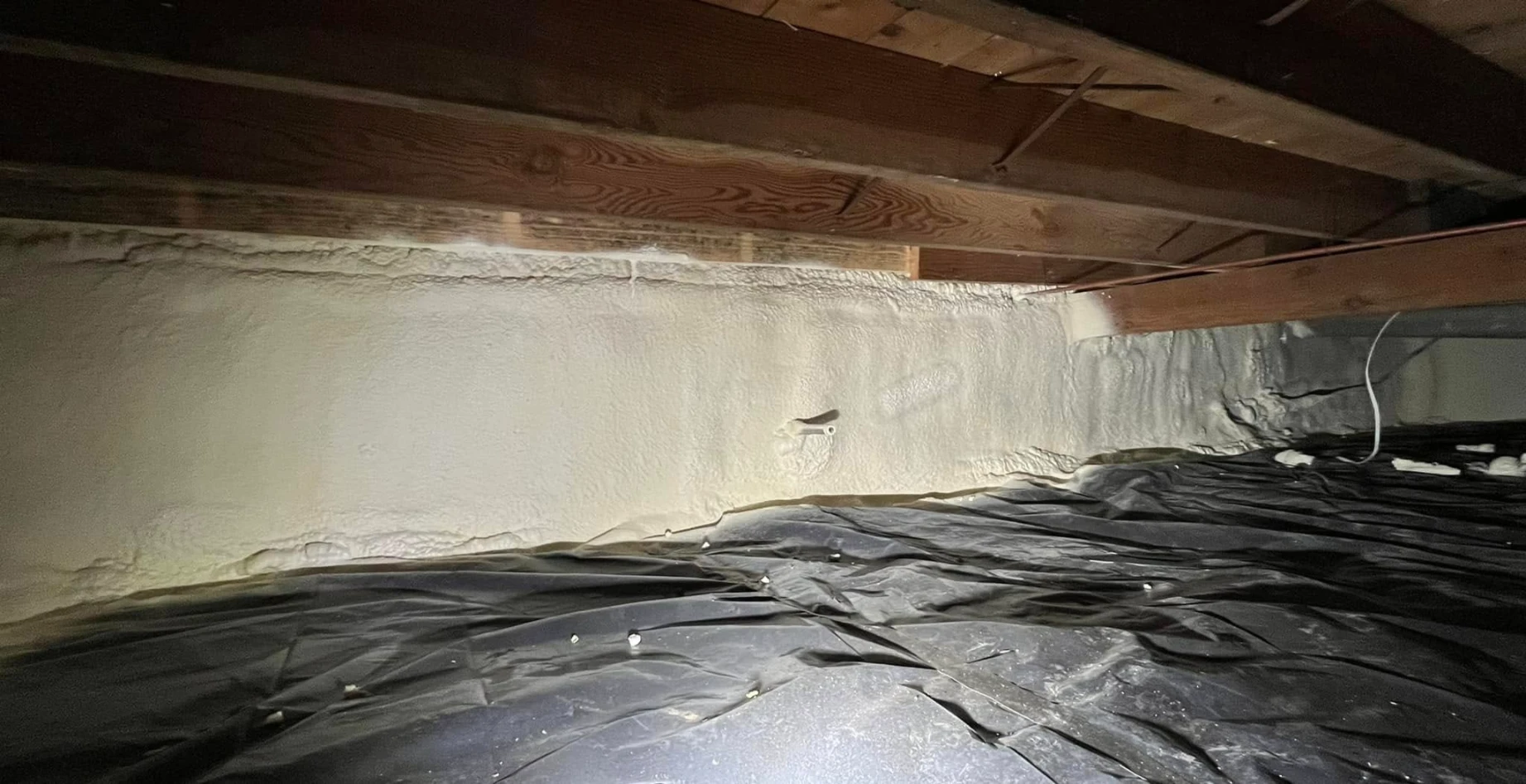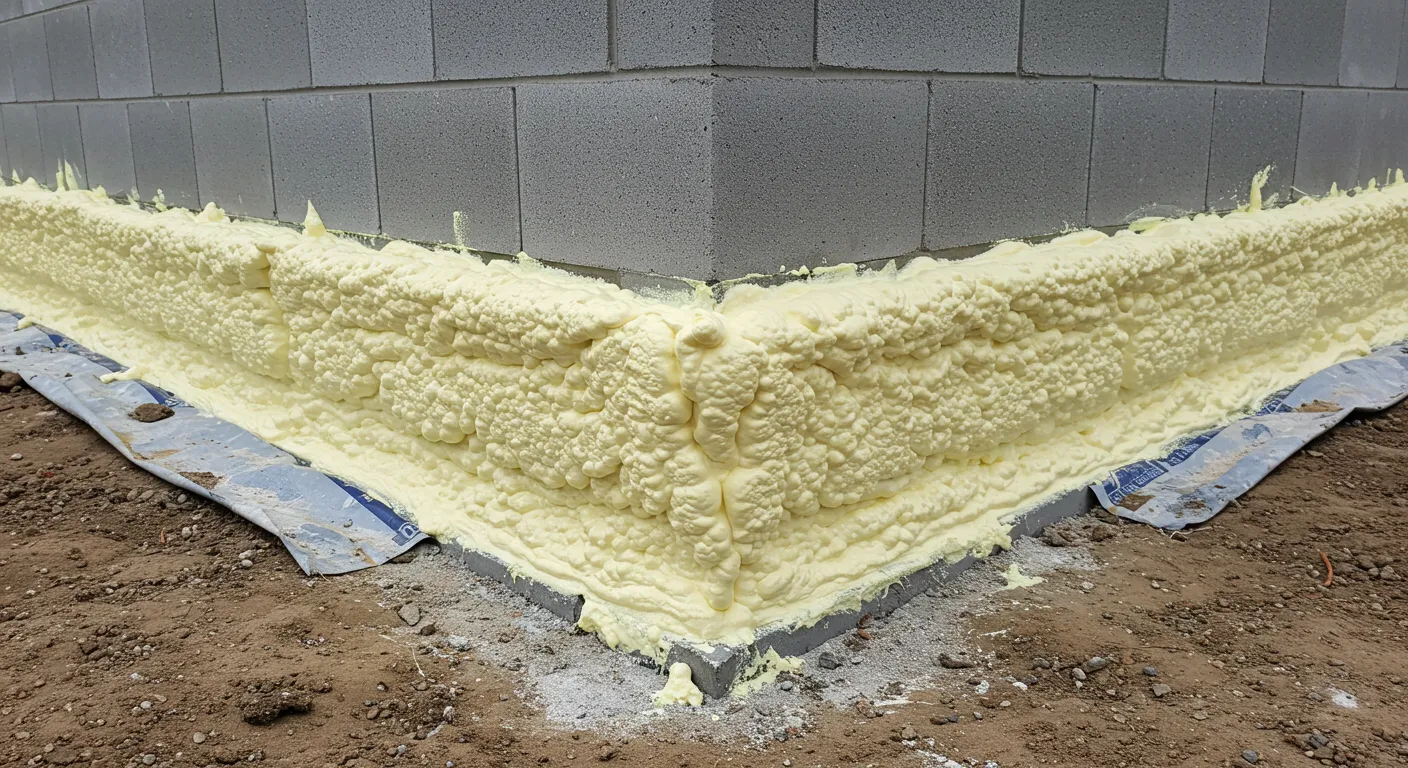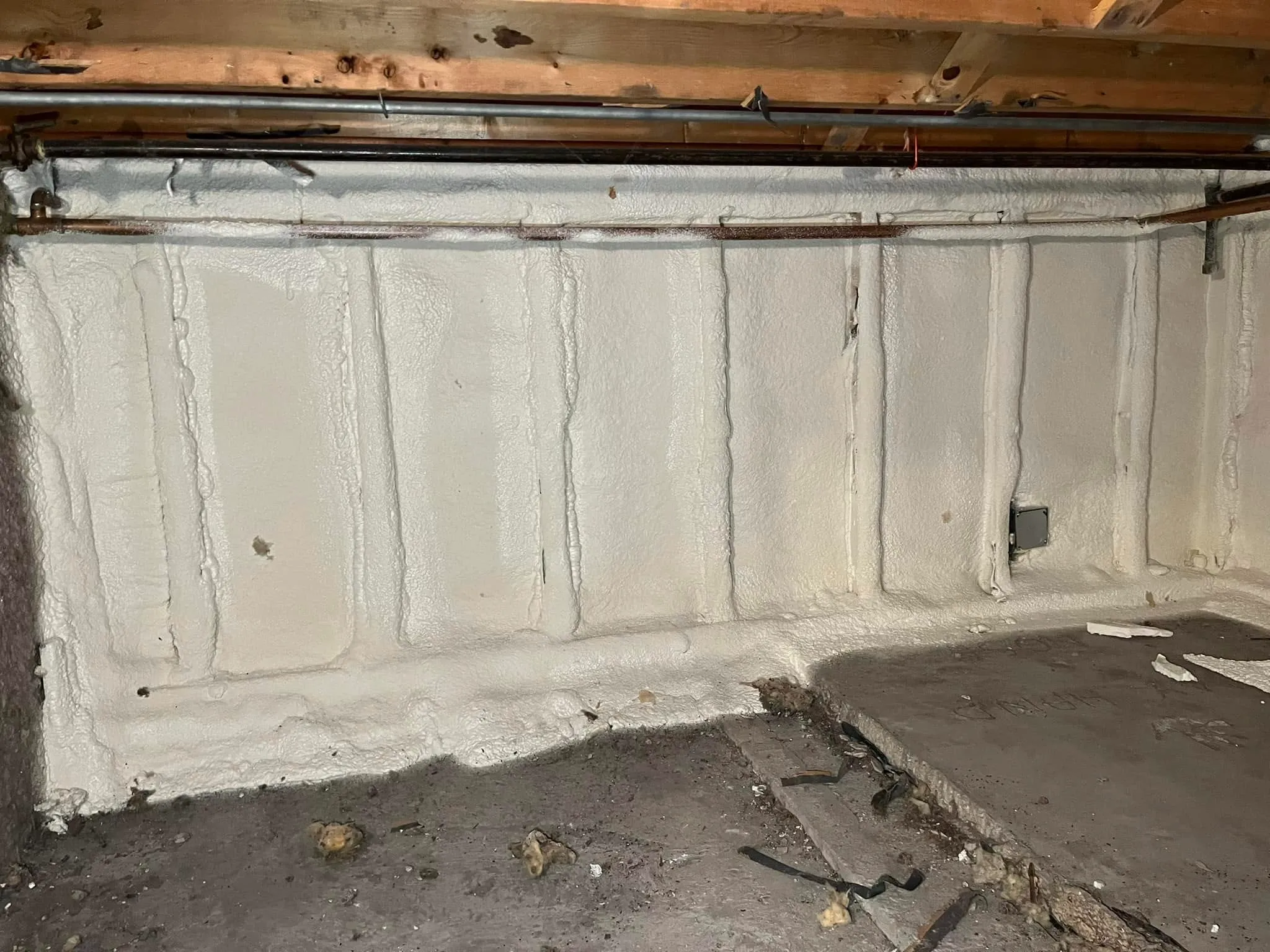
What Is Foundation Insulation and Why Is It Important for Residential Buildings?
Foundation insulation is the application of thermal materials to the walls, floors, or slabs of a building’s foundation to create…


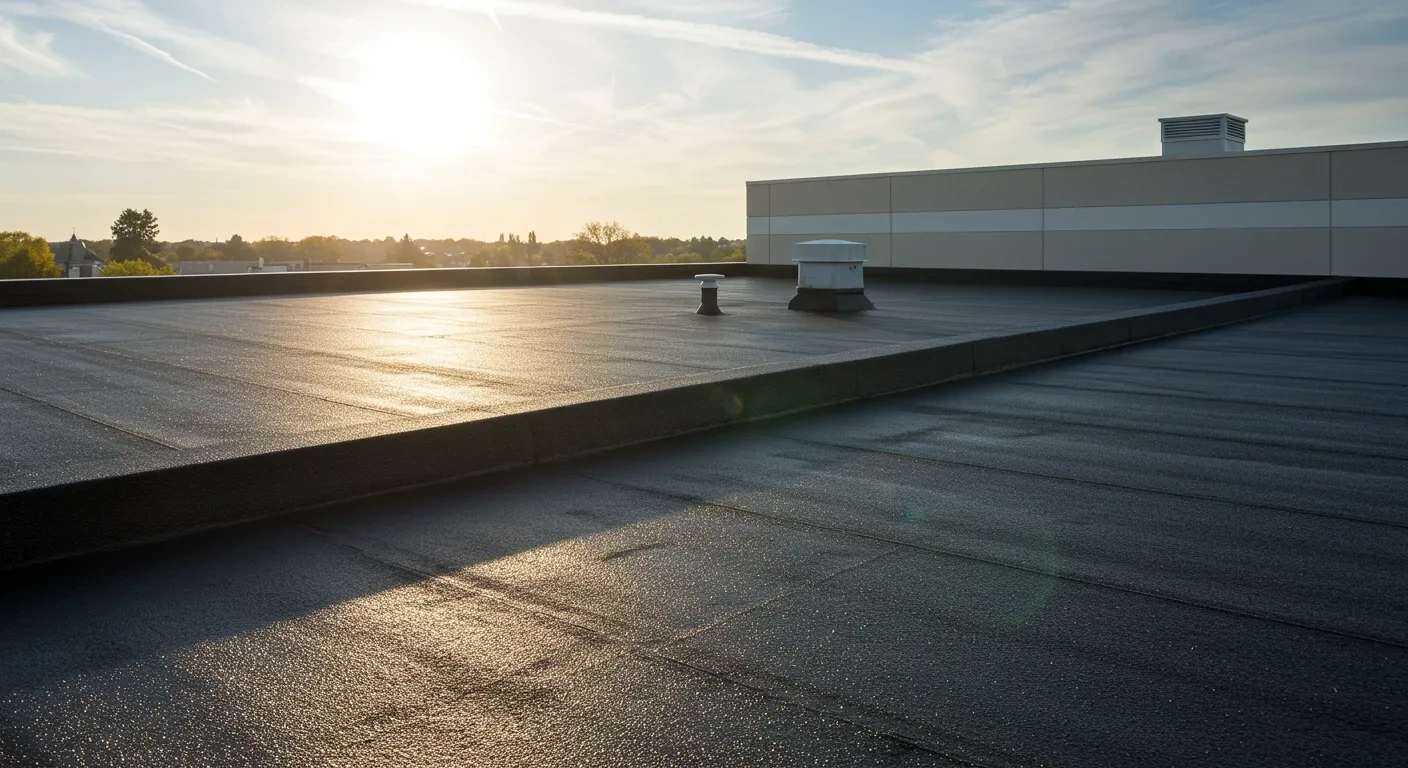
A commercial roof coating in Beverly, Chicago, IL typically lasts between 10 and 20 years, depending on the coating chemistry, application thickness, roof substrate condition, and how well the system is maintained over time. Beverly sits in the far southwest side of Chicago, where properties experience the full range of the city’s continental climate, from subzero winter lows to humid summer highs. That climate demands coatings with strong elasticity, UV resistance, and the ability to withstand repeated freeze-thaw cycles. The right coating, properly applied over a sound substrate, can extend the life of an existing commercial roof by 15 to 20 years, while also reducing cooling costs and protecting the underlying membrane from thermal degradation.
Not all commercial roof coatings are built for the same conditions or timelines. The chemistry of the coating determines how it handles UV radiation, ponding water, foot traffic, and temperature swings. Here is a breakdown of the most common types used on commercial buildings in the Beverly area.
| Coating Type | Typical Lifespan | Best Conditions | Key Strengths | Known Limitations |
|---|---|---|---|---|
| Silicone | 15 to 20 years | Flat roofs with ponding water | Excellent UV resistance, handles standing water well | Higher upfront material cost, slippery when wet |
| Acrylic (Elastomeric) | 10 to 15 years | Sloped or well-drained roofs | High solar reflectance, cost-effective, breathable | Can degrade with chronic ponding, shorter life than silicone |
| Polyurethane | 10 to 15 years | High-traffic or hail-exposed roofs | Superior impact and foot traffic resistance | Requires precise application, may chalk under heavy UV |
| Asphalt / Aluminum | 5 to 10 years | Budget-conscious retrofits | Low cost, easy to apply | Shortest lifespan, limited reflectivity over time |
Silicone and acrylic coatings dominate the commercial market in the Chicagoland area. Both are available in reflective formulations that qualify as cool roof products. According to the Cool Roof Rating Council, products are tested for both initial and aged solar reflectance and thermal emittance, giving building owners a reliable way to compare long-term performance rather than relying on marketing claims alone.
Chicago’s climate is classified as hot-summer humid continental, and Beverly experiences the full force of it. The city sees winter temperatures that routinely drop below 0°F, with the record low reaching minus 27°F. Summer brings average highs in the mid-80s, but heat waves routinely push temperatures above 100°F. The annual swing between those extremes is one of the widest of any major U.S. city, according to NOAA’s climate data for Chicago.
What this means for a roof coating:
The National Weather Service’s 1991-2020 climate normals for Chicago confirm an average of about 127 precipitation days per year, meaning a commercial roof coating here must endure frequent wetting and drying cycles in addition to temperature extremes.
The physical thickness of the coating application has a direct and measurable effect on lifespan. Industry experience shows that a 20-mil dry film thickness typically delivers about 10 years of service, while increasing to 25 mils or beyond can extend that to 15 years or more. However, thickness alone will not compensate for poor substrate preparation. Understanding proper roofing insulation strategies can also help improve overall building performance and protect your roofing investment.
The National Roofing Contractors Association released updated guidelines for roof coating applicators in 2026, emphasizing that substrate evaluation, repairs, and surface preparation are the foundation of any successful coating project. The guidelines address common substrates found on commercial buildings, including single-ply membranes, built-up roofing, modified bitumen, spray polyurethane foam, and metal panels.
Key preparation steps that affect longevity:
Skipping or rushing any of these steps is one of the most common reasons coatings fail prematurely.
Various commercial properties in Beverly face distinct roofing needs. The right coating choice depends on the building’s use, foot traffic patterns, drainage design, and budget priorities.
| Building Type | Recommended Coating | Rationale |
|---|---|---|
| Warehouse / Distribution | Silicone | Large flat roofs often have drainage challenges and ponding. Silicone handles standing water without blistering. |
| Retail / Strip Mall | Acrylic (Elastomeric) | Cost-effective with strong reflectivity. Sloped roofs and good drainage make acrylic a practical fit. |
| Office / Multi-tenant | Silicone or High-grade Acrylic | Energy efficiency matters for tenant comfort and operating costs. Reflective coatings reduce cooling load. |
| Manufacturing / Industrial | Polyurethane | Higher foot traffic from maintenance crews and potential equipment impacts demand impact resistance. |
| Church / Institutional | Acrylic | Budget sensitivity and moderate traffic make acrylic the practical choice for older buildings with well-drained roofs. |
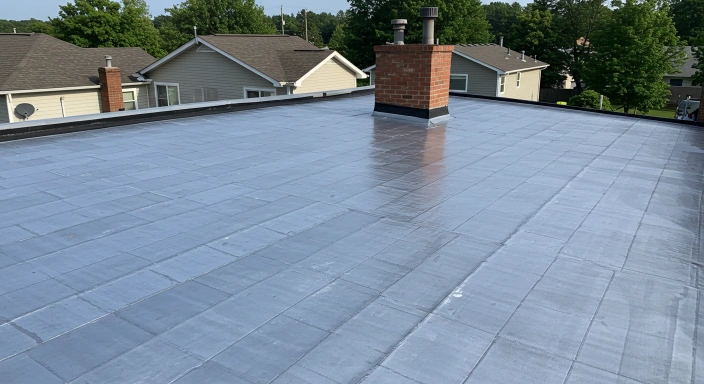
A commercial roof coating is not a one-and-done solution. Buildings that receive proactive, scheduled maintenance consistently get more years from their coating investment.
Biannual inspections are the baseline standard. Spring inspections catch damage from winter freeze-thaw cycles and heavy snow loads. Fall inspections prepare the roof for the coming freeze season by identifying drainage issues, membrane separations, and coating wear before they become leaks. Regular maintenance also helps maximize the benefits of commercial roof coatings by protecting the system and extending overall roof performance.
Cleaning the coating surface at least once per year removes dirt, biological growth, and debris that can trap moisture against the coating surface. This is especially important for reflective coatings, where soiling reduces solar reflectance and diminishes cooling benefits.
Prompt repair of minor damage prevents small issues from becoming major failures. A hairline crack addressed in year three is a simple touch-up. That same crack ignored until year eight can mean a full recoating or even partial roof replacement.
Recoating at the right time rather than waiting for failure is a strategy that extends overall system life indefinitely. Many silicone coatings, for example, can be reapplied directly over the existing layer without a full tear-off, essentially resetting the clock for another service cycle.
Choosing a qualified applicator matters as much as choosing the right coating material. Here are indicators that a contractor is prepared to deliver a lasting result:
South Chicago Insulation provides professional commercial roof coating services throughout Beverly and the greater Chicago area. Our team evaluates your existing roof substrate, recommends the right coating chemistry for your building type and drainage conditions, and applies every coating system to manufacturer specifications for maximum lifespan. Reach out to us at [email protected] or call (779) 803-8025 to discuss your project.
Yes, many silicone coatings can be reapplied directly over an existing silicone layer after surface cleaning and preparation, effectively resetting the service life cycle without a tear-off.
A professional inspection is required, but generally, roofs with a sound structural deck, intact substrate, and good drainage are strong candidates. Roofs with saturated insulation or widespread membrane failure typically need replacement first.
Reflective white or light-colored coatings generally last longer than dark coatings in hot climates because they absorb less heat and experience less thermal cycling stress. The Cool Roof Rating Council tests both initial and aged reflectance for rated products.
Late spring through early fall is ideal, when temperatures are consistently above 50°F and there is minimal risk of rain during application and curing. Most contractors recommend May through September in the Chicago area.
Maintenance costs vary based on roof size and condition. Biannual inspections and routine cleaning are the most cost-effective approach, while addressing small repairs promptly prevents far more expensive issues down the line. Contact our team for a specific assessment of your property.