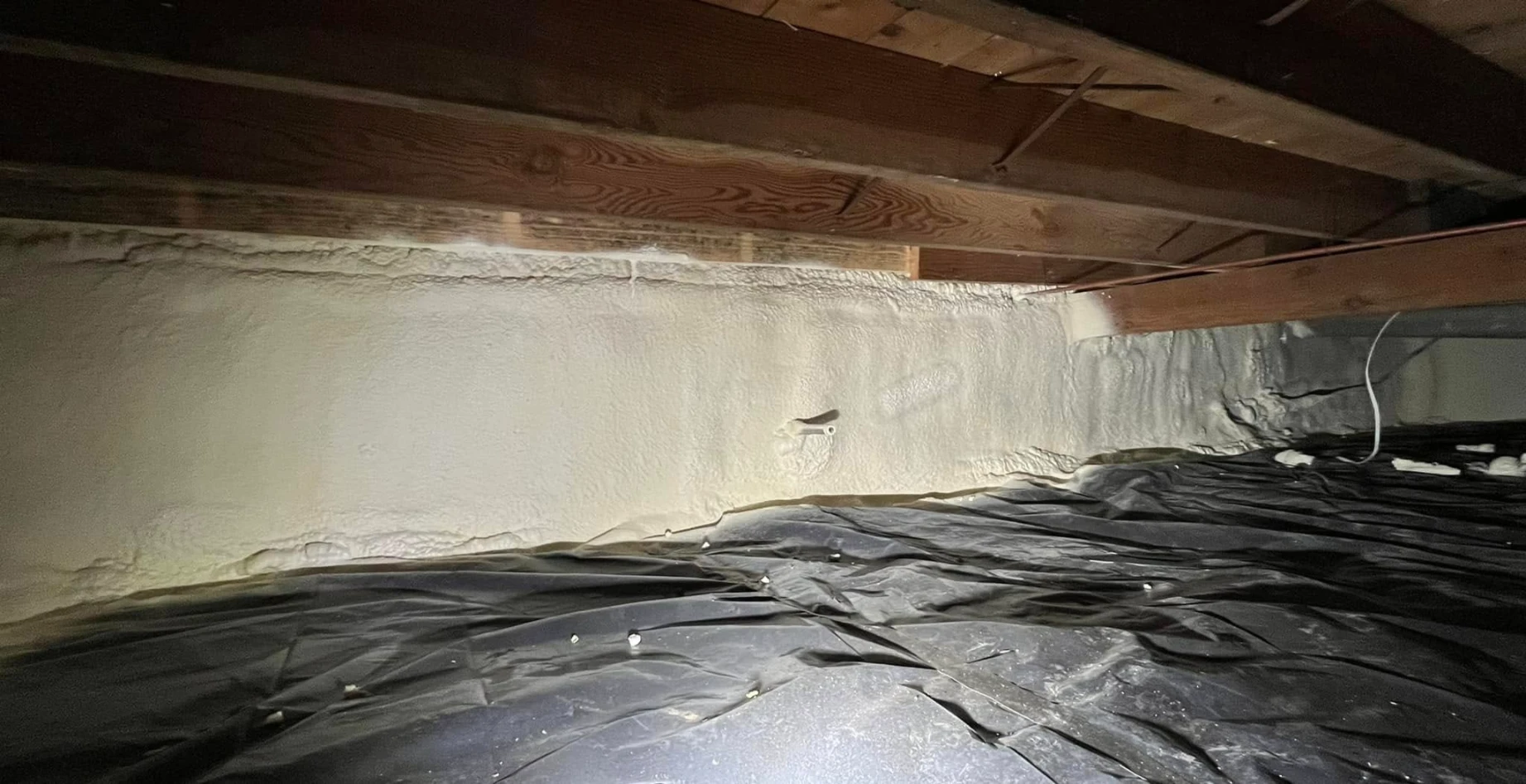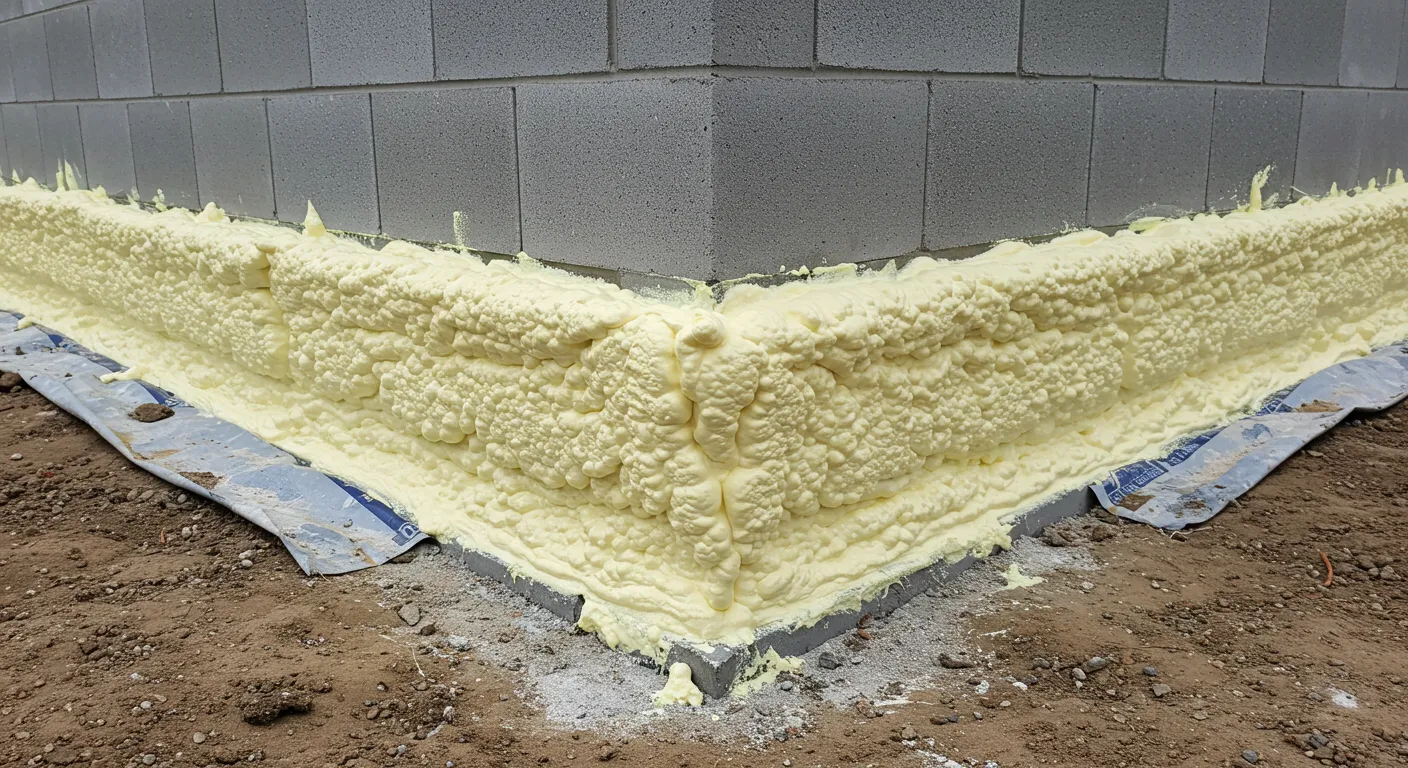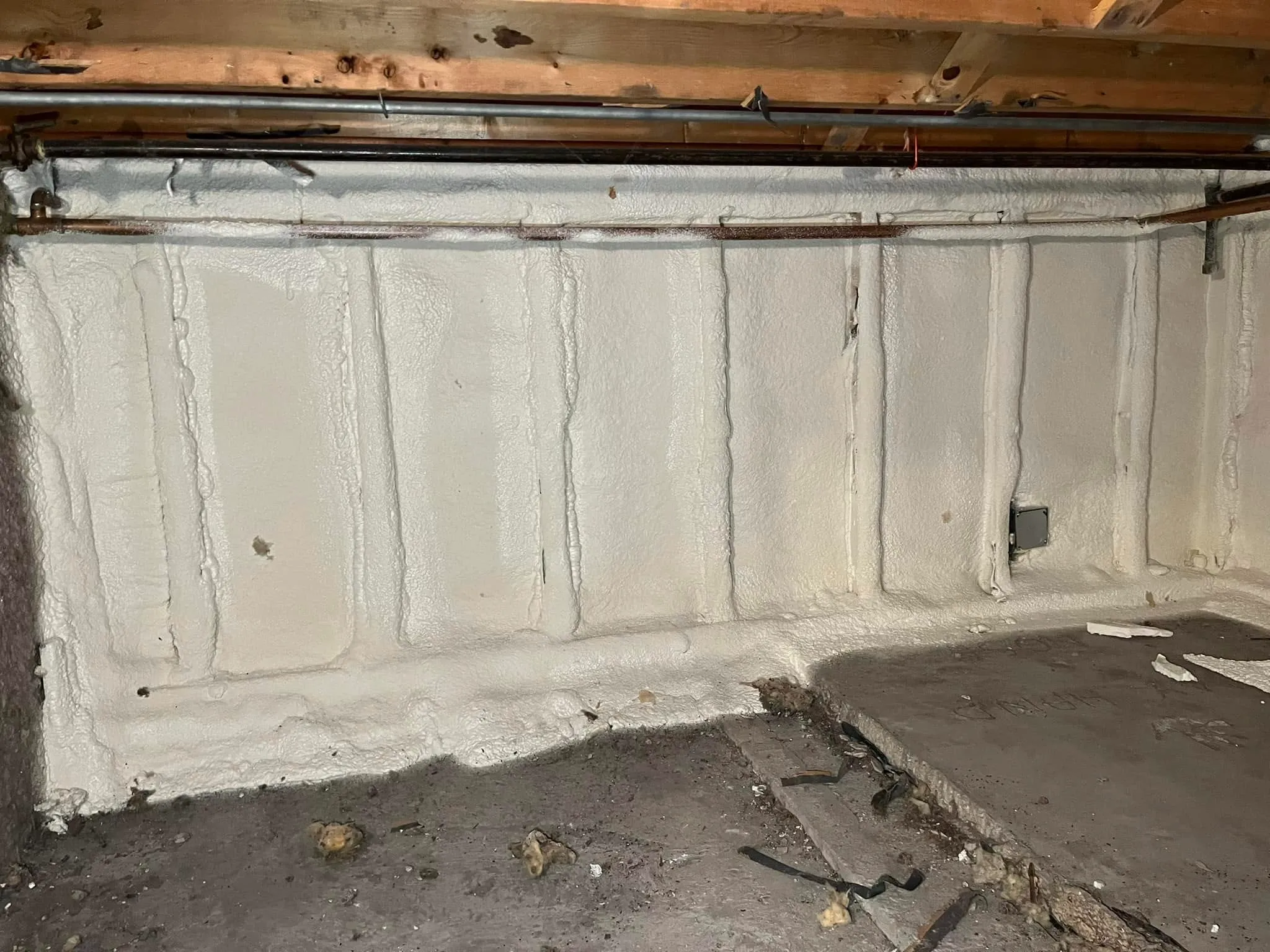
What Is Foundation Insulation and Why Is It Important for Residential Buildings?
Foundation insulation is the application of thermal materials to the walls, floors, or slabs of a building’s foundation to create…


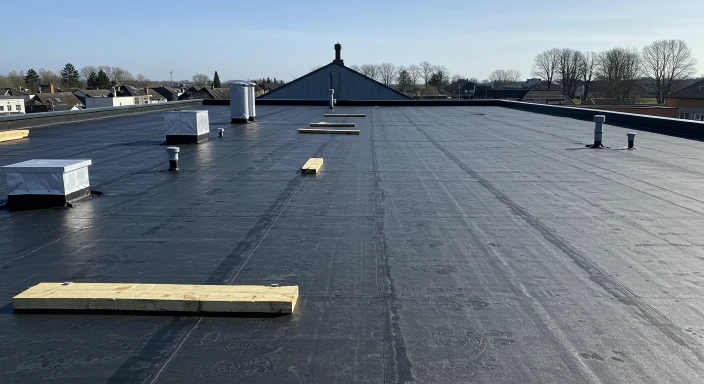
Commercial roof coatings work by creating a seamless, protective membrane over your existing roof system that blocks UV radiation, resists water penetration, and reduces thermal cycling. For commercial buildings in Beverly, Chicago, IL, where the climate swings from sub-freezing winters to hot, humid summers with severe storms, these coatings provide a practical way to add years of service life without the disruption and expense of a full tear-off. The right coating choice depends on your roof substrate type, drainage conditions, and long-term performance goals, including commercial roof coating benefits that improve durability and protection.
Chicago’s 1991-2020 climate normals tell a clear story about what commercial roofs in Beverly endure year-round. According to the National Weather Service Chicago office, average daily highs climb to the mid-80s in July while January lows regularly drop below 20°F. The city also receives roughly 37 inches of precipitation annually, including significant snowfall that melts and refreezes through the spring transition.
These conditions create two primary threats to commercial roofing. First, the repeated freeze-thaw cycles cause roofing materials to expand and contract, which opens seams, loosens fasteners, and generates micro-cracks over time. Second, the intense summer sun drives surface temperatures on dark-colored roofs well above ambient air temperatures, accelerating the chemical breakdown of membranes, asphalt, and adhesives. Beverly’s older commercial buildings, many of which feature flat or low-slope roofs, are especially susceptible because these roof types often hold water and experience slower drainage.
A commercial roof coating addresses both threats simultaneously by shielding the substrate from UV exposure and providing a flexible, waterproof barrier that accommodates thermal movement.
A roof coating is a monolithic, fully adhered, fluid-applied membrane that becomes the topmost protective layer of your roofing system. As Wikipedia explains, many roof coatings are elastomeric, meaning they stretch and return to their original shape without damage. This elasticity allows the coating to absorb the expansion and contraction that occurs during Chicago’s temperature swings rather than cracking under the stress.
The primary ways coatings extend roof lifespan include:
The American Coatings Association reports that cool roof coatings can reduce commercial building air conditioning energy use by up to 25% while keeping roof surface temperatures dramatically lower. Lower surface temperatures mean slower material aging, which translates directly into a longer service life for the underlying roof system.
Choosing the right coating chemistry matters because each type handles specific conditions differently. The three most common commercial roof coatings are acrylic, silicone, and polyurethane, and each has distinct strengths.
| Coating Type | Best Application | Ponding Water Tolerance | UV Resistance | Ideal Roof Substrates |
|---|---|---|---|---|
| Acrylic | Well-drained roofs in moderate climates | Low: degrades with prolonged standing water | Excellent: highly reflective, retains brightness | TPO, EPDM, modified bitumen, metal |
| Silicone | Flat or low-slope roofs with drainage issues | High: performs well even with ponding water | Excellent: maintains reflectivity long-term | Metal, BUR, spray polyurethane foam, concrete |
| Polyurethane | Roofs with heavy foot traffic or hail exposure | Moderate to high (depends on formulation) | Good: aliphatic grades offer strong UV stability | Metal, concrete, modified bitumen |
For Beverly commercial properties, where flat roofs with uneven drainage are common, silicone coatings often provide the strongest performance. Their tolerance for standing water means they will not break down during spring rainstorms when drainage may be slow. Acrylic coatings remain a solid, budget-conscious choice for buildings with properly sloped roofs that shed water quickly after precipitation.
A roof coating alone delivers meaningful protection, but combining it with upgraded insulation creates a far more effective building envelope. Our commercial insulation services complement roof coatings by addressing the other side of the equation: heat transfer through the roof assembly itself. Understanding commercial roof coating lifespan helps property owners plan maintenance strategies and maximize the long-term value of their roofing investment.
When a cool roof coating reflects sunlight away from the building surface and quality insulation reduces conductive heat flow from the interior, the roof membrane experiences less thermal stress from both directions. This reduces the rate of material degradation and extends the overall system life.
Key areas where insulation and coatings work together include:
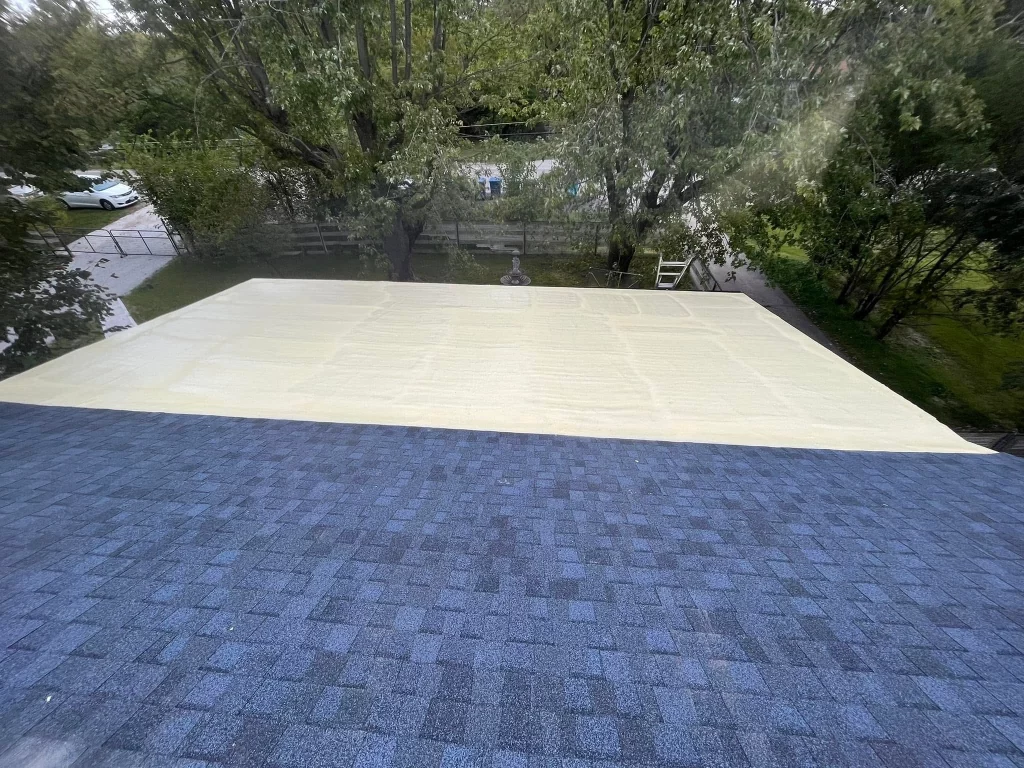
Different commercial buildings in Beverly face different roofing challenges. Here is guidance on which coating strategy fits each scenario.
| Building Type | Recommended Coating | Key Considerations | Why It Works |
|---|---|---|---|
| Older flat-roof office buildings | Silicone | Check for existing moisture in the deck before application | Handles ponding water and provides long-term UV protection for aging membranes |
| Warehouse or distribution center | Acrylic or silicone | Large surface area means coating cost per square foot matters | High reflectivity reduces cooling costs across a large roof footprint |
| Retail strip center | Silicone or polyurethane | Consider foot traffic from HVAC maintenance access | Polyurethane handles abrasion if the roof sees regular maintenance traffic |
| Historic commercial building | Acrylic | Verify compatibility with the existing substrate | Lower cost and easier application for roofs that may need periodic re-coating |
Selecting the right contractor matters as much as selecting the right coating product. Here are the indicators that you are working with a team that will deliver lasting results:
Even the best coating product will fail prematurely if the application process is flawed. The most frequent mistakes we see include:
South Chicago Insulation provides commercial roof coating and insulation solutions for buildings throughout Beverly, Chicago, IL, and the surrounding areas. Our team evaluates your existing roof system, recommends the coating chemistry that matches your building’s specific conditions, and handles every step from surface preparation through final application. We also offer commercial roof coating services that complement your coating investment for maximum energy efficiency and roof longevity.
Contact us at (779) 803-8025 or email [email protected] to discuss your commercial roofing needs. We are ready to help you protect your investment and extend the life of your roof system.
Most commercial roof coatings last 10 to 20 years depending on the coating type, application quality, and roof conditions. Silicone coatings tend to offer the longest service life, especially on flat roofs that experience ponding water.
A roof coating can seal minor leaks and surface cracks, but significant leaks or structural damage must be repaired before coating. Applying a coating over active moisture intrusion will trap water beneath the membrane and accelerate roof failure.
The potential increase in heating costs is minimal. The EPA reports that any winter “heating penalty” in cold climates is typically offset by summer cooling savings, and buildings with snow cover on the roof experience even less winter impact.
A roof coating costs less than a full tear-off and replacement, causes minimal disruption to building operations, and can extend the roof’s life by decades. It is most effective on roofs that are structurally sound but showing surface-level wear.
Late spring through early fall offers the most reliable conditions for coating application, when temperatures are consistently above 50°F and precipitation is less frequent. Our team monitors weather forecasts to schedule application during dry windows.