What Is Foundation Insulation and Why Is It Important for Residential Buildings?
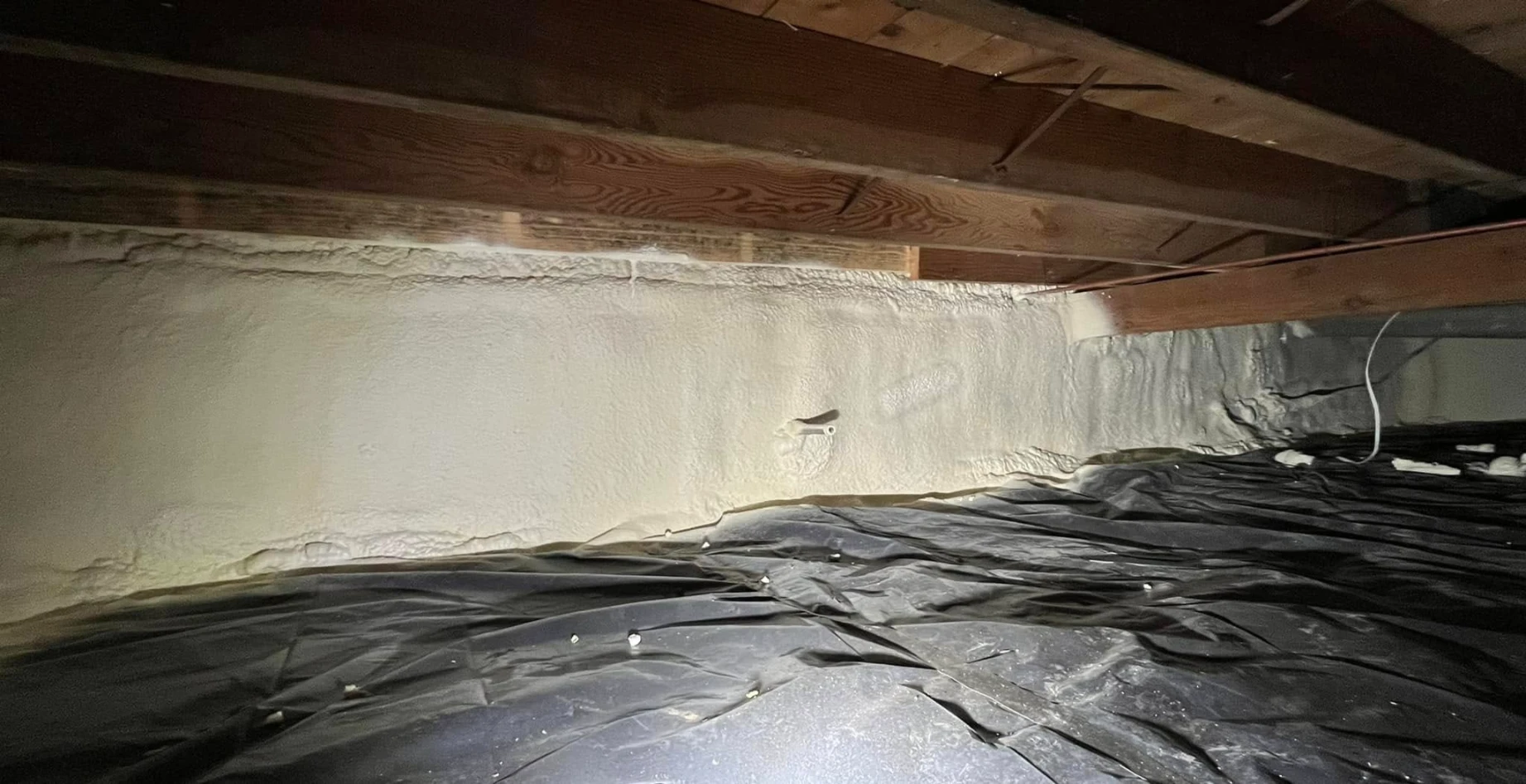
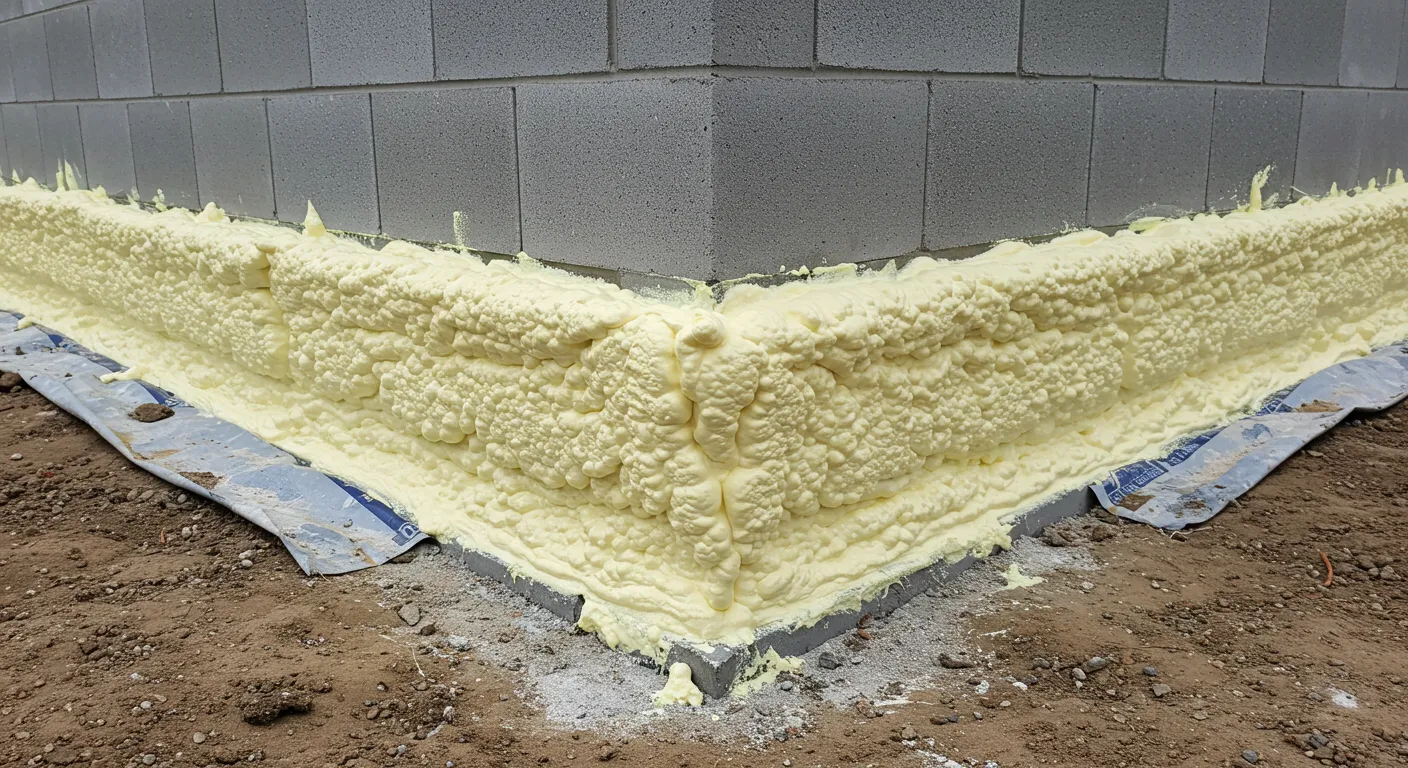
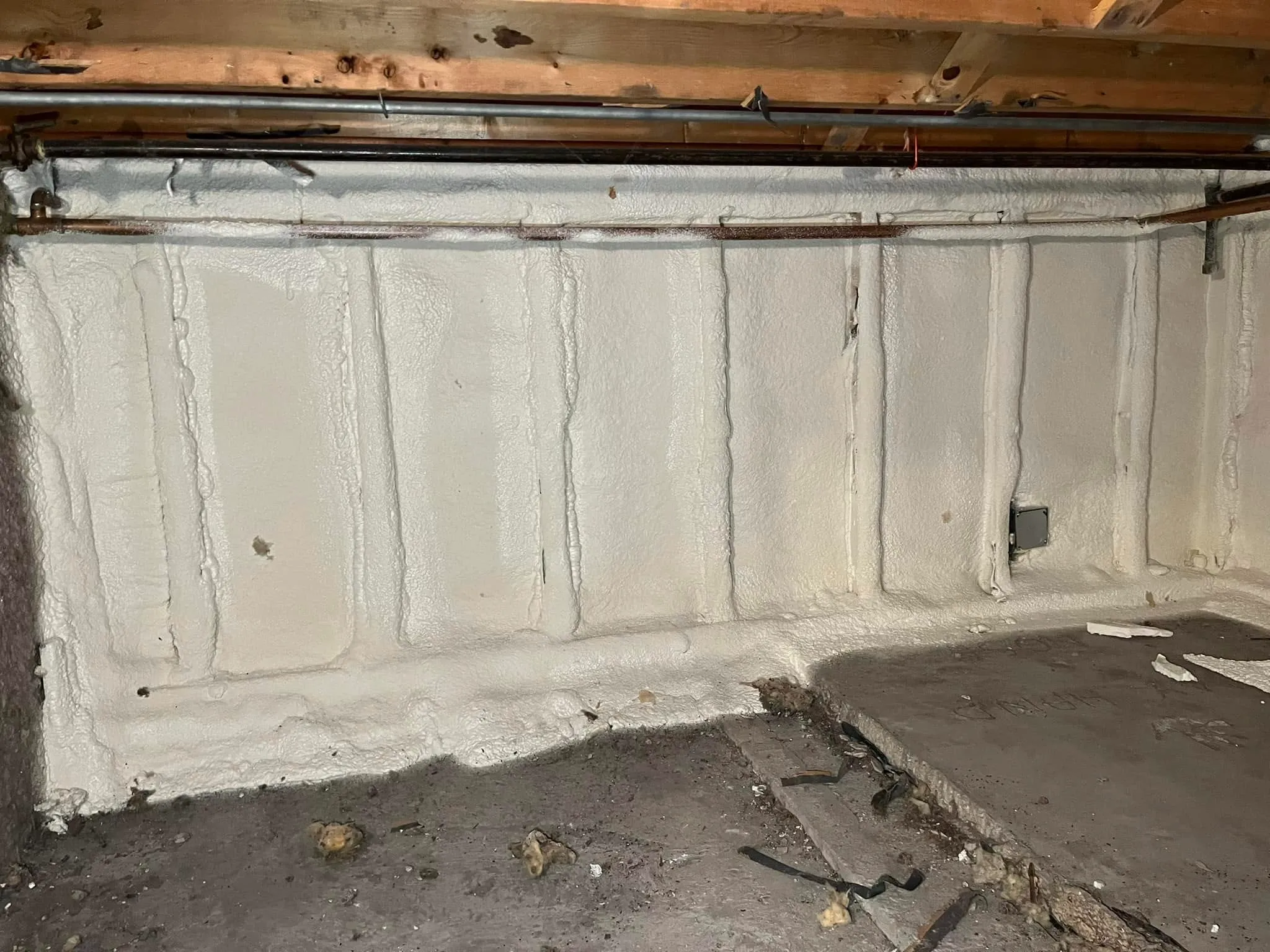
Foundation insulation is the application of thermal materials to the walls, floors, or slabs of a building’s foundation to create…

The clearest signs your roof insulation installation services in Park Ridge, IL, are failing are rising energy bills, rooms that stay cold while the furnace runs, ice dams and icicles along the eaves, and attic insulation that has settled below the floor joists. Because Park Ridge sits in a cold climate zone with heavy snow and repeated freeze-thaw cycles, degraded insulation shows up in your comfort and your wallet faster here than in milder regions. The right fix depends on what is actually wrong: some homes need air sealing plus a top-off of loose-fill material, while others need old, moisture-damaged insulation removed before new material goes in. Below, we break down the warning signs, simple tests you can run yourself, and understanding roofing insulation to help identify the repair options that fit each situation.
Insulation rarely fails overnight. It degrades through predictable mechanisms, and our local climate accelerates every one of them:
| Sign | What It Points To | Typical Root Cause | Recommended Next Step |
|---|---|---|---|
| Some rooms cold, others warm | Uneven thermal boundary | Settled or displaced insulation, air leaks | Measure attic depth, inspect coverage |
| Heating bills climbing year over year | Heat loss through the ceiling plane | Low R-value, unsealed bypasses | Professional attic evaluation |
| Icicles and ice dams at the eaves | Heat escaping into the attic | Air leakage plus low insulation | Air sealing before adding material |
| Bare stripes on the roof after snow | Melted snow from a warm roof deck | Heat loss above a specific room | Infrared scan of the ceiling |
| Drafts or cold ceilings on top floors | Conductive heat loss | Insulation below target depth | Top-off to R-49 or R-60 |
| Musty smell or staining on ceilings | Moisture in the assembly | Wet insulation, possible mold | Remove damaged material, fix leak |
| HVAC running nearly nonstop | System compensating for loss | Whole-envelope underperformance | Full home energy assessment |
ENERGY STAR places our area in a cold climate zone where attic upgrades should reach R-60 when starting from an uninsulated attic, or R-49 when adding over 3 to 4 inches of existing material. For context, ENERGY STAR notes most attics should hold at least R-38, roughly 10 to 14 inches of material, which is why roofing insulation services in Park Ridge, IL can be relevant when evaluating an older attic. If your last insulation job happened decades ago, code-era depth alone is a strong clue that you are under-insulated.
| Approach | Best For | Typical Range (Our Price Sheet) | Notes |
|---|---|---|---|
| Blown-in cellulose top-off | Clean, dry attics that are just under depth | $2,500 to $7,500 | Fast install, good coverage over existing material |
| Full attic insulation project | Aging homes, deep upgrades to R-60 | $5,000 to $18,000 (average $10,000) | Often paired with air sealing |
Factors that raise the investment include removal of old insulation, moisture or mold issues, ventilation modifications, difficult access, and larger square footage. We evaluate all of these before quoting, and see what customers say on Google because pricing an attic sight-unseen can lead to change orders later.
| Your Situation | Recommended Approach | Why |
|---|---|---|
| Home 15+ years old, never re-insulated | Evaluation plus top-off to R-49/R-60 | Original depth has almost certainly settled below target |
| Active ice dams every winter | Air sealing first, then insulation | Heat leaks, not just thin spots, drive the melting |
| Wet, matted, or moldy insulation | Remove and replace | Damaged material must go before new material goes in |
| Planning a re-roof within a year | Coordinate ventilation and insulation work | Combining projects avoids covering up attic problems |
If any of these signs sound familiar, our team at South Chicago Insulation will measure your attic depth, identify air leaks, and give you a clear plan built for Park Ridge winters. We serve homeowners across the Chicago area with honest evaluations and installation done right the first time. Call us at (779) 803-8025 or email [email protected] to get started.
Stop paying to heat your attic this winter.
Check the depth and condition. If joists are visible, material is matted or damp, or depth math puts you below R-49, it is no longer doing its job.
Yes, as long as the existing insulation is dry and undamaged. Blown-in loose fill goes over batts and vice versa, but wet or moldy material must be removed first.
Air leakage is usually the culprit. Warm household air escaping through ceiling bypasses melts roof snow, which refreezes at the cold eaves. Sealing those leaks is the fix.
Most top-offs and replacement projects in our service area are completed in a single day. Projects requiring old insulation removal or ventilation modifications can take longer.
It can. Ice dam moisture that enters walls and ceilings promotes mold and mildew growth, which the University of Minnesota Extension links to respiratory problems in the home.