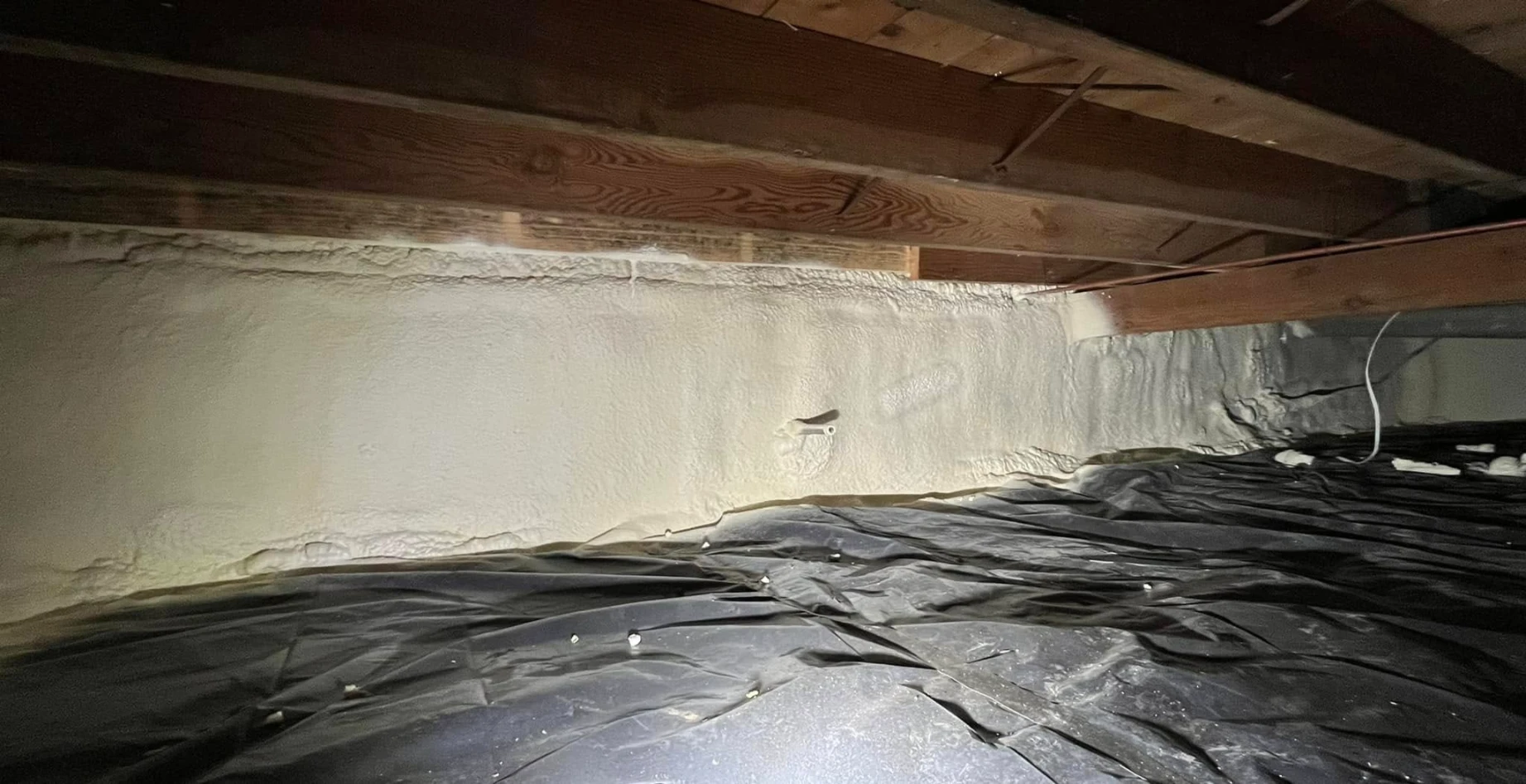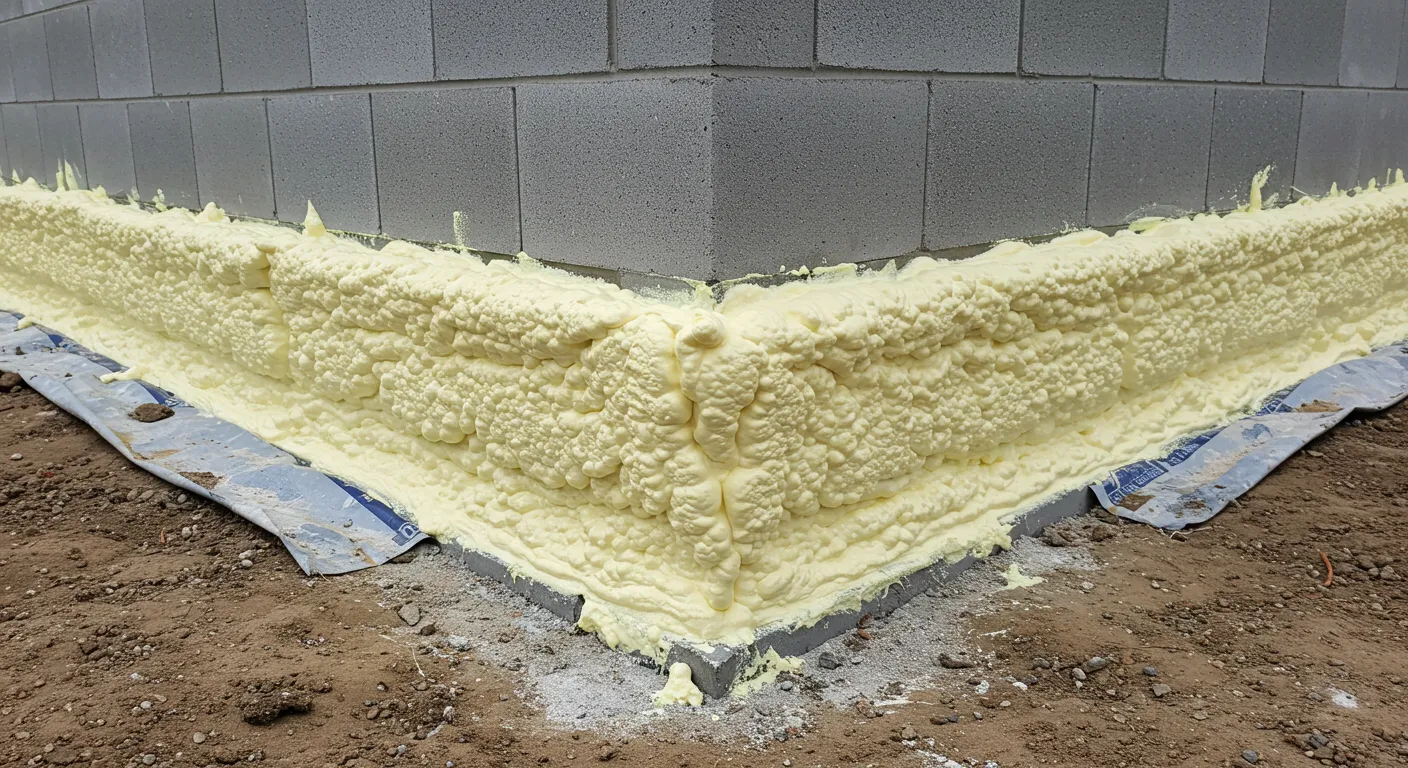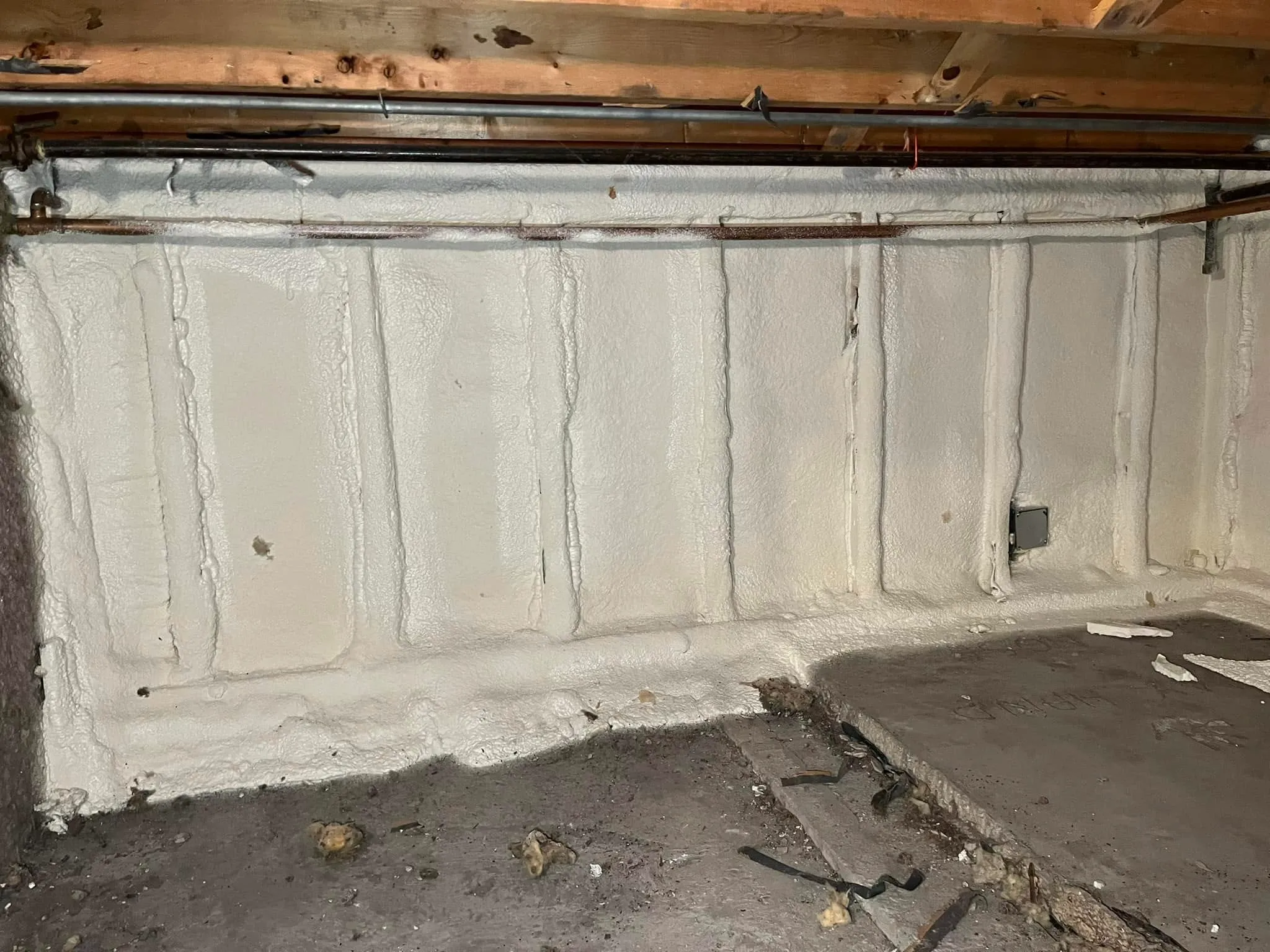
What Is Foundation Insulation and Why Is It Important for Residential Buildings?
Foundation insulation is the application of thermal materials to the walls, floors, or slabs of a building’s foundation to create…


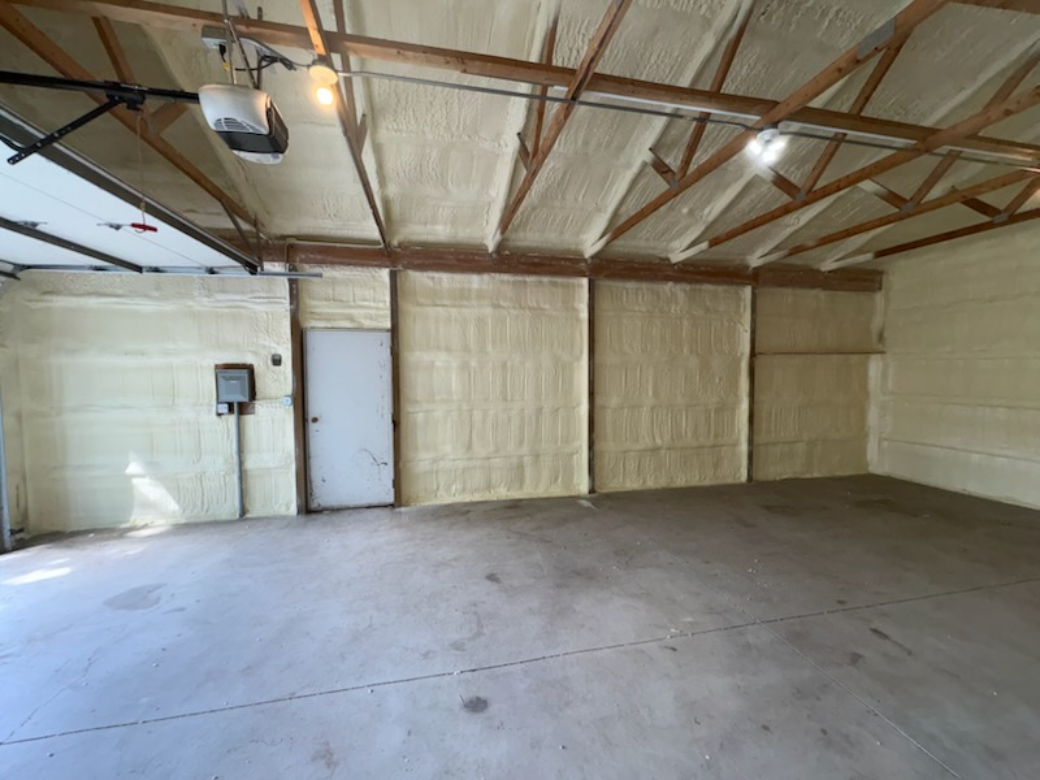
Lowering your business overhead starts with addressing the largest controllable expense most commercial building owners face: energy costs. Heating and cooling in commercial buildings account for nearly 10% of all energy consumed in the United States, and a significant portion of that spend is wasted through poor insulation and air leakage. For business owners in Mount Prospect, IL, a village located in IECC Climate Zone 5 where winters are cold and summers bring real heat, Commercial insulation is one of the most effective and lasting ways to reduce utility bills, ease the load on HVAC equipment, and improve indoor comfort for employees and customers. The right insulation strategy depends on your building type, existing conditions, and budget, but the savings potential is measurable and long-term. Understanding commercial insulation costs can help property owners evaluate the return on investment more accurately.
Mount Prospect sits squarely in Climate Zone 5, a classification confirmed by the U.S. Department of Energy and the Illinois Energy Efficient Building Code. This means commercial buildings here need insulation levels capable of handling both cold winters and hot, humid summers. For uninsulated or under-insulated buildings, the temperature differential between the interior and exterior forces HVAC systems to work far harder than necessary, driving up monthly utility bills and accelerating wear on mechanical equipment.
Illinois adopted the 2021 IECC effective January 1, 2023, bringing commercial insulation requirements in line with updated standards. For Climate Zone 5, these standards call for higher R-values in walls, roofs, and floors than previous codes. Buildings constructed before these updates are often operating with far less insulation than current code requires, leaving real money on the table every month. Choosing between commercial spray foam and fiberglass can significantly impact long-term energy performance and code compliance.
Data from the U.S. Department of Energy, cited by the Building and Construction Authority (EEBA), shows that 50% of a building’s heating costs come from heat loss through the roof, walls, and foundation. For a commercial property in Mount Prospect, that translates to a substantial portion of winter energy bills going toward compensating for a poorly sealed building envelope.
Insulation works by resisting heat flow through conduction, convection, and radiation. When a commercial building’s envelope is well insulated, less heat escapes in winter and less heat enters in summer. This means your HVAC system runs fewer cycles, consumes less energy, and lasts longer between service intervals.
Beyond direct energy savings, insulation addresses several overhead costs that business owners sometimes overlook:
The American Chemistry Council reports that upgrading roof insulation on existing commercial buildings alone could save more than $65 billion in energy costs nationally over a 30-year period and eliminate nearly 338 million metric tons of CO2 emissions. On an individual building level, those savings compound year after year with no additional action required.
Not every insulation project delivers the same return. For commercial buildings in Mount Prospect, certain areas offer more immediate and substantial overhead reduction than others.
| Priority Area | Why It Matters | Common Issues | Recommended Action |
|---|---|---|---|
| Roof / Attic | Heat rises, making roofs the largest source of energy loss in cold climates | Missing, compressed, or degraded insulation; air leaks at penetrations | Add blown-in or spray foam insulation to meet R-60 for Climate Zone 5 |
| Exterior Walls | Large surface area exposed to outdoor temperature swings | No insulation in older construction; thermal bridging through framing | Upgrade to R-20 cavity plus R-5 continuous insulation or equivalent |
| Loading Docks & Doors | Frequently opened, large gaps allow massive air exchange | Worn weatherstripping, gaps around door frames | Air seal, insulate around frames, install high-speed doors where feasible |
| Ductwork & Mechanical | Duct leaks force systems to overwork to deliver conditioned air | Unsealed joints, damaged duct insulation | Seal and insulate all accessible ducts in unconditioned spaces |
| Floors Over Unconditioned Space | Cold air from crawlspaces or basements pulls heat downward | No floor insulation, air leaks at rim joists | Insulate to R-30 for floors above unconditioned spaces in Zone 5 |
Choosing the right insulation material depends on your building’s construction, the area being insulated, and whether the building is occupied during installation.
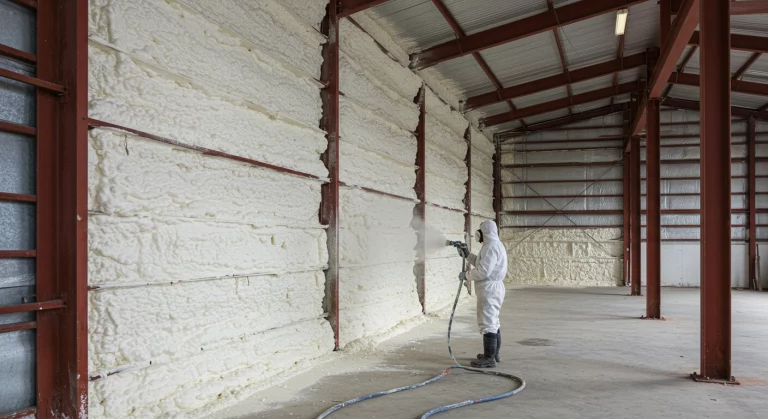
Spray foam insulation (open and closed cell) is well suited for commercial buildings because it expands to fill gaps and cavities, providing both insulation and air sealing in a single application. Closed cell foam also adds moisture resistance, which matters in Mount Prospect’s humid summers. These benefits are why many property owners work with a spray foam contractor for commercial insulation upgrades.
Blown-in cellulose is an option for existing walls and attics where cavity filling is needed without major demolition. It conforms to irregular spaces and provides solid R-value per inch.
Rigid foam boards work well for continuous insulation on exterior walls, foundations, and roof assemblies. They reduce thermal bridging through framing members, a problem that standard cavity insulation alone does not solve.
Fiberglass batts and rolls remain common in commercial new construction for wall cavities and ceilings where framing is standard and access is straightforward.
Understanding the financial commitment helps with budgeting and decision-making. The following table reflects typical project pricing for commercial insulation in our service area:
| Insulation Type | Typical Low Price | Typical Average Price | Typical High Price | What Affects Pricing |
|---|---|---|---|---|
| Commercial Insulation | $15,000 | $40,000 | $100,000 | Removal of old insulation, travel distance, building size and access |
| Attic Insulation | $5,000 | $10,000 | $18,000 | Square footage, ventilation modifications, difficulty of access |
| Pole Barn Insulation | $8,000 | $14,000 | $22,000 | Roof pitch, difficult access, building owner prep work |
Several factors influence where your project falls within these ranges. Buildings that require removal of degraded or contaminated existing insulation will trend higher. Projects where the building owner preps the area to be sprayed can reduce labor costs. Greater thickness or higher R-value requirements will also move pricing upward, while simpler jobs on well-prepared, accessible spaces tend to fall on the lower end.
Different commercial properties in Mount Prospect have different insulation needs and different overhead reduction opportunities.
Retail spaces and offices benefit most from roof and wall insulation because consistent indoor temperatures directly affect customer comfort and employee productivity. These spaces often have high occupancy during business hours, making temperature stability a priority.
Warehouses and distribution centers see the greatest savings from insulation at loading docks, roof assemblies, and exterior walls. These buildings often have large, poorly insulated roof areas and frequent door openings that allow conditioned air to escape.
Restaurants and food service benefit from insulation around kitchen exhaust areas and cold storage rooms, where temperature control directly impacts food safety and energy costs simultaneously.
Multi-tenant commercial buildings present an opportunity to reduce overhead across multiple revenue streams. Improving insulation lowers shared utility costs and reduces turnover when tenants experience fewer comfort complaints.
You do not always need an energy audit to identify insulation problems. Watch for these common indicators:
Any of these signs suggest that your building envelope is compromised and your HVAC system is compensating for heat loss or gain that proper insulation would prevent.
Selecting the right contractor matters as much as choosing the right insulation product. A qualified commercial insulation provider should demonstrate several clear qualities:
South Chicago Insulation has extensive experience helping Mount Prospect business owners reduce their energy overhead through strategic commercial insulation. Our team evaluates your building envelope, identifies the highest-impact areas for improvement, and recommends insulation solutions matched to your building type, budget, and operational needs. Whether you manage a single retail space or a large multi-tenant property, we provide honest assessments and professional installation designed to deliver measurable savings year after year.
Contact us today to discuss your commercial insulation project:
The EPA estimates average savings of 15% on heating and cooling costs through proper insulation and air sealing. In Climate Zone 5, savings can reach 16% on heating and cooling alone. The exact figure for your building depends on its current condition, size, and HVAC system.
Mount Prospect is in IECC Climate Zone 5, which requires R-60 for uninsulated attics, R-20 plus R-5 continuous insulation for wood frame walls, and R-30 for floors above unconditioned spaces under the 2021 IECC standards adopted by Illinois.
Many insulation projects, especially blown-in and spray foam applications, can be completed in sections outside your operating hours. The timeline depends on the scope of work, building access, and whether old insulation needs removal.
Quality spray foam and rigid foam insulation can last 50 years or more without degradation. Fiberglass and cellulose can last 20 to 30 years but may settle or become damaged by moisture. Periodic inspections help identify when replacement or supplementation is needed.
Yes, closed-cell spray foam and rigid foam boards act as both insulation and vapor barriers, reducing moisture infiltration. Controlling humidity also eases the load on your HVAC system and protects inventory, equipment, and building materials from moisture damage.