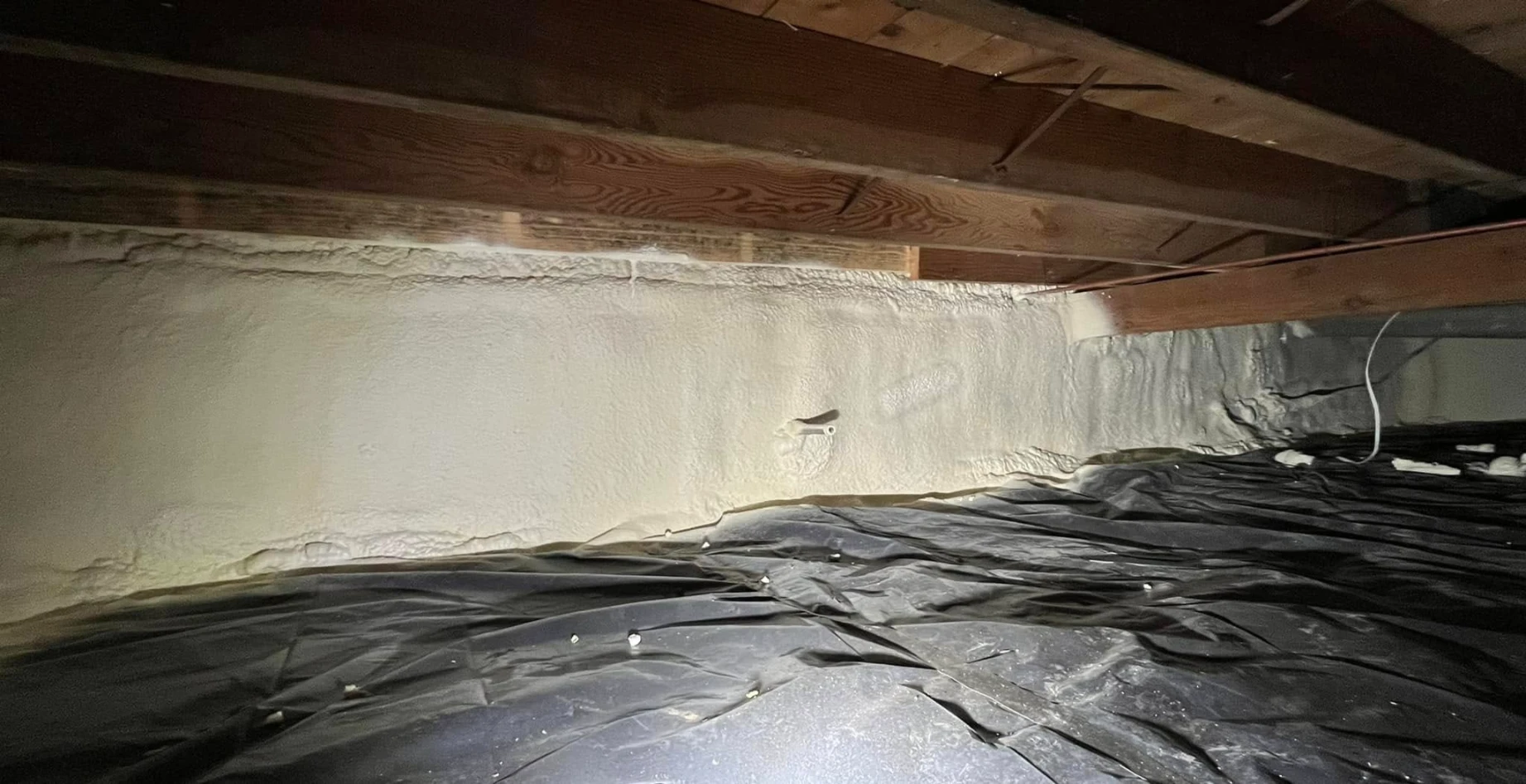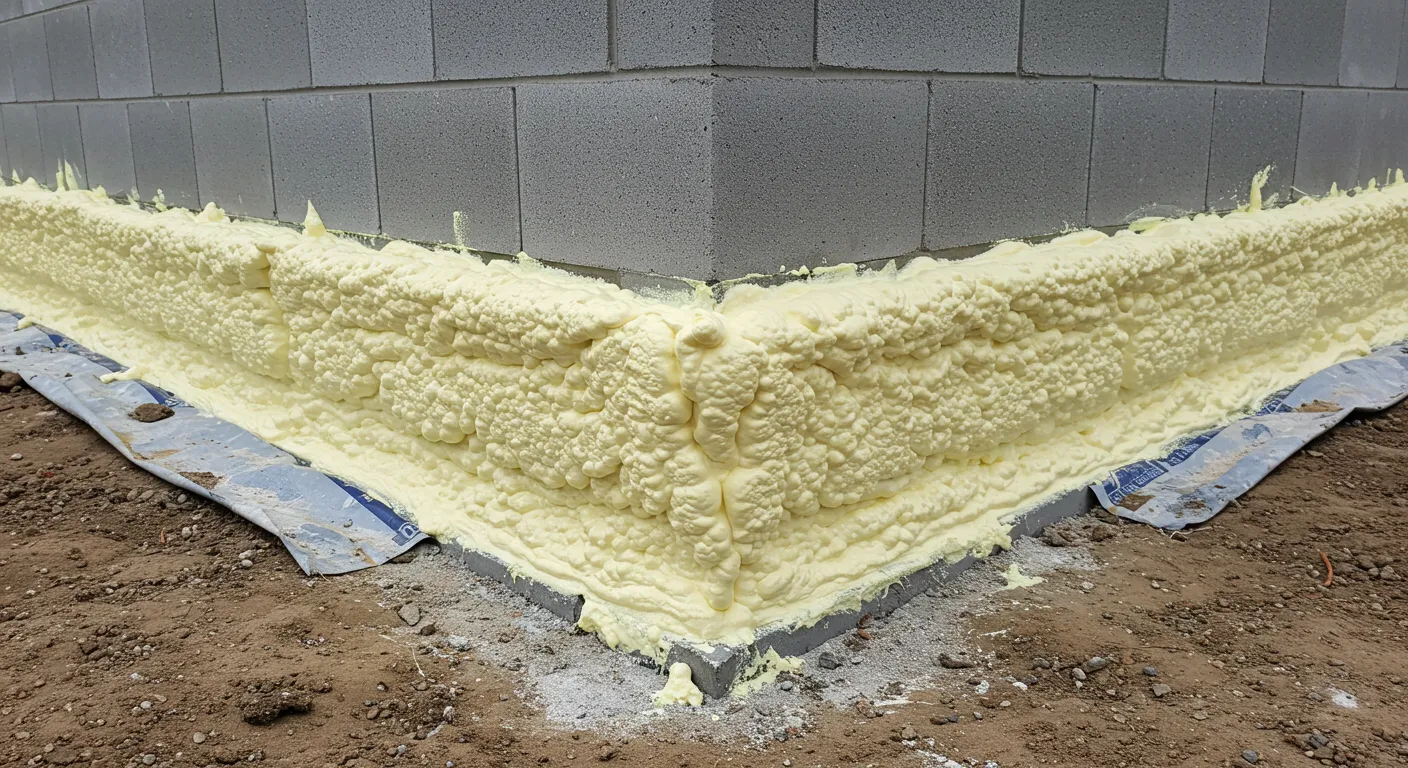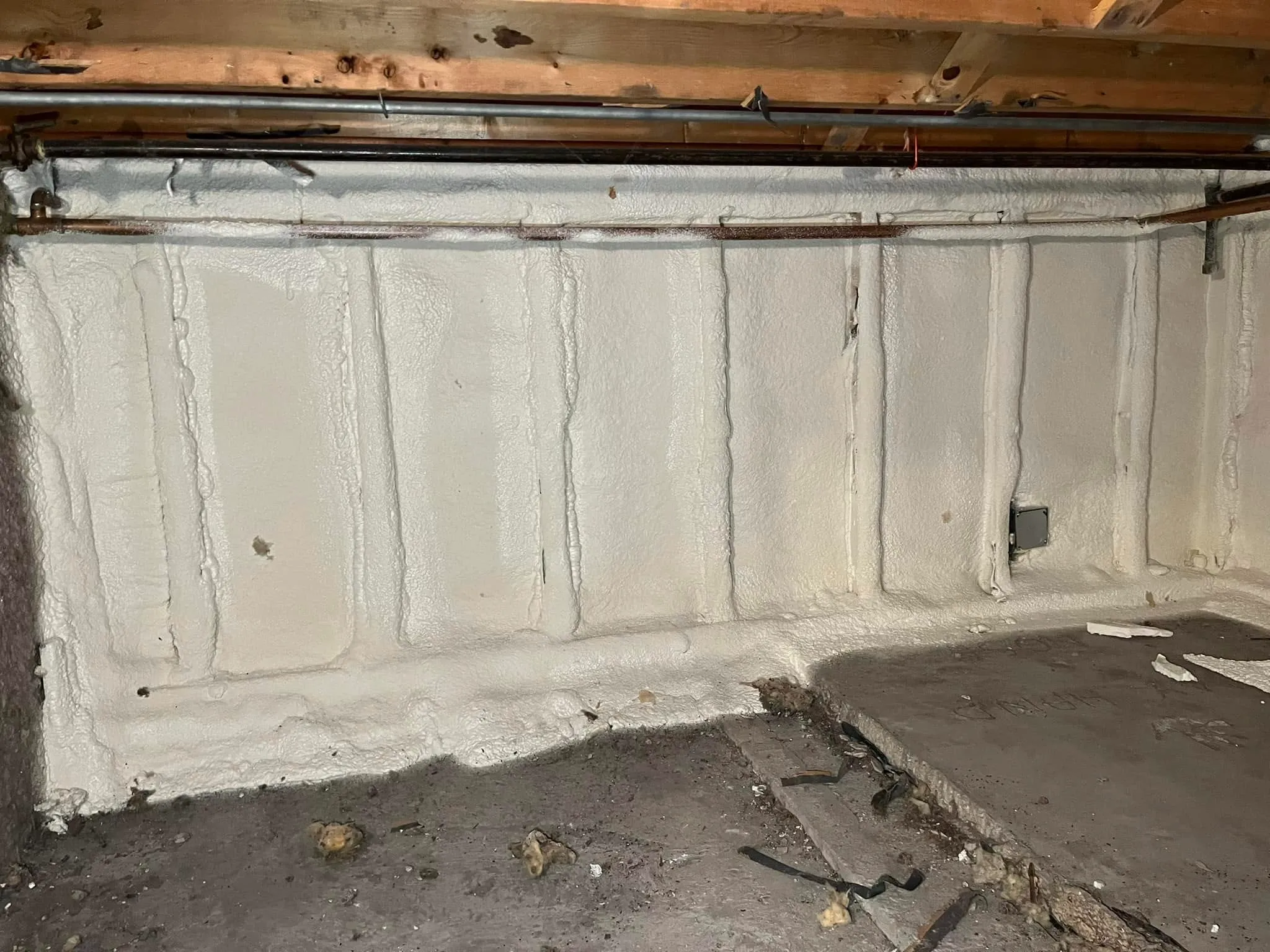
What Is Foundation Insulation and Why Is It Important for Residential Buildings?
Foundation insulation is the application of thermal materials to the walls, floors, or slabs of a building’s foundation to create…

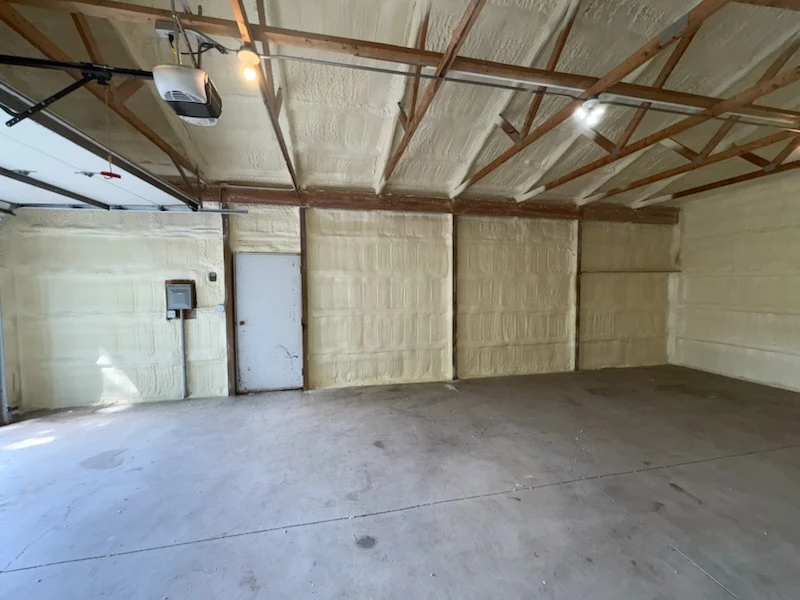
Commercial insulation costs in New Lenox, IL typically range from $15,000 to $100,000, depending on your building size, insulation type, and project complexity. Most commercial properties fall in the $40,000 for a complete insulation installation. On a per-square-foot basis, you should budget between $1.50 and $6.75 per square foot, with spray foam insulation commanding the higher end of the spectrum due to its superior R-value and air-sealing properties. Illinois construction costs run approximately 15% higher than the national average, which means New Lenox commercial property owners pay slightly more than the national baseline for insulation projects.
Commercial insulation pricing depends heavily on the insulation material you select. Each option serves different performance needs and budget constraints.
| Insulation Type | Material Cost (per sq ft) | Installed Cost (per sq ft) | R-Value per Inch |
|---|---|---|---|
| Fiberglass Batt | $0.30 – $1.00 | $0.50 – $1.50 | 3.1 – 4.0 |
| Blown-in Cellulose | $0.50 – $1.00 | $1.00 – $2.00 | 3.2 – 3.8 |
| Open-cell Spray Foam | $0.75 – $1.50 | $2.00 – $4.00 | 3.5 – 4.0 |
| Closed-cell Spray Foam | $1.00 – $2.50 | $3.00 – $6.75 | 6.0 – 7.0 |
Fiberglass batt insulation remains the most budget-friendly option, but it requires careful installation to avoid gaps and thermal bridging. Spray foam insulation, while more expensive upfront, creates an air-sealed barrier that performs better in Illinois winters and reduces heating costs significantly over time.
| Building Type | Location | Project Scope | Estimated Cost |
|---|---|---|---|
| Small Retail Store | New Lenox | 2,500 sq ft walls and ceiling | $18,000 – $25,000 |
| Office Warehouse | Frankfort | 8,000 sq ft with spray foam | $45,000 – $65,000 |
| Medical Office | Mokena | 5,000 sq ft, mixed materials | $35,000 – $50,000 |
| Restaurant Chain | New Lenox | 3,500 sq ft, high R-value required | $30,000 – $45,000 |
| Industrial Facility | Shorewood | 15,000 sq ft roof insulation | $85,000 – $100,000 |
These examples demonstrate how building type and usage requirements influence your final investment. Food service and healthcare facilities typically require higher R-values and moisture-resistant materials, which increases project costs.
Several variables affect how much you will pay for commercial insulation in the New Lenox area. Understanding these factors helps you budget accurately and avoid surprises during your project.
Building Size and Accessibility Larger square footage increases material costs, but you benefit from economies of scale. Difficult access points such as low crawlspaces, high roof pitches, or buildings with limited entry points require specialized equipment and additional labor, which drives costs upward.
Existing Insulation Removal If your building has old or damaged insulation that must be removed, budget an additional $1,000 to $10,000 depending on the extent of the existing material. This step is often necessary before installing new insulation in retrofit projects.
Required R-Value and Climate Considerations Illinois falls within Climate Zone 5, which requires higher R-values than warmer regions. Commercial buildings in New Lenox typically need wall insulation between R-13 and R-20, with roof insulation ranging from R-20 to R-30. Higher R-values mean more material and thicker installations, which increases costs.
Material Selection Closed-cell spray foam costs 30% to 50% more than fiberglass batts per square foot, but it provides superior thermal resistance and moisture barriers. Your choice depends on your building’s performance requirements and long-term energy goals.
Travel Distance and Contractor Availability: Contractors serving the 60451 and 60448 zip codes may charge travel fees for projects outside their primary service areas. Working with local New Lenox contractors helps minimize these additional costs.
Choosing between spray foam and traditional insulation materials involves weighing upfront costs against long-term performance benefits. For most commercial applications in northern Illinois, the decision comes down to your building’s specific needs.
Spray foam insulation adheres directly to building surfaces, creating an air-sealed envelope that prevents heat loss through gaps and cracks. This characteristic makes it particularly valuable for commercial buildings with complex rooflines, HVAC systems, or irregular wall configurations. The higher upfront investment often pays for itself through reduced heating bills within 5 to 10 years.
Fiberglass and cellulose options cost less initially and work well for buildings with standard layouts and lower performance requirements. If your budget is constrained or your building has simple geometry, these materials provide adequate insulation at a fraction of the spray foam price.
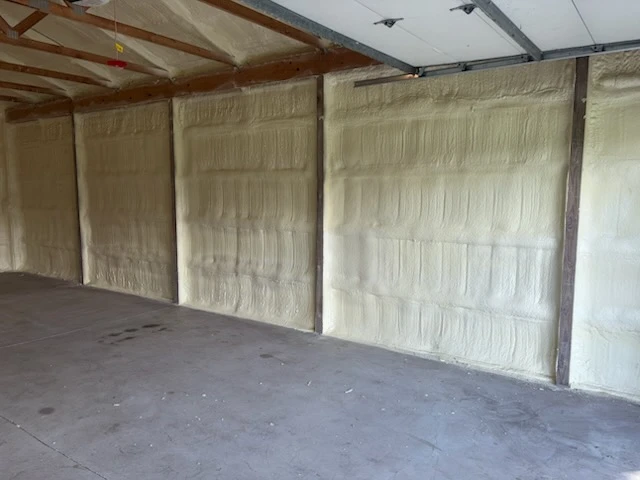
Commercial property owners who delay insulation upgrades face ongoing consequences that far exceed the initial installation cost. Inadequate insulation leads to consistently high heating bills during New Lenox winters, when temperatures regularly drop below freezing. A 10,000 square foot commercial building with insufficient insulation could spend an extra $3,000 to $8,000 per year on heating costs alone, highlighting the importance of timely commercial insulation upgrades.
Beyond energy expenses, poorly insulated commercial buildings create uncomfortable work environments that affect employee productivity and customer perception. Temperature fluctuations and cold drafts make spaces difficult to climate-control effectively, even with high-capacity HVAC systems running continuously.
Building code compliance represents another consideration. Illinois has adopted stricter commercial energy codes, and renovations or new construction must meet updated insulation requirements. Waiting to address insulation needs often results in costlier retrofits when you eventually need to sell, lease, or update your property.
Ideal candidates for commercial insulation projects include:
Projects that may not require immediate insulation investment:
In the Commercial insulation projects involve unique challenges that require experienced contractors. Building codes, fire safety ratings, and moisture management all factor into material selection and installation techniques. Working with qualified professionals ensures your insulation meets Illinois commercial energy code requirements and performs as expected for decades.
Our team at South Chicago Insulation has extensive experience with commercial projects throughout Will County, including New Lenox, Frankfort, and Mokena. We understand the local climate requirements and building code standards that apply to your property.
South Chicago Insulation specializes in commercial insulation installation for properties throughout the New Lenox area and greater Will County. Our team provides detailed project assessments that account for your building’s specific requirements, accessibility considerations, and performance goals. We help you select the right insulation materials and installation approach for your budget.
Ready to understand what commercial insulation will cost for your property? Contact us today for a personalized estimate. Reach our team by email at [email protected] or call (779) 803-8025 to discuss your project scope and timeline.
Invest in your building’s energy efficiency now, and enjoy reduced operating costs and improved comfort for years to come.
Commercial insulation in the New Lenox area typically costs between $1.50 and $6.75 per square foot installed, depending on the material selected and project complexity. Spray foam options fall on the higher end of this range.
Most commercial insulation projects complete within 3 to 10 business days, depending on building size and whether existing insulation removal is necessary. Larger facilities or complex installations may require additional time.
Permit requirements vary by municipality. Most commercial renovation projects in New Lenox and Will County require permits for insulation work, particularly when modifying existing building envelopes or mechanical systems.
Proper commercial insulation typically reduces heating and cooling costs by 15% to 40%, depending on your building’s current condition and the insulation type installed. Buildings with severely outdated insulation see the largest savings.
Illinois Climate Zone 5 requires commercial walls with R-13 to R-20 insulation and roof assemblies with R-20 to R-30, depending on the specific assembly type and building configuration. Your insulation contractor can verify exact requirements for your property.