Why Is Your Pole Barn in Carpentersville, IL Too Hot in Summer and Cold in Winter?
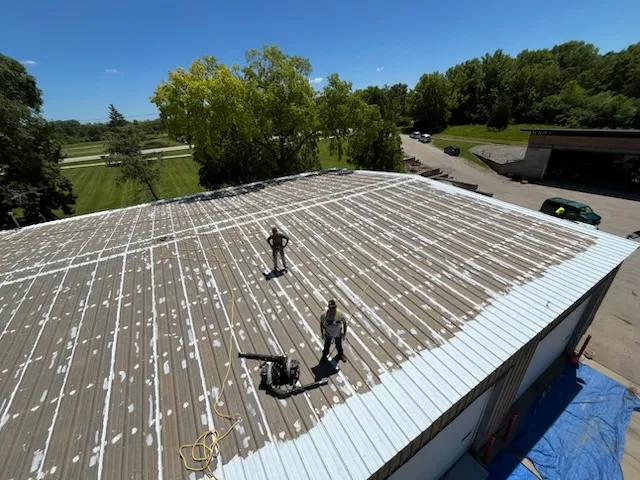
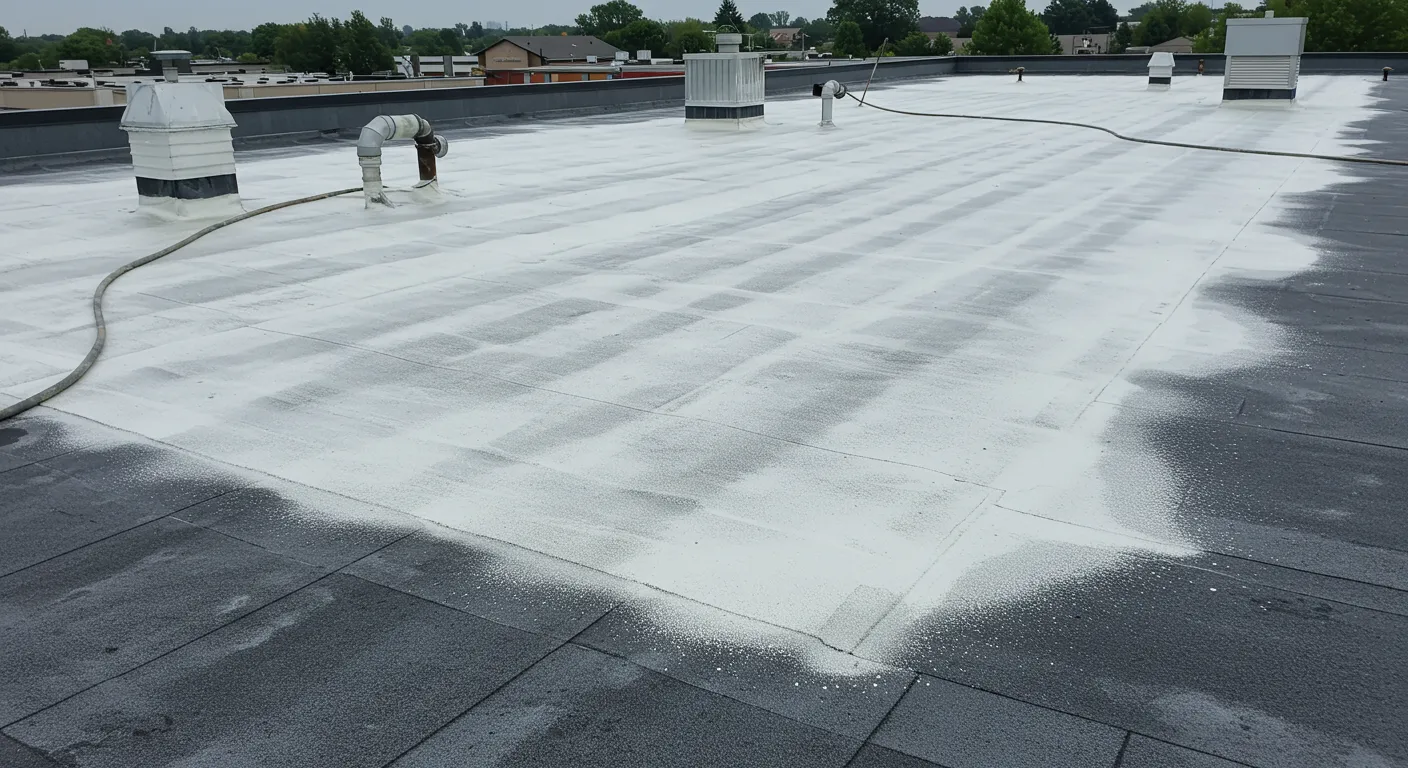
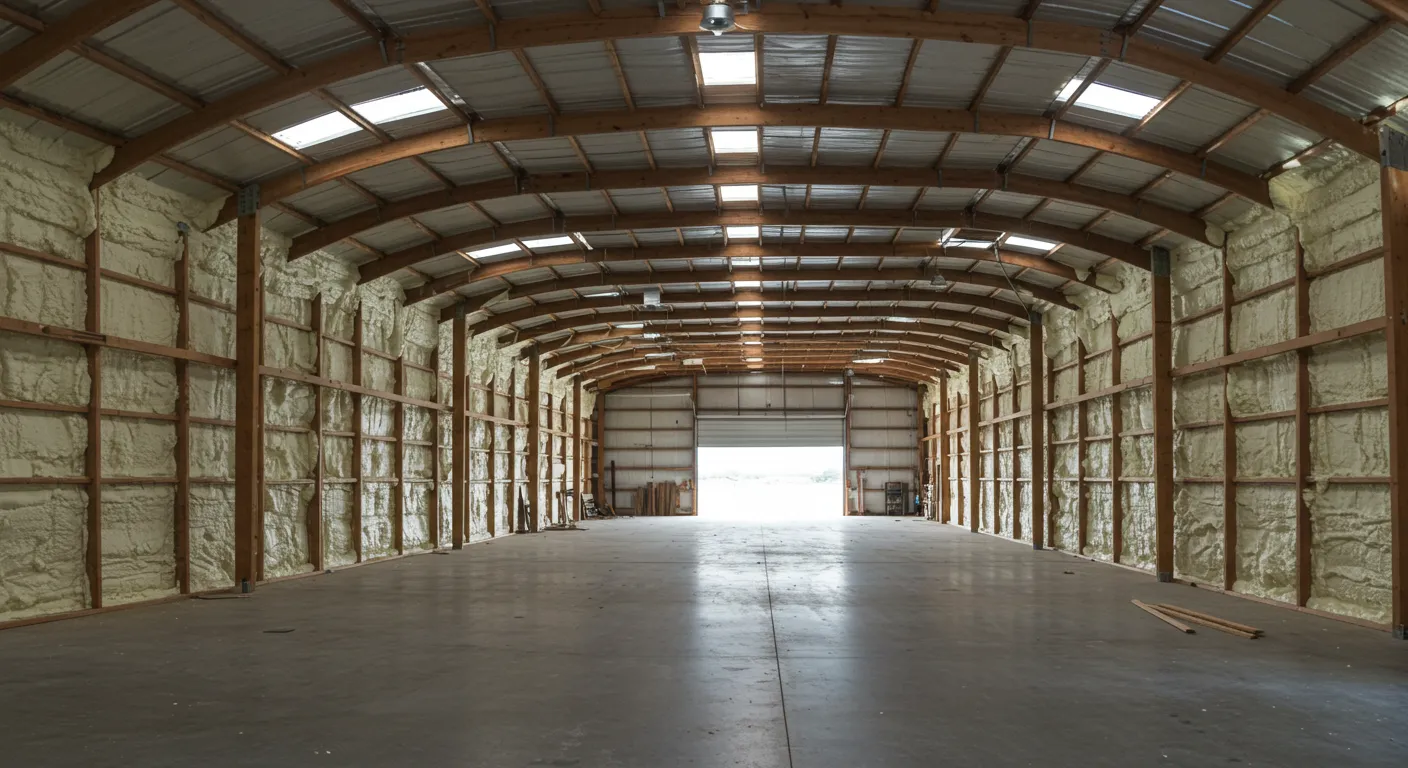
Pole barn insulation services can help address the extreme temperature swings common in Carpentersville, IL pole barns. Bare steel panels…


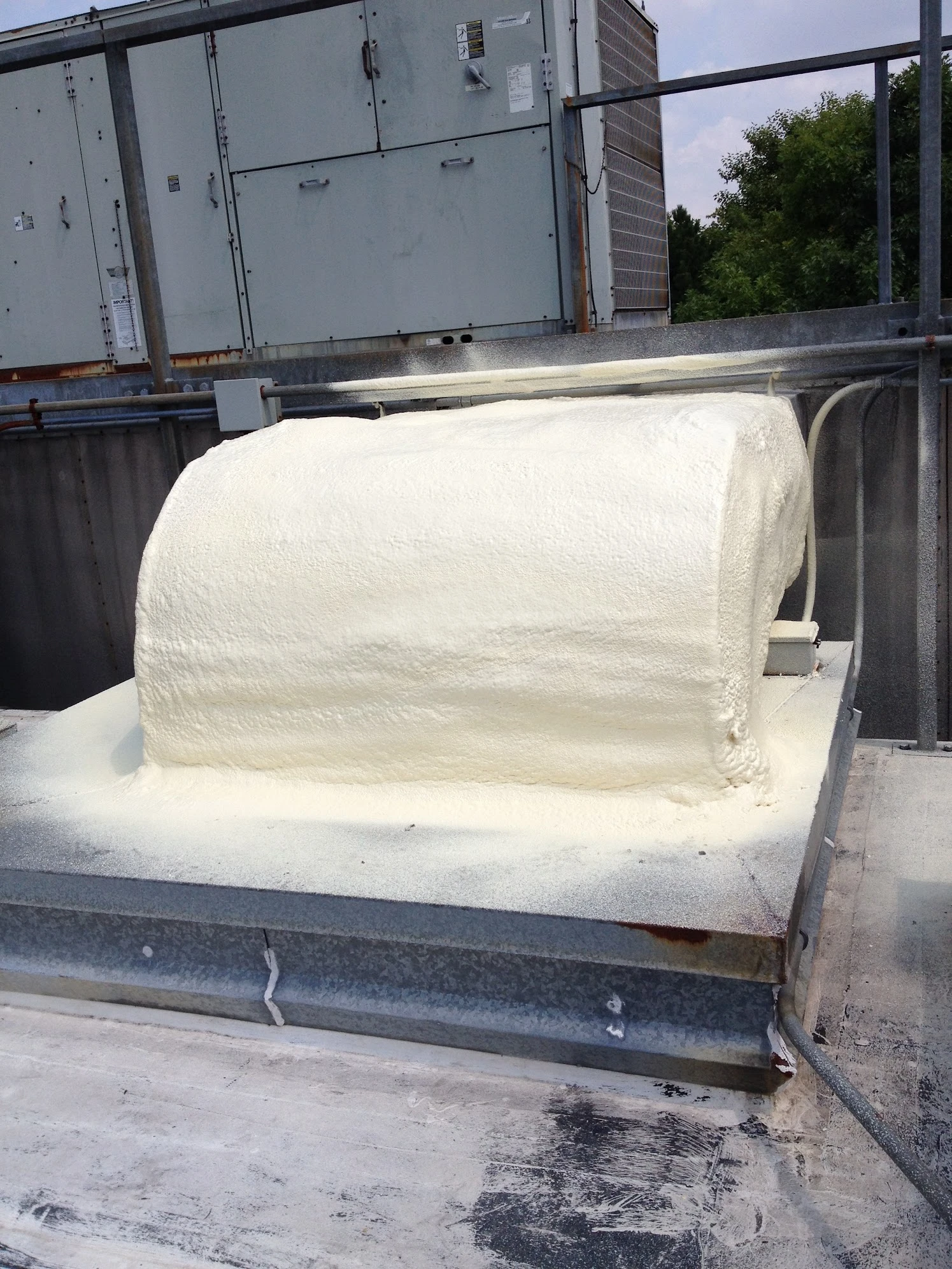
Spray foam commercial insulation outperforms fiberglass in most commercial applications, delivering higher R-values per inch, superior air sealing, and long-term energy savings that justify the higher upfront investment. Closed-cell spray foam achieves approximately R6.5 to R7 per inch compared to fiberglass at R2.2 to R4 per inch, meaning you achieve the same thermal resistance in roughly half the thickness. Spray foam also acts as both insulation and air barrier simultaneously, while fiberglass requires a separate vapor barrier and still allows over 30% of heating and cooling energy to escape through gaps and compression. For commercial buildings where HVAC systems run continuously, occupancy is high, and energy costs compound over time, spray foam provides better lifecycle value despite costing two to three times more initially. Fiberglass remains viable for budget-constrained projects in mild climates where code minimums are acceptable, but for any commercial property prioritizing operational efficiency, occupant comfort, and long-term asset value, spray foam is the better choice.
R-value measures a material’s resistance to heat flow, and this metric fundamentally separates spray foam from fiberglass in commercial applications. The Department of Energy defines R-value as the higher the rating, the greater the insulating effectiveness, though actual performance depends on thickness, density, and environmental factors.
Closed-cell spray foam achieves approximately R7 per inch of thickness. Open-cell spray foam rates around R3.5 per inch. Fiberglass batts typically deliver R3 to R4 per inch. To meet code requirements of R-38 in an attic space, you need about 5.4 inches of closed-cell spray foam compared to over 9 inches of fiberglass batts. This space efficiency matters significantly in commercial buildings where ceiling height, roof pitch, and wall thickness directly impact usable square footage and building compliance.
Unlike fiberglass, spray foam does not lose R-value over its lifetime. Fiberglass insulation experiences thermal drift, where the trapped air inside glass fibers gradually escapes, reducing its effective R-value. Spray foam maintains its original thermal performance for over 80 years, making the higher upfront cost an investment that compounds through decades of unchanged efficiency while also helping reduce early HVAC system failure caused by poor insulation performance.
Commercial buildings face different thermal challenges than residential properties. Larger square footage means HVAC systems work harder. Higher occupancy generates more heat and humidity. Complex rooflines, metal framing, and large glass areas create thermal bridges that degrade traditional insulation performance.
Spray foam addresses these challenges through comprehensive air sealing. The EPA’s Energy Star program estimates that proper air sealing combined with adequate insulation can reduce heating and cooling costs by up to 20% in typical buildings. In commercial applications with larger thermal loads, this percentage translates to substantial dollar savings across monthly utility bills.
Closed-cell spray foam also functions as a vapor barrier with less than 2 inches of thickness. This eliminates the need for separate polyethylene sheeting, taping, and sealing that fiberglass installations require. Spray foam expands into gaps, cracks, and penetrations that fiberglass cannot reach, creating a continuous thermal envelope that performs consistently across the building structure.
In metal building applications, spray foam eliminates condensation issues that plague fiberglass installations. Water vapor that passes through fiberglass accumulates on cold metal surfaces, creating mold, corrosion, and structural degradation. Closed-cell spray foam blocks moisture entirely, protecting the building envelope and reducing maintenance costs over time.
Commercial insulation projects vary based on building size, access complexity, existing conditions, and required performance levels. Based on typical commercial insulation projects in the market, costs range from $15,000 for smaller spaces up to $100,000 or more for large warehouse or industrial facilities, with most projects falling between $40,000 and $50,000 for mid-sized commercial buildings.
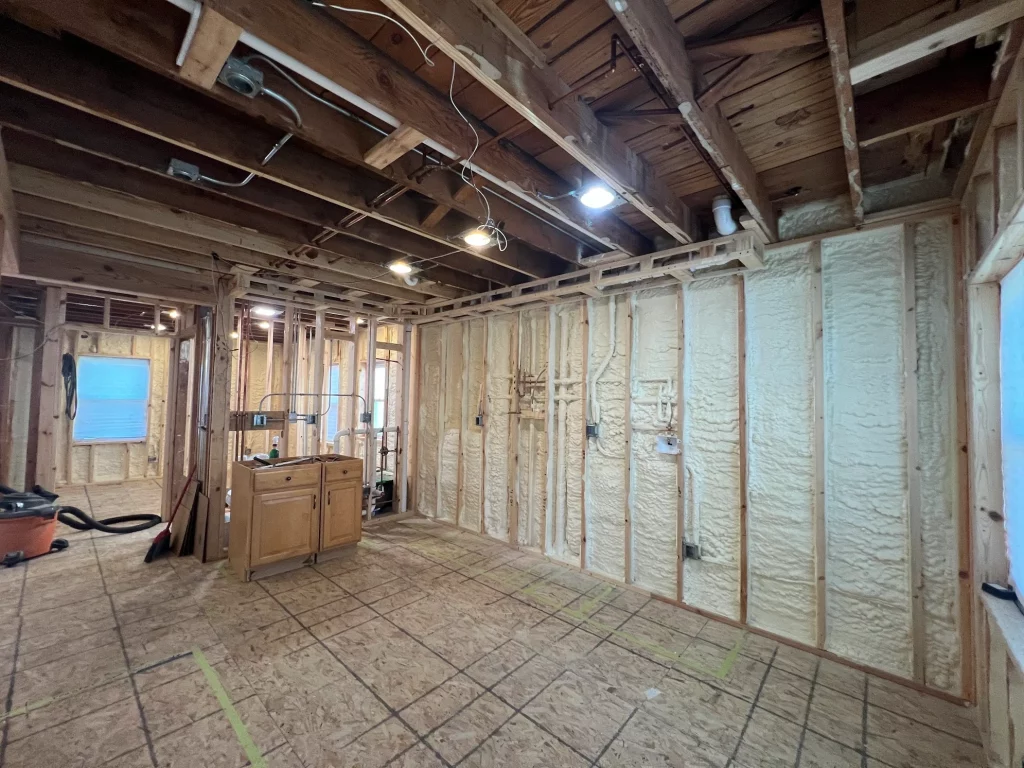
| Cost Factor | Spray Foam | Fiberglass |
|---|---|---|
| Material cost per board foot | $0.90 to $1.50 | $0.40 per sq ft (batt form) |
| Installation complexity | Professional required | Can be DIY for simple applications |
| Required thickness for R-38 | 5.4 inches | 9 to 12 inches |
| A separate vapor barrier is needed | No | Yes, additional cost |
| Long-term maintenance | None | Potential replacement, settling |
| Expected lifespan | 80+ years | 10 to 25 years if dry |
While spray foam costs two to three times more than fiberglass initially, the energy savings typically offset the premium within 5 to 7 years in cold climates. In commercial environments where HVAC runs year-round, and utility costs are a significant operating expense, the payback period makes spray foam financially attractive for long-term ownership strategies.
| Scenario | Property Type | Recommended Option | Key Considerations |
|---|---|---|---|
| Warehouse distribution center | 50,000 sq ft metal building | Closed-cell spray foam | Air sealing around loading docks, R-value for refrigerated sections |
| Office building renovation | 3-story brick structure | Open-cell in walls, closed-cell in roof | Budget constraints, existing vapor barriers, and occupant disruption |
| Food processing facility | Climate-controlled manufacturing | Closed-cell spray foam | Sanitation requirements, moisture control, and temperature consistency |
| Retail strip mall | Multiple small storefronts | Fiberglass with air sealing | Budget constraints, code minimums, and tenant improvement timing |
| Agricultural storage | Pole barn equipment storage | Open-cell spray foam | Cost-effective for climate-controlled storage, structural stiffening |
Building Use and Occupancy: Properties with temperature-sensitive operations, continuous HVAC usage, or high occupancy levels benefit most from spray foam’s superior thermal performance and air sealing capabilities.
Climate Zone: Buildings in heating-dominated climates see the greatest return on spray foam investment. The thermal bridging that occurs through metal framing in cold weather dramatically reduces fiberglass effectiveness.
Budget Constraints: Short-term budget limitations favor fiberglass, but long-term ownership cost analysis typically favors spray foam when utility savings and maintenance reduction are factored into the decision.
Existing Conditions: Buildings with damaged or compressed existing insulation benefit more from complete removal and spray foam replacement than from layered approaches.
Code Requirements: Building codes increasingly require continuous insulation to address thermal bridging in commercial envelopes. Spray foam satisfies these requirements without additional materials or steps.
Structural Needs: Commercial buildings requiring additional racking strength or structural reinforcement benefit from closed-cell spray foam’s ability to bond building components together into a monolithic assembly.
Fiberglass remains the practical choice for commercial projects under specific conditions:
Making the right insulation choice for your commercial building requires understanding your specific conditions, usage patterns, and long-term objectives. Our professionals at South Chicago Insulation have experience with commercial insulation projects ranging from small retail spaces to large industrial facilities. We evaluate your building’s thermal envelope, identify performance gaps, and recommend solutions that balance upfront investment against operational savings.
Contact us to discuss your commercial insulation requirements. Reach our team by email at [email protected] or call us directly at (779) 803-8025 to schedule an assessment and discuss how spray foam can improve your building’s energy performance.
Yes, spray foam installation requires a building vacancy during application and a curing period of 24 to 48 hours, depending on the product and conditions. Our team follows manufacturer specifications and safety protocols to ensure proper curing before occupancy resumes.
Most commercial projects are completed within 1 to 3 weeks, depending on building size and complexity. We work around your operational schedule to minimize business disruption while meeting project deadlines.
In most cases, we recommend removing existing insulation to ensure proper adhesion and complete air sealing. Our assessment process determines whether retrofit installation is feasible or if full replacement is necessary.
Spray foam requires no ongoing maintenance. Unlike fiberglass, it does not settle, compress, or degrade over time. Periodic inspection of the building envelope for penetrations or damage is recommended as part of general facility maintenance.
Once fully cured, closed-cell spray foam is inert and does not off-gas. We use low-VOC products and follow strict application protocols to ensure indoor air quality standards are met during and after installation.