What Is Foundation Insulation and Why Is It Important for Residential Buildings?
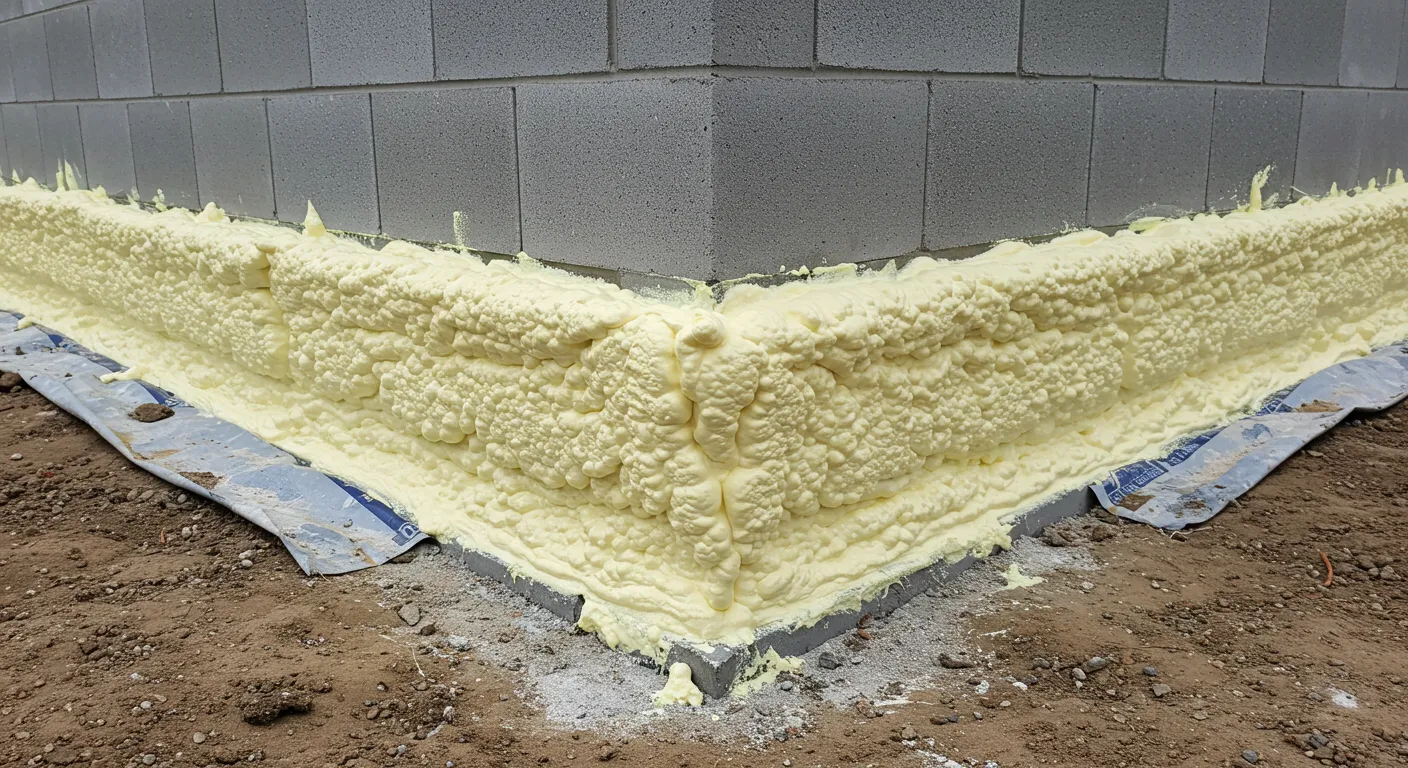
Foundation insulation is the application of thermal materials to the walls, floors, or slabs of a building’s foundation to create…


In Burr Ridge, Illinois, where homes sit squarely in Climate Zone 5 and experience both harsh winters and hot, humid summers, spray foam insulation delivers the greatest return when applied to the attic, crawlspaces, rim joists, and exterior walls. The reason comes down to how spray foam performs compared to other materials: it simultaneously insulates and air-seals in a single application, eliminating the gaps and thermal bridging that undermine traditional batt insulation. Not every area of a home benefits equally from spray foam, though. The right choice depends on your home’s construction, existing insulation condition, and which areas are losing the most energy. Below, we break down exactly where spray foam matters most and why with a detailed spray foam insulation guide.
Burr Ridge, IL sits in Climate Zone 5, a region characterized by cold winters with temperatures regularly dropping below freezing and summers that bring heat and humidity. According to the Department of Energy’s insulation and air-sealing guide, homes in Zone 5 need R-60 ceiling insulation and R-20 cavity insulation plus R-5 continuous exterior insulation to meet the 2021 International Energy Conservation Code (IECC).
What makes spray foam particularly effective in this zone is its ability to reach high R-values in less space. Closed-cell spray foam delivers approximately R-6.5 per inch, while open-cell delivers about R-3.5 per inch. This matters in retrofit applications where cavity depth is limited. Traditional fiberglass batts, by comparison, would require significantly more thickness to hit the same thermal resistance target.
The DOE’s Guide to Home Insulation notes that homeowners can save up to 20% on heating and cooling costs by adding insulation and sealing air leaks across key areas of the home. In a heating-dominated climate like Zone 5, those savings skew even higher toward winter performance.
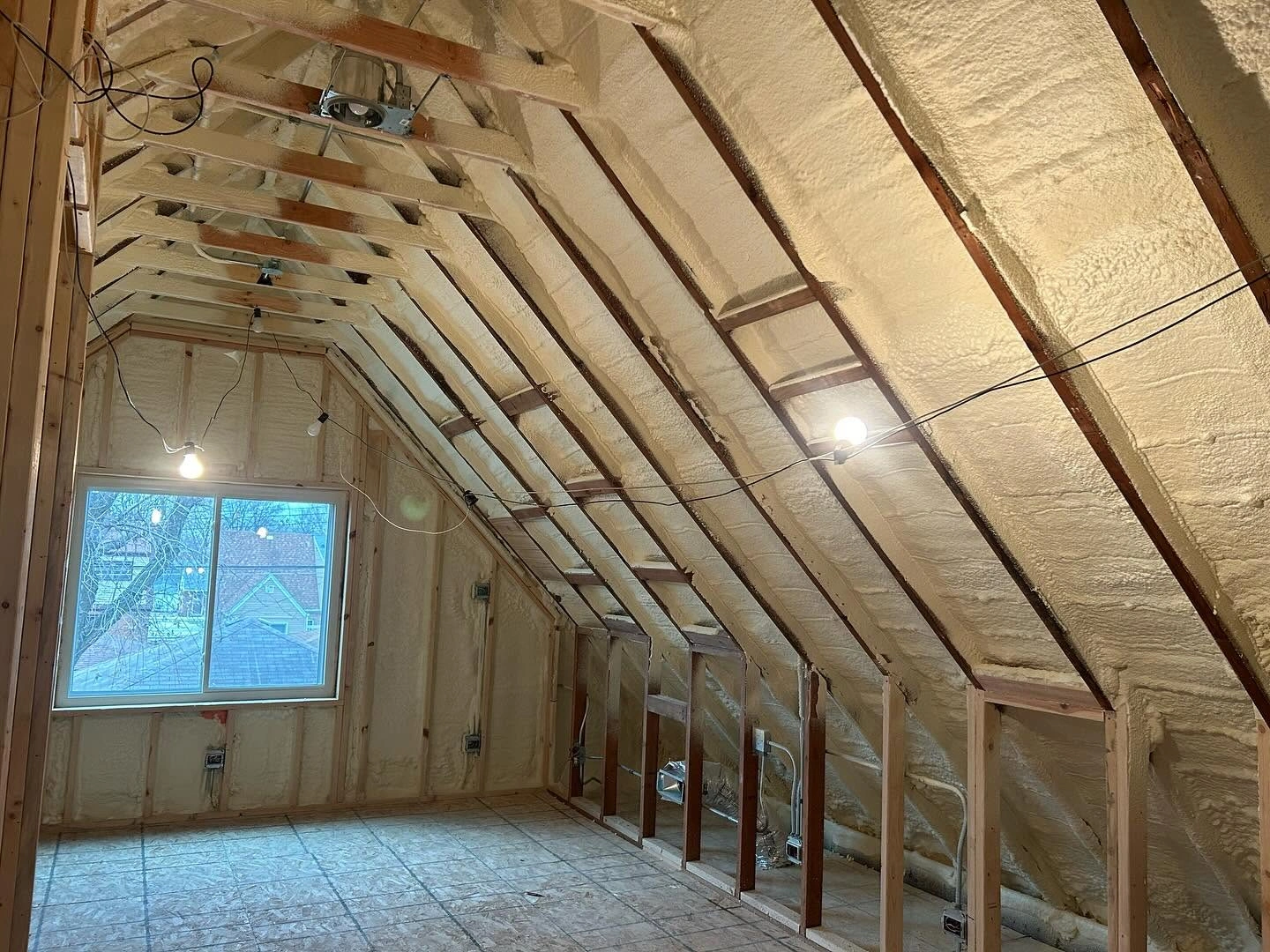
The attic is almost always the first area we recommend for spray foam in Burr Ridge homes. Warm air rises, and in winter, heated air from your living space naturally pushes up through ceiling penetrations, recessed lights, plumbing stacks, and electrical wiring holes into the attic. In summer, radiant heat from the sun bakes the roof and transfers down through the attic into your living space. Proper spray foam and indoor air quality planning also help create a tighter building envelope that reduces unwanted air infiltration and improves overall indoor comfort.
Spray foam addresses both problems in ways that fiberglass or cellulose cannot:
For homeowners considering attic insulation, spray foam projects in the Burr Ridge area typically range from $5,000 to $18,000 depending on the size of the space and whether ventilation modifications are needed.
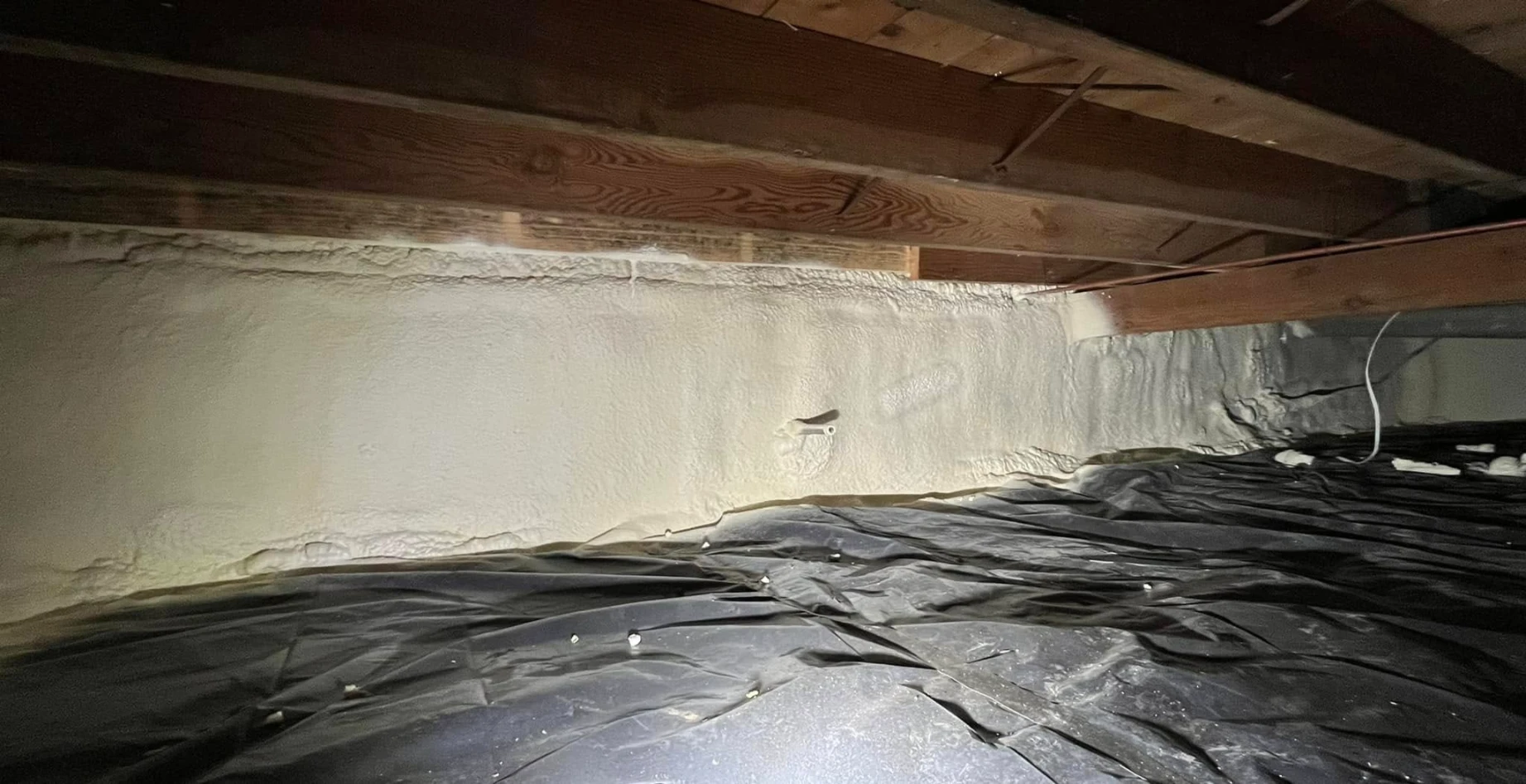
Crawlspaces are one of the most problematic areas in Illinois homes. They sit below the living space, introducing moisture, cold air, and sometimes mold directly into your home. Traditional vented crawlspaces were designed to let outside air flow through, but building science research has shown that approach often increases moisture problems rather than solving them.
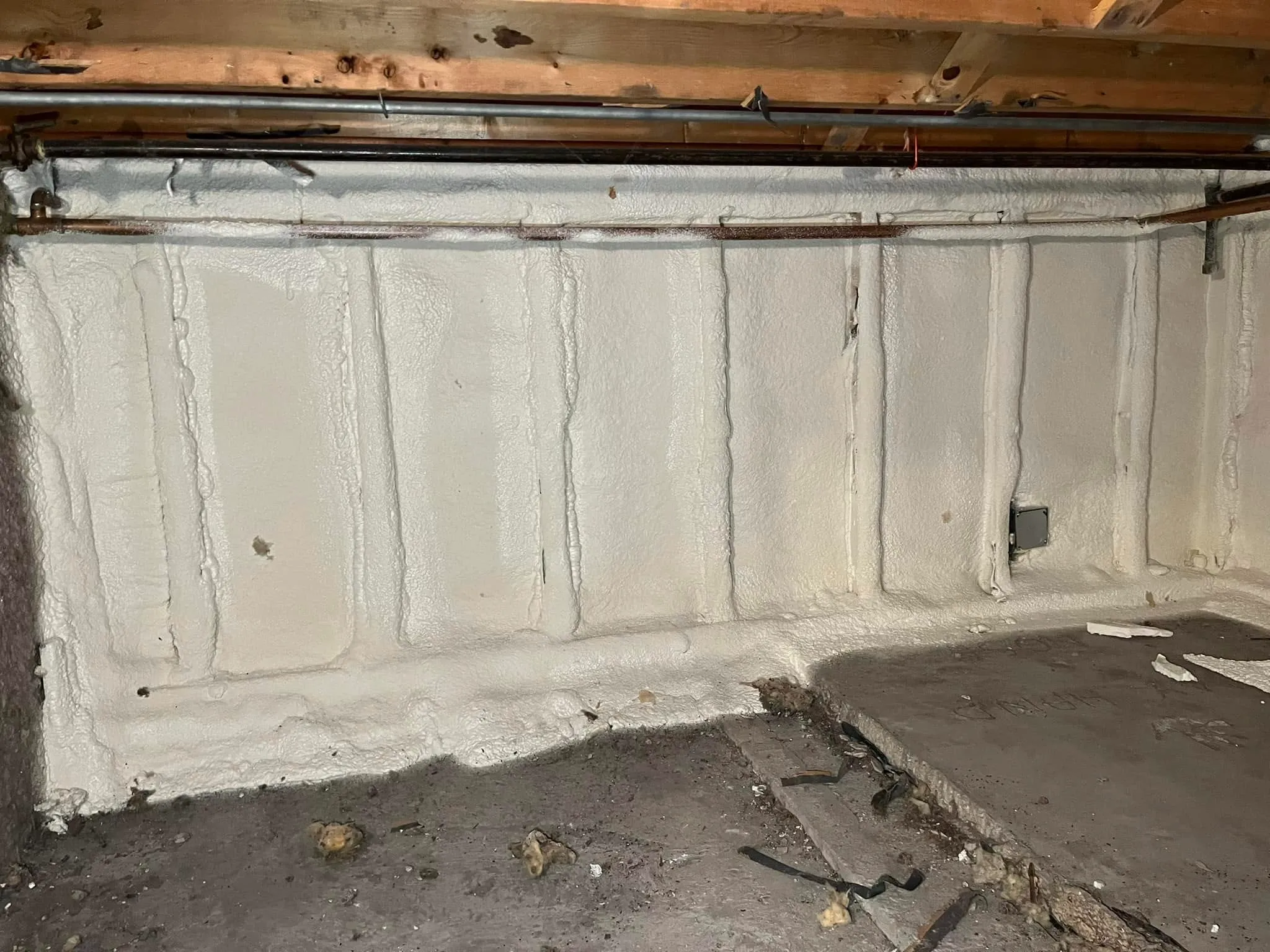
Spray foam applied to crawlspace walls and the floor joists above creates a conditioned, sealed space. The benefits include:
The Building Science Education resource on rim joists explains that floors can account for one-fourth to one-third of a building’s enclosure surface area, and air infiltration through the framing, band joists, and rim joists leads to higher energy costs and cold floors. Spray foam addresses rim joists and crawlspace walls simultaneously, providing both the air barrier and the insulation in a single application.
Crawlspace insulation projects typically range from $2,300 to $8,000, with the lower end covering standard-height crawlspaces and the higher end reflecting difficult access or greater thickness requirements.
Rim joists, also called band joists, sit at the top of the foundation wall where the floor framing meets the exterior wall. These areas are notoriously difficult to insulate properly with rigid foam or fiberglass because of the irregular shapes, multiple penetrations for utilities, and the need for a complete air seal. A professional spray foam insulation contractor in Burr Ridge, IL can properly seal these challenging areas for improved energy efficiency and long-term performance.
Spray foam is widely recognized as the preferred material for rim joist applications because it:
The Building Science Education site notes that open-cell foam requires at least 5.5 inches of finished thickness, while closed-cell foam requires at least 1.5 inches to qualify as an air barrier at rim joists.
Wall cavities in existing Burr Ridge homes can be challenging to retrofit with spray foam. Unlike attics and crawlspaces, wall cavities are enclosed behind finished drywall and exterior sheathing. However, in certain situations, spray foam in walls delivers strong results:
The DOE notes that walls and rim joists typically make up more than 40% of a home’s total envelope area, so addressing leaks and insulation here goes a long way. In Climate Zone 5, walls need a minimum of R-20 cavity insulation plus R-5 continuous insulation to meet current code.
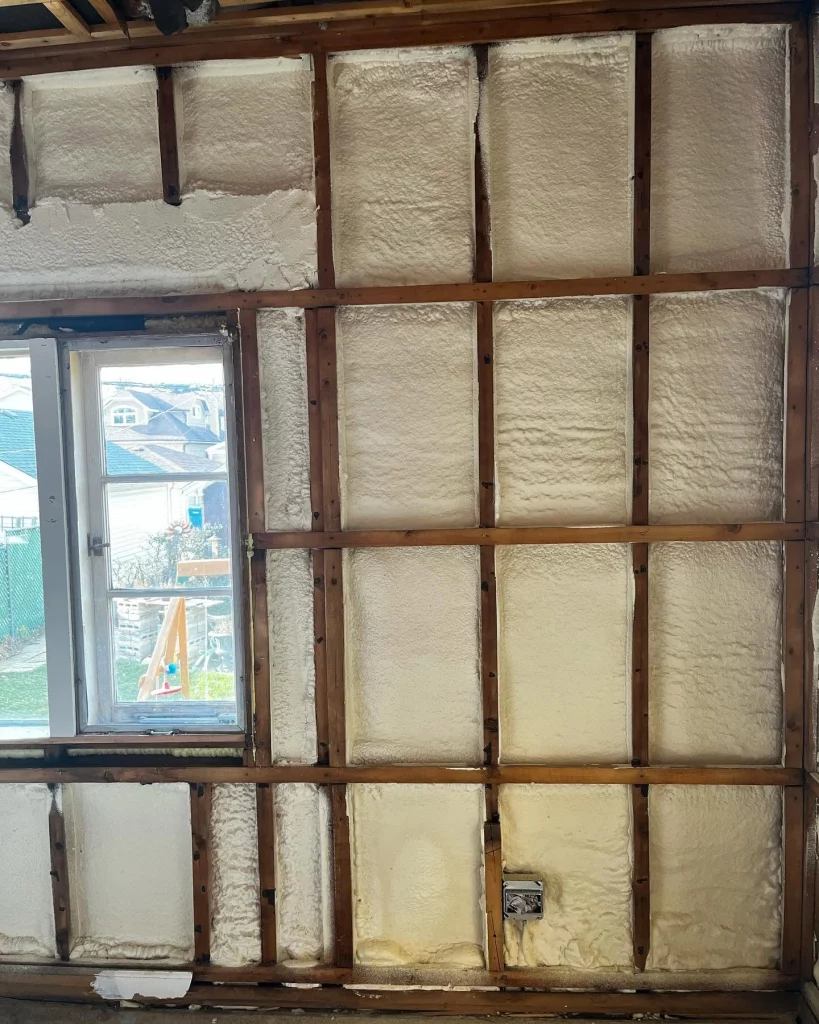
Choosing between open-cell and closed-cell spray foam depends on the specific area being insulated and what you need the material to accomplish beyond thermal resistance.
| Area | Recommended Foam Type | Reason | Key Consideration |
|---|---|---|---|
| Attic (roof deck) | Closed-cell or open-cell | Both seal air leaks; closed-cell adds structural rigidity | Closed-cell preferred if space is limited |
| Attic (floor/rafters) | Open-cell | Lower cost per inch, effective air sealing at joist level | Vapor open, so pair with proper ventilation |
| Crawlspace walls | Closed-cell | Acts as vapor retarder, resists moisture | 2+ inches needed for vapor control |
| Rim joists | Closed-cell | Air barrier in thin application (1.5+ inches) | Higher R-value per inch saves space |
| Exterior walls | Either | Depends on cavity depth and moisture exposure | Closed-cell better for flood-prone areas |
According to Building Science Corporation research, closed-cell spray foam applied at 2 inches or more provides sufficient vapor diffusion control for all climates up to 10,000 heating degree days, while open-cell foam requires additional vapor control in very cold climates unless interior humidity is carefully managed. Burr Ridge’s approximately 6,000 to 7,000 heating degree days means closed-cell is the safer choice for moisture-critical areas like crawlspaces and rim joists.
| Priority | Area | Expected Impact | Typical Investment Range | Best Suited For |
|---|---|---|---|---|
| 1 | Attic | Highest energy savings, reduced ice dams, even temperatures | $5,000 – $18,000 | All Burr Ridge homes, especially those with ductwork in the attic |
| 2 | Crawlspace | Moisture control, warmer floors, duct protection | $2,300 – $8,000 | Homes with vented or unconditioned crawlspaces |
| 3 | Rim joists | Stopping major air leakage at foundation line | Varies | Homes with unfinished basements |
| 4 | Exterior walls | Reduced thermal bridging, better comfort | Varies | Homes undergoing renovation or re-siding |
Before investing in spray foam insulation, it helps to recognize the signs that your home’s current insulation is underperforming. Look for:
Any of these symptoms point to specific areas where spray foam can close the gaps and improve performance.
Choosing a qualified contractor matters as much as choosing the right areas to insulate. Here is what separates a strong insulation professional from an inexperienced one:
South Chicago Insulation has the experience and equipment to handle spray foam insulation projects across the Burr Ridge area, from attic retrofits to crawlspace encapsulations and everything in between. Our team evaluates each home individually and recommends the right material and application for every area that needs attention. Contact us today to discuss your project and get a detailed plan tailored to your home.
Request a Quote | Schedule an Attic Assessment
Call us at (779) 803-8025 or email [email protected] to get started.
Properly installed spray foam insulation is a permanent installation that does not settle, sag, or degrade over time. It maintains its R-value and air-sealing properties for the life of the home.
Yes, spray foam can be applied in attics, crawlspaces, and rim joists without disturbing finished wall surfaces. Wall cavities can also be insulated using a drill-and-fill method if needed.
Yes. By sealing air leaks between the living space and attic, spray foam prevents warm air from reaching the roof deck, which is the primary cause of ice dam formation in winter.
Once cured, spray foam is an inert, stable material. The curing process typically completes within 24 to 48 hours, after which the foam is non-toxic and does not off-gas.
In Climate Zone 5, ENERGY STAR estimates average savings of 12% on total energy costs and 16% on heating and cooling costs from proper air sealing and insulation. Results vary based on your home’s current condition and which areas are insulated.