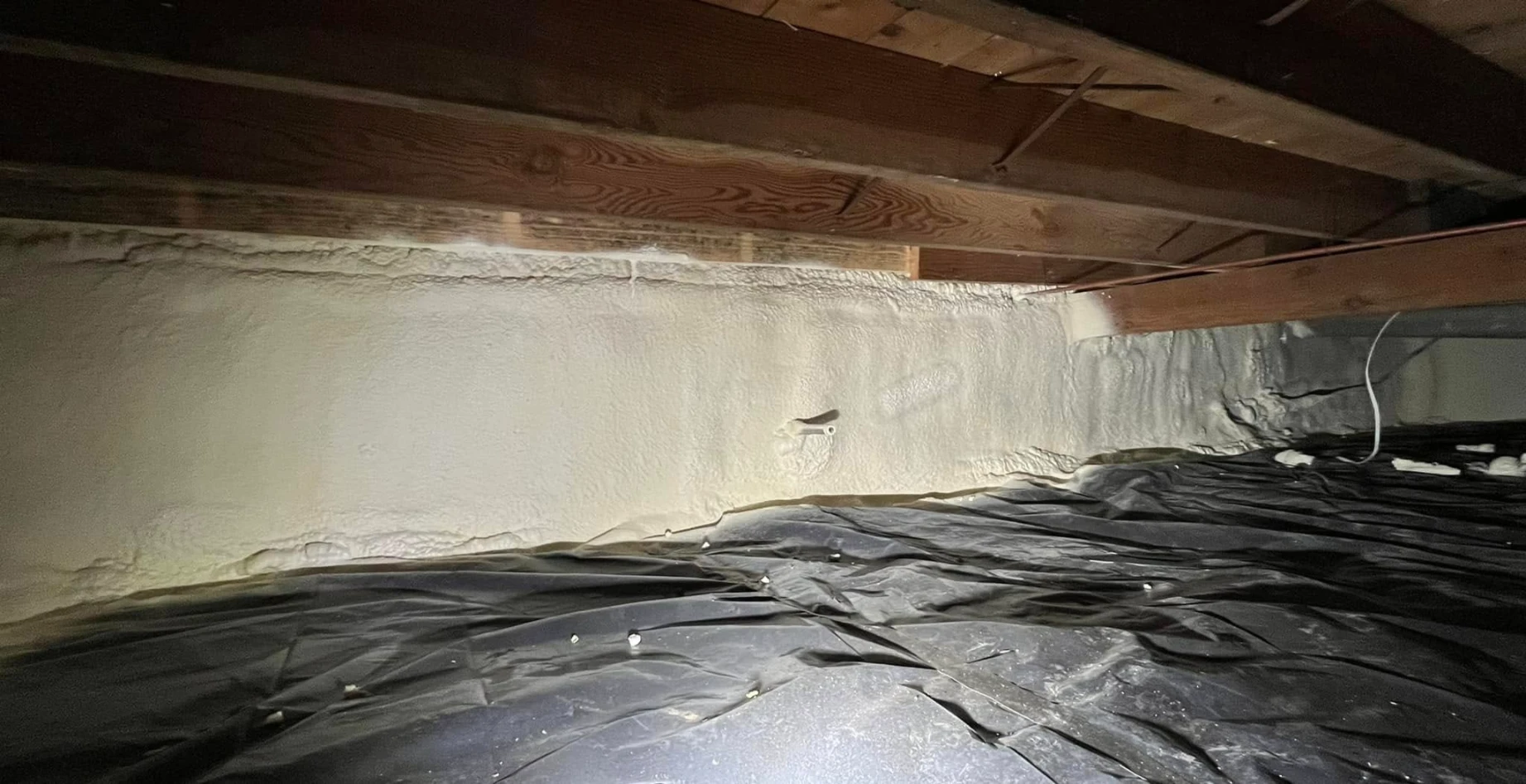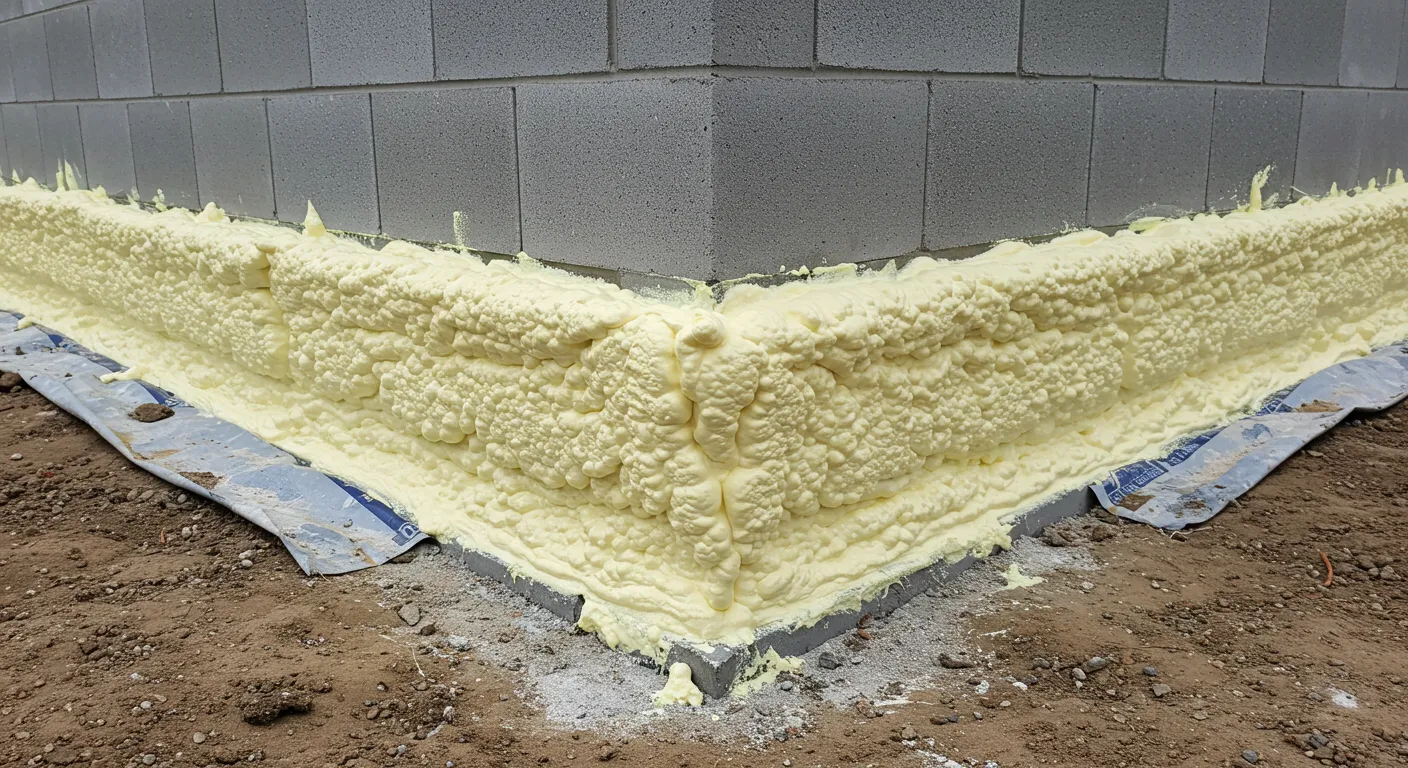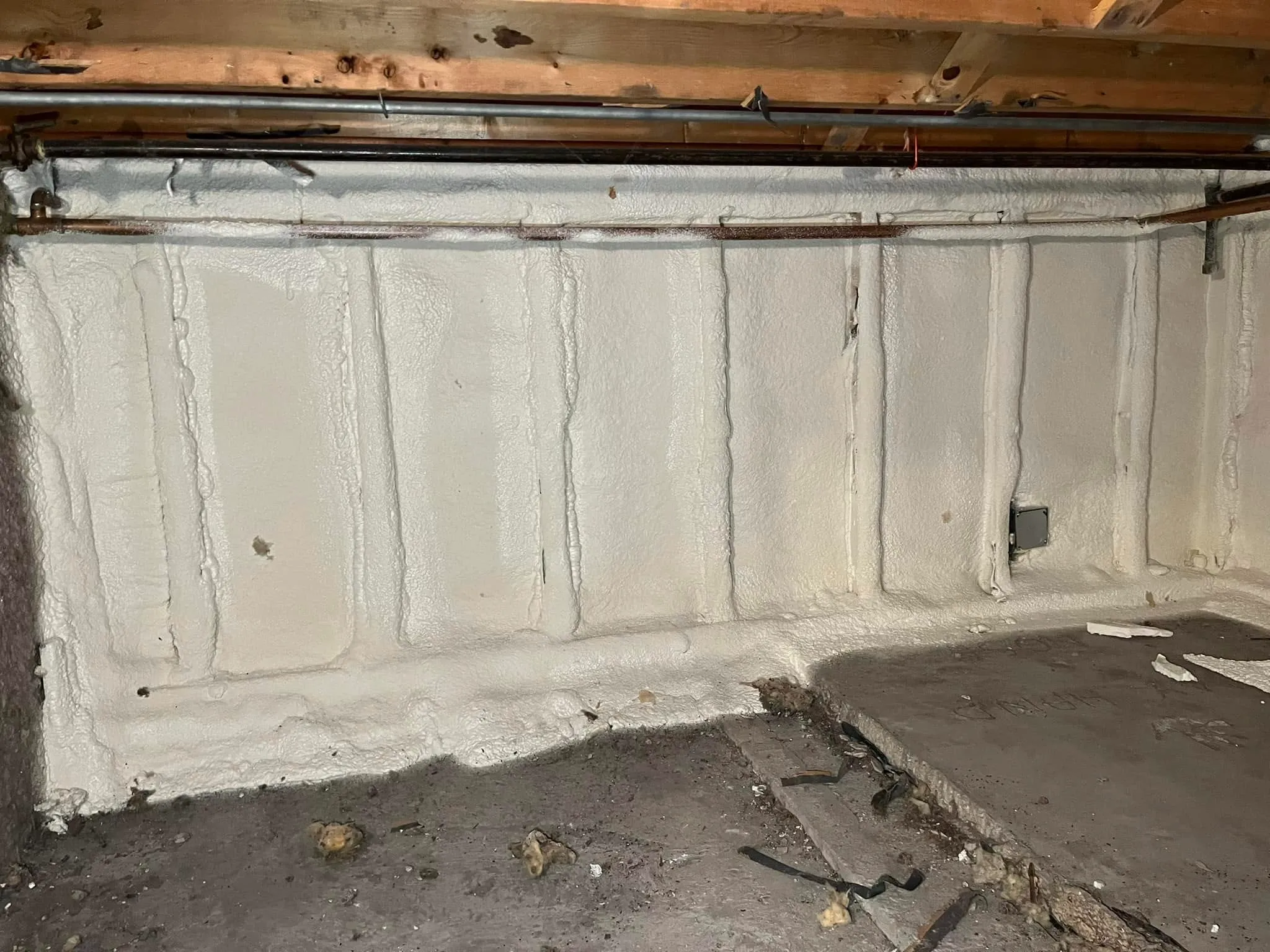
What Is Foundation Insulation and Why Is It Important for Residential Buildings?
Foundation insulation is the application of thermal materials to the walls, floors, or slabs of a building’s foundation to create…


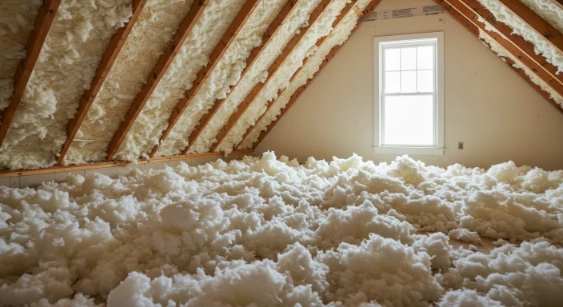
Older homes, particularly those built before 1980, frequently have wall cavities with little to no insulation and dozens of hidden air gaps where drafts slip through daily. Blown-in cellulose insulation is widely considered one of the most effective methods for filling those gaps without removing drywall or tearing apart existing walls. The material’s dense, fibrous composition allows it to conform around pipes, wiring, and framing irregularities that batt insulation simply cannot reach, while also delivering meaningful improvements in thermal performance, sound control, and fire resistance. The right approach for any given home depends on factors like cavity depth, existing materials, moisture conditions, and climate zone, but dense-pack cellulose has earned strong backing from building science researchers and government energy programs as a proven retrofit solution for existing wall cavities. Understanding blown-in cellulose costs can help homeowners determine whether this retrofit option fits their budget and energy-efficiency goals.
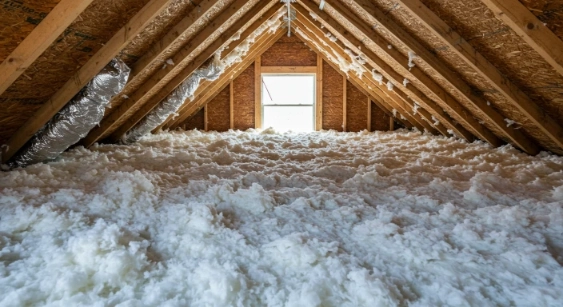
Blown-in cellulose insulation is a plant-fiber material, primarily recycled newsprint, treated with fire retardants such as boric acid and ammonium sulfate. When installed into existing wall cavities, our technicians drill small access holes (typically through exterior siding or interior plaster/drywall), insert a hose, and blow the material under pressure until the cavity is filled. This process is commonly used when installing blown-in cellulose in old walls to improve energy efficiency without major renovation.
The dense-pack installation method is what separates quality work from subpar results. Rather than loosely filling the cavity, dense-pack cellulose is installed at a density of roughly 3.5 pounds per cubic foot, which puts enough pressure on the material to eliminate settling and close off convective air loops within the wall. According to Wikipedia’s cellulose insulation entry, the home performance industry and its accrediting bodies support dense-pack as the standard for insulating existing wall cavities because it stops the stack effect and prevents the convective loops that allow heat to bypass standard loose-fill insulation.
The University of Colorado School of Architecture conducted a controlled study comparing two identical test structures, one insulated with cellulose and the other with fiberglass. The cellulose-insulated structure lost 26.4% less heat energy over time and showed a structure tightened by more than 30%. Subsequent real-world surveys have found cellulose performing 20 to 30% better at reducing heating energy than fiberglass.
Homes built before modern energy codes went into effect often have empty or partially filled wall cavities. Many pre-1940s homes in the Bridgeview, IL area were constructed with balloon framing or 2×4 studs with no insulation at all. Over decades, these cavities accumulate gaps around plumbing penetrations, electrical boxes, and framing joints that allow conditioned air to escape and outside air to infiltrate.
Key reasons older homes respond so well to blown-in cellulose:
Understanding how cellulose compares to alternatives helps homeowners make informed decisions. The table below covers the materials most commonly considered for retrofitting existing wall cavities.
| Material | R-Value per Inch | Air Sealing Ability | Fire Resistance | Sound Control | Best Retrofit Use |
|---|---|---|---|---|---|
| Blown-in Cellulose | R-3.2 to R-3.8 | Excellent (dense-pack) | Class 1 rated | Very good | Existing empty or under-insulated wall cavities |
| Fiberglass Batts | R-2.2 to R-3.8 | Poor (leaves gaps) | Melts, does not stop flames | Fair | New construction where cavities are accessible |
| Blown-in Fiberglass | R-2.2 to R-2.7 | Moderate | Similar to batts | Fair | Attics and open cavities, not ideal for dense-pack walls |
| Closed-Cell Spray Foam | R-5.5 to R-6.5 | Excellent | Self-extinguishing | Good | When walls are opened during renovation |
| Mineral Wool | R-3.0 to R-3.3 | Good | Excellent (non-combustible) | Very good | New construction and exposed cavities |
The Department of Energy specifically notes that for existing homes with uninsulated wall cavities in temperate climates, “drilling small holes into walls, blowing in insulation, and sealing the holes, an approach commonly known as drill and fill, is a common method to insulate walls in older homes.” DOE guidance also explicitly states that “the addition of dense-packed cellulose to wall cavities can provide significant air-sealing benefits.”
One of the most compelling reasons to choose cellulose for older wall retrofits is its fire performance. Cellulose insulation is treated with borate-based fire retardants that give it the highest available fire safety rating for insulation materials. Studies by National Research Council Canada tested fire resistance in load-bearing wood stud shear walls and found that fiberglass-insulated wall assemblies failed at 42 to 43 minutes, while cellulose-insulated assemblies survived for 51 to 54 minutes. The denser cellulose restricts oxygen flow to structural members, slowing fire spread compared to less dense materials.
For older homes where wiring may be outdated, and fire risk is already elevated, adding a fire-retardant insulation layer inside the walls provides an additional margin of safety.
The density that makes cellulose effective at sealing air gaps also makes it an effective sound dampener. Cellulose is approximately three times denser than fiberglass, which gives it superior ability to reduce sound transmission. It works in two ways: by reducing the lateral vibration of drywall and by attenuating sound that travels through air gaps and cavities.
For homeowners in the Bridgeview area living near busy streets or dealing with noise between rooms, blown-in cellulose in wall cavities can noticeably reduce both airborne sound transmission and impact noise. The material fills the pathways where sound would otherwise travel, making it a practical choice for homes where full-scale soundproofing renovations are not feasible.
The borates used in cellulose insulation serve a dual purpose: fire retardancy and mold resistance. The U.S. Environmental Protection Agency’s Healthy Indoor Environment Protocols emphasize that moisture problems must be identified and addressed before any insulation retrofit, noting that “if moisture issues cannot be addressed, do not install energy upgrades that will reduce the home’s air infiltration rate.” Our team follows this guidance, evaluating moisture conditions in existing walls before proceeding with any blown-in cellulose installation.
From an environmental standpoint, cellulose has distinct advantages. It is composed of 75 to 85 percent recycled paper fiber and requires significantly less embodied energy to manufacture than fiberglass or mineral wool, which are produced in fuel-powered furnaces. Cellulose has the highest recycled content of any commercially available insulation material.
Understanding the process helps homeowners prepare and sets realistic expectations:
Installation typically takes one to two days for an average-sized home, depending on the number of walls being insulated and access conditions.
Choosing a qualified installer matters as much as choosing the right material. Look for these indicators:
| Home Type | Wall Condition | Recommended Approach | Key Considerations |
|---|---|---|---|
| Pre-1940s (balloon frame) | Often completely empty | Dense-pack cellulose, full scope | Check for knob-and-tube wiring and asbestos |
| 1940s-1970s (standard frame) | Partially insulated or empty | Dense-pack cellulose | Verify existing insulation condition; address moisture first |
| 1980s-2000s | May have fiberglass batts | Dense-pack cellulose over or replacing old insulation | Evaluate whether old insulation should be removed |
| Homes with vinyl siding | Varies | Drill through exterior, fill, patch siding panels | Easier access from exterior, minimal interior disruption |
If your older home has drafty rooms, inconsistent temperatures, or rising energy bills, the walls are often the hidden culprit. Our team at South Chicago Insulation specializes in blown-in cellulose insulation for existing wall cavities in the Bridgeview, IL area, and we follow DOE and EPA protocols to ensure safe, effective installations. We evaluate your walls, identify moisture or safety concerns, and recommend the right approach for your specific home. Contact us today to get started.
📞 Call us at (779) 803-8025 or email [email protected] to ask about
blown-in cellulose insulation for your property.
Yes. Our team removes individual siding panels in targeted locations, drills access holes through the sheathing, fills the cavities, and replaces the panels. The process is designed to minimize disruption to your existing exterior.
Dense-pack installation compresses the cellulose to approximately 3.5 pounds per cubic foot, which eliminates the air pockets that cause loose-fill materials to settle. When installed at proper density, cellulose will not compact or leave gaps at the top of wall cavities.
The borate treatment used in cellulose insulation provides resistance against both mold growth and pests. Borates are a natural deterrent, and field installations have shown resistance to mold growth even after prolonged moisture exposure.
Yes, when the installation meets 2021 IECC insulation and air sealing requirements, the cost may qualify for the federal Energy Efficient Home Improvement Credit. We can help you understand which improvements meet the criteria for your climate zone.
Most projects for an average-sized home are completed within one to two days, depending on the number of walls being insulated, the condition of existing wall cavities, and the level of access available to our installation team.