Why Is Your Pole Barn in Carpentersville, IL Too Hot in Summer and Cold in Winter?
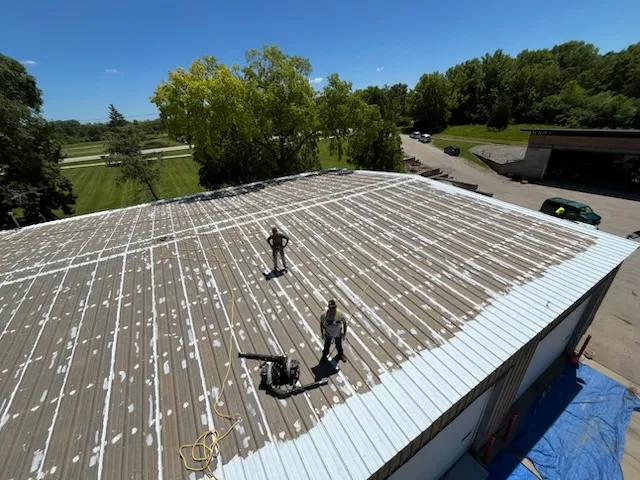
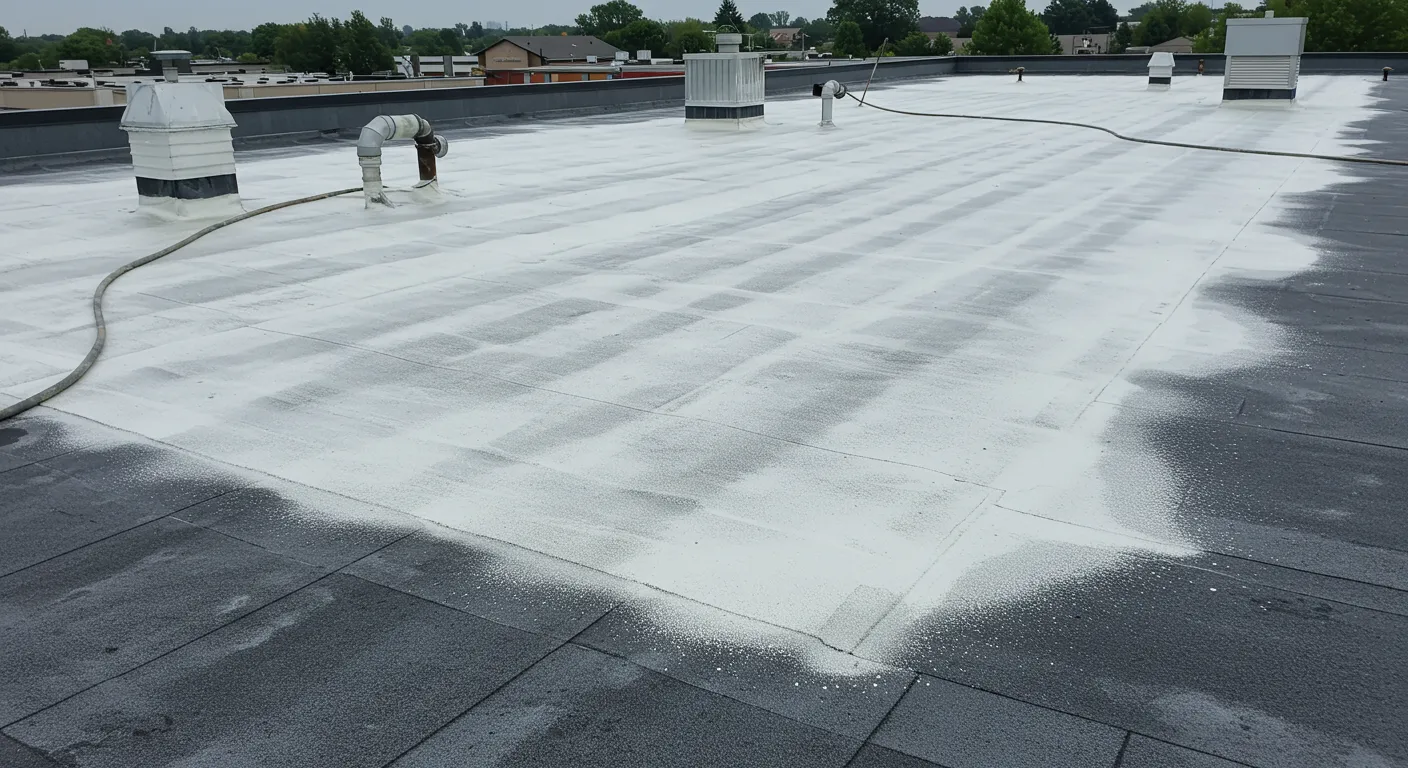
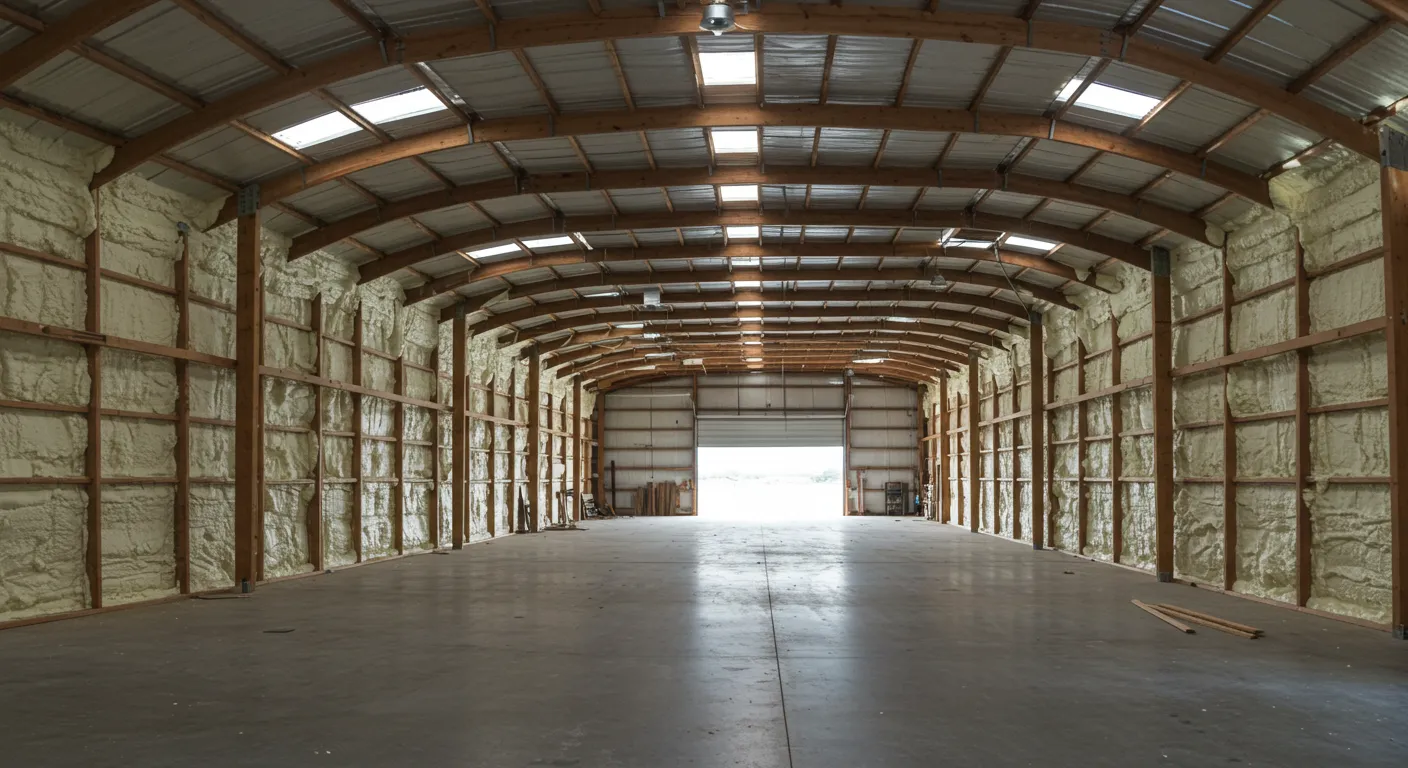
Pole barn insulation services can help address the extreme temperature swings common in Carpentersville, IL pole barns. Bare steel panels…


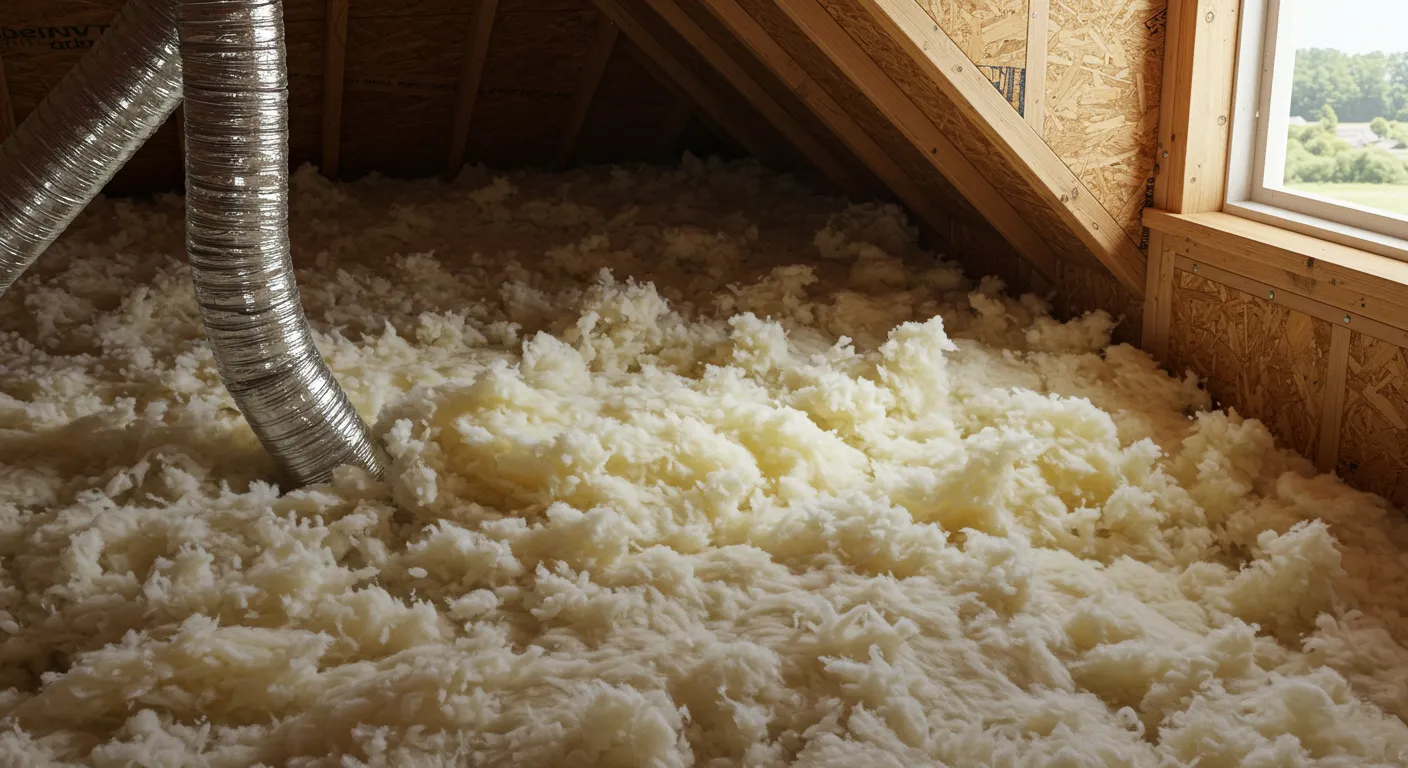
For homeowners in Beverly, Chicago, dealing with drafty, under-insulated walls in vintage properties, blown-in cellulose insulation offers the most practical and effective solution. Dense-pack cellulose fills wall cavities completely, dramatically reduces air infiltration, and can be installed with minimal disruption to your home’s finishes. Unlike spray foam, it costs significantly less while delivering comparable thermal performance. Unlike fiberglass batts, it conforms to irregular cavities and obstructions common in older construction. For Chicago’s climate, where winter temperatures regularly dip below 20 degrees Fahrenheit and summer highs exceed 85 degrees, cellulose’s density and air-sealing properties make it exceptionally well-suited for retrofit applications in historic homes.
Beverly, Chicago’s historic neighborhoods, feature a significant inventory of homes built before modern insulation standards. These properties, constructed with balloon framing or early platform construction techniques, typically have wall cavities filled with nothing more than sawdust, horsehair plaster remnants, or empty air spaces. The original construction methods created voids around pipes, wiring, and irregular framing members that continue to plague homeowners with cold spots, drafts, and excessive heating bills.
The challenge with retrofitting these walls lies in accessing cavities without destroying plaster and lathe or original woodwork that homeowners want to preserve. Traditional approaches requiring drywall removal add thousands of dollars in repair and redecoration costs. The drill-and-fill method used with blown-in cellulose solves this problem by accessing wall cavities through small holes in exterior siding, typically measuring 1 to 2 inches in diameter.
Dense-pack cellulose insulation stands out as the optimal choice for this application because it fills every void and irregularity without requiring the wall cavity to be perfectly clean or uniform. According to the Building Science Corporation, this approach represents “one of the most effective ways of dealing with existing uninsulated frame walls” and has been “a mainstay in low-income weatherization programs” for decades precisely because it works reliably in real-world conditions.
The primary advantage of cellulose over other retrofit insulation options lies in its air-sealing capability. When installed at proper density, cellulose fibers interlock and create a continuous thermal boundary that resists air movement through wall cavities. This matters significantly in older Chicago homes where conventional insulation alone cannot address the air leakage around penetrations,旧 framing members, and construction gaps.
Research from the Cellulose Insulation Manufacturers Association demonstrates that dense-pack cellulose, when packed to 3.5 pounds per cubic foot, qualifies as an air barrier material under industry standards. This density level, achievable only through professional installation with properly calibrated equipment, transforms your wall assembly from a drafty void into a properly sealed thermal envelope.
The thermal performance difference is measurable. Studies have shown that cellulose-insulated structures lose approximately 26 percent less heat energy compared to fiberglass-insulated structures over equivalent time periods. For Beverly homeowners, this translates directly into reduced heating costs during Chicago’s harsh winters and lower cooling bills during humid summers.
| Factor | Dense-Pack Cellulose | Spray Foam | Fiberglass Batts |
|---|---|---|---|
| Installed R-value per inch | R-3.5 | R-6 to R-7 | R-2.2 to R-2.7 |
| Air sealing capability | Excellent (air barrier at proper density) | Excellent | Poor |
| Cost for wall retrofit | Moderate | High | Moderate to High |
| Installation disruption | Minimal (small holes) | Moderate | High (demolition required) |
| Moisture management | Breathes and redistributes moisture | Can trap moisture | No buffering |
| Settling concerns | Eliminated with the dense-pack method | None | Moderate over time |
| Environmental impact | 75-85% recycled content | Higher embodied energy | 50-73% recycled content |
| Typical lifespan | 20-30+ years | 20-30+ years | 20-30+ years |
Spray foam insulation offers higher R-values per inch and excellent air sealing, but its cost per equivalent R-value significantly exceeds cellulose. For homeowners targeting maximum value, cellulose delivers 80 to 90 percent of the thermal performance at roughly half the installed cost. Additionally, spray foam installation in older walls often requires larger access holes and can create complications if moisture issues develop within the cavity. For many property owners, understanding blown-in cellulose costs can help determine which insulation option provides the best return on investment.
Fiberglass batts, while familiar to many contractors, present fundamental problems for retrofit applications. Installing batts in closed walls requires removing interior finishes, adding substantial cost and disruption. Even when accessible, batts cannot conform to irregular cavities and typically leave gaps around obstructions, reducing their effective thermal performance.
Professional cellulose installation in Beverly homes follows a systematic approach that minimizes disruption while maximizing performance. The process begins with a thorough inspection of the property to identify potential hazards, including knob-and-tube wiring, existing moisture issues, and structural concerns that must be addressed before insulation.
Contractors locate wall studs using specialized tools and mark hazard areas on the exterior siding. Small holes are drilled through the siding sheathing, typically in the center of each stud bay, using a 1 to 2-inch bit. The cellulose is then blown into each cavity under pressure, with the installer listening for pitch changes in the equipment that indicate when the cavity has reached proper density.
Critical to successful installation is achieving the target density of 3.5 pounds per cubic foot. Lower densities can allow settling and reduced performance over time. Higher densities may create pressure against wall finishes. Professional contractors use equipment capable of delivering at least 2.9 psi at the hose end to ensure proper fill throughout the cavity depth.
After filling, holes are plugged with cork, wood, or foam plugs before siding is reinstalled. Interior walls typically require no repair beyond the small holes, which can be patched with spackle and painted over if access was gained from inside.
Consider a typical 1920s Craftsman bungalow in the Beverly area with original hardwood floors, plaster walls, and no wall insulation. Winter heating bills run high as radiators work overtime against cold exterior walls. Interior rooms adjacent to outside walls feel noticeably colder than those with interior exposures.
After dense-pack cellulose installation through exterior siding access holes, the transformation proves dramatic. Temperatures across all rooms normalize as the thermal envelope improves throughout. Air infiltration through walls decreases substantially, reducing cold drafts near exterior surfaces. Sound transmission from outside diminishes noticeably, a welcome benefit for homes on busier streets.
Heating costs typically decrease 20 to 50 percent following comprehensive wall and attic insulation, with the exact savings depending on the original condition of the home and the scope of improvements. A properly insulated wall assembly maintains more consistent temperatures throughout the day, reducing the workload on forced-air systems and extending equipment life.
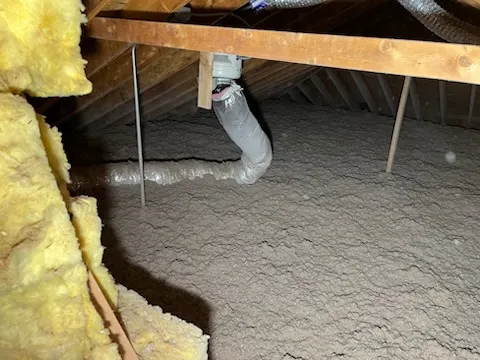
Old wall assemblies in Chicago face unique moisture challenges due to the region’s humidity levels and temperature extremes. Cellulose insulation offers significant advantages in managing moisture compared to closed-cell foam or fiberglass alternatives.
Cellulose naturally absorbs and redistributes moisture throughout the wall cavity, preventing the accumulation of moisture in any single area. This hygroscopic property allows the material to manage small amounts of vapor drive without trapping moisture against wood framing members. According to the Cellulose Insulation Manufacturers Association, this characteristic represents “a key distinction between cellulose and other types of insulation and an important benefit for homeowners when making insulation decisions.”
Proper installation technique remains essential, however. Any pre-existing water intrusion from roof leaks, plumbing issues, or bulk water entry must be repaired before insulation installation. Experienced contractors inspect for these conditions and address them as part of the project scope.
Cellulose insulation receives treatment with borate-based fire retardants during manufacturing, achieving Class 1 fire ratings that exceed many common building materials. The treatment makes cellulose significantly more fire-resistant than untreated paper or wood products, providing an added layer of protection for historic homes that may have limited fire stopping in wall cavities.
Building codes in Chicago and throughout Illinois recognize cellulose insulation as an approved material when installed according to manufacturer specifications. Professional contractors ensure installations meet or exceed CPSC safety standards established for thermal resistance, corrosiveness, critical radiant flux, and smoldering combustion.
For Beverly homeowners, this means that properly installed cellulose insulation satisfies code requirements while providing superior thermal and air-sealing performance compared to alternative materials.
Successful cellulose insulation projects depend heavily on contractor expertise and equipment quality. Look for contractors with documented experience in wall retrofit applications, particularly with older construction in Chicago’s historic neighborhoods. Ask about their density verification methods and equipment specifications.
Professional contractors use blower machines capable of achieving the pressures required for dense-pack installation. They understand how to adjust settings based on cavity depth, wall configuration, and climate conditions. They also know how to identify and work around hazards, including knob-and-tube wiring and older construction details that require special handling.
Request references from similar projects in the Beverly area and follow up to confirm satisfaction with both the installation process and the resulting comfort and energy performance.
Our team specializes at south chicago insulation in dense-pack cellulose insulation for historic homes throughout the Beverly neighborhood and greater Chicago area. We understand the unique construction characteristics of older properties and employ installation techniques that preserve your home’s original character while dramatically improving its thermal performance.
Reach us by email at [email protected] or call (779) 803-8025 to discuss your project. Our team serves homeowners throughout Chicago’s south side neighborhoods with professional insulation installation backed by decades of combined experience.
When properly installed using the dense-pack method, cellulose insulation maintains its performance for 20 to 30 years or longer without significant settling or degradation. The borate treatment provides long-term resistance to mold, pests, and fire.
Installation requires small holes drilled through siding, typically measuring 1 to 2 inches in diameter. These holes are plugged after installation, and the siding is reinstalled. On most homes, the repair is virtually invisible once complete.
Professional contractors inspect for knob-and-tube wiring and other hazards before installation. Wiring that presents fire risks should be addressed by a licensed electrician prior to insulation work. Experienced contractors know how to identify and work around safe older wiring.
Savings vary based on your home’s original condition, heating and cooling systems, and usage patterns. Most homeowners see a 20 to 30 percent improvement in overall energy efficiency after comprehensive wall and attic insulation. Your actual savings depend on factors including insulation levels before treatment and how your home is oriented to prevailing winds.
Absolutely. Wall insulation pairs well with attic insulation, air sealing, and window upgrades. Many homeowners undertake insulation as part of a broader weatherization approach that maximizes comfort and energy savings across the entire home envelope.