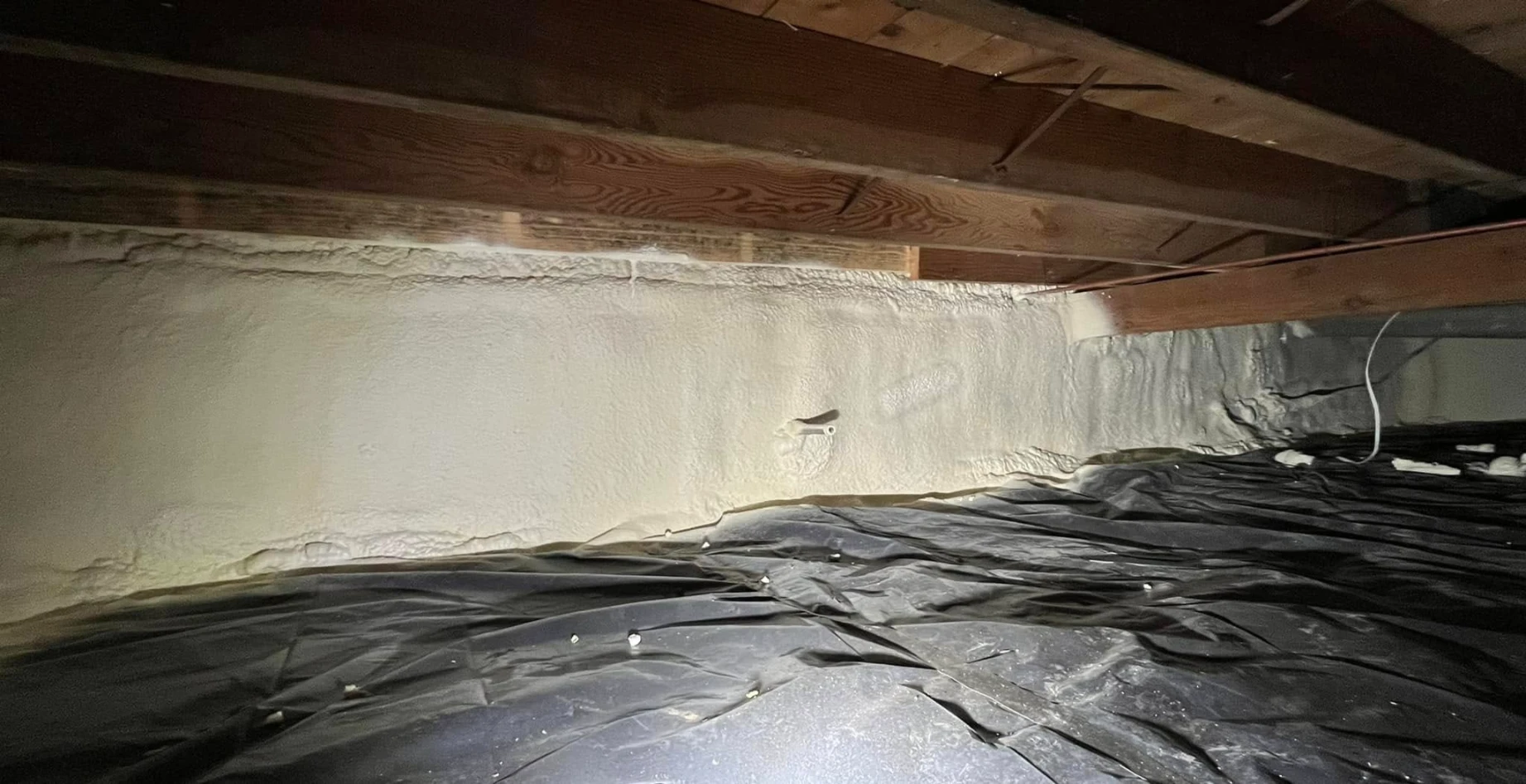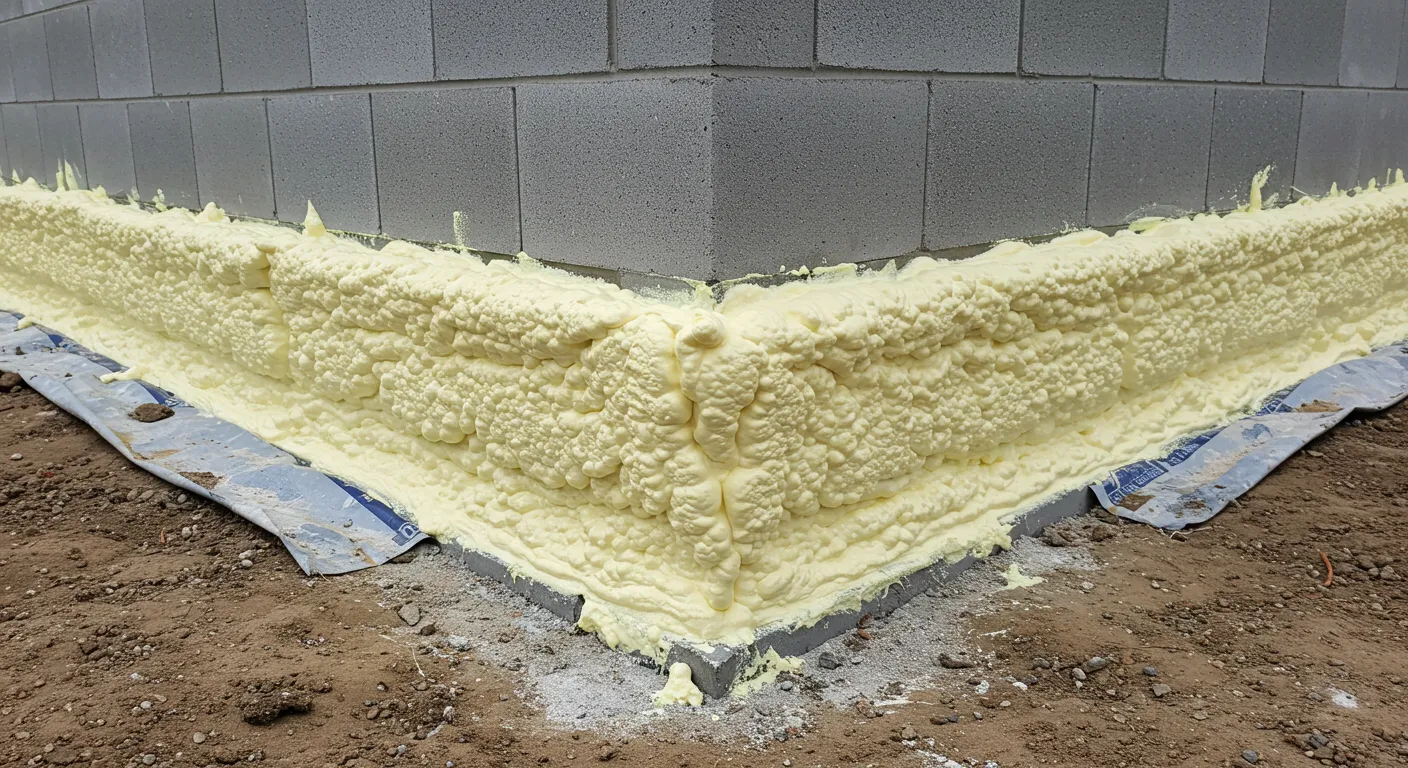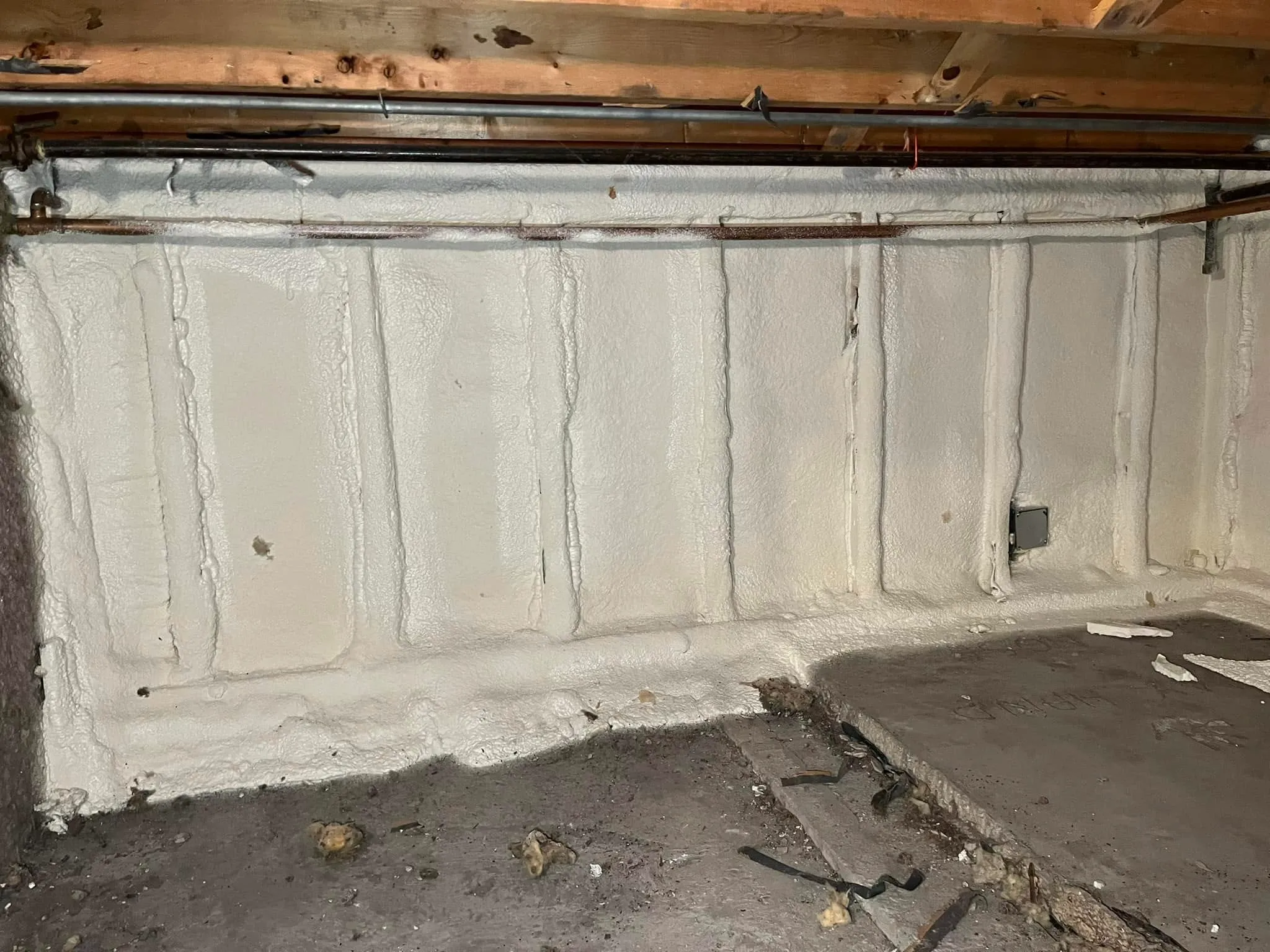
What Is Foundation Insulation and Why Is It Important for Residential Buildings?
Foundation insulation is the application of thermal materials to the walls, floors, or slabs of a building’s foundation to create…

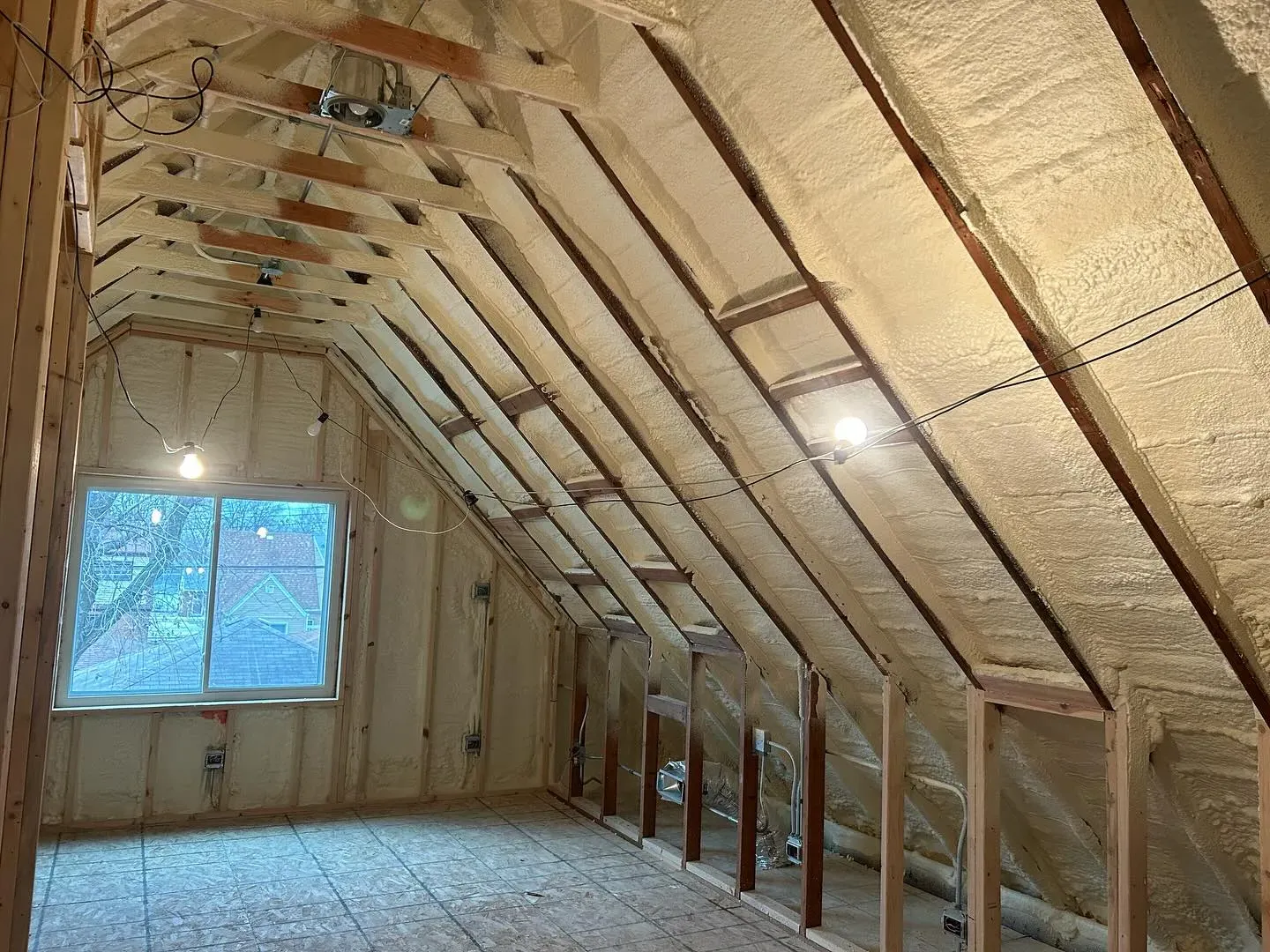
A properly installed attic insulation upgrade transforms your home from a source of constant temperature swings and high energy bills into a consistently comfortable living space. For homeowners in Des Plaines, Illinois, where harsh winters and humid summers place significant demands on heating and cooling systems, attic insulation represents one of the most impactful improvements you can make. Professional installation ensures the insulation performs at its rated capacity, eliminates air leaks, and delivers measurable savings on your monthly utility costs. The investment typically ranges from $2,500 for blown-in cellulose to $18,000 for comprehensive spray foam solutions, depending on your home’s size and the insulation type selected. Understanding how insulation improves comfort, what options are available, and what to expect from the upgrade process helps you make an informed decision that benefits your family for decades.
Des Plaines experiences some of the most demanding weather conditions in the Midwest, with temperatures dropping well below freezing in January and climbing into the 80s during summer months. Your attic serves as the primary battleground for maintaining comfortable indoor temperatures. Without adequate insulation, heated air escapes through the ceiling in winter while hot outdoor air penetrates into your living spaces during summer. This thermal leakage forces your HVAC system to work overtime, consuming more energy and creating uneven temperatures throughout your home.
The U.S. Department of Energy estimates that proper attic insulation and air sealing can cut heating and cooling costs by 15-20% or more. For a typical Des Plaines home, this translates to annual savings of $200-$600 depending on current energy consumption and insulation levels. Homeowners can save an average of 15% on heating and cooling costs by air sealing their homes and adding insulation to key areas. Beyond financial benefits, proper insulation eliminates cold spots, reduces drafts, and creates a more consistent temperature from room to room.
Attic insulation also plays a critical role in moisture management. Without adequate thermal barriers, warm interior air rises and condenses against cold attic surfaces, potentially leading to mold growth, wood decay, and reduced indoor air quality. Professional insulation installation includes proper vapor barriers and ventilation considerations that protect your home’s structural integrity.
Choosing the right insulation material requires understanding the options available and matching them to your home’s specific needs. Each type offers distinct advantages in terms of cost, thermal resistance, air sealing capability, and installation requirements.
Fiberglass batts and blown-in fiberglass represent the most common and affordable insulation options. Fiberglass works by trapping air pockets within fine glass fibers, slowing heat transfer effectively. Batts fit between standard attic joists and rafters, while blown-in applications fill irregular spaces and hard-to-reach areas. The material resists moisture absorption and does not settle over time, maintaining its R-value indefinitely.
Cellulose insulation consists of processed paper products treated with fire retardants. Blown-in cellulose provides excellent coverage and fills gaps more completely than batts. Cellulose offers a higher R-value per inch than fiberglass and costs less than spray foam, making it a popular choice for budget-conscious homeowners. The material does absorb some moisture and may settle slightly over decades, though proper installation minimizes this concern.
Spray foam insulation creates both thermal and air barriers in a single application. Open-cell spray foam expands to fill every gap and crack, while closed-cell formulations provide higher R-values and moisture resistance. Spray foam adheres directly to attic surfaces, creating an airtight seal that eliminates convective heat transfer. The higher upfront cost reflects superior performance and energy savings over the insulation’s lifetime.
| Insulation Type | Typical R-Value per Inch | Cost Range | Best Application |
|---|---|---|---|
| Fiberglass batts | R-3.1 to R-3.7 | $0.50-$1.50 per sq ft | Accessible attic floors with standard joist spacing |
| Blown-in fiberglass | R-2.2 to R-2.7 | $1.00-$2.50 per sq ft | Irregular spaces, existing construction, hard-to-reach areas |
| Blown-in cellulose | R-3.2 to R-3.8 | $1.50-$3.00 per sq ft | Attic floors, walls, retrofit applications |
| Open-cell spray foam | R-3.5 to R-3.6 | $2.00-$4.50 per sq ft | Attic rafters, walls, air sealing applications |
| Closed-cell spray foam | R-6.0 to R-7.0 | $3.50-$7.00 per sq ft | Attic roofs, areas requiring moisture resistance |
Our specialists evaluate your home’s construction, existing insulation condition, ventilation setup, and budget to recommend the optimal insulation type for your situation.
Professional attic insulation installation involves more than simply filling the space with material. Our experienced team follows a systematic approach that ensures maximum performance and long-term durability.
Assessment and planning begins with a thorough evaluation of your current insulation levels, air leakage points, and ventilation systems. We examine attic access points, ductwork routing, and any existing moisture issues. This inspection guides our material recommendations and helps us identify opportunities for air sealing that complement the insulation upgrade.
Air sealing addresses the gaps and cracks that allow conditioned air to escape and unconditioned air to enter your living spaces. Common leakage points include ceiling penetrations for light fixtures, plumbing stacks, ductwork joints, and the gap between attic floors and walls. Sealing these openings with appropriate materials prevents energy loss and ensures your insulation performs as rated.
Insulation installation varies by material type but always follows manufacturer specifications and local building codes. Our crews wear appropriate protective equipment and use specialized equipment to achieve even coverage throughout your attic. For blown materials, we carefully measure density to verify the correct R-value is achieved. For spray foam applications, we control temperature and surface preparation to ensure proper adhesion and expansion.
Quality verification concludes the process with inspection of coverage uniformity, verification of ventilation clearances, and documentation of installed R-values. We provide homeowners with detailed records of the work completed, including before-and-after thermal images when applicable.
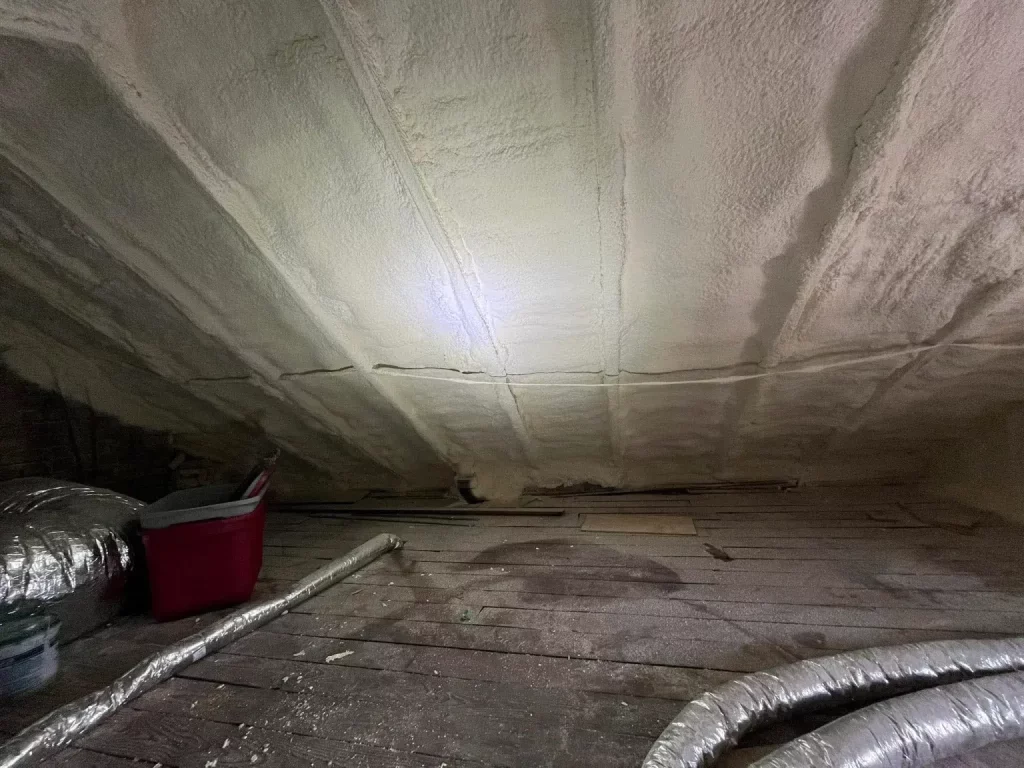
Selecting the right contractor for your attic insulation upgrade determines whether you achieve optimal results or encounter problems down the road. Several indicators distinguish qualified professionals from less experienced providers.
A thorough on-site assessment indicates expertise and attention to detail. Our team visits your home, inspects the attic space, measures existing insulation, and discusses your comfort concerns before proposing solutions. We do not provide quotes based on photographs alone or without understanding your specific situation.
Transparent pricing with itemized breakdowns demonstrates accountability. You should receive clear communication about material costs, labor, any necessary air sealing work, and potential additional charges. Estimates should reflect the actual scope of work required to achieve the performance levels you expect.
Proper licensing and insurance protect you from liability and ensure code compliance. Verify that contractors carry workers compensation coverage and general liability insurance. Ask about manufacturer certifications that indicate specialized training in specific insulation products.
Energy modeling and savings projections help you understand your expected return on investment. While actual savings depend on factors like utility rates and usage patterns, professional contractors provide reasonable estimates based on industry data and your home’s characteristics.
Follow-up support and warranty coverage demonstrate confidence in the quality of work. Ask about warranties on materials and labor, and understand what the coverage includes and how claims are handled.
The financial return on attic insulation depends on several factors that homeowners can influence to optimize their investment. Understanding these variables helps you make decisions that maximize savings and comfort improvements.
Insulation depth and coverage directly impact thermal performance. Installing insulation at the recommended R-values for your climate zone ensures your system handles regional temperature extremes effectively. In the Chicago area, attic insulation should achieve R-38 to R-60 depending on current levels and heating system efficiency. Our team calculates the required thickness for each material type and verifies coverage throughout the installation.
Air sealing integration multiplies the benefits of insulation alone. Sealing major leakage points before installing insulation costs relatively little but dramatically improves overall performance. The combination often provides twice the energy savings compared to insulation alone. EPA estimates that homeowners can save an average of 15% on heating and cooling costs by air sealing their homes and adding insulation.
Addressing ventilation prevents moisture accumulation and extends insulation lifespan. Proper attic ventilation allows any moisture that does enter the space to escape rather than condensing on insulation surfaces. Ridge vents, soffit vents, and mechanical ventilation systems work with insulation to maintain optimal conditions year-round.
Ongoing maintenance preserves performance over decades. While insulation itself requires little maintenance, periodically checking for damage, moisture intrusion, or pest infestations helps catch problems early. Our team provides guidance on monitoring your insulation and identifying when service calls are warranted.
Upgrading your attic insulation delivers immediate comfort improvements and long-term energy savings that benefit your family for decades. Our team at South Chicago Insulation has the experience, equipment, and expertise to complete your project correctly the first time, ensuring optimal performance from your investment.
Contact us at [email protected] or call (779) 803-8025 to schedule your free assessment. We serve homeowners throughout the Des Plaines area and surrounding communities, providing professional installation backed by quality warranties on materials and craftsmanship.
Let our specialists evaluate your current insulation, identify improvement opportunities, and recommend solutions that match your comfort goals and budget. Experience the difference that properly installed attic insulation makes in your home’s comfort and energy efficiency.
Quality insulation materials like fiberglass and cellulose typically remain effective for 20-30 years or more without replacement. Spray foam insulation can last the lifetime of your home. However, settling, moisture damage, or pest intrusion may require repair or replacement earlier.
Attic insulation reduces heat transfer through the ceiling but does not address all draft sources. Air leakage from windows, doors, walls, and ductwork also contributes to uncomfortable rooms. Our assessment identifies the primary causes of drafts and recommends appropriate solutions.
The Department of Energy recommends R-49 to R-60 for attics in climate zone 6, which includes the Chicago metropolitan area. This translates to approximately 16-20 inches of fiberglass or 12-15 inches of cellulose depending on the specific material.
Adding new insulation over existing material is often possible and cost-effective. Our team evaluates the condition of current insulation, checks for moisture issues, and determines whether additional material will provide meaningful improvement.
Most residential attic insulation projects complete within one to two days depending on home size, insulation type, and whether air sealing services are included. Our team provides a timeline estimate during the assessment phase.