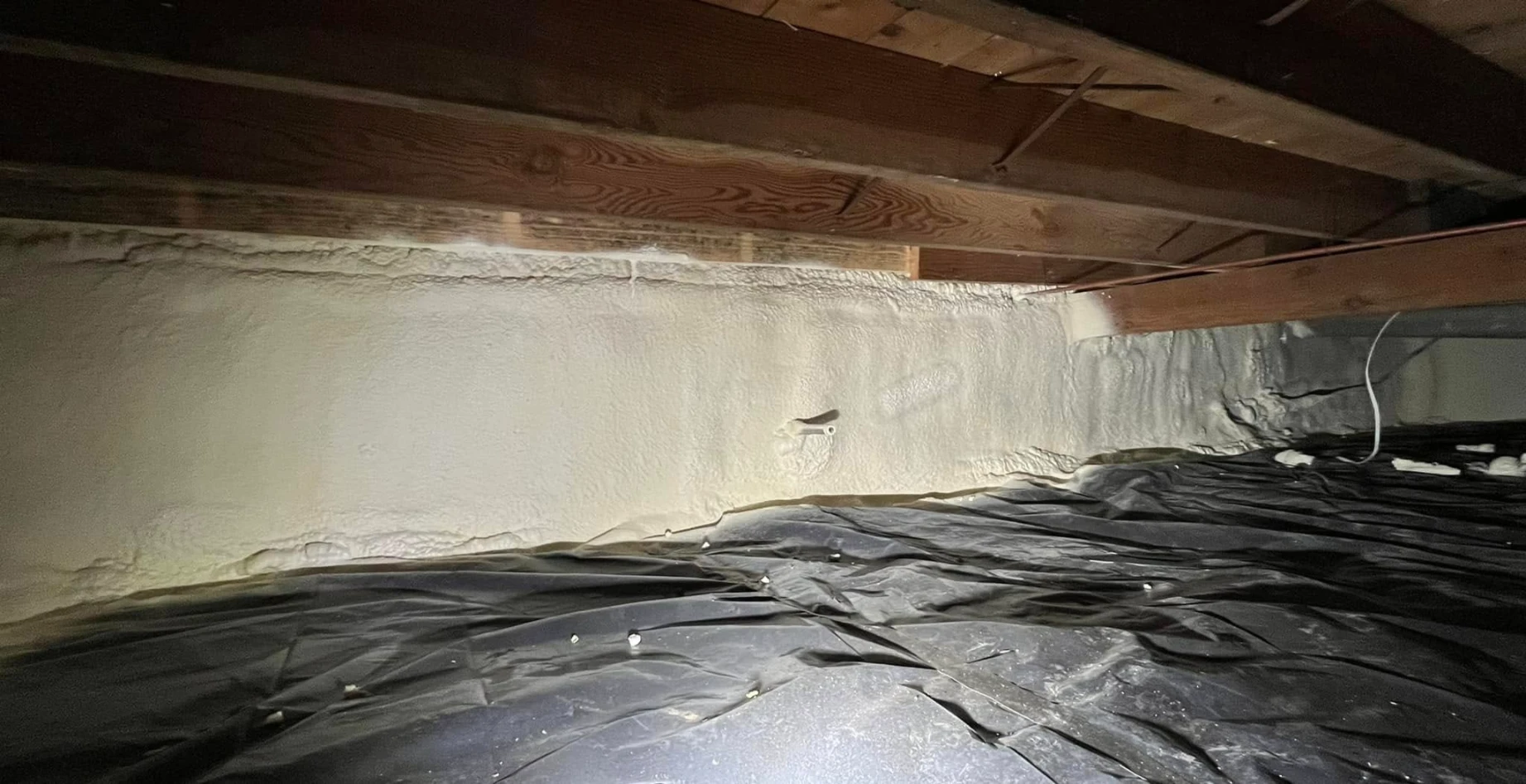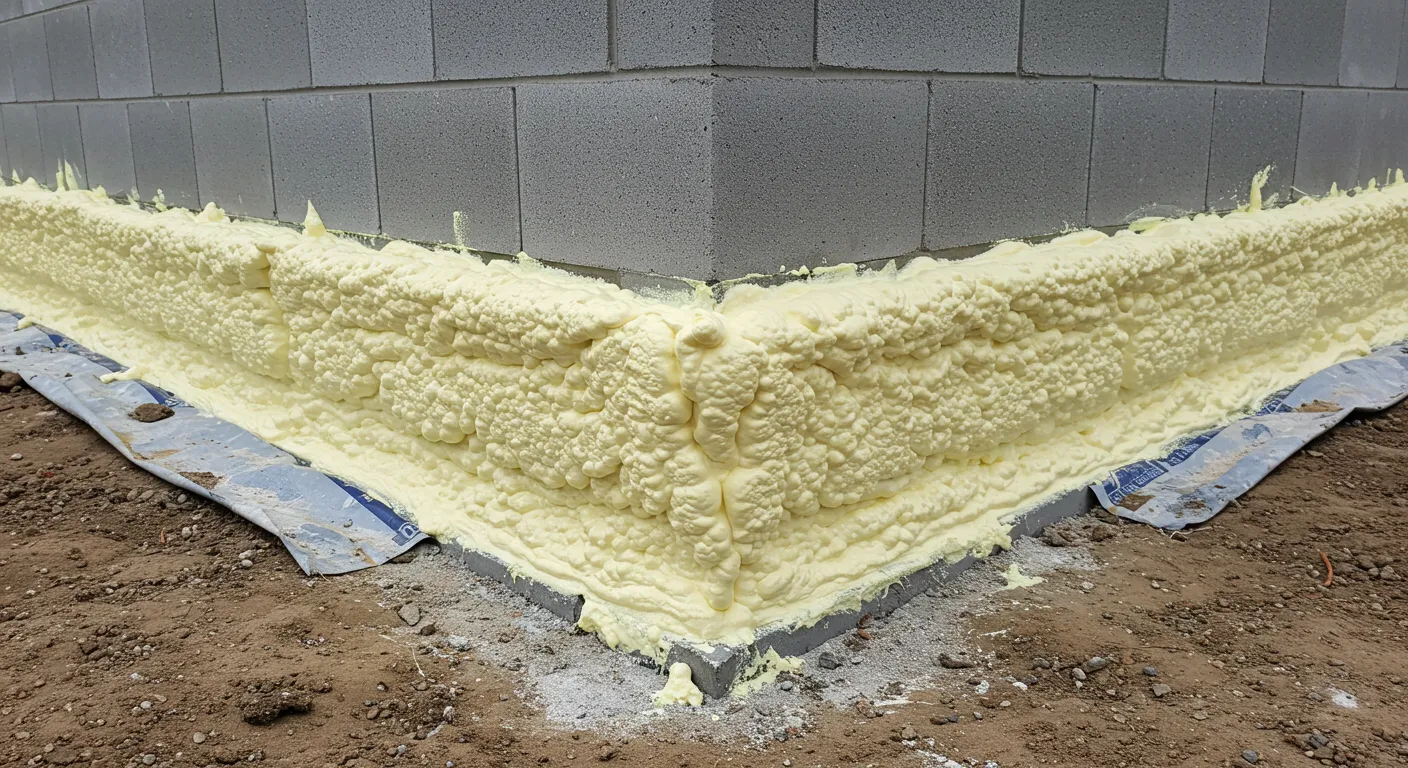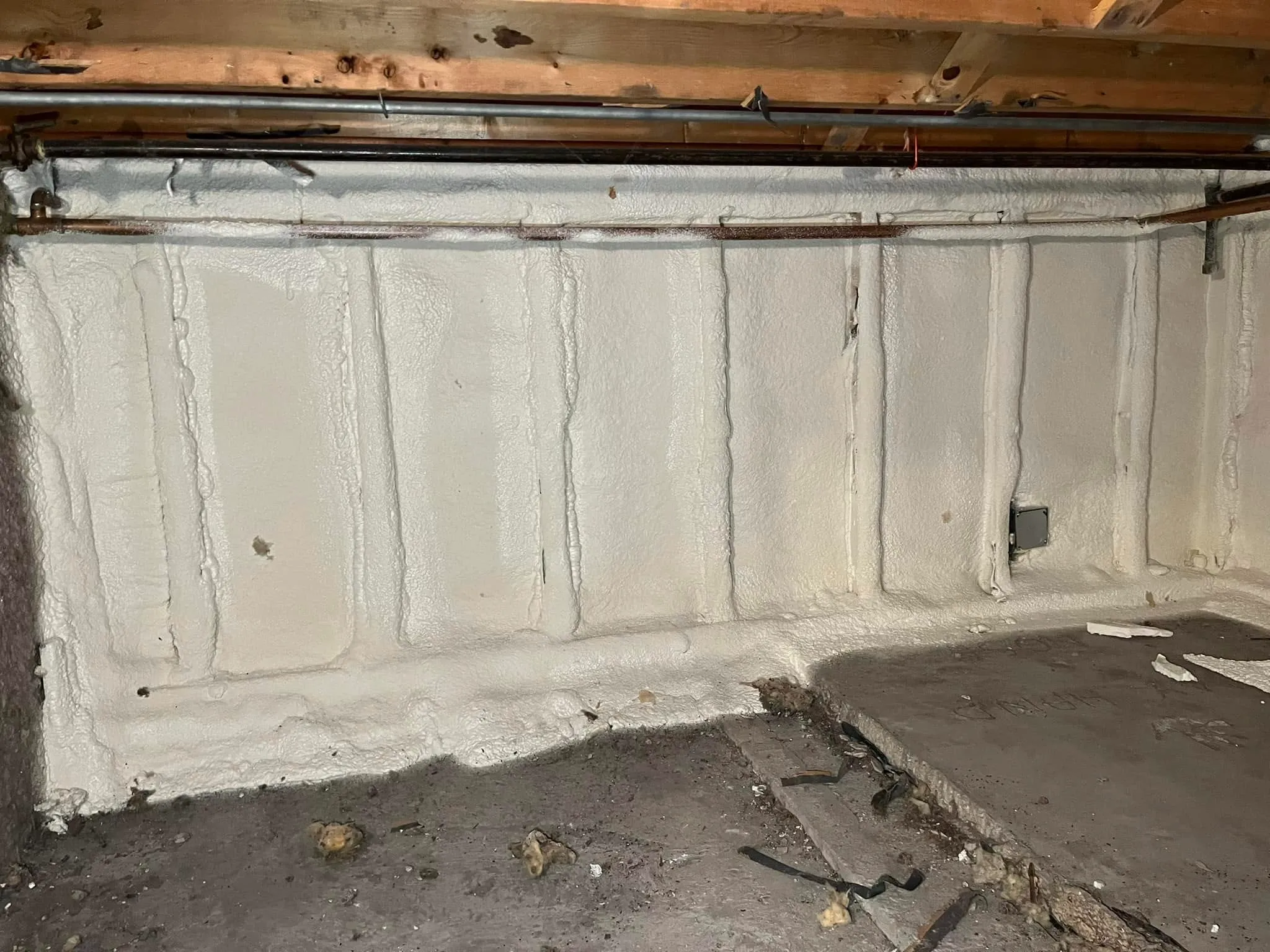
What Is Foundation Insulation and Why Is It Important for Residential Buildings?
Foundation insulation is the application of thermal materials to the walls, floors, or slabs of a building’s foundation to create…


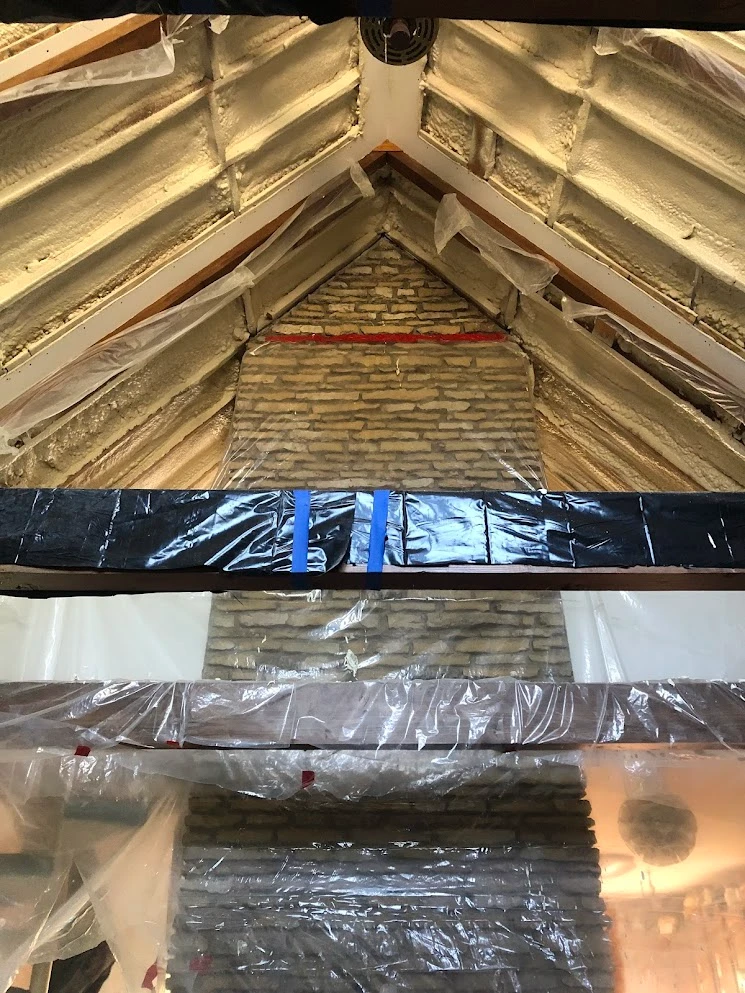
Attic insulation costs between $1 and $7 per square foot installed, depending on material type and R-value required. Most homeowners spend $1,500 to $6,000 for a professionally insulated attic, with typical projects in the Chicago area ranging from $5,000 to $18,000 depending on attic size, accessibility, and insulation type. Our typical attic insulation projects are priced at $5,000 on the low end, $10,000 on average, and up to $18,000 for premium installations with spray foam and extensive remediation needs.
The insulation material you choose significantly impacts both the upfront cost and long-term performance of your attic insulation. Each material offers different R-values per inch, longevity, and installation requirements, which is why many homeowners rely on professional attic insulation services to ensure the right material is selected for maximum efficiency.
Spray foam insulation provides the highest performance per inch of thickness, making it ideal for attics with limited vertical space. Open-cell spray foam costs $0.60 to $3.10 per square foot for materials alone, while closed-cell formulations range from $1.50 to $3.00 per board foot or $2 to $9 per square foot installed. The premium cost reflects its superior air-sealing capability, higher R-value per inch (R6.5-R7 for closed-cell), and moisture resistance. Most contractors charge $1.50 to $3 per square foot for labor alone on spray foam projects. A detailed cost breakdown comparing spray foam and blown-in options can be found at USA Spray Foam.
Blown-in insulation is the most cost-effective option for attics with standard ceiling heights. For a current market pricing guide on blown-in insulation, see Angi’s Cost Guide. Blown-in insulation materials cost $0.50 to $2.30 per square foot, with total installed costs of $1.50 to $4.00 per square foot. This material works by loose-fill blowing into attic spaces, making it ideal for retrofitting existing homes. Blown-in cellulose typically requires 10-14 inches of depth to achieve R-49, while fiberglass loose-fill needs 8-10 inches for the same R-value. The installation process is faster than spray foam but requires specialized blowing equipment.
Fiberglass batts represent the most budget-friendly option at $0.30 to $1.50 per square foot for materials. For an analysis of performance differences between spray foam and fiberglass, refer to iFoam. However, batts require more precise installation around rafters, vents, and recessed lights to be effective. Gaps, compression, and poorly sealed edges can reduce the actual R-value by 25% or more. Professional installation of fiberglass batts typically runs $1 to $2.50 per square foot, narrowing the cost gap with blown-in options while delivering inferior air sealing performance.
| Insulation Type | Material Cost per Sq Ft | Installed Cost per Sq Ft | R-Value per Inch | Best Application |
|---|---|---|---|---|
| Blown-In Fiberglass | $0.50-$1.50 | $1.50-$3.00 | R2.5-R4 | Retrofitting existing attics |
| Blown-In Cellulose | $0.75-$2.00 | $1.75-$4.00 | R3.2-R3.8 | Cold climate attics |
| Open-Cell Spray Foam | $0.60-$2.00 | $2.00-$5.00 | R3.5-R3.6 | Vented attics, sound dampening |
| Closed-Cell Spray Foam | $1.50-$3.00 | $3.00-$7.00 | R6.5-R7.0 | Unvented attics, moisture control |
| Fiberglass Batt | $0.30-$1.00 | $1.00-$2.50 | R2.9-R3.8 | Open attic floors, DIY projects |
Your geographic location determines the minimum R-value needed for attic insulation. The Department of Energy provides specific recommendations based on eight climate zones that account for regional temperature variations and heating/cooling demands.
The ENERGY STAR program recommends attics in Climate Zones 4 through 8 achieve R-60, while warmer zones require R-49 or R-30 depending on existing insulation levels. For homes in the Chicago metropolitan area (typically Zone 5 or 6), R-60 is the recommended minimum for uninsulated attics, with R-49 acceptable if 3-4 inches of existing insulation is present. Colder northern states and high-altitude regions may require R-60 even with existing insulation.
Different insulation materials achieve target R-values at different depths. To reach R-49, you typically need approximately 14 inches of blown-in cellulose, 12 inches of loose-fill fiberglass, or just 7-8 inches of closed-cell spray foam. This variance directly affects material volume requirements and project cost. Attics with limited headroom often benefit from spray foam’s higher R-value-per-inch, despite the higher material cost, to avoid adding excessive thickness that could interfere with ventilation pathways or create clearance issues at attic access points.
| Project Type | Location | Attic Size | Insulation Type | Estimated Cost |
|---|---|---|---|---|
| New Construction | Northwest Indiana | 1,800 sq ft | Closed-cell spray foam | $9,500-$14,000 |
| Retrofit Home | South Chicago Suburbs | 1,200 sq ft | Blown-in cellulose | $3,200-$4,800 |
| Historic Home | Downtown Chicago | 900 sq ft | Open-cell spray foam | $6,200-$8,500 |
| Townhome | Naperville | 650 sq ft | Blown-in fiberglass | $1,800-$2,600 |
| Split-Level | Joliet | 1,400 sq ft | Fiberglass batt + air seal | $2,400-$3,500 |
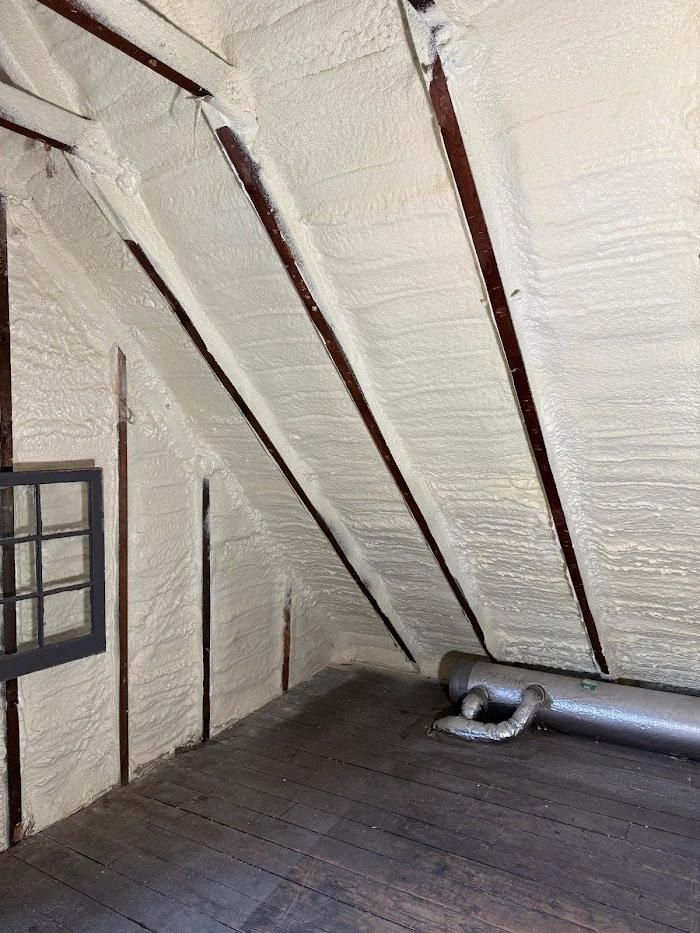
The biggest factor affecting pricing is how easily our technicians can access your attic space. Attics with steep roof pitches, limited access doors, or storage contents requiring removal typically see 20-40% higher labor costs. Two-story homes with only a scuttle hole access point versus a full-size pull-down ladder represent a significant difference in installation time and equipment requirements. Our team evaluates each attic’s accessibility during the initial assessment to provide accurate pricing.
Proper attic insulation requires adequate ventilation to prevent moisture accumulation and heat buildup. If your attic lacks soffit vents, ridge vents, or has blocked ventilation pathways, additional work is needed before insulation installation. Similarly, attics with existing moisture damage, mold growth, or pest infestation require remediation before new insulation can be installed. These conditions can add $500 to $3,000 or more to total project costs, depending on severity.
Higher R-values require more insulation material, directly increasing costs. A standard R-49 installation for a 1,500 square foot attic requires approximately 400-500 cubic feet of loose-fill material, while upgrading to R-60 for colder climates increases material volume by roughly 25%. Spray foam installations see less dramatic increases since closed-cell foam achieves R-60 in only 9-10 inches compared to 16+ inches for cellulose.
Insulation material costs fluctuate based on regional supply, raw material pricing, and seasonal demand. Fiberglass and cellulose materials tend to be more stable in pricing, while spray foam chemicals have shown more volatility. We provide quotes valid for 30 days to account for normal market fluctuations. During peak seasons (late summer for cooling climates, early fall for heating climates), material availability can tighten, so scheduling 2-4 weeks in advance helps secure competitive pricing.
Attic insulation delivers some of the fastest returns on investment among home improvement projects. Most homeowners see 15-30% reductions in heating and cooling costs following proper insulation upgrades. The Department of Energy estimates that heating and cooling accounts for 50-70% of energy use in typical homes, making attic insulation one of the highest-impact efficiency upgrades available. Homes with less than R-30 in their attic, or insulation older than 15-20 years, typically see the largest improvements after upgrading.
Every month your attic remains under-insulated, you pay a hidden penalty on every heating and cooling bill. A typical 1,500 square foot home with an R-19 attic (well below current recommendations) pays approximately $200-400 more per year in energy costs compared to a properly insulated home. Over a 20-year period, that translates to $4,000-$8,000 in wasted energy expenses. Add to that the reduced comfort, inconsistent temperatures, and strain on your HVAC system from working harder than necessary, and the cost of inaction quickly eclipses the investment in professional attic insulation.
Our team at South Chicago Insulation brings years of experience insulating attics throughout the Chicago metropolitan area and surrounding communities. We provide detailed assessments that account for your specific climate zone requirements, attic configuration, and budget constraints. Our professionals will explain the trade-offs between insulation materials, help you understand the R-value requirements for your home, and deliver quality installation that maximizes your investment.
Contact us today to discuss your attic insulation project. You can reach our team by email at [email protected] or call us at (779) 803-8025 to schedule your complimentary assessment. Let us help you stop overpaying on energy bills and start enjoying a more comfortable, efficient home.
Most residential attic insulation projects complete within one to two days. Blown-in insulation installations typically finish in 4-8 hours, while spray foam applications may require two visits (spray day plus trim/inspection day). Projects involving extensive remediation or ventilation modifications add additional time.
Permit requirements vary by municipality. Many Chicago-area communities require permits for insulation projects exceeding certain square footage thresholds or involving structural modifications. Our team handles permit documentation as part of our professional service, ensuring all work meets local building codes.
DIY installation can reduce costs by 40-60% on materials alone, but requires renting specialized blowing equipment, wearing proper protective gear, and understanding proper density and coverage requirements. Improperly installed insulation often settles, gaps, or compresses, reducing actual R-values below intended levels. Professional installation ensures complete coverage and proper density from the start.
Savings depend on your current insulation level, local utility rates, and climate. Homes upgrading from uninsulated attics to R-49 typically save $150-400 annually in heating and cooling costs. The Department of Energy estimates that properly insulating attics provides some of the highest return on investment among energy efficiency improvements.
In most cases, you can add new insulation directly over existing material after an inspection. If the existing insulation is wet, moldy, or heavily soiled, removal is necessary before installing new insulation. Our technicians assess existing conditions during the initial estimate to determine whether removal is required.