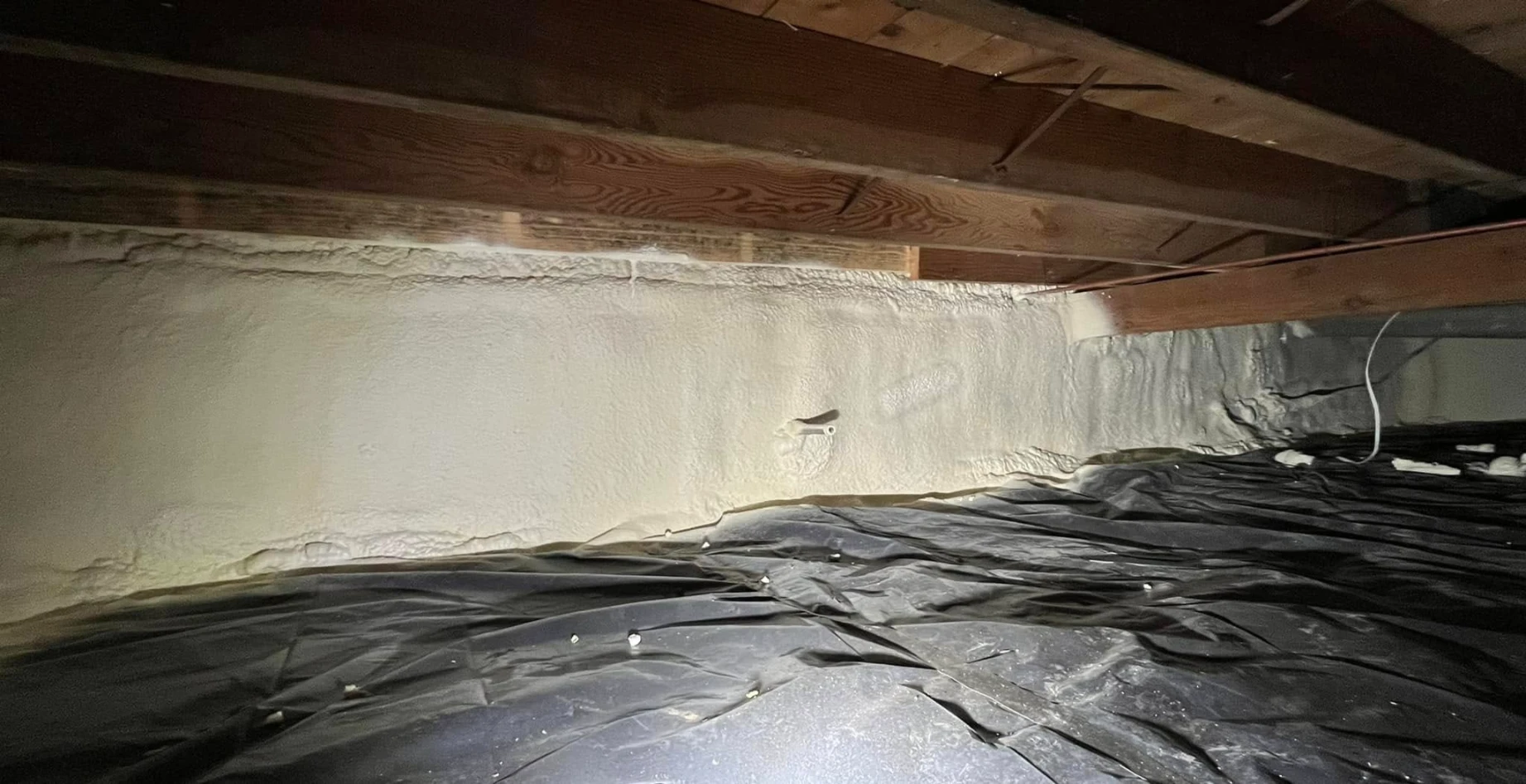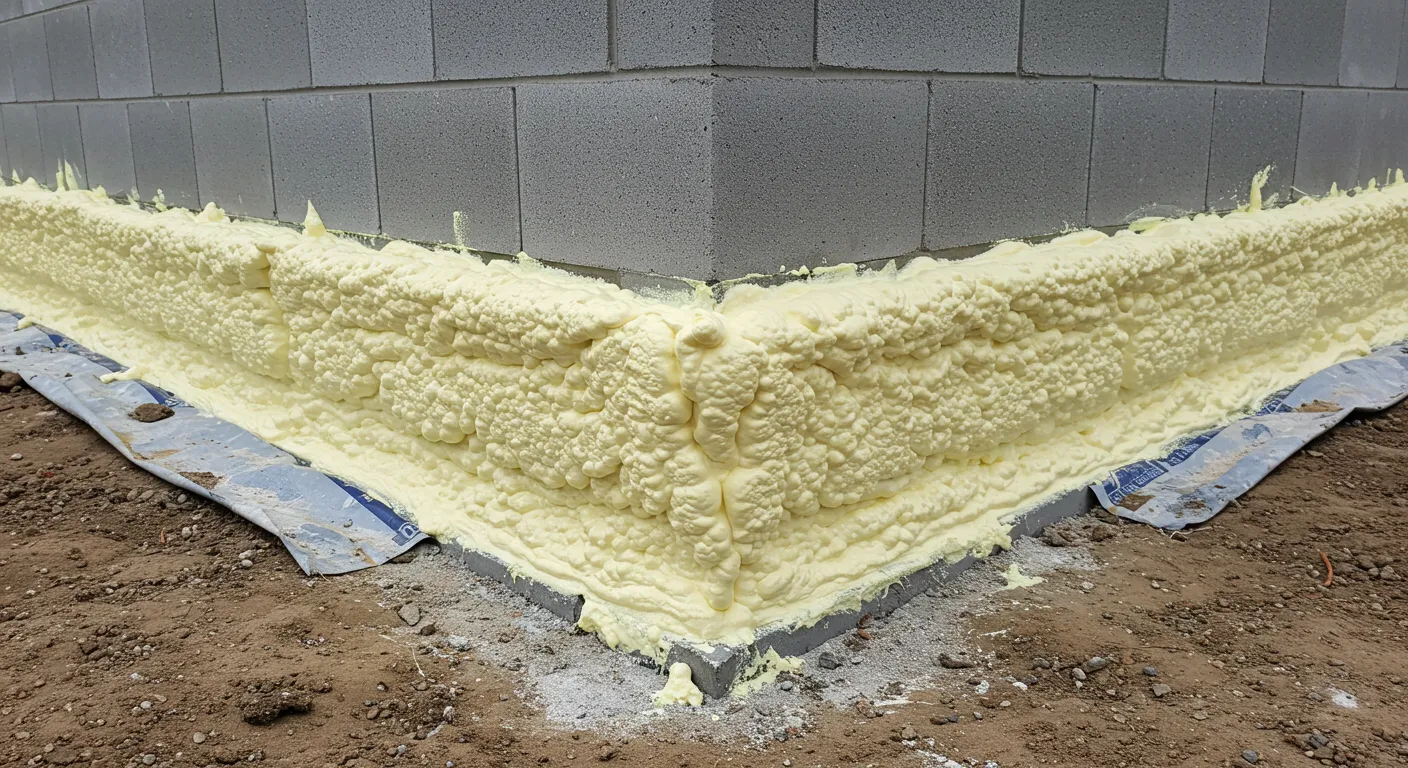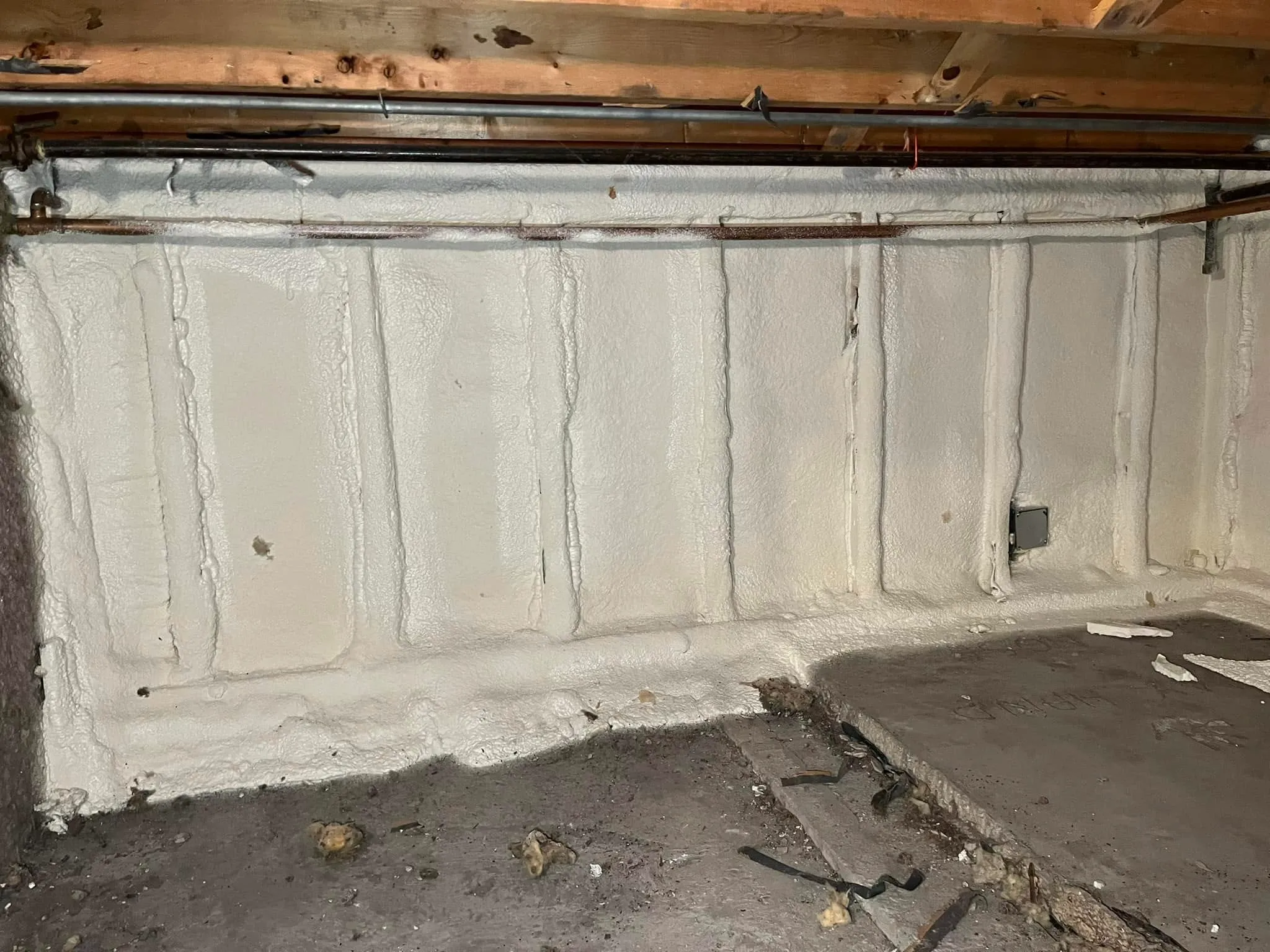
What Is Foundation Insulation and Why Is It Important for Residential Buildings?
Foundation insulation is the application of thermal materials to the walls, floors, or slabs of a building’s foundation to create…


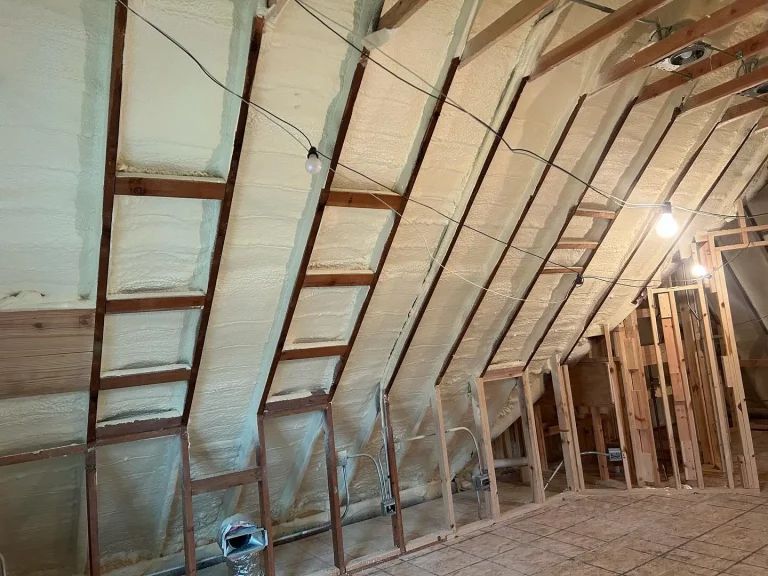
Attic insulation is the single most effective way to stop your attic’s extreme heat from radiating down into your second-floor living spaces. In Oak Lawn, IL, summer attic temperatures routinely exceed 150 degrees Fahrenheit, and without a proper thermal barrier between that heated space and the rooms below, heat transfers directly through your ceiling by conduction, convection, and radiation. The right insulation approach for your home depends on whether your attic is under-insulated, poorly air-sealed, or both. Fiberglass blown-in insulation, cellulose, and spray foam each address different needs, but all work by resisting heat flow and keeping your second floor at a comfortable, consistent temperature year-round. Understanding attic insulation costs can help homeowners choose the most effective solution for long-term energy efficiency and climate control.
The problem starts at the roof. Sunlight strikes your roofing material and converts to radiant heat, which pours into your attic space. Without adequate insulation at the attic floor, that heat finds the path of least resistance straight through your ceiling drywall and into your second-floor bedrooms, bathrooms, and hallways.
The DOE’s Energy Saver guide describes this process clearly: heat always flows from warmer to cooler areas until there is no temperature difference. During an Oak Lawn summer, your attic can reach 150 degrees or more while your air-conditioned second floor sits at 72 degrees. That temperature differential drives massive heat transfer through three mechanisms, highlighting the importance of attic insulation for HVAC efficiency.
This is why your second floor feels significantly warmer than the first floor. The first floor has the ground beneath it acting as a thermal buffer, but your second floor has only a layer of ceiling drywall (and whatever insulation may be there) standing between you and an oven-like attic.
Insulation works by increasing thermal resistance, measured in R-value. The higher the R-value, the more effectively the material resists heat flow. When properly installed at the attic floor level, insulation creates a thick barrier that all three heat transfer mechanisms must penetrate.
For Oak Lawn homeowners, achieving the right R-value matters because our climate zone demands it. According to the ENERGY STAR R-value table, Climate Zone 5 (which covers the Oak Lawn area) requires:
| Attic Condition | Recommended R-Value | Approximate Depth (Blown Cellulose) |
|---|---|---|
| Uninsulated attic | R-60 | Approximately 17 to 18 inches |
| 3 to 4 inches of existing insulation | R-49 | Approximately 14 to 15 inches total |
The Illinois DCEO guide recommends a practical minimum of R-43 for attic insulation in our region, which provides a solid baseline for second-floor comfort while remaining cost-effective.
Adding insulation without sealing air leaks first is like wearing a winter coat with the zipper open. The Illinois DCEO explicitly states that all uncontrolled air leaks in the thermal envelope should be sealed before insulation is added. Common leak points include:
Hot attic air moves through these openings by convection, bypassing your insulation completely. Sealing these gaps before adding insulation ensures the thermal barrier actually works as designed.
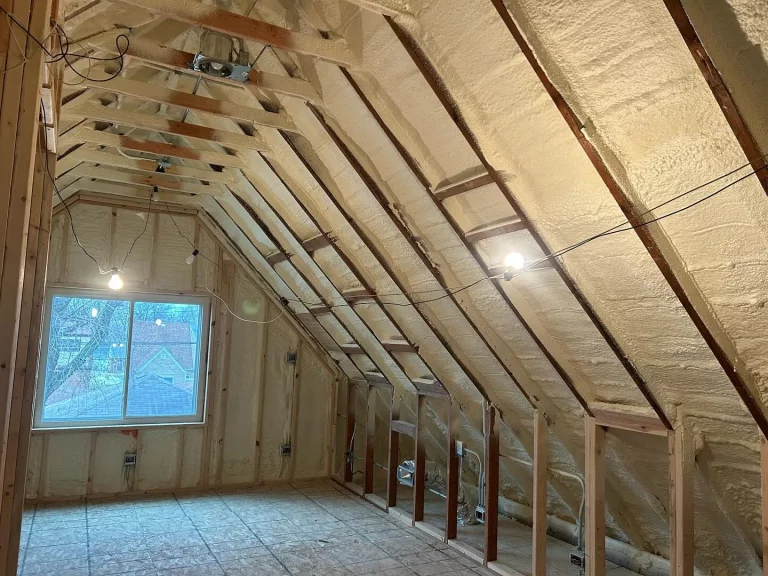
Choosing the right insulation material affects both performance and longevity. Each material has different R-values per inch, installation methods, and benefits for second-floor heat reduction.
| Insulation Type | R-Value Per Inch | Best Application | Key Benefit |
|---|---|---|---|
| Blown-in cellulose | R-3.4 | Open attic floors | Fills gaps and voids, resists air movement |
| Blown-in fiberglass | R-2.2 to R-3.2 | Open attic floors | Lightweight, non-combustible |
| Fiberglass batts | R-3.2 | Standard joist cavities | Predictable R-value, common in retrofits |
| Spray foam (open cell) | R-3.7 | Irregular spaces, sealing | Expands to seal air leaks as it insulates |
| Spray foam (closed cell) | R-6.0 to R-7.0 | Limited space, moisture control | Highest R-value per inch, acts as vapor barrier |
For most Oak Lawn homes, blown-in insulation over the attic floor delivers the best combination of coverage, R-value, and value. It fills irregular spaces around joists, wiring, and framing that batt insulation cannot reach, creating a continuous thermal barrier across your entire ceiling. This is one reason homeowners turn to professional insulation services for long-term energy performance.
Pricing for attic insulation in Oak Lawn varies based on square footage, material choice, and the degree of difficulty involved. Based on our project data, here is what Oak Lawn homeowners can expect:
| Service | Typical Low | Typical Average | Typical High |
|---|---|---|---|
| Attic insulation | $5,000 | $10,000 | $18,000 |
| Blown-in cellulose | $2,500 | $5,000 | $7,500 |
Factors that typically increase pricing include larger square footage and ventilation modifications. Pricing can be lowered when the building owner preps the area to be sprayed and when the project involves straightforward access.
You do not need an energy audit to spot many of the warning signs. If you live in Oak Lawn and experience any of the following, your attic insulation is likely inadequate:
The ENERGY STAR program reports that 9 out of 10 homes in the U.S. are under-insulated. Given the age of much of Oak Lawn’s housing stock, the odds are high that your home falls into that category.
Choosing the right insulation provider in Oak Lawn matters as much as choosing the right material. Here is what separates a qualified contractor from the rest:
South Chicago Insulation has extensive experience helping Oak Lawn homeowners solve second-floor heat problems through properly installed attic insulation. Our team assesses your current insulation levels, identifies air sealing needs, and recommends the right material and R-value for your specific home. Every project is backed by a professional installation that meets or exceeds Climate Zone 5 requirements.
Reach us at [email protected] or call (779) 803-8025 to get started. We serve Oak Lawn, IL, and surrounding areas, providing expert insulation services that keep your entire home comfortable all year long.
Oak Lawn is in Climate Zone 5, which requires R-60 for uninsulated attics and R-49 for attics with 3 to 4 inches of existing insulation.
Yes. Attic insulation resists heat conduction, convection, and radiation from the hot attic space above, which is the primary reason second floors run significantly hotter than first floors.
Not always. If the existing insulation is dry, clean, and in good condition, new insulation can be installed directly over it. Removal is recommended when old insulation shows signs of mold, pest damage, or water damage.
Most attic insulation projects for a typical Oak Lawn home between 1,500 and 2,500 square feet can be completed in a single day.
Properly installed attic insulation works alongside your ventilation system. Our team ensures soffit vents, ridge vents, and other ventilation paths remain clear and functional throughout the installation.