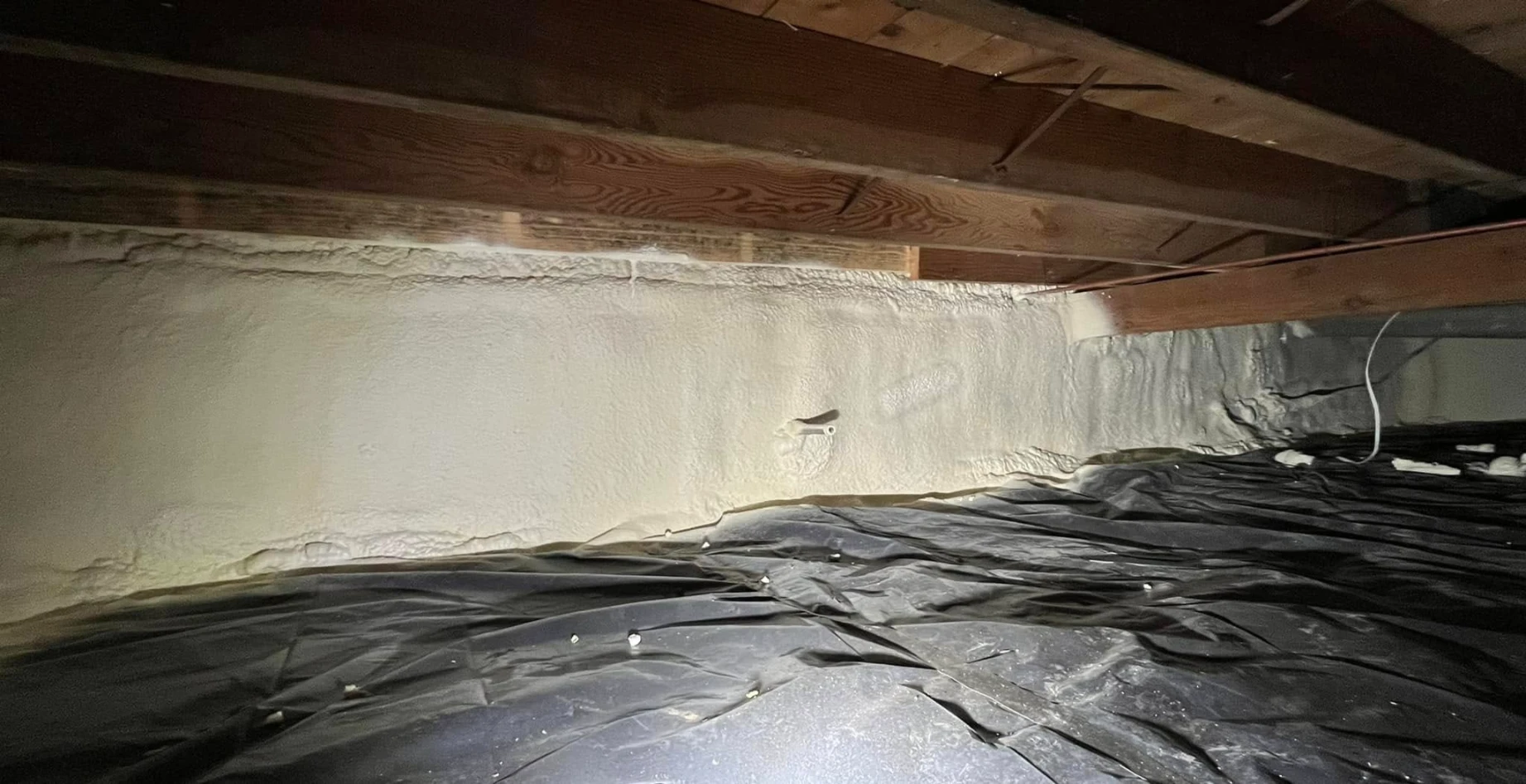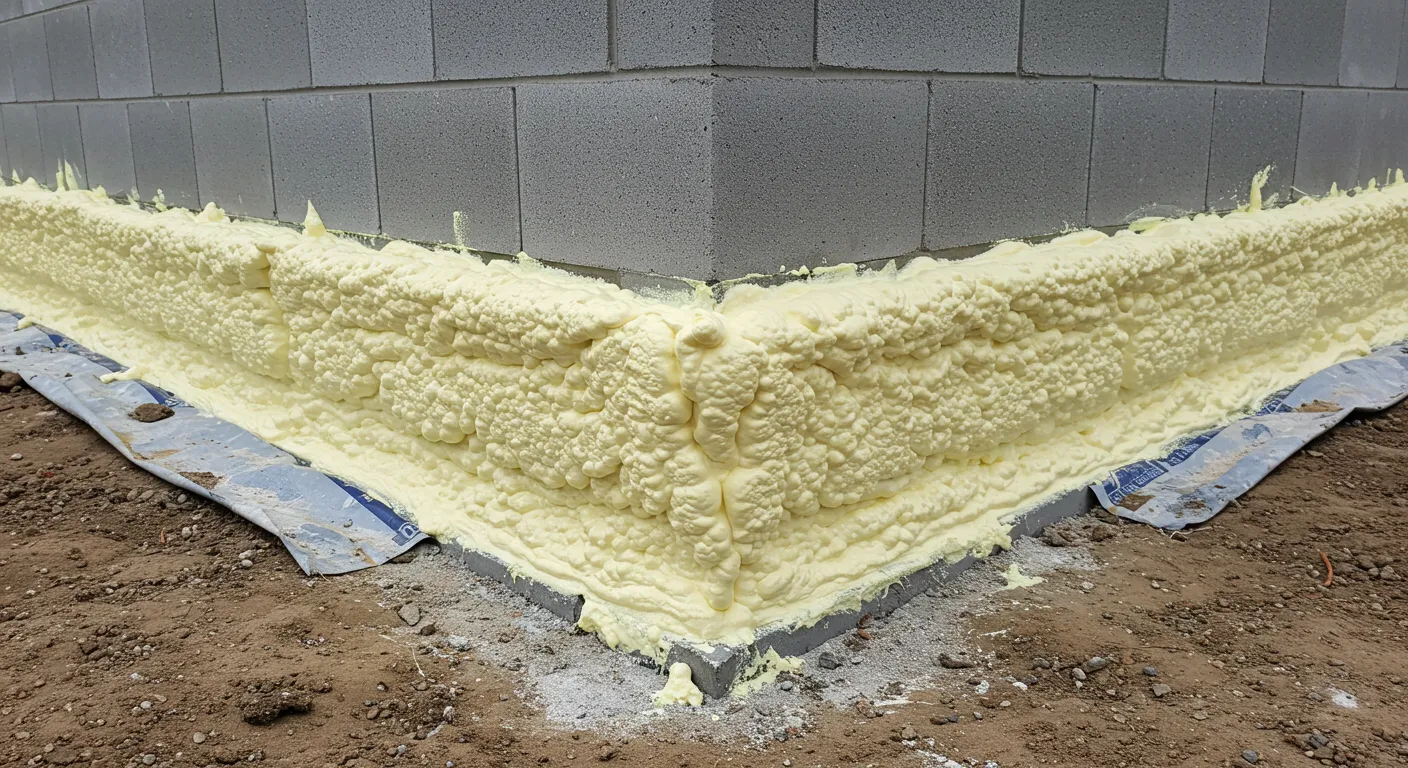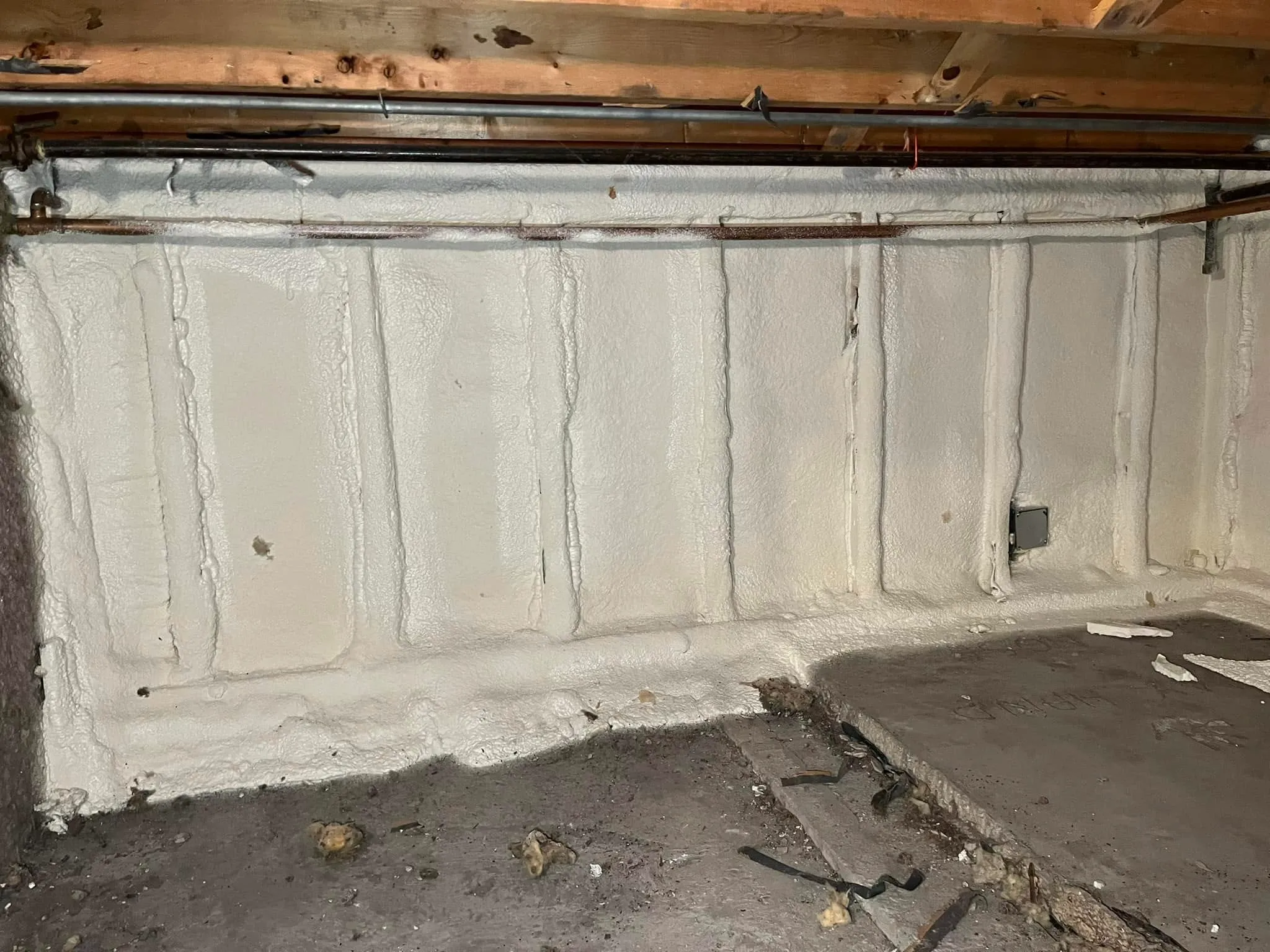
What Is Foundation Insulation and Why Is It Important for Residential Buildings?
Foundation insulation is the application of thermal materials to the walls, floors, or slabs of a building’s foundation to create…


Wall insulation is almost always the more effective investment for reducing home energy loss, improving indoor comfort, and delivering a measurable return on investment. While replacing old, single-pane windows can make a noticeable difference, walls represent a significantly larger surface area of your home’s building envelope. In homes across the Chicago area and similar cold-climate regions, uninsulated or under-insulated walls account for a disproportionate share of total heat loss compared to windows. Adding Proper wall insulation addresses both conductive heat transfer and air infiltration simultaneously, something new windows alone cannot fully accomplish. The right choice for your home depends on the condition of your current windows, the age of your insulation, your budget, and your primary goals, whether that is lower utility bills, eliminating drafts, or both. Following a home wall insulation resource can help homeowners evaluate the most effective solution for their specific needs.
To compare these two upgrades fairly, it helps to understand how your home loses heat. According to the Department of Energy, heat flows through your home by three mechanisms: conduction through solid materials, convection through air movement, and radiation. Most insulation materials work by slowing conductive and convective heat flow. The R-value of insulation measures its resistance to conductive heat transfer, and the higher the R-value, the better the thermal performance.
Your walls represent a massive percentage of your home’s total exterior surface. A typical 1,500 to 2,500 square foot home might have 1,200 to 2,000 square feet of wall area, compared to roughly 150 to 250 square feet of window area. Even though single-pane windows are poor insulators (roughly R-1), the sheer size difference means that uninsulated walls, which may have no cavity insulation or just R-3 to R-5 worth of effectiveness when accounting for thermal bridging, can be responsible for substantially more total heat loss. Before upgrading, homeowners should understand the differences between wall insulation replacement and removal options.
The DOE also notes that heat flows more readily through studs, joists, and other framing in a process called thermal bridging. This means the effective R-value of your wall assembly is always lower than the rated R-value of the insulation material alone. Proper wall insulation fills these cavities and, when combined with continuous exterior insulation, reduces thermal bridging significantly.
When homeowners ask us whether they should insulate their walls or replace their windows, we walk them through the math based on their specific home. Here is a general comparison:
| Factor | Wall Insulation | Window Replacement |
|---|---|---|
| Surface area affected | Large (1,200+ sq ft in a typical home) | Small (150-250 sq ft) |
| Primary problem addressed | Conductive heat loss + air leakage | Air infiltration + radiant heat transfer |
| Installation disruption | Moderate (drilling holes or removing siding) | High (interior and exterior work per window) |
| Typical payback period | 5-10 years | 20-30 years for energy savings alone |
| Comfort improvement | Eliminates cold walls and drafts throughout | Reduces drafts near windows specifically |
| Bonus benefits | Sound dampening, moisture control | Better natural light, aesthetic update |
For blown-in wall insulation specifically, our projects typically range from $2,500 on the low end to $7,500 on the high end, depending on the size of the home and the level of access to wall cavities. The per-project cost is lower than a full window replacement, and the energy savings impact is spread across a much larger portion of your home.
Wall insulation is the higher-impact upgrade in most scenarios, but window replacement is the better choice in specific situations:
The Department of Energy’s air sealing guide explicitly recommends replacing single-pane windows with energy-efficient double-pane, low-emissivity options as part of a comprehensive air sealing strategy. The key word is “part of.” Windows alone are not the whole solution.
In practice, the most effective approach is a phased strategy that prioritizes the biggest energy losses first:
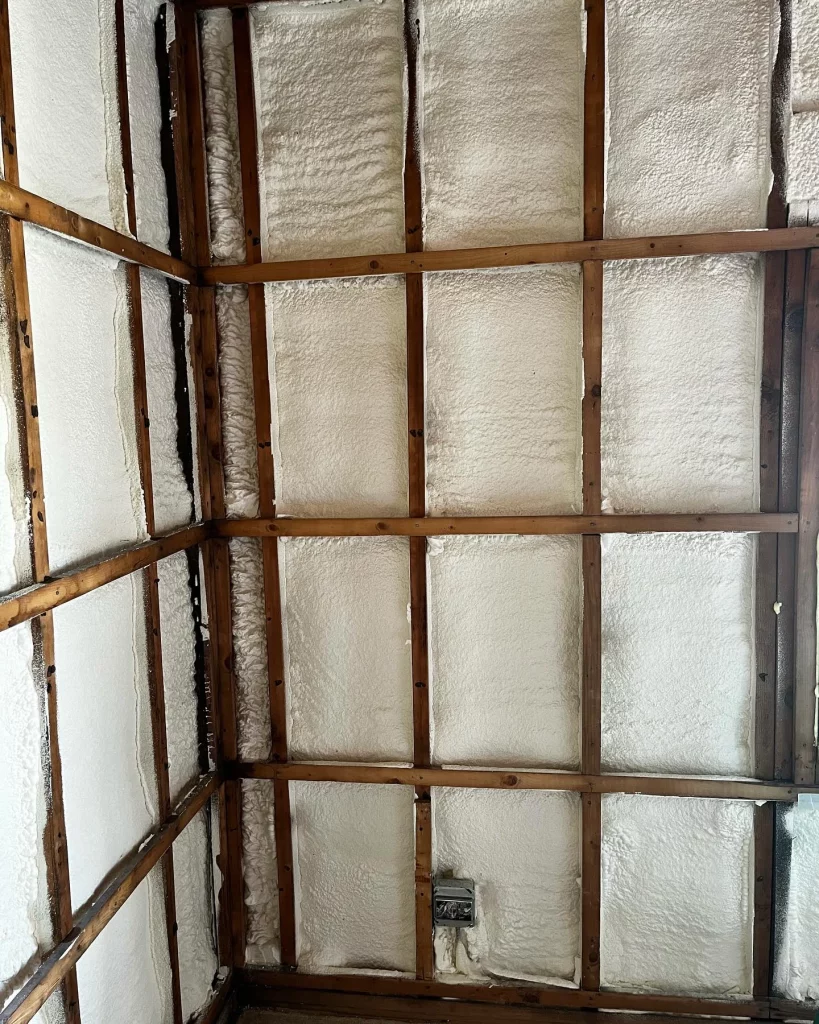
Adding insulation to existing walls is more involved than insulating an open attic, but modern methods make it practical and minimally disruptive. The two primary approaches we use are:
Blown-in cellulose: This method involves drilling small holes (typically one inch or less) through the exterior or interior wall, then pumping cellulose insulation into each stud cavity. Cellulose is made primarily from recycled newsprint, settles well within cavities, and provides good R-value per inch. The holes are then plugged and patched, leaving minimal visible evidence of the work.
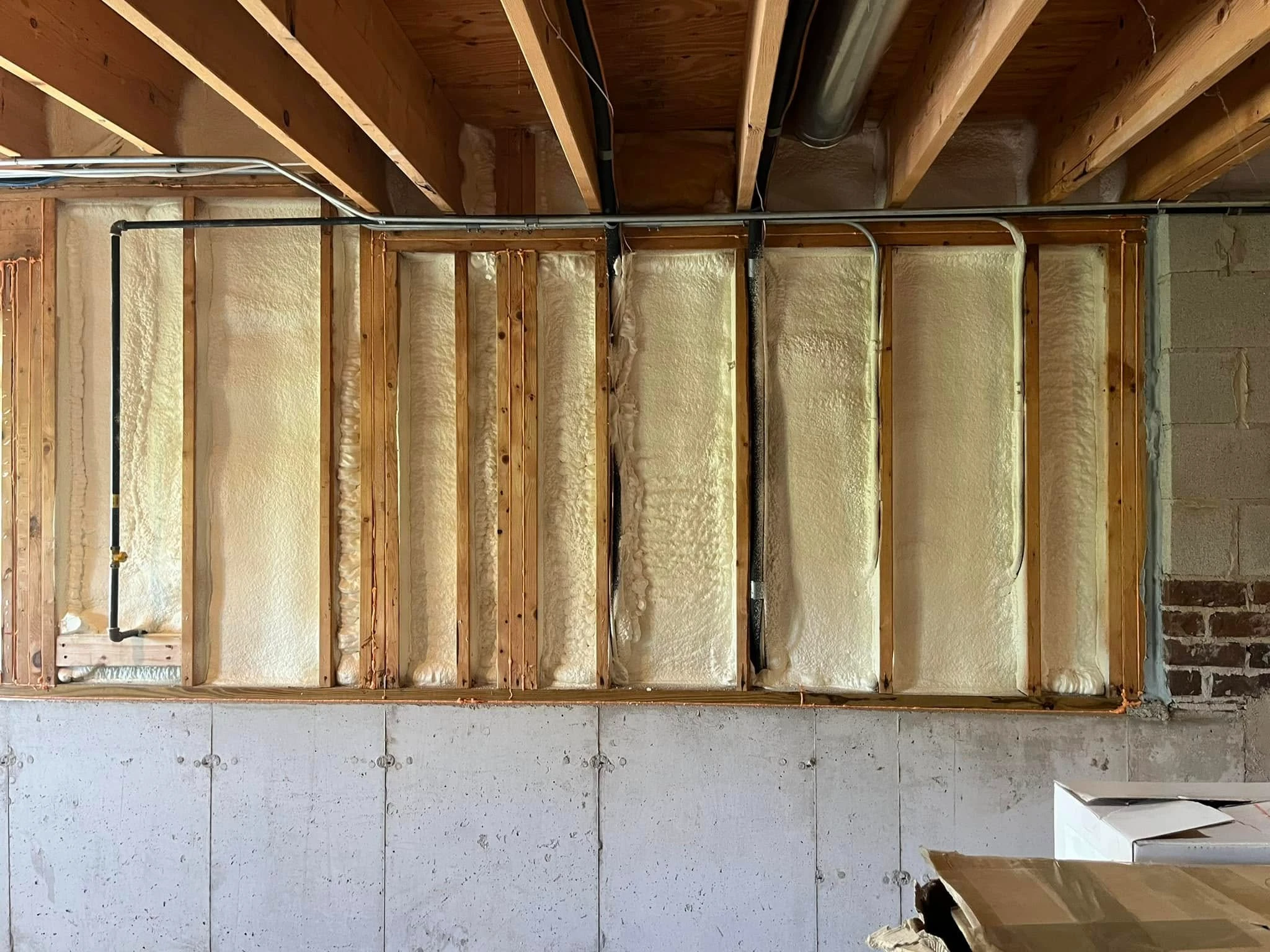
Spray foam insulation: Available in open-cell and closed-cell formulations, spray foam is applied into wall cavities and expands to fill gaps completely. According to the DOE’s guide to insulation types, foam insulation can yield a higher R-value than traditional batt insulation for the same thickness and can fill the smallest cavities, creating an effective air barrier. Closed-cell foam also provides moisture resistance, making it a strong choice for basement walls and areas prone to humidity.
Both methods can be completed in a day or two for an average-sized home, and both provide immediate comfort improvements.
| Home Profile | Recommended Priority | Reasoning |
|---|---|---|
| Pre-1960s home, no wall insulation | Wall insulation first | Empty cavities represent the single largest energy improvement opportunity |
| 1990s-2000s home, builder-grade windows | Insulation assessment first, then windows | Walls may already have adequate insulation, making windows the next bottleneck |
| Home with visible mold or moisture on walls | Professional assessment before any changes | Moisture issues must be resolved before adding insulation to avoid trapping problems |
| Full gut renovation planned | Combine wall insulation + window replacement | Doing both during construction minimizes cost and disruption |
| Drafty rooms with cold walls in winter | Wall insulation | Cold walls indicate missing or inadequate cavity insulation |
Choosing the right professional matters as much as choosing the right upgrade. Watch for these indicators:
South Chicago Insulation has been helping homeowners across the 60451 area and surrounding communities reduce energy waste and improve indoor comfort through expert wall insulation, attic insulation, and crawlspace insulation services. Our team starts every project with a thorough assessment of your home’s current insulation levels and air sealing needs, so you know exactly where your money will have the greatest impact.
Ready to find out whether wall insulation is the right move for your home? We will walk you through the numbers, show you exactly where your home is losing energy, and recommend the upgrades that deliver the best return.
Contact us today to discuss your commercial insulation project:
Yes, blown-in cellulose and injected spray foam can both be installed through small holes drilled in the wall, either from the exterior or interior, without removing drywall.
Most wall insulation retrofits for an average-sized home can be completed in one to two days, depending on the method used and accessibility of the wall cavities.
When installed correctly by a professional who evaluates your home’s ventilation and moisture conditions first, wall insulation should not cause moisture issues. In fact, proper insulation combined with air sealing helps control condensation.
In most homes, attic insulation delivers the fastest payback because hot air rises and escapes through the top of the building envelope. After the attic, walls are typically the next priority before windows.
Yes, adding dense insulation material like blown-in cellulose or spray foam to wall cavities noticeably reduces sound transmission between rooms and from outside noise sources.