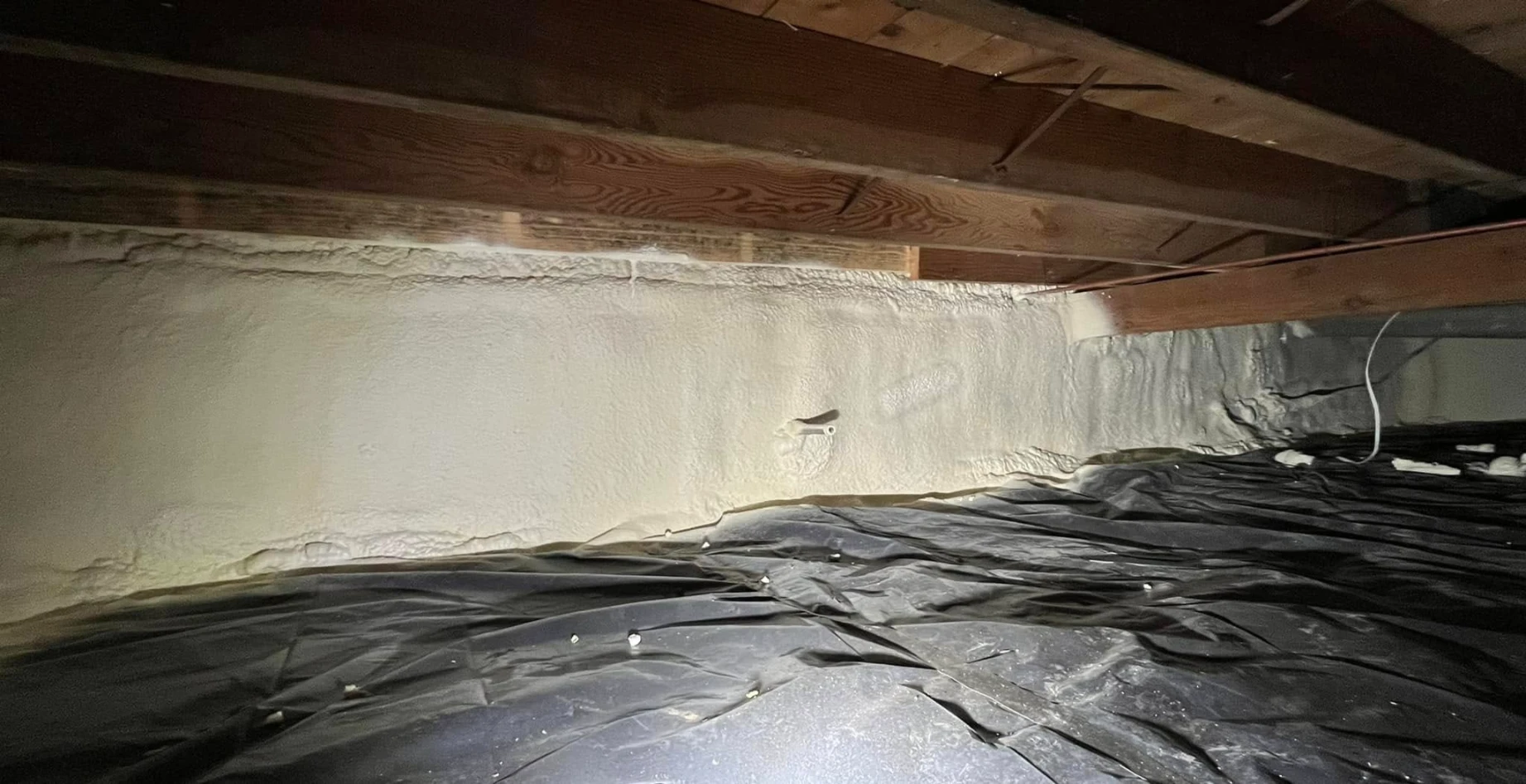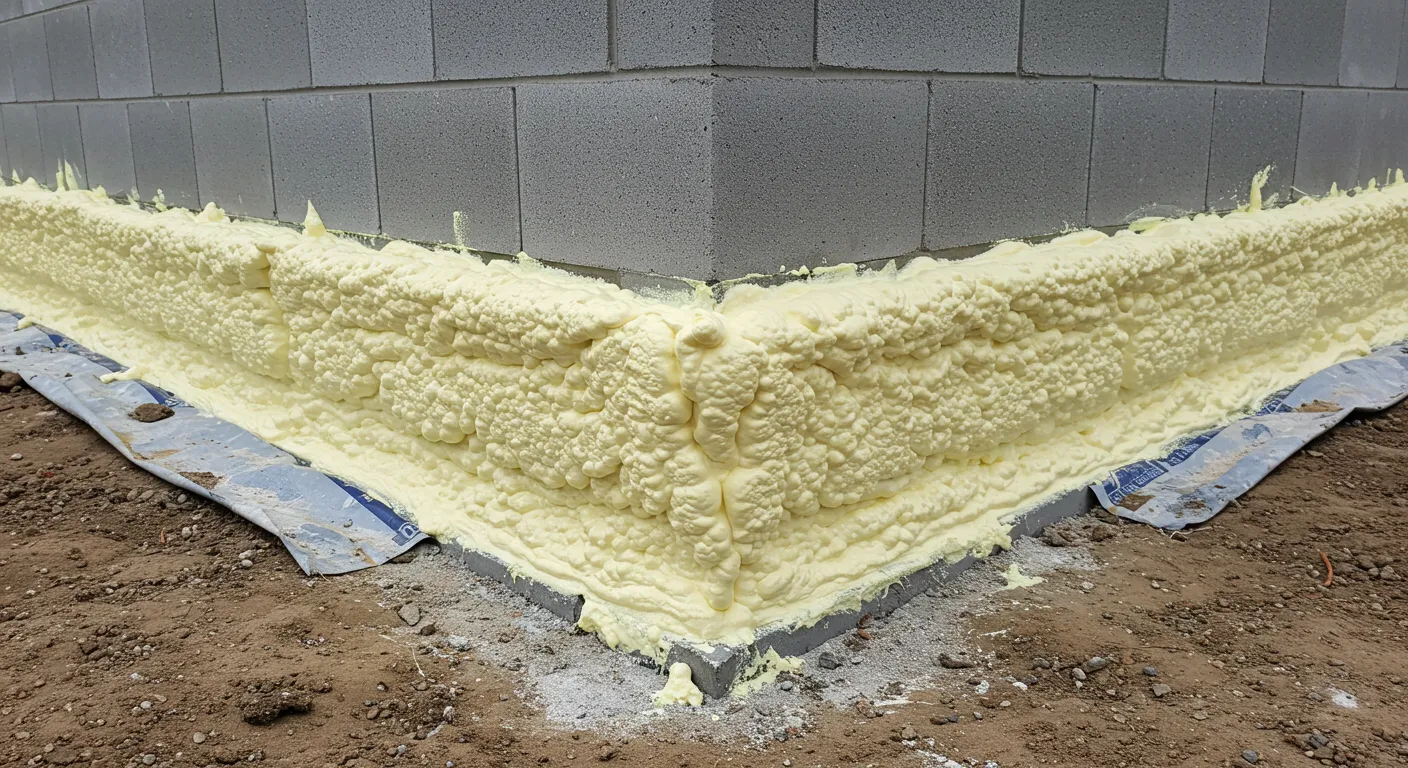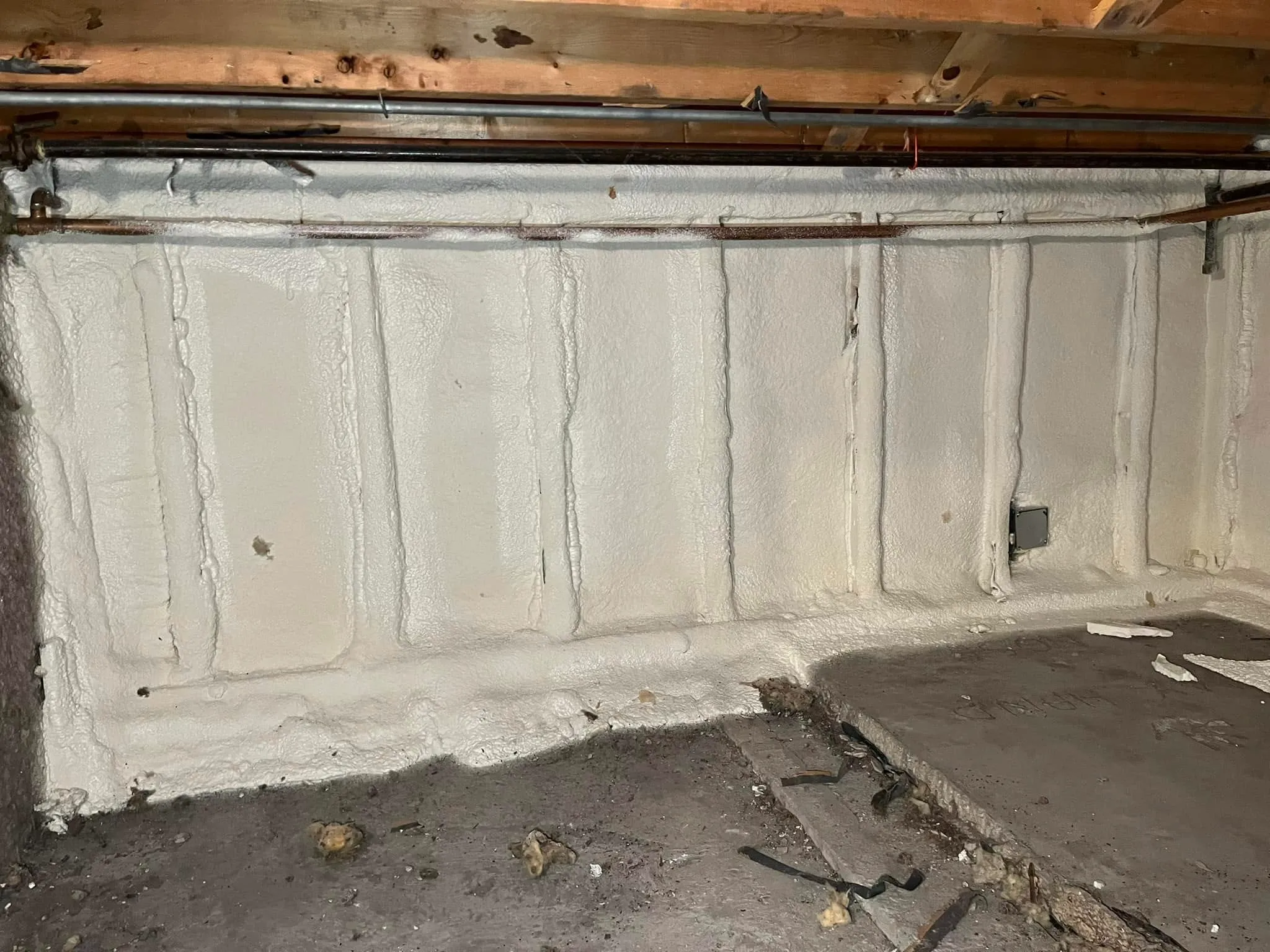
What Is Foundation Insulation and Why Is It Important for Residential Buildings?
Foundation insulation is the application of thermal materials to the walls, floors, or slabs of a building’s foundation to create…


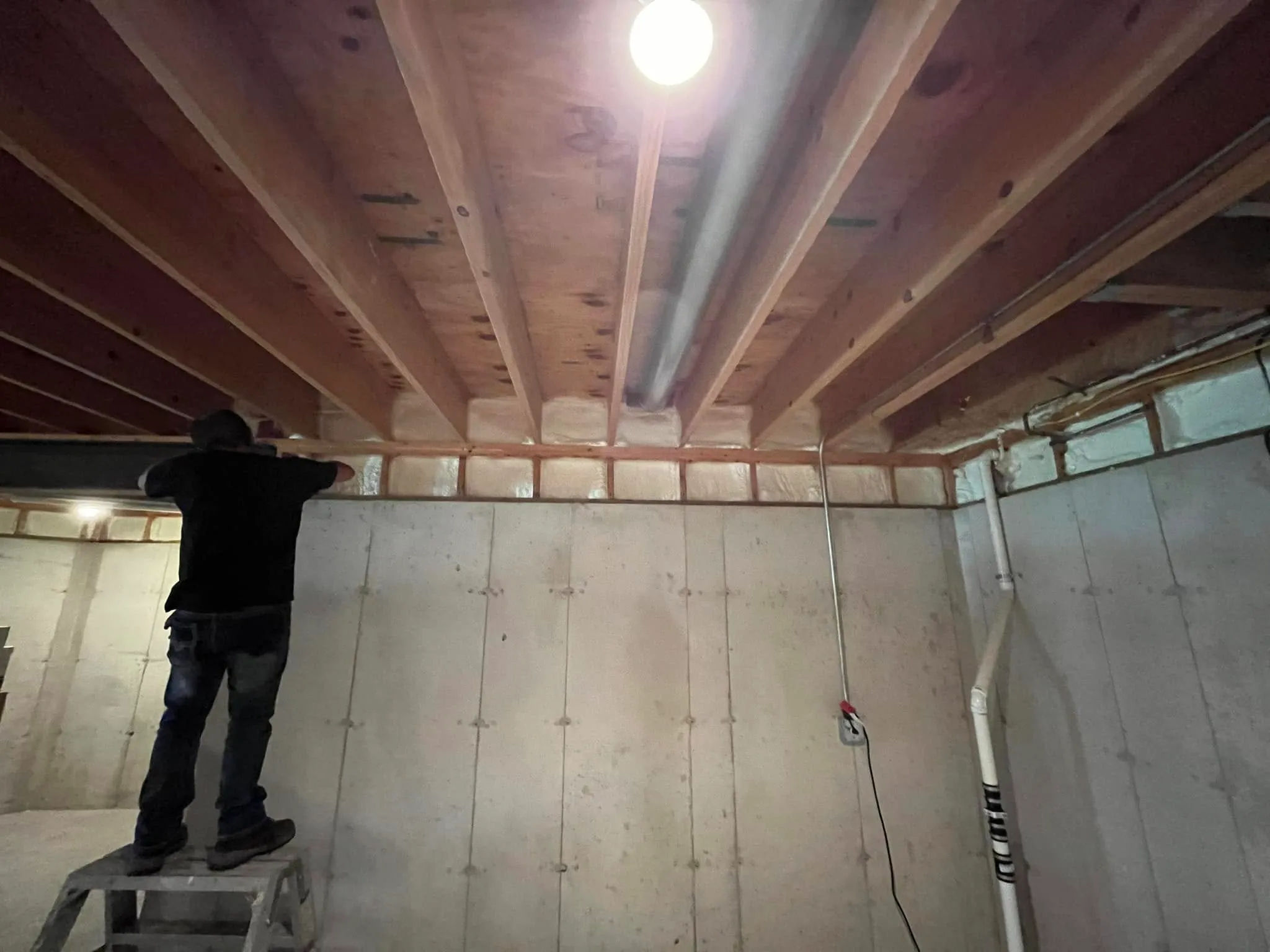
Wall insulation adds thermal protection to empty or under-insulated wall cavities, while insulation removal extracts damaged, contaminated, or outdated material before replacement. You need wall insulation when building new, remodeling, or upgrading energy efficiency in intact walls. You need insulation removal when existing material is water-damaged, mold-infested, pest-compromised, or improperly installed to the point of causing problems.
The choice depends entirely on what’s currently in your walls and what condition it’s in. New construction and additions always call for fresh wall insulation. Existing homes with sagging fiberglass, rodent activity, or moisture issues require removal first installing over bad insulation traps problems and wastes money. Wall insulation pricing varies by material, access method, and project scope. Removal adds to the total investment but prevents far costlier repairs down the road.
Wall insulation creates a thermal barrier between interior and exterior temperatures. In wood-framed walls, it fills the cavity between studs to slow heat transfer and reduce energy loss.
| Material | Best For | R-Value per Inch |
|---|---|---|
| Fiberglass batts | New construction, open walls | R-3.1–R-4.3 |
| Mineral wool | Fire-resistant needs, sound control | R-3.0–R-3.3 |
| Spray foam (open cell) | Air sealing priority, irregular cavities | R-3.5–R-3.6 |
| Spray foam (closed cell) | Moisture-prone areas, structural reinforcement | R-6.0–R-7.0 |
| Dense-pack cellulose | Existing walls, retrofit applications | R-3.2–R-3.8 |
| Injection foam | Existing walls with minimal disruption | R-4.0–R-5.0 |
Insulation removal extracts material that has become hazardous, ineffective, or problematic. This is not optional maintenance—it’s corrective action when insulation fails.
| Problem | Cause | Risk of Leaving In Place |
|---|---|---|
| Mold growth | Roof leaks, plumbing failures, humidity | Spores spread through HVAC, respiratory illness, structural rot |
| Rodent/bat infestation | Entry through gaps, soffits, vents | Urine/feces contamination, ongoing pest attraction, odor |
| Water saturation | Flooding, ice dams, window leaks | Compressed R-value loss, wood rot, mold development |
| Fire/smoke damage | Kitchen fires, electrical faults | Toxic residue, persistent odor, compromised fire rating |
| Asbestos content | Pre-1980 vermiculite or rock wool | Mesothelioma risk, EPA violation if disturbed |
| Improper original install | Gaps, compression, wrong vapor barrier | Thermal bridging, moisture trapping, energy waste |
Our crews seal the work area with plastic sheeting, set up negative air machines with HEPA filtration, and extract material using industrial vacuums or manual removal. We then inspect sheathing, treat for mold or pests if needed, and verify cavity dryness before installing new insulation.
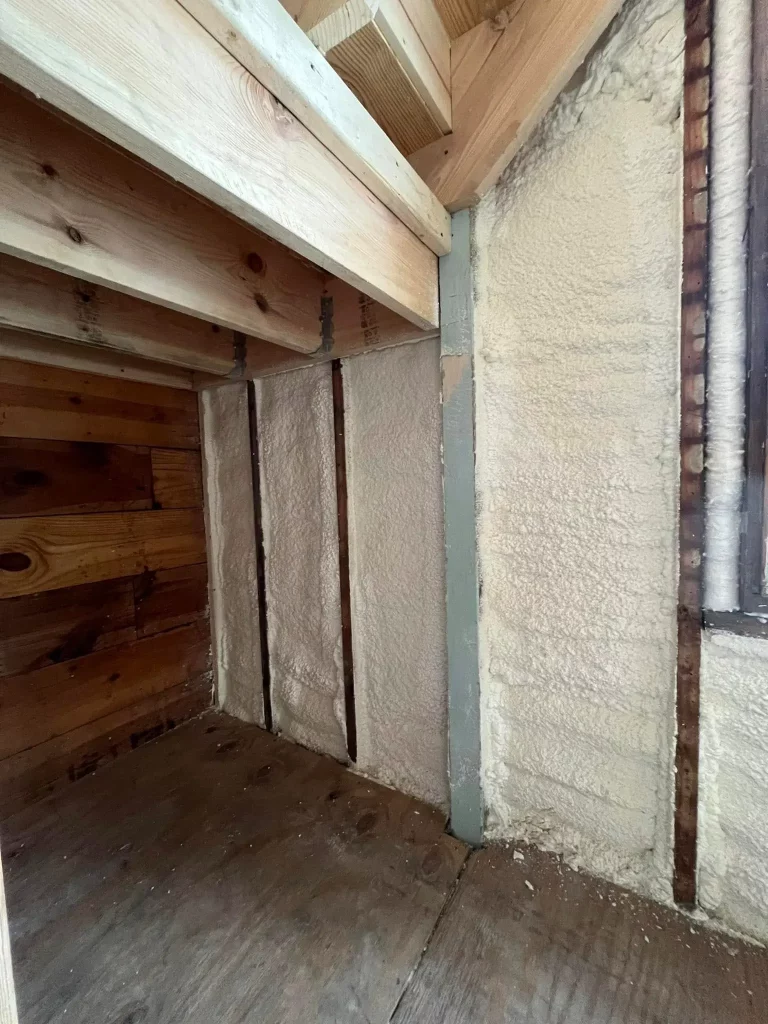
| Factor | Wall Insulation | Insulation Removal |
|---|---|---|
| Purpose | Add thermal protection to empty or under-insulated walls | Extract compromised material before replacement |
| Typical timeline | 1–3 days | 2–5 days including replacement |
| Disruption level | Low to moderate (injection methods) | Higher (containment, equipment, cleanup) |
| Immediate benefit | Comfort improvement, energy savings | Health protection, problem elimination |
| Long-term value | 15–25% energy reduction | Prevents structural damage, re-insulation costs |
| DIY feasibility | Possible for open walls, risky for existing | Not recommended—health and safety hazards |
A homeowner in Orland Park has original fiberglass batts in exterior walls. Energy bills spike, and thermal imaging shows significant heat loss. Cavity inspection reveals dry, intact but compressed fiberglass with no pest or moisture issues.
Decision: Dense-pack cellulose injection over existing material. Result: R-13 to R-15 upgrade, 18% heating cost reduction.
A Park Ridge homeowner notices musty odors and finds black staining on second-floor knee wall insulation. Inspection reveals years of ice dam leakage, saturated fiberglass, and active mold on sheathing.
Decision: Complete removal of contaminated material, mold remediation, air sealing, then closed-cell spray foam. Result: Structural threat eliminated, R-21 continuous insulation, air leakage cut 40%.
According to the U.S. Department of Energy, properly installed insulation can reduce heating and cooling costs by an average of 15% but only when existing problems are addressed first. Their guidance emphasizes that wet or compressed insulation performs worse than no insulation at all.
Before deciding, inspect or have a professional evaluate:
If any check positive, removal is likely necessary. Clean, dry, intact cavities qualify for direct insulation.
Choosing between wall insulation and insulation removal without proper assessment wastes money and risks your home’s health. Our infrared inspections and cavity evaluations give you definitive answers before any work begins.
South Chicago Insulation provides honest assessments and precision installation of wall insulation for every wall system. We don’t sell you what you don’t need we solve the actual problem.
Call (779) 803-8025 or email [email protected] to stop wondering and start fixing.
Only if the existing material is dry, uncompressed, and uncontaminated. In most existing walls with aging fiberglass, injection methods or removal with replacement yield better results than layering.
Musty odors, persistent humidity issues, visible staining on drywall, or thermal imaging showing cold spots suggest moisture problems. Borescope inspection through small holes confirms without major demolition.
Sometimes, if damage results from a covered peril like burst pipes, storm damage, or fire. Gradual deterioration, pest infestation, or maintenance issues typically aren’t covered. We document damage for claims when applicable.
Dense-pack cellulose injection offers the best balance of performance and minimal disruption for walls without existing problems. For homes with air leakage issues, injection foam provides superior sealing at moderate premium.
Disturbed contaminated insulation releases particles immediately. Our containment protocols prevent spread during removal, and HEPA air scrubbers run until post-removal testing confirms safe levels. Occupants should vacate during active removal.