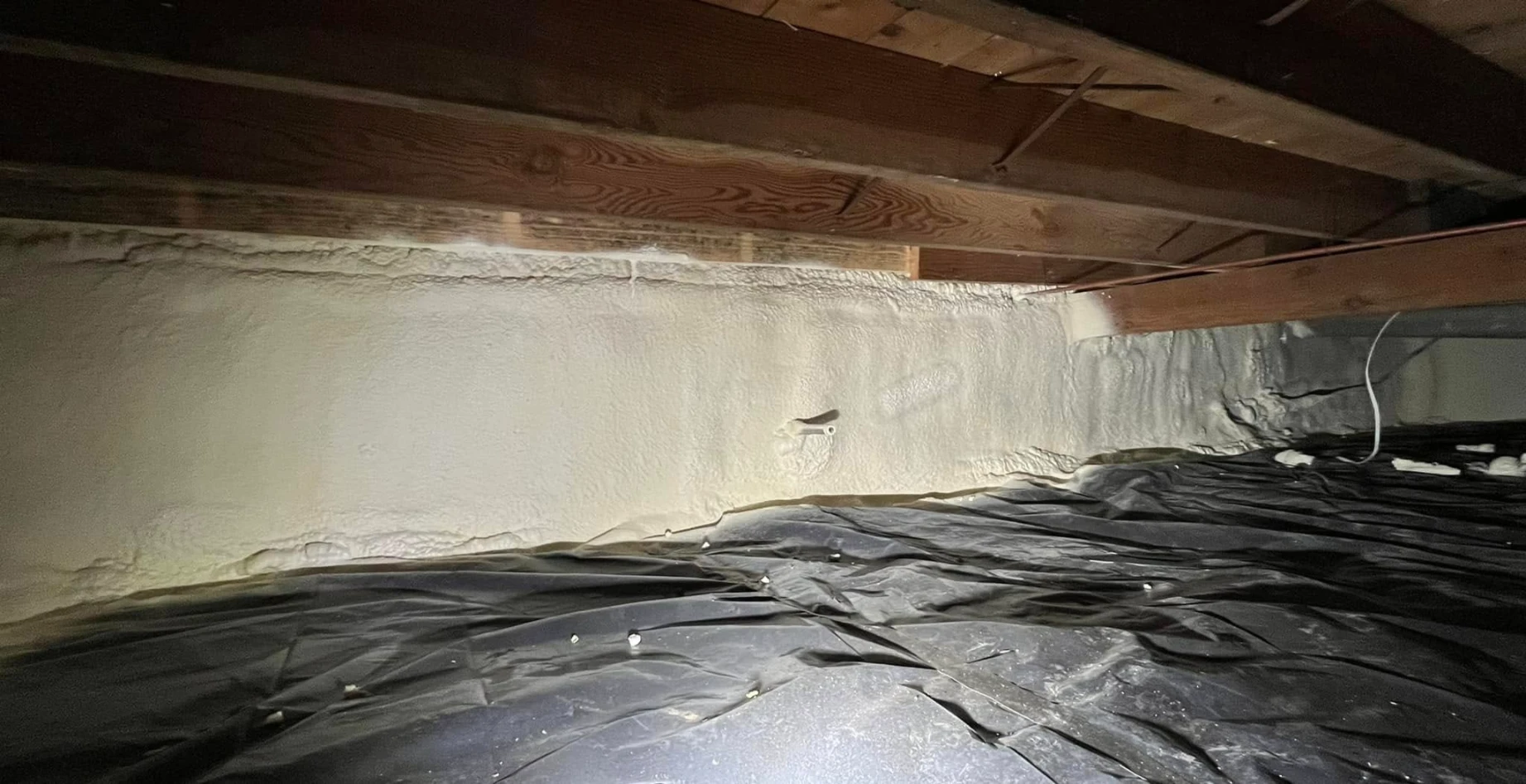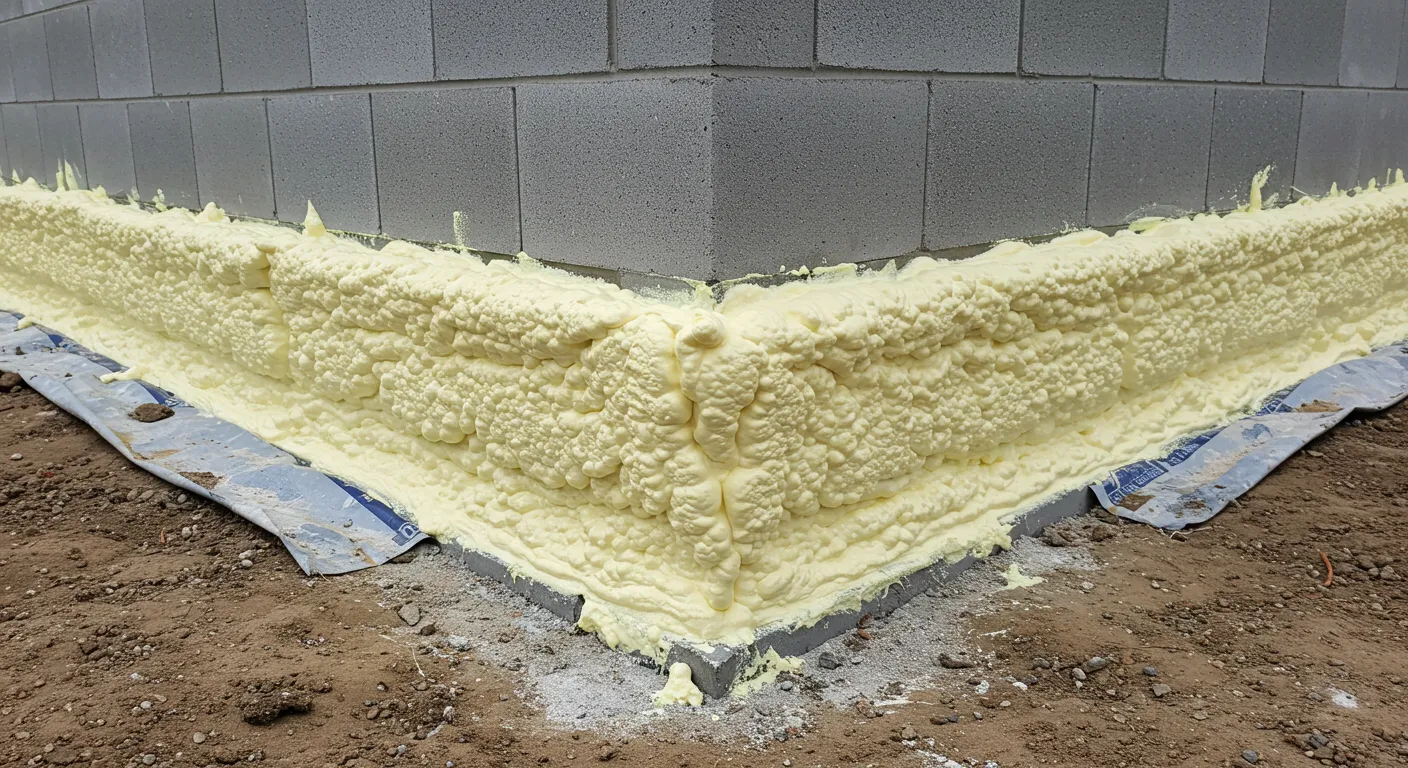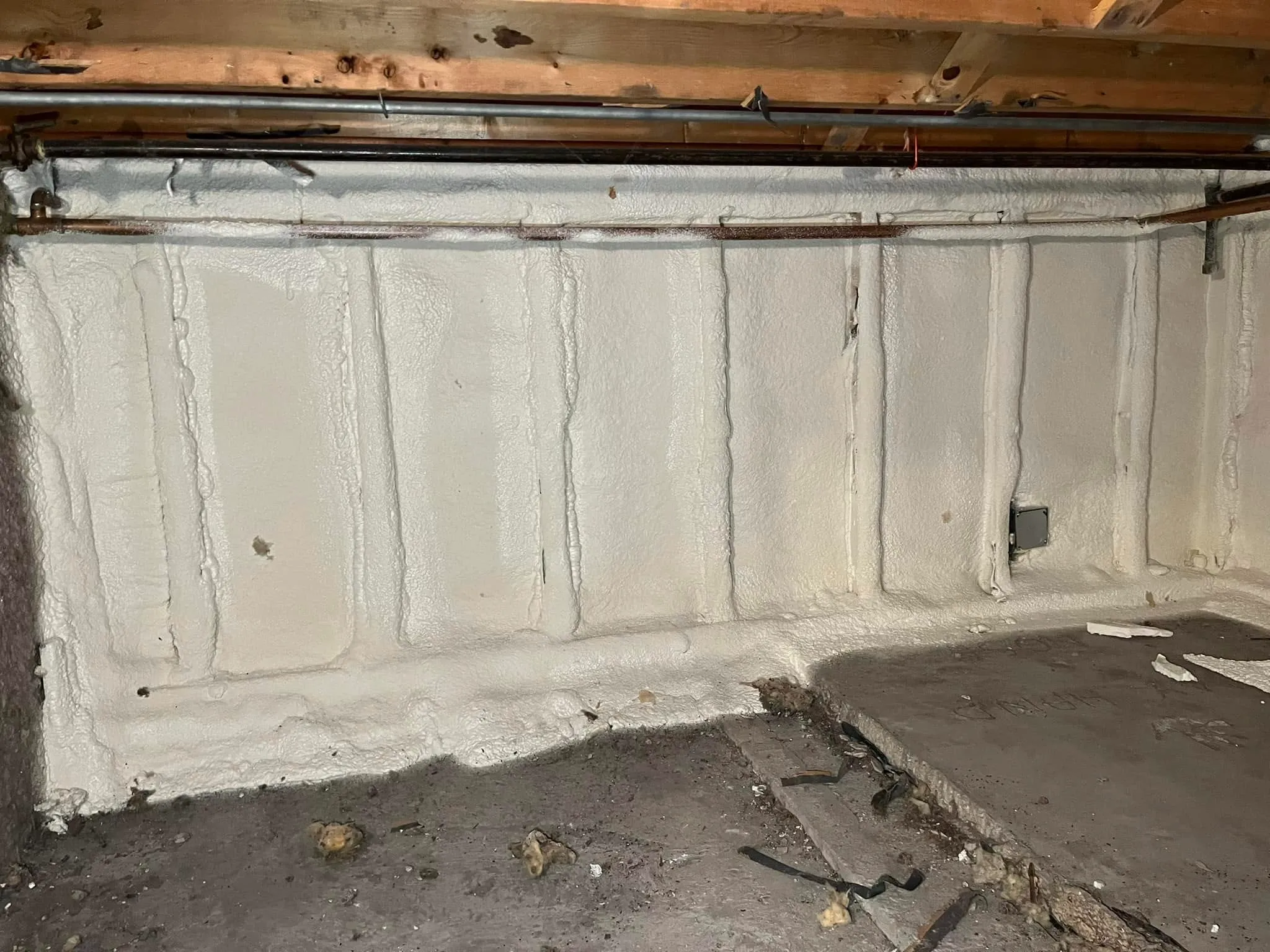
What Is Foundation Insulation and Why Is It Important for Residential Buildings?
Foundation insulation is the application of thermal materials to the walls, floors, or slabs of a building’s foundation to create…


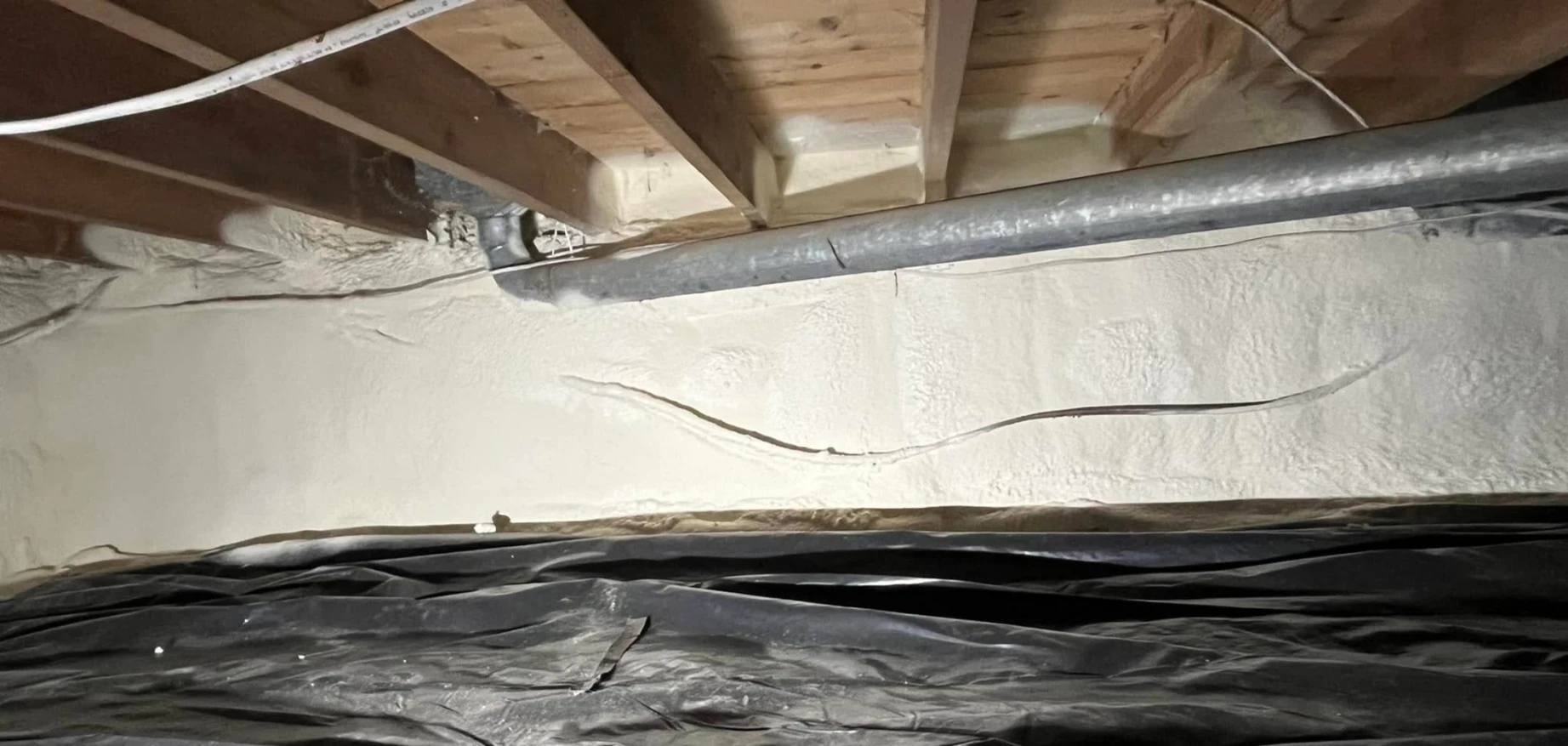
The choice between crawl space and foundation insulation depends on your home’s construction type and thermal performance goals. Crawl space insulation typically uses R-13 to R-25 fiberglass batts or spray foam applied between floor joists, while foundation insulation involves exterior rigid foam or interior spray foam applied to basement or slab foundation walls. Crawl space insulation costs between $800 and $2,500, whereas foundation insulation ranges from $1,500 to $5,000. Both approaches can reduce energy loss by 10-20%, but foundation insulation often provides better long-term performance in newer homes with poured concrete foundations. The right choice ultimately depends on your home’s foundation type, climate zone, and whether you plan to finish your basement or use the crawl space for storage.
Before comparing crawl space and foundation insulation, it’s important to understand how thermal performance is measured. The R-value indicates an insulation material’s resistance to heat flow, with higher numbers representing better insulating performance. According to the U.S. Department of Energy, the basement foundation wall insulation in Climate Zone 5, which includes the Chicago area, should achieve R-10 to R-13 minimum, while floor insulation above unconditioned spaces should reach R-13 to R-30 depending on the area.
Heat loss through foundations represents a significant portion of total energy loss in homes. The Building Science Corporation reports that uninsulated foundations can account for 15-25% of total heat loss in a typical single-family home. This makes foundation insulation particularly valuable in cold climates like Chicago, where winter temperatures regularly drop below freezing and the heating season extends for six months or more.
Crawl space insulation is installed between the floor joists of the lowest floor, creating a thermal barrier between your living space and the unconditioned crawl space beneath. This approach is standard for homes built on raised foundations with ventilation to the exterior.
Installation methods:
The U.S. Department of Energy recommends closed-cell spray foam for crawl space applications in humid climates because it acts as both insulation and a vapor barrier. Our team at South Chicago Insulation frequently recommends this approach for Chicago-area homes experiencing moisture problems in their crawl spaces.
Foundation insulation is applied to the exterior or interior of foundation walls, treating the concrete or masonry structure as part of the building’s thermal envelope. This method is standard for homes with full or partial basements and newer construction with slab-on-grade foundations.
Installation methods:
According to Energy Star, exterior foundation insulation provides the best thermal performance because it keeps the foundation wall at near-ground temperature, reducing thermal bridging and moisture condensation on interior surfaces.
| Factor | Crawl Space Insulation | Foundation Insulation |
|---|---|---|
| Typical R-Value | R-13 to R-25 | R-10 to R-20 |
| Installation Cost | $800 – $2,500 | $1,500 – $5,000 |
| Best For | Vented crawl spaces, older homes | Basements, new construction |
| Moisture Resistance | Moderate (spray foam improves) | Excellent (exterior foam) |
| Energy Savings | 10-15% reduction | 15-20% reduction |
| Installation Timeline | 1-2 days | 2-4 days |
| DIY Feasibility | Moderate | Difficult |
The Environmental Protection Agency notes that foundation insulation typically delivers a higher return on investment in cold climates because concrete foundations conduct significantly more heat than the air in crawl spaces. However, crawl space insulation remains the more practical choice for homes where the crawl space is the only foundation type present.
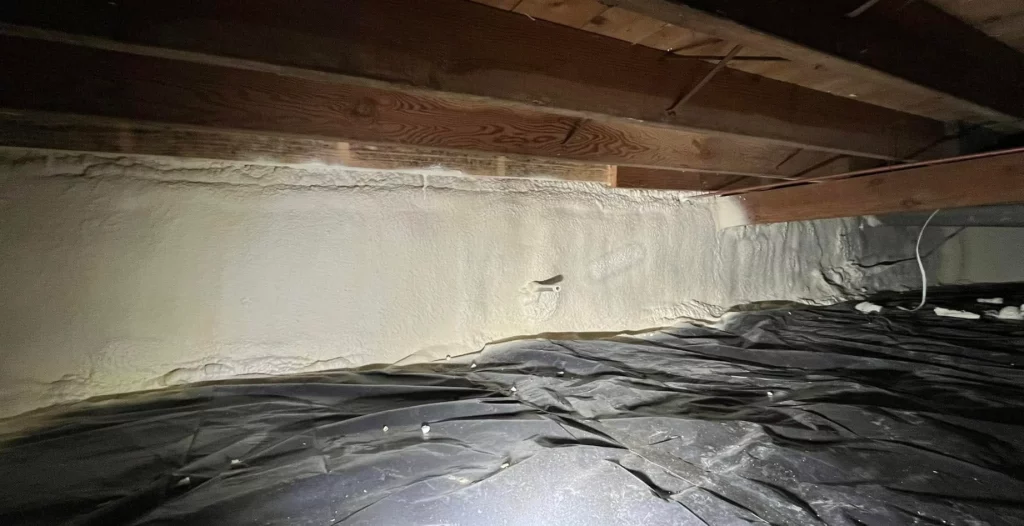
Chicago’s Climate Zone 5 presents unique challenges for both crawl space and foundation insulation. Winters bring temperatures well below freezing for extended periods, while summers are humid and warm. This combination requires careful attention to moisture management alongside thermal performance.
The International Association of Certified Home Inspectors emphasizes that insulation in Chicago homes must address both heat loss and moisture infiltration. In crawl spaces, this means using vapor barriers on the ground and ensuring proper ventilation. In basements, it means selecting insulation that won’t trap moisture against foundation walls, where it can cause mold and deterioration.
For Chicago homeowners, our experience shows that spray foam insulation in both crawl spaces and foundations provides the best balance of thermal performance and moisture resistance, despite higher upfront costs.
Understanding the cost differences helps homeowners make informed decisions about which insulation approach provides the best value for their specific situation.
| Project Scope | Crawl Space | Foundation (Basement) |
|---|---|---|
| Fiberglass batts | $800 – $1,500 | N/A |
| Blown-in cellulose | $1,000 – $1,800 | N/A |
| Spray foam (open-cell) | $1,500 – $2,200 | $2,000 – $3,500 |
| Spray foam (closed-cell) | $2,000 – $2,500 | $3,000 – $5,000 |
| Energy savings annually | $150 – $300 | $200 – $400 |
| Payback period | 4-7 years | 5-8 years |
According to Energy Star, insulation upgrades consistently rank among the most cost-effective home improvements, with payback periods typically under ten years for most Climate Zone 5 applications.
A 1920s bungalow in Chicago’s Austin neighborhood had a vented crawl space with original fiberglass insulation that had settled to less than R-6 effectiveness. Our assessment revealed significant air leakage through the subfloor and around plumbing penetrations. We removed the old insulation, sealed all air leaks, and installed closed-cell spray foam at R-20 between the floor joists. The homeowner reported immediate improvements in floor warmth and a 12% reduction in winter heating costs. Total project cost was $2,100, with an estimated 6-year payback based on energy savings.
Choose crawl space insulation if:
Choose foundation insulation if:
Consider both approaches if:
For designers, consider creating:
Ready to Improve Your Chicago Home’s Thermal Performance?
Our team at South Chicago Insulation specializes in foundation and crawl space insulation solutions tailored to Chicago’s demanding climate. Whether you need crawl space insulation, foundation insulation, or both, we provide professional installation that maximizes your energy savings and home comfort.
Contact us today for a free insulation assessment:
U.S. Department of Energy – Insulation
Energy Star – Foundation Insulation
Building Science Corporation – Foundation Insulation
Environmental Protection Agency – Air Sealing and Insulation
International Association of Certified Home Inspectors – Insulation
Q: Can I install crawl space insulation myself?
A: Yes, fiberglass batts can be installed as a DIY project if your crawl space is accessible and well-ventilated. However, spray foam requires professional installation and equipment.
Q: Does foundation insulation require a permit in Chicago?
A: Permit requirements vary by project scope and local codes. Our team handles all permitting for insulation projects to ensure compliance with Chicago building codes.
Q: How long does foundation insulation last?
A: Properly installed insulation can last 30 years or more. Spray foam and rigid foam boards maintain their R-value better over time compared to fiberglass, which can settle and compress.
Q: Will insulating my crawl space solve moisture problems?
A: Crawl space insulation helps reduce condensation but doesn’t fix water intrusion issues. Address any drainage or water problems before installing insulation.
Q: Is foundation insulation worth it if I don’t finish my basement?
A: Yes, even unfinished basements benefit from foundation insulation because the thermal barrier reduces energy loss through the foundation walls and improves overall home efficiency.