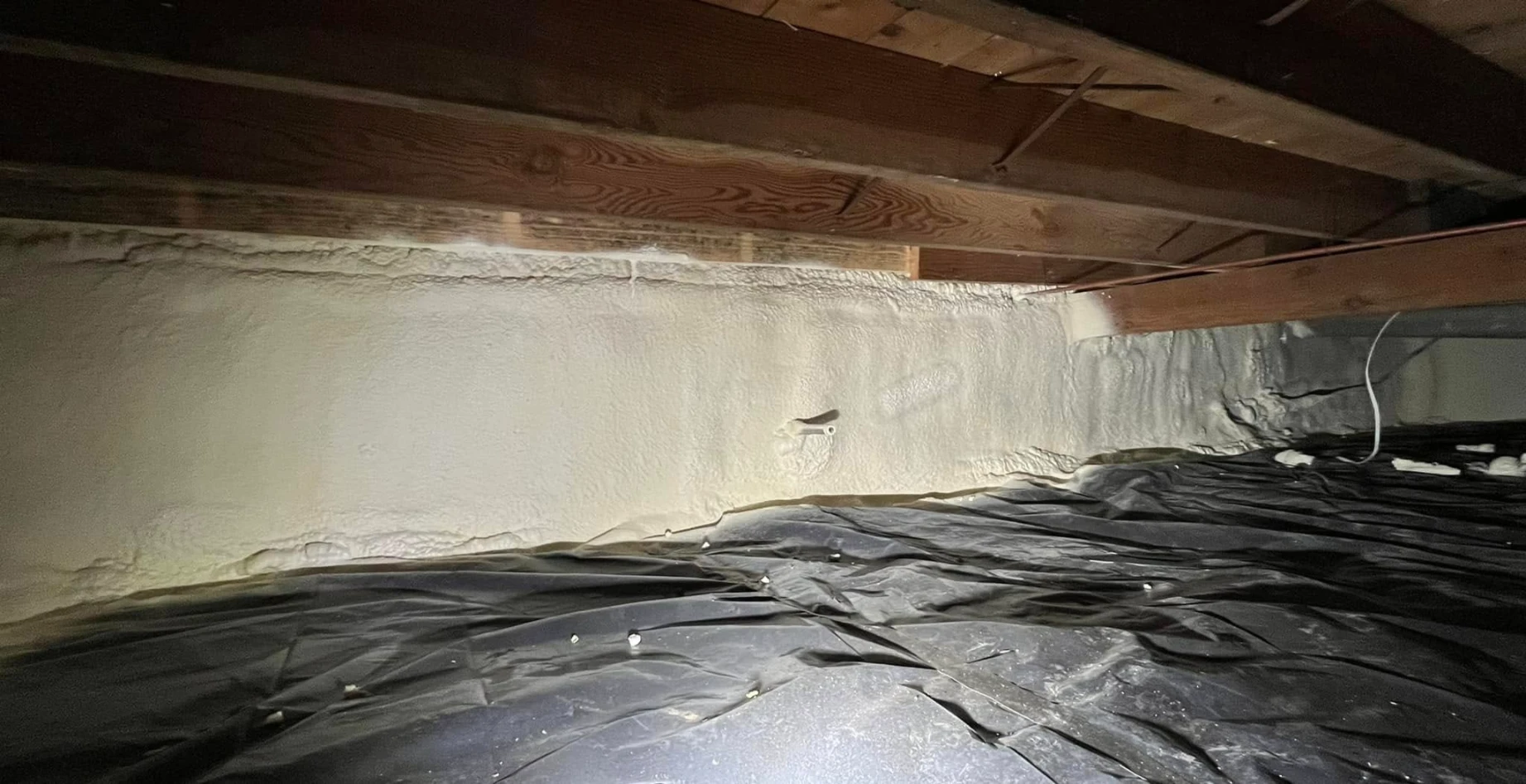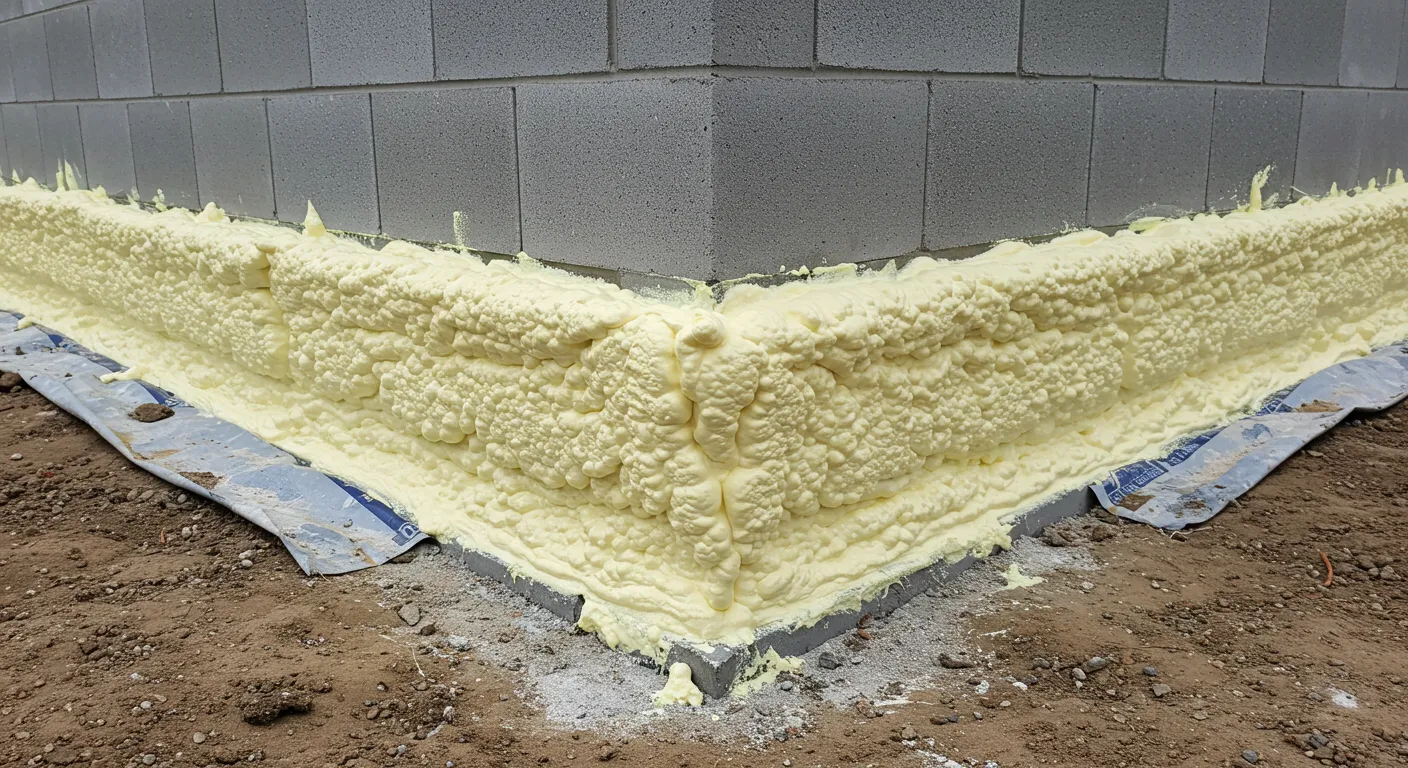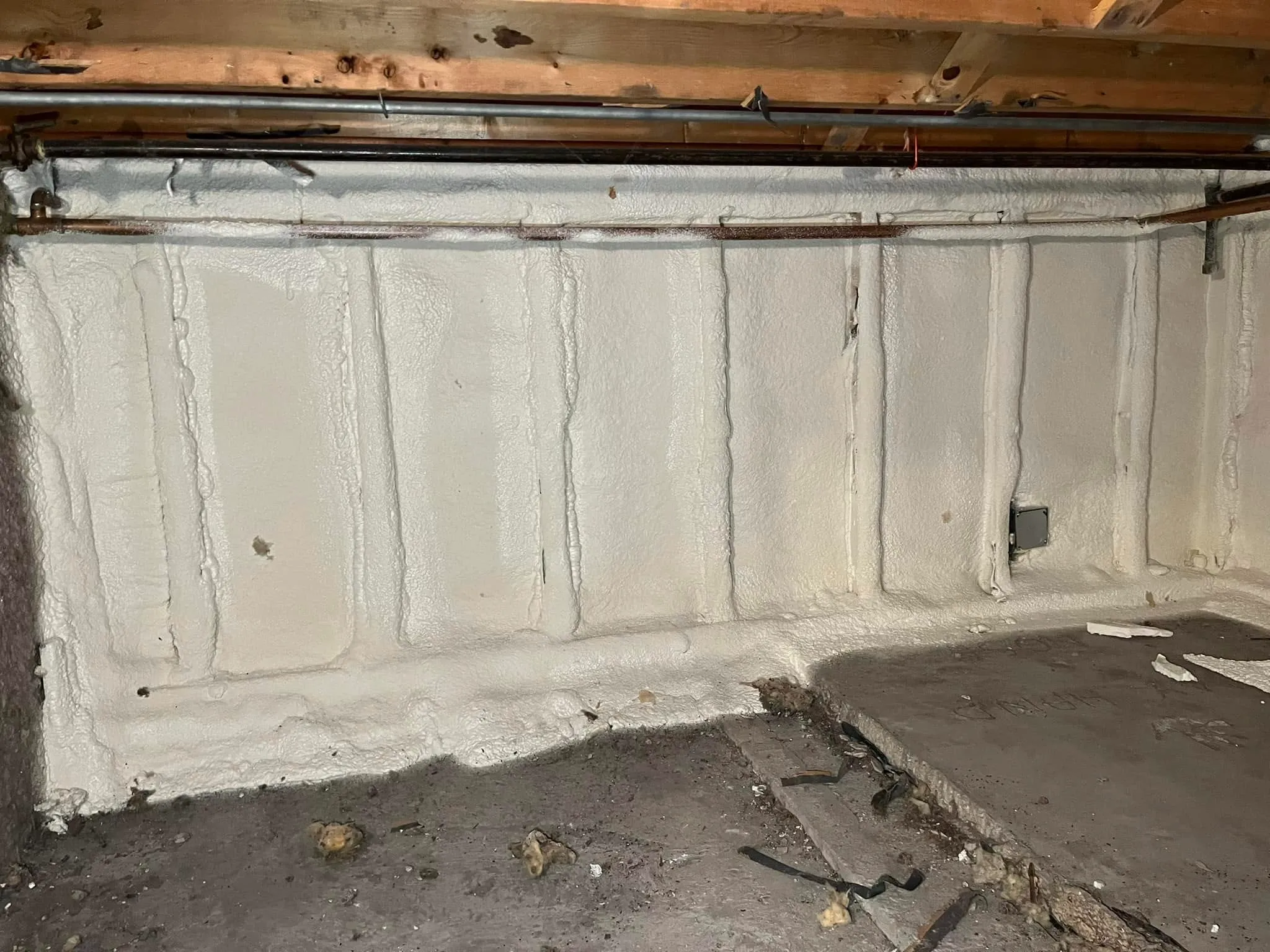
What Is Foundation Insulation and Why Is It Important for Residential Buildings?
Foundation insulation is the application of thermal materials to the walls, floors, or slabs of a building’s foundation to create…


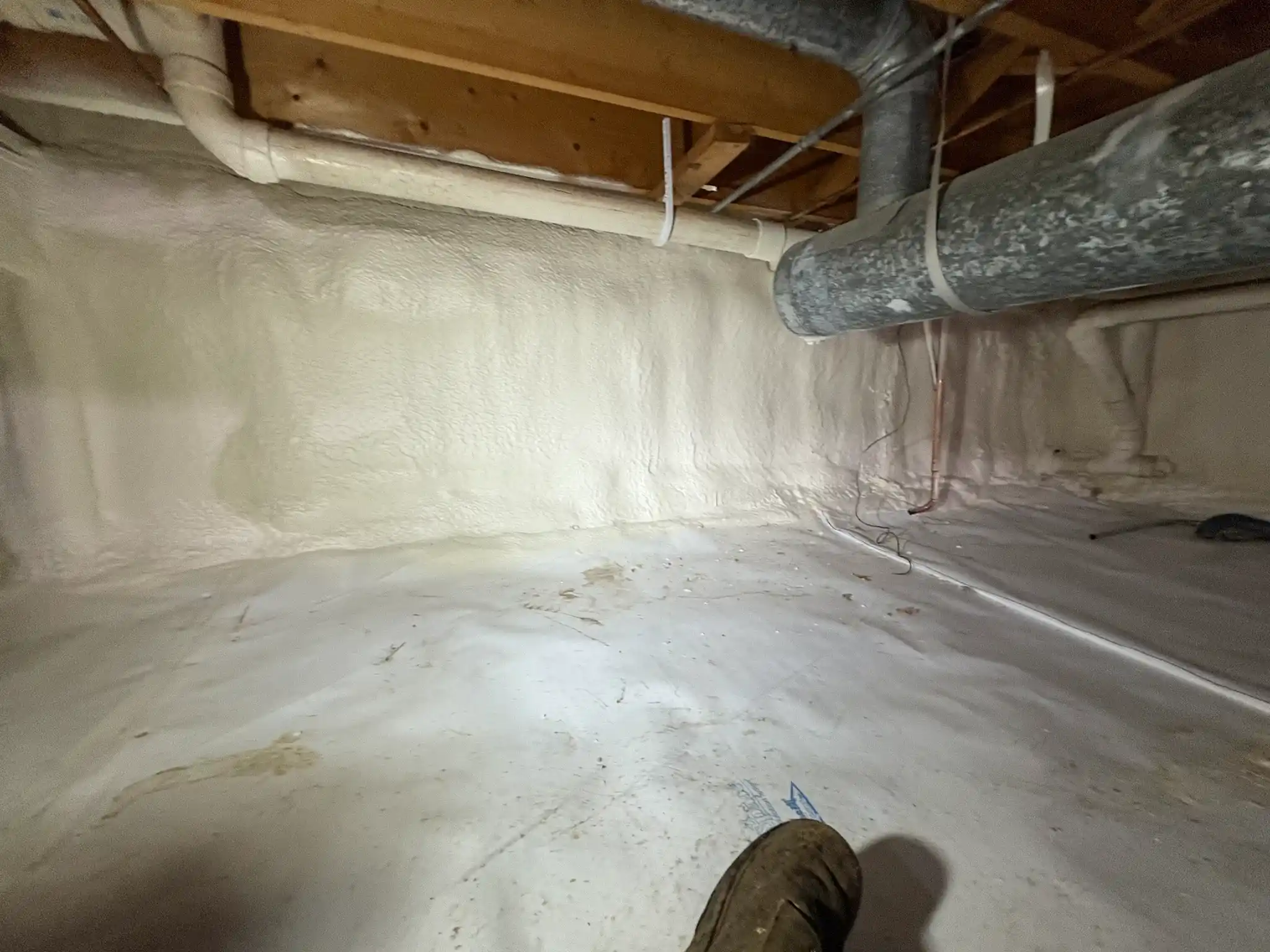
Crawl space insulation in Chicago, IL typically costs between $1.50 and $5.00 per square foot, with most homeowners spending $1,500 to $5,500 for a standard 1,000-square-foot crawl space. Based on our project data across the region, the typical low project price is $2,300, the typical average is $5,000, and the typical high is $8,000. Because Chicago sits in Climate Zone 5, where winters reach sub-zero temperatures and insulation requirements are higher than national averages, homeowners in the region often pay 10 to 20 percent more than the baseline prices you will see on national cost calculators. The material you choose, the condition of your crawl space, and whether you need full encapsulation all play a significant role in where your final estimate lands.
We serve homeowners not only throughout Chicago but also in surrounding communities including Frankfort, IL; Orland Park, IL; Homer Glen, IL; Joliet, IL; Lockport, IL; and New Lenox, IL, where many of these same pricing patterns apply.
The type of insulation material you select is the single largest driver of your total project cost. Each material has distinct advantages, and the right choice depends on your crawl space condition, budget, and long-term goals. According to Angi’s crawl space insulation cost guide, material selection and regional labor rates are the two biggest factors that separate a budget-friendly project from a premium one.
| Material | Cost per Sq Ft (Installed) | R-Value per Inch | Best For | Expected Lifespan |
|---|---|---|---|---|
| Fiberglass Batts | $1.00 to $2.50 | 2.9 to 3.8 | Tight budgets, dry crawl spaces | 15 to 20 years |
| Rigid Foam Board | $1.50 to $3.00 | 3.8 to 6.5 | Wall insulation, moisture-prone areas | 50+ years |
| Spray Foam (Open Cell) | $1.50 to $3.00 | 3.5 to 3.7 | Large open crawl spaces, sound dampening | 80+ years |
| Spray Foam (Closed Cell) | $2.50 to $5.00 | 6.0 to 7.0 | Cold climates like Chicago, moisture control | 80+ years |
| Mineral Wool | $2.00 to $4.00 | 3.3 to 4.2 | Fire resistance, soundproofing | 100+ years |
For Chicago homeowners, closed-cell spray foam delivers the best performance per dollar in Climate Zone 5. It provides the highest R-value per inch, acts as a vapor barrier, and seals air leaks in a single application. According to HomeGuide’s cost analysis, spray foam insulation under a house costs $2.00 to $5.00 per square foot installed, which aligns closely with what we see in the Chicago market when accounting for regional labor premiums.
Fiberglass batts remain the cheapest upfront option, but they are vulnerable to moisture damage in crawl spaces, which are naturally humid environments. Over time, fiberglass that absorbs moisture loses R-value and can promote mold growth, negating the cost savings.
Several factors specific to the Chicago area and your individual property will push your estimate higher or lower than the averages above.
Crawl Space Size and Accessibility: A 500-square-foot crawl space will cost significantly less than a 2,000-square-foot one, but accessibility matters just as much. Crawl spaces with less than 18 inches of clearance require specialized equipment and slower work, which increases labor costs. Tight entries and obstructed spaces can add 15 to 30 percent to your labor bill.
Existing Damage and Remediation: If your crawl space has standing water, mold, rotting floor joists, or damaged ductwork, those issues must be resolved before insulation goes in. Water remediation and mold treatment typically add $1,000 to $5,000 to the project depending on severity.
Vapor Barrier and Encapsulation: Insulation alone does not solve moisture problems. Many Chicago homeowners choose to pair insulation with a full crawl space encapsulation system, which includes a heavy-duty vapor barrier, sealed vents, and often a dehumidifier. According to Polyguard’s pricing guide, high-quality vapor barriers cost $0.30 to $0.70 per square foot for materials, but the full encapsulation process brings total costs to $5,000 to $15,000.
Chicago Labor Rates: Labor costs for insulation installation in the Chicago metro area are higher than the national average. According to CountBricks’ labor cost guide, crawl space insulation labor ranges from $2.50 to $4.50 per square foot nationally, and Chicago contractors typically sit at the upper end of that range due to the cost of doing business in a major metropolitan area, licensing requirements, and the demand for skilled crews during the short installation season.
Perimeter Rim Joist Insulation: Many Chicago homes, especially older brick bungalows and frame construction built before 1980, have significant air infiltration at the rim joist (the area where the floor framing meets the foundation wall). Insulating this area with spray foam costs $12 to $16 per linear foot according to Acculevel’s cost breakdown, and it is one of the most impactful upgrades you can make for energy efficiency in a cold climate.
This is where many Chicago homeowners get confused, and it is worth clarifying because the cost difference is substantial.
Insulation only means adding material (spray foam, rigid board, or fiberglass) to the crawl space walls or floor joists to reduce heat transfer. This addresses energy loss but does not manage moisture, seal the space from outside air, or prevent pest intrusion. Cost: $1,500 to $5,500.
Full encapsulation means sealing the entire crawl space with a reinforced vapor barrier on the floor and walls, sealing all vents, insulating the perimeter walls, and installing a dehumidifier. This creates a conditioned space that is protected from moisture, outside air, and pests. According to the Crawl Space Energy Institute, full encapsulation costs $5,000 to $15,000 depending on the size and condition of the space.
For most Chicago homes with damp or vented crawl spaces, encapsulation is the better long-term investment. The U.S. Department of Energy notes that properly sealed and insulated crawl spaces can reduce energy costs by 10 to 30 percent, with the higher savings figures more common in extreme cold climates like ours.
| Project Type | Typical Cost Range (Chicago) | What Is Included | Energy Savings |
|---|---|---|---|
| Insulation Only | $1,500 to $5,500 | Spray foam, rigid board, or batts on walls or joists | 10 to 15% |
| Partial Encapsulation | $3,500 to $8,000 | Vapor barrier + insulation, vents partially sealed | 15 to 20% |
| Full Encapsulation | $5,000 to $15,000 | Vapor barrier, sealed vents, wall insulation, dehumidifier | 15 to 30% |
| Encapsulation + Structural Repair | $10,000 to $25,000+ | Full encapsulation plus sistering joists, replacing sills | 15 to 30% |
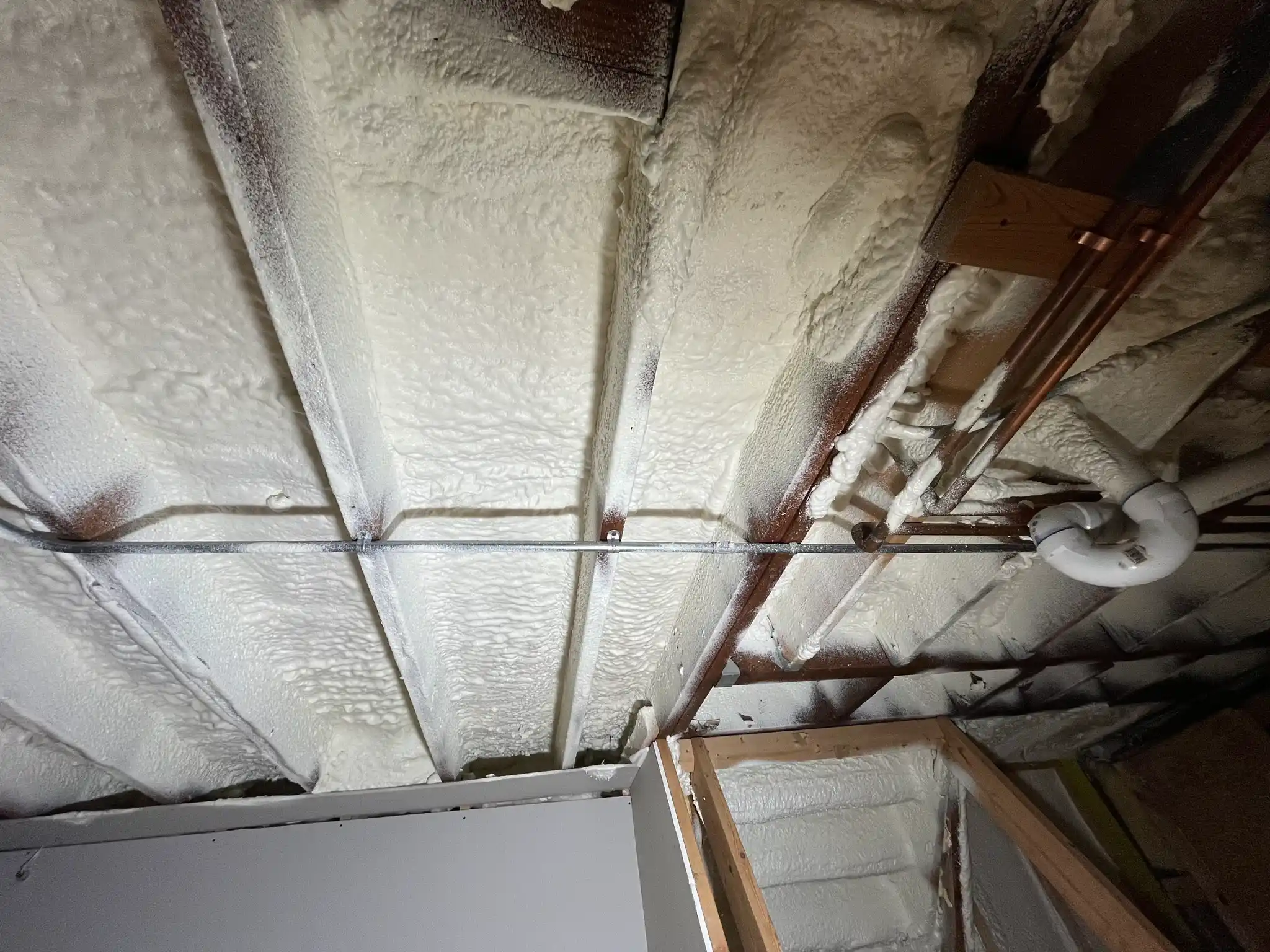
These examples represent typical projects we encounter across the Chicago metro area, from south suburbs like Orland Park and Frankfort to the North Side. Actual estimates will vary based on site-specific conditions. Our typical low project price is $2,300, our typical average project price is $5,000, and our typical high project price is $8,000.
| Home Type | Location | Crawl Space Size | Scope of Work | Estimated Cost |
|---|---|---|---|---|
| 1920s Brick Bungalow | Beverly | 800 sq ft | Rim joist spray foam + fiberglass floor joist insulation | $2,200 to $3,500 |
| 1970s Ranch | Orland Park, IL | 1,200 sq ft | Closed-cell spray foam on walls + vapor barrier | $4,800 to $7,200 |
| 1960s Split Level | Arlington Heights | 1,000 sq ft | Full encapsulation with dehumidifier | $7,500 to $10,500 |
| New Construction | Naperville | 1,500 sq ft | Rigid foam board on walls + sealed vapor barrier | $4,000 to $6,000 |
| 1940s Frame Cottage | Blue Island | 600 sq ft | Mold remediation + encapsulation + new insulation | $8,000 to $12,000 |
| 1980s Two-Story | Joliet, IL | 900 sq ft | Spray foam insulation only, rim joist sealed | $2,300 to $4,000 |
| 1970s Ranch | Homer Glen, IL | 1,100 sq ft | Partial encapsulation + vapor barrier | $3,800 to $6,500 |
| 1950s Cape Cod | Lockport, IL | 700 sq ft | Full encapsulation + dehumidifier | $5,500 to $8,000 |
| 1960s Split Level | New Lenox, IL | 1,000 sq ft | Closed-cell spray foam walls + vapor barrier + dehumidifier | $6,000 to $8,000 |
Chicago winters are hard on homes without proper below-grade protection. When your crawl space is uninsulated or poorly insulated, cold air infiltrates through the floor, forcing your furnace to work harder and longer. The impact is measurable.
The EPA estimates that proper insulation delivers an average of 15 percent savings on heating and cooling costs. In a Chicago home spending $2,400 per year on natural gas and electricity for climate control, that translates to roughly $360 in annual savings. For homeowners who upgrade to full encapsulation with spray foam, savings of $400 to $700 per year are realistic, especially in older homes with significant air leakage.
Beyond energy savings, crawl space insulation protects against frozen pipes in winter, reduces humidity that damages hardwood floors above, and prevents mold growth that can affect indoor air quality. These are costs that are much harder to quantify but far more expensive to ignore.
A typical $5,000 encapsulation project (our average project price) paying $500 per year in energy savings delivers a full return in approximately 10 years. Factor in avoided pipe repairs, reduced HVAC wear, and improved resale value, and the payback period shrinks considerably.
Ideal candidates:
This may not be the right investment right now for:
What does it actually cost to leave your crawl space uninsulated in Chicago? Over a 10-year period, the numbers are not small.
The cost of inaction is not zero. It compounds every winter.
Every crawl space is different, and national averages only tell part of the story. At South Chicago Insulation, we provide detailed, written estimates based on an on-site inspection of your crawl space. We measure exact square footage, assess existing conditions, identify moisture or structural concerns, and recommend the most cost-effective solution for your home and budget. Our typical low project price is $2,300, our typical average project price is $5,000, and our typical high project price is $8,000. Our team serves homeowners across the Chicago metro area and understands the specific challenges of insulating crawl spaces in Climate Zone 5. We regularly work in communities such as Frankfort, IL; Orland Park, IL; Homer Glen, IL; Joliet, IL; Lockport, IL; and New Lenox, IL.
Request a Quote | Schedule a Crawl Space Assessment
Call us at (779) 803-8025 or email [email protected] to get started. We answer every call, show up on time, and stand behind our work with warranties you can count on.
Most standard crawl space insulation projects take 1 to 3 days depending on the size of the space and the scope of work. Full encapsulation with a dehumidifier typically requires 2 to 4 days. If mold remediation or structural repairs are needed, add 1 to 3 additional days.
For Chicago homeowners, yes. Closed-cell spray foam delivers roughly double the R-value per inch compared to fiberglass, acts as a vapor barrier, and seals air leaks. In Climate Zone 5, where heating demands are high for roughly six months of the year, the energy savings and moisture protection typically justify the higher upfront investment.
You can install fiberglass batts or rigid foam board as a DIY project, but spray foam application requires professional equipment, training, and safety gear. Improper installation can trap moisture, reduce effectiveness, and even create fire hazards. For most homeowners, the labor cost is justified by correct installation and the warranty that comes with it.
Yes. By reducing heat loss through the floor and air infiltration from the crawl space, your furnace runs less frequently and your HVAC system operates more efficiently. Homeowners can expect 10 to 30 percent savings on energy bills after proper crawl space sealing and insulation.
Musty odors are almost always caused by moisture and mold in the crawl space rising through the floor into your living area. Insulation combined with a vapor barrier and proper ventilation or dehumidification addresses the root cause by controlling humidity and sealing off the crawl space environment. Most homeowners notice a significant improvement in indoor air quality within days of installation.