The Complete Guide to Crawl Space Encapsulation: Benefits, Process, Costs, and Maintenance
Bob Gasca
October 8th, 2026
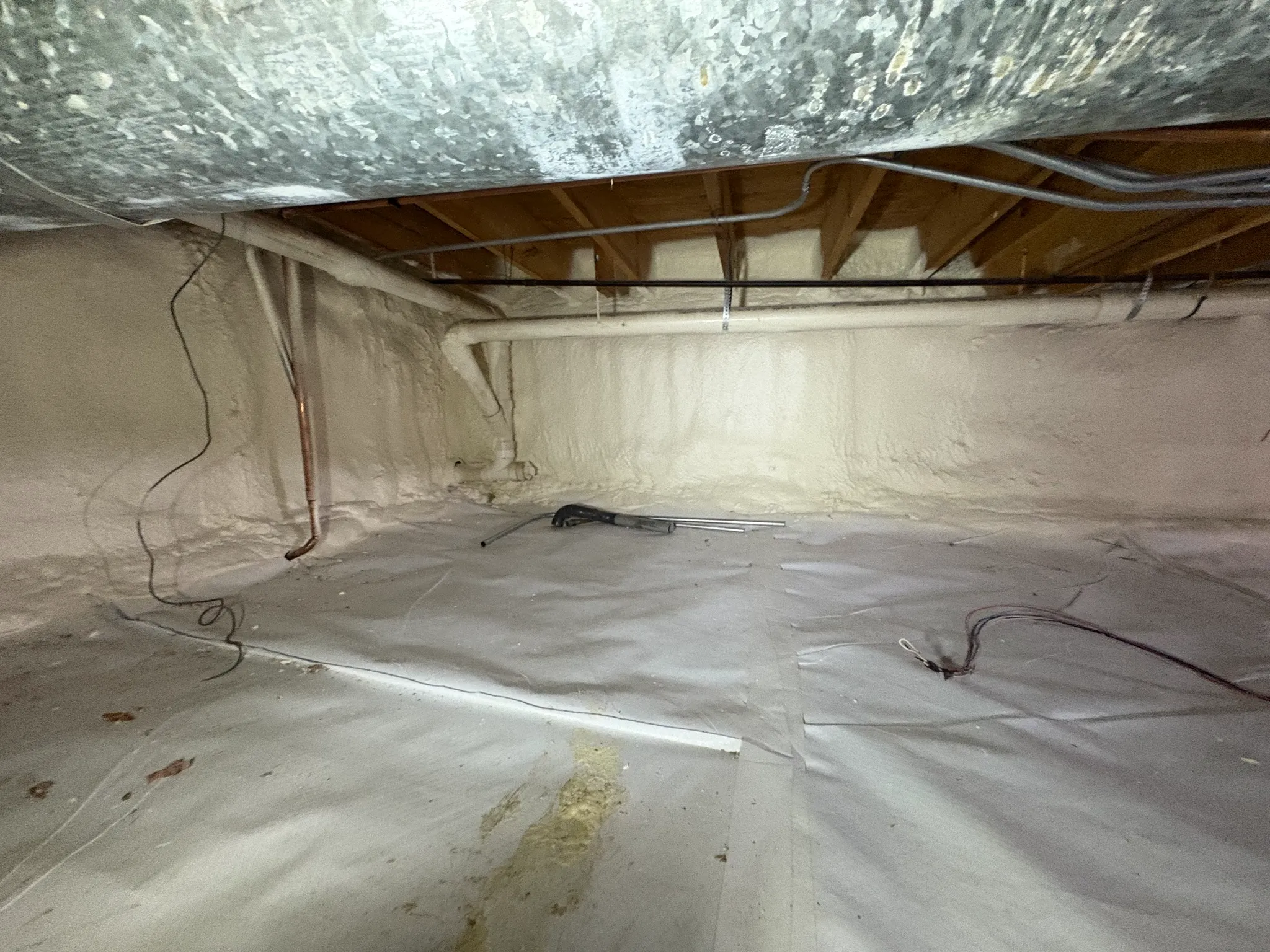
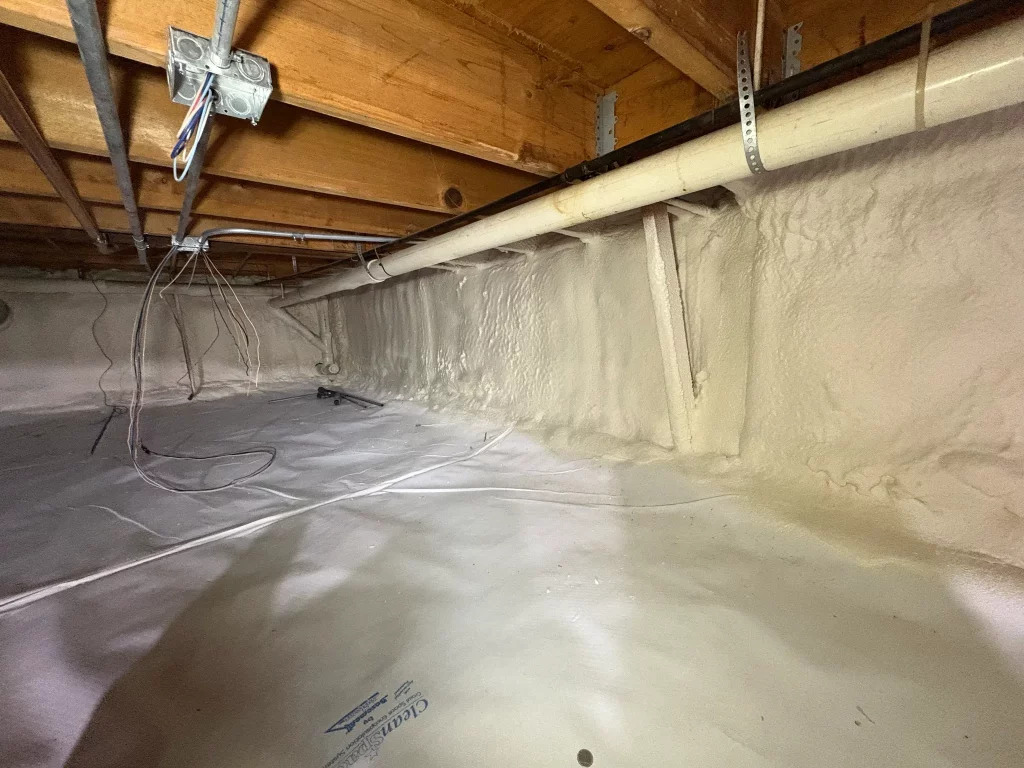
Crawl space encapsulation seals the crawl space from ground moisture and uncontrolled outside air by creating a continuous moisture-control and air-sealing system. A proper system may include a sealed ground vapor retarder, sealed walls and penetrations, insulation, and a way to control temperature and humidity.
The goal isn’t simply to cover the dirt floor with plastic. Treat the crawl space as a connected system. Moisture sources, drainage, air movement, insulation, and humidity control all affect how well the finished space performs.
TL;DR
Encapsulation controls moisture: A sealed ground cover helps limit water vapor coming from the soil.
The process involves more than a vapor barrier: Air sealing, wall treatment, insulation, drainage, and humidity control may all matter.
Address active water problems first: Encapsulation shouldn’t hide leaks, standing water, or drainage failures.
Costs vary: Crawl space size, existing moisture problems, access, repairs, materials, and the final system all affect the price.
Maintenance still matters: Check the barrier, crawl space humidity, drainage, and signs of water intrusion after installation.
What Is Crawl Space Encapsulation And How Does It Work?
Crawl space encapsulation creates a controlled separation between the crawl space and moisture sources and outside air. Crawl space encapsulation solutions can vary depending on the property, but the basic approach centers on sealing the ground and controlling the crawl space perimeter.
A typical system may use a continuous vapor retarder across an exposed earth floor, with seams, edges, penetrations, walls, and piers sealed as part of the installation. EPA Indoor AirPlus specifications also call for sealed vapor-retarder detailing in crawl spaces without concrete slabs.
That makes encapsulation different from simply laying plastic over the soil.
A properly planned crawl space may also need perimeter insulation and air sealing. Building Science Corporation recommends treating a sealed crawl space more like a small basement, with the ground vapor sealed, perimeter walls insulated and air sealed, and humidity controlled.
The important point is that the barrier is only one part of the system. If rainwater, groundwater, plumbing leaks, or drainage problems are still putting water into the crawl space, sealing the space doesn’t remove the underlying source.
Why Encapsulate A Crawl Space?
Moisture is one of the main reasons property owners consider encapsulation. Bare soil can release water vapor into the crawl space, while outside air can introduce moisture under the right weather conditions.
A sealed ground cover reduces moisture migration from the soil. Other parts of the system address air leakage, condensation, and humidity. The U.S. Department of Energy’s Building America guidance recommends covering exposed crawl space soil with a continuous vapor retarder and sealing the material to the walls.
The approach can also matter for crawl spaces containing ducts, plumbing, or mechanical equipment. A damp environment can create conditions that affect building materials and equipment over time.
But encapsulation isn’t a cure for every crawl space problem. If you find standing water, foundation leakage, plumbing leaks, or poor drainage, those issues need attention before or as part of the encapsulation work.
What Are The Main Benefits And Limitations?
Encapsulation can make a crawl space easier to control, but the results depend on how the system is designed and installed.
Potential benefits include:
Better moisture control: A sealed ground vapor retarder limits water vapor entering from exposed soil.
Better control of outside air: Air sealing reduces unwanted air movement through crawl space openings.
A more controlled environment: Insulation and humidity control can help maintain more stable crawl space conditions.
Protection of building materials: Controlling moisture can reduce conditions that contribute to moisture-related deterioration.
A cleaner crawl space: A properly installed ground cover creates a more durable surface than exposed soil.
There are limits, too. Encapsulation doesn’t automatically solve bulk water problems. Drainage, grading, plumbing leaks, foundation moisture, and other water sources may need separate solutions.
The final system also has to account for how the crawl space will dry and how humidity will be controlled. EPA moisture-control guidance recommends monitoring relative humidity and using appropriate humidity-control measures when needed.
How Is A Crawl Space Encapsulated?
A good installation starts with the crawl space’s condition, not the liner. The installer needs to understand where moisture is coming from and what the finished space needs to accomplish.
Inspect And Address Moisture Sources
Before sealing the space, look for standing water, plumbing leaks, foundation seepage, drainage problems, and other moisture sources.
This step matters because a vapor retarder can limit soil moisture, but it can’t repair a leaking pipe or stop water that is entering through the foundation.
Prepare And Seal The Crawl Space
The ground may need to be cleared and prepared so sharp debris doesn’t damage the vapor-retarder material. EPA guidance specifically recommends preparing the ground and sealing or taping seams and penetrations in crawl spaces without concrete slabs.
The installer then places the ground vapor retarder and connects it to the walls and piers as appropriate. Sealing openings and other air leakage paths is also part of creating a controlled space.
Address Insulation And Humidity Control
The wall and floor insulation strategy should match the crawl space design. A sealed crawl space may use perimeter insulation rather than simply insulating the floor above it.
The space also needs a drying or humidity-control strategy. Depending on the property, that can involve conditioning or dehumidification. The right approach depends on the building, climate, moisture conditions, and applicable requirements.
How Much Does Crawl Space Encapsulation Cost?
There isn’t one reliable price that applies to every crawl space. A small, accessible space with few existing problems can have very different requirements from a large crawl space with standing water, damaged insulation, difficult access, or drainage work.
Before comparing estimates, ask what each contractor has included.
Cost Factor
Why It Matters
Crawl space size
More floor and wall area generally means more material and labor.
Existing moisture
Leaks, standing water, or drainage issues can add work before encapsulation.
Access
Tight or difficult-to-reach spaces can take more labor to prepare and seal.
Vapor-retarder system
Material type, thickness, seams, and attachment details affect the installation.
Insulation
Wall insulation or other insulation work may be part of the overall system.
Humidity control
Some crawl spaces need a dedicated method to control moisture in the air.
Repairs and preparation
Damaged surfaces, debris, old insulation, or other problems can change the scope.
A useful estimate should explain what is being installed and what problems need to be corrected first, rather than giving you a number with no description of the work.
How Do You Maintain An Encapsulated Crawl Space?
Encapsulation reduces ongoing exposure to moisture, but it doesn’t mean the crawl space can be ignored.
Periodically check the visible vapor-retarder surface for tears, loose sections, or damaged seams. Also look for new water intrusion, plumbing leaks, condensation, or changes in humidity.
Keep drainage systems working as intended and address leaks promptly. If the crawl space has a humidity-control system, make sure it continues to operate properly.
Maintenance is easier when problems are caught early. A small damaged section or plumbing leak can be addressed before it becomes a larger moisture problem.
Is Crawl Space Encapsulation Right For Every Property?
Not necessarily.
The right solution depends on the crawl space’s construction, moisture sources, drainage, climate, insulation strategy, and how the space is intended to operate. Building Science Corporation’s guidance emphasizes that crawl spaces need both moisture control and a way to remain dry, rather than simply being sealed and forgotten.
That distinction is important when comparing contractors. Ask how the proposed system will handle ground moisture, bulk water, air leakage, insulation, and humidity.
A good plan should address the conditions that caused the crawl space problem in the first place.
Talk With South Chicago Insulation About Crawl Space Encapsulation
If you’re considering crawl space encapsulation, South Chicago Insulation can discuss the conditions you’re dealing with and help you determine what the project needs.
Frequently Asked Questions About Crawl Space Encapsulation
Is Crawl Space Encapsulation Worth It?
It can be worthwhile when moisture and uncontrolled air movement are creating problems in the crawl space. The value depends on the condition of the space and whether the proposed system addresses the actual sources of moisture.
Does Encapsulation Stop All Crawl Space Moisture?
No. A ground vapor retarder can limit moisture coming from exposed soil, but it won’t fix active plumbing leaks, foundation water intrusion, or drainage problems. Those sources need to be addressed separately.
Does An Encapsulated Crawl Space Need Humidity Control?
It may. A sealed crawl space still needs a way to stay dry. The appropriate approach depends on the building and local conditions and may involve conditioning or dehumidification.
How Long Does Crawl Space Encapsulation Last?
There isn’t one universal lifespan for every encapsulation system. Durability depends on the materials, installation quality, crawl space conditions, and whether the barrier is protected from damage. Regular inspection can help identify problems before they spread.
What Should I Ask A Crawl Space Contractor?
Ask what moisture sources were found, how those sources will be addressed, what vapor-retarder system will be installed, how seams and wall connections will be sealed, how insulation will be handled, and how the finished crawl space will stay dry.
Sources
Building Science Corporation – Guidance on crawl space moisture control, ground vapor sealing, perimeter insulation, air sealing, and humidity control.
U.S. Department of Energy – Building America guidance on controlling soil moisture in crawl spaces with continuous ground vapor retarders.
U.S. Environmental Protection Agency – Indoor AirPlus requirements and recommendations for vapor-retarder installation and crawl space moisture control.
I’m Bob Gasca, with over 16 years of spray foam experience and training that began in 2007. South Chicago Insulation, LLC was established in January 1984, bringing more than four decades of experience in the insulation industry. I’m a certified Spray Foam Master Installer, SPFA member, and Spray Foam Worldwide Ambassador specializing in moisture and air infiltration solutions.