A Complete Guide to Crawl Space Encapsulation and Its Benefits
This crawl space encapsulation guide shows how to seal the ground, walls, and vents so damp air can’t reach your…


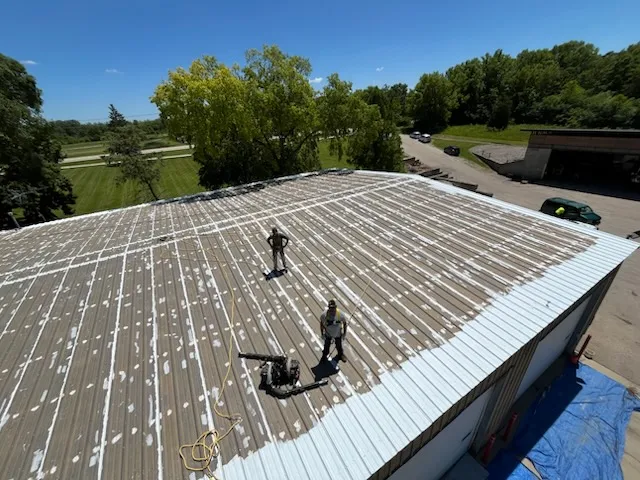
Commercial roof coating lifespan typically runs 10 to 20 years, depending on the coating type, roof condition, drainage, and upkeep. Silicone often outlasts acrylic where water ponds. Inspecting twice a year, keeping drains clear, and recoating before the film wears through helps you reach the high end of that range.
No coating has one fixed expiration date. The range is wide because chemistry, thickness, and the roof underneath all play a part. One report from FacilitiesNet says a coating typically lasts at least 10 years, and yearly cleaning and inspection can roughly double that. That gap is where roof coating service life gets decided, and most of it sits in your hands.
Those figures come mostly from installers and manufacturers, and they vary by source, so use them for planning only. Elastomeric roof coating longevity also depends on film thickness, because a thin coat wears through faster than the thickness the manufacturer specifies. Compare cost over the full life of the coating, not just the first bid. The cheapest product often needs recoating sooner.
Two roofs with the same product can age very differently. Water, prep, and wear explain most of the gap.
The main factors affecting roof coating longevity are easy to check on a site walk:
Commercial roof coating durability starts with a clean, sound surface. A coating is only as strong as its bond, so skipping repairs or rushing prep often costs you years later.
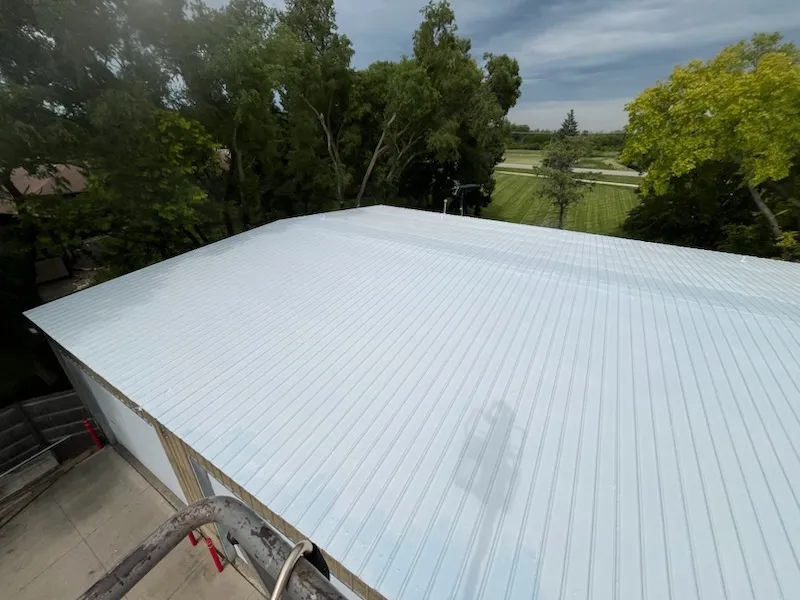
Recoating before the film wears through is cheaper than waiting for leaks. Your timeline should come from the product spec and what you find on the roof.
A workable commercial roof recoating schedule starts with the manufacturer’s requirements and your inspection records. Guidance from the Roof Coatings Manufacturers Association, adapted by FacilitiesNet, suggests refreshing white coatings every three to seven years to keep reflectivity. Coating type, roof type, and climate all shift that number, and a new topcoat usually costs less than the original coating. Before you choose a topcoat, ask your installer to check adhesion and compatibility. Not every product bonds to every existing coating, and a bad match can peel within a season or two.
Coatings usually give warning before they fail. Catch these early, and a recoat may be all you need.
Signs a roof coating needs replacement go beyond surface wear. Leaks that return after repairs, soft spots, or wet insulation often point to a bigger problem, and a recoat alone won’t solve it. In that case, have a roofer check whether the roof system itself needs replacing.
You don’t need a big budget to protect the coating you’ve already paid for. Most of what helps is routine.
Here are practical ways to extend roof coating life:
If your coating is near the 10-year mark or showing any of these warning signs, we can help you sort out whether it needs a recoat or something bigger. Contact South Chicago Insulation at (779) 803-8025 or [email protected], and tell us what you’re seeing up there.
Often, yes. It works as long as the old coating still bonds to the roof and the new product is compatible, so have your installer test adhesion first.
Light foot traffic for inspections is normal. Repeated walking wears the film, so walkway pads along service routes protect it.
Generally, yes. A properly applied thicker film has more material to wear away, which is why manufacturers specify a dry thickness in mils.
Slightly. Wind-blown dirt dulls the surface, but a white coating still blocks UV, and cleaning or a fresh topcoat restores some of the shine.
Generally not without special treatment, since the coating needs a clean surface to bond to. Ask your installer about alternatives.