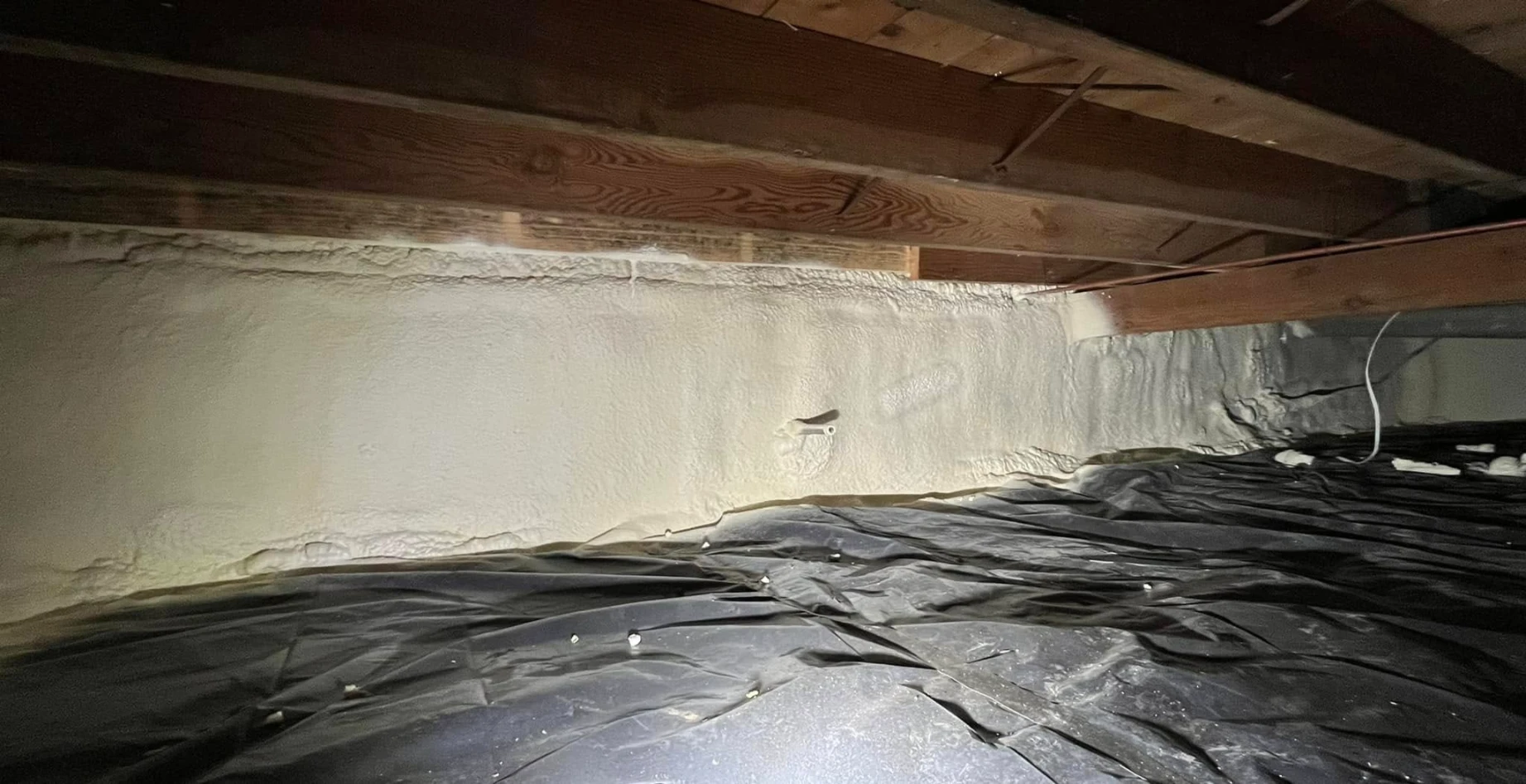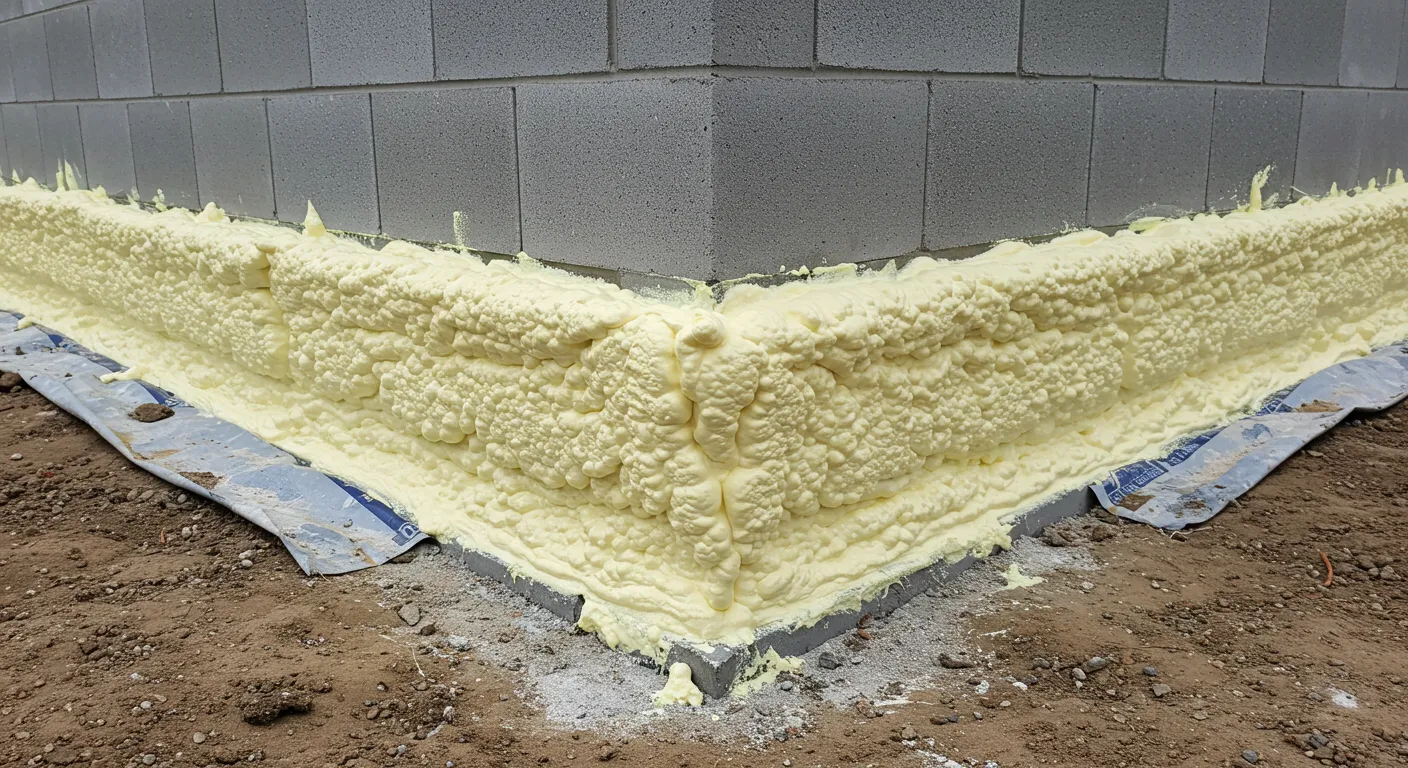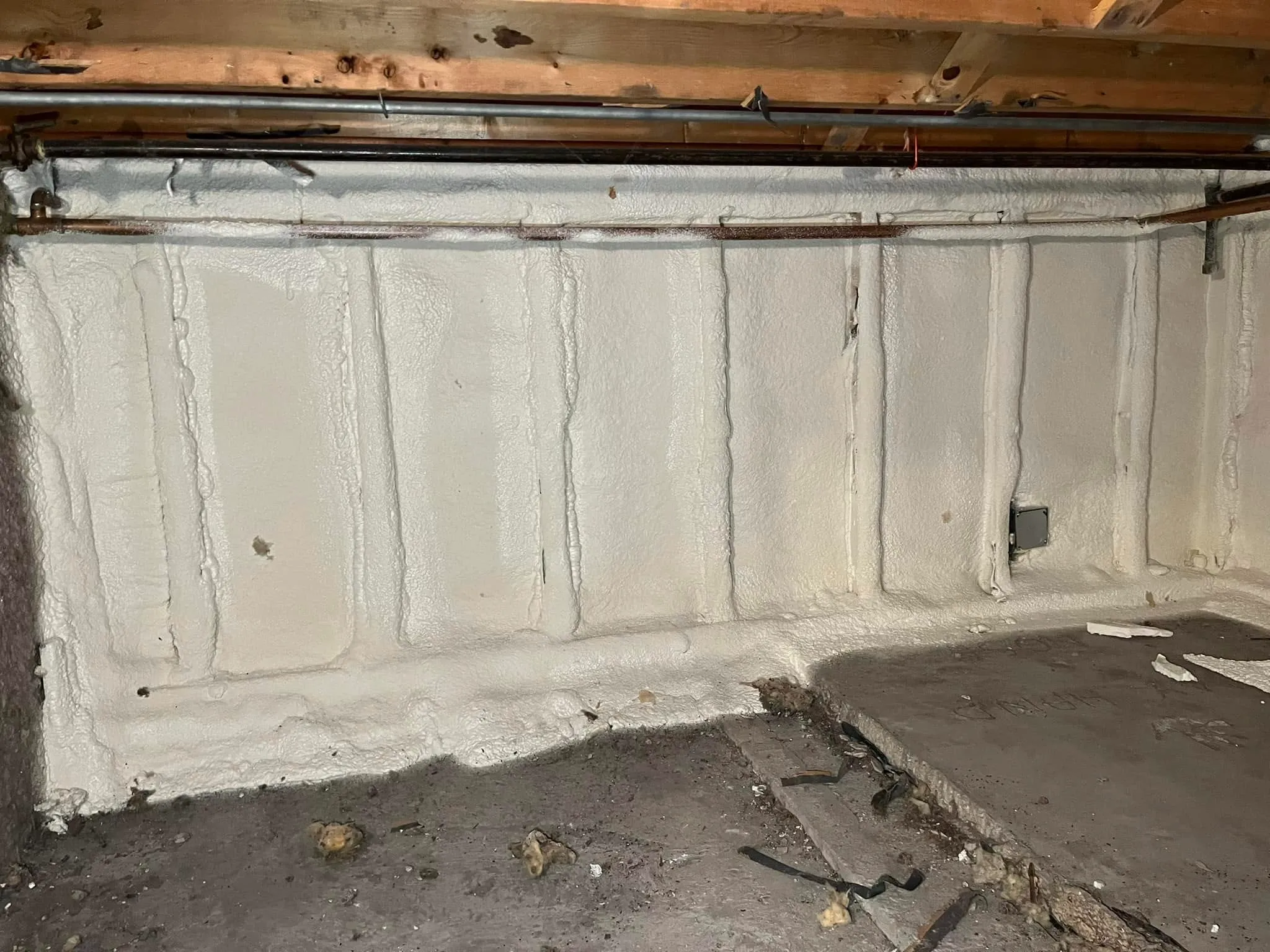
What Is Foundation Insulation and Why Is It Important for Residential Buildings?
Foundation insulation is the application of thermal materials to the walls, floors, or slabs of a building’s foundation to create…

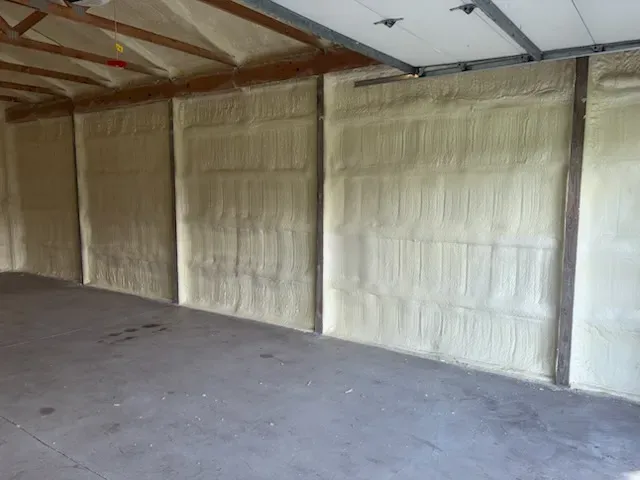
Yes, commercial insulation is one of the most effective investments you can make to extend your HVAC system’s lifespan and prevent costly premature failures. When properly installed in walls, ceilings, ductwork, and building envelopes, insulation creates a thermal barrier that reduces the operational stress your HVAC equipment experiences daily. This translates to fewer repairs, lower energy bills, and a system that reaches or exceeds its expected 15-to-20-year service life instead of failing after just 8 to 12 years.
The connection between insulation and HVAC longevity works through three primary mechanisms. First, adequate insulation reduces the thermal load your system must handle by preventing unwanted heat transfer between interior and exterior spaces. Second, it stabilizes indoor temperatures so your equipment cycles less frequently and runs more efficiently. Third, it prevents moisture infiltration that leads to corrosion, mold, and mechanical failures in ductwork and equipment components. For commercial building owners managing six-figure HVAC replacement costs, the relatively modest investment in quality insulation installation typically delivers a return on investment within three to five years through reduced energy consumption and extended equipment life, especially when supported by building insulation improvements.
Commercial HVAC equipment operates under demanding conditions that create mechanical stress with every heating and cooling cycle. The primary culprit behind premature failure is not manufacturing defects or aging components, but rather the operational strain placed on equipment when the building envelope fails to support stable thermal conditions. When hot summer sun bakes an inadequately insulated roof, the HVAC system must work continuously to remove heat that continuously flows through the building shell. Similarly, during winter months, heat escapes through poorly insulated walls and ceilings, forcing heating equipment to run nearly continuously to maintain occupancy comfort.
This excessive cycling creates a cascade of mechanical problems. Compressors in air conditioning units experience more wear when they cycle on and off frequently instead of running at steady state. Heat exchangers in furnaces endure thermal expansion and contraction stress that eventually leads to cracks and failures. Motors and fans in air handling units work harder and longer when temperature differentials across the building envelope remain extreme. The cumulative effect is a system that might last 20 years under ideal conditions failing within 10 to 12 years when insulation and sealing are inadequate.
Beyond thermal stress, moisture represents a silent killer of HVAC equipment. When warm, humid outdoor air enters uninsulated ductwork in air conditioned spaces, the temperature differential causes condensation to form on duct surfaces. This moisture leads to mold growth, corrosion of metal components, and deterioration of insulation materials inside the ducts themselves. The result is degraded indoor air quality, reduced system efficiency, and premature equipment failure from corrosion and biological contamination.
Commercial insulation provides HVAC protection through multiple mechanisms that work together to reduce operational stress and extend equipment life. The first and most significant mechanism is load reduction, which refers to decreasing the amount of heat that enters or escapes a building through its envelope. High-performance insulation in walls, roofs, and floors creates a thermal barrier that keeps cooled air inside during summer and prevents heat loss during winter. The U.S. Department of Energy estimates that heating and cooling account for approximately 50 percent of energy use in typical commercial buildings, and the majority of this energy consumption is driven by envelope deficiencies that insulation directly addresses.
The second mechanism is temperature stabilization, which prevents the dramatic temperature swings that cause equipment to cycle excessively. When insulation maintains consistent interior temperatures, HVAC systems operate in more stable conditions with longer run times at steady state rather than frequent on-off cycling. This stable operation reduces compressor wear, minimizes heat exchanger stress, and decreases motor fatigue. Equipment running under stable conditions experiences significantly less mechanical degradation and operates more efficiently throughout its service life.
The third protective mechanism involves moisture management. Modern commercial insulation materials, particularly spray foam and rigid foam board products, create air barriers that prevent humid outdoor air from entering building cavities and ductwork. By controlling moisture infiltration, insulation prevents the condensation, mold growth, and corrosion that cause premature failures in HVAC components. This moisture protection extends beyond the equipment itself to include building structural elements, electrical systems, and interior finishes that all suffer when moisture management fails.
Duct insulation deserves special attention because ductwork represents one of the largest sources of energy loss in commercial buildings. According to industry research, uninsulated or poorly insulated ducts can lose 20 to 30 percent of conditioned air to leakage and thermal transfer before it reaches its intended destination. This waste forces HVAC systems to work significantly harder than their rated capacity to maintain comfortable conditions. Insulating ductwork with appropriate materials, typically R-8 or higher for commercial applications, dramatically reduces these losses and decreases equipment operational stress.
Different insulation materials offer distinct advantages depending on the application, budget, and performance requirements of your commercial building. Understanding these options helps building owners and property managers select the right approach for their specific circumstances.
| Insulation Type | Best Application | Typical R-Value | HVAC Protection Level | Cost Range |
|---|---|---|---|---|
| Spray Foam (Open Cell) | Walls, attics, irregular cavities | R-3.5 to R-4 per inch | Excellent air sealing and thermal barrier | $1.50 to $3 per board foot |
| Spray Foam (Closed Cell) | Walls, foundations, below-grade | R-6 to R-7 per inch | Superior moisture barrier and thermal performance | $2 to $4.50 per board foot |
| Rigid Foam Board | Roofs, walls, foundations | R-4 to R-6 per inch | High thermal resistance with moisture resistance | $0.50 to $2 per board foot |
| Fiberglass Batt | Standard wall cavities, drop ceilings | R-3 to R-4 per inch | Good thermal barrier, requires air sealing | $0.50 to $1.50 per board foot |
| Mineral Wool | Fire-rated assemblies, high-temperature areas | R-3 to R-4 per inch | Excellent fire resistance and acoustic control | $1 to $2.50 per board foot |
| Duct Wrap Insulation | HVAC ductwork | R-6 to R-8 | Reduces duct heat gain/loss by 20-30% | $2 to $5 per linear foot |
Spray foam insulation provides the highest level of HVAC protection because it simultaneously creates a thermal barrier and an air sealing solution. The material expands to fill gaps, cracks, and voids that would otherwise allow air leakage and thermal transfer. This comprehensive approach addresses envelope weaknesses that other insulation types cannot reach. Closed-cell spray foam offers the additional benefit of serving as a vapor barrier, which is particularly valuable in humid climates and below-grade applications.
Fiberglass and mineral wool batt insulation remain popular for commercial applications due to their cost-effectiveness and familiarity among contractors. However, these materials require careful attention to air sealing at seams, edges, and penetrations to achieve their rated thermal performance. Without proper air sealing, the R-value achieved in actual installation can fall significantly short of the material’s theoretical rating.
Recognizing the symptoms of insulation-related HVAC stress allows building owners to intervene before equipment reaches failure. The most common indicator is equipment that runs almost continuously without achieving desired temperature setpoints. When your HVAC system appears to work harder than expected while interior conditions remain uncomfortable, the building envelope is likely allowing significant thermal gains or losses that the equipment cannot overcome.
Rapid cycling, where equipment turns on and off frequently in short intervals, indicates thermal instability caused by poor insulation. A properly insulated building allows HVAC equipment to run for extended periods at steady state, which is the operating mode that causes the least wear on mechanical components. If you observe your rooftop units or air handlers cycling every few minutes, insulation deficiencies are likely contributing to the problem.
Rising energy consumption without corresponding increases in occupancy or equipment usage suggests envelope problems that insulation can address. Energy bills that climb year over year, particularly during seasons with extreme outdoor temperatures, often indicate that insulation has degraded over time or was never properly installed. Tracking energy consumption per square foot over time reveals these trends before they manifest as equipment failures.
Moisture problems in the building, including musty odors, visible mold growth, or water staining on walls and ceilings, point to insulation failures that allow humid outdoor air to enter building cavities. These moisture issues cause indoor air quality problems and accelerate corrosion of HVAC components, particularly in ductwork and air handling units.
The financial case for commercial insulation becomes compelling when comparing the cost of proper installation against the combined costs of premature HVAC failure and ongoing excessive energy consumption. Commercial HVAC replacement typically ranges from $40,000 for smaller packaged systems to $100,000 or more for large commercial rooftop units with complex ductwork distribution. Insurance costs, business disruption during installation, and engineering fees add significant expense to any replacement project.
Commercial insulation installation, according to industry pricing data, typically ranges from $15,000 for smaller retrofit projects to $40,000 for comprehensive envelope improvements in medium-sized commercial buildings, with large-scale projects reaching $100,000 or beyond depending on scope. The variation reflects differences in building size, existing construction, accessibility, and the specific insulation materials selected for different building assemblies.
For most commercial buildings, a comprehensive insulation retrofit pays for itself within three to seven years through energy savings alone. Beyond energy savings, extending HVAC equipment life by five to ten years by reducing operational stress provides substantial additional value. Preventing even one premature HVAC replacement through proper insulation and sealing provides financial benefits that substantially exceed the investment required to achieve proper envelope performance.
Buildings that qualify for utility rebate programs, tax incentives for commercial energy efficiency improvements, or green building certification benefits may find that insulation investments generate positive financial returns even before accounting for energy savings and extended equipment life. Investigating available incentive programs in your jurisdiction often significantly improves the economics of commercial insulation projects.
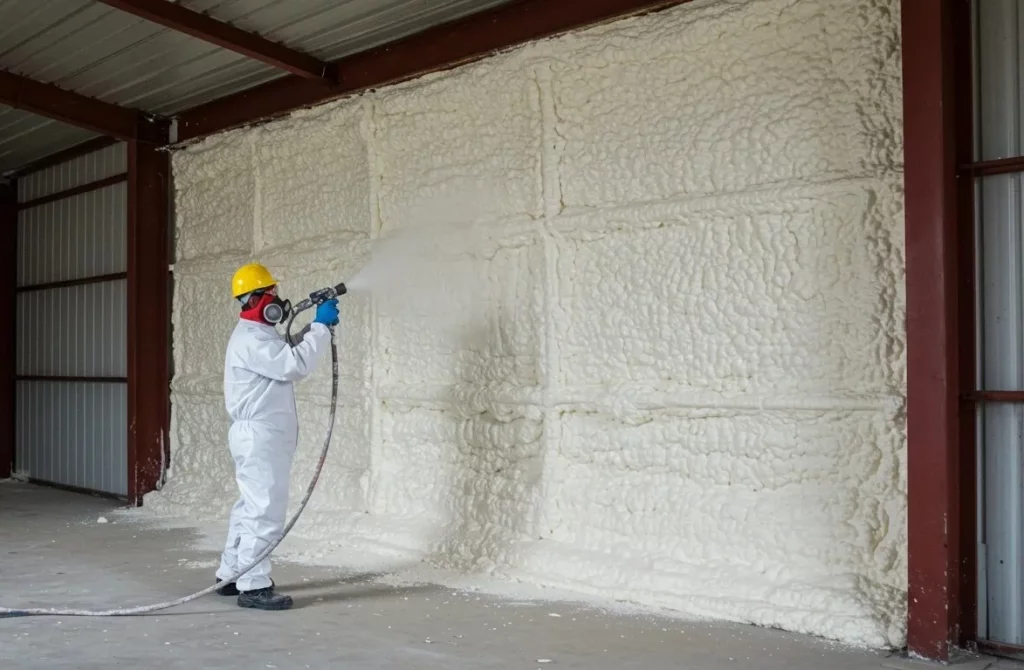
Building owners evaluating insulation solutions should look for specific indicators that distinguish comprehensive approaches from band-aid fixes that address symptoms without resolving underlying problems. The most important indicator is a thorough assessment that examines the entire building envelope including walls, roofs, foundations, windows, doors, and ductwork. Solutions that focus on a single building component while ignoring other significant sources of thermal transfer and air leakage rarely achieve their intended outcomes.
Quality insulation contractors should provide detailed analysis of current insulation levels, air leakage locations, and thermal bridging pathways that create excessive load on HVAC equipment. This assessment should include infrared thermography or similar diagnostic tools that reveal hidden deficiencies invisible to visual inspection alone.
The right approach addresses air sealing as an integral part of insulation rather than treating these as separate concerns. Insulation that is installed without addressing air leakage paths provides limited benefit because conditioned air escapes through the same gaps that allow unwanted heat transfer. Look for contractors who specify air sealing as part of their scope and include appropriate materials and techniques for achieving continuous air barriers.
Warranty coverage that protects your investment over the long term indicates contractor confidence in their work quality and material selection. Quality installations typically come with warranties of 10 years or longer, and some materials carry limited lifetime warranties from manufacturers. Be wary of approaches that come with minimal warranty protection or that rely on materials with limited track records in commercial applications.
Commercial insulation represents one of the most cost-effective strategies for protecting your HVAC investment and extending equipment service life. By reducing thermal load, stabilizing operating conditions, and preventing moisture damage, quality insulation addresses the primary causes of premature HVAC failure and delivers returns through lower energy costs, reduced repair expenses, and avoided replacement costs. Our team at South Chicago Insulation brings decades of experience designing and installing commercial insulation systems that maximize HVAC performance and longevity.
We provide comprehensive assessments that identify envelope deficiencies contributing to HVAC stress and develop customized solutions tailored to your building’s specific requirements and budget constraints. Our professionals understand the intersection between building envelope performance and HVAC equipment longevity, allowing us to deliver solutions that protect your mechanical systems while reducing operating costs.
Contact us today to schedule a consultation and discover how commercial insulation can extend your HVAC equipment’s service life and reduce your building’s energy consumption. Email us at [email protected] or call (779) 803-8025 to speak with one of our commercial insulation specialists. Investing in quality insulation is investing in the long-term performance and value of your commercial property.
How long does commercial insulation last before it needs replacement?
Quality commercial insulation materials, particularly spray foam and rigid foam products, can last 20 to 30 years or longer when properly installed. Fiberglass and mineral wool insulation typically maintains performance for 15 to 20 years but may require replacement sooner if exposed to moisture or physical damage. The key factor is maintaining the insulation’s integrity and addressing any moisture issues promptly.
What R-value is recommended for commercial building insulation?
Recommended R-values vary by building component and climate zone. Attic insulation in most commercial applications should achieve R-49 to R-60, while wall insulation typically targets R-20 to R-30 depending on construction type. Ductwork insulation should provide R-8 or higher resistance. The U.S. Department of Energy provides specific recommendations for each climate zone that building owners should consult when planning insulation upgrades.
Can I add insulation to my commercial building without disrupting operations?
Yes, many commercial insulation retrofit strategies can be implemented without significant disruption to building operations. Blow-in insulation for walls, spray foam in accessible attics, and duct wrap installation all allow buildings to remain occupied during work. Planning work during off-hours or seasonal low-occupancy periods further minimizes disruption.
What is the fastest way to determine if insulation is causing my HVAC problems?
An energy audit or building performance assessment provides the most comprehensive diagnosis of insulation-related HVAC stress. These assessments include blower door testing to measure air leakage rates and infrared thermography to identify insulation gaps and thermal bridging. Many utilities offer subsidized energy audits for commercial buildings.
Does spray foam insulation create any risks for HVAC equipment or indoor air quality?
When properly installed by experienced contractors, spray foam insulation poses no risks to HVAC equipment and can actually improve indoor air quality by reducing air leakage and controlling moisture. The key is ensuring adequate ventilation during installation and allowing proper cure time before occupancy. Working with qualified installers who follow manufacturer specifications eliminates health concerns.