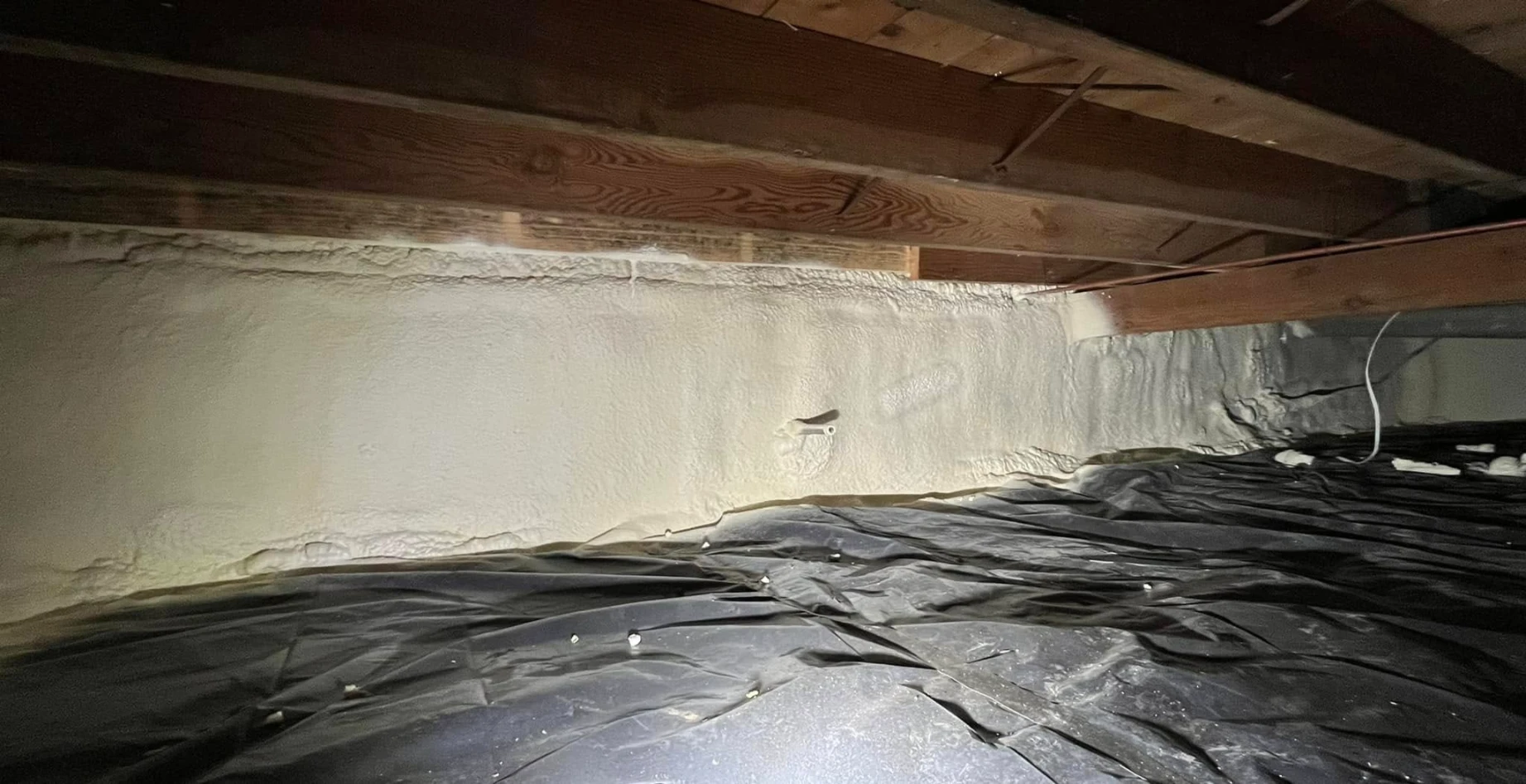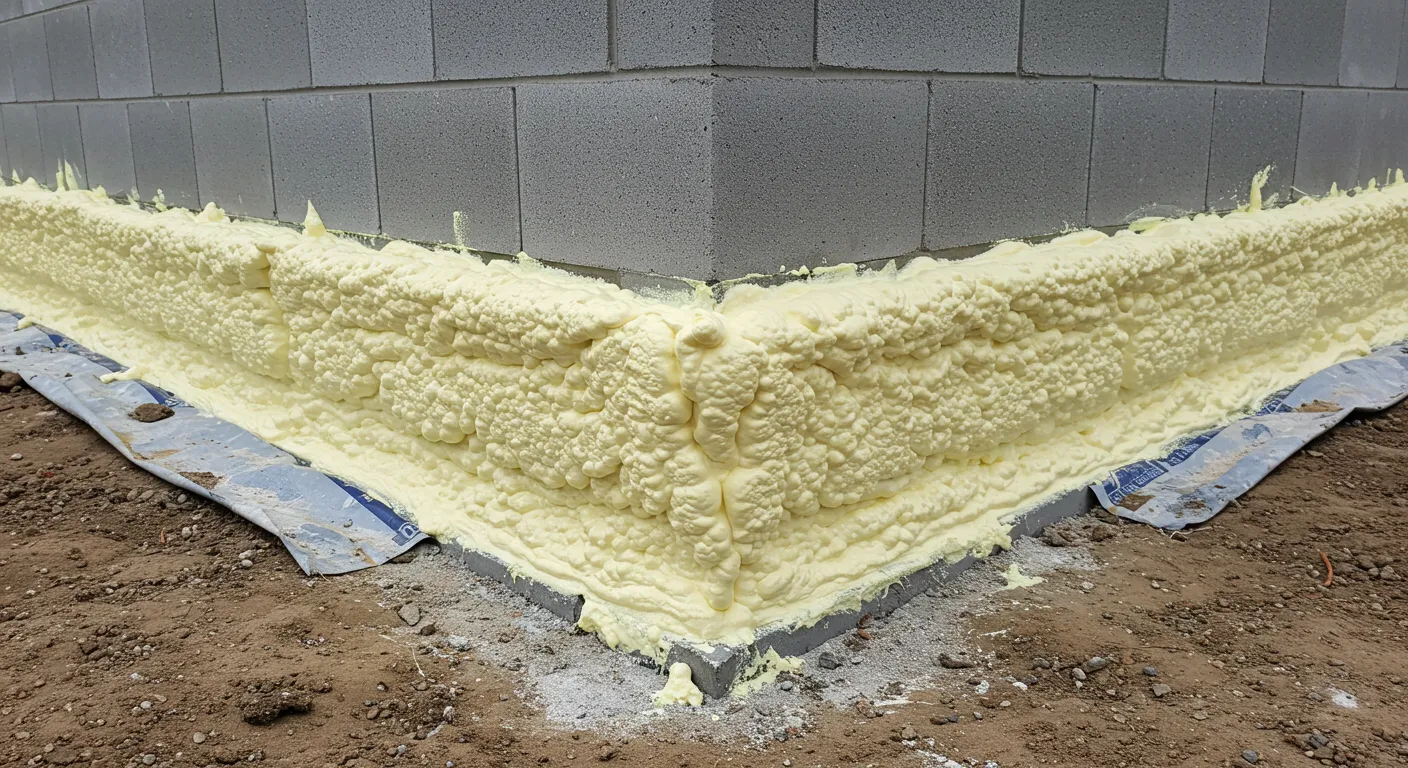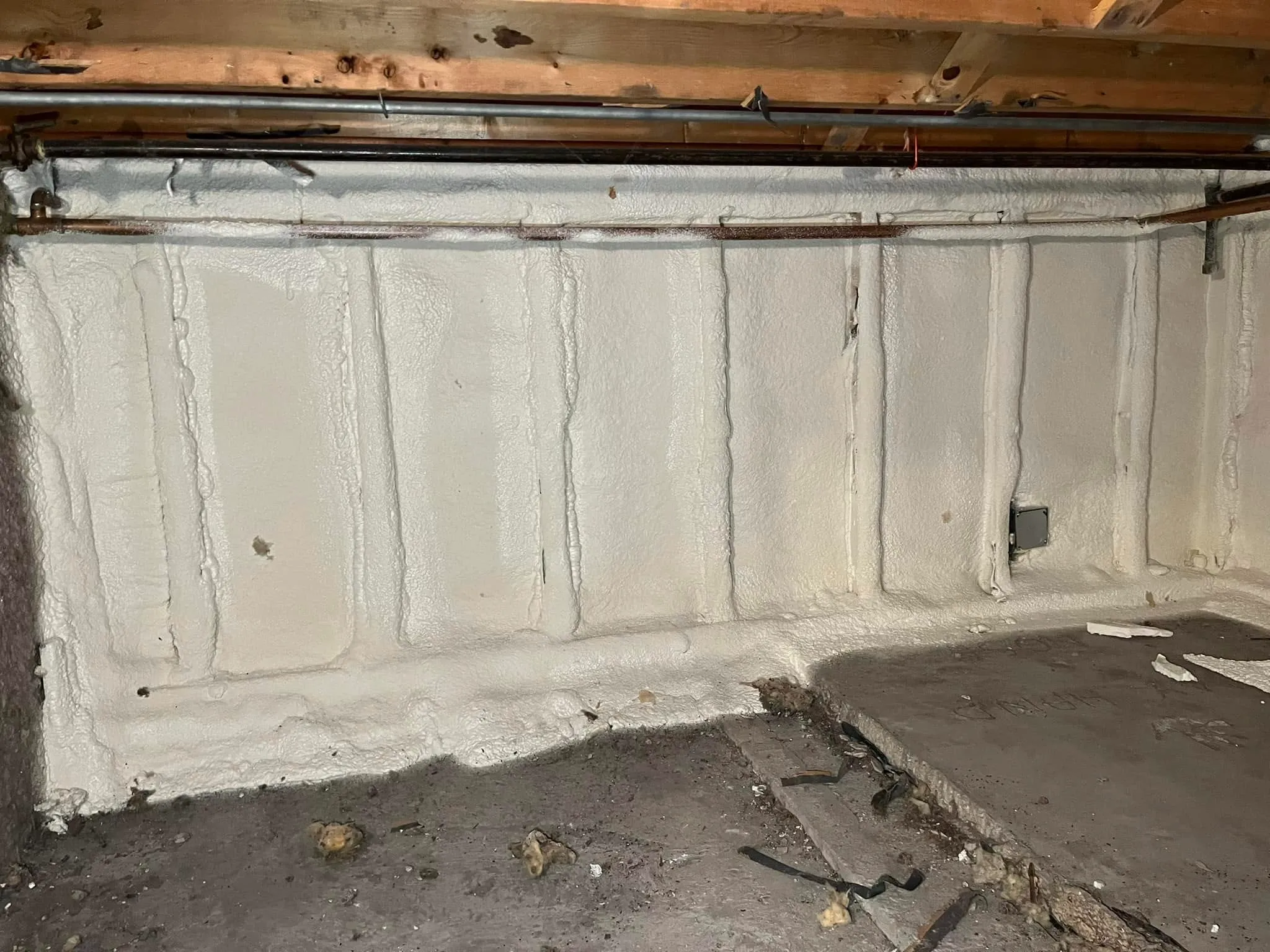
What Is Foundation Insulation and Why Is It Important for Residential Buildings?
Foundation insulation is the application of thermal materials to the walls, floors, or slabs of a building’s foundation to create…


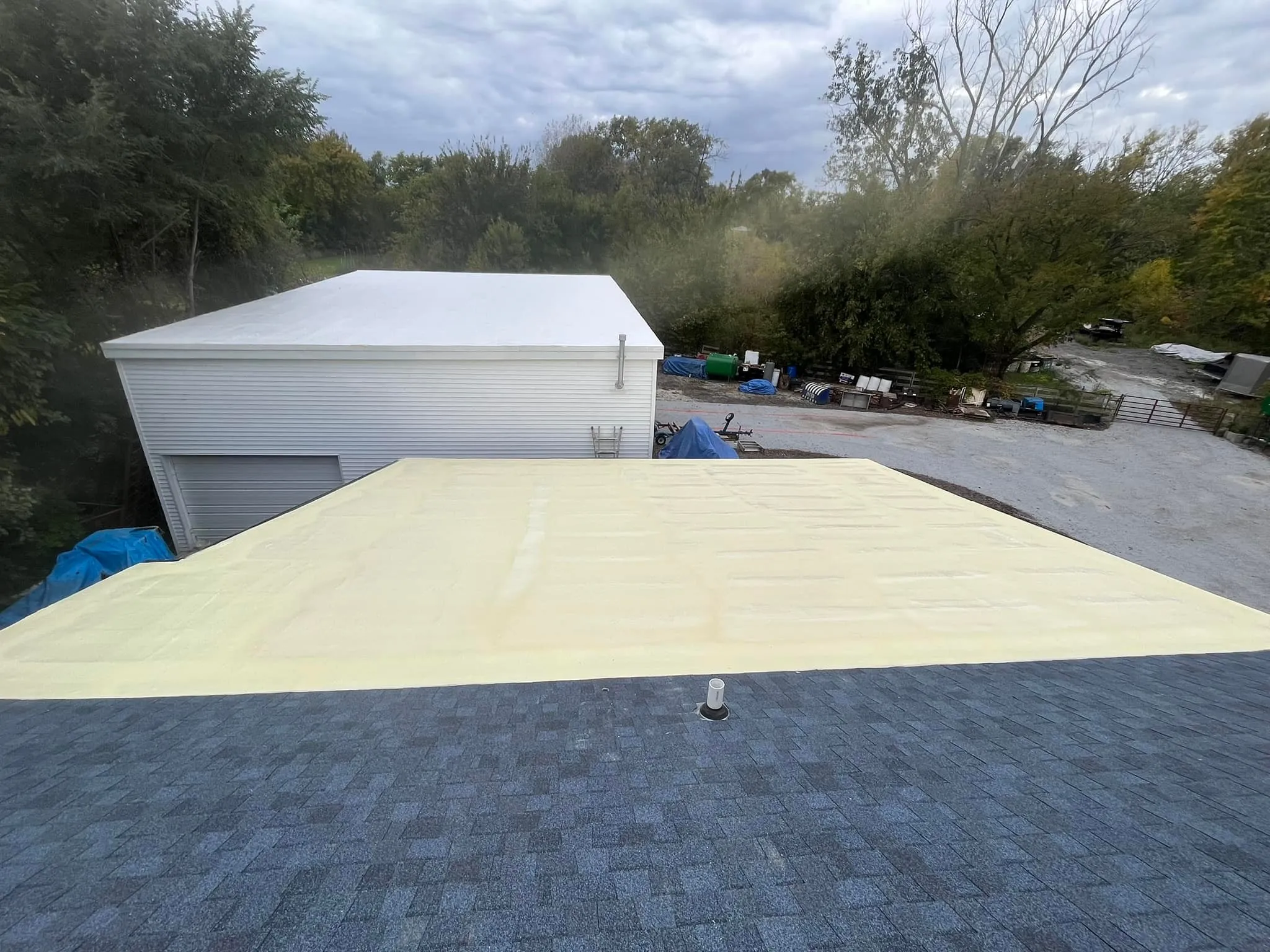
A small commercial roof problem rarely stays small. An open flashing, a punctured membrane, or a clogged drain lets water into the roof assembly, where it soaks insulation, feeds mold, and rots decking long before a stain ever appears on the ceiling. Because most commercial buildings use low-slope roofs where water can travel a long way from the entry point, small commercial roof problems tend to escalate quietly, turning a minor repair into saturated insulation, health complaints, structural work, and business interruption. Commercial roof coating fire safety can be considered when evaluating roofing systems where fire performance and long-term protection are important. The right response depends on your roof type, building use, and how long moisture has been present, but the pattern of damage is remarkably consistent, and understanding it is the first step toward protecting your building and your budget.
Small roof defects follow a predictable progression. The tricky part is that each stage looks manageable on its own, which is exactly why building owners postpone action.
| Stage | What Is Happening | Visible Signs | Consequence If Ignored |
|---|---|---|---|
| 1. Membrane breach | Small puncture, split seam, or open flashing admits water | Barely visible; often nothing from inside | Water spreads through the assembly unnoticed |
| 2. Insulation saturation | Water soaks the insulation layer beneath the membrane | Subtle energy cost increase; possible musty odor | R-value collapses, energy bills climb, mold takes hold |
| 3. Decking and structure | Rot develops in decking and structural members | Spongy areas on the roof, interior stains | Deck sags, creating ponding that accelerates failure |
| 4. Interior and occupants | Water and mold spores reach occupied space | Stains, drips, allergy-like symptoms, complaints | Health liability, damaged inventory, downtime |
| 5. Structural risk | Saturation adds dead load; frozen ponding breaks surfaces | Visible deflection, recurring ice problems | Repairs shift from roofing to structural engineering |
The critical insight from roofing maintenance literature is that if a leak occurs on a flat roof, damage often goes unnoticed for a considerable time as water penetrates and soaks the decking and any insulation beneath it. Once soaked decking begins to sag, it creates more room for water to accumulate, which worsens the problem in a self-reinforcing cycle Wikipedia – Flat Roof. By the time you see the issue indoors, you are typically paying for structural repairs, not a roof patch.
As an insulation company, this is where we see the most preventable waste. Roof insulation sits directly beneath the membrane, so it is the first layer a leak hits. Once insulation is wet, its R-value is essentially destroyed, meaning your HVAC system works overtime against a thermal blanket that has stopped working. The building envelope exists to control the flow of air, water, and heat, and research on envelope performance shows that uncontrolled air and heat movement can account for a double-digit percentage of a building’s heat loss on its own. A wet roof assembly quietly erodes that control layer for months before anyone connects the dots to a higher utility bill.
When saturation is caught early, the insulation may sometimes be saved by repairing the leak. If it has progressed to sunken, waterlogged areas, replacement is the only option, and the scope of replacing damaged commercial insulation adds cost beyond the roofing repair itself. Our commercial roof coating solutions can be considered as part of a broader approach to protecting commercial roofing systems, with projects typically ranging from $15,000 on the low end to $100,000 or more for large or complex buildings. One factor that raises that price is the removal of old, moisture-damaged insulation.
The EPA is blunt about the root cause: the best way to control mold growth is to control moisture, and mold has a significant impact on indoor air quality once it starts growing indoors. A slow roof leak is the perfect moisture source because it stays hidden inside the assembly where cleanup crews never look.
The health stakes are real. Findings summarized in Wikipedia’s review of mold and human health note that more than half of adult workers in moldy or humid buildings suffer nasal or sinus symptoms, and a substantial share of asthma-related health outcomes are associated with dampness and mold in buildings. For a commercial property owner, that translates into tenant complaints, absenteeism, and potential liability. Wet organic insulation and damp ceiling assemblies are also food sources that let mold colonies spread well beyond the original leak.
A roof’s most basic job is to shed water, and standing water undermines everything above and below it. Per Wikipedia’s roofing reference, standing water increases the live load on the roof structure, which is a safety issue, accelerates deterioration of most roofing materials, and voids some manufacturer warranties outright. A clogged drain can turn a routine rainstorm into thousands of pounds of unplanned weight on a structure not engineered for it, and in colder climates, trapped water freezes and breaks open seams and surfaces. Ice dams along roof edges can destroy gutters and drainage systems while forcing meltwater back under the membrane.
| Building / Context | Recommended Approach | Key Notes | Expected Outcome |
|---|---|---|---|
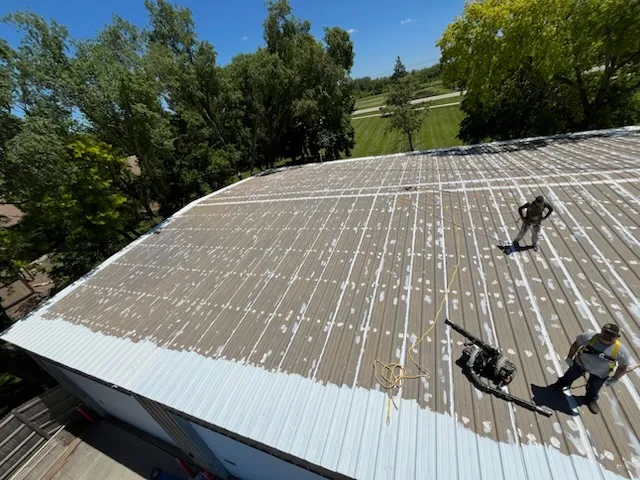
| Warehouse/distribution | Semi-annual inspections focused on flashings, drains, and rooftop equipment curbs | Traffic from maintenance crews punctures membranes; use walkway protection | Leaks caught before insulation saturation |
| Retail / office | Prompt repair plus interior humidity monitoring | Occupant comfort complaints often surface before stains do | Lower energy costs and fewer tenant disputes |
| Restaurant/food processing | Aggressive moisture control and immediate leak response | Grease-laden exhaust and constant warm air accelerate condensation and mold | Protected air quality and code compliance |
| Older buildings with aging insulation | Assessment of wet insulation and targeted commercial insulation replacement | Removal of deteriorated insulation is usually the biggest scope driver | Restored R-value and predictable energy spend |
| Properties near term replacement | Documented maintenance plan to preserve the remaining service life | Standing water and neglect can void warranties before the roof’s time is up | Maximum return on the existing roof investment |
You are ahead of the damage curve when you notice any of the following:
Fixing the membrane stops the water, but restoring the assembly requires addressing what the water touched. Our team at South Chicago Insulation evaluates wet roof insulation, removes saturated material, and installs high-performance commercial insulation that rebuilds your building’s thermal control layer. Serving the South Chicago suburbs, we work with property owners, facility managers, and contractors to turn a compromised roof system back into an efficient, healthy building envelope. If a small commercial roof problem has already soaked your insulation, call us at (779) 803-8025 or email [email protected] before the damage spreads further.
On low-slope commercial roofs, months or even years. Water soaks insulation and decking far from the entry point, and interior signs only appear after the assembly is heavily saturated.
Yes, substantially. Once insulation is saturated, its R-value is essentially destroyed, so your HVAC system compensates continuously until the wet material is dried or replaced.
Watch for unexplained energy cost increases, musty odors, ceiling stains, ponding water lasting more than 48 hours, and recurring occupant complaints about respiratory irritation.
Rarely. The membrane repair stops new water, but saturated insulation stays wet, loses its insulating value, and feeds mold growth inside the assembly until it is addressed.
At minimum, twice a year and after major storms. Flashings deserve special attention since the large majority of roof leaks and failures occur at those details.