What Is Foundation Insulation and Why Is It Important for Residential Buildings?
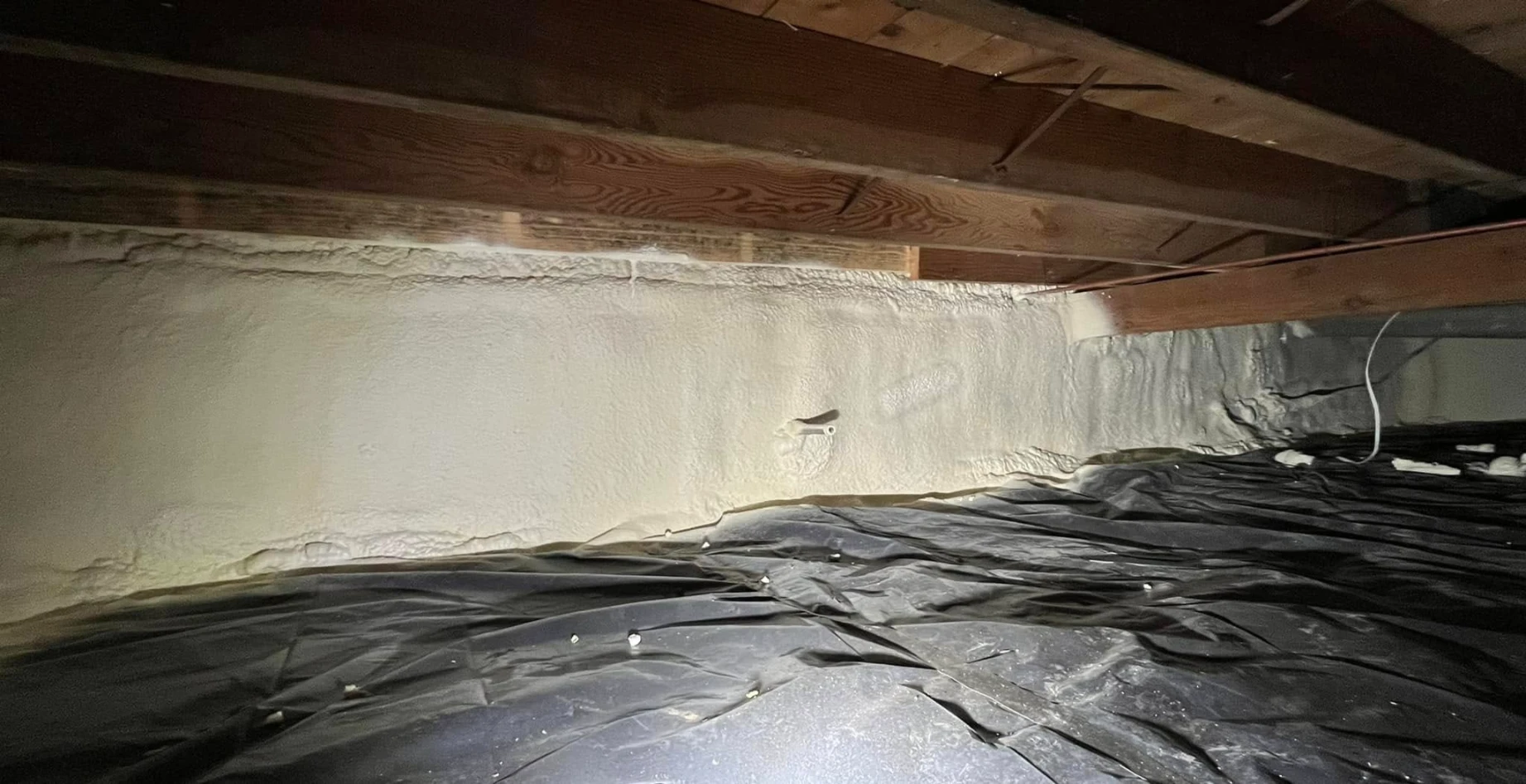
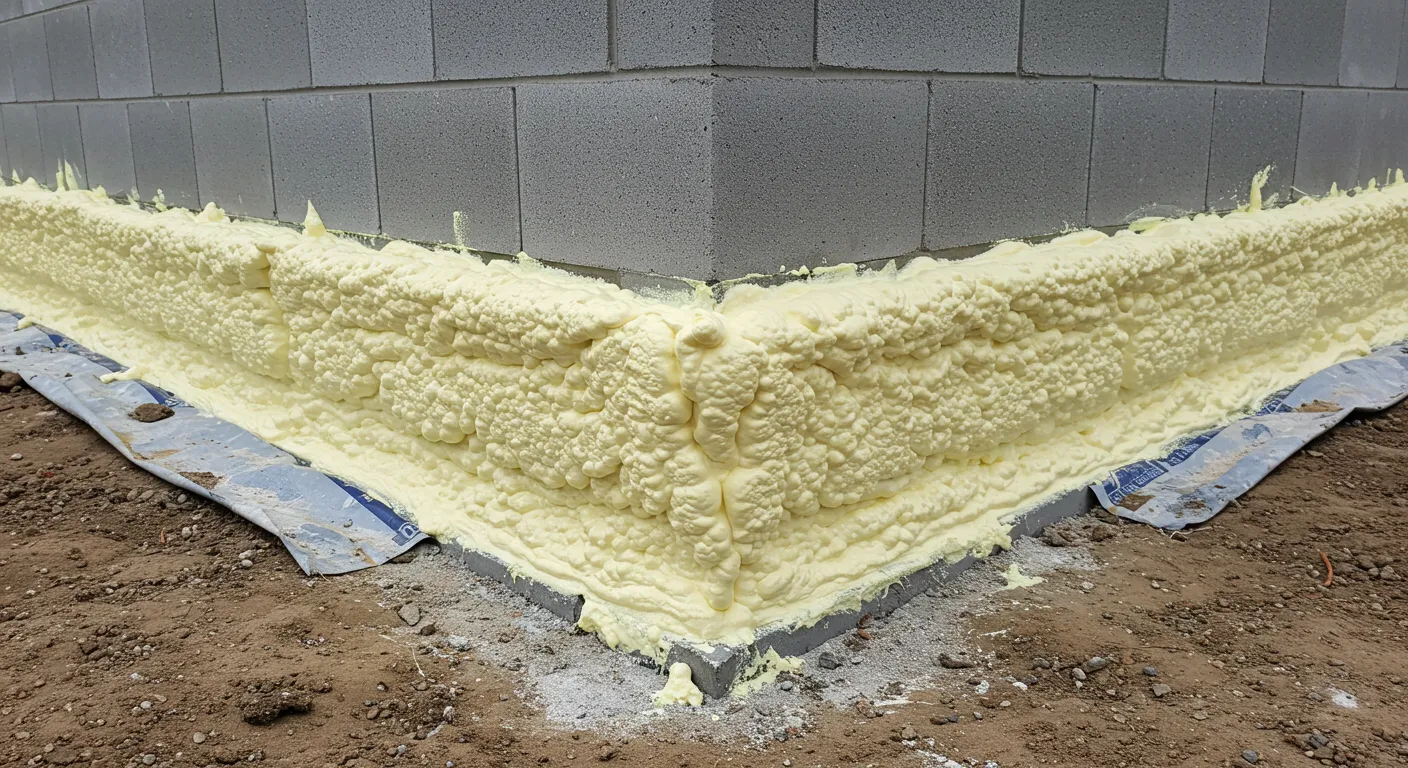
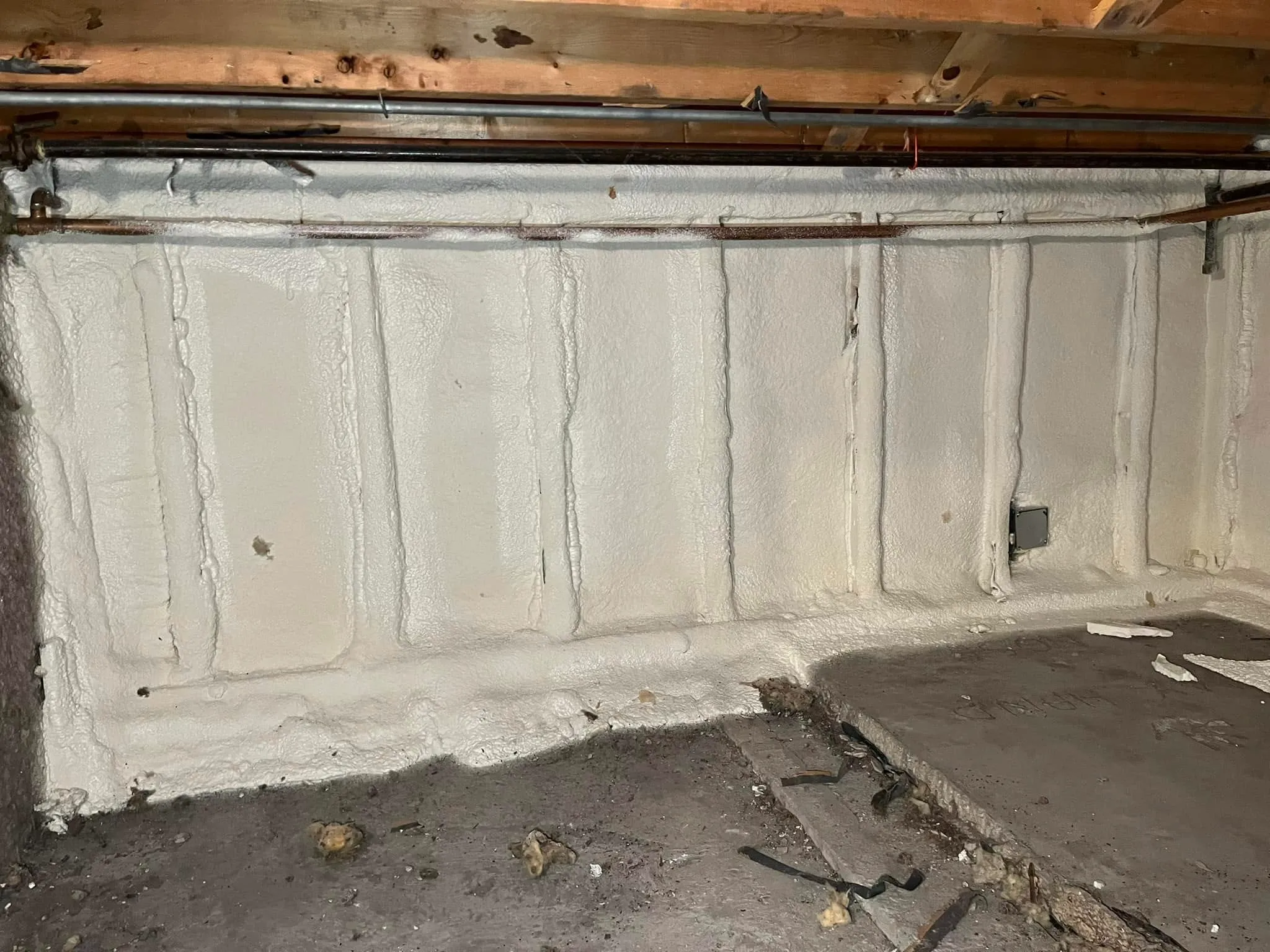
Foundation insulation is the application of thermal materials to the walls, floors, or slabs of a building’s foundation to create…


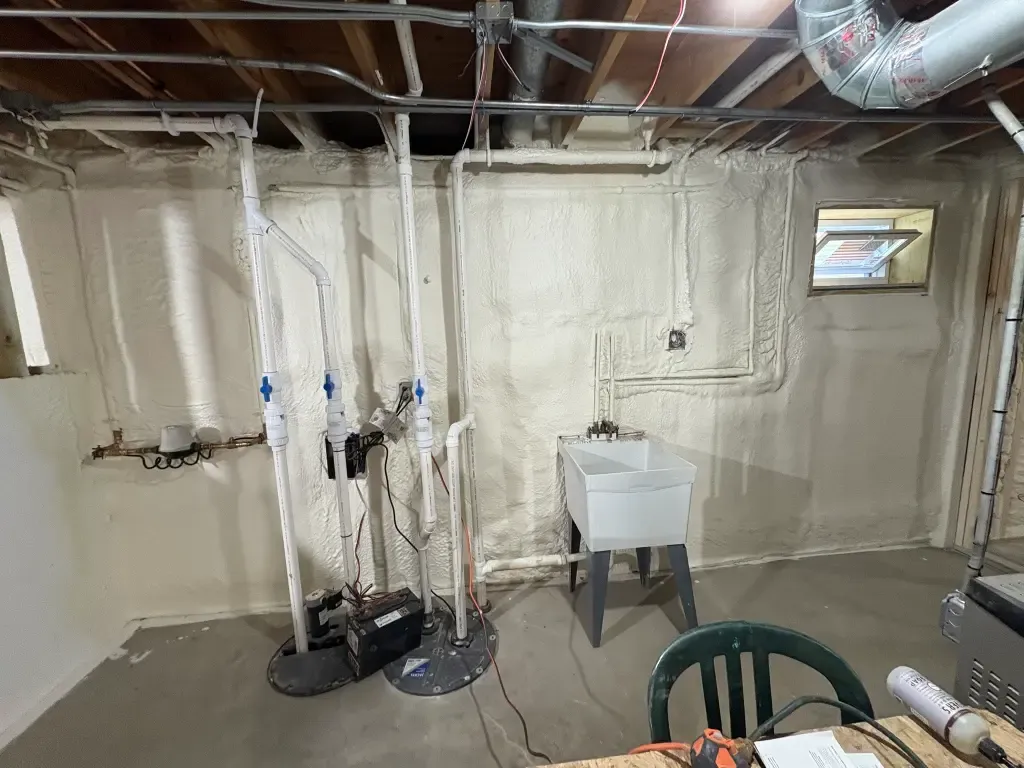
Wall insulation and residential insulation serve fundamentally different purposes in Arlington Heights homes, though many homeowners and contractors use these terms interchangeably. Wall insulation specifically refers to thermal barriers installed within exterior and interior wall cavities to prevent heat transfer through vertical surfaces. Residential insulation encompasses the complete thermal protection system for an entire home, including attics, basements, crawl spaces, floors, and walls. In Arlington Heights’ climate zone 5A, with winter temperatures dropping below 20°F and summer humidity exceeding 70%, both approaches matter, but your project scope, budget, and energy goals determine which deserves priority. Wall insulation upgrades typically deliver 15–25% heating and cooling savings when paired with air sealing. Whole-home residential insulation projects can reduce energy bills by 30–50% annually. The strategic choice depends on whether you’re solving a specific comfort problem or pursuing whole-home efficiency.
Contractors and homeowners in Arlington Heights often conflate these terms, leading to mismatched expectations and suboptimal results. Clarifying the scope difference prevents costly miscommunication.
| Aspect | Wall Insulation | Residential Insulation (Whole-Home) |
|---|---|---|
| Definition | Thermal barrier in wall cavities only | Complete envelope: attic, walls, basement, floors, crawl spaces |
| Primary Goal | Eliminate heat transfer through vertical surfaces | Minimize total building heat flow in all directions |
| Typical Materials | Fiberglass batts, mineral wool, spray foam, dense-pack cellulose | Same materials, plus blown-in attic, rigid foam boards, rim joist treatments |
| Installation Complexity | Moderate; requires wall cavity access | High; coordination across multiple building zones |
| Disruption Level | Low to moderate (interior or exterior access) | Moderate to high (multiple rooms/areas affected) |
| Arlington Heights Prevalence | Common in 1950s–1980s homes with minimal original insulation | Standard for new construction, major retrofits |
A study from the U.S. Department of Energy confirms that walls account for roughly 35% of home heat loss in climate zone 5A, while attics and basements combined represent 45%. This data shapes strategic decisions for Arlington Heights properties.
Arlington Heights sits in the northwest Chicago suburbs, experiencing temperature swings from -10°F winter lows to 95°F summer highs. These extremes test insulation effectiveness differently than milder regions.
Winter Performance
Uninsulated or poorly insulated walls in Arlington Heights homes create thermal bridging that drops interior surface temperatures 10–15°F below room air temperature. Occupants perceive this as “cold walls” and compensate by raising thermostats 2–4 degrees, increasing heating costs 15–20%. These issues are commonly addressed through professional wall insulation solutions designed to reduce heat loss and improve overall home comfort.
Summer Performance
High humidity (July averages 72%) compounds cooling loads. Insulated walls reduce condensation risk on cool interior surfaces, preventing mold and moisture damage common in Arlington Heights basements and first floors.
| Season | Wall Insulation Impact | Full Residential Impact |
|---|---|---|
| Heating (Oct–Apr) | Reduces conductive heat loss; modest air sealing benefit | Comprehensive reduction of stack effect and thermal bypasses |
| Cooling (May–Sep) | Moderate comfort improvement; limited humidity control | Significant load reduction; improved moisture management |
| Shoulder Seasons | Minimal noticeable benefit | Consistent comfort; reduced HVAC cycling |
Arlington Heights homeowners respond to clear financial framing. These figures reflect current material and labor costs for the northwest Chicago suburban market.
| Project Type | Typical Home Size | Simple Payback |
|---|---|---|
| Wall insulation only (dense-pack cellulose) | 1,800 sq ft | 5–7 years |
| Wall insulation (spray foam, open cell) | 1,800 sq ft | 7–10 years |
| Full residential (attic + walls + basement) | 1,800 sq ft | 7–10 years |
| Full residential (premium, spray foam throughout) | 1,800 sq ft | 11–15 years |
*Value assumes 3% energy inflation, 6% discount rate, 25-year insulation lifespan
The data reveals a strategic inflection point: wall-only projects suit budget-constrained clients or those with specific comfort complaints, while whole-home systems attract energy-conscious buyers planning long-term occupancy.
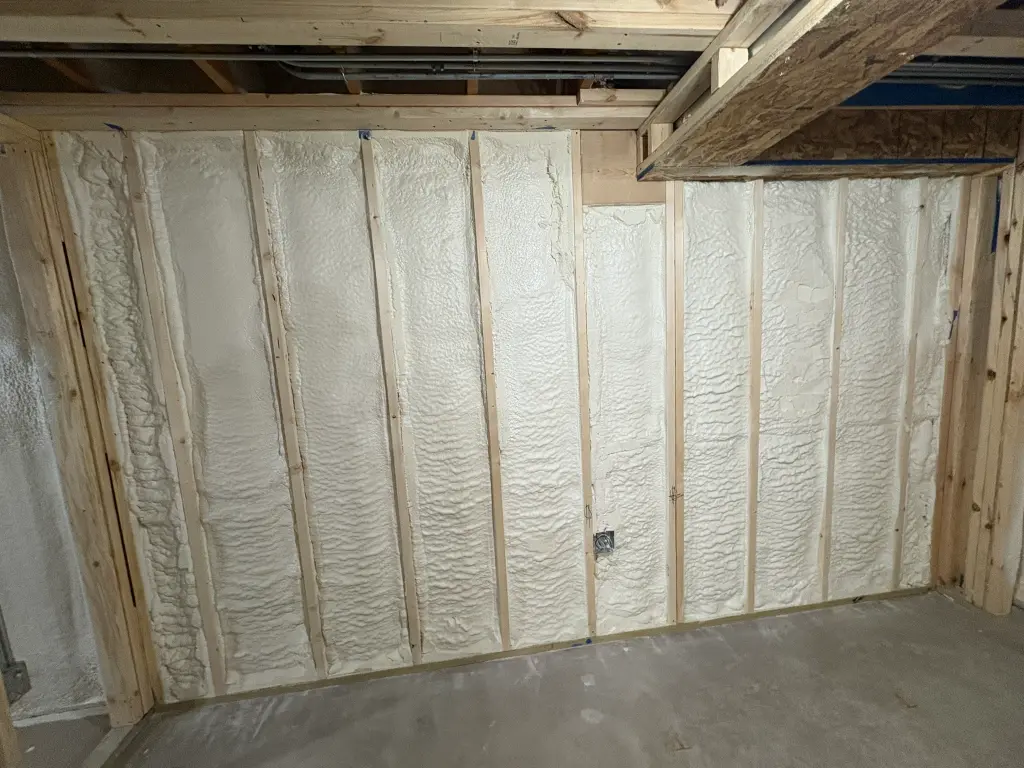
Scenario A: 1960s Ranch, Wall-Only Focus
A contractor bids dense-pack cellulose for exterior walls of a 1,400 sq ft Arlington Heights ranch. The home has adequate attic insulation (R-38) but original uninsulated walls. Installation completes in two days. Homeowner reports eliminated cold spots in bedrooms and 18% reduction on the next winter gas bill. This improvement is a common result of professional wall insulation services in Arlington Heights, IL, especially in older homes with underperforming exterior envelopes.
Scenario B: 1980s Two-Story, Comprehensive Approach
Similar-sized home with multiple comfort complaints: hot second floor, cold first floor, damp basement. Contractor recommends full residential package: attic air sealing and blown-in to R-49, dense-pack walls, rim joist and basement wall insulation. Seven-day project. Energy audit confirms 42% HVAC load reduction. Homeowner captures ComEd rebate and qualifies for 0% financing through Illinois Energy Efficiency Loan Program.
Scenario C: New Construction, Strategic Specification
Builder constructing 10 Arlington Heights townhomes specifies continuous exterior rigid foam (R-5) plus cavity insulation (R-21) for thermal bridge-free walls, paired with R-49 attics and sealed crawl spaces. Exceeds 2021 IECC by 15%. Marketing advantage: HERS scores of 45–50, qualifying for energy-efficient mortgage incentives.
Guide clients through this structured assessment:
| Client Situation | Recommended Approach | Rationale |
|---|---|---|
| Specific room comfort complaints, otherwise satisfied | Wall insulation targeted to problem zones | Cost-effective, minimal disruption, addresses primary pain point |
| Planned siding replacement | Wall insulation + continuous exterior rigid foam | Access cost already absorbed, maximum thermal break benefit |
| Whole-home energy audit showing multiple deficiencies | Full residential insulation | Coordinated air sealing, avoids incremental mobilization costs |
| Selling within 3–5 years | Wall insulation or attic upgrade only | Faster payback, visible improvement, avoids over-improving |
| Long-term ownership, sustainability priorities | Premium full residential with spray foam | Maximum efficiency, air quality, structural benefits |
| Tight budget | Attic air sealing + insulation first, walls later | Highest ROI per dollar, per DOE priority guidelines |
Every Arlington Heights home presents unique thermal challenges. Whether your project demands targeted wall upgrades or a comprehensive residential envelope solution, our team delivers precise assessments, transparent pricing, and installation quality that protects your reputation.
South Chicago Insulation
Let’s build efficiency into every project, starting with the right scope, specified correctly the first time.
Aim for R-13 to R-21 in above-grade walls, depending on cavity depth and framing percentage. Two-by-four walls accommodate R-13 fiberglass or R-15 dense-pack cellulose; two-by-six walls achieve R-19 to R-21.
Yes. Dense-pack cellulose and certain spray foam applications install through exterior holes (siding removal) or interior plaster/drywall patches 2–3 inches in diameter. This “drill-and-fill” method suits Arlington Heights homes with empty stud cavities, common in construction before 1975.
Energy efficiency upgrades return 60–80% of investment at sale in the Chicago metro market, per National Association of Realtors research. However, comfort improvements and utility documentation often justify premium pricing beyond raw ROI calculations, particularly among environmentally motivated buyers.
Attic first. The Department of Energy ranks attic insulation highest for cost-effectiveness in climate zone 5A due to stack effect physics. After attic reaches R-38 to R-49, redirect funds to walls.
Interior insulation upgrades typically require no permit. Exterior wall insulation involving siding removal needs a building permit from Arlington Heights Community Development Department. Our team handles permit documentation as part of project management.