When Should You Consider Upgrading Your Roofing Insulation in Burr Ridge, IL Homes?
Bob Gasca
July 10th, 2026
If your Burr Ridge home was built more than 20 years ago, struggles with uneven temperatures between floors, or shows icicle buildup along the roofline in winter, your roofing insulation is likely underperforming. Burr Ridge sits in Climate Zone 5, which demands R-49 to R-60 in attics for optimal thermal performance, according to the Department of Energy’s Energy Saver guidelines. Many older homes in the area were built with far less insulation than current standards recommend, leaving homeowners to absorb higher energy bills and face seasonal comfort problems year after year. Upgrading your roofing insulation addresses heat loss in winter, heat gain in summer, and moisture-related damage that can quietly compromise your roof structure. The right time to upgrade depends on several warning signs, your home’s age, and your long-term energy goals. Our roofing insulation guide explains what to look for before planning an upgrade.
TL;DR
Burr Ridge falls in Climate Zone 5, where the DOE recommends R-49 to R-60 attic insulation for optimal energy performance
The DOE reports homeowners can save up to 20% on heating and cooling costs by adding insulation to under-insulated attics and other vulnerable areas
Ice dams forming along your roof edge are a direct indicator of insufficient attic insulation and air sealing
Visible signs like uneven snowmelt, drafty upper floors, and rising utility bills point to a need for evaluation
Federal tax credits cover 30% of insulation material costs, up to $1,200, through the Energy Efficient Home Improvement Credit
Attic insulation upgrades for a typical 1,500 to 2,500 sq ft home in the Burr Ridge area range from $5,000 to $10,000 on average
Blown-in cellulose upgrades start around $2,500 for smaller projects and scale based on square footage and depth required
Scheduling an upgrade before winter ensures your home is protected during peak heating season
Why Burr Ridge Homes Face Unique Insulation Challenges
Burr Ridge, located in DuPage County, experiences the full range of Climate Zone 5 conditions: cold winters with regular snowfall, hot and humid summers, and seasonal temperature swings that push HVAC systems hard in both directions. The Building America Solution Center identifies that cold climate zones with heavy snowfall are particularly susceptible to ice dam formation, a problem caused when warm air escapes from living spaces into the attic and melts snow on the roof deck. That meltwater runs down to the colder eaves and refreezes, creating a barrier that can force water back under your shingles and into your home.
Many Burr Ridge homes built in the 1970s through 1990s were insulated to standards well below today’s requirements. If your attic has fewer than 10 to 14 inches of insulation, it likely falls short of the R-49 minimum the DOE recommends for Climate Zone 5 attics with existing insulation. Over time, insulation also settles, compresses, and loses effectiveness, especially blown-in materials that were installed decades ago. Upgrading with better roofing insulation can restore your home’s energy efficiency.
Clear Signs Your Roofing Insulation Needs an Upgrade
Understanding when to act means recognizing the warning signs your home is already showing.
Ice Dams and Icicle Formation
Icicles hanging from your gutters may look seasonal, but they signal a real problem. Ice dams form when heat escapes through your ceiling into the attic, warming the roof deck and melting snow from above. The meltwater refreezes at the colder eave, building up ice that prevents proper drainage. The Insulation Institute notes that proper air sealing and attic insulation are among the most reliable long-term solutions for preventing ice dams. If you see ice dams forming winter after winter, your insulation is not doing its job.
Rising Energy Bills
If your heating and cooling costs have climbed steadily even though you haven’t changed your thermostat habits, insufficient insulation is a likely contributor. The DOE’s Guide to Home Insulation states that on average, homeowners can save up to 20% on heating and cooling costs by adding insulation to attics, floors, crawl spaces, and accessible basement rim joists. When your HVAC system works overtime to compensate for heat escaping through the attic, your monthly bills reflect that effort directly.
Uneven Temperatures and Cold Upper Floors
If your upstairs bedrooms feel noticeably colder in winter or hotter in summer than your main living areas, the cause is often inadequate attic insulation. Heat rises, and an under-insulated attic allows that warmth to escape quickly in winter. In summer, an unconditioned attic can reach temperatures well above 150 degrees, radiating heat down through the ceiling and making upper floors uncomfortable regardless of your AC settings.
Visible Insulation Damage or Settling
If you can see into your attic and notice insulation that has shifted, compressed, thinned out, or shows signs of moisture damage and mold, it needs attention. Compressed insulation loses much of its R-value. Wet or moldy insulation should be removed and replaced, as moisture trapped in insulation promotes further decay and can spread into your ceiling structure.
How Burr Ridge Climate Zone Requirements Compare
The table below shows DOE-recommended R-values for attics in Climate Zone 5 compared to what many older Burr Ridge homes actually have installed:
Attic Condition
DOE Recommended R-Value for Zone 5
Typical Depth Required
Common Condition in Older Burr Ridge Homes
Uninsulated attic
R-49 to R-60
14 to 19 inches of fiberglass or blown-in
Often completely uninsulated in pre-1960s homes
3 to 4 inches of existing insulation
R-38 to R-49
10 to 14 additional inches needed
Most common scenario in 1970s-1990s construction
Partially upgraded (R-30)
R-49 to R-60
6 to 10 additional inches needed
Homes with a single previous insulation layer
The gap between what these homes have and what the DOE recommends is where energy waste and comfort problems live. Closing that gap is what an insulation upgrade accomplishes.
Financial Incentives That Make Upgrading More Accessible
One of the best reasons to consider an insulation upgrade now is the availability of federal tax credits. The ENERGY STAR Insulation Tax Credit allows homeowners to claim 30% of insulation material costs, up to $1,200, for qualifying products installed on their primary residence. Eligible materials include batts, rolls, blown-in fibers, rigid boards, spray foam, and air sealing products that meet International Energy Conservation Code standards. The IRS confirms that this credit is available for improvements made through 2025, and there is no lifetime dollar limit, meaning you can claim the maximum annual credit each year you make eligible improvements. Labor costs do not qualify, but the material credit still reduces the net investment significantly.
Insulation Upgrade Options and Typical Investment
The type of insulation that works best for your roofing and attic depends on your home’s construction, access, and existing conditions. Here is a breakdown of common approaches we use for Burr Ridge homes:
Insulation Type
How It Works
Ideal For
Typical Investment Range
Blown-in cellulose
Loose-fill material blown over existing insulation or into empty cavities
Attics with irregular joist spacing or existing insulation to top off
$2,500 to $7,500
Attic insulation (full upgrade)
Comprehensive air sealing and insulation to meet current R-value targets
Older homes with little to no existing insulation
$5,000 to $18,000
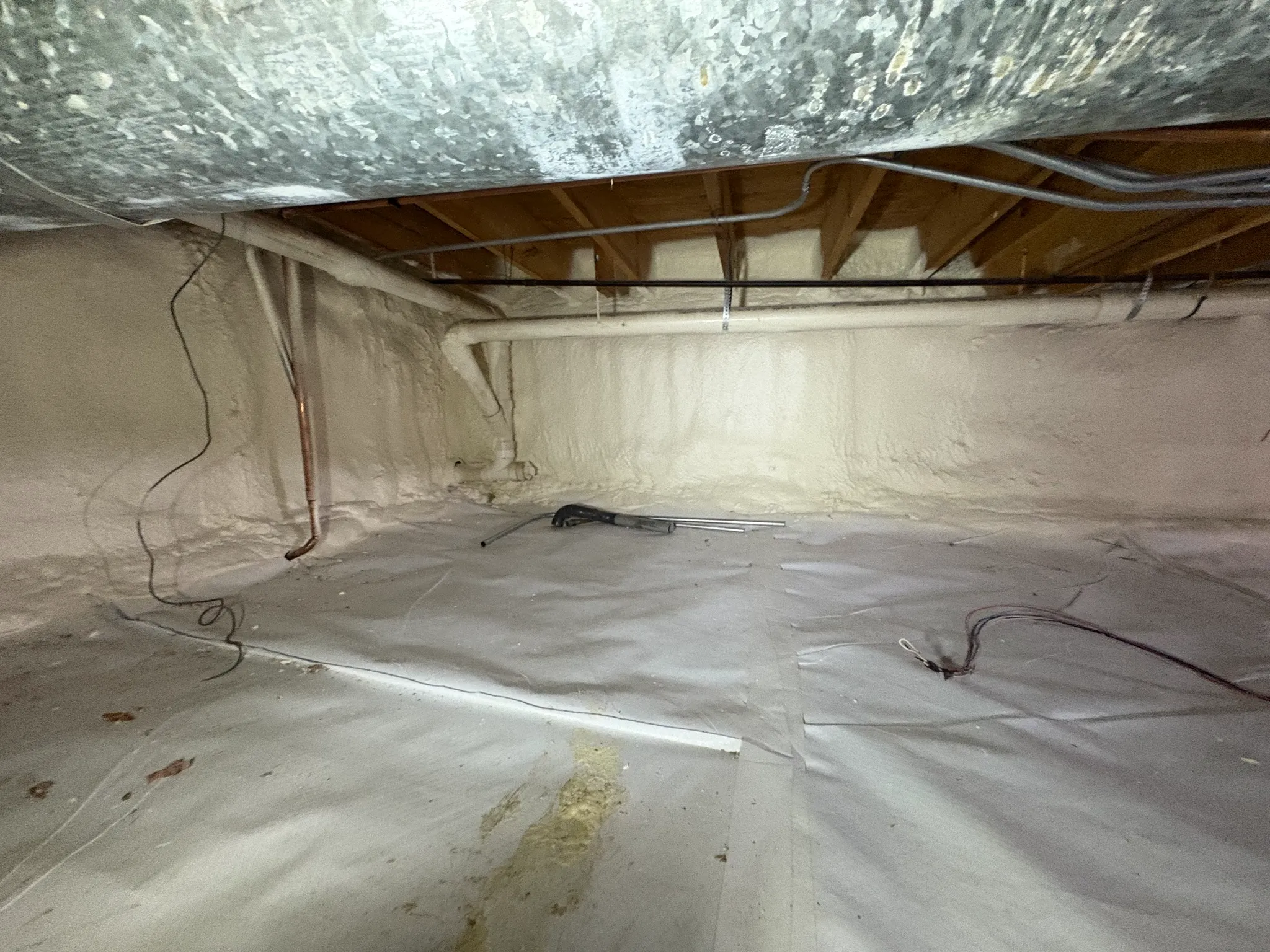
Crawlspace insulation
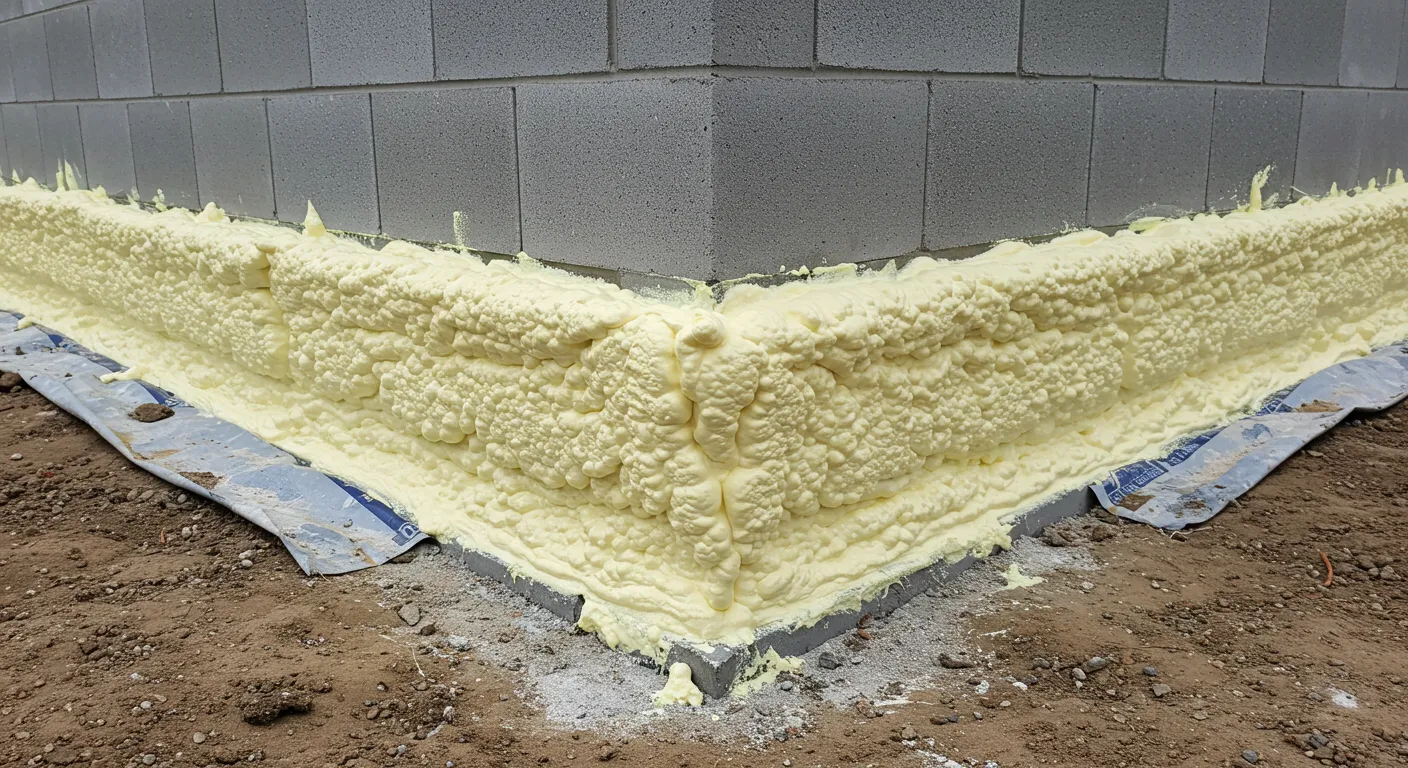
Spray foam or rigid board applied to crawlspace walls and rim joists
Homes with vented or unconditioned crawlspaces losing energy at the foundation
$2,300 to $8,000
Factors that can increase the investment include larger square footage, difficult attic access, steep roof pitches, and the need to remove damaged or contaminated existing insulation. Projects where the homeowner preps the area in advance, such as clearing stored items and ensuring access points are ready, can help keep costs on the lower end. For local homeowners, roofing insulation in Burr Ridge is a worthwhile long-term investment.
When Timing Matters Most
Some moments make an insulation upgrade more urgent or more practical:
Before re-roofing: If you are already planning a roof replacement, upgrading insulation at the same time is efficient because the roof deck is exposed and accessible.
After noticing ice dams: Do not wait for repeated cycles of ice dam damage. Each winter with poor insulation increases the risk of water intrusion and structural damage.
Before installing a new HVAC system: Adding insulation first means you may be able to right-size your new system, avoiding the cost of an oversized unit.
During renovation projects: If you are finishing a basement, remodeling upper floors, or opening walls, these are opportunities to address insulation gaps in adjacent areas.
Likely has little to no insulation; greatest opportunity for energy savings and comfort improvement
1980s-1990s home with some existing insulation
Blown-in cellulose top-off over existing material
Adds R-value without removal; most cost-effective for moderate gaps
Home with visible ice dam damage history
Comprehensive air sealing plus insulation to R-60
Air sealing is essential to stop warm air leakage that causes ice dams; insulation alone is not enough
Home undergoing roof replacement
Coordinate insulation upgrade with roofing project
Access is easiest with the roof deck open; avoids duplicate labor
Newer home (2000s+) with comfort complaints
Energy audit and targeted air sealing
Newer homes may have adequate R-value but poor air sealing at penetrations and top plates
Signs You Have Found the Right Insulation Contractor
Choosing the right team for your insulation upgrade matters as much as the material you select. Here are the markers of a contractor worth trusting:
Thorough assessment before quoting: A strong contractor inspects your attic, measures existing insulation depth, checks for air leakage points, and evaluates ventilation before recommending a solution.
Clear explanation of the plan: You should receive a straightforward description of what will be installed, where, and to what R-value target, without pressure or vague language.
Attention to air sealing: Insulation without air sealing is incomplete. The right contractor addresses both because they understand that warm air escaping through ceiling penetrations undermines insulation performance.
Transparent pricing: Your quote should break down material, labor, and any additional work like removal of old insulation, with no hidden line items.
Local knowledge: A contractor familiar with Burr Ridge and DuPage County understands Climate Zone 5 requirements, local building codes, and the specific challenges homes in this area face.
Get Your Burr Ridge Home Insulation Assessment
South Chicago Insulation serves Burr Ridge and the surrounding communities with professional attic insulation, blown-in cellulose, crawlspace insulation, and full roofing insulation upgrades. Our team evaluates your current insulation levels, identifies air leakage points, and recommends the right approach to meet Climate Zone 5 standards for your home. We are happy to help you understand available tax credits and walk you through the process from assessment to completion.
How do I know if my attic insulation meets current standards for Burr Ridge?
Measure the depth of your attic insulation. In Climate Zone 5, fiberglass batts or blown-in insulation should reach approximately 14 to 19 inches for R-49 to R-60. If your insulation is visibly thinner than 10 inches, it likely falls below recommended levels.
Can I add new insulation on top of my existing insulation?
Yes, in most cases. Blown-in cellulose or fiberglass can be installed directly over existing batts or loose-fill material as long as the existing insulation is dry, undamaged, and free of mold. A professional assessment will confirm whether a top-off or full replacement is the better approach.
Will upgrading my insulation help with ice dams?
Proper attic insulation combined with thorough air sealing is one of the most effective ways to prevent ice dams. The DOE and building science experts identify air sealing and insulation as the first two steps in stopping the warm air leakage that melts snow and causes ice dam formation along the eaves.
Does insulation qualify for federal tax credits?
Yes. Insulation materials and air sealing products that meet IECC standards qualify for a 30% federal tax credit, up to $1,200, under the Energy Efficient Home Improvement Credit available through 2025. Labor costs are not included, but the material credit applies to batts, blown-in, spray foam, rigid boards, and qualifying air sealing products.
How long does an attic insulation upgrade take?
Most attic insulation projects for a typical Burr Ridge home between 1,500 and 2,500 square feet can be completed in a single day. Larger homes, projects requiring removal of old insulation, or those with difficult access may take longer, but most standard upgrades are finished within one working day.
Sources
DOE Guide to Home Insulation – Comprehensive DOE publication covering insulation types, R-value recommendations by climate zone, and energy savings data including the 20% heating and cooling cost reduction statistic.
DOE Energy Saver – Insulation – Federal resource explaining how insulation works, R-value definitions, and recommended R-values for all U.S. climate zones, including the R-49 to R-60 target for Zone 5 attics.
ENERGY STAR Insulation Tax Credit – Official ENERGY STAR page covering the 30% federal tax credit for insulation materials, eligible product types, and the $1,200 annual limit.
IRS Energy Efficient Home Improvement Credit – Official IRS guidance on the Section 25C tax credit, including eligibility requirements, qualified expenses, and instructions for claiming the credit on Form 5695.
I’m Bob Gasca, with over 16 years of spray foam experience and training that began in 2007. South Chicago Insulation, LLC was established in January 1984, bringing more than four decades of experience in the insulation industry. I’m a certified Spray Foam Master Installer, SPFA member, and Spray Foam Worldwide Ambassador specializing in moisture and air infiltration solutions.