What Type of Roofing Insulation Works Best for Mount Greenwood, IL Homes?
Bob Gasca
July 10th, 2026
For Mount Greenwood homeowners, blown-in cellulose and closed-cell spray foam are the two roofing insulation types that perform best in Chicago’s Climate Zone 5 conditions. The right choice depends on whether you need to insulate an unfinished attic floor, a vented attic ceiling, or a finished attic with living space below the roof deck. Each material serves a different purpose: loose-fill insulation like cellulose and fiberglass is ideal for open attic floors, while spray foam excels at air sealing and moisture control in cathedral ceilings and finished attic assemblies. Understanding the code requirements, R-value targets, and the specific conditions of your home will point you toward the right material and application method. Our roof insulation guide explains these options in greater detail.
TL;DR
Mount Greenwood falls within IECC Climate Zone 5, requiring a minimum of R-49 for ceiling insulation and R-60 for uninsulated attics per current energy code recommendations
Blown-in cellulose is the most practical and cost-effective choice for most unfinished attic floors in existing Mount Greenwood homes
Closed-cell spray foam delivers the highest R-value per inch and doubles as a vapor barrier, making it the strongest option for finished attics and cathedral ceilings
Open-cell spray foam provides solid air sealing at a lower material density but should not be used in areas exposed to moisture
Illinois enforces the 2018 IECC with amendments, meaning new insulation projects must meet or exceed R-49 for ceilings and R-20 (or R-13 plus R-5 continuous insulation) for wood-frame walls
Climate Zone 5 experiences between 5,400 and 9,000 heating degree days annually, which makes heat retention through the roof assembly a primary concern
Air sealing before or during insulation installation is essential, as gaps and leaks can undermine even the highest R-value materials
Why Climate Zone 5 Sets the Standard for Your Roof Insulation
Mount Greenwood sits in the same climate zone as the rest of Chicago, classified by the International Energy Conservation Code (IECC) as Climate Zone 5, a cold climate region characterized by 5,400 to 9,000 heating degree days per year on a 65-degree Fahrenheit basis. In this zone, heating dominates energy consumption for most of the year, and heat loss through the roof is one of the largest sources of energy waste in a home.
The U.S. Department of Energy’s Energy Saver guide recommends R-60 for uninsulated attics and R-49 for attics with existing insulation in Climate Zone 5. The Insulation Institute’s Illinois energy code summary confirms that Illinois, having adopted the 2018 IECC with amendments effective July 1, 2019, sets the prescriptive ceiling requirement at R-49 for Climate Zone 5. Exceeding these minimums is where real energy savings accumulate over the life of the home.
The Main Roofing Insulation Types Compared
Not all insulation materials perform the same way, and the best choice depends on where the insulation needs to go within your roof assembly. The DOE’s guide to insulation types breaks down the major categories by material, application method, and ideal use cases.
Insulation Type
R-Value Per Inch
Best Application in Roof Assembly
Air Sealing Capability
Moisture Resistance
Blown-in cellulose
~3.2 to 3.8
Unfinished attic floors
Low (requires separate air sealing)
Moderate (treated with borate)
Blown-in fiberglass
~2.2 to 2.7
Unfinished attic floors
Low (requires separate air sealing)
Low (absorbs moisture)
Closed-cell spray foam
~6.0 to 7.0
Cathedral ceilings, finished attics, roof decks
High (expands to fill gaps)
High (acts as vapor barrier)
Open-cell spray foam
~3.5 to 3.7
Wall cavities, open attic floors
High (expands to fill gaps)
Low (absorbs water)
Fiberglass batts
~2.9 to 3.8
Standard stud and joist cavities
Low (gaps between batts)
Low to moderate
Rigid foam board
~3.8 to 6.5
Continuous insulation on roof decks
Low to moderate
High (closed-cell types)
Blown-In Cellulose: The Practical Choice for Most Attics
For the majority of Mount Greenwood homes with unfinished attics, blown-in cellulose is the most practical roofing insulation option. Cellulose is made primarily from recycled newsprint and treated with borate for fire and insect resistance, giving it an R-value of approximately 3.2 to 3.8 per inch. It conforms to irregular spaces, fills around obstructions like wiring and ductwork, and packs tightly enough to reduce air movement within the insulation layer. Roof insulation upgrades can further improve your home’s long-term energy performance.
According to the DOE’s insulation materials guide, cellulose contains 82% to 85% recycled content, making it one of the more environmentally conscious options available. It is installed using specialized blowing equipment and is well suited for retrofit applications where existing insulation needs to be topped off or replaced entirely.
For a typical blown-in cellulose insulation project serving the Mount Greenwood area, our pricing ranges from $2,500 on the low end to $7,500 on the high end, with the average project landing around $5,000.
When blown-in cellulose is the right call:
Your attic is unfinished, and you are insulating the attic floor above living spaces
Existing insulation has settled or was installed at inadequate depths
You want a high-recycled-content material at a competitive price point
Your attic has standard ventilation and does not have moisture problems
Spray Foam: When You Need Air Sealing and High R-Values
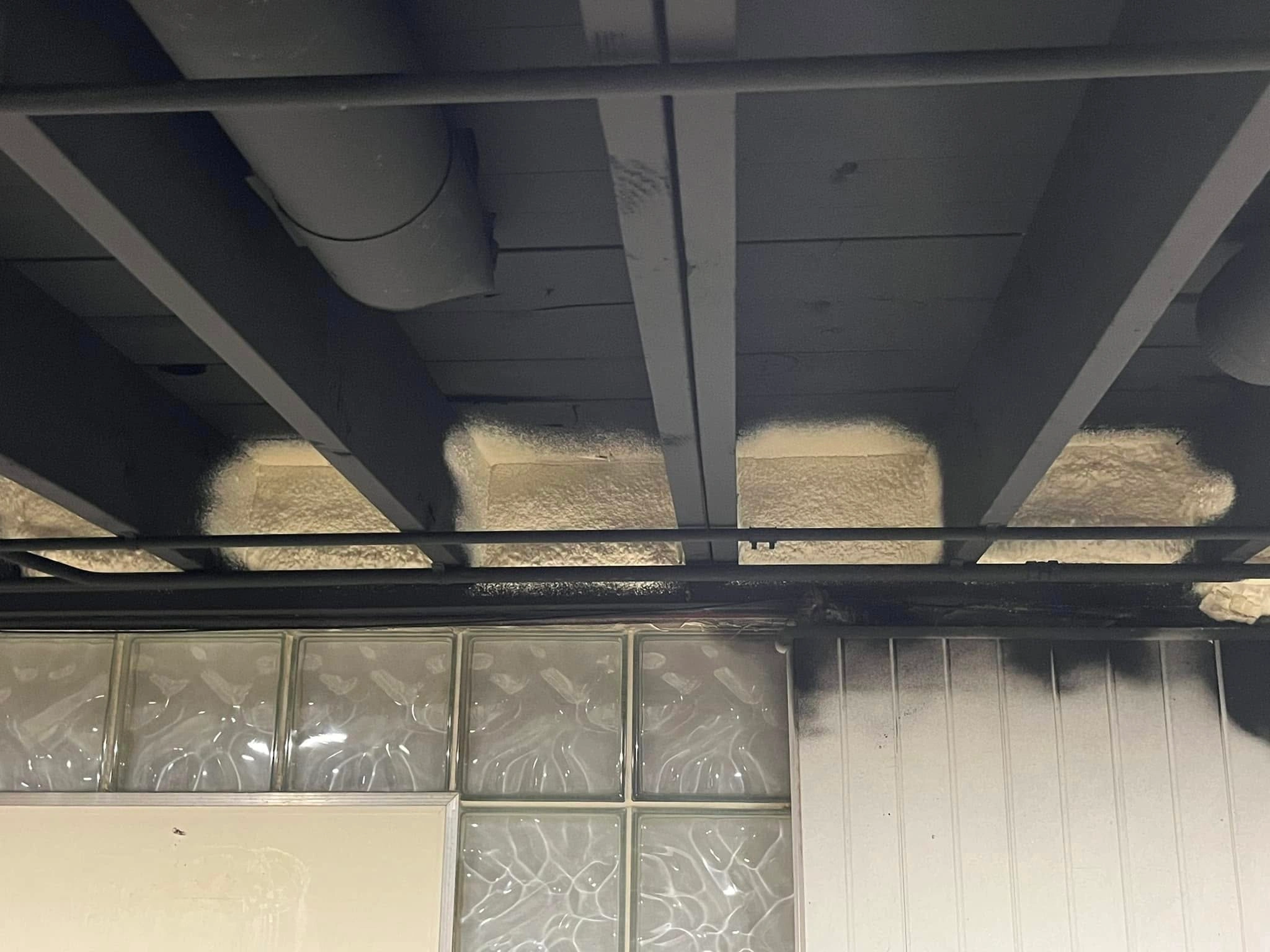
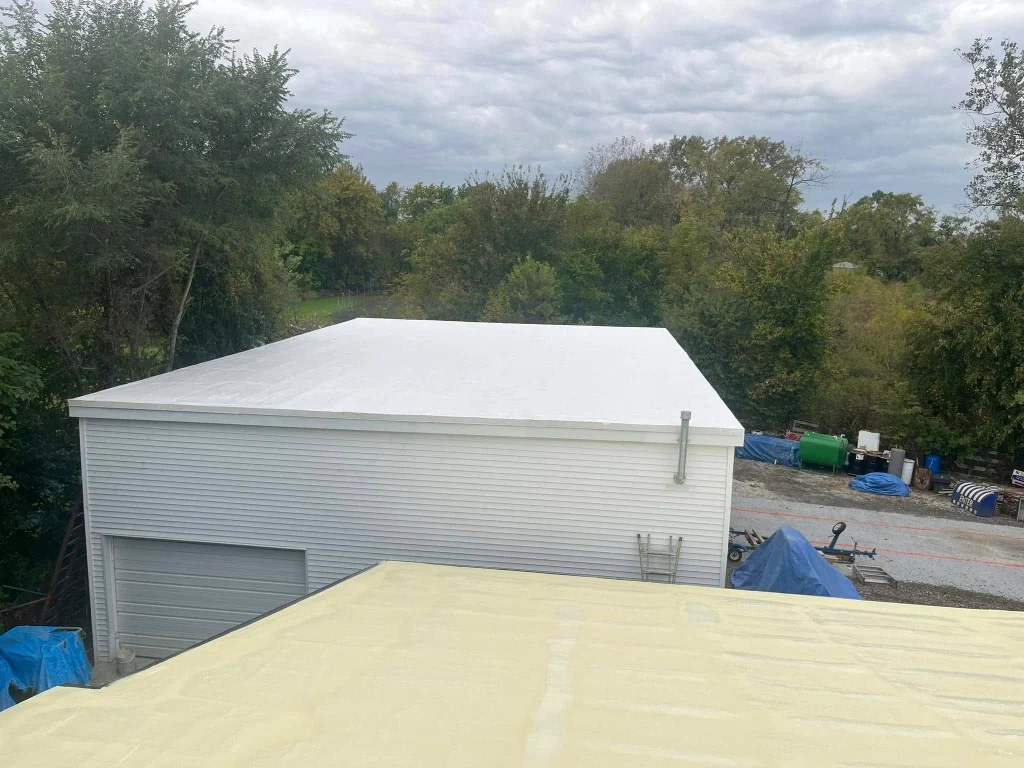
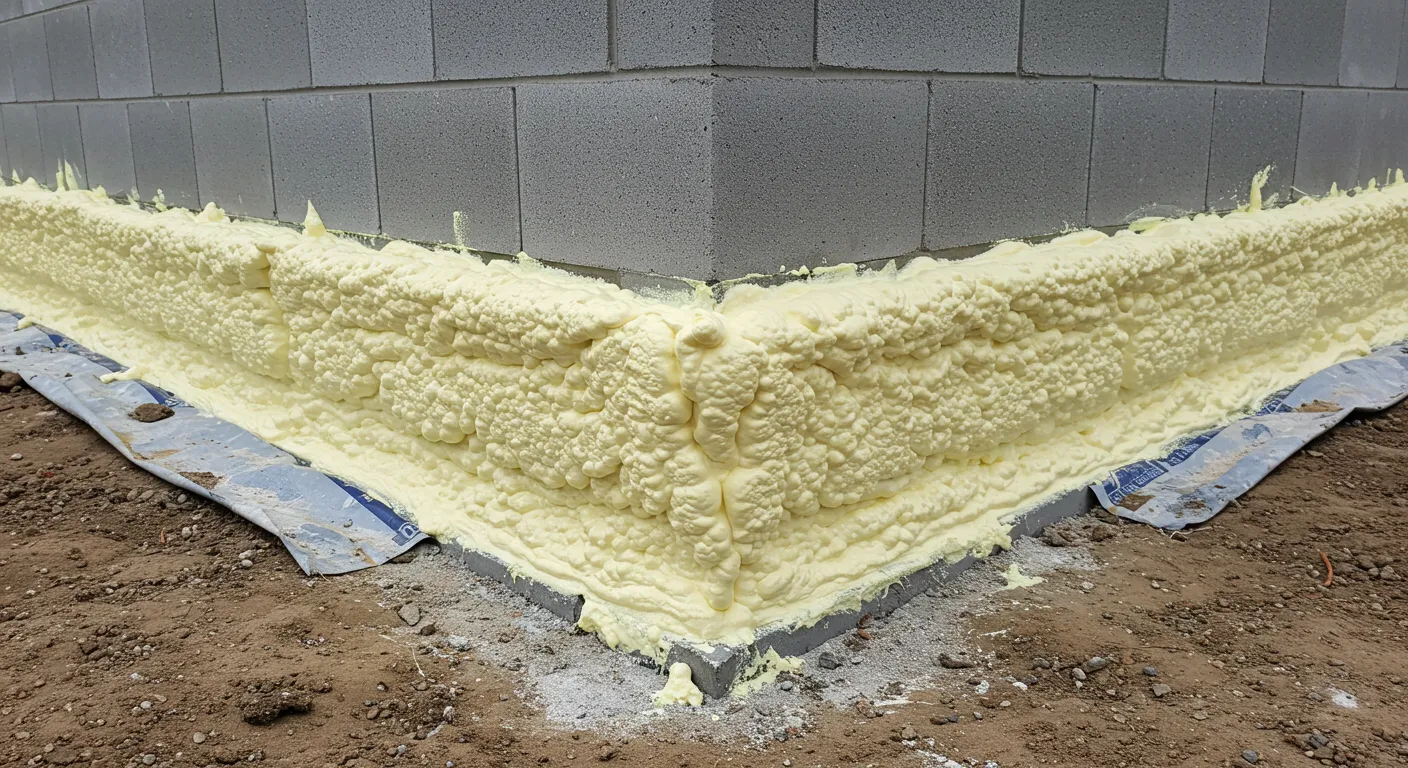
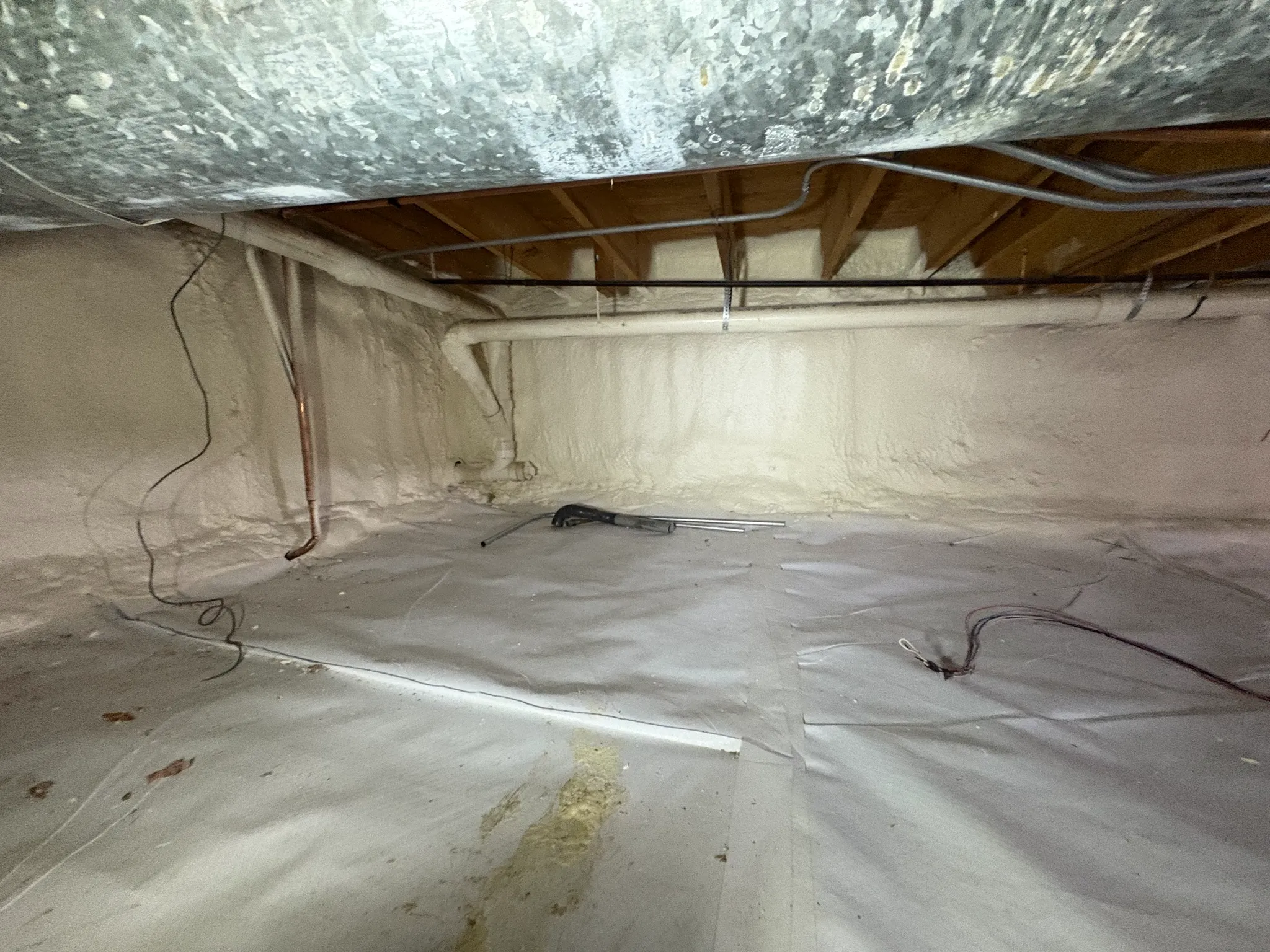
Closed-cell spray foam is the strongest performer when it comes to R-value per inch and air sealing in one application. Delivering roughly R-6.0 to R-7.0 per inch, closed-cell foam expands to fill gaps, cracks, and irregular cavities, creating both an insulation layer and an air barrier simultaneously. It also functions as a vapor retarder, which matters in cold climates where warm indoor air meeting cold roof surfaces can cause condensation.
Open-cell spray foam is lighter and less expensive per inch, but its R-value sits around 3.5 to 3.7 per inch, and it should not be used in below-grade or moisture-prone locations. Both types require professional installation with specialized equipment and certification.
When spray foam is the right call:
You are finishing an attic and need insulation applied directly to the roof deck
Your home has cathedral ceilings with limited cavity depth
Air sealing is a priority, and you want one material to handle both insulation and air barrier functions
Moisture control is a concern, particularly in older Mount Greenwood homes with variable ventilation
Fiberglass Batts and Blown-In Fiberglass
Fiberglass remains one of the most widely available insulation materials and is commonly found in both batt and loose-fill forms. Standard fiberglass batts offer R-13 in 2×4 walls and R-19 in 2×6 walls, with higher-density products reaching R-15 and R-21 respectively. Blown-in fiberglass can achieve the same target R-values as cellulose in attic floor applications, though it typically requires slightly greater depth due to its lower R-value per inch.
The Wikipedia entry on building insulation notes that fiberglass contains 40% to 60% recycled glass content and is one of the most commonly used insulation materials worldwide. While fiberglass is relatively inexpensive and widely available, it does not provide the same air sealing properties as spray foam and can suffer from thermal bridging where studs and joists interrupt the insulation layer.
How Mount Greenwood Homeowners Should Choose
The right insulation type depends on your home’s specific conditions and project goals. Here is a breakdown by common scenarios:
Your Situation
Recommended Insulation
Rationale
Unfinished attic, upgrading from older insulation
Blown-in cellulose
Best balance of R-value, cost, and coverage for open attic floors
Finishing the attic into living space
Closed-cell spray foam on roof deck
Provides high R-value in limited depth plus air and moisture barrier
Cathedral ceiling with 2×6 rafters
Closed-cell spray foam or rigid foam + fiberglass
Maximum thermal resistance in shallow cavities
Attic with existing fiberglass needing top-off
Blown-in cellulose over existing layer
Fills gaps and voids that batts leave behind
Attached garage ceiling below conditioned space
Blown-in fiberglass or cellulose
Cost-effective solution for standard joist cavities
Climate Zone 5: Why the Roof Assembly Matters Most
In cold climates like Mount Greenwood’s, the roof assembly is the single largest surface area through which heat escapes. The Polyisocyanurate Insulation Manufacturers Association’s Climate Zone 5 report for Chicago highlights that an inefficient building envelope in cold climate zones wastes significant energy on heating, and that code-compliant roof insulation at the time of replacement can yield meaningful long-term savings with a payback period tied to reduced heating costs over the 30 to 40-year life of the insulation investment.
For residential roofing insulation, this means that meeting or exceeding the R-49 to R-60 targets for your attic and roof assembly will have a measurable impact on your heating bills during Mount Greenwood’s cold winters. The savings compound over time with no additional maintenance costs.
Signs You Have Found the Right Insulation Approach
Choosing the right material is only part of the equation. The quality of the installation matters as much as the product itself. Here are indicators that your insulation project is on the right track:
Your insulation contractor performed a thorough assessment of existing insulation levels, ventilation, and air sealing needs before recommending a material
The proposed R-value meets or exceeds the Climate Zone 5 minimums rather than just barely passing code
Air sealing is included as part of the scope, not treated as an optional add-on
The contractor explained why a specific material was recommended for your particular roof assembly, not just the most expensive or most common option
You received a clear, written estimate with material specifications, depth or thickness targets, and project timeline
Ventilation was evaluated as part of the overall plan, particularly for attic floor insulation where proper airflow above the insulation layer is essential
Get a Professional Insulation Assessment for Your Mount Greenwood Home
South Chicago Insulation serves homeowners throughout the Mount Greenwood area with professional attic insulation, blown-in cellulose, and spray foam installation tailored to Chicago’s Climate Zone 5 requirements. Our team evaluates your existing insulation levels, identifies air sealing opportunities, and recommends the right material and R-value target for your specific roof assembly. Contact us at [email protected] or call (779) 803-8025 to schedule your on-site assessment. We are ready to help you stay comfortable and reduce energy waste through every Mount Greenwood winter.
Frequently Asked Questions
What R-value do I need for my attic in Mount Greenwood?
For Climate Zone 5, the DOE recommends R-60 for uninsulated attics and R-49 for attics with some existing insulation. Illinois code under the 2018 IECC requires a minimum of R-49 for ceilings.
Can I install roofing insulation over my existing attic insulation?
Yes, in most cases, blown-in cellulose or fiberglass can be installed directly over existing insulation, provided the existing layer is dry, undamaged, and free of mold. A professional assessment will confirm whether a top-off or full replacement is the better approach.
Is spray foam worth the higher cost for attic insulation?
Spray foam is most worthwhile when you need air sealing and high R-value in a limited space, such as a cathedral ceiling or a finished attic with insulation applied to the roof deck. For an open, unfinished attic floor, blown-in cellulose typically delivers better value.
Does adding roof insulation affect my attic ventilation?
Insulation and ventilation must work together. When insulating an attic floor, ventilation above the insulation layer remains essential. When insulating directly under the roof deck with spray foam, the attic becomes an unvented assembly, which changes ventilation requirements. A qualified contractor will address this as part of the project design.
How long does blown-in cellulose last in an attic?
When installed at proper density, cellulose does not settle significantly and can maintain its R-value for the life of the home. The borate treatment also provides ongoing resistance to fire and pests.
Sources
U.S. Department of Energy – Energy Saver: Insulation – Comprehensive guide to R-value requirements by climate zone, how insulation works, and recommended levels for ceilings, walls, and floors in residential buildings.
I’m Bob Gasca, with over 16 years of spray foam experience and training that began in 2007. South Chicago Insulation, LLC was established in January 1984, bringing more than four decades of experience in the insulation industry. I’m a certified Spray Foam Master Installer, SPFA member, and Spray Foam Worldwide Ambassador specializing in moisture and air infiltration solutions.