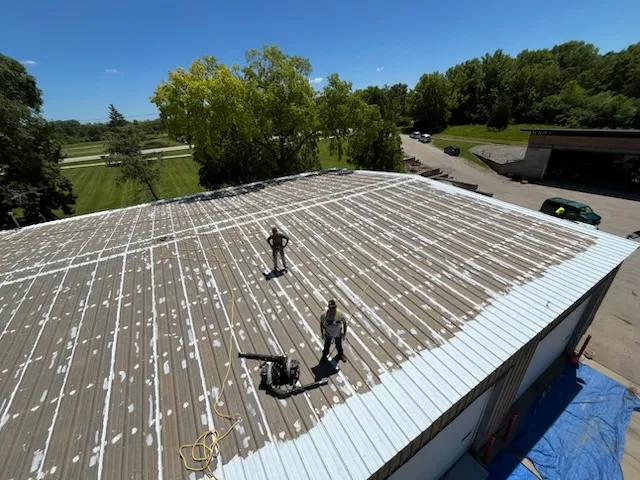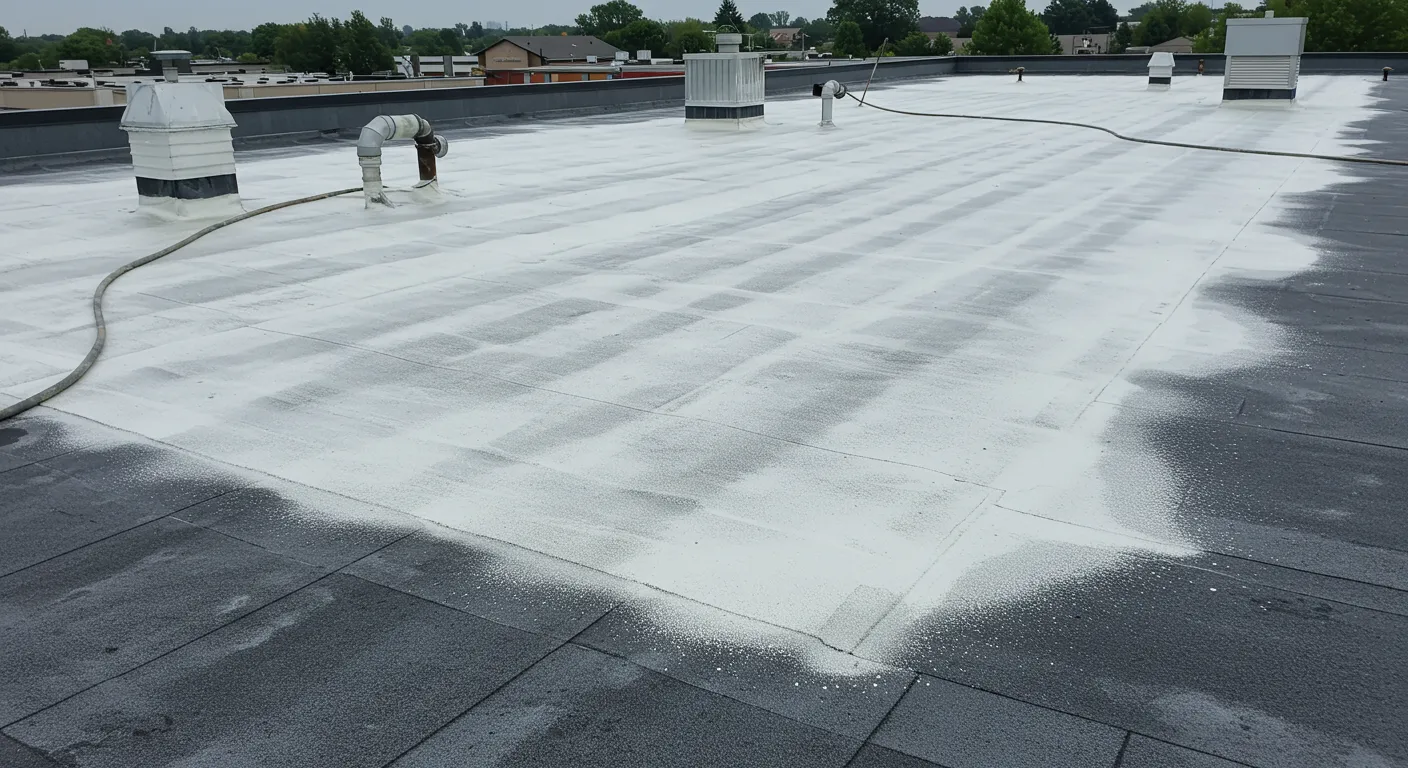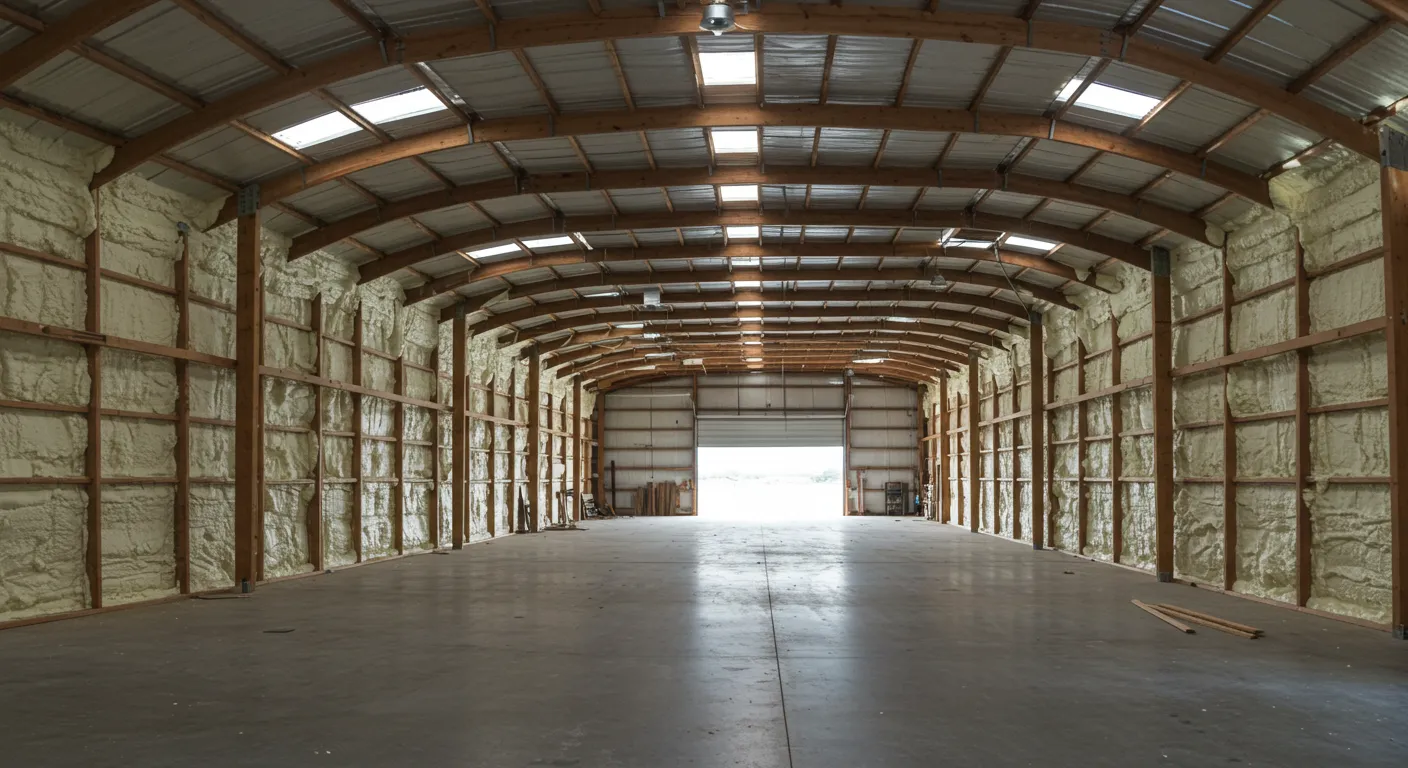
Why Is Your Pole Barn in Carpentersville, IL Too Hot in Summer and Cold in Winter?
Pole barn insulation services can help address the extreme temperature swings common in Carpentersville, IL pole barns. Bare steel panels…


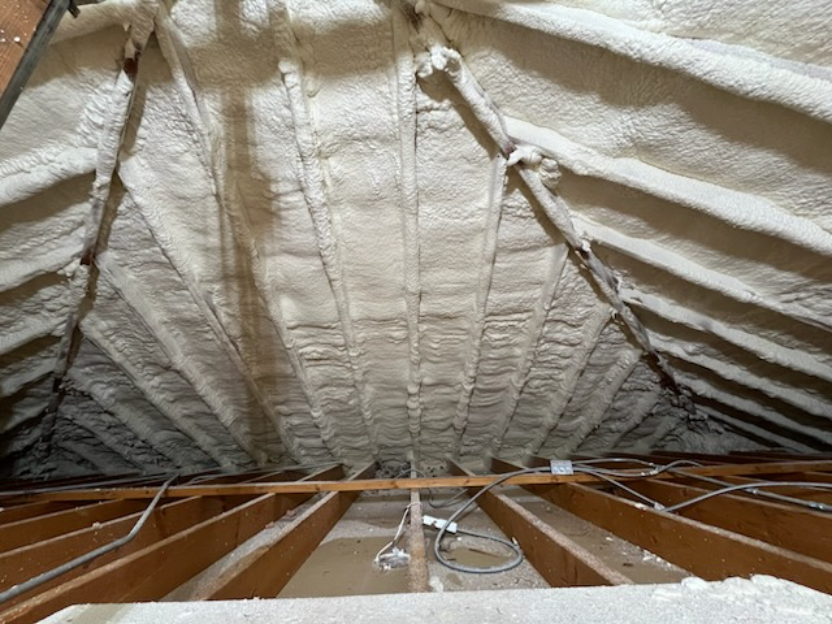
Homeowners in Lombard, IL, often see a payback period of four to six years for spray foam insulation investments. This range comes from average energy savings that offset initial costs through lower heating and cooling bills. In a climate with harsh winters and humid summers, spray foam seals air leaks effectively, cutting energy use by up to 25 percent according to data from the U.S. Department of Energy.
This article explains the factors behind that timeline, including local energy rates and home specifics. Readers will find step-by-step calculations, regional details, and practical advice drawn from installations in the Chicagoland area. Drawing from national insights like those from the U.S. Department of Energy, South Chicago Insulation bases this information on patterns seen in local projects, where energy audits reveal consistent savings patterns.
Spray foam expands to fill gaps in walls, attics, and crawl spaces. It creates a tight barrier against air movement and moisture. Unlike fiberglass batts, it adheres directly to surfaces without settling over time.
In Lombard, the material handles temperature swings well. This makes it particularly suitable for Lombard’s variable weather. Winters drop below freezing, and summers push humidity levels high. Spray foam’s closed-cell version resists water, which helps prevent mold in these conditions.
Lombard sits in DuPage County, where natural gas and electricity power most homes. Average annual heating costs reach $1,200 for a typical 2,000-square-foot house, based on reports from the U.S. Energy Information Administration. Cooling adds another $400 during humid months.
Illinois residents face rising utility rates. ComEd data shows electricity prices at about 14 cents per kilowatt-hour in 2023. Natural gas from Nicor Gas averaged $1.20 per therm. These figures drive quicker returns on insulation upgrades.
A study by the Illinois Energy Association notes that air sealing reduces overall home energy loss by 15 to 20 percent in northern Illinois climates.
Initial outlay for spray foam runs $1 to $2 per board foot installed. For a standard home, expect $3,000 to $8,000 total, depending on coverage area. Labor accounts for half that amount in the region.
Compare this to other options:
| Insulation Type | Cost per Board Foot | Expected Energy Savings | Typical Payback in IL |
|---|---|---|---|
| Spray Foam | $1.00 – $2.00 | 20-30% | 4-6 years |
| Fiberglass Batts | $0.30 – $0.50 | 10-15% | 7-10 years |
| Cellulose | $0.40 – $0.60 | 15-20% | 6-8 years |
This table draws from national averages adjusted for local labor rates. Spray foam edges out others due to its superior air sealing.
Bonus Tip: Schedule installations in off-peak seasons like spring or fall. Crews move faster in milder weather, potentially trimming labor costs by 10 percent.
Start with current annual energy bills. Subtract estimated savings from spray foam. Divide total installation cost by yearly savings to get the period in years.
Example: A $5,000 project saves $1,000 annually. Payback hits at five years. Tools from Energy Star help refine these numbers for specific homes.
In Lombard, factor in rebates. Nicor Gas offers up to $500 for insulation upgrades, shortening the timeline. ComEd provides similar incentives for attic sealing.
The U.S. Department of Energy estimates spray foam pays back in three to seven years nationwide, but colder climates like Illinois pull that average down.
Bonus Tip: Conduct a blower door test before and after installation. This measures air leakage reduction, often showing 30 percent improvements that confirm savings projections.
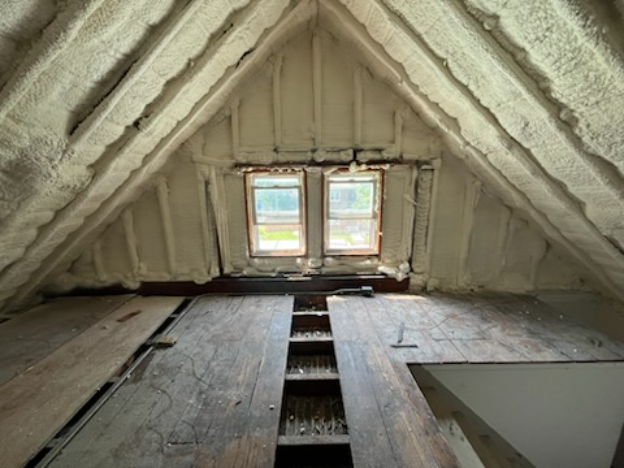
Assess home age and condition first. Older structures in Lombard may have more leaks, boosting spray foam benefits but raising prep costs.
Next, check for rebates through local utilities. Availability changes yearly, so verify current programs.
Also, evaluate long-term plans. If selling soon, focus on quick wins like attic insulation. For staying put, full envelope coverage maximizes value.
In addition, consider environmental impact. Spray foam uses less energy over time, reducing carbon output in a gas-dependent region.
Finally, remember that home size matters. Larger homes spread costs thinner, leading to faster payback.
Spray foam insulation lasts 25 to 30 years with little to no upkeep, unlike traditional materials that degrade or settle over time.
Yes, spray foam dampens outside noise effectively, making it especially useful for homes near busy roads like York Road.
Bonus Tip: Pair spray foam with ventilation upgrades. In tight homes, fresh air systems prevent indoor air quality issues while preserving energy gains.
Larger homes gain more from insulation due to greater surface area. A 1,500-square-foot house might see payback in six years, while a 3,000-square-foot one hits four years. Savings scale with square footage exposed to outdoors.
Higher rates speed up returns. If gas prices climb to $1.50 per therm, annual savings rise, cutting payback by a year. Track local trends through utility reports.
Yes, incentives from ComEd or Nicor Gas often cover 10 to 20 percent of costs. This drops effective payback to three to five years for qualifying projects.
Most yes, but check for asbestos in pre-1980 builds. Professional inspections ensure safe application without health risks.
They depend on accurate audits. Real-world data from local installations shows estimates within 10 percent of actual savings over the first few years.
Spray foam insulation in Lombard delivers a four- to six-year payback through solid energy savings. Local climate amplifies these gains, especially on heating bills. Calculations hinge on home details and rebates, so personalized assessments yield the best results.
Evaluate your utility bills and home layout to gauge fit. Align choices with long-term comfort and efficiency goals for the most benefit.
Review energy usage patterns to spot insulation opportunities. For detailed guidance tailored to a Lombard property, contact South Chicago Insulation at [email protected] or call (779) 803-8025. Professionals can run audits and outline options based on specific needs.