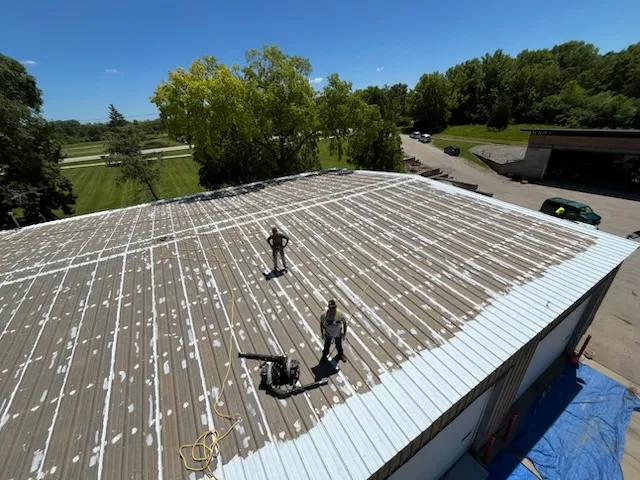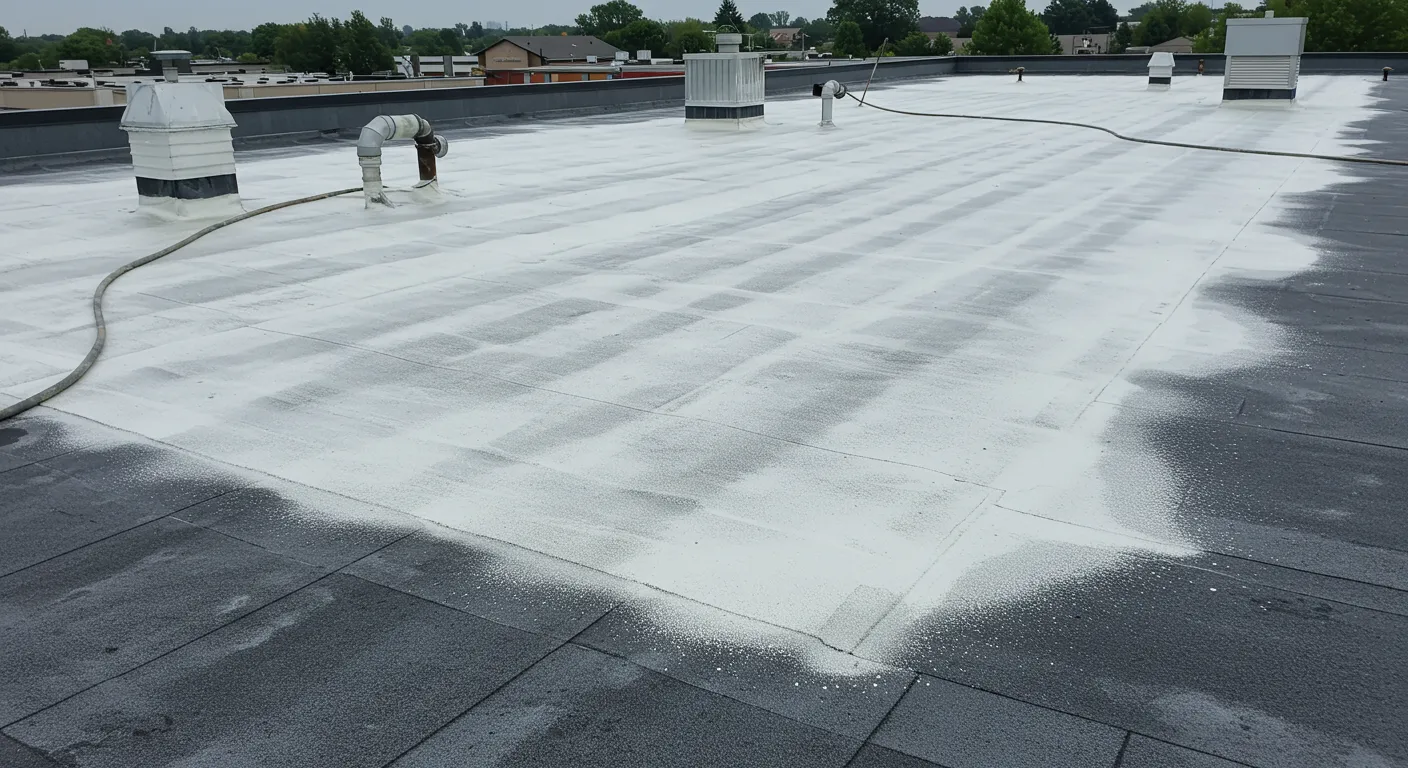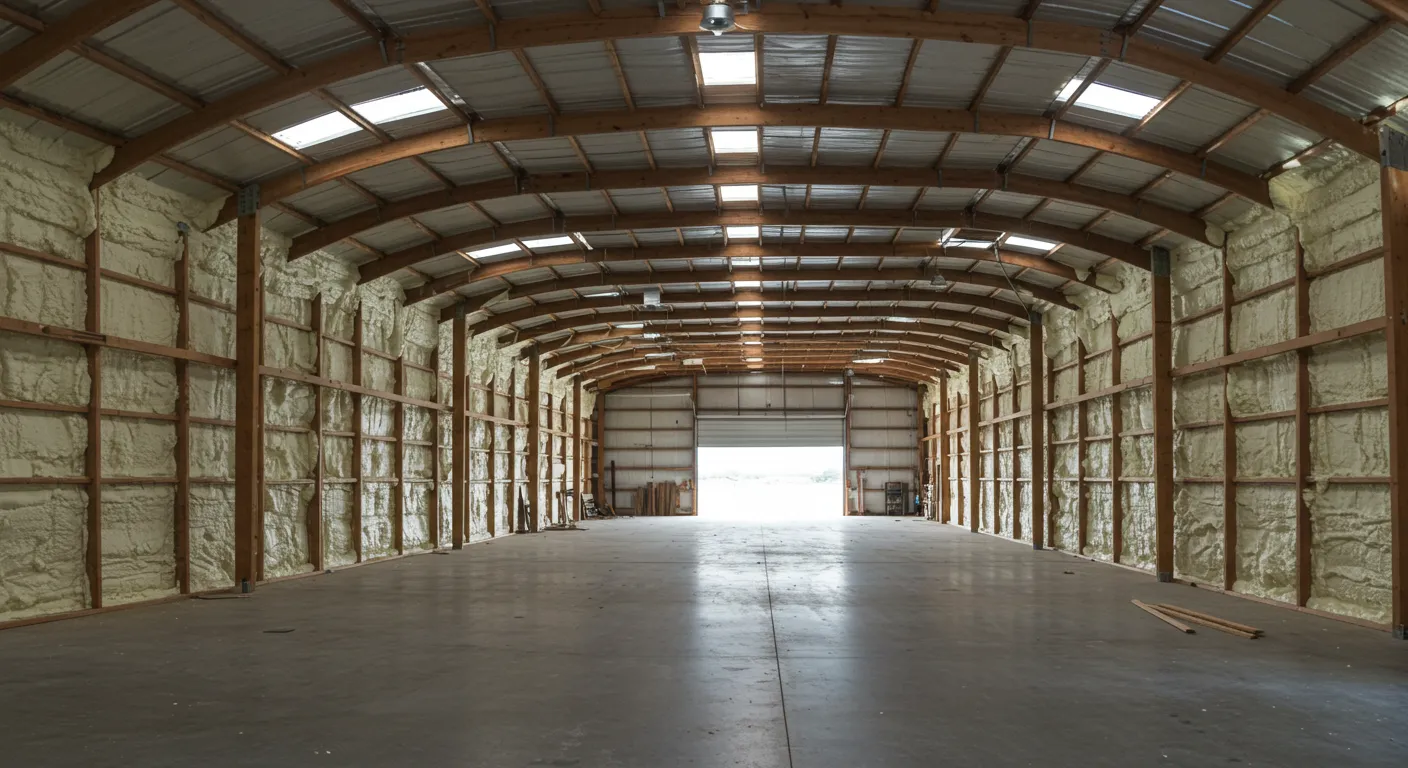
Why Is Your Pole Barn in Carpentersville, IL Too Hot in Summer and Cold in Winter?
Pole barn insulation services can help address the extreme temperature swings common in Carpentersville, IL pole barns. Bare steel panels…


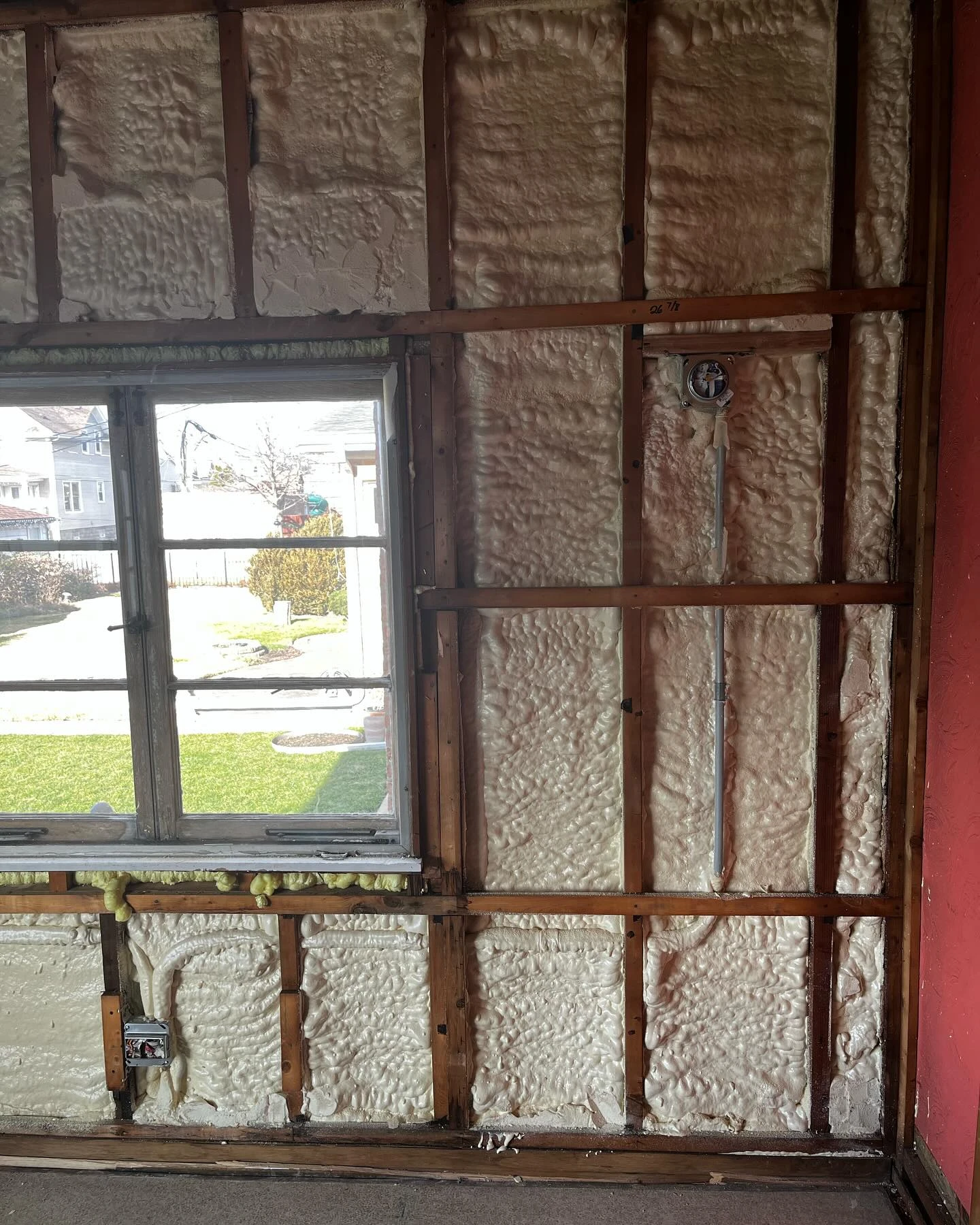
Pole barn insulation in Mount Greenwood, IL can last anywhere from 15 to 80-plus years, depending on the insulation material, installation quality, and how well the building is maintained against moisture and pests. Mount Greenwood sits in IECC Climate Zone 5, which means cold winters and humid summers create conditions that actively test the durability of any insulation you install. The right material choice and proper installation are what separate insulation that performs for decades from material that fails in under ten years. Below, we break down what to expect by insulation type, what causes premature failure, and how to get the most out of your investment.
Mount Greenwood, located on Chicago’s far southwest side, experiences the full range of Midwestern weather: freezing winters with regular snowfall, hot and humid summers, and seasonal temperature swings that can exceed 100 degrees from January highs to July highs. According to the Illinois Insulation Institute’s energy code summary, the state enforces requirements under Climate Zone 5, which calls for higher R-values than warmer zones and specifically addresses moisture control.
Pole barns present a unique challenge compared to standard residential construction. Metal walls and roof panels are prone to condensation when warm indoor air meets cold exterior surfaces during winter. Without a proper vapor barrier and insulation system, that condensation drips directly onto insulation, saturating fiberglass batts and creating conditions for mold growth. In Mount Greenwood’s humid summers, the problem reverses: warm outside air can condense on cooler interior metal surfaces. This back-and-forth moisture cycling is the primary reason pole barn insulation guide in our region often fails well before its theoretical lifespan.
Not all insulation materials perform the same in a pole barn environment. The table below summarizes typical lifespans, strengths, and weaknesses for the most common options.
| Insulation Type | Expected Lifespan in Pole Barn | Best Application | Main Failure Risk |
|---|---|---|---|
| Closed-cell spray foam | 50 to 80+ years | Walls and ceiling, direct to metal | UV exposure if left uncovered |
| Open-cell spray foam | 20 to 30 years | Walls only, conditioned spaces | Moisture absorption, lower density |
| Fiberglass batts | 15 to 25 years (pole barn) | Walls and ceiling with a vapor barrier | Moisture saturation, pest damage, sagging |
| Fiberglass (ideal conditions) | 80 to 100+ years | Climate-controlled, dry interiors | Rarely achieved in pole barns |
| Rigid foam board | 50 to 80+ years | Walls and ceiling liners | Punctures, joint separation over time |
| Blown-in cellulose | 15 to 30 years | Enclosed wall cavities only | Settling, moisture absorption, pest nesting |
As the table shows, the gap between theoretical lifespan and real-world pole barn performance is largest for fiberglass batts. While InterNACHI rates fiberglass insulation at 100+ years under ideal conditions, those conditions rarely exist inside a pole barn. Fiberglass batts installed between metal framing with an inadequate vapor barrier will absorb condensation, lose R-value, and begin to deteriorate within the first decade.
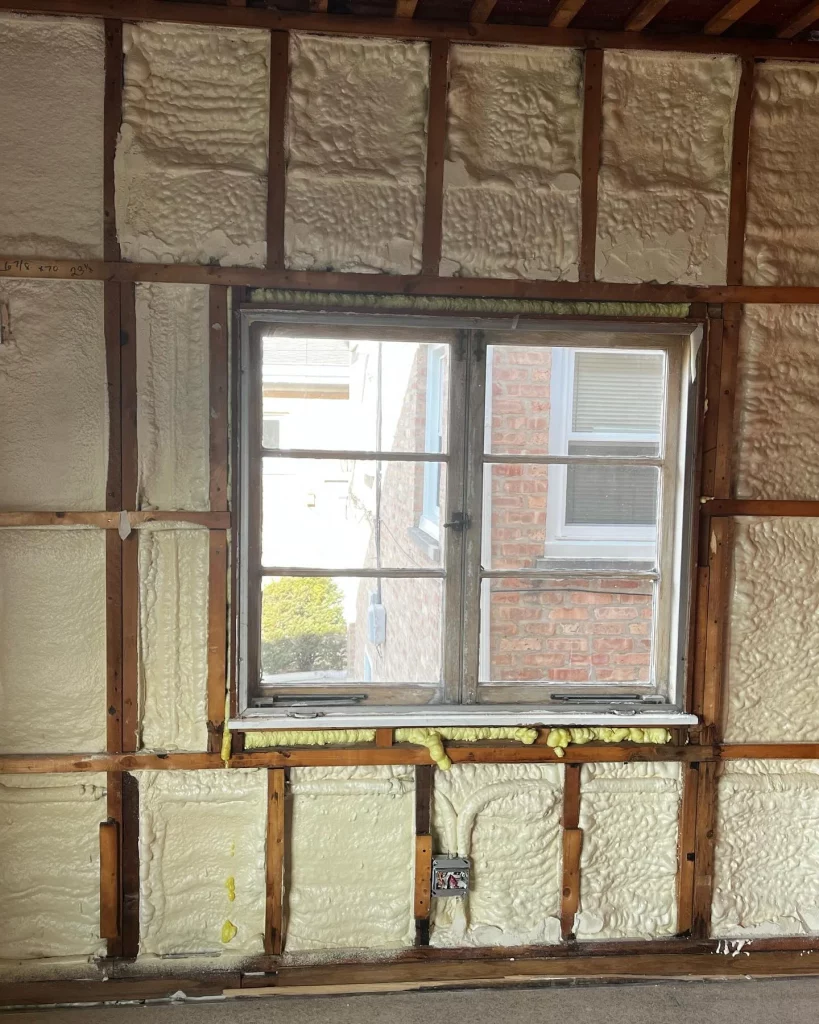
Closed-cell spray foam delivers the longest pole barn insulation lifespan because it expands to fill every gap, creates its own vapor barrier, and resists moisture absorption. Its rigid structure also adds shear strength to walls. Open-cell spray foam is less expensive but absorbs water, which significantly shortens its life in a pole barn setting.
According to Green Building Advisor’s building science experts, insulation does not degrade on its own. It requires an external failure, such as moisture intrusion, pest damage, or physical disturbance, to lose effectiveness. In pole barns, those external failures are common.
Moisture and condensation. This is the number one enemy of pole barn insulation installation. Metal buildings condense heavily in Climate Zone 5, and without a continuous air and vapor barrier, moisture penetrates fiberglass and cellulose, reducing thermal performance and promoting mold.
Pest infestation. Rodents, birds, and insects find fiberglass batts and blown-in cellulose attractive for nesting. Once insulation is contaminated with droppings or nesting material, it must be removed and replaced for health and safety reasons, regardless of its age.
Poor installation. Gaps, compression, and missing vapor barriers turn theoretical 80-year insulation into material that underperforms from day one. Batts that are compressed to fit into cavities lose significant R-value, and gaps around framing create thermal bridges that accelerate heat loss.
UV exposure. Spray foam insulation left exposed to sunlight will degrade and crumble. Any foam application in a pole barn must be covered with a protective coating or facing material.
Meeting the correct R-value is essential both for energy efficiency and for ensuring your insulation performs as intended over its full lifespan. The Illinois energy code, based on the 2018 IECC, requires the following for Climate Zone 5:
| Building Component | Minimum R-Value (Climate Zone 5) |
|---|---|
| Ceiling / Attic | R-49 |
| Wood-frame walls | R-20 or R-13 + 5ci |
| Basement walls | R-13 or R-10ci |
| Crawl space walls | R-19 or R-15ci |
These requirements apply to conditioned spaces. If your pole barn is used as a workshop, equipment storage, or livestock housing, you may choose to insulate to a lower R-value for comfort rather than code compliance. That said, insulating to at least the minimum recommended levels will reduce condensation risk and extend the life of both your insulation and your building structure.
The right insulation choice depends heavily on how you use the building.
Workshops and hobby spaces. For heated and cooled workshops, closed-cell spray foam on walls and ceiling delivers the best combination of longevity, air sealing, and moisture control. Expect 50-plus years of performance with a single application.
Equipment and vehicle storage. If the space does not need to be climate-controlled, rigid foam board liners with taped joints provide solid condensation control and can last decades without maintenance.
Agricultural and livestock buildings. Moisture from animals and wash-downs makes fiberglass a poor long-term choice here. Closed-cell spray foam or rigid board with a washable surface resists moisture and is easier to clean.
Seasonal use buildings. For spaces used only occasionally during the year, fiberglass batts with a proper facing can work, but only if the vapor barrier is intact and the building is well-ventilated during non-use periods.
Even with the right material and professional installation, insulation eventually needs attention. Watch for these warning signs:
Any of these signs warrants a professional inspection. In many cases, removing compromised insulation and replacing it with a more durable material like spray foam costs less in the long run than continuing to heat and cool a building with failed insulation.
Choosing the right installer matters as much as choosing the right material. A qualified contractor should walk your pole barn, discuss how you plan to use the space, and explain which insulation type fits your budget and lifespan goals. They should address vapor barriers, ventilation, and condensation control specifically, since those are the factors that determine whether your insulation reaches its full lifespan. Clear written estimates, proper licensing, and willingness to answer questions about material choices are all positive indicators. Avoid anyone who pushes a single solution without first evaluating your building’s unique conditions.
South Chicago Insulation specializes in pole barn insulation for Mount Greenwood and the surrounding southwest Chicago communities. Our team evaluates your building’s specific conditions, recommends the right material for your use case and budget, and installs it to last. Whether you are insulating a new build or replacing underperforming material in an existing pole barn, we handle every step from assessment to completion.
Call us at (779) 803-8025 or email [email protected] to get started. We will make sure your pole barn stays comfortable and protected for decades to come.
Most pole barn insulation in our area lasts 15 to 50 years, depending on the material. Closed-cell spray foam routinely exceeds 50 years, while fiberglass batts often need replacement within 15 to 25 years due to moisture exposure.
For buildings that will be heated, cooled, or used regularly, spray foam typically pays for itself through energy savings and by avoiding the need to replace moisture-damaged fiberglass within a couple of decades.
You can, but without proper vapor barrier installation and air sealing, fiberglass in a metal pole barn will likely fail prematurely due to condensation. Professional installation significantly extends the material’s lifespan.
Yes. Once fiberglass or cellulose insulation has been saturated, it loses thermal resistance, can grow mold, and may need complete removal and replacement rather than drying.
For conditioned pole barn spaces, aim for at least R-49 in the ceiling and R-20 in the walls to meet Illinois Climate Zone 5 requirements. Even for unconditioned storage, a minimum of R-19 in walls and R-30 in the ceiling helps control condensation.