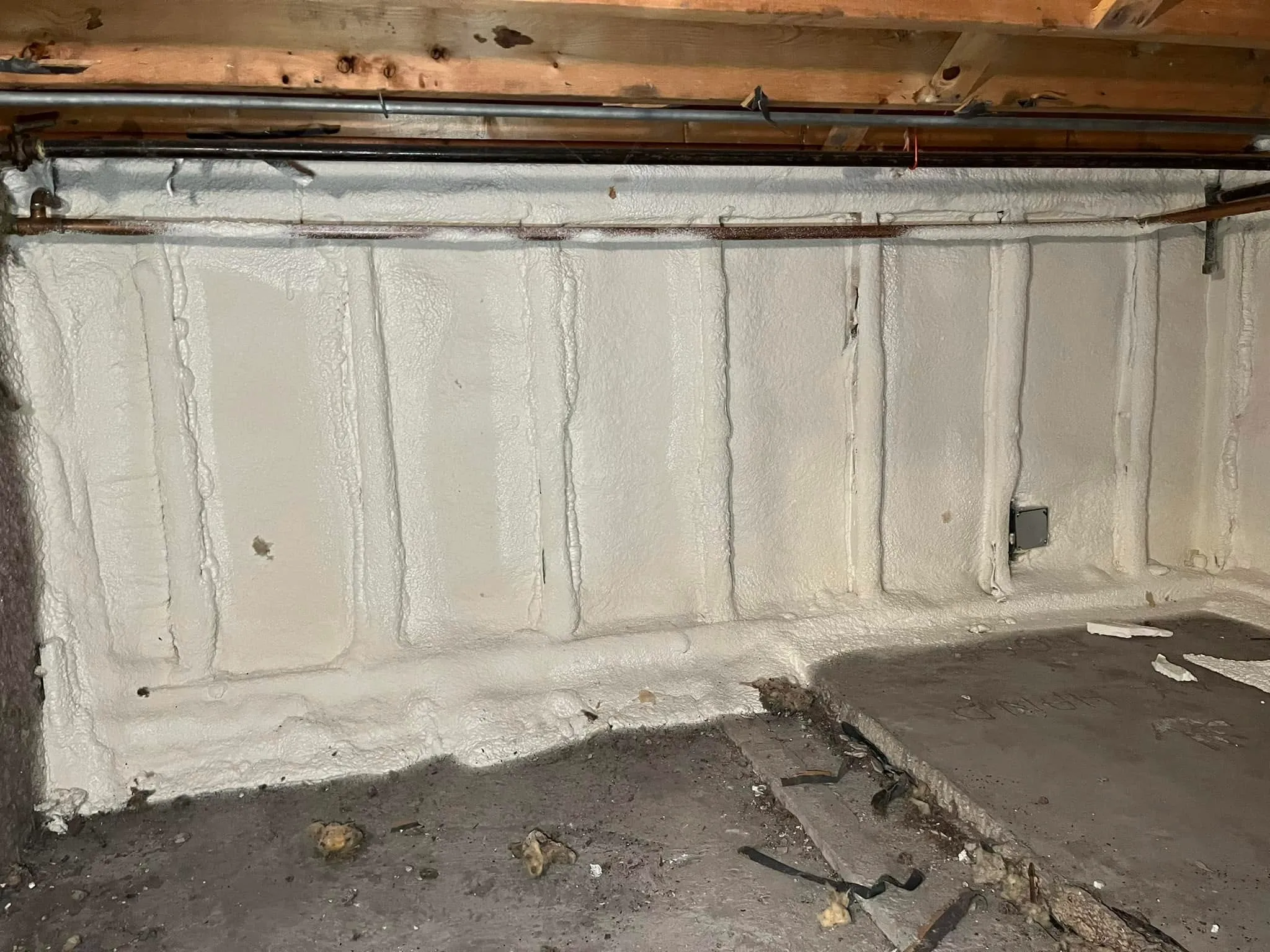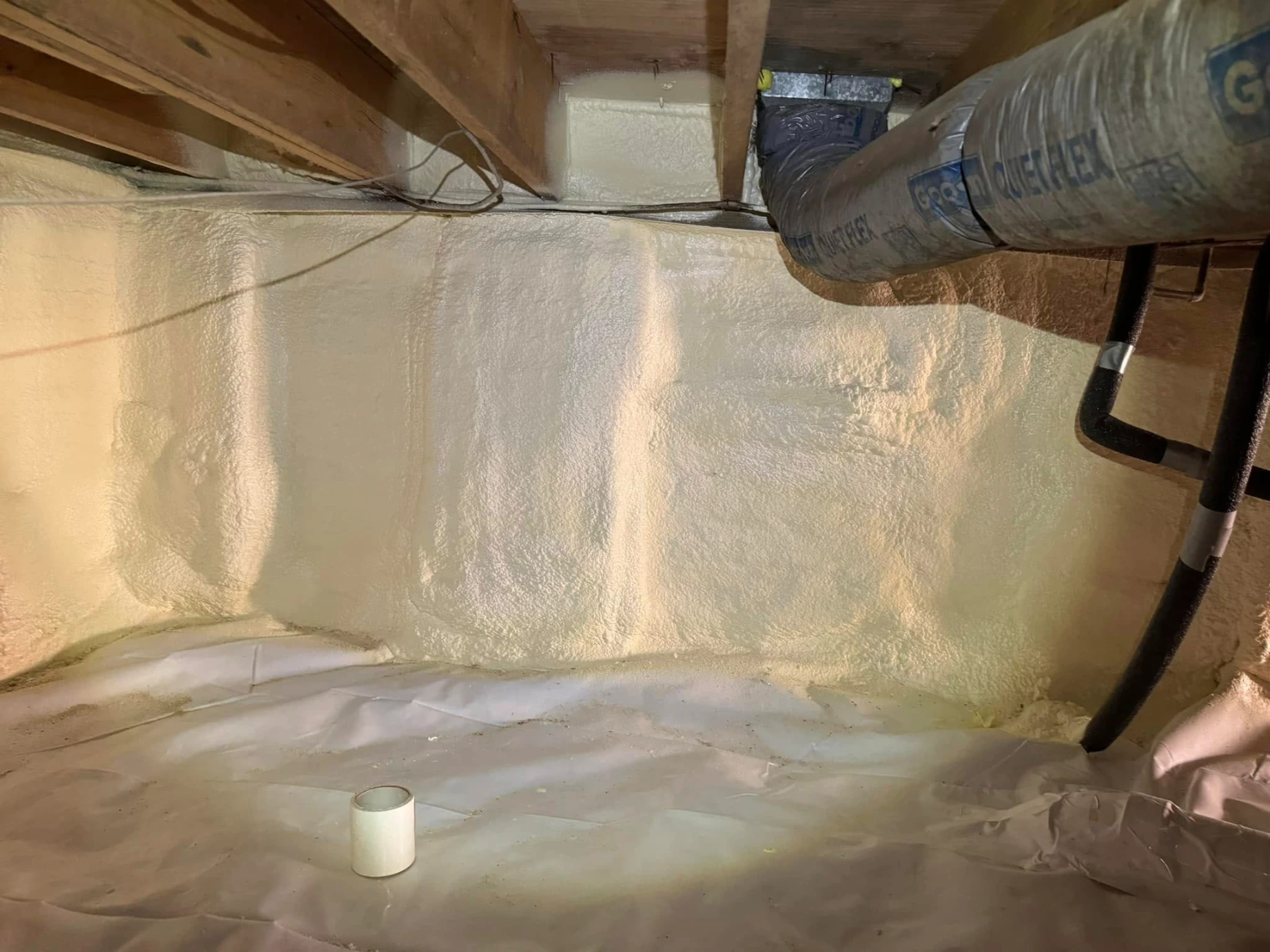
What Should New Lenox, IL Homeowners Consider Before Crawl Space Encapsulation?
Before you seal anything, fix water problems, test for mold and radon, check the structure, and plan drainage. Here is…


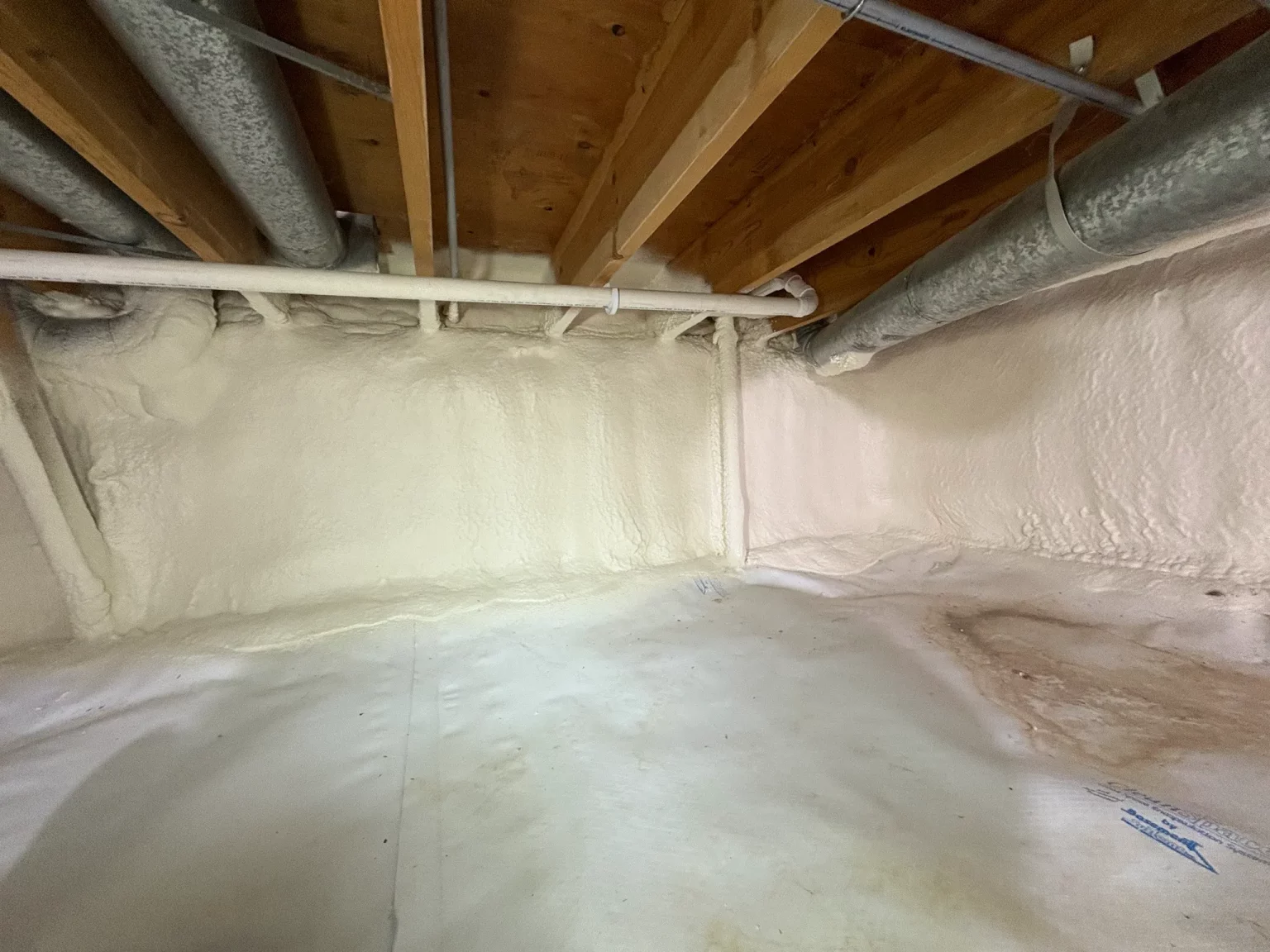
Yes, for most older homes with damp or drafty crawl spaces, encapsulation pays off. Your crawl space encapsulation ROI New Lenox, IL depends on moisture, energy use, and repair costs avoided.
TL;DR
Encapsulation turns a vented, damp crawl space into a sealed, controlled one. It isn’t one product. It’s a set of steps that work together, and the right mix depends on what we find under your floor.
Many older homes around here were built when vented crawl spaces were standard. Those vents let in humid summer air, and that air condenses on cool wood and soil.
Older home moisture protection starts with the ground. Bare soil keeps releasing water vapor, and the Building America Solution Center lists an uncovered dirt floor as a common indoor moisture source. It also notes that humidity above 50% supports mold growth.
Left alone, that damp air can feed rot on joists and a musty smell upstairs. In winter, cold floors and drafts make your furnace work harder too.
Energy is the easiest benefit to measure, so it’s where most homeowners start. The honest answer is that it helps, but it rarely tells the whole story.
The crawl space energy savings New Lenox, IL homeowners see will vary, but federal research gives a fair range. ENERGY STAR says EPA estimates homeowners can save an average of 15% on heating and cooling costs by air sealing and adding insulation, including floors over crawl spaces. The U.S. Department of Energy reports typical whole-house savings of 10% to 20% from insulation and air sealing, and says older homes with little insulation may save much more.
Those numbers cover sealing and insulating in general, not encapsulation alone. If your bills are modest, energy savings by themselves may take years to repay the job.
The strongest return usually comes from several smaller wins stacking up. Here’s how we look at it with homeowners.
| Return Source | How It Pays Off |
|---|---|
| Avoided Repairs | Less rot, mold cleanup, and subfloor replacement |
| Lower Energy Bills | Fewer drafts and less heat loss through the floor |
| Equipment Wear | Ducts and HVAC in the crawl space work in a drier, steadier space |
| Resale Appeal | Fewer red flags for buyers and inspectors |
| Comfort and Storage | Warmer floors and a cleaner space below |
Long-term crawl space savings usually come from damage you never have to fix. A rotted joist or a moldy subfloor can cost far more than the barrier that prevents it.
Crawl space upgrade value for older homes can also show up at resale. A dry, clean crawl space gives buyers less to worry about, though we can’t promise a set bump in price.
No two crawl spaces are the same. Your crawl space improvement return on investment moves up or down with a few factors we check first.
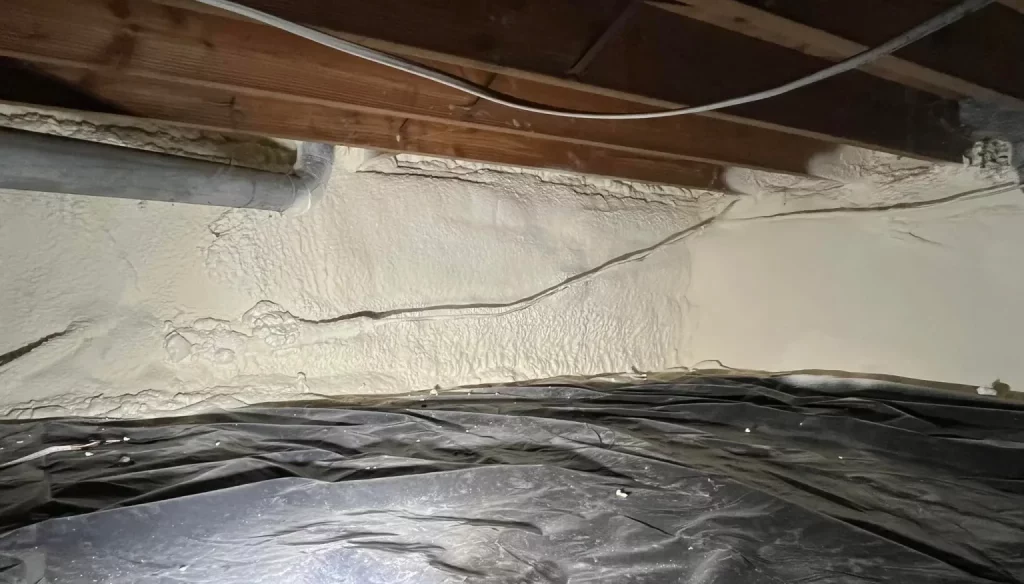
Sometimes sealing the space comes second. Doing it in the wrong order wastes money, so we’d rather tell you straight.
Run through this quick checklist. Each yes points toward a bigger payoff.
If you checked two or more, the crawl space encapsulation investment New Lenox, IL homeowners weigh is probably worth pricing out. If you checked none, a simple inspection may be all you need.
If you’re still weighing the numbers, we’ll look at your crawl space, explain what we find, and give you a free quote. You’ll know what your home needs before you spend a dollar.
Call us at (779) 803-8025 or email [email protected]. We serve homeowners in New Lenox, IL.
Most jobs take a few days, depending on size and prep work like clearing debris. We’ll give you a timeline at the estimate.
Often, yes. Sealing out cold, damp air usually helps, though results vary with your home’s insulation and layout.
Sometimes. A humidity monitor in the space will show you whether the air stays in a healthy range.
You can handle small tasks like clearing debris. Sealing seams, walls, and drainage correctly is harder, and gaps can let moisture back in.
Yes, but not much. Check the barrier, seams, drain, and humidity reading once a year.