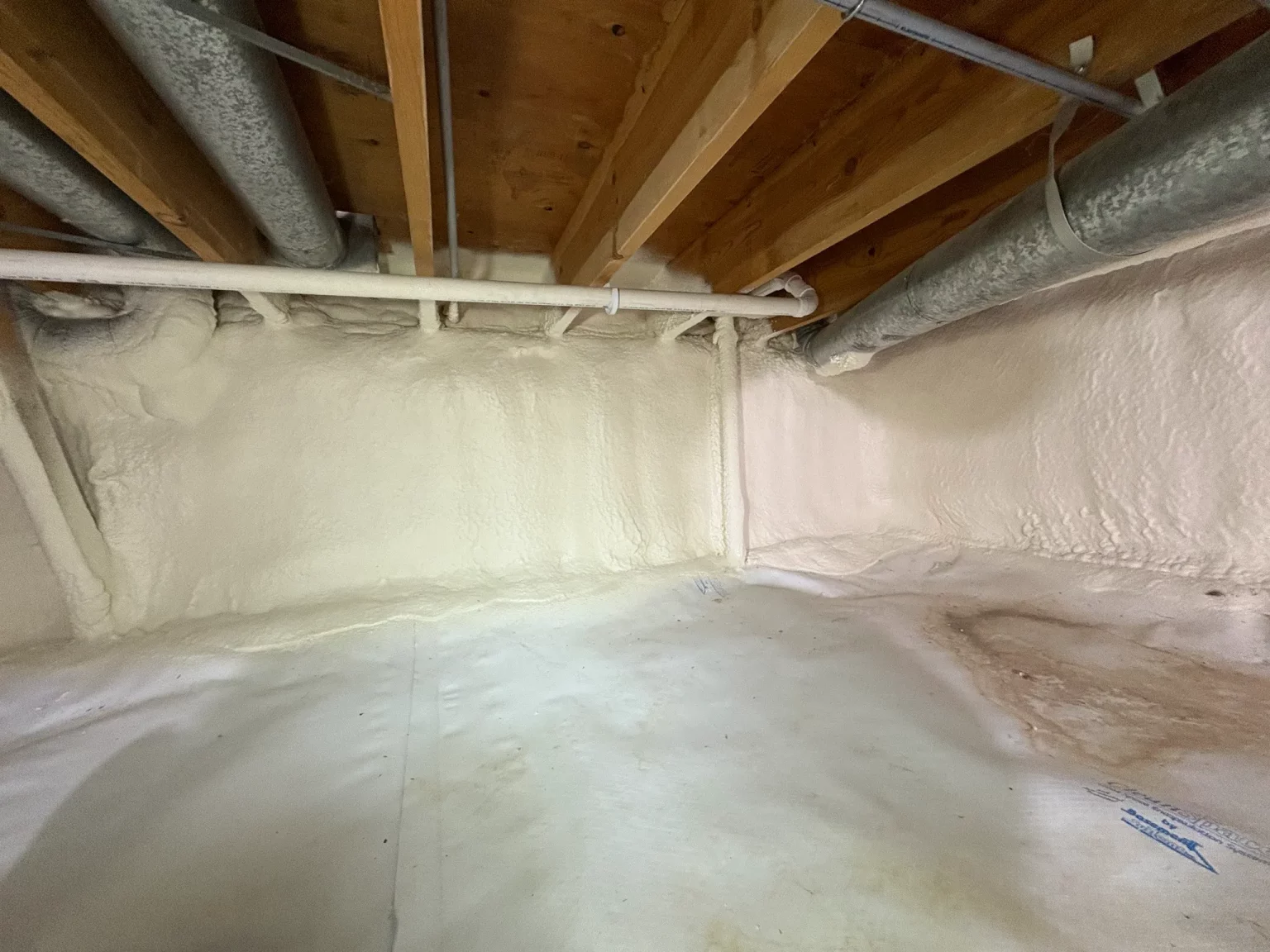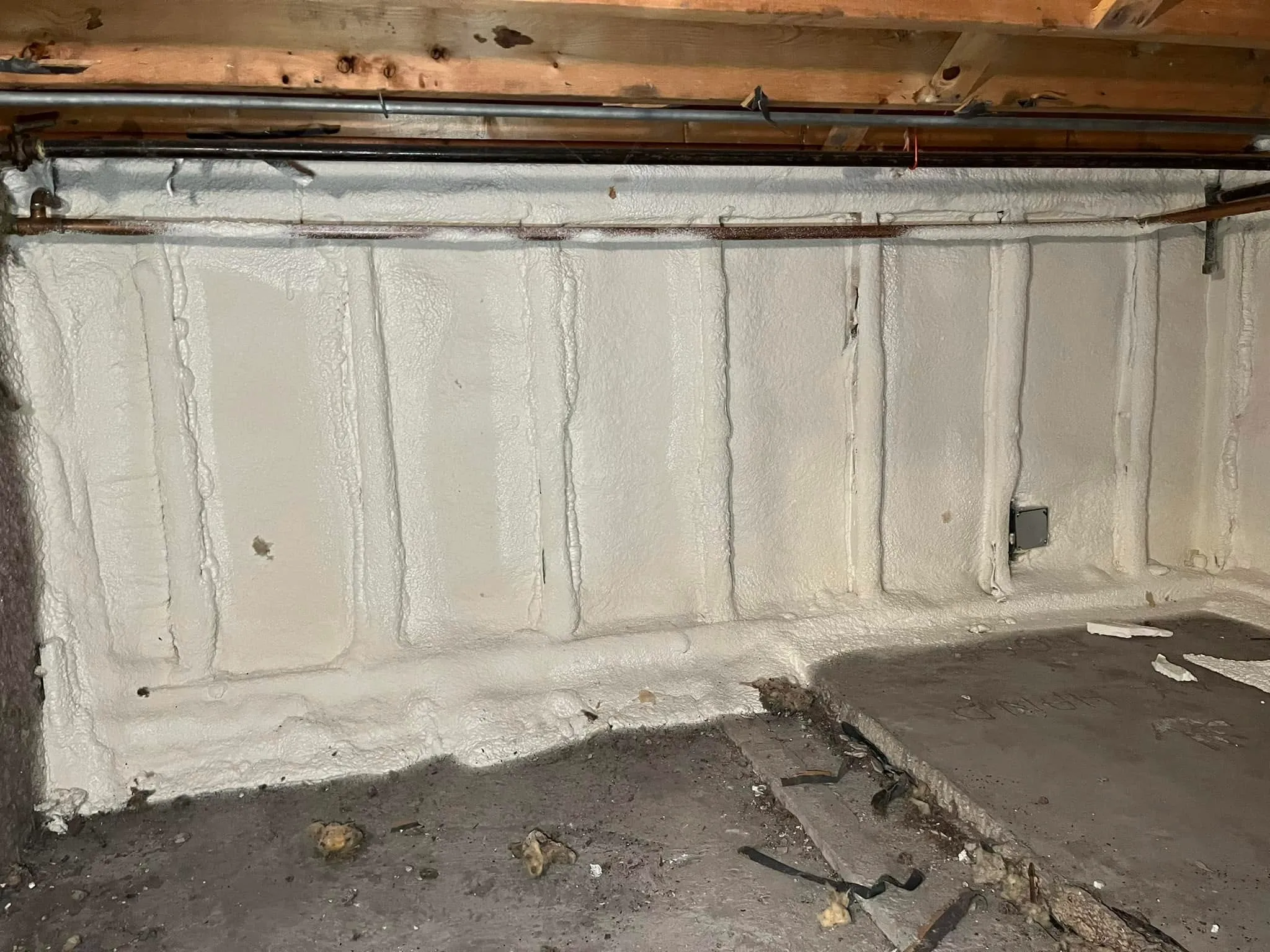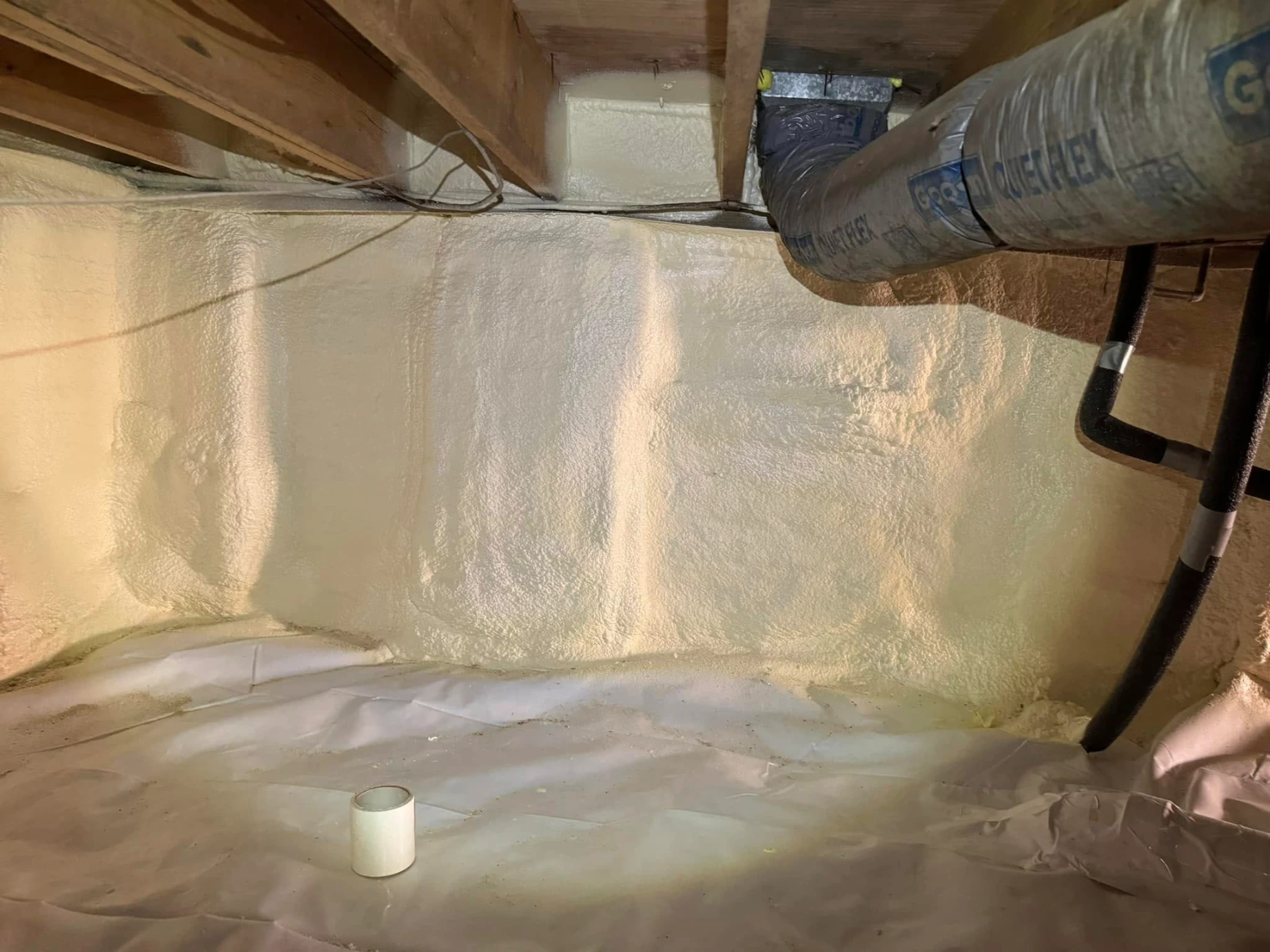
What Should New Lenox, IL Homeowners Consider Before Crawl Space Encapsulation?
Before you seal anything, fix water problems, test for mold and radon, check the structure, and plan drainage. Here is…


Before you seal anything, fix water problems, test for mold and radon, check the structure, and plan drainage. Here is a Crawl Space Encapsulation Checklist New Lenox, IL homeowners can follow, starting with moisture, framing, and the dirt floor. Skip these steps, and plastic can trap problems under your home for years, which gets expensive fast and costs more to undo.
TL;DR
Encapsulation covers the ground and walls under your home so damp air stays out. It’s a set of steps, not one task, and the order matters.
The U.S. Department of Energy’s Building America program reports that builders are sealing and insulating crawlspaces for up to 20% heating and cooling savings, with less moisture risk. Our cold winters and muggy summers make a damp crawl space hard on your floors, ducts, and framing.
Encapsulation won’t repair a cracked foundation or stop a leaking pipe. It protects a space that’s already sound, which is why plastic goes on last, not first.
Every crawl space has a different story. Our checks start with water, then move to structure, mold, pests, and soil gases.
A Crawl Space Moisture Assessment New Lenox, IL homes need after a wet spring starts with your eyes and nose. Look for standing water, damp soil, stained walls, rusty fasteners, and musty smells.
The Department of Energy’s guide to closing ventilated crawlspaces says standing water must be eliminated and its source repaired, or moisture levels will climb again.
Check inside sources too:
A Crawl Space Drainage Evaluation looks outside as much as inside. Water that pools against your foundation will find its way under the house, and liner won’t stop it.
Walk the property after a heavy rain and note:
A Crawl Space Structural Inspection comes before any covering goes down. Sagging beams, soft or rotted joists, and cracked or leaning piers should be repaired while you can still see and reach them.
Mold needs the same attention. The Building America Solution Center says a mold remediation professional needs to handle affected areas, and work shouldn’t continue until the space is clean. Sealing over mold just locks it in.
Look for termite tubes, rodent droppings, and chewed insulation as well. If you have an active pest contract, ask that company how much of the space you can cover.
Soil gas rises through the ground into your crawl space. The Department of Energy’s guide notes that in radon-prone areas, closed crawlspace homes should be tested and monitored by a certified tester, and that EPA recommends testing all homes. Test before you seal so you know your starting number.
Once the big problems are fixed, the space still needs cleaning and measuring. Good prep keeps the liner from tearing and keeps seams tight.
Crawl Space Preparation Requirements are mostly simple but easy to rush. Clear out old insulation, wood scraps, and trash. Measure the floor and walls, then note every vent, pipe, duct, and post that the liner has to wrap around.
Ground Vapor Barrier Preparation matters more than most people expect. Rocks, roots, and sharp debris can poke through plastic, so we smooth the soil first. We also plan seams, wall edges, and piers so the barrier forms one continuous layer instead of patches.
Plan for what comes after, too. A sealed space may need vents closed, wall insulation, and a dehumidifier, and those choices change the scope of the job.
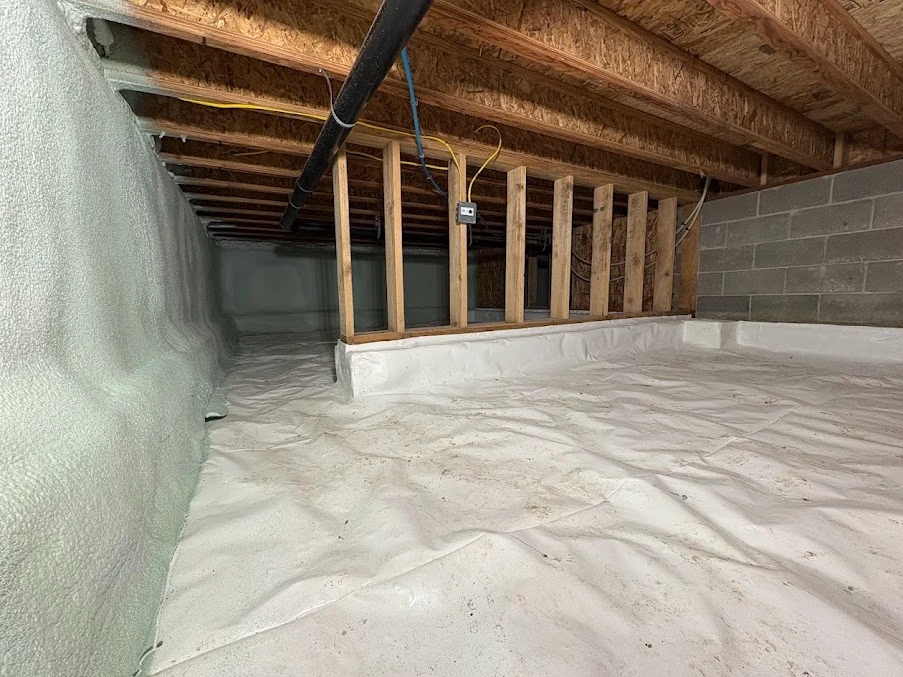
Use this quick table to see where your crawl space stands. A Crawl Space Readiness Assessment works best when every row has a clear yes or no.
| Item | Ready When |
|---|---|
| Water | No standing water, no active leaks |
| Drainage | Gutters, grading, and sump work properly |
| Structure | Beams, joists, and piers are sound |
| Mold | Cleaned by a qualified pro, if present |
| Pests | No active infestation |
| Radon | Tested before sealing |
| Floor | Cleared, smooth, and measured |
If two or more rows say no, hold off on sealing. Fix those items first, then move forward.
If you’re not sure your crawl space is ready, we can help you sort it out. Our team at South Chicago Insulation looks at moisture, drainage, structure, and floor condition in New Lenox, IL, then explains what needs attention first.
We offer a free quote, so you can see the plan before you spend anything on the sealing itself.
Often, yes. A sealed space can still hold humidity from the soil and the air, so many homes add a dehumidifier to keep moisture steady.
Usually, once the space is dry. Building scientists now favor sealed crawl spaces over vented ones, since summer air coming through vents can add moisture.
It can reduce how much soil gas enters, but it isn’t a guarantee. Test again after sealing, and ask about a venting system if the numbers stay high.
You can do a basic look with a flashlight, gloves, and a mask. Watch for water, mold, and sagging wood, and call a pro if you see anything that worries you or can’t reach tight spots safely.
It often helps, since a sealed and insulated space holds steadier temperatures under the house. Results depend on your insulation, air leaks, and how damp the space was to begin with.
Pre-Encapsulation Inspection New Lenox, IL, Crawl Space Moisture Assessment New Lenox, IL, Crawl Space Preparation Requirements, Ground Vapor Barrier Preparation, Crawl Space Drainage Evaluation, Crawl Space Structural Inspection, Crawl Space Readiness Assessment.