Major Problems with Open Cell Spray Foam Insulation in Burr Ridge, IL
admin_southchica
March 2nd, 2026
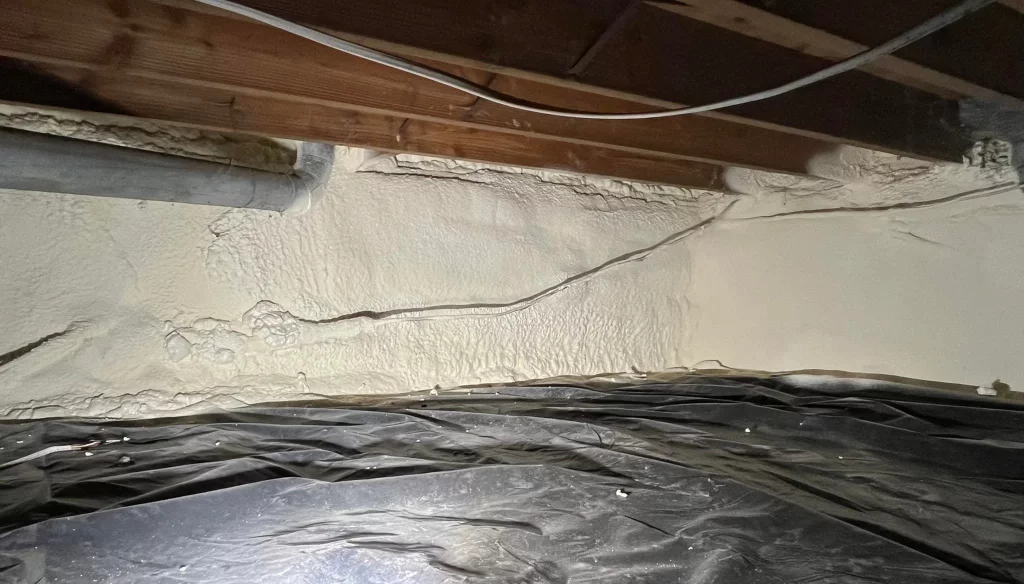
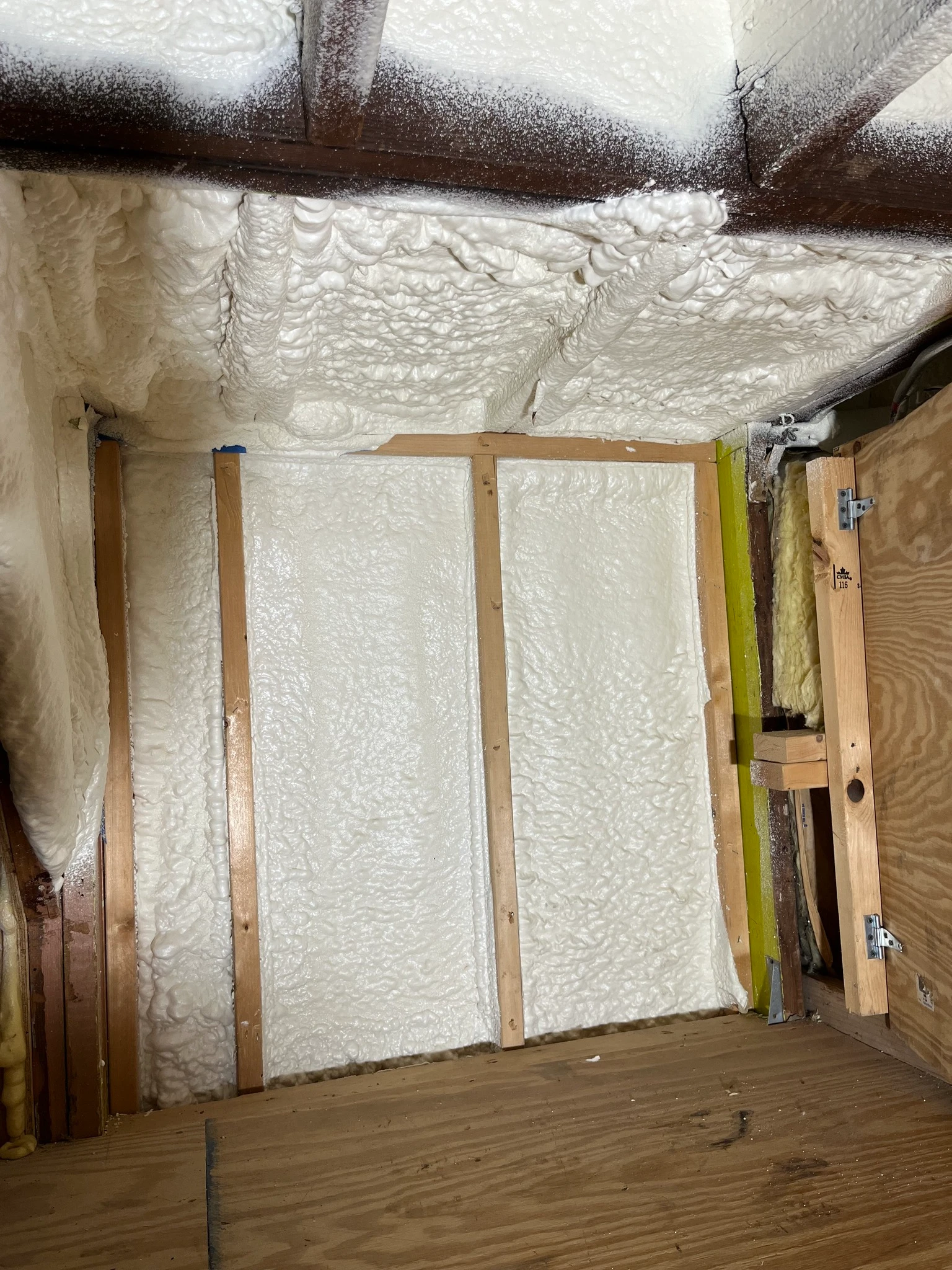
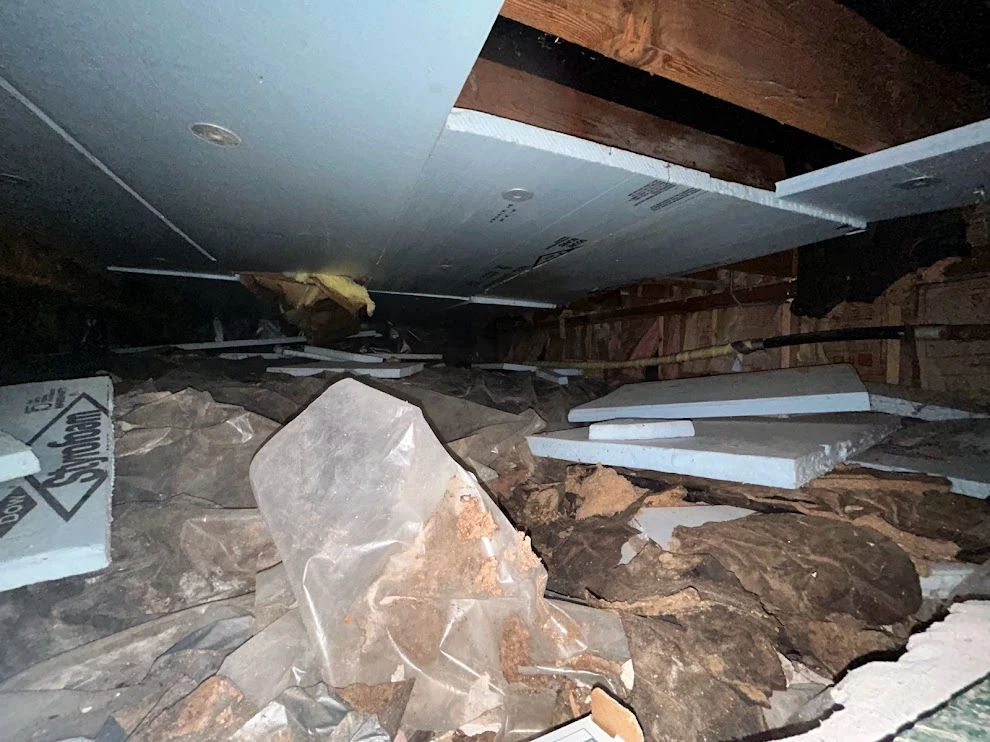
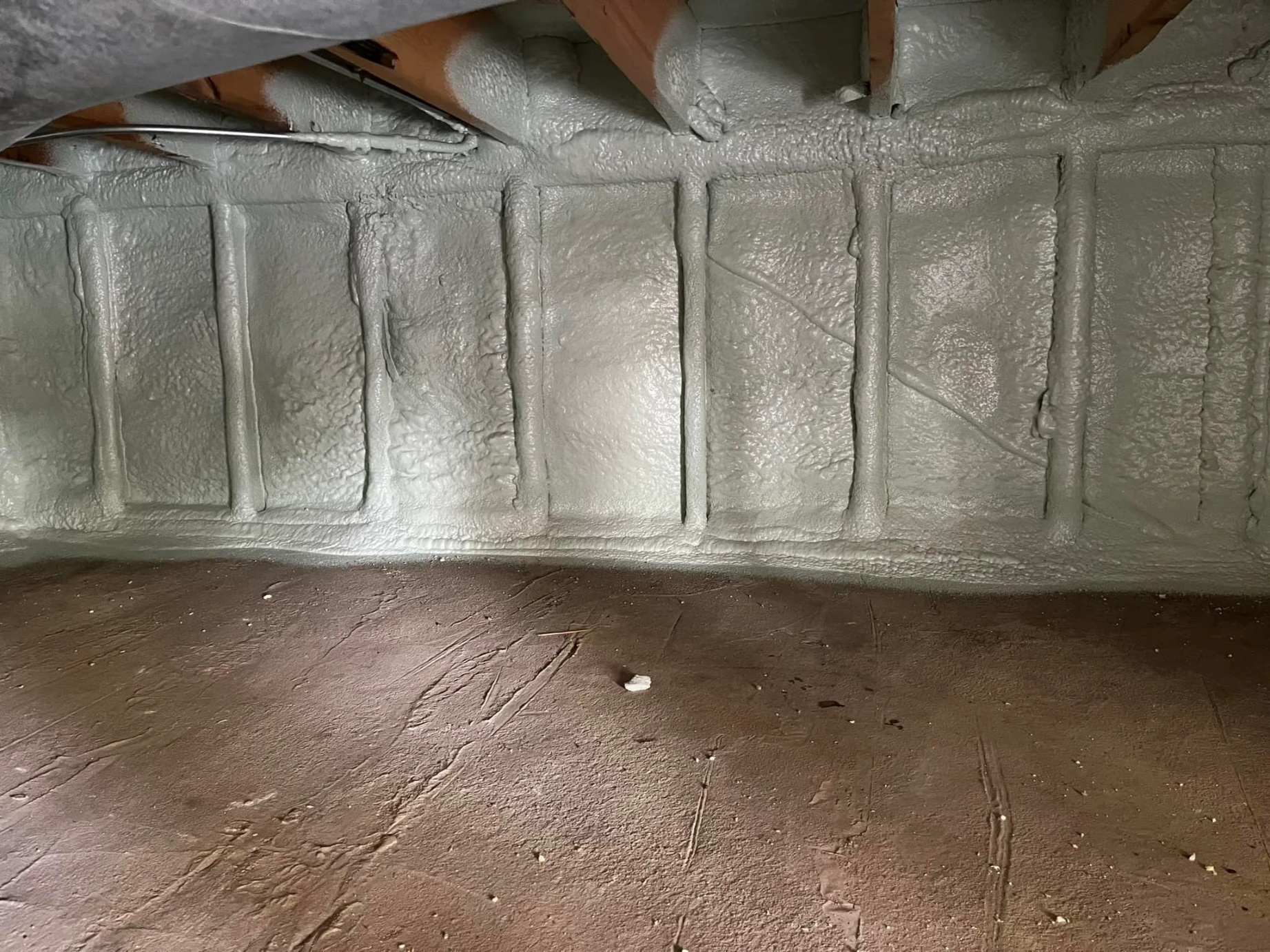
Open-cell spray foam insulation in Burr Ridge, IL, presents significant problems primarily related to moisture management, structural suitability, and long-term performance in the local climate. The material’s high vapor permeability, while beneficial in some applications, makes it vulnerable to moisture retention in Illinois’s humid summers and cold winters. This can lead to reduced R-value, potential mold growth, and even structural damage if not installed with perfect precision in a wall system designed for its unique properties. Homeowners considering this insulation must understand that its success is entirely dependent on specific building science and environmental conditions often overlooked during installation.
This guide breaks down the critical failures of open-cell foam in our region, drawing from extensive field experience and building performance data. We’ll cover why this seemingly attractive insulation option often becomes a costly mistake for Burr Ridge homeowners and what you need to know to protect your investment.
The Moisture Problem in Burr Ridge’s Climate
The single biggest issue with open-cell spray foam insulation in the Burr Ridge area is its inherent relationship with moisture. Unlike closed-cell foam, which creates a vapor barrier, open-cell foam is vapor-permeable. It allows moisture to travel through it slowly. In theory, this allows a wall to “breathe” and dry. In practice, especially with Illinois’s seasonal humidity swings, it creates a risky situation.
During our humid summers, moisture from the exterior can drive into the wall assembly. If this moisture gets trapped between the exterior sheathing and the foam, it has nowhere to go. The open-cell foam holds this moisture like a sponge. The thermal performance of wet insulation plummets, and sustained moisture levels above 20% create a perfect environment for mold to flourish on wood sheathing and studs Building Science Corporation. The problem reverses in winter as indoor moisture travels outward and can condense on the cold sheathing surface, trapped again by the foam.
Bonus Tip: A simple way to check if moisture is an existing issue is to use an infrared camera during a temperature differential. Cold spots on an exterior wall often indicate trapped moisture where insulation has failed.
Comparative R-Value Performance
The theoretical R-value of insulation is often misleading because it doesn’t account for real-world performance. When open cell foam gets damp, its insulating ability drops significantly. This is a critical failure point that many homeowners discover only after facing high energy bills.
Insulation Condition
Open Cell Foam (Per Inch)
Closed Cell Foam (Per Inch)
Fiberglass Batts
Dry
R-3.5
R-6.5
R-3.2
Slightly Damp (5% moisture)
R-2.5
R-6.0
R-2.2
Wet (20%+ moisture)
R-1.0
R-4.0
R-0.8
This table clearly shows that while all insulation types suffer when wet, open-cell foam’s performance degrades dramatically. The difference between a dry and wet R-value can mean the difference between a comfortable home and one with drafty rooms and high heating and cooling costs. Market data indicates that proper insulation can reduce heating and cooling needs by 15-30%, according to reports from the U.S. Environmental Protection Agency but that saving evaporates if the insulation fails due to moisture.
Installation Challenges and Structural Limitations
Even under perfect climate conditions, the installation of open-cell spray foam leaves little room for error. The application requires specific temperatures and humidity levels to cure properly, something the unpredictable Illinois weather can disrupt. A rushed or improperly trained installation crew can leave gaps, voids, or areas with inconsistent thickness, all of which become thermal weak points and channels for air and moisture to move.
The foam’s low density, which makes it more affordable than closed-cell, also comes with structural trade-offs. It offers virtually no structural reinforcement. In applications like rim joists or cathedral ceilings, where closed-cell foam can add rigidity, open-cell foam provides none. Furthermore, it requires a thicker application to achieve the same R-value as closed-cell, which can be a problem in standard 2×4 wall cavities where space is already limited.
Bonus Tip: Always ask the installer for a core sample of the cured foam in an inconspicuous area. This allows you to check the cell structure and ensure it is expanded and cured correctly without large voids.
Things to Consider Before Making a Decision
Before committing to any insulation, homeowners should evaluate these specific pre-decision factors:
Exterior Cladding: Vinyl siding can “breathe” more than brick veneer, potentially affecting wall drying potential. Your exterior finish must be compatible with the chosen insulation.
HVAC System Size: High-performance insulation reduces the transfer of voices, heating and cooling loads. An existing HVAC system may now be oversized, leading to short-cycling and poor humidity control.
Air Sealing Goals: If the primary goal is air sealing, a hybrid approach using flash-and-batt with a thin layer of closed-cell foam might be more effective and less risky.
Long-Term Plans: Are you planning to finish the basement or remodel the exterior later? Changes to the building envelope can have unintended consequences on how the wall assembly manages moisture.
Financial and Long-Term Risks
The initial lower cost of open-cell foam can be tempting, but the long-term financial risks often outweigh the upfront savings. A moisture-related failure is not a simple fix. Correcting it often involves complete removal of the compromised insulation, treatment of mold or rot, replacement of damaged building materials, and then re-insulating correctly. This remediation work can cost many times more than the initial insulation installation.
South Chicago Insulation has encountered numerous projects where homeowners had to pay twice for their insulation, once for the faulty open-cell installation and again for the proper system. Beyond the direct financial cost, there’s the hidden cost of decreased indoor air quality, potential health effects from mold exposure, and the significant stress of dealing with a major home system failure. A 2022 survey from the Remodeling Futures Program at the Joint Center for Housing Studies of Harvard University indicates that homeowners are increasingly investing in disaster preparedness and resilient home improvements, suggesting that long-term performance is becoming a higher priority than initial cost.
Bonus Tip: When getting quotes, ask specifically about the company’s warranty for moisture-related failures. Many standard warranties only cover material defects, not performance issues caused by moisture.
Get Expert Guidance for Your Insulation Project
Choosing the right insulation is a critical decision that impacts your home’s comfort, health, and energy costs for decades. The challenges with open-cell spray foam in Burr Ridge’s climate are serious, and making the wrong choice can lead to costly consequences. Before you proceed with any insulation project, getting a professional, unbiased evaluation of your home’s specific needs is the smartest first step. For a detailed consultation and an honest assessment of the best insulation strategy for your property, contact the experts at South Chicago Insulation. Call us at (779) 803-8025 or email [email protected] to schedule an appointment and ensure your investment provides lasting value and performance.
FAQs
Is open-cell spray foam ever better than closed-cell?
It can be in specific situations, like interior sound deadening walls or in conditioned attic assemblies designed by an expert. Its main advantages are lower cost and better sound absorption, but these come with significant moisture performance trade-offs.
How can I tell if my existing open-cell foam insulation has failed?
Signs include musty odors, visible mold on walls or ceilings, unexplained high energy bills, and cold spots on exterior walls. An infrared thermography scan by a professional can identify moisture and insulation gaps behind your walls.
Does the thickness of the application matter?
Absolutely. Open-cell foam needs to be applied thick enough to meet its rated R-value. In a 2×4 wall cavity, you might not be able to install enough foam to meet current energy code recommendations without reducing the depth of the cavity.
What are the health concerns with spray foam?
Improper installation or off-gassing from poorly mixed foam can release chemicals that are respiratory irritants. This is why it’s crucial to use certified, experienced installers who follow strict safety protocols during application and ensure the area is properly ventilated before re-entry.
Building Science Corporation – A detailed technical comparison of open-cell and closed-cell spray foam insulation, focusing on moisture performance and applications.
Open-cell spray foam insulation in Burr Ridge, IL, presents significant problems primarily related to moisture management, structural suitability, and long-term…
Poor insulation in cold rooms directly causes significant operational problems, including temperature instability, excessive energy consumption, equipment strain, and product…