3 Reasons Why Commercial Roof Coatings Reduce Roof Maintenance Costs in Beverly, Chicago, IL
admin_southchica
January 19th, 2026
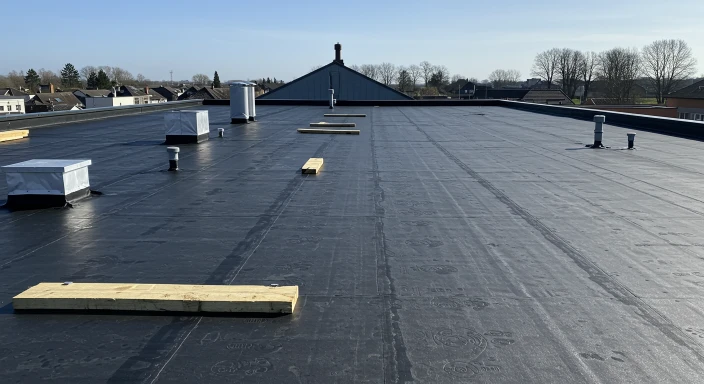
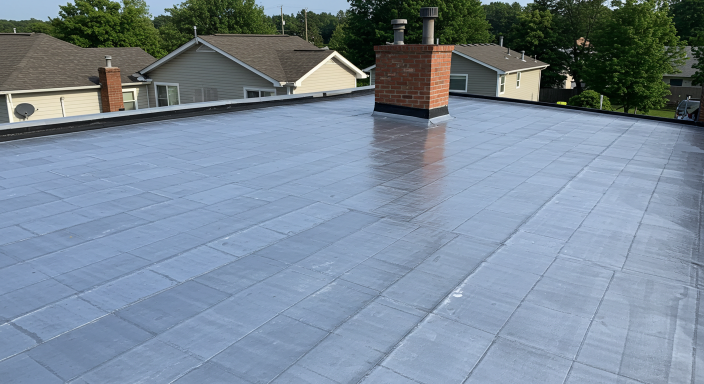
Commercial roof coatings reduce maintenance costs primarily through three mechanisms: creating a seamless protective barrier against weather damage, reflecting UV radiation to reduce thermal degradation, and extending the roof’s service life by preventing common failure points. This article breaks down exactly how these benefits translate into real savings for Chicago-area businesses, with specific considerations for Beverly’s climate.
After working with hundreds of commercial properties across Chicago’s South Side, the pattern is clear: buildings with properly applied roof systems require significantly fewer emergency repairs and maintenance interventions. The data support this observation – coated roofs typically reduce annual maintenance expenses by 30-50% compared to uncoated systems, according to industry performance studies.
Barrier Protection Against Chicago’s Weather
Chicago’s climate presents unique challenges for commercial roofing systems. The freeze-thaw cycles common in Beverly can damage unprotected roofing materials due to repeated expansion and contraction. A high-quality coating system acts like a waterproof membrane, sealing existing cracks and preventing new ones from forming.
The coating prevents water infiltration during heavy spring rains and winter snow melt. Water intrusion leads to insulation saturation, structural damage, and expensive repairs that go far beyond surface-level maintenance. By keeping moisture out, coatings eliminate the root cause of most roof deterioration.
Bonus Tip: Application timing matters. Late spring through early fall provides optimal curing conditions in Chicago. Coatings applied too late in the season may not cure properly before winter temperatures arrive, compromising their effectiveness.
UV Reflection and Heat Management
Chicago summers can be brutal, with temperatures regularly exceeding 90°F in Beverly. Dark, uncoated roofing materials absorb solar radiation and reach temperatures up to 150°F higher than ambient air. This constant thermal cycling accelerates material breakdown through what roofing experts call “thermal shock.”
White or light-colored roof coatings, often called cool roofs, reflect up to 85% of solar radiation according to Cool Roof Rating Council standards. This reflection does more than save on cooling costs – it dramatically reduces the thermal stress that causes roofing materials to crack, blister, and delaminate.
Less thermal stress means fewer repairs and a longer interval between major maintenance events. The coating essentially pays for itself through reduced energy bills while simultaneously extending roof life by preserving the material.
Extended Service Life and Reduced Replacement Frequency
The most significant financial advantage comes from extending the roof’s functional lifespan. A well-maintained commercial roof in Chicago typically lasts 15–20 years. Adding a high-quality coating system can extend that timeline by 10–15 years without requiring a complete overhaul.
This extension defers the substantial capital outlay of a full roof replacement, which represents a major budgetary requirement for commercial buildings in the Chicago market, according to RSMeans construction data. For a 20,000-square-foot facility, this equates to a significant deferral of capital funding that would otherwise be tied up in a total system renewal.
Coatings also facilitate targeted repairs rather than a total replacement. Instead of a complete tear-off, damaged sections can be repaired and recoated, maintaining structural integrity while requiring only a fraction of the investment required for a new system.
Bonus Tip: Document everything. Keep detailed records of coating applications, inspections, and repairs. This documentation becomes valuable when determining warranty compliance and planning future maintenance budgets.
Things to Consider Before Making a Decision
The condition of the existing roof determines which would be best Commercial Insulation Service. Roofs with saturated insulation, extensive structural damage, or deteriorated decking are not good candidates for coating systems. A thorough roof assessment should precede any coating decision.
Climate timing affects project success. Chicago’s winter conditions make coating applications impractical from November through March. The short application window requires careful planning and scheduling to avoid weather delays during application and curing.
Material compatibility matters. Different roofing substrates require different coating formulations. What works on modified bitumen may fail on TPO or metal roofing. Always verify product compatibility with existing roof materials.
Key Takeaways for Property Managers
Commercial roof coatings reduce maintenance costs through three distinct mechanisms: weather protection, thermal management, and lifespan extension. For Beverly businesses, the savings are particularly significant given Chicago’s demanding climate conditions.
The decision to coat requires careful evaluation of existing roof conditions, proper selection of the substrate, and timing based on Chicago’s weather patterns. When implemented correctly, the return on investment typically occurs within 3-5 years through combined energy savings and reduced maintenance costs.
Property managers should evaluate their specific roof condition, budget constraints, and facility operational requirements when considering coating options. The long-term financial benefits typically outweigh the initial investment for most commercial buildings in the Beverly area.
Get a Professional Roof Assessment
For property managers in Beverly and greater Chicago considering roof coating options, South Chicago Insulation provides comprehensive roof evaluations and coating system recommendations. Contact the team at [email protected] or call (779) 803-8025 to schedule a detailed roof inspection and cost-benefit analysis. Our experience with Chicago’s commercial buildings ensures proper product selection and application timing for maximum return on investment.
Frequently Asked Questions About Roof Coating Applications
What types of commercial roofs benefit most from coatings?
Flat or low-slope roofing systems with good structural integrity make the best candidates. This includes modified bitumen, built-up roofing, single-ply membranes, and metal roofing systems. The key is that the substrate must be sound and dry.
How does the Beverly area climate affect coating performance?
Beverly’s temperature swings require flexible coating systems that can accommodate expansion and contraction. UV resistance is critical due to Chicago’s sun exposure, while freeze-thaw tolerance protects during the winter months.
What preparation work is required before coating application?
The roof surface must be thoroughly cleaned, damaged areas repaired, and loose materials removed. All seams, penetrations, and flashing details require special attention. Proper preparation accounts for 60-70% of the success of coating projects.
How quickly can a coated roof be returned to service?
Most commercial coatings cure to the touch within 4-8 hours, allowing limited foot traffic. Full cure typically requires 24-72 hours, depending on temperature and humidity. Weather conditions in Chicago can significantly extend these times.
Are there building code requirements for roof coatings in Chicago?
Chicago’s building code requires compliance with local fire rating standards and may require engineering documentation for certain coating applications. Always verify local requirements before beginning any coating project.
Sources
Cool Roof Rating Council – Independent organization that tests and rates roofing products for their radiative properties and energy performance
RSMeans – Construction cost estimating database providing current pricing data for commercial roofing projects in various US markets
Open-cell spray foam insulation in Burr Ridge, IL, presents significant problems primarily related to moisture management, structural suitability, and long-term…
Poor insulation in cold rooms directly causes significant operational problems, including temperature instability, excessive energy consumption, equipment strain, and product…