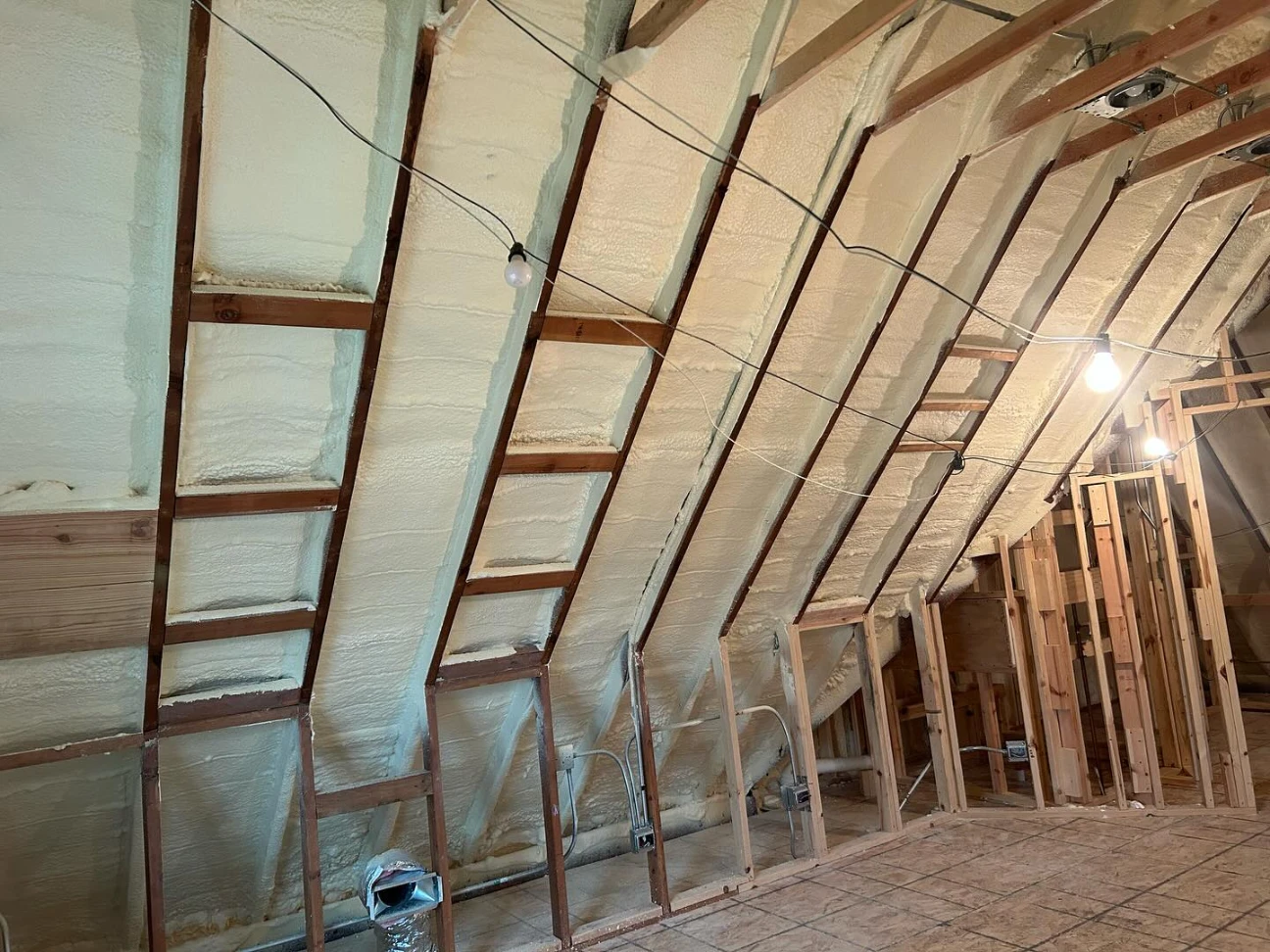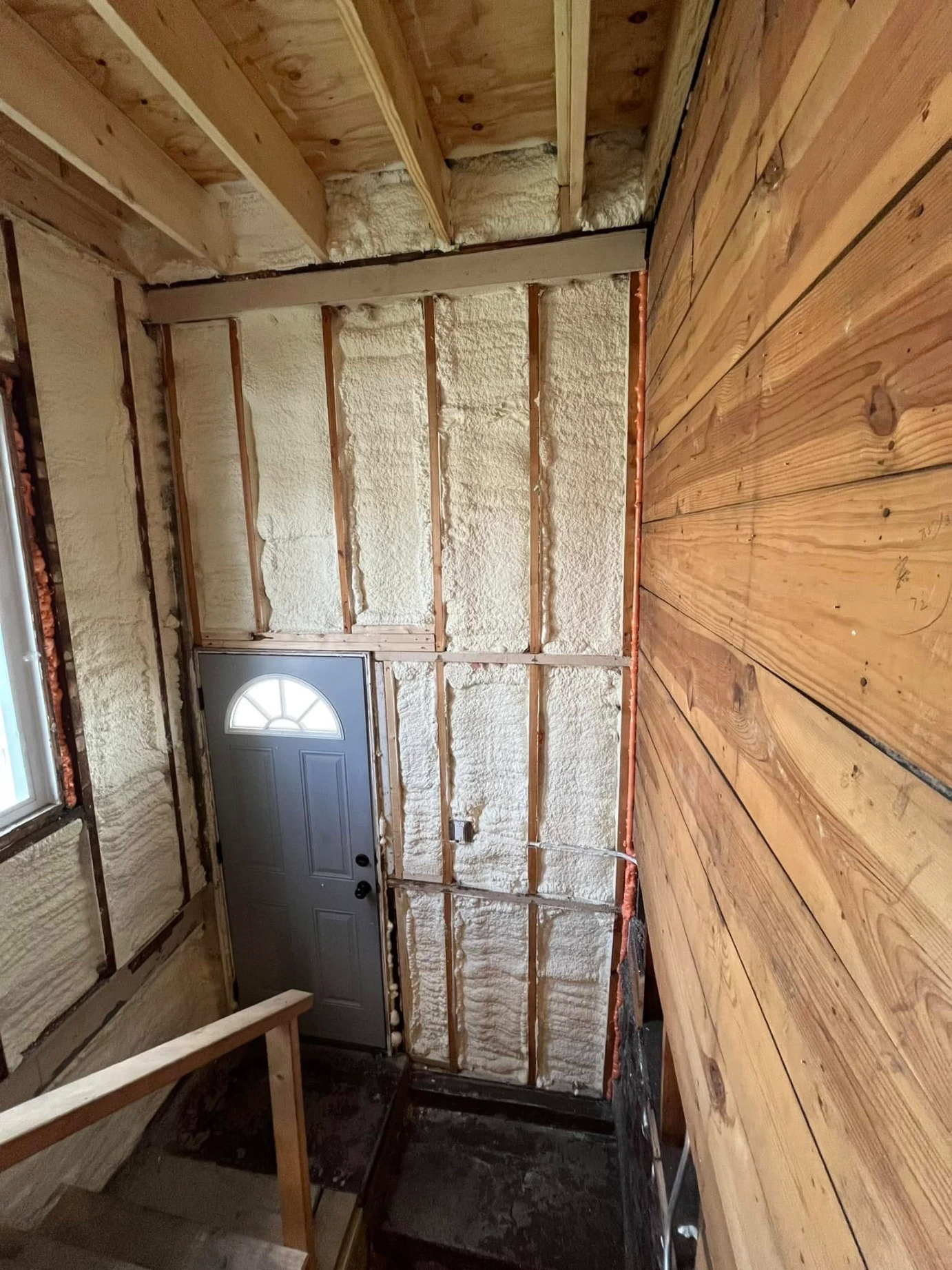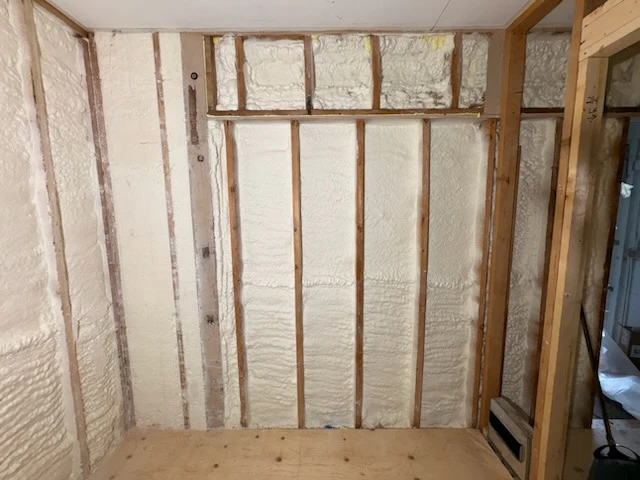
Why Pole Barns Need Spray Foam Insulation Protection
Direct Answer Pole barns need spray foam insulation protection because traditional insulation methods fail to address the unique structural challenges…


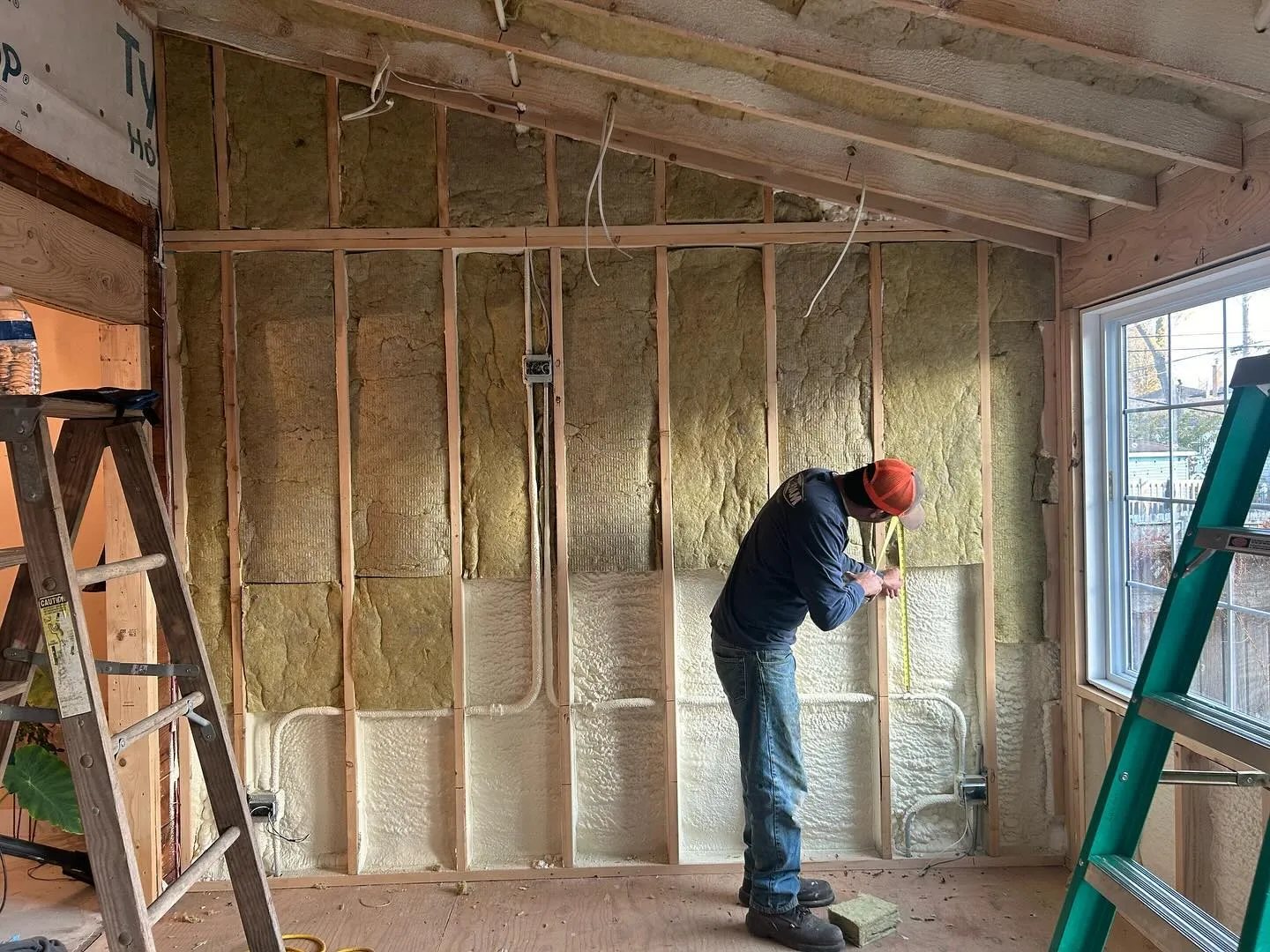
Outdated insulation fails to provide an adequate thermal barrier, leading to immediate spikes in energy consumption and noticeable discomfort within a home. Most residential insulation materials have a functional lifespan of 15 to 20 years before they begin to settle, degrade, or lose their original R-value. If a property was built several decades ago and has not undergone a thermal retrofit, the existing materials are likely not up to modern efficiency standards or local building codes.
Identifying these failures early prevents long-term structural damage from moisture and reduces the strain on heating and cooling systems. This guide details the specific indicators that a home’s thermal envelope is no longer performing as intended, drawing on technical standards and field observations.
A primary indicator of failing insulation is a steady or sudden rise in heating and cooling costs that utility rate hikes cannot explain. When insulation degrades, it allows heat to transfer more easily through the attic, walls, and crawl spaces. This forces the HVAC system to run for longer cycles to maintain a set temperature.
Data from the North American Insulation Manufacturers Association indicates that approximately 90% of single-family homes in the United States are under-insulated. This deficiency often results in homeowners paying significantly more for climate control than necessary. If utility bills show a year-over-year increase in kilowatt-hour usage during peak summer or winter months, the thermal barrier is likely the culprit.
Homes with properly installed insulation maintain a uniform temperature throughout the house. If the living room feels comfortable while a bedroom or office remains freezing or stifling, the insulation in those specific areas has likely shifted or thinned. Drafts near electrical outlets, baseboards, or light fixtures also suggest that the original materials have settled or were never properly air-sealed.
Modern efficiency standards focus not just on material thickness but also on preventing air movement. A report from Energy Star suggests that homeowners can save an average of 15% on heating and cooling costs by properly air sealing and adding insulation in attics and floors. Without a tight seal, even thick layers of old fiberglass batts cannot stop cold air from penetrating the living space during a Chicago winter.
In cold climates, the roof often reveals the state of attic insulation. Ice dams form when heat from the house escapes into the attic, warming the roof deck and melting the snow above. This water runs down to the colder eaves and freezes, creating a ridge of ice that prevents further drainage. This cycle can cause water to back up under shingles and leak into the home.
Consistent ice damming indicates that the attic insulation lacks the necessary R-value to keep the roof deck cool. It also suggests that warm air is leaking through bypasses such as recessed lights or attic hatches.
Bonus Tip: Check the attic during a light snowfall. If the snow on the roof melts significantly faster than the snow on a detached garage or a neighbor’s house, attic heat loss is likely excessive.
The physical appearance of the insulation often provides the most direct evidence of age. Loose-fill cellulose, commonly used in older homes, is prone to settling over time. This compression reduces the pockets of air that trap heat, effectively lowering the R-value. Similarly, fiberglass batts may sag or pull away from wall studs, leaving significant gaps where heat can escape freely.
| Insulation Material | Estimated Lifespan | Common Signs of Aging |
|---|---|---|
| Cellulose (Loose-fill) | 20 to 30 Years | Significant settling, dusty texture, or thinning layers. |
| Fiberglass Batts | 15 to 25 Years | Sagging, discoloration from air filtration, or crumbling. |
| Mineral Wool | 30 to 50 Years | Compression or damage from moisture exposure. |
| Spray Foam | 80+ Years | Cracking or pulling away from the framing if poorly installed. |
| Vermiculite | Variable | Pebble-like appearance; may contain hazardous asbestos. |
Outdated insulation often serves as an ideal nesting ground for mice, rats, raccoons, and insects. These pests tunnel through fiberglass and cellulose, creating air channels that destroy the material’s thermal performance. Furthermore, animal waste and nesting materials introduce odors and allergens into the home’s ventilation system.
If droppings, chewed wires, or matted insulation are found in the attic or crawl space, the material is contaminated. In these cases, simple topping off is insufficient. The contaminated material requires professional removal and replacement to ensure a healthy indoor environment and a functional thermal barrier.
Insulation does more than regulate temperature; it acts as a sound dampener. If street noise, sirens, or neighbors’ conversations seem louder than they used to, the insulation in the walls may have degraded or settled. Modern mineral wool and specialized fiberglass products are designed with higher densities specifically to absorb sound waves. When these materials age or shrink, the acoustic benefits disappear.
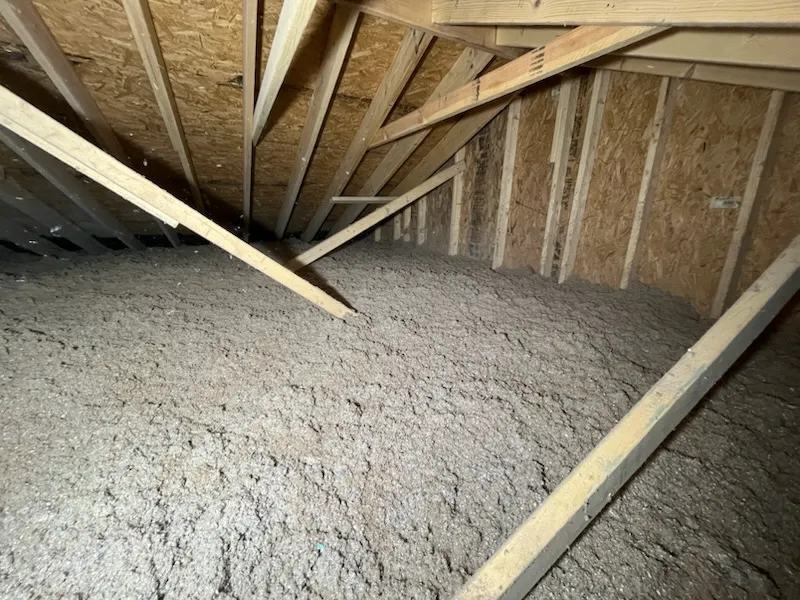
Effective insulation must stay dry to function. If there are roof leaks or high humidity levels in a crawl space, the insulation can act like a sponge. Wet insulation loses its R-value immediately and becomes a breeding ground for mold and mildew.
Information provided by the U.S. Department of Energy highlights that moisture control is a critical aspect of any insulation strategy. Signs of moisture include dark spots on the insulation, a musty odor in the attic, or visible mold on the underside of the roof sheathing. If the material feels damp to the touch, it is no longer protecting the home and may be contributing to structural rot.
Bonus Tip: Look for “dirty” insulation. Fiberglass acts as a filter. If the pink or yellow batts have turned black or grey in certain spots, it indicates that air is leaking through the material, bringing in dust and moisture.
Before making a final decision on an insulation upgrade, several factors must be evaluated to ensure the best performance.
Yes. Insulation relies on “loft” or trapped air pockets to resist heat flow. When loose-fill or batts become compressed and flat, they lose their R-value and are no longer effective at stopping heat transfer.
A professional inspection is recommended every 10 years or whenever a homeowner notices a significant change in comfort or energy costs. Early detection of pest or moisture issues can save thousands in remediation costs.
It can if it is harboring mold, dust mites, or pest dander. Additionally, very old fiberglass can shed fibers into the air if the attic is not properly sealed off from the living space, which may irritate the respiratory system.
While fiberglass remains common, many professionals recommend spray foam or blown-in cellulose insulation for cold climates because they offer better air-sealing and higher R-value per inch.
Recognizing the signs of outdated insulation is the first step toward a more comfortable and efficient home. By watching for high energy bills, ice dams, and uneven temperatures, homeowners can identify thermal failures before they lead to structural issues. Evaluating the current state of attic and wall materials enables informed decisions on upgrades that provide long-term protection against the elements. Always prioritize air sealing and moisture control when updating any thermal barrier to ensure the new materials perform at their peak capacity.
Maintaining a high-performing home requires a functional thermal envelope. South Chicago Insulation provides comprehensive assessments to identify failing materials and air leaks. To discuss a specific property or to schedule an evaluation, contact the team at (779) 803-8025 or reach out via email at [email protected]. South Chicago Insulation offers technical expertise to improve residential efficiency and indoor comfort with modern insulation solutions tailored to local climate conditions.