Why spray foam insulation is the best solution for oddly shaped spaces
admin_southchica
January 19th, 2026
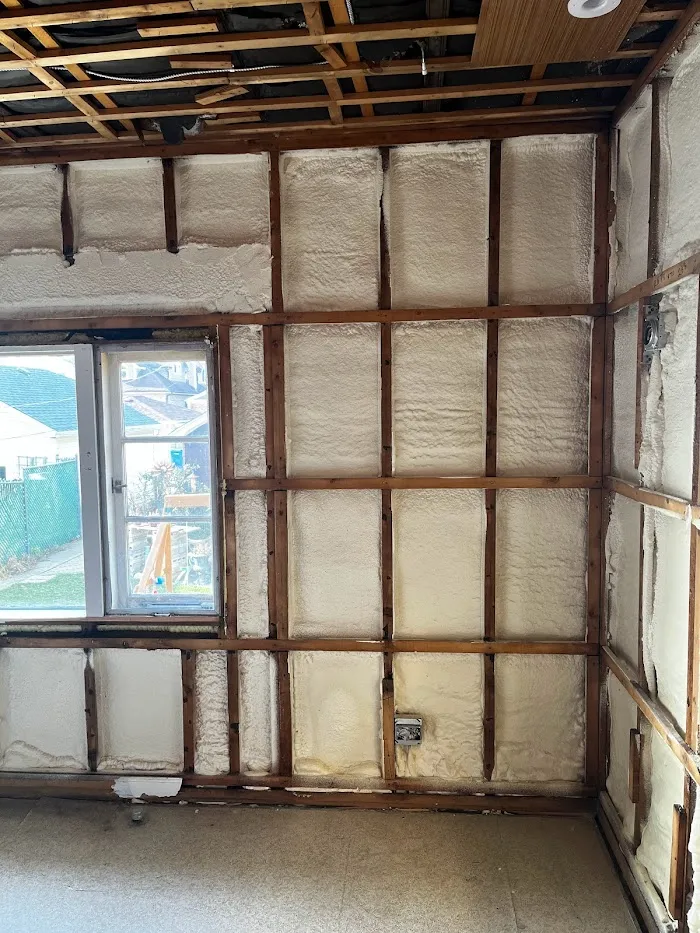
Spray foam insulation outperforms traditional insulation materials in irregular spaces by expanding to fill every gap and cavity, creating a continuous air barrier that eliminates thermal bridging and energy loss. Unlike batts or rolls, which require precise cutting and often leave voids, spray foam conforms to any geometry, making it ideal for cathedral ceilings, dome structures, crawl spaces with limited access, and areas filled with pipes, wiring, or structural obstacles.
This article explains how spray foam’s unique properties address insulation challenges in hard-to-reach areas, compares its performance with conventional materials, and provides practical guidance on evaluating whether it’s the right choice for specific building conditions. The information comes from extensive hands-on experience with diverse insulation projects across different building types and climate conditions.
How spray foam works in challenging spaces
premium Spray foam insulation comes as a liquid that expands 30-100 times its original volume upon application, filling cracks, crevices, and irregular voids that other materials cannot reach. This expansion creates a seamless thermal envelope that adapts to any structural configuration, from angled roof rafters to round architectural features. The foam adheres directly to building materials, eliminating the gaps and compression issues common with fiberglass batts or rigid board insulation.
The chemical reaction during application creates cells that trap air or use closed-cell technology with gas fillers, providing superior R-values per inch compared to traditional options. Closed-cell spray foam typically achieves R-6 to R-7 per inch, while open-cell spray foam delivers R-3.5 to R-4 per inch. This higher efficiency means thinner insulation profiles can achieve the same thermal performance, a significant advantage in spaces where every inch matters.
Performance comparison with traditional insulation methods
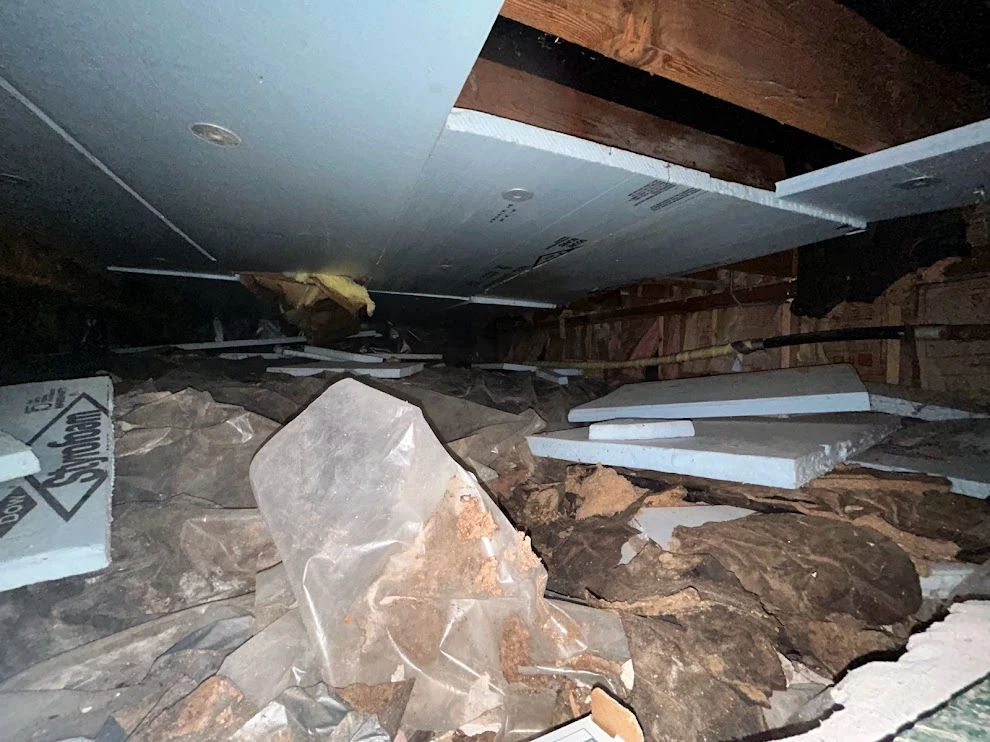
Conventional insulation struggles with irregular spaces for several reasons. Fiberglass batts require precise cutting around obstacles and often compress, reducing their R-value effectiveness. Loose-fill cellulose can settle over time, creating gaps at the top of cavities. Rigid boards cannot conform to curved surfaces without complex fabrication.
Table 1: Insulation Material Comparison for Irregular Spaces
Material
R-value per inch
Air Barrier
Moisture Barrier
Installation in Odd Spaces
Spray Foam (Closed-cell)
6.5-7.0
Yes
Yes
Excellent – conforms to any shape
Spray Foam (Open-cell)
3.5-4.0
Yes
Limited
Excellent – conforms to any shape
Fiberglass Batts
2.2-3.8
No
No
Poor – requires cutting, leaves gaps
Loose-fill Cellulose
3.1-3.8
No
No
Fair – can settle in vertical spaces
Rigid Foam Board
3.6-6.5
Partial
Partial
Poor – cannot conform to curves
Regional considerations for the Chicago climate
The Chicago area experiences extreme temperature swings, with winter lows averaging 16°F and summer highs reaching 85°F. This climate demands insulation that performs consistently across a wide temperature range. Spray foam maintains its insulating properties better than many alternatives when subjected to these temperature extremes.
In Chicago’s humid summers, the moisture-barrier properties of closed-cell spray foam help prevent condensation in attics and crawl spaces. During harsh winters, its air-sealing capabilities reduce infiltration, which can account for 30-40% of heat loss in poorly insulated homes. According to the U.S. Department of Energy, proper air sealing combined with insulation can save homeowners up to 10% on annual energy bills.
Things to Consider Before Making a Decision
Several factors influence whether spray foam is the optimal choice for a specific project:
Building structure and access: Some older homes have limited access to certain cavities, which might require specialized equipment or techniques for proper application.
Budget considerations: Spray foam typically costs 2-3 times more per square foot than traditional insulation materials. However, the energy savings and performance benefits often provide a return on investment within 5-7 years.
Moisture concerns: In areas prone to moisture issues, closed-cell spray foam provides superior protection compared to open-cell options or traditional materials.
Installation requirements: Professional installation is essential for optimal performance. The application process requires specialized equipment and safety precautions that DIY approaches cannot match.
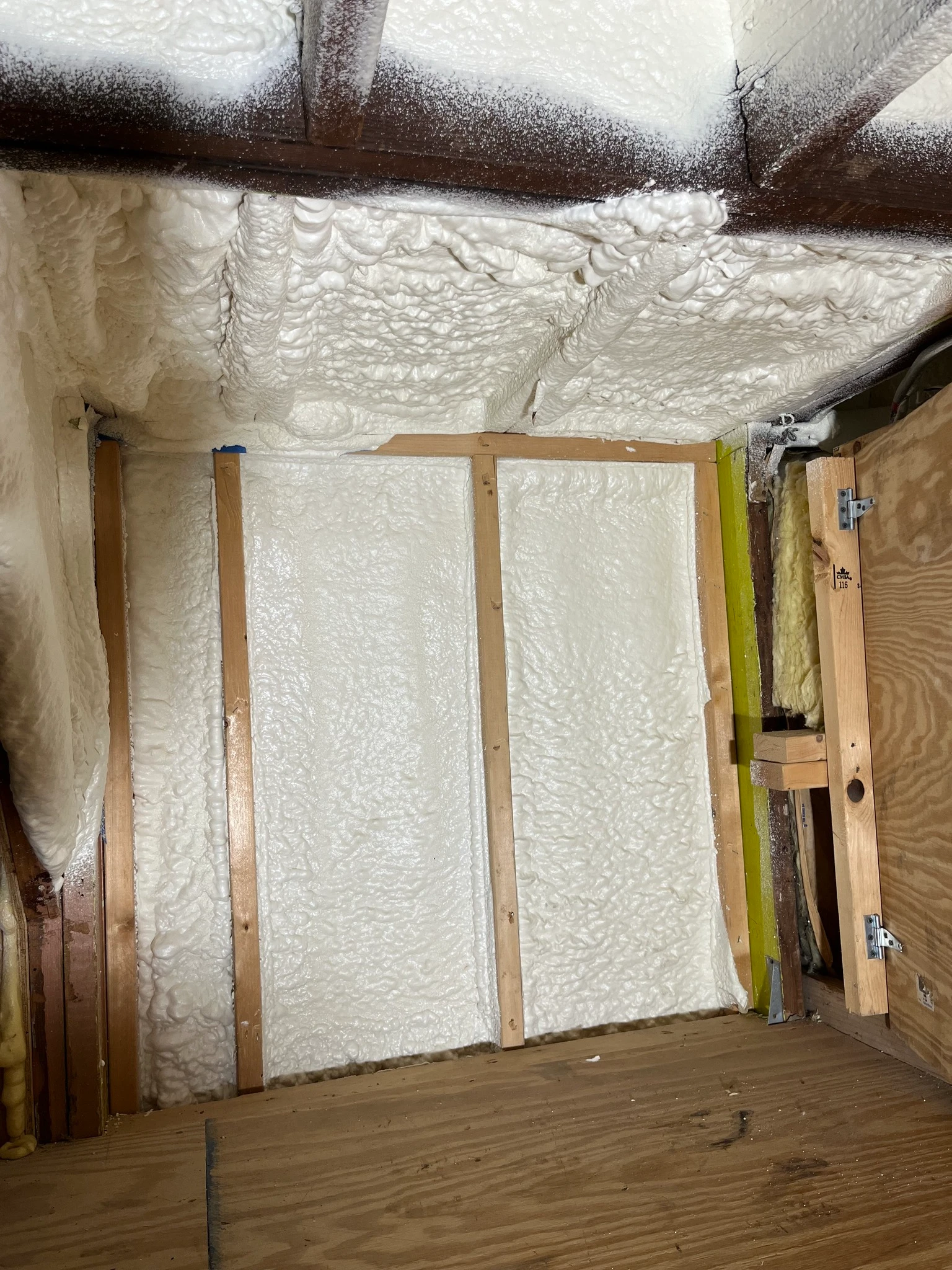
Bonus Tip: When insulating rim joists or band joists in crawl spaces, spray foam provides both thermal insulation and air sealing in one application, eliminating the need for separate air sealing materials like caulking or foam board.
Bonus Tip: For retrofit projects in historic buildings, spray foam can often be installed with minimal disruption to existing finishes, making it ideal for preserving architectural character while improving energy efficiency.
Key Applications for Difficult Spaces
Spray foam excels in several specific challenging areas:
Cathedral ceilings and vaulted roofs: The limited cavity depth and angled surfaces make traditional insulation ineffective. Spray foam fills these spaces completely while providing the necessary air barrier.
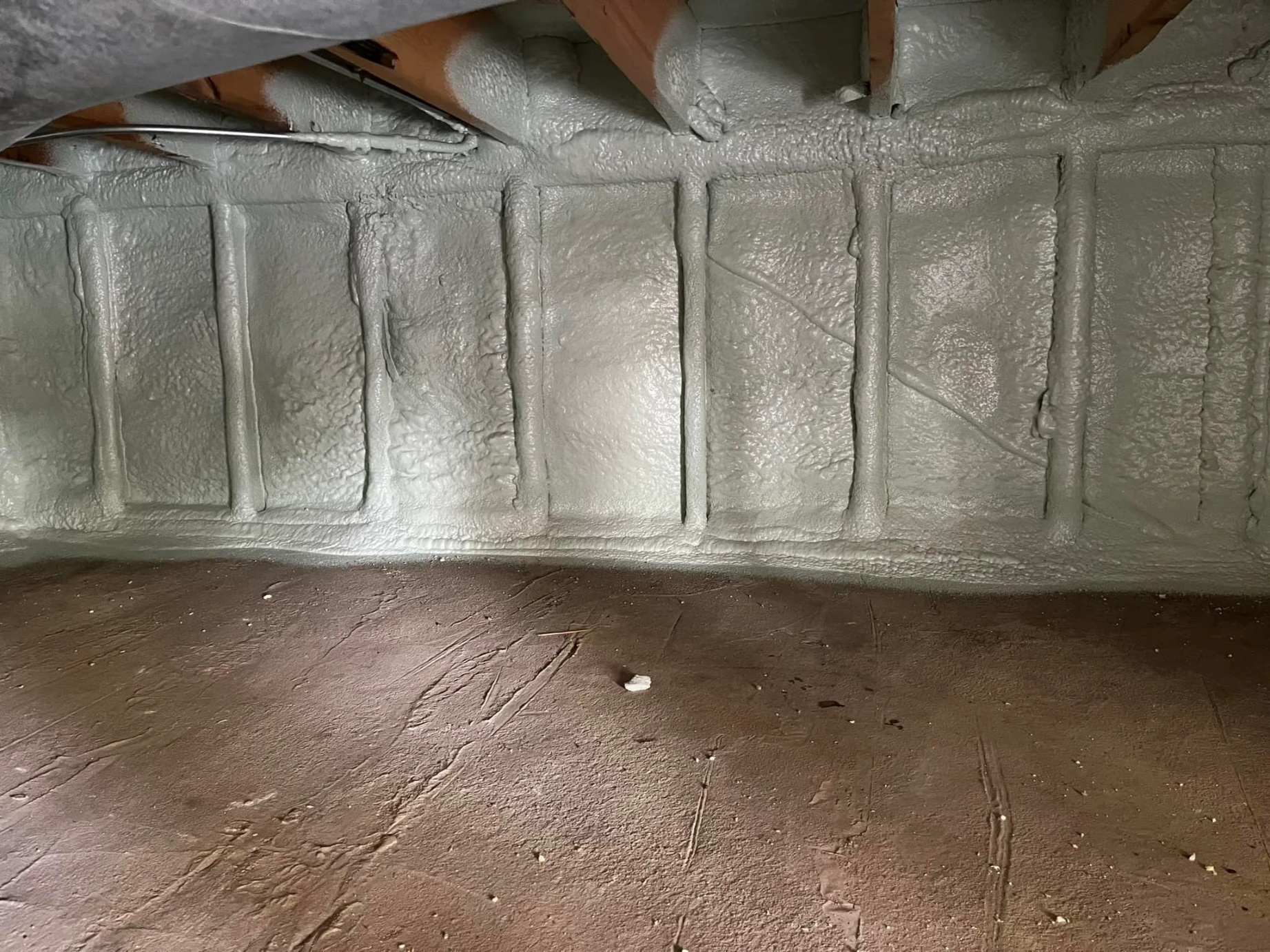
Crawl spaces and basements: The irregular shapes, moisture concerns, and limited access in these areas make spray foam particularly valuable. Closed-cell foam adds structural strength to foundation walls while preventing moisture infiltration.
Bonus application tip: When insulating around window bays and architectural projections, spray foam eliminates the thermal bridging that occurs with rigid board insulation at junction points, significantly reducing heat loss at these vulnerable locations.
Market Trends and Performance Data
The global spray foam insulation market is projected to reach to billions by 2027, growing at a compound annual growth rate of 5.4% from 2022 to 2027. This growth reflects increasing recognition of spray foam’s performance advantages, particularly in challenging applications.
Energy efficiency programs nationwide increasingly recognize spray foam’s benefits. Many utility companies offer rebates for spray foam installations because of their proven energy savings potential. A study by the Insulation Institute found that homes properly insulated with spray foam achieved up to 40% reduction in heating and cooling costs compared to homes with traditional insulation.
Practical Installation Considerations
Professional installation requires attention to several critical details:
Temperature and humidity: Optimal application conditions range from 60-80°F with humidity below 85%. Extreme temperatures can affect foam expansion and cure times.
Protection of surrounding areas: Overspray can damage finishes and windows. Proper masking and protection are essential before application begins.
Curing time: While spray foam skins over quickly, full curing takes 24-72 hours, depending on thickness and environmental conditions. This affects when finishing materials can be installed.
Final tip: When insulating irregular spaces like sunroom ceilings with skylights, spray foam can be applied around openings with greater precision than traditional materials, reducing the risk of air leaks while maintaining the space’s aesthetic appeal.
Making the Right Choice for Your Situation
Spray foam insulation provides unmatched performance in irregular spaces where traditional materials fall short. Its ability to conform to any geometry, create a continuous air barrier, and provide superior thermal resistance makes it the clear solution for challenging applications like cathedral ceilings, crawl spaces, and areas filled with structural obstacles.
For homeowners with unusually shaped spaces or those seeking maximum energy efficiency, spray foam offers advantages that justify its higher initial cost through long-term energy savings and improved comfort. The decision ultimately depends on your specific building conditions, budget considerations, and energy efficiency goals.
Contact Information for Professional Consultation
South Chicago Insulation provides comprehensive evaluations for challenging insulation projects. Their team can assess your specific space requirements and determine whether spray foam is the optimal solution for your situation. Contact Us at [email protected] or call (779) 803-8025 to schedule an inspection and discuss your insulation needs. Professional assessment ensures you’ll get the right solution for your unique space challenges and climate conditions.
Frequently Asked Questions
Does spray foam need a vapor barrier?
Closed-cell spray foam acts as both insulation and a vapor barrier, eliminating the need for separate vapor retarders. Open-cell foam requires an additional vapor barrier in certain climate zones and applications.
How thick should spray foam be in walls?
For most climate zones, 2 inches of closed-cell spray foam in walls provides sufficient insulation and air sealing. The exact thickness depends on local building codes and energy efficiency requirements.
Can spray foam be used in metal buildings?
Yes, spray foam is particularly effective for metal buildings because it adheres well to metal surfaces and helps control condensation issues common in these structures.
What’s the difference between open-cell and closed-cell spray foam?
Open-cell foam is less dense, more flexible, and generally less expensive, but provides lower R-value per inch and minimal moisture protection. Closed-cell foam is denser, stronger, offers a higher R-value, and acts as a moisture vapor barrier.
Is spray foam environmentally friendly?
While the production process has environmental impacts, spray foam’s energy-saving benefits over its lifetime can offset these concerns. Many manufacturers now offer formulations with reduced global warming potential.
Open-cell spray foam insulation in Burr Ridge, IL, presents significant problems primarily related to moisture management, structural suitability, and long-term…
Poor insulation in cold rooms directly causes significant operational problems, including temperature instability, excessive energy consumption, equipment strain, and product…