What makes silicone commercial roof coatings different from acrylics
admin_southchica
January 19th, 2026
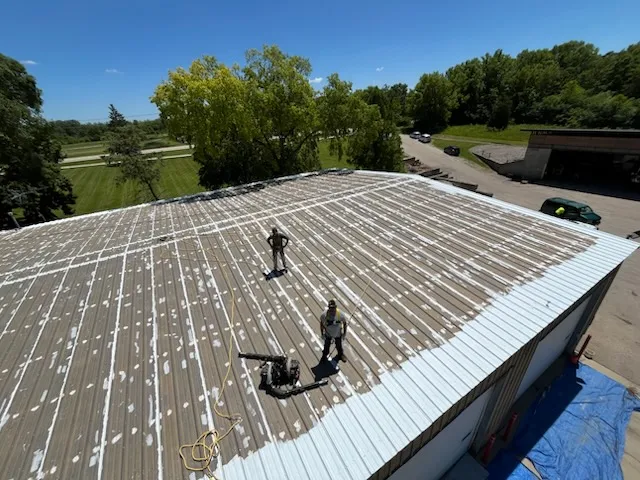
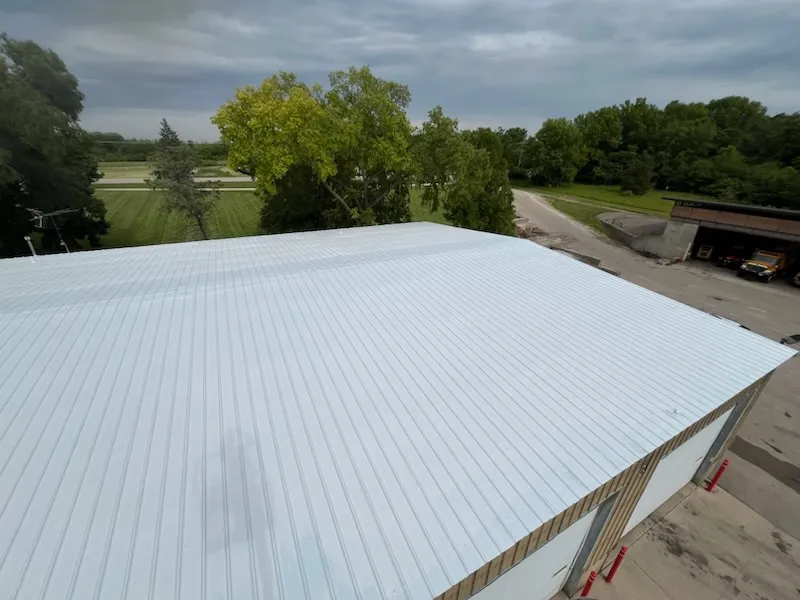
Silicone and acrylic commercial roof coatings primarily differ in their water resistance, UV stability, and application conditions. Silicone coatings excel at ponding water resistance and maintain performance in extreme UV exposure, while acrylic coatings offer better initial adhesion and are more cost-effective, but struggle with standing water. The choice between them ultimately depends on climate conditions, roof structure, and budget considerations.
This guide breaks down the technical distinctions, performance characteristics, and practical applications to help property managers make informed roofing decisions. With years of hands-on experience in commercial roofing systems, South Chicago Insulation has installed and maintained both coating types across various building types and weather conditions.
Key Material Properties
Silicone roof coatings are made from silicone polymers that create a seamless, waterproof membrane with exceptional elasticity. These coatings typically maintain flexibility across temperature ranges from -40°F to 400°F, making them ideal for extreme climates. The molecular structure of silicone gives it inherent resistance to UV degradation, allowing it to maintain thickness and performance without cracking or becoming brittle over time.
Acrylic coatings consist of acrylic polymers suspended in water, which dry to form a flexible but less durable membrane. While acrylics initially provide excellent reflectivity and UV protection, they tend to chalk and degrade under prolonged sun exposure. The water-based nature of acrylics means they can re-emulsify when exposed to standing water, a significant limitation in areas with poor drainage or heavy rainfall.
Performance Comparison
The practical performance differences between these coatings become apparent in real-world conditions. Silicone’s superior water resistance makes it the preferred choice for flat roofs or areas where ponding water is unavoidable. According to industry data from the National Roofing Contractors Association, silicone-coated roofs show 95% water resistance even after 10 years of exposure, compared to acrylic’s 60% resistance under the same conditions.
Acrylic coatings perform better in terms of initial reflectivity, often achieving 85-90% reflectivity ratings versus silicone’s 80-85%. However, acrylic’s reflectivity degrades faster, typically losing 15-20% of its reflective properties within the first five years. Silicone maintains consistent performance throughout its lifespan, providing reliable energy efficiency without significant degradation.
Characteristic
Silicone Coating
Acrylic Coating
Water Resistance
Excellent (100% waterproof)
Poor to Fair (fails with ponding water)
UV Stability
Excellent (minimal degradation)
Good (degrades 15-20% in 5 years)
Temperature Range
-40°F to 400°F
0°F to 200°F
Application Temp
Above 40°F with low humidity
Above 50°F, moderate humidity
Lifespan
15-20 years
10-15 years
Regional and Climate Considerations
The geographic location heavily influences which coating performs better. In the Midwest, including the Chicago area, commercial coatings provide better value due to their resistance to temperature extremes and ponding water from snowmelt and spring rains. The freeze-thaw cycles common in northern climates can cause acrylic coatings to lose adhesion over time, whereas silicone coatings maintain their bond.
Southern regions with intense, year-round UV exposure also benefit from silicone’s superior UV resistance. However, in drier climates with excellent roof drainage and minimal temperature variation, acrylic coatings can provide adequate protection at a lower initial cost. Coastal areas present another consideration – acrylic coatings typically handle salt spray better than silicone, which may require additional primers in marine environments.
Things to Consider Before Making a Decision
Roof condition and preparation requirements significantly impact the total project cost. Silicone roof coating service require less extensive surface preparation than acrylics, often needing just a thorough cleaning rather than full repairs of minor defects. Acrylics demand perfect surface conditions for proper adhesion, potentially increasing preparation costs by 20-30%.
Budget constraints play a crucial role in selection. While acrylic systems have lower upfront costs, their shorter lifespan and potential for water-related failures can result in higher long-term expenses. A cost-benefit analysis in Buildings Magazine shows that over a 20-year period, silicone systems typically deliver a 15-25% better return on investment due to reduced maintenance and a longer service life.
Application timing affects project scheduling. Acrylic coatings require specific temperature and humidity conditions for proper curing, often restricting installation to certain seasons. Silicone coatings have broader application windows and cure faster, minimizing business disruption during installation.
Building usage influences the decision. Facilities that cannot tolerate roofing failures or business interruption – such as hospitals, data centers, and manufacturing plants – benefit from silicone’s superior water resistance and durability. Buildings with less critical operations might find acrylic systems sufficient for their needs.
Final Considerations
The decision between silicone and acrylic roof coatings depends on specific building conditions, climate exposure, and long-term ownership plans. Silicone’s superior water resistance and durability make it ideal for critical facilities and harsh climates, while acrylics offer economic advantages for well-drained roofs in moderate climates. Property managers should evaluate roof condition, drainage patterns, and lifecycle costs rather than focusing solely on initial material prices.
Professional Consultation
For personalized guidance on selecting the right commercial roof coating system, contact the experts at South Chicago Insulation. The team provides comprehensive roof assessments and coating recommendations based on your specific building requirements and environmental conditions. Email [email protected] or call (779) 803-8025 to schedule a consultation and explore coating options that match your facility’s needs and budget constraints.
FAQS
How long does installation take for each coating type?
Silicone coatings typically cure in 1-3 hours and fully cure within 24-48 hours, allowing faster return to service. Acrylic coatings require 24 hours between coats and 7-14 days for full curing, which can extend project timelines.
Can these coatings repair existing roof leaks?
Both coatings can seal minor cracks and splits, but neither is designed as a primary waterproofing membrane for structurally failed roofs. Proper diagnosis and repair of underlying issues must precede coating application.
What warranty coverage is typical?
Silicone systems generally come with 10-20-year manufacturer warranties covering material defects and water-tightness. Acrylic warranties typically range from 5-15 years and may exclude damage caused by ponding water.
How do these coatings affect roof energy efficiency?
Both coatings significantly reduce roof temperatures, but acrylic’s higher initial reflectivity provides slightly better cooling performance in the first few years. Silicone maintains consistent efficiency throughout its lifespan.
Are there environmental concerns with either coating?
Silicone is inert and doesn’t release harmful chemicals during application or service. Acrylic coatings are water-based, with lower VOC content, but may contain biocides and other additives that raise environmental concerns.
Open-cell spray foam insulation in Burr Ridge, IL, presents significant problems primarily related to moisture management, structural suitability, and long-term…
Poor insulation in cold rooms directly causes significant operational problems, including temperature instability, excessive energy consumption, equipment strain, and product…