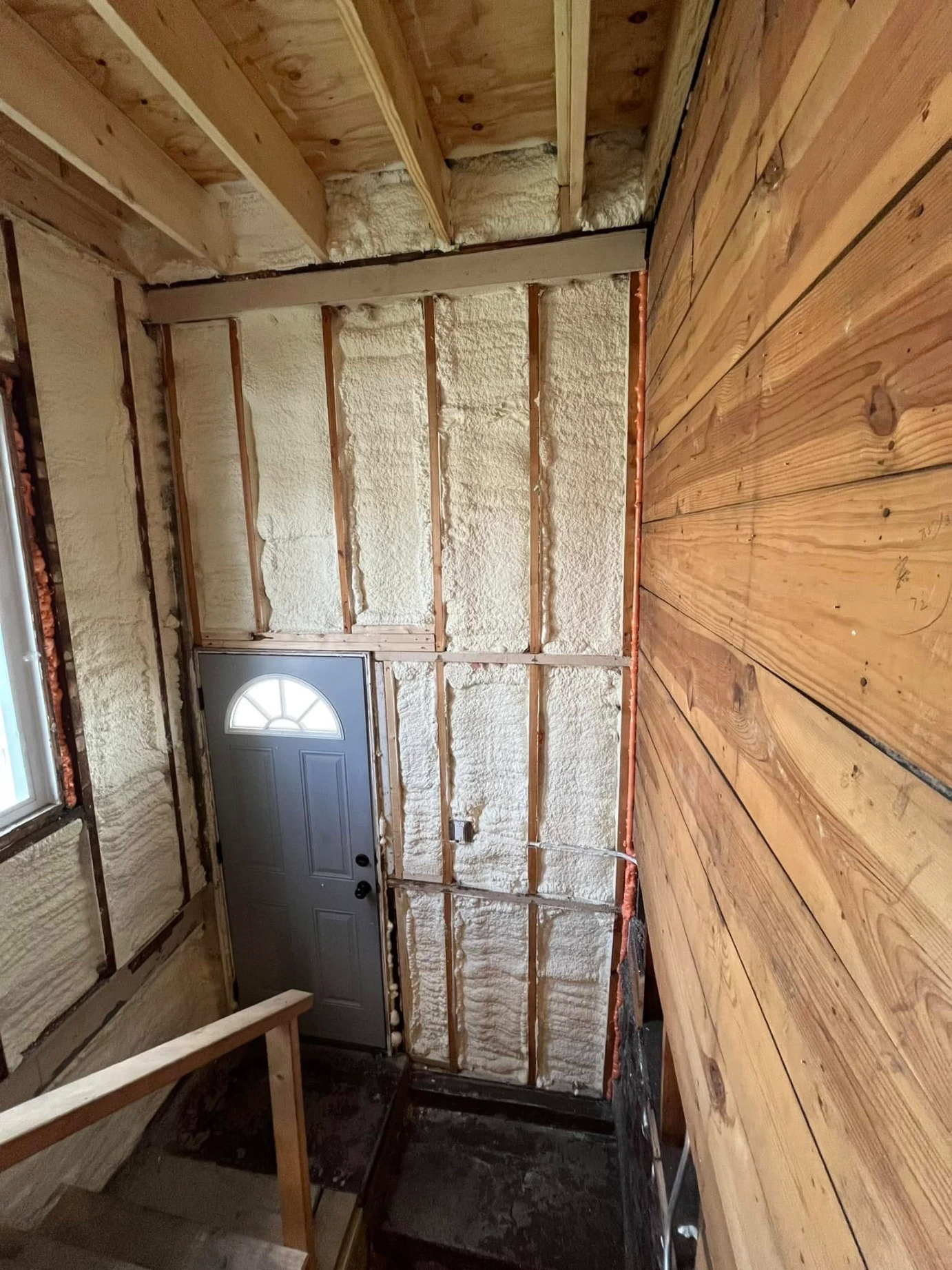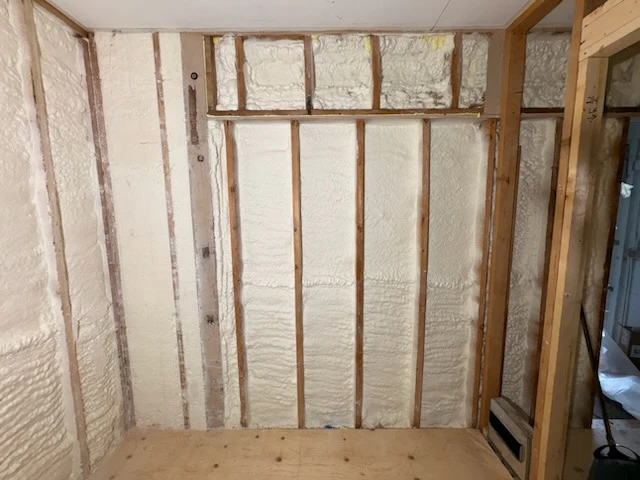
Why Pole Barns Need Spray Foam Insulation Protection
Direct Answer Pole barns need spray foam insulation protection because traditional insulation methods fail to address the unique structural challenges…

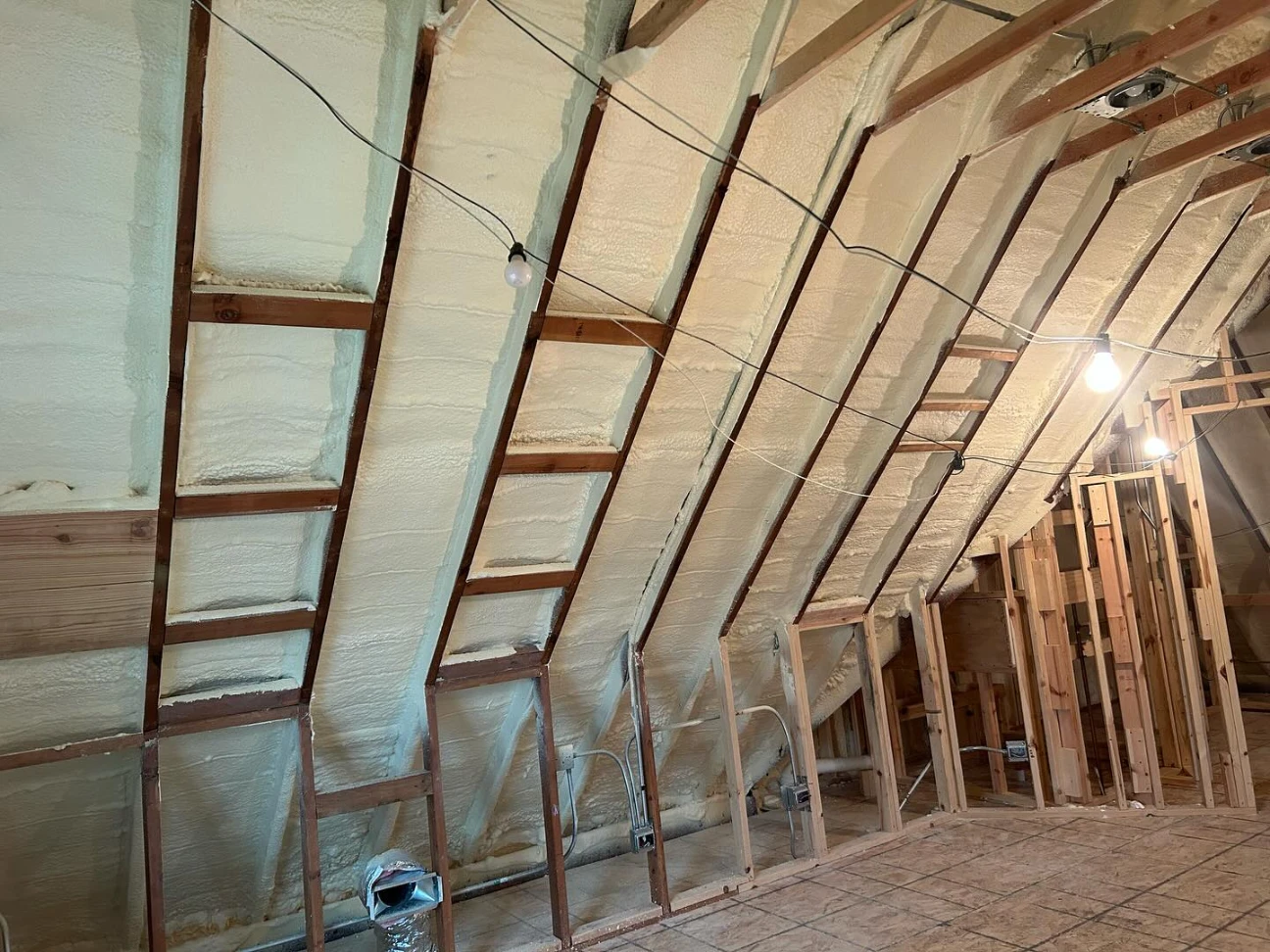
External wall insulation (EWI) systems in Oak Lawn face unique challenges due to the region’s extreme temperature swings, freeze-thaw cycles, and aging housing stock built before modern energy codes. The most common problems include moisture infiltration, thermal bridging, cracking and delamination, poor installation quality, and inadequate ventilation, all of which reduce energy efficiency and can cause structural damage. Fortunately, each issue has targeted solutions: proper moisture management, continuous insulation strategies, quality-controlled installation protocols, and regular maintenance programs.
Oak Lawn sits in Climate Zone 5A according to the IECC, characterized by cold winters, hot humid summers, and significant precipitation year-round. This creates a perfect storm for external wall insulation problems.
| Climate Factor | Impact on EWI Systems | Risk Level |
|---|---|---|
| Average 38 freeze-thaw cycles annually | Expansion/contraction stress on render and boards | High |
| Summer humidity 70-80% | Moisture vapor drives into wall assemblies | High |
| Annual precipitation 38+ inches | Water management critical for durability | Moderate |
| Temperature range -20°F to 95°F | Material fatigue and joint movement | High |
| Wind exposure (Lake Michigan influence) | Driving rain penetration, uplift forces | Moderate |
According to the U.S. Department of Energy, improperly installed exterior insulation can lose 20-30% of its rated performance, translating directly to higher utility bills for Oak Lawn homeowners.
Moisture represents the single greatest threat to EWI systems in Oak Lawn’s mixed-humid climate. Water enters through cracks, poorly sealed insulation penetrations, or vapor diffusion from interior spaces. Once trapped, it degrades insulation performance and creates mold conditions.
Warning signs:
The fix: Install a vapor-permeable water-resistive barrier behind the insulation, ensure all penetrations are flashed properly, and maintain a 10mm minimum drainage cavity behind cladding. For retrofit projects, consider hygrothermal modeling to predict moisture behavior before installation.
Thermal bridges, areas where insulation is interrupted by structural elements, create localized cold spots that reduce overall system effectiveness and cause condensation.
| Common Thermal Bridge Locations | Impact on Performance | Solution |
|---|---|---|
| Metal studs in framed walls | 30-50% reduction in effective R-value | Continuous exterior insulation over studs |
| Foundation-to-wall junctions | Significant heat loss, potential frost heave | Insulated sill plates, thermal break details |
| Window and door openings | Edge condensation, frame deterioration | Insulated subframes, proper flashing |
| Mechanical/electrical penetrations | Punctured air barrier, local cold spots | Pre-sealed boxes, grommeted penetrations |
Research from Oak Ridge National Laboratory demonstrates that continuous insulation requirements in current codes exist specifically to address these thermal bridging effects.
Oak Lawn’s dramatic temperature swings cause materials to expand and contract. When systems can’t accommodate this movement, cracks form—allowing water entry and beginning a cycle of deterioration.
Prevention strategies:
Installation errors contribute to approximately 70% of building envelope failures. Common mistakes include:
Quality assurance protocol:
Rainscreen systems require a pressure-equalized air gap to function. When this gap is blocked, compressed, or omitted entirely, moisture cannot escape, and the system fails prematurely.
Critical specifications:
| Phase | Action Item | Verification Method |
|---|---|---|
| Design | Hygrothermal analysis for wall assembly | WUFI or similar modeling software |
| Specification | Climate-appropriate materials with freeze-thaw certification | Manufacturer data sheets, ASTM C666 testing |
| Installation | Certified installer with EWI-specific training | Manufacturer certification, reference projects |
| Commissioning | Infrared scan and blower door testing | Professional thermographer, ASTM E779 |
Annual homeowner checklist:
Professional assessment every 3 years:
| Condition | Recommended Action | Estimated Cost Range |
|---|---|---|
| Isolated cracks <2mm, no moisture evidence | Local repair, elastomeric coating | $500-$1,500 |
| Widespread cracking, minor moisture staining | Sectional removal and replacement | $3,000-$8,000 |
| Delamination, saturated insulation, and mold | Complete system replacement | $8,000-$25,000+ |
| Original system >25 years old | Proactive replacement with upgraded materials | $10,000-$30,000+ |
External wall insulation problems don’t resolve themselves they worsen with each season cycle. Whether you’re dealing with visible damage or want to prevent future issues, professional assessment is the critical first step.
[Request Genius Audit]
Our comprehensive EWI evaluation identifies hidden moisture, thermal bridging, and installation defects using infrared thermography and core sampling. You’ll receive a prioritized repair plan with transparent pricing and performance guarantees. Most Oak Lawn homeowners recover audit costs through prevented damage and improved energy efficiency within the first year.
[Book Strategy Call]
Planning a new EWI installation? Schedule a 30-minute consultation to review your specific wall assembly, climate exposure, and performance goals. We’ll help you navigate material selection, contractor vetting, and quality assurance, ensuring your investment delivers decades of comfort and protection.
GET EXPERT GUIDANCE
Enhance your home’s comfort and reduce energy bills with an upgraded wall insulation. Contact us today at (779) 803-8025 or [email protected] to start a project that’s good for both your home and the environment.
Q: How long should external wall insulation last in Oak Lawn’s climate?
A: Properly specified and installed EWI systems last 25-40 years. However, material quality and maintenance practices significantly impact longevity premium systems with regular inspections often exceed 50 years.
Q: Can I install external insulation over my existing brick veneer?
A: Yes, but the existing wall must be structurally sound and properly prepared. A drainage cavity, moisture barrier, and potentially a new substrate are required never apply insulation directly to deteriorated surfaces.
Q: Will external insulation change my home’s appearance?
A: Modern EWI systems accommodate various finishes, including traditional render, brick slips, siding, and architectural panels. Most Oak Lawn homeowners maintain or enhance their property’s aesthetic while improving performance.
Q: How much energy savings can I expect from a repaired or new EWI?
A: Typical Oak Lawn homes see 20-35% heating cost reduction and 15-25% cooling savings, depending on baseline condition and system specification. Payback periods range from 7 to 15 years with current utility rates.
Q: Is external insulation better than cavity fill for my older home?
A: For solid-wall construction common in pre-1940s Oak Lawn homes, external insulation is the only viable option. For cavity walls, EWI provides superior thermal performance by eliminating thermal bridging, though it’s more visually intrusive.