Cold Room Problems Caused by Poor Insulation in Burr Ridge, IL
admin_southchica
March 2nd, 2026
Poor insulation in cold rooms directly causes significant operational problems, including temperature instability, excessive energy consumption, equipment strain, and product loss. In Burr Ridge’s climate, with its humid summers and freezing winters, compromised insulation creates a constant battle between internal cooling systems and external weather conditions. This leads to higher utility bills, frequent equipment breakdowns, and potential health code violations for businesses storing temperature-sensitive goods. Understanding these problems is the first step toward implementing a solution that protects inventory, reduces costs, and ensures reliable operation.
The consequences of inadequate insulation go far beyond simply feeling “less cold.” They represent a fundamental failure in the building’s thermal envelope, leading to a cascade of expensive and time-consuming issues. The information below draws from years of hands-on experience diagnosing and resolving these specific failures in commercial and industrial settings throughout the Chicagoland area. This guide will walk through the core problems, explain how to identify them, and outline the critical factors to consider before making any repairs.
Core Operational Failures from Inadequate Insulation
Temperature instability is the most immediate and noticeable problem. When insulation fails, cold rooms cannot maintain the set temperature, leading to dangerous fluctuations. For businesses storing food, pharmaceuticals, or other sensitive products, this can result in spoilage, reduced shelf life, and complete product loss. The refrigeration system works overtime trying to compensate for the constant heat gain, creating a cycle of inefficient operation that never truly achieves the desired stable environment.
This constant struggle puts immense strain on refrigeration equipment. Compressors and condensers are designed to run in cycles, not continuously. Poor insulation forces them to run nonstop, dramatically shortening their lifespan and increasing the likelihood of catastrophic failure. According to the U.S. Department of Energy, proper insulation and air sealing can save homeowners up to 10% on annual energy bills, and these savings principles scale up significantly for commercial refrigeration, where energy demands are much higher. Replacing a commercial refrigeration unit is a major capital expense, often far exceeding the cost of fixing the underlying insulation problem.
The Financial Impact: Energy Costs and Product Spoilage
The financial drain from poor insulation is twofold: high energy bills and direct product loss. An inefficient cold room acts like a sieve for cold air, with the refrigeration system constantly pouring energy into a space that can’t hold it. This inefficiency shows up clearly on monthly utility statements. For a business operating on tight margins, these energy overruns can be the difference between profit and loss.
Product spoilage represents an even more direct financial hit. A single temperature excursion can destroy thousands of dollars’ worth of inventory. Beyond the immediate cost of the lost goods, businesses face lost sales, reputational damage with suppliers and customers, and increased waste disposal fees. The problem is particularly acute in Burr Ridge’s variable climate, where a hot, humid summer day can overwhelm a poorly insulated cold room very quickly.
Common Failure Points in Cold Room Insulation
Understanding where insulation typically fails is key to diagnosing problems. These weak points are often out of sight but have a major impact on performance.
Wall and Ceiling Penetrations: Every pipe, conduit, or electrical line passing through the insulated envelope creates a potential gap if not properly sealed. These small openings allow significant amounts of warm, moist air to infiltrate.
Panel Joints: In modular cold rooms, the seams between insulated panels are a common failure point. The gaskets and sealants used here can degrade over time, leading to air leaks and thermal bridging.
Door Seals and Hinges: The door is the weakest link in any cold room. Worn-out gaskets, misaligned hinges, or damaged door sweeps create large, continuous leaks that the refrigeration system can never overcome.
Foundation and Floor Insulation: Heat from the ground can wick up into the cold room. If the perimeter or under-slab insulation is compromised or non-existent, it creates a persistent source of heat gain.
Warning Signs of Insulation Breakdown
Several visual and operational clues can indicate that your cold room’s insulation is failing. Spotting these early can prevent more serious damage.
Excessive Condensation or Ice: Persistent sweating on walls, ceilings, or pipes, or ice buildup around door frames and panel joints, is a clear sign of warm air infiltration and moisture issues.
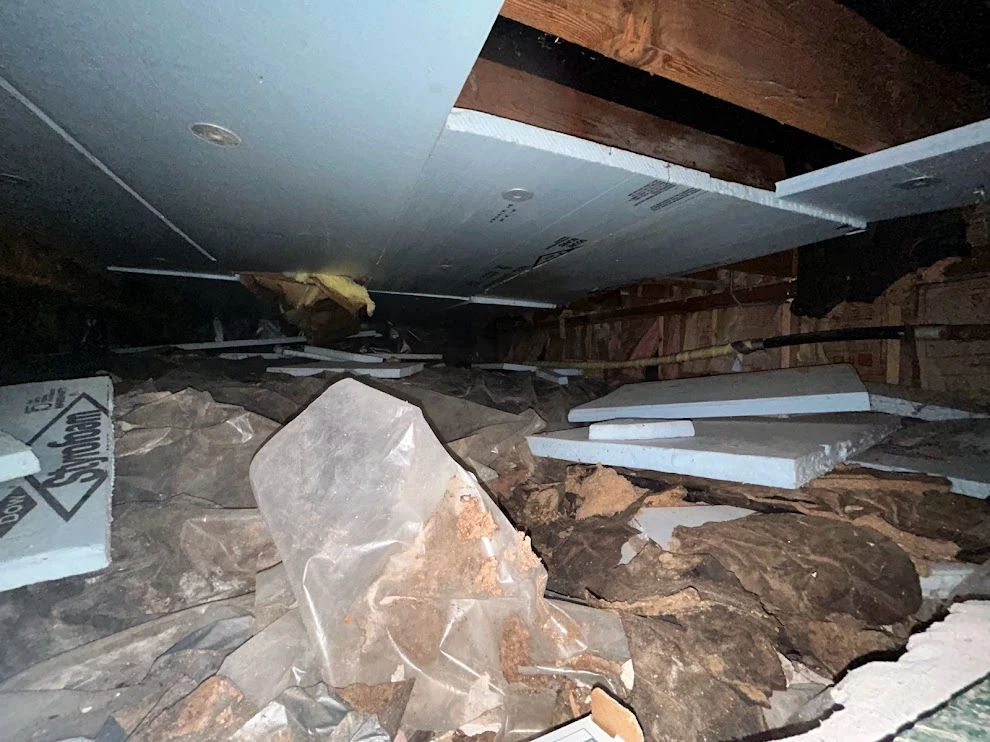
Visible Mold or Mildew: Black or discoloration on surfaces indicates a long-term moisture problem, which points to a failure in the vapor barrier and insulation.
Hot Spots: Using an infrared thermometer or thermal camera can reveal specific areas on walls or ceilings that are significantly warmer than others, pinpointing where insulation has failed.
Constantly Running Equipment: If the refrigeration system runs almost continuously without cycling off, it’s a major red flag that it’s fighting a losing battle against heat gain.
Insulation Material Comparison for Cold Room Applications
The choice of insulation material has a significant impact on long-term performance and moisture resistance. Selecting the right material from the start is crucial for durability in the local climate Building Performance Association.
Insulation Type
R-Value per Inch
Moisture Resistance
Best Use Case
Polyisocyanurate (Polyiso)
6.5 – 7.0
Excellent (with facer)
Wall and roof panels are an ideal retrofit option
Extruded Polystyrene (XPS)
5.0
Excellent
Below-grade applications, foundation walls
Expanded Polystyrene (EPS)
3.6 – 4.0
Good
Interior wall applications where cost is a factor
Spray Polyurethane Foam (SPF)
6.0 – 7.0
Excellent (closed-cell)
Sealing complex geometries, retrofitting gaps
Bonus Tip: When choosing insulation, always prioritize a closed-cell or faced product with an integrated vapor barrier. In a climate like Burr Ridge’s, preventing moisture migration into the wall cavity is just as important as stopping heat flow. Open-cell materials or unfaced fiberglass are generally unsuitable for cold room envelopes as they can trap moisture and lead to hidden mold growth.
Things to Consider Before Making a Decision
Before investing in repairs or a full replacement, a thorough evaluation is necessary to ensure the solution is effective and lasts. Rushing into a fix without proper planning can lead to repeated failures.
First, conduct a comprehensive energy audit and thermal inspection. This goes beyond a simple visual check. Using professional tools like a blower door test and infrared thermography can quantify the exact amount of air leakage and pinpoint thermal bridges. This data allows for a targeted repair strategy instead of a costly, full-scale replacement if it’s not needed.
Second, consider the business’s operational needs. Any insulation project will disrupt cold room operations. Planning the project during a slow period or in phases can minimize downtime and inventory loss. A solution that takes three days to install but shuts down all operations for that period might be more costly in lost business than a slightly more expensive option that can be installed in smaller sections.
Finally, evaluate the long-term return on investment. While higher-quality materials and professional installation may have a higher upfront cost, they provide superior energy savings, prevent product loss, and reduce equipment repair costs over their lifespan. According to market analysis from IBISWorld, the insulation contractors industry in the US has grown due to rising demand for energy efficiency improvements, indicating a clear market trend toward these long-term savings. The initial investment should be viewed as a component of operational efficiency, not just a maintenance expense.
Bonus Tip: Always ask about the warranty on both the materials and the workmanship. A material warranty is useless if it’s installed incorrectly. A reputable installer will stand by their work with a separate labor warranty, providing peace of mind that the job was done right.
Bonus Tip: Don’t forget to seal the light fixtures and any other electrical penetrations inside the cold room. These small gaps are often overlooked but can contribute significantly to air leakage. Use appropriate, UL-rated, airtight fixtures and sealants designed for cold environments.
Get Professional Help with Your Cold Room Insulation
If you are experiencing these problems with your cold room in Burr Ridge, it is time to get a professional assessment. Ignoring the signs will only lead to more expensive repairs and product loss down the road. For a thorough inspection and expert recommendations, contact South Chicago Insulation. Our team has extensive experience diagnosing and resolving insulation failures in commercial environments. You can reach us by email at [email protected] or by phone at (779) 803-8025 to schedule an evaluation and protect your valuable inventory.
FAQs
What is the typical lifespan of cold room insulation?
High-quality, properly installed closed-cell insulation systems like polyiso panels can last 30-40 years or more. The failure points are usually the seams, gaskets, and sealants, which may need maintenance or replacement every 10-15 years.
Is spray foam a good option for retrofitting an existing cold room?
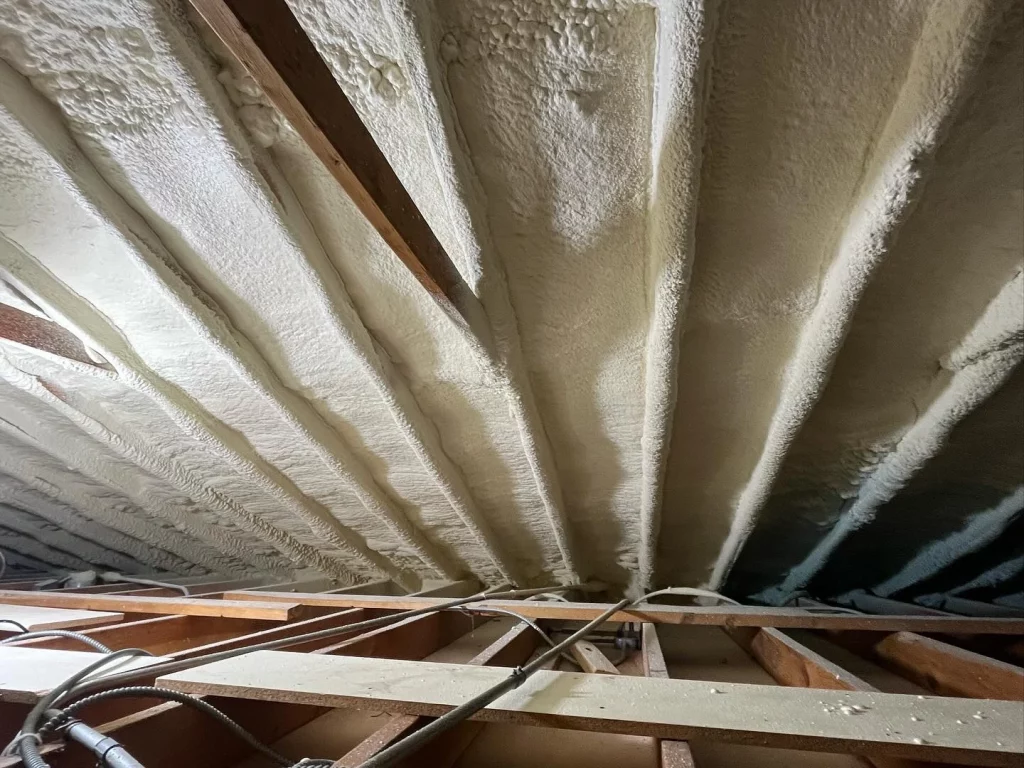
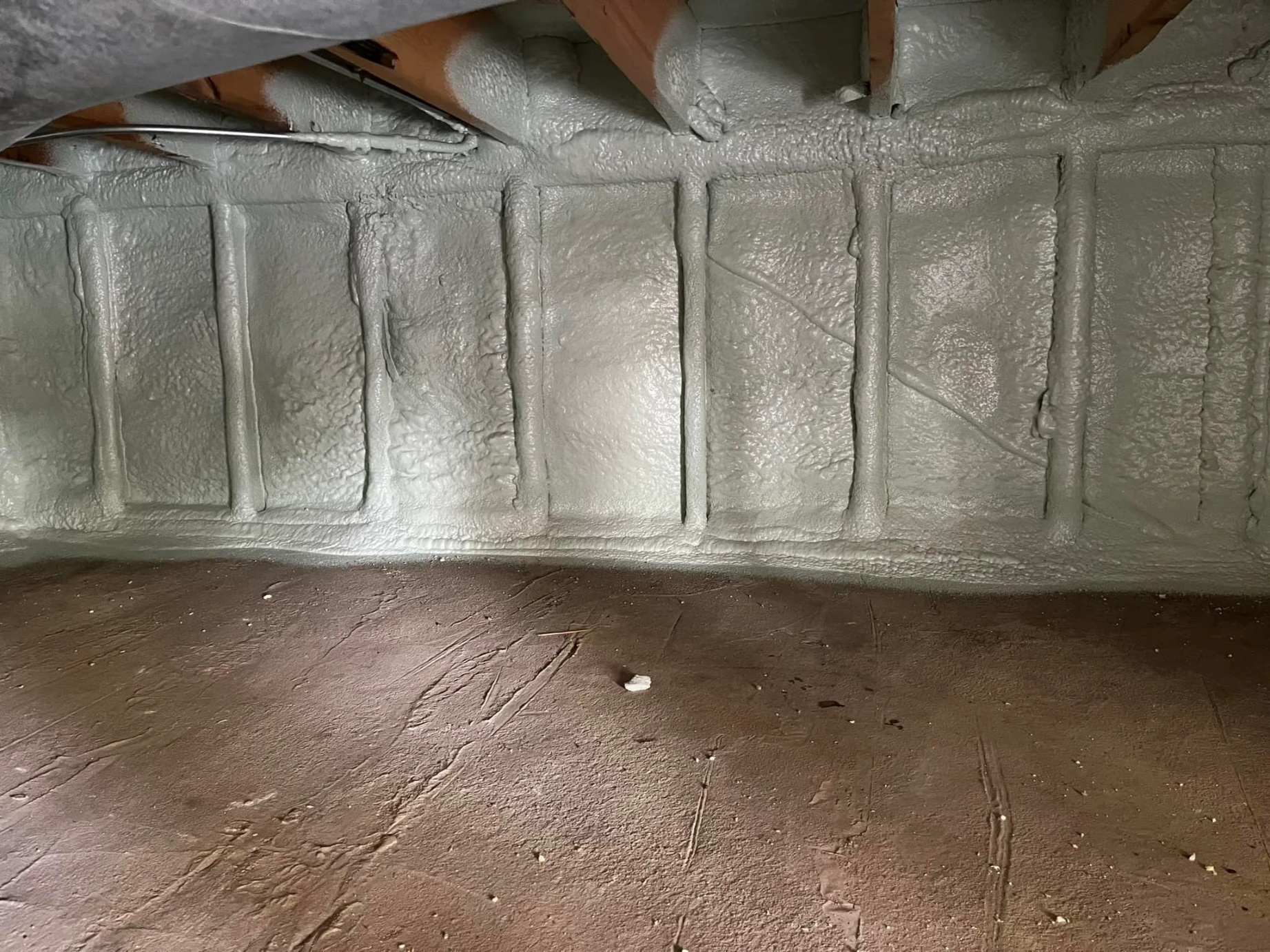
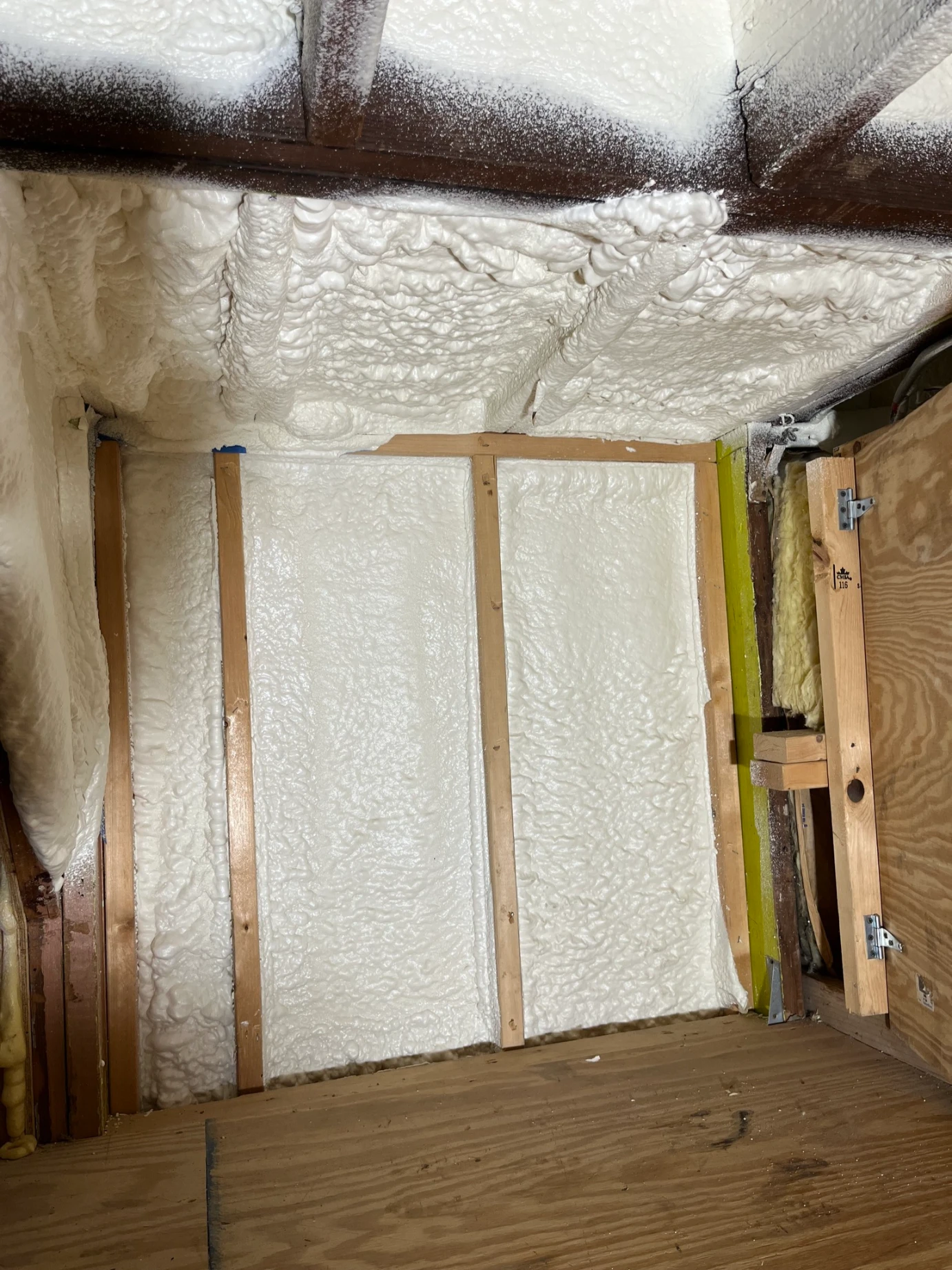
Closed-cell spray foam is an excellent option for retrofitting. It excels at sealing complex gaps and penetrations that are difficult to address with rigid boards. It provides both a high R-value and a superior air and vapor barrier in a single application.
How much does it typically cost to fix a cold room insulation problem?
Costs vary widely based on the size of the room and the extent of the damage. Minor sealing and gasket replacement might be a few hundred dollars. Replacing an entire wall or ceiling of panels can run into the tens of thousands. An audit is required for an accurate estimate.
Can poor insulation affect food safety compliance?
Yes, absolutely. Health departments require that potentially hazardous foods be held at specific temperatures. An inability to maintain those temperatures due to insulation failure can lead to failed inspections, citations, and even shutdowns.
Will fixing insulation also reduce frost buildup inside the cold room?
Yes. A significant amount of frost buildup is caused by warm, moist air entering the space. By improving insulation and air sealing, you reduce the amount of moisture entering the cold room, which in turn reduces the formation of frost and ice on the evaporator coils and other surfaces.
Conclusion
Poor insulation in a cold room is not a minor inconvenience; it is a fundamental operational failure with direct consequences for energy costs, equipment longevity, and product integrity. The key problems, temperature instability, high energy consumption, and equipment strain all stem from a compromised thermal envelope. Identifying the insulation warning signs, like condensation, ice buildup, and continuously running equipment, is the first step toward a solution. A careful evaluation of your specific needs, a focus on quality materials, and professional installation are critical for a successful outcome. Before making any decisions, consider the operational downtime and long-term return on investment to choose a solution that provides lasting value and reliability for your business.
Sources
U.S. Department of Energy – A government resource explaining the energy-saving benefits of proper insulation and air sealing.
IBISWorld – A market research report detailing growth trends in the US insulation contractor industry, linked to demand for energy efficiency.
Poor insulation in cold rooms directly causes significant operational problems, including temperature instability, excessive energy consumption, equipment strain, and product…