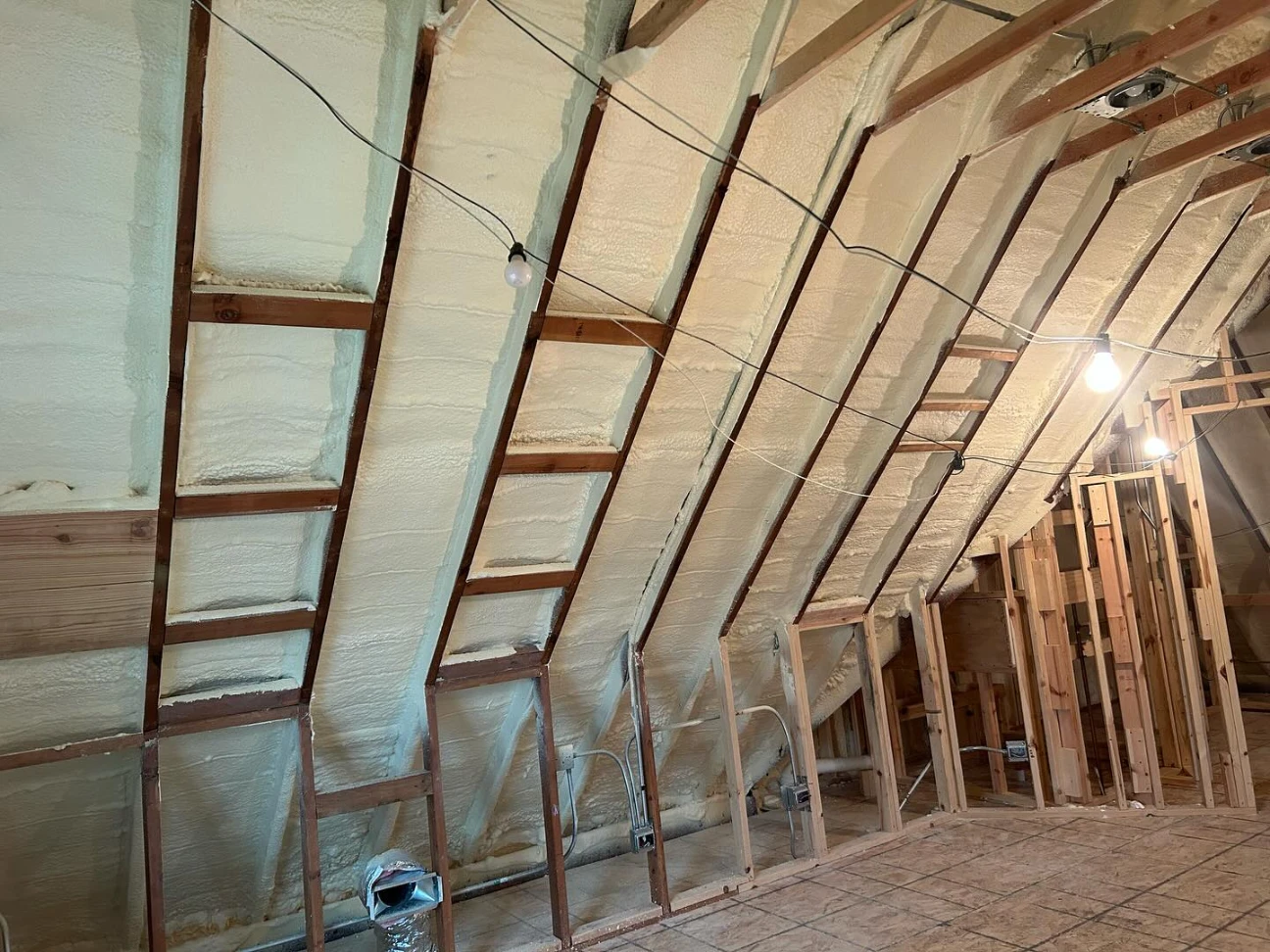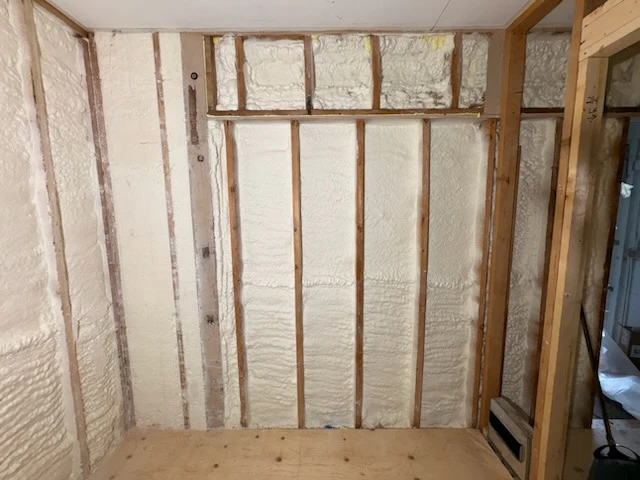
Why Pole Barns Need Spray Foam Insulation Protection
Direct Answer Pole barns need spray foam insulation protection because traditional insulation methods fail to address the unique structural challenges…


If you have ever sat in your living room watching your breath steam in the air while the heater blasts full blast, you know the frustration of a poorly insulated home. Or maybe you have felt that sudden draft near a window frame that makes you wonder exactly where your hard-earned money is going. Wall insulation is the unsung hero of home comfort. It sits quietly inside your walls, working 24/7 to keep the temperature exactly where you want it. When we step into a home that feels drafty in winter or stuffy in summer, the problem often traces back to what is happening inside those vertical barriers.
We have spent years working in the insulation industry, seeing firsthand how the right material and installation method can transform a house. This guide is not just about stuffing fiberglass into a cavity. It is a comprehensive look at how to assess your walls, choose the right materials, and install them effectively. We will cover everything from the basic science of heat transfer to the specific steps you need to take for both new construction and retrofit projects. By the end of this, you will have the knowledge to make your home more efficient, comfortable, and valuable.
Before we pick up a tool or buy a roll of batting, we need to understand what wall insulation actually does. At its simplest level, insulation resists the flow of heat. Heat energy naturally moves from warmer areas to cooler areas. In the winter, the heat you pay for wants to escape to the cold outdoors. In the summer, the oppressive heat outside wants to push its way into your cool living room.
Insulation slows this process down. It does not stop heat completely; nothing does that short of a perfect vacuum. Instead, it creates resistance. We measure this resistance using a term called R-value. The R-value rates the material’s ability to resist heat flow. The higher the number, the better the insulation performs. However, R-value is not the only factor. How the insulation is installed matters just as much as the number on the package.
There are three main ways heat moves through your walls that we need to worry about:
Effective wall insulation addresses all three of these mechanisms.
Not all insulation is created equal. Different materials have different properties, costs, and installation methods. Choosing the right one depends on your climate, your budget, and the construction of your walls. Here is a breakdown of the most common options we encounter.
This is what most people picture when they think of insulation. Typically made of fiberglass, but also available in mineral wool and cotton, batts come in pre-cut sections designed to fit standard wall stud spacing (usually 16 or 24 inches on center).
Blown-in insulation consists of small particles of fiber, foam, or other materials. We use a machine to blow these particles into wall cavities through holes drilled in the wall. Common materials include fiberglass, cellulose (recycled paper), and rock wool.
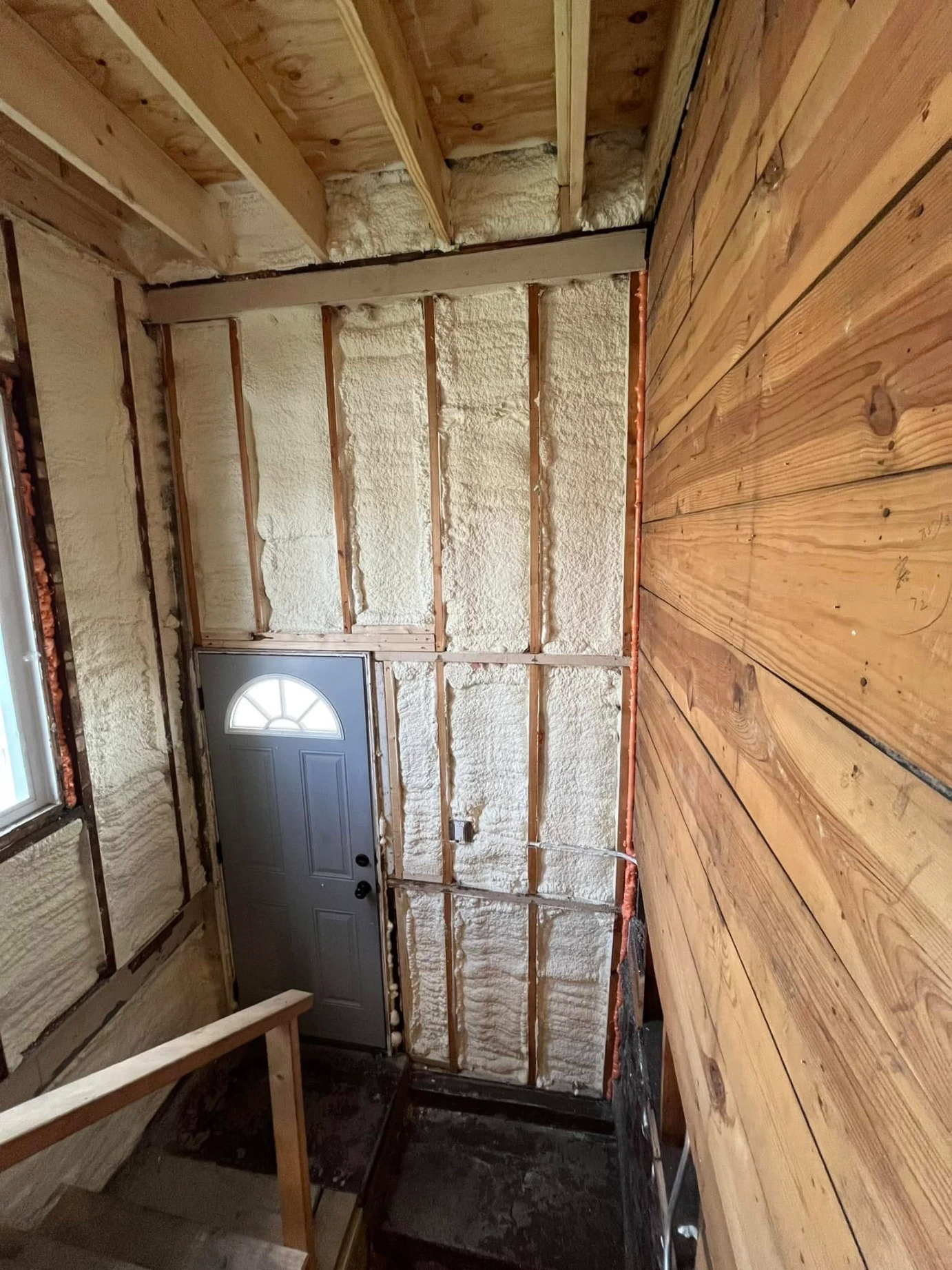
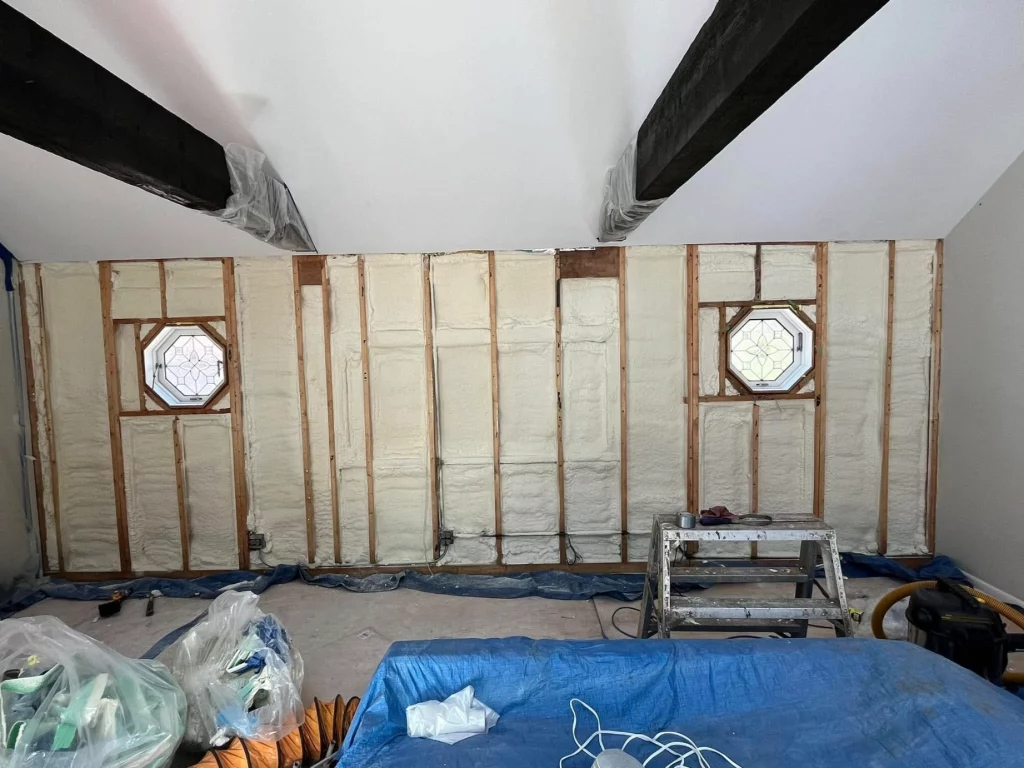
Spray foam is a two-part liquid that expands and hardens into a solid foam. We have two main types here: open-cell and closed-cell.
These are rigid panels of insulation made from polystyrene, polyisocyanurate, or polyurethane. We usually apply these to the exterior of the house under siding or to the interior of the basement walls.
Here is a quick comparison to help you visualize the differences:
| Material Type | R-Value per Inch | Best Application | Cost |
|---|---|---|---|
| Fiberglass Batts | 2.9 – 3.8 | Standard open walls, DIY | Low |
| Cellulose (Blown) | 3.1 – 3.8 | Enclosed walls, attics, irregular spaces | Low/Medium |
| Open Cell Foam | 3.5 – 3.6 | Soundproofing, air sealing | High |
| Closed Cell Foam | 5.6 – 6.5 | Limited space, high moisture areas | Very High |
| Rigid Foam Board | 3.6 – 6.5 | Exterior sheathing, basement walls | Medium/High |
Key Takeaways
You cannot fix a problem you cannot see. Before you start buying materials, we need to assess the current state of your walls. If you are building new, you have the freedom to choose the best system. But if you are working with an existing home, you need to play detective.
Start by looking for obvious signs of poor insulation. Are your walls unusually cold to the touch in the winter? Do you see ice dams forming on your roof edge (which suggests heat is escaping through the attic, but often indicates general heat loss)? Are there inconsistencies in your interior drywall where dirt has collected around studs? This “ghosting” happens when dust sticks to cold spots on the wall, usually indicating missing insulation behind that area.
If you have an older home, especially one built before the 1960s, you might have no insulation at all in the walls. Homes built in the 1970s and 80s might have some insulation, but it was likely installed poorly by modern standards.
The only way to know for sure is to look. You can do this by drilling a small hole (about the size of a golf ball) in a discreet area, usually high on a closet wall or behind a piece of siding on the exterior. Use a flashlight and a bent wire to fish around inside the cavity. This is called a “thermographic scan” if done with a camera, but a physical inspection is cheaper and often just as effective for a general check.
Now we get to the meat of the process. Installing wall insulation falls into two main categories: open walls (new construction or renovation where the drywall is removed) and enclosed walls (retrofitting).
This is the ideal scenario. It gives us full access to the stud bays.
Step 1: Prep the Space Before we bring in any insulation, we need to seal the air leaks. Use high-quality caulk or expanding foam to seal around electrical boxes, plumbing pipes, and any holes in the framing. This step is often overlooked, but sealing these gaps prevents air from moving through the wall. Remember, air moving through insulation destroys its effectiveness.
Step 2: Cut to Fit If using batts, measure the height of the cavity from the top plate to the bottom plate. Cut the batt slightly longer than the opening to ensure a snug fit. Friction fit is key here. If the batt is too short, it will slump and leave a gap at the top. If it is too wide, you will compress it, lowering the R-value.
Expert Tip: When cutting batts, use a straightedge and a sharp utility knife. Place the batt on a piece of scrap wood so you don’t cut into the floor below. Compress the insulation slightly with your hand to make the cut clean through the material.
Step 3: Install Around Obstructions You will encounter wires, outlet boxes, and pipes. The best way to insulate behind an outlet box is to cut a slit in the batt and wrap it around the box, or cut out a small notch. Never stuff insulation tightly behind an electrical box; this can cause the wires to overheat. For wires running horizontally through the studs, split the batt thicknesswise. Place half behind the wire and half in front. This maintains the full thickness of the insulation without compressing it.
Step 4: Vapor Barriers In many climates, you need a vapor barrier to prevent warm, moist air from inside the house from entering the wall cavity and condensing. Usually, we install a polyethylene sheet on the warm-in-winter side of the wall (the interior side in cold climates). Staple it to the studs and seal the seams with tape. Check your local building codes, as requirements vary by climate zone.
This is trickier because we cannot see what we are doing. We have two main options: dense-packing cellulose or injecting spray foam.
Step 1: Drilling Access Holes For blown-in cellulose, we drill holes into the wall. Usually, we drill from the exterior if we can remove siding, or from the interior if we plan to repaint anyway. The holes should be spaced strategically to ensure the insulation fills every bay without leaving voids. Typically, we drill between every stud bay, halfway up the wall, and near the top plate.
Step 2: Dense-Packing We use a specialized blower machine to inject cellulose into the cavity. The goal is to “dense-pack” it. This means the cellulose is installed at a higher density than standard attic insulation. The pressure is enough to hold it in place without settling, and it fills every nook and cranny around wires and blocking. If you are doing this yourself, you can rent a machine, but be careful. Over-packing can bow the drywall.
Step 3: Patching Once the cavity is full, we plug the holes. If we drilled through wood siding, we would use wood plugs. If we drilled through drywall, we would patch it with joint compound and sand it smooth.
Expert Tip: When drilling from the exterior, try to remove a piece of siding if possible to drill through the sheathing. If you must drill through the siding, use a hole saw that matches the size of a generic vinyl siding plug to make the repair invisible.
Basements are a unique challenge because they are in contact with the earth. Concrete is porous and draws moisture.
Step 1: Moisture Control Do not insulate a damp wall. Fix any water leaks or drainage issues first. We often recommend applying a moisture sealant or dimple board to the concrete before insulating.
Step 2: Interior vs. Exterior Ideally, we insulate basement walls on the exterior. However, for existing homes, this is rarely practical. Interior insulation is the standard.
Step 3: Using Rigid Foam We prefer rigid foam board for basements. It is moisture-resistant and does not provide a food source for mold. We glue rigid foam directly to the concrete wall using an adhesive suitable for foam. We tape all the seams with Tyvek or foil tape to create an air seal. Then, we build a stud wall in front of the foam and add batt insulation in the stud bays for extra R-value. This creates a thermal break and protects the insulation from the cold concrete.
Even with a good plan, things go wrong. We have seen almost every mistake in the book. Here are the most common pitfalls and how to avoid them.
Gaps are the enemy of efficiency. A 1% gap in the insulation coverage can reduce the overall performance of the wall by up to 30% Insulation Institute . The most common gaps occur around windows and doors, and in the corners of rooms where framing is complex.
The Fix: Take your time. Use scraps of insulation to fill small voids. For large gaps around windows, use low-expanding foam sealant. Do not use high-expanding foam; it can bow the window frame and make it stick.
We see this often with DIYers trying to jam a 6-inch thick batt into a 3.5-inch stud bay. Insulation works by trapping air pockets. When you compress it, you remove the air and lower the R-value.
The Fix: Buy the right thickness for your studs. If you have 2×4 walls (3.5 inches deep), buy high-density R-15 batts. Do not buy R-19 batts meant for 2×6 walls and try to squeeze them in.
Putting the vapor barrier on the wrong side can lead to mold growth and rot. In cold climates, the vapor barrier goes on the warm side (inside). In hot, humid climates, it goes on the outside. Some climates, like the mixed-humid zones, do not require a vapor barrier at all, allowing the wall to “dry” in both directions.
The Fix: Consult your local building code or a local professional. Do not assume that what works in one region works in another.
Wood studs conduct heat much better than insulation. Even if you fill the cavity with R-13 insulation, the studs themselves are only about R-1 per inch. This creates a “thermal bridge,” where heat leaks out through the framing.
The Fix: In new construction or major remodels, consider exterior rigid foam insulation. Placing a layer of rigid foam over the studs breaks the thermal bridge and significantly improves wall performance.
How do you know if all this work is worth it? We measure success in two ways: comfort and savings.
The Department of Energy estimates that heating and cooling account for about 48% of the energy use in a typical U.S. home. By upgrading wall insulation, especially if you currently have little to none, you can significantly reduce that load. According to data from the Energy Star program, homeowners can save up to 15% on heating and cooling costs (or an average of 11% on total energy bills) by sealing and insulating their homes.
Savings are great, but comfort is immediate. After a proper insulation job, you will notice the temperature stays more consistent. The furnace will run for shorter periods. You will eliminate cold drafts and cold spots near the walls. This is harder to put a dollar value on, but for many homeowners, it is the primary benefit.
Key Takeaways
The world of insulation is evolving. We are moving beyond just stuffing pink fiberglass into walls. Here are a few advanced concepts and trends we are watching.
The “Passive House” standard is a rigorous voluntary standard for energy efficiency in a building. It requires the building to be virtually airtight. To achieve this, we use advanced taping systems, specialized membranes, and continuous insulation loops. While a full Passive House build is intense, the principles apply to regular homes. The tighter your house, the less insulation you theoretically need, though you still need some.
We are seeing the development of “smart” insulation materials that change their thermal properties based on temperature. While not yet mainstream for residential walls, materials like phase-change materials (PCMs) are being integrated into drywall and wallboards to absorb heat during the day and release it at night.
Homeowners are increasingly concerned about indoor air quality (IAQ). Some insulation materials, like fiberglass, can release small particles if not properly sealed. This is leading to a rise in the popularity of natural materials like sheep’s wool, hemp, and denim (recycled cotton). These materials are more expensive but offer great performance without the itch or worry of synthetic fibers.
We have covered a lot of ground, from the physics of heat transfer to the specific nitty-gritty of cutting batts and drilling holes. Wall insulation is one of the most impactful upgrades you can make to your home. It improves comfort, lowers bills, and increases the resale value of your property.
Start by assessing your current situation. Look for the signs of poor insulation. Decide on the material that fits your budget and your wall type. If you are handy, tackle the open wall projects yourself. But do not hesitate to bring in professionals for the complex stuff, especially spray foam or blowing insulation into finished walls.
Use this guide as a reference. Refer back to the comparison tables when choosing materials, and check the step-by-step instructions when you get stuck. A well-insulated home is a quiet, comfortable, and efficient home.
If you are unsure about assessing your walls or choosing the right material, South Chicago Insulation is here to help. You do not have to navigate this process alone. We can provide a professional assessment and recommend the best course of action for your specific home. Contact us at [email protected] or call (779) 803-8025 for expert advice tailored to your needs.
Yes, but it depends on the type and the application. Installing fiberglass batts in open walls is a very manageable DIY project. However, blowing in insulation into closed walls or using spray foam requires specialized equipment and safety gear. We recommend hiring a professional for spray foam specifically because of the chemicals involved and the precision required for application.
Signs include fluctuating indoor temperatures, high energy bills, drafts, and visible frost or mold on exterior walls. The best way to know is to inspect the wall cavity using the “hole drilling” method mentioned earlier or to have a professional energy audit performed, which often uses infrared cameras to see temperature differences.
Yes, insulation helps dampen sound transmission through walls. Dense materials like mineral wool or cellulose are particularly good at this. However, insulation alone will not soundproof a room completely. You also need to address air leaks and use mass (like extra layers of drywall) to effectively block noise.
In our opinion, yes, if your budget allows. Spray foam provides the highest R-value per inch and acts as an air sealant, doing two jobs at once. It is particularly valuable in tight spaces or in homes with irregular framing where batts would leave gaps. The energy savings and comfort boost can justify the higher upfront cost over the long run.
You can reach a point of diminishing returns. Once you hit the recommended R-value for your climate zone, adding more insulation provides very little additional benefit relative to the cost. However, in walls, the main issue is not “too much insulation” but sealing it properly. A super-insulated wall that is leaky will perform poorly compared to a moderately insulated wall that is airtight.