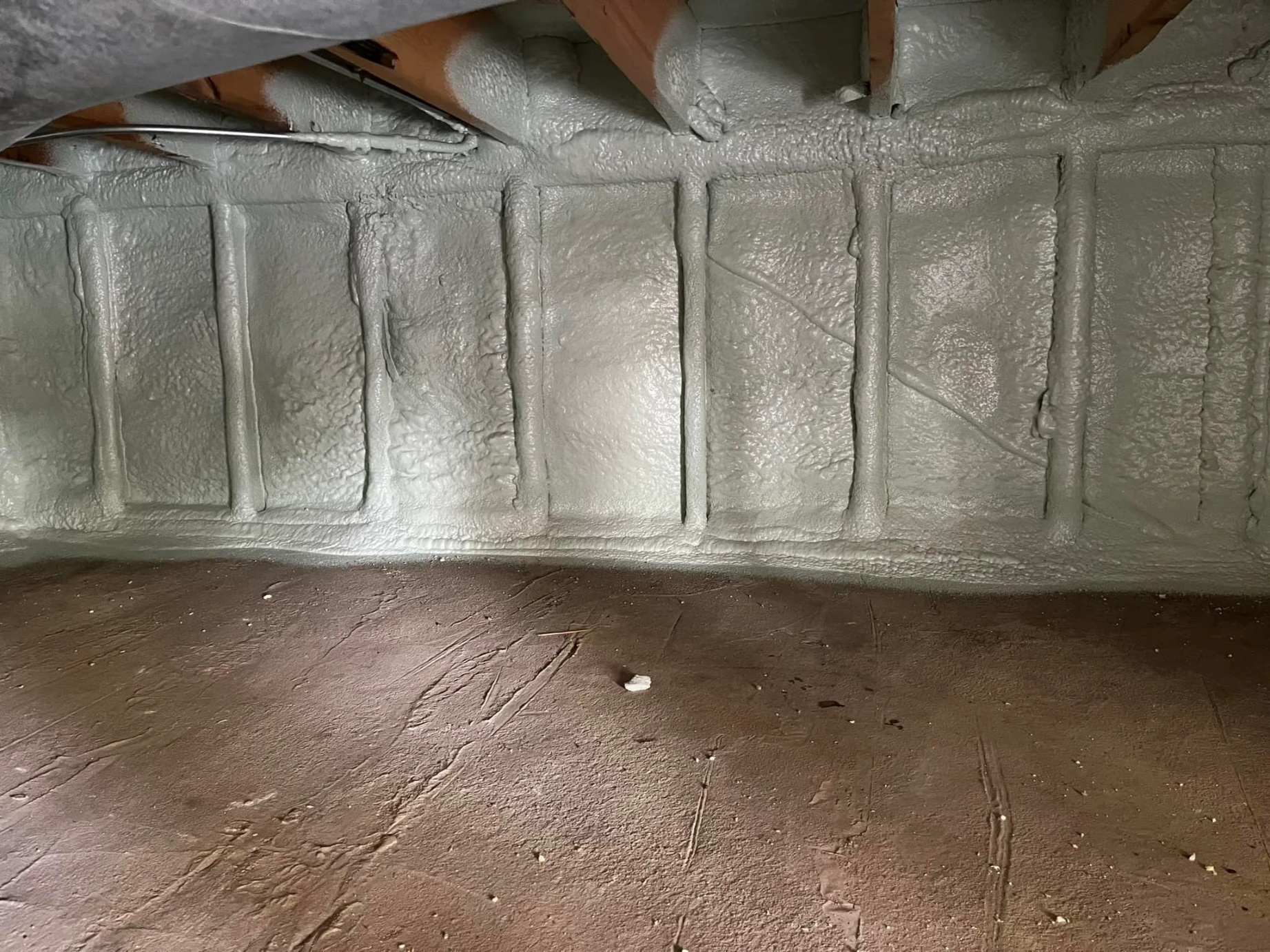
How Spray Foam Extends the Lifespan of Metal Commercial Roofs in Arlington Heights, IL
admin_southchica
December 17th, 2025
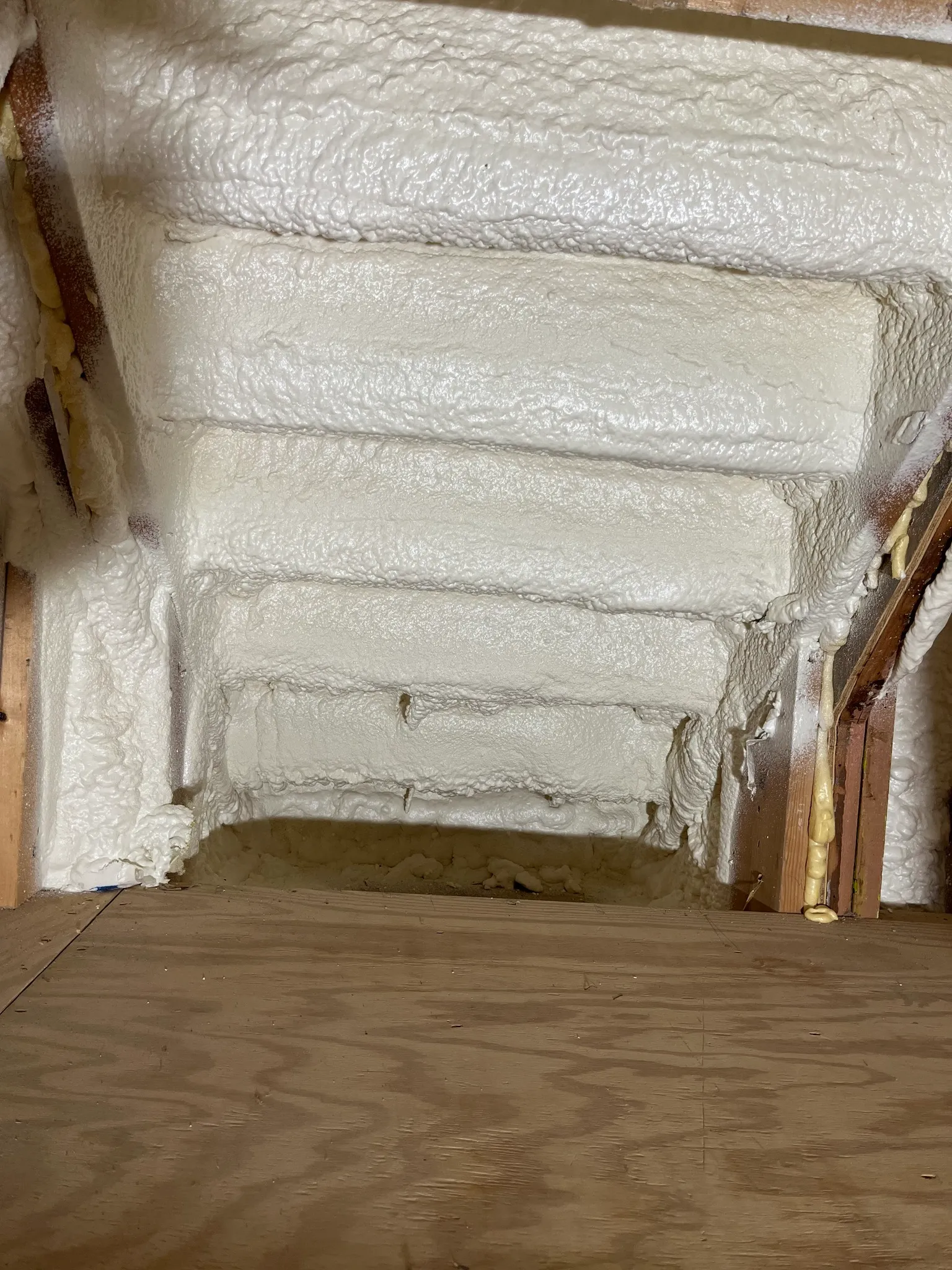
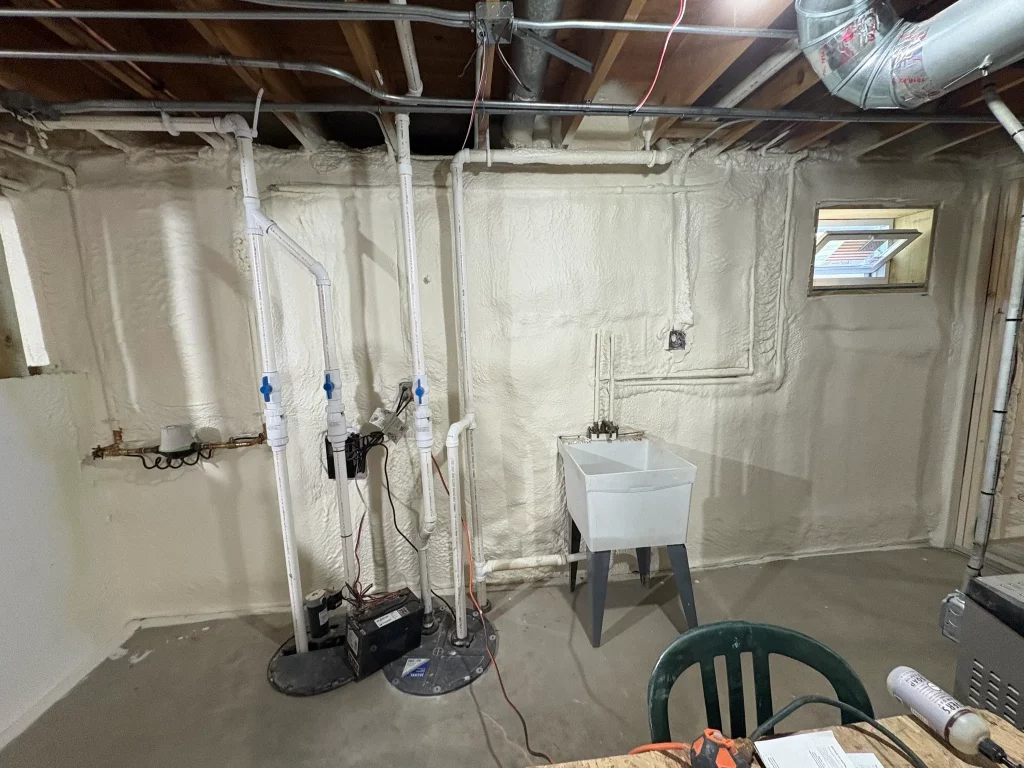
Spray polyurethane foam (SPF) extends the life of metal commercial roofs by creating a monolithic, self-flashing barrier that eliminates the most common cause of failure: thermal movement. In the variable climate of Arlington Heights, metal panels expand and contract daily as temperatures fluctuate, leading to joint separation and fasteners backing out. Applying SPF stops this cycle by insulating the metal from external temperature spikes while forming a waterproof seal that locks every component in place.
This restoration method allows building owners to avoid a costly and disruptive total roof replacement. Rather than tearing off the existing metal sheets, installers apply foam directly over the cleaned and primed surface. This process adds significant insulation value, reinforces the building’s structural integrity, and creates a continuous surface that directs water to drains without the risk of leaks at joints. South Chicago Insulation emphasizes that proper application can add 10 to 20 years to a roof’s service life, provided the underlying structure remains stable.
The Science of Thermal Shock and Metal Fatigue
Metal roofs in Illinois face a specific challenge known as thermal shock. During a typical summer day, a metal roof can reach temperatures of 150°F or higher, only to cool rapidly when a rainstorm hits or night falls. This rapid temperature change forces the metal to expand and contract violently.
Over time, this movement elongates the holes around screws and pulls panels apart. A report from the National Roofing Contractors Association indicates that seam failure and fastener back-out are primary failure points in metal roofing systems. SPF puts an insulating blanket over the metal, keeping the substrate at a consistent temperature. Because the metal no longer experiences extreme heat or cold cycles, it stops moving. This stabilization preserves the existing fasteners and prevents new leaks from forming.
Why Joints Are the Weak Point
Water follows the path of least resistance. On a standard metal roof, every screw hole, skylight curb, and panel overlap represents a potential entry point for moisture. Traditional repairs often involve patching these specific spots, but they do not address the roof’s overall movement.
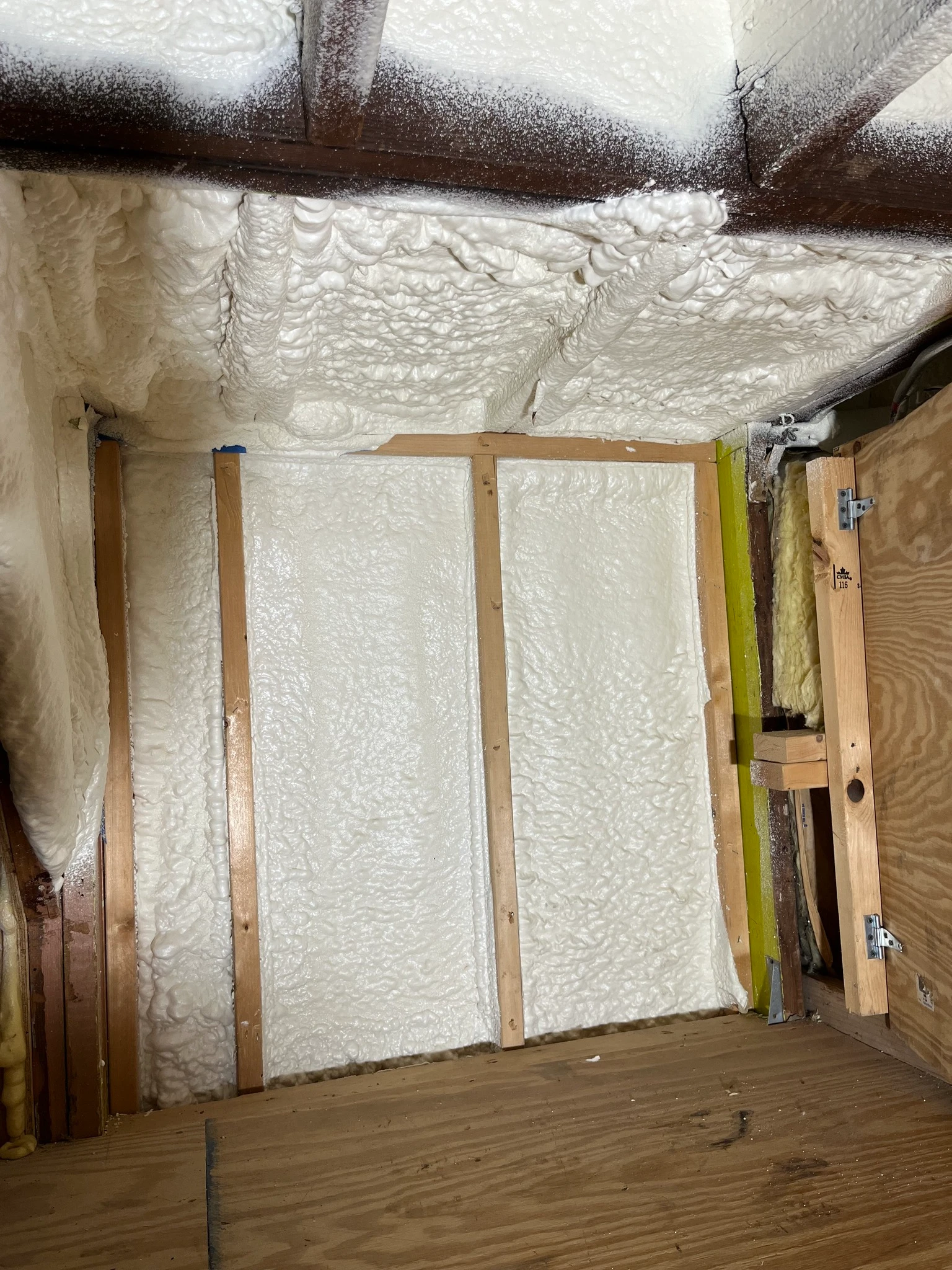
SPF expands 30 times its original liquid volume within seconds of application. This expansion fills every gap, crack, and screw hole. The result is a unified barrier. Without joints, there are no weak points for water to penetrate, even during the heavy freeze-thaw cycles common in Arlington Heights winters.
Bonus Tip: Before applying foam, always check that the internal gutters are clear and functioning. Foam will seal the roof, but water still needs a place to go.
Energy Efficiency and Cost Savings
Beyond waterproofing, extending a roof’s lifespan comes from reduced energy strain. Metal is a conductor, meaning it transfers heat into the building during summer and lets heat escape during winter. This forces HVAC systems to work harder, increasing operational costs and internal humidity.
SPF acts as a thermal break. Data from the U.S. Department of Energy suggests that cool roofs, which often include the reflective coatings used over SPF, can lower roof surface temperatures by up to 50°F compared to traditional materials. This reduction in heat transfer protects the building structure from heat-related degradation.
Comparative Performance: SPF vs. Traditional Methods
Building owners often weigh SPF against other restoration methods like acrylic coatings or simple patch jobs. The following table compares these methods in terms of longevity and structural support.
Feature
Spray Polyurethane Foam (SPF)
Acrylic/Silicone Coating Only
Metal Patch Repair
Coverage
Total elimination of joints
Covers joints but relies on adhesion
Does not eliminate joints
Insulation Value
High (Approx. R-6.5 per inch)
Negligible
None
Structural Rigidity
Adds strength to panels
No structural addition
No structural addition
Thermal Shock Prevention
Excellent
Low to Moderate
None
Estimated Added Life
15–20+ Years
5–10 Years
1–3 Years
Things to Consider Before Making a Decision
While SPF is highly effective, it is not a magic fix for a structurally unsound building. Owners must evaluate specific factors before proceeding with an installation.
Rust Severity: Surface rust is acceptable if treated with a primer. However, if the metal panels have rusted through to the point of structural failure, foam cannot fix the issue. Panels with holes larger than a couple of inches may need replacement or heavy-gauge sheet metal patches before foaming.
Existing Leaks: It is vital to identify if wet insulation exists under the current metal deck. Trapping moisture inside the roof assembly can cause rot from the inside out. Infrared moisture scans are often necessary to identify saturated areas that must be removed prior to spraying.
Drainage Plan: SPF adds thickness to the roof. Installers must feather the foam near drains to prevent water from ponding. Ponding water can degrade the coating over time if not managed correctly.
Many property managers worry about foam appearing on a metal roof. Since most commercial metal roofs have low slopes or are hidden behind parapet walls, the foam is rarely visible from the street. The final layer is typically a silicone or acrylic coating, often white or gray, which looks clean and uniform.
The system’s renewability is another major advantage. The Spray Polyurethane Foam Alliance notes that SPF roofing systems are sustainable because they can be recoated indefinitely, eliminating the need for tear-offs and reducing landfill waste. This makes the system a permanent asset rather than a temporary fix.
FAQS
Is SPF cheaper than a complete metal roof replacement?
Yes. Restoring a roof with SPF typically costs 30% to 50% less than a complete tear-off and replacement. These savings come from reduced labor, no disposal fees for old materials, and a faster installation timeline.
How does winter weather affect the installation process?
SPF cannot be applied during freezing temperatures or wet conditions. The substrate must be dry and typically above 50°F for the chemical reaction to occur correctly. In Arlington Heights, the installation season usually runs from late spring through early autumn.
What maintenance does a spray foam roof require?
Maintenance is minimal. Owners should inspect the roof twice a year and after major storms to check for debris or physical damage to the coating. If the protective coating wears down after 10 or 15 years, the roof can simply be cleaned and recoated to extend the warranty.
Will the foam add too much weight to the structure?
SPF is lightweight, weighing approximately 0.5 to 0.7 pounds per square foot. This is significantly lighter than adding a layer of asphalt, gravel, or a single-ply membrane, making it safe for almost all metal commercial structures.
Summary of Lifespan Benefits
Spray foam offers a practical solution for aging metal roofs by addressing the root causes of deterioration: leaks, rust, and thermal movement. By creating a continuous, insulated barrier, this method stabilizes the roof structure and prevents the Midwest climate from tearing metal joints apart. Building owners gain a watertight asset that improves energy efficiency and delays the need for capital-intensive replacements. Assessing the roof’s condition early allows for restoration before degradation becomes irreversible.
Extend the life of your commercial roof
If you have a metal roof in Arlington Heights that is showing signs of rust or leaks, do not wait for winter to cause further damage. South Chicago Insulation can assess your building’s needs and determine if an SPF restoration is the right fit. Phone:(779) 803-8025Email:[email protected]
Open-cell spray foam insulation in Burr Ridge, IL, presents significant problems primarily related to moisture management, structural suitability, and long-term…
Poor insulation in cold rooms directly causes significant operational problems, including temperature instability, excessive energy consumption, equipment strain, and product…