

Are you battling inconsistent room temperatures or rising energy costs in your Arlington Heights property? At South Chicago Insulation, we specialize in high-performance thermal solutions designed to withstand the extremes of the Illinois climate. Whether you own a historic bungalow near downtown or manage a commercial facility on Rand Road, our expert team provides advanced air sealing and insulation strategies. We help homeowners and businesses optimize their thermal envelopes, ensuring year-round comfort, reduced HVAC strain, and significant utility savings.
In Arlington Heights, proper insulation is the first line of defense against freezing winters and humid summers. It isn't just about keeping warm; it is about controlling moisture, preventing ice dams, and improving indoor air quality. By addressing air leakage and thermal bridging in attics, walls, and crawlspaces, we create a sealed environment that protects your structure from mold and decay while maximizing energy efficiency.
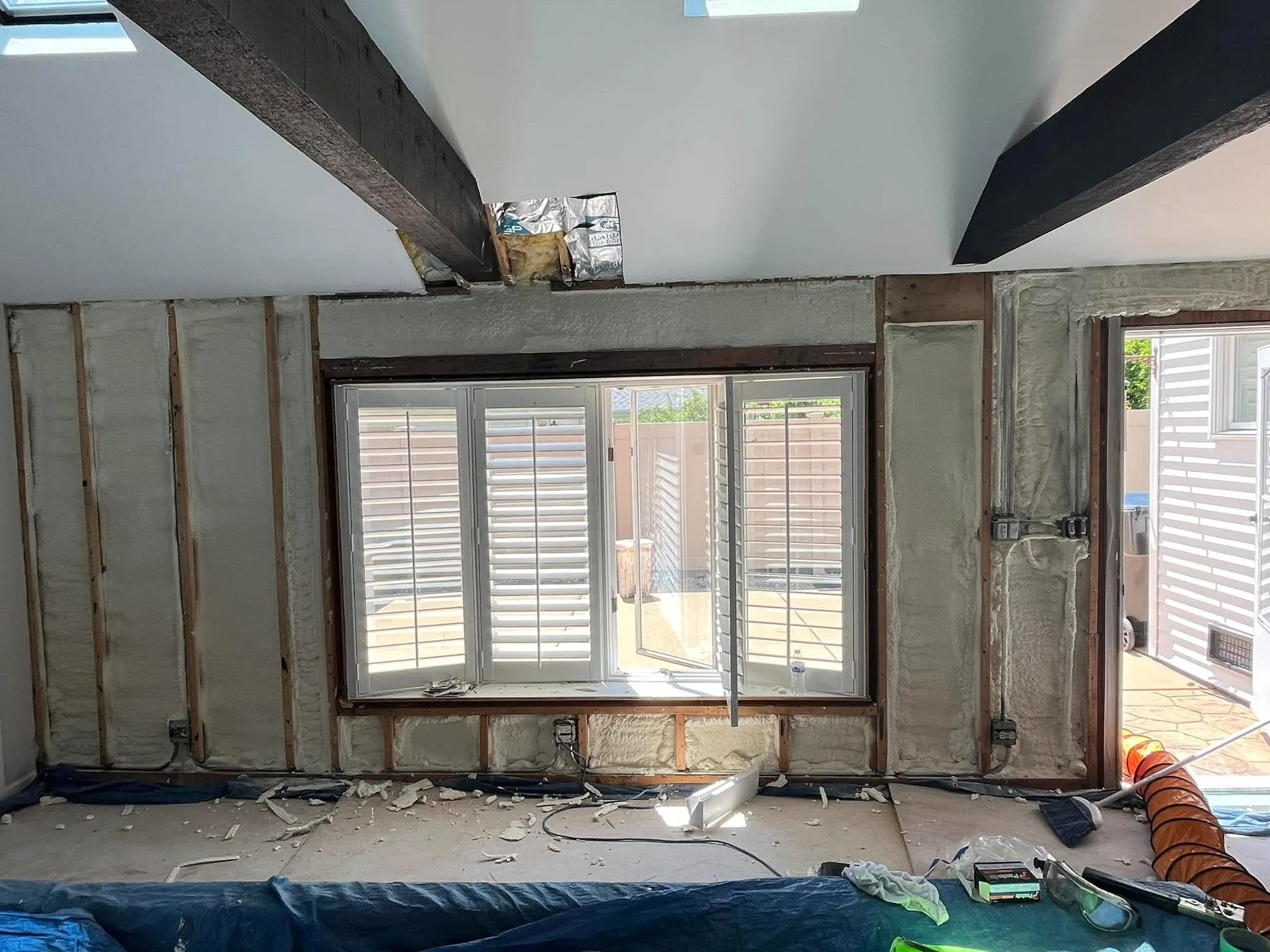
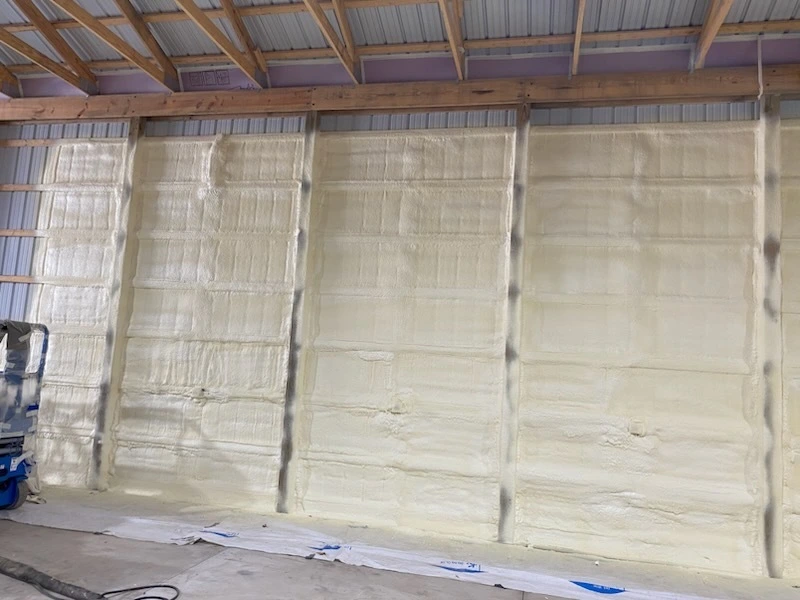
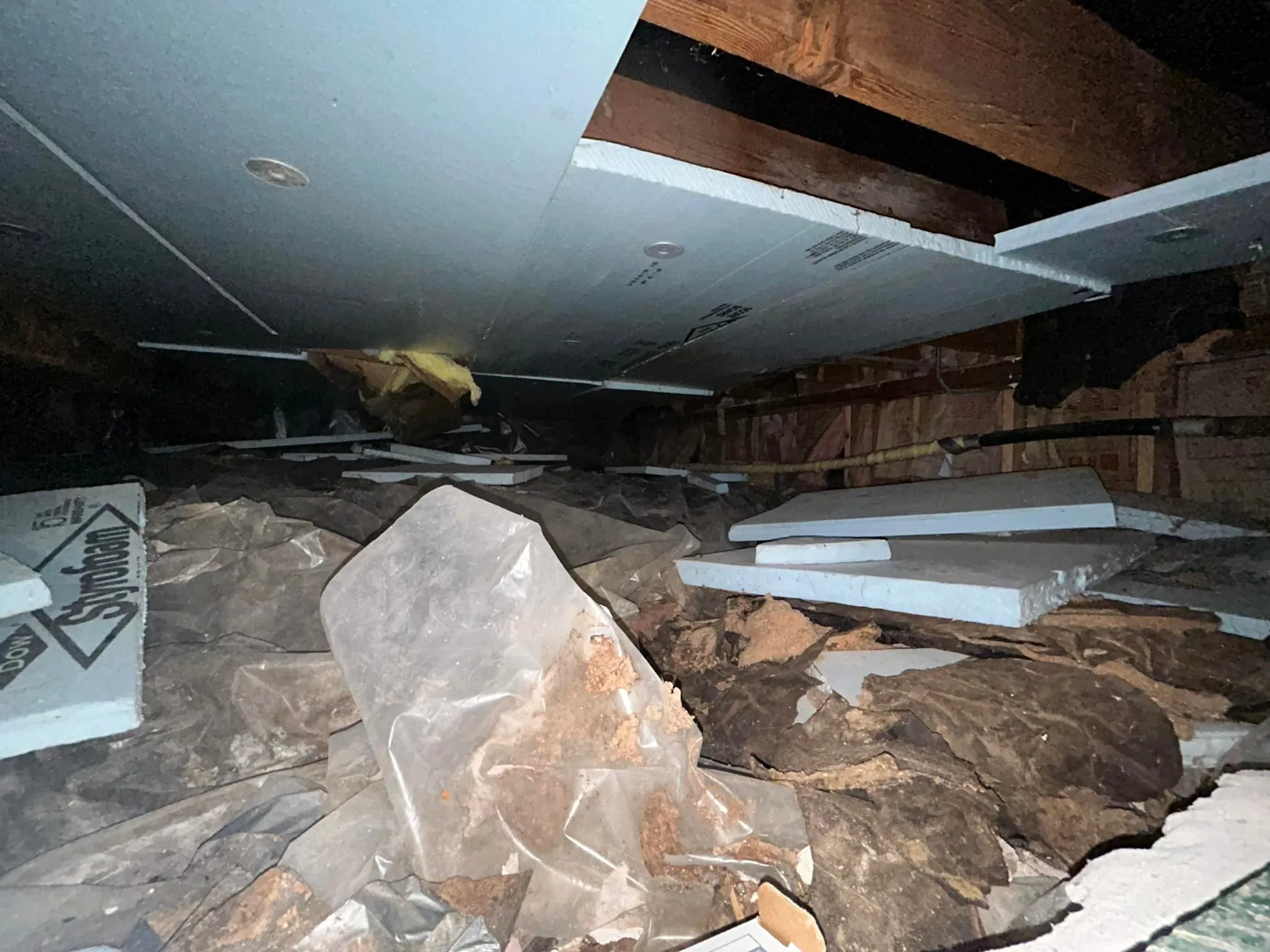
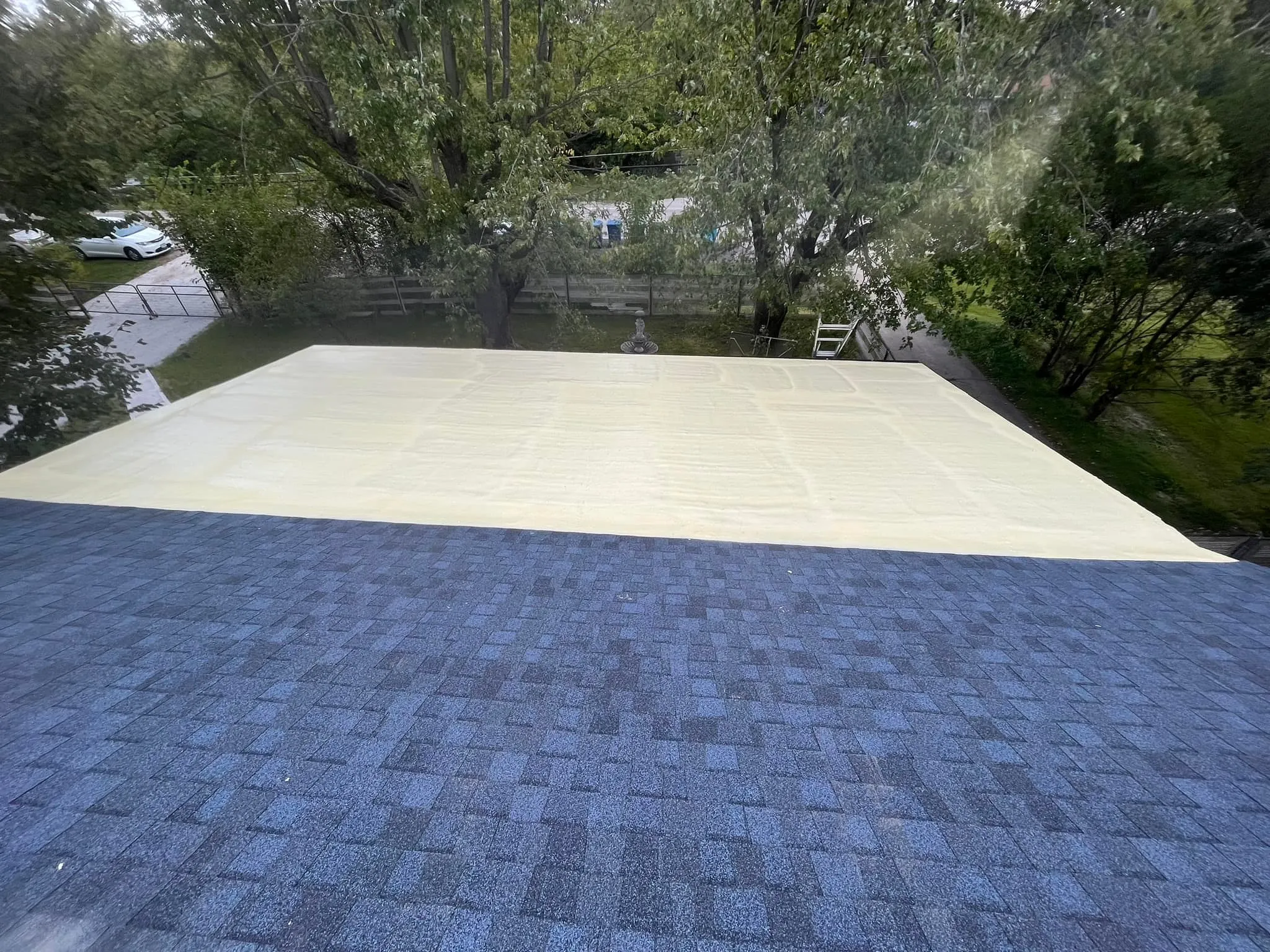
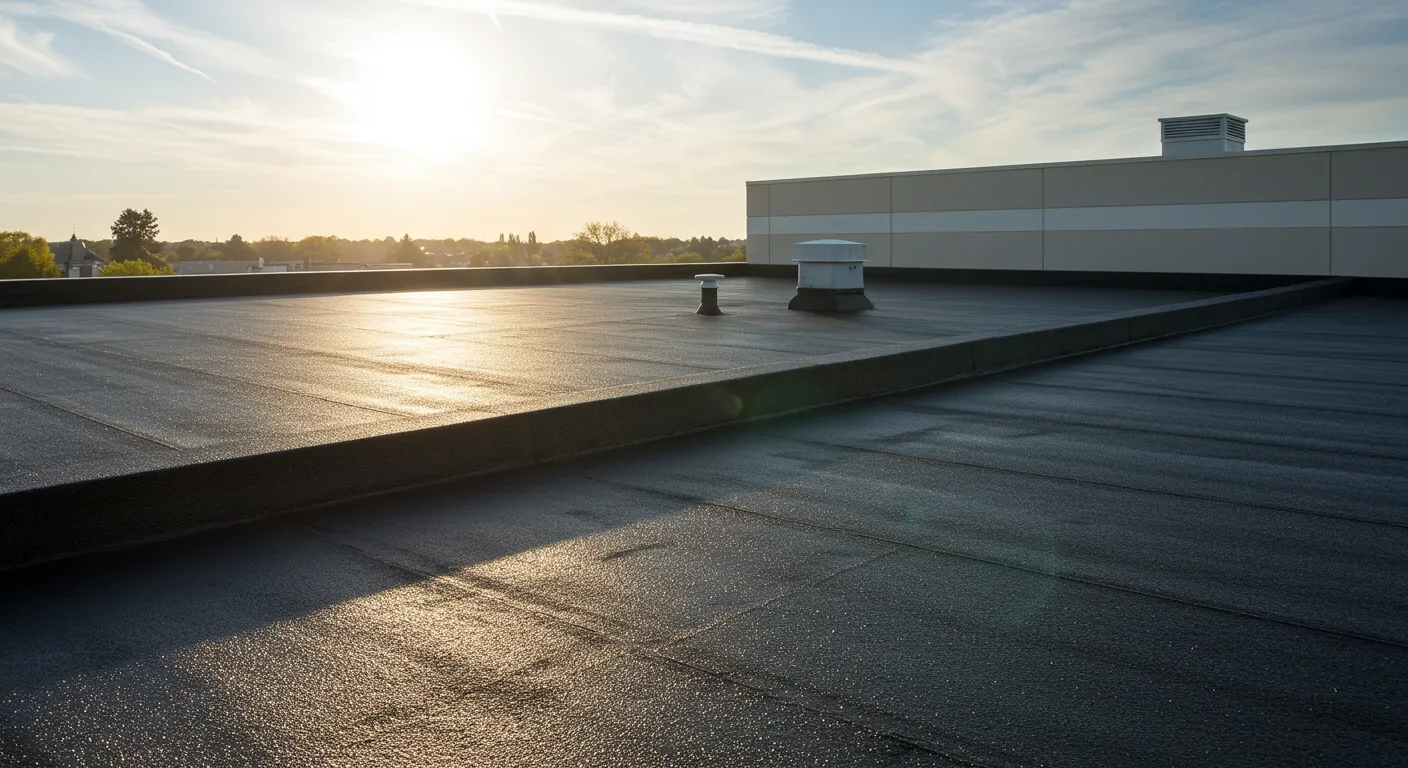
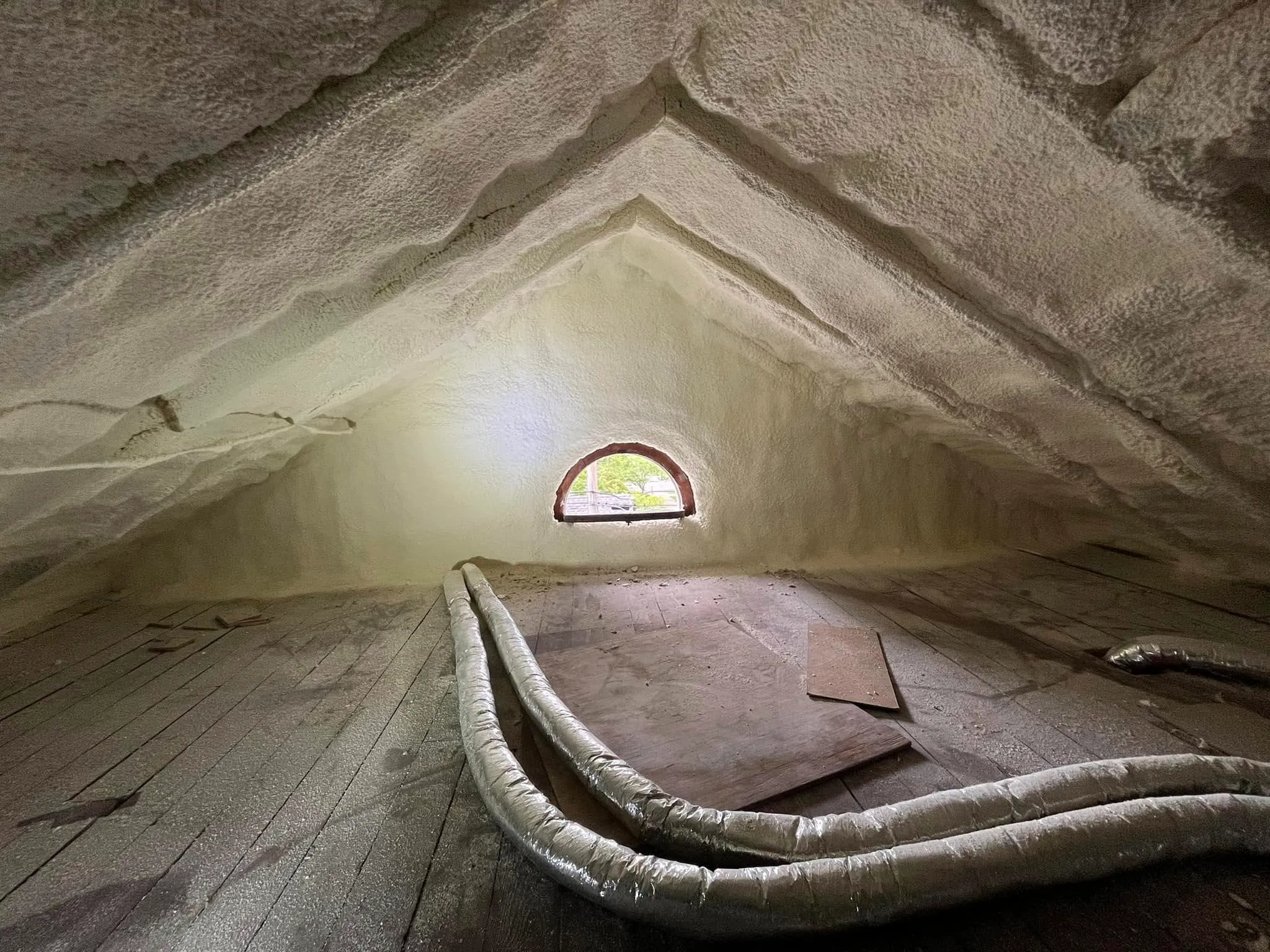
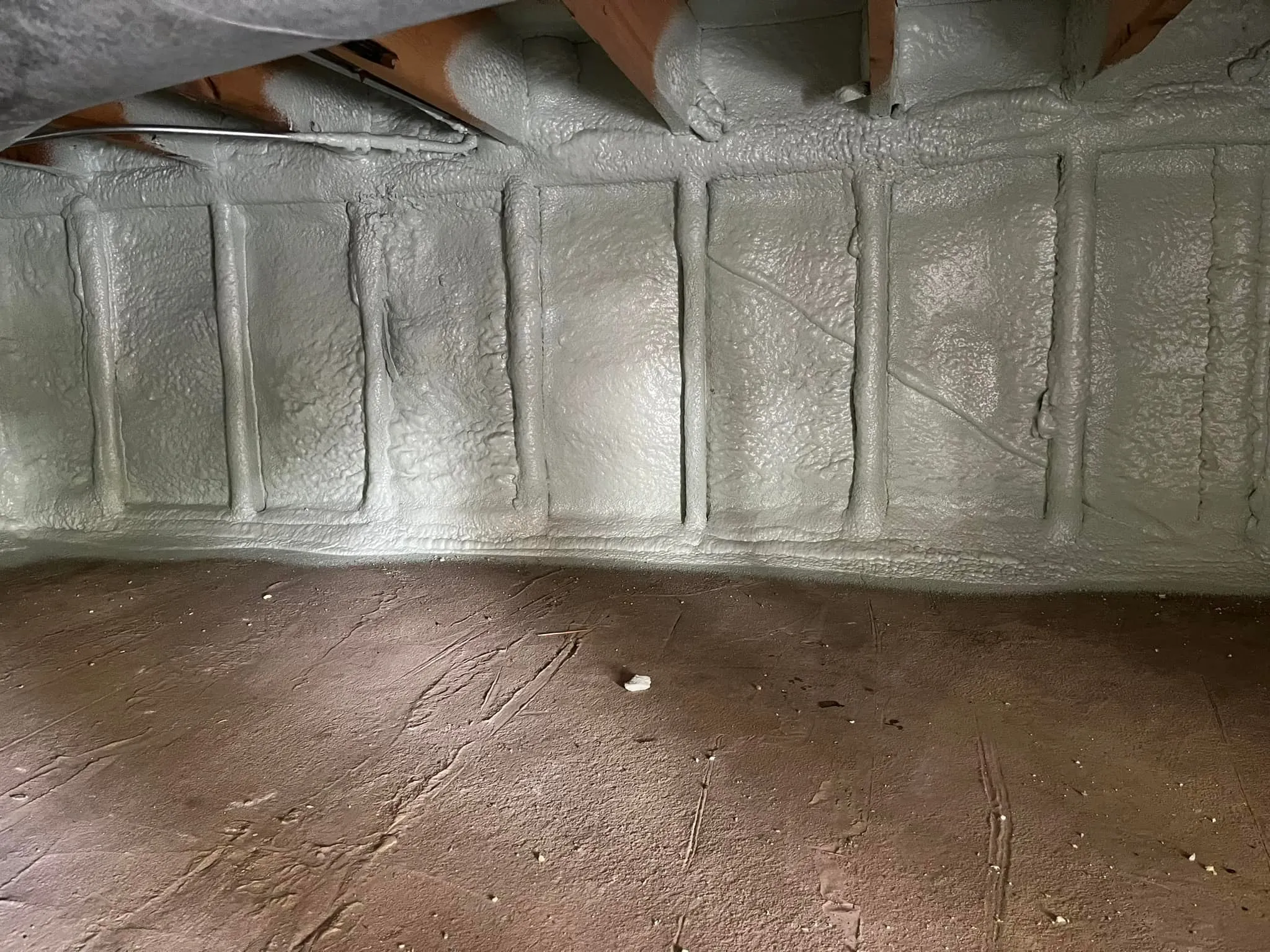
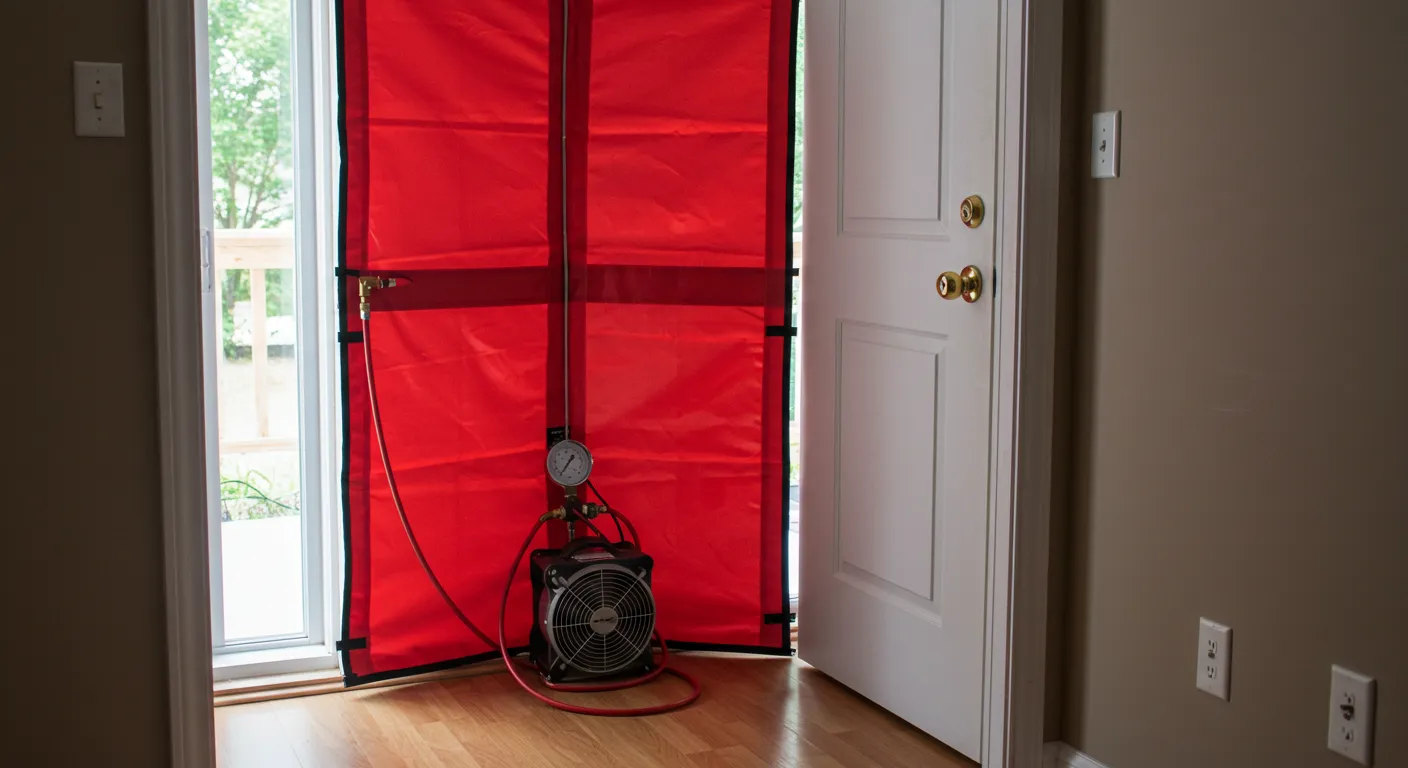
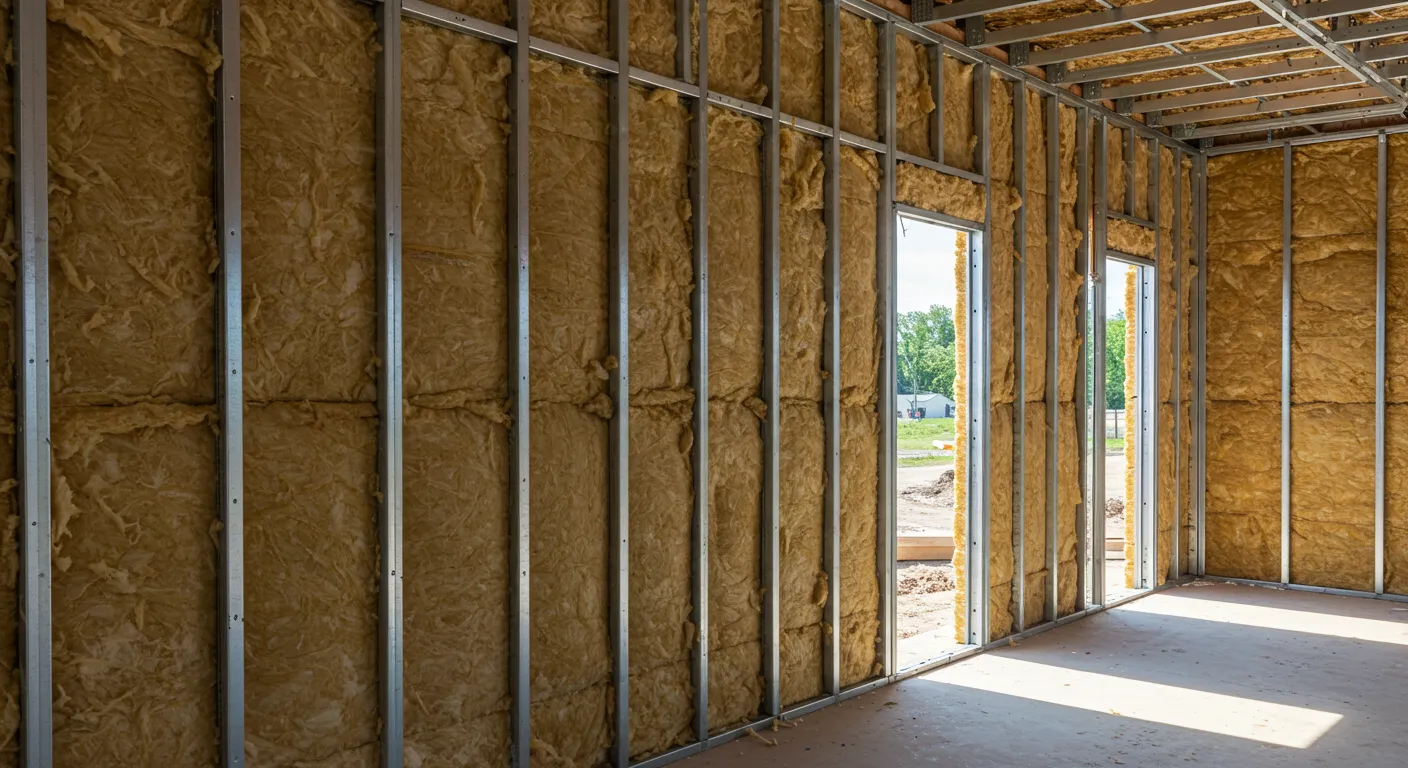
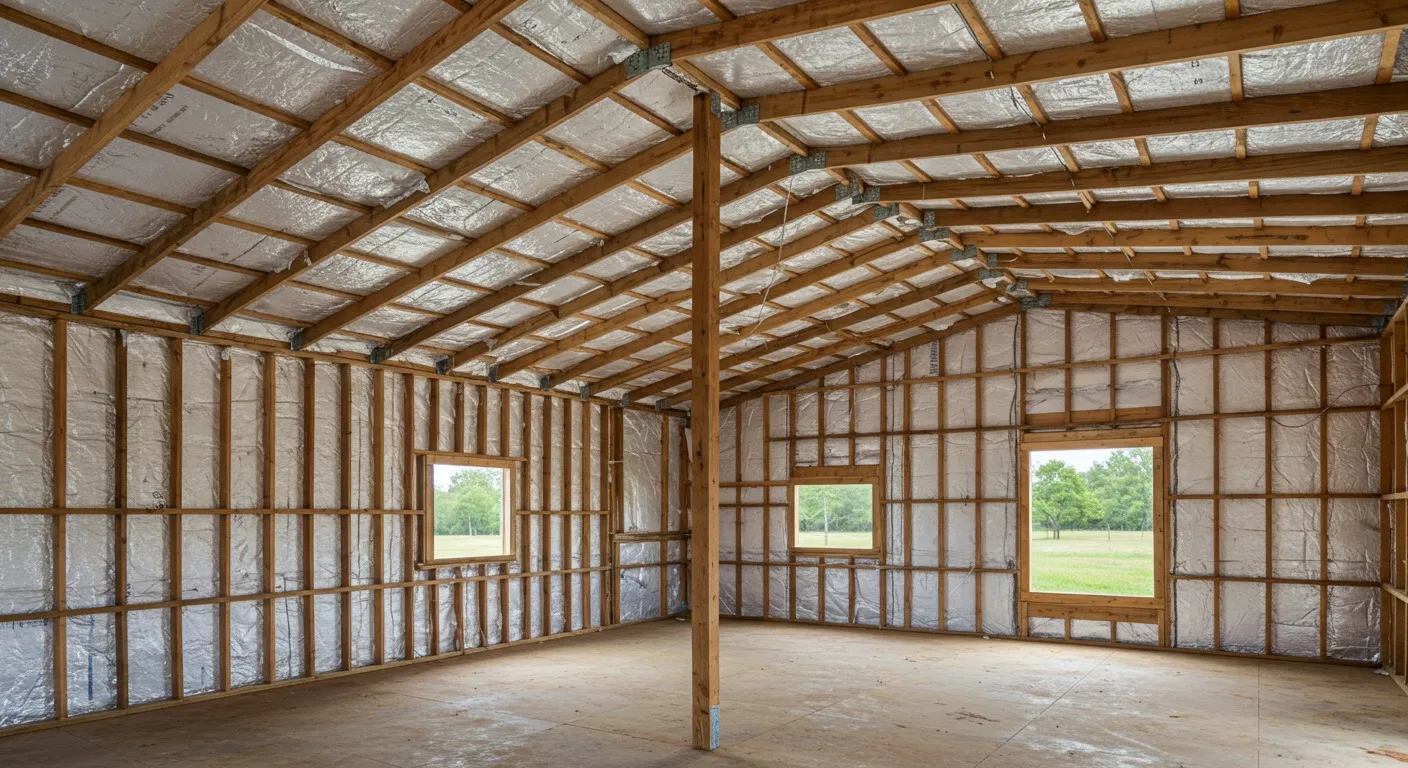
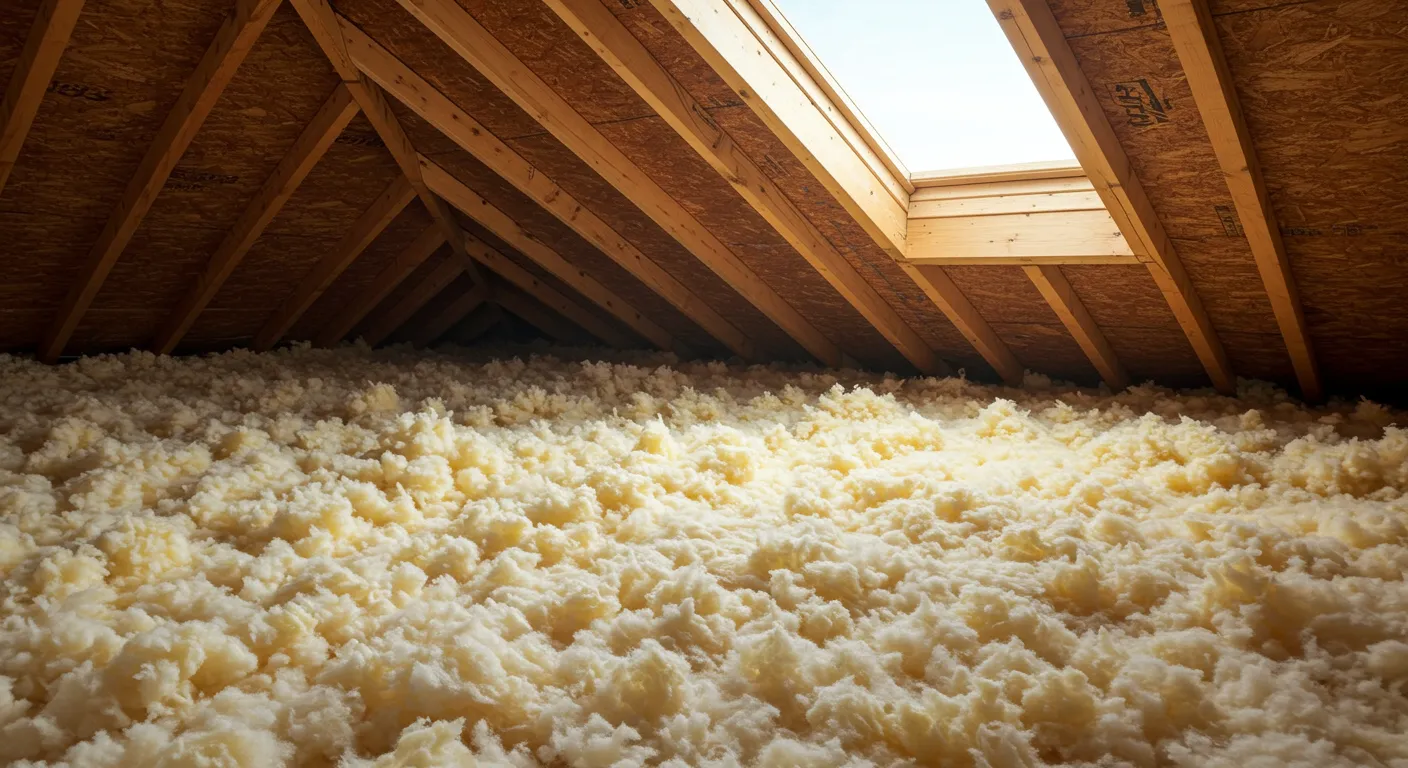
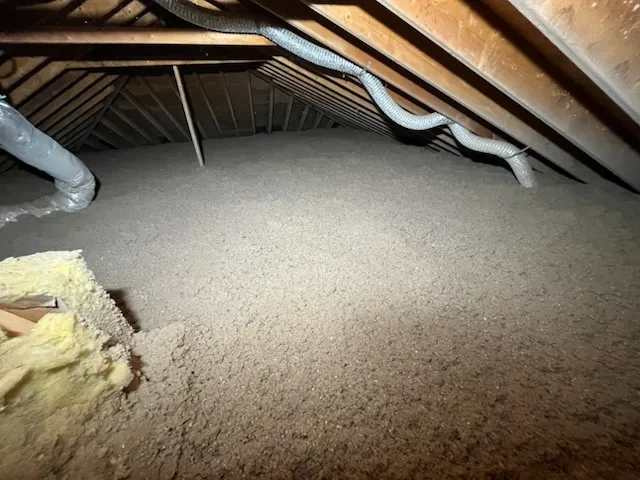
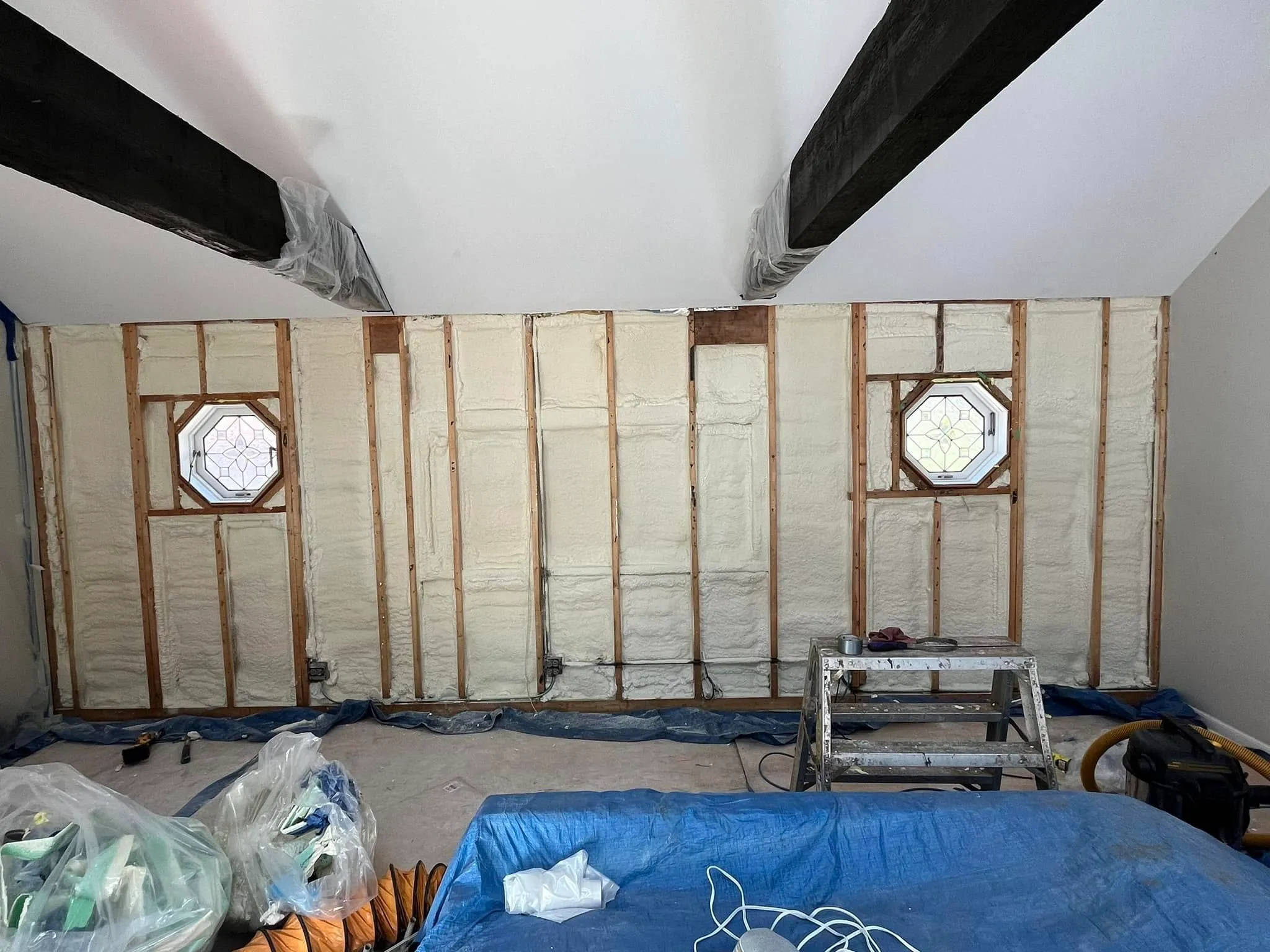
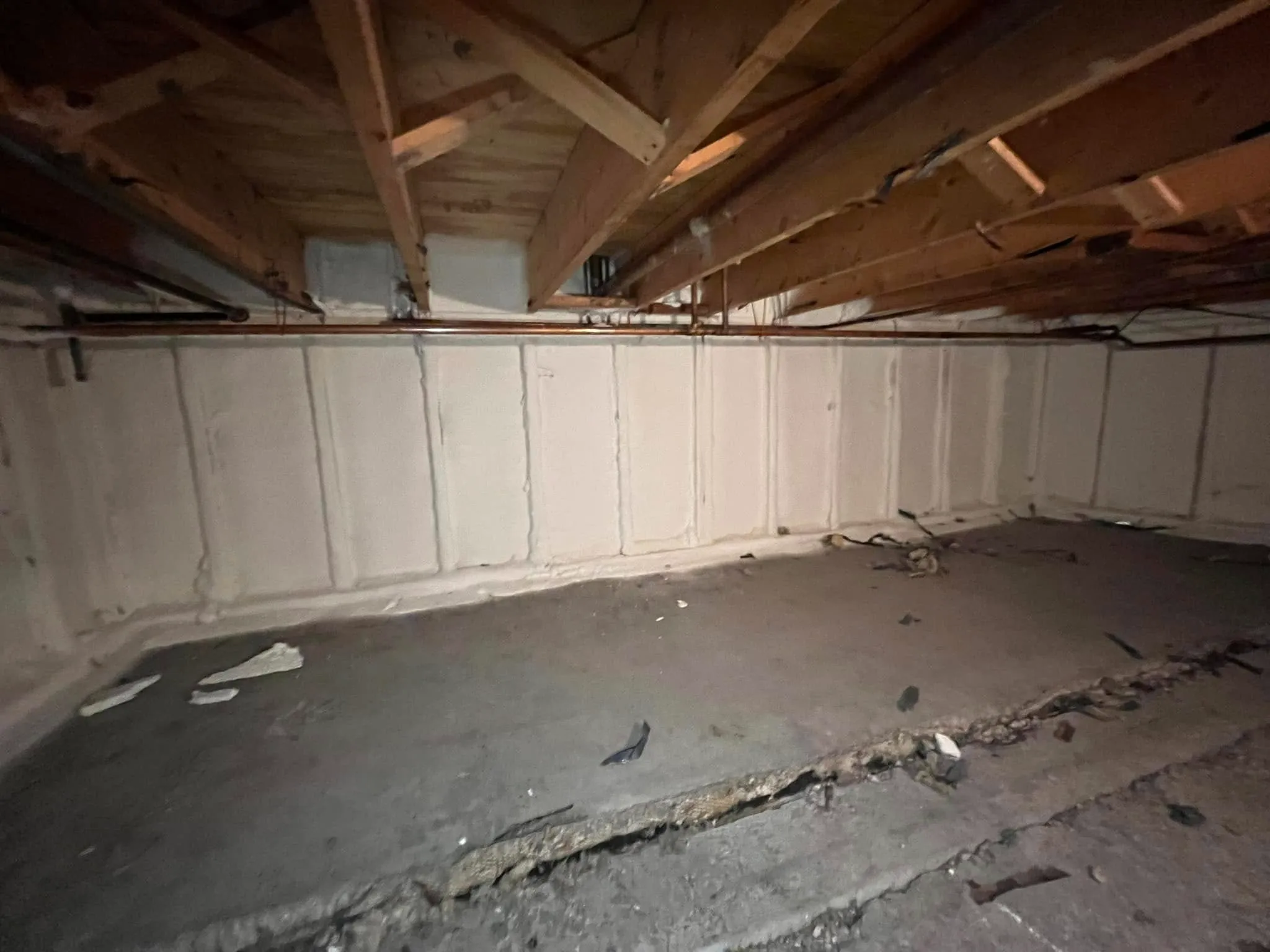
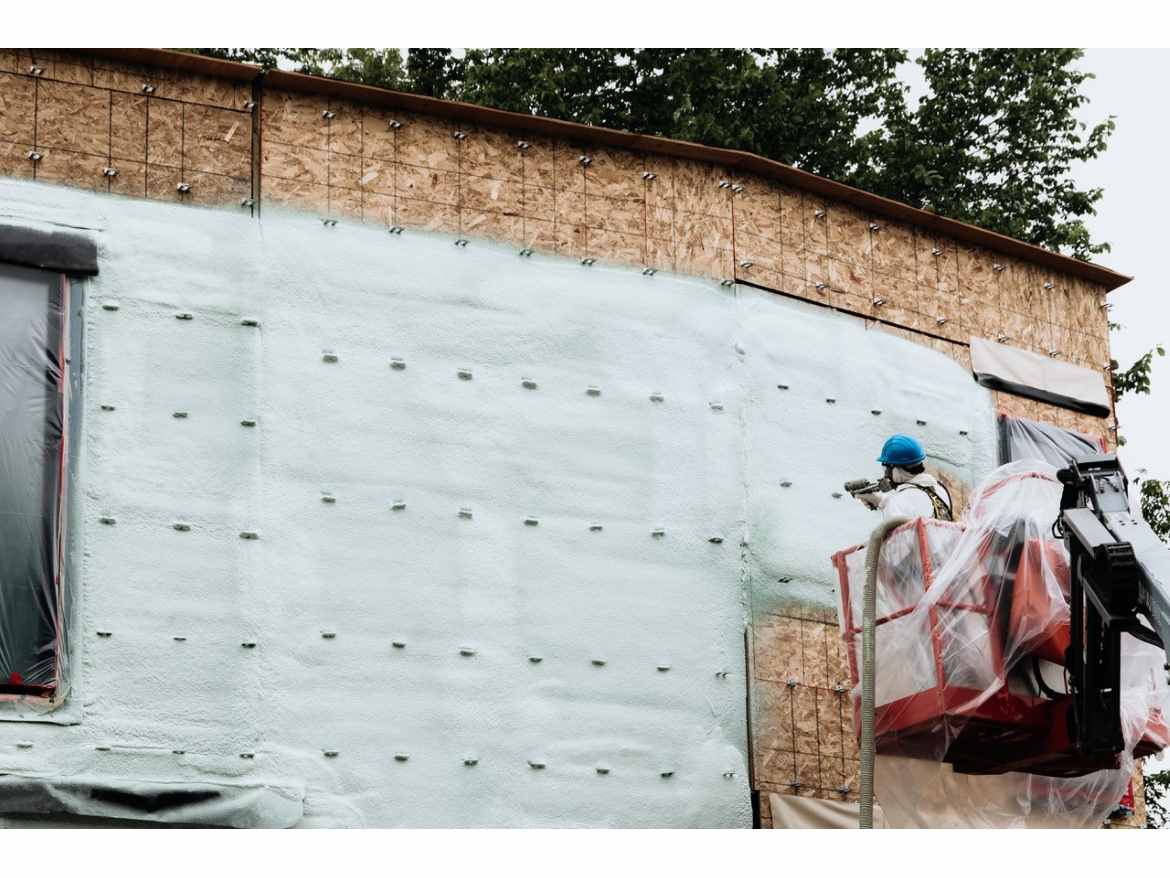
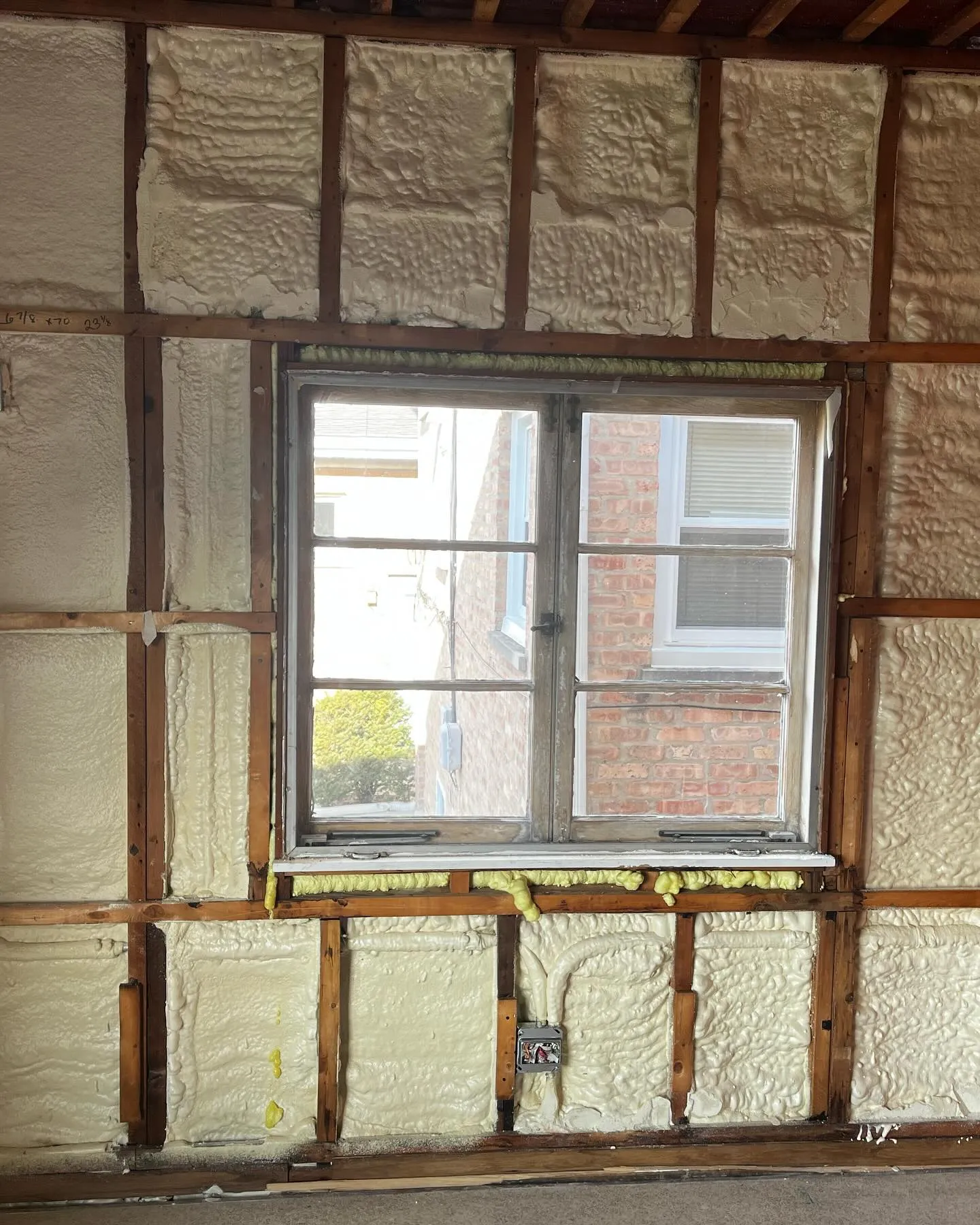
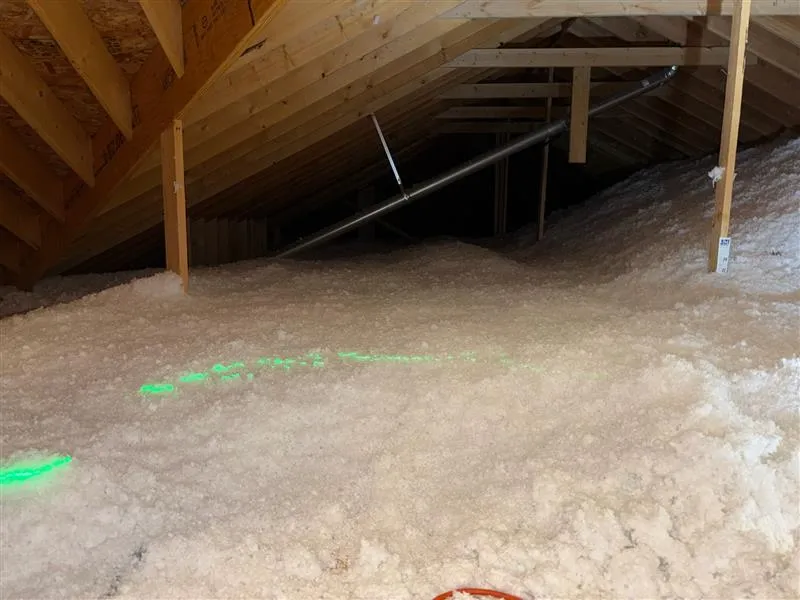
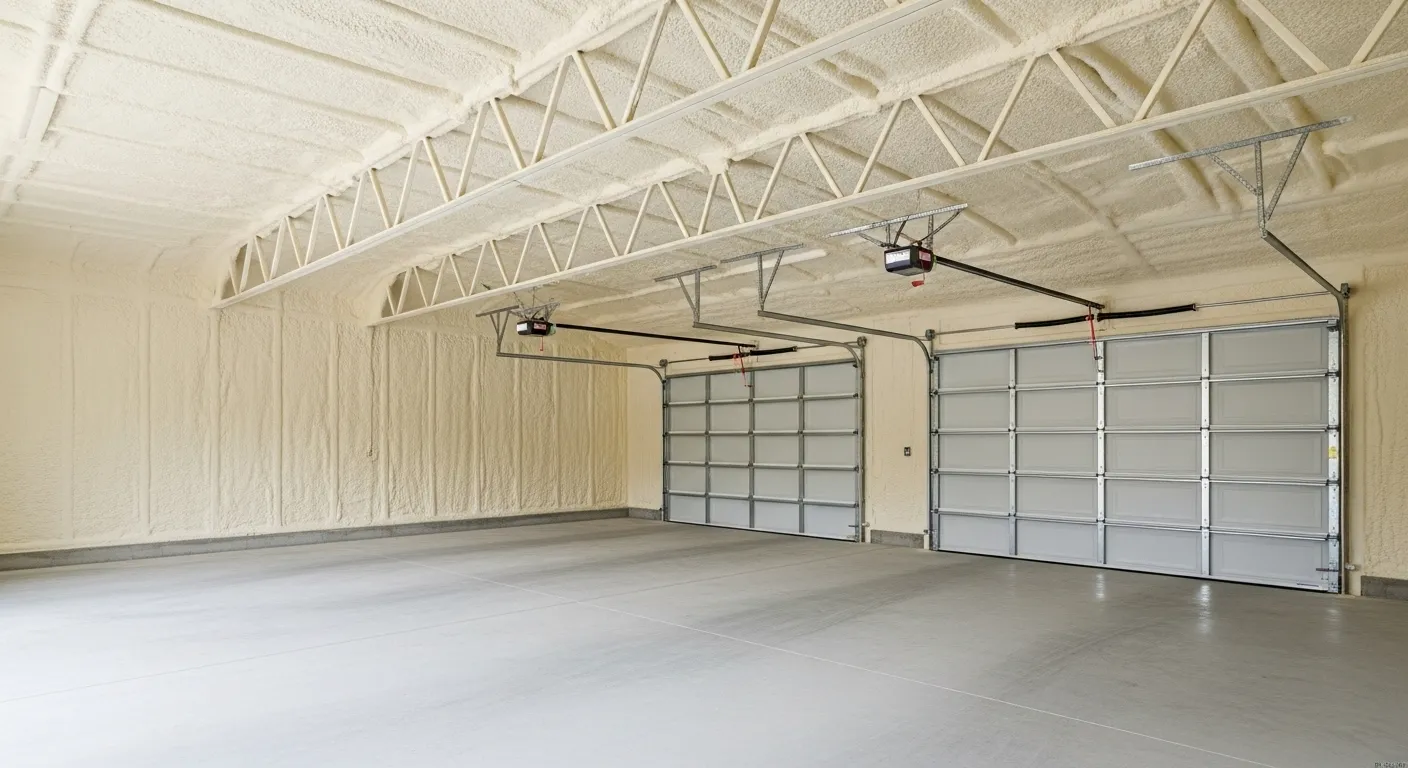
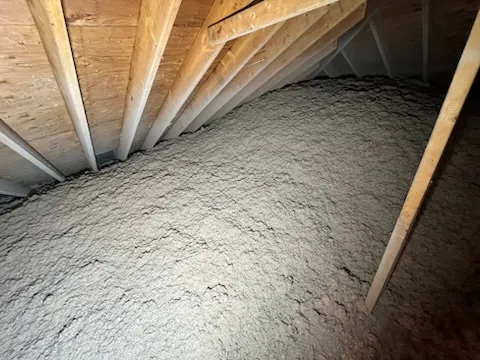
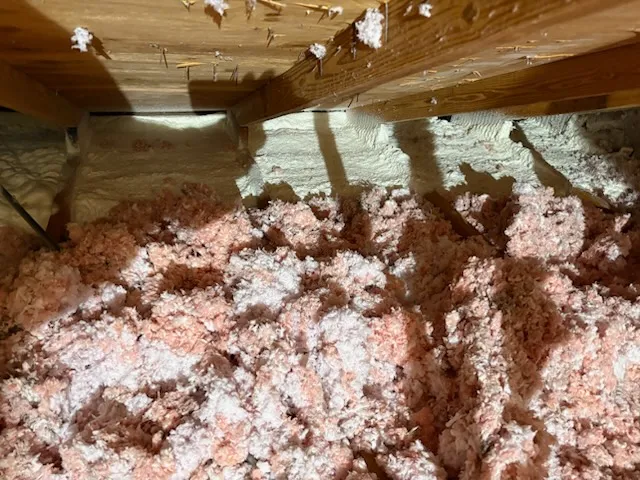
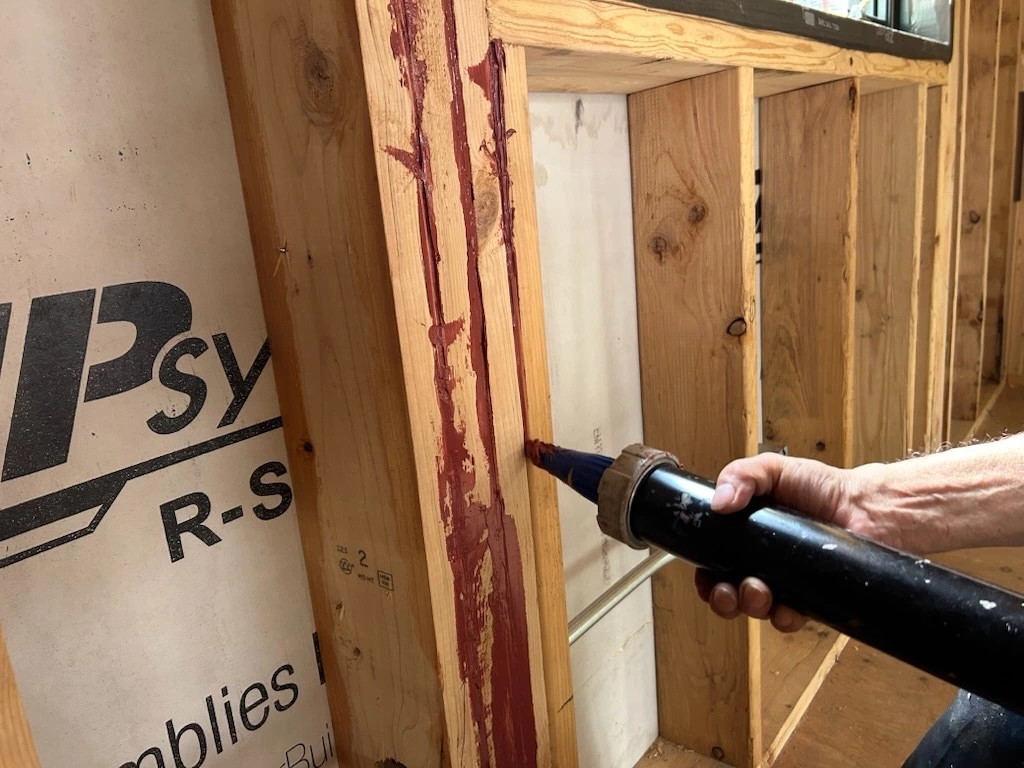
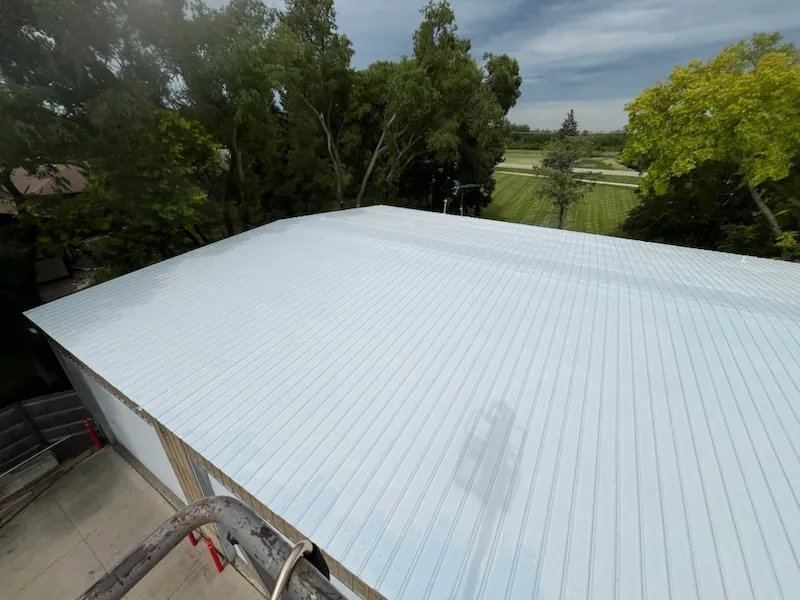
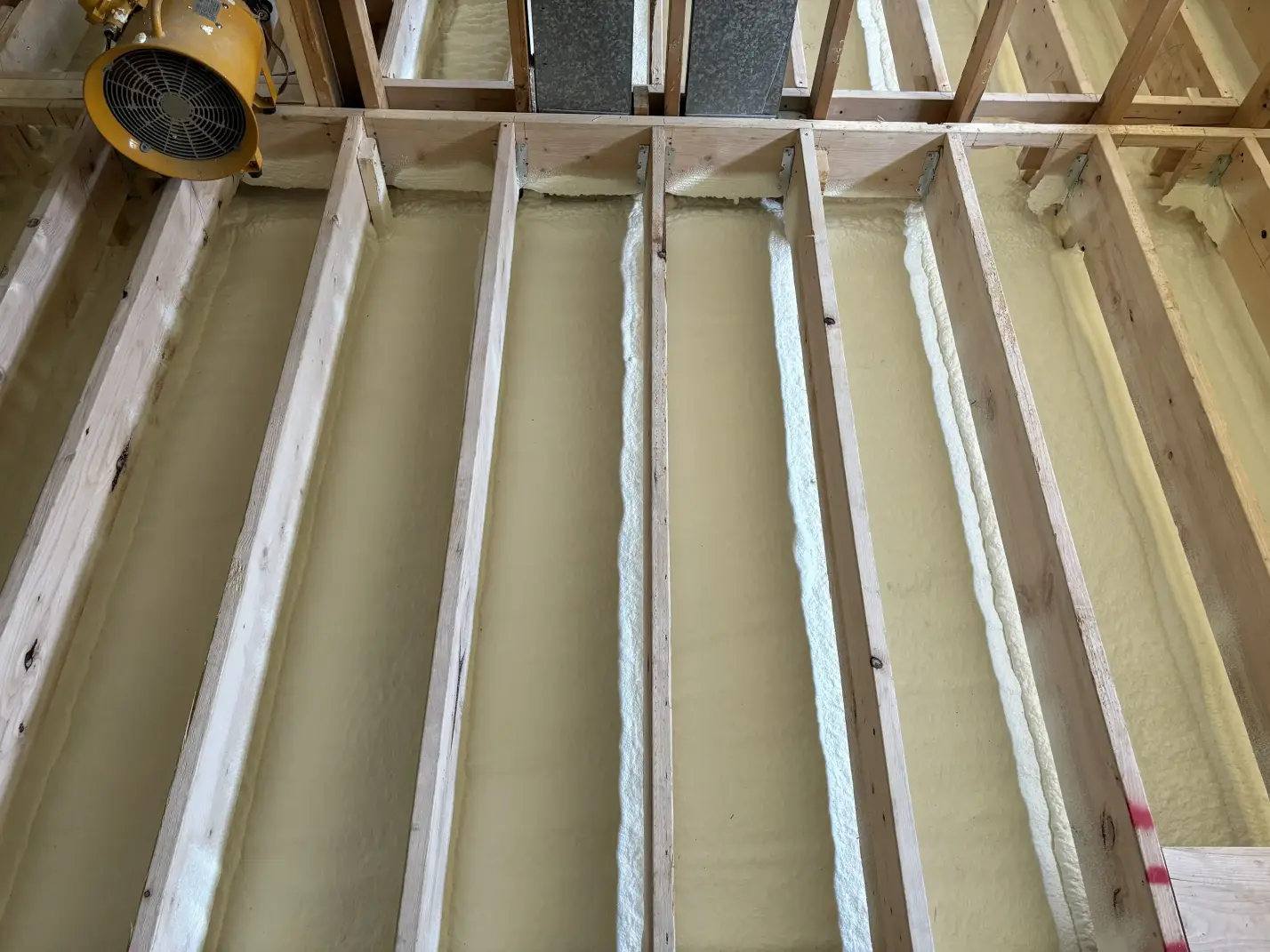




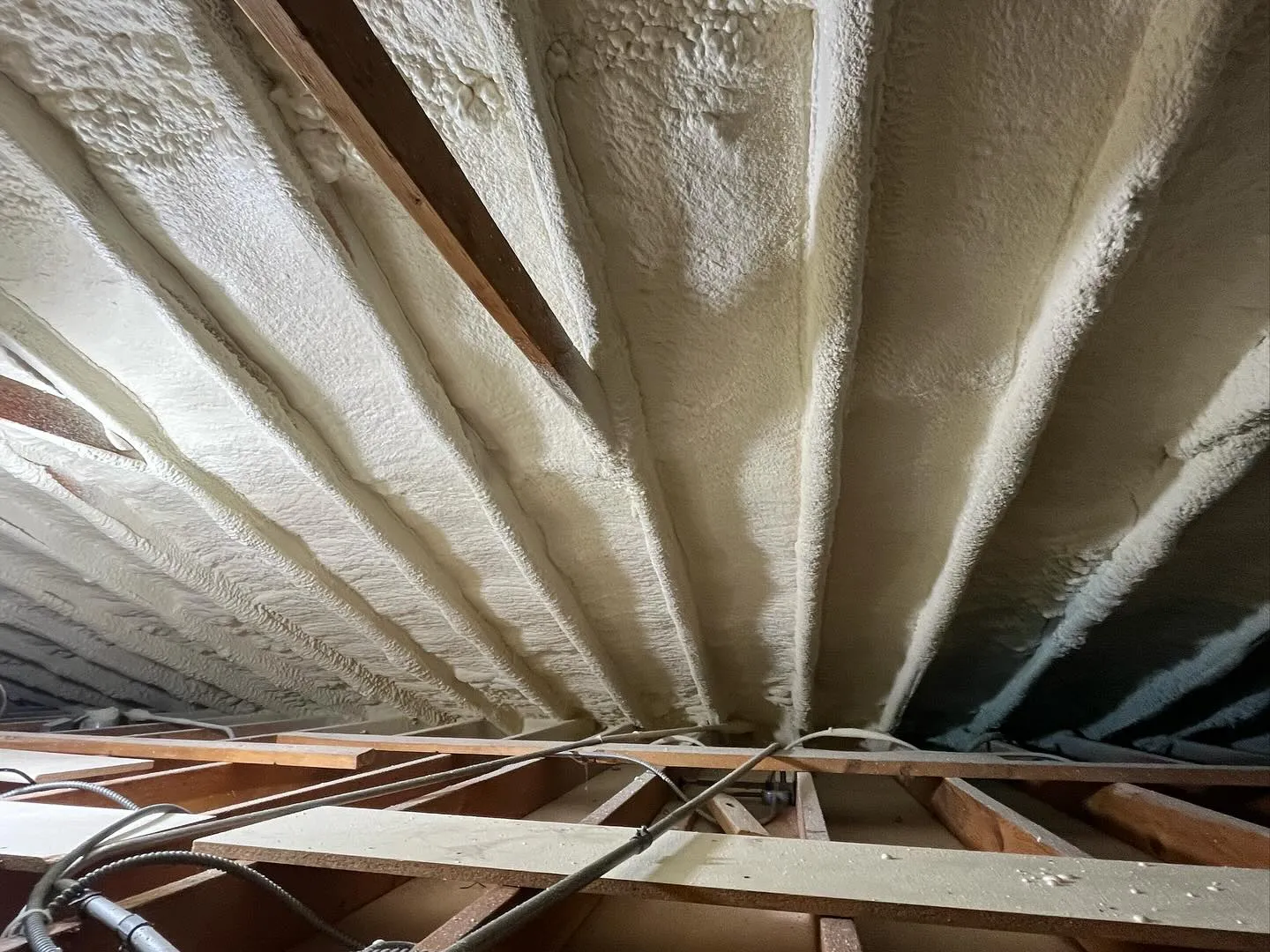




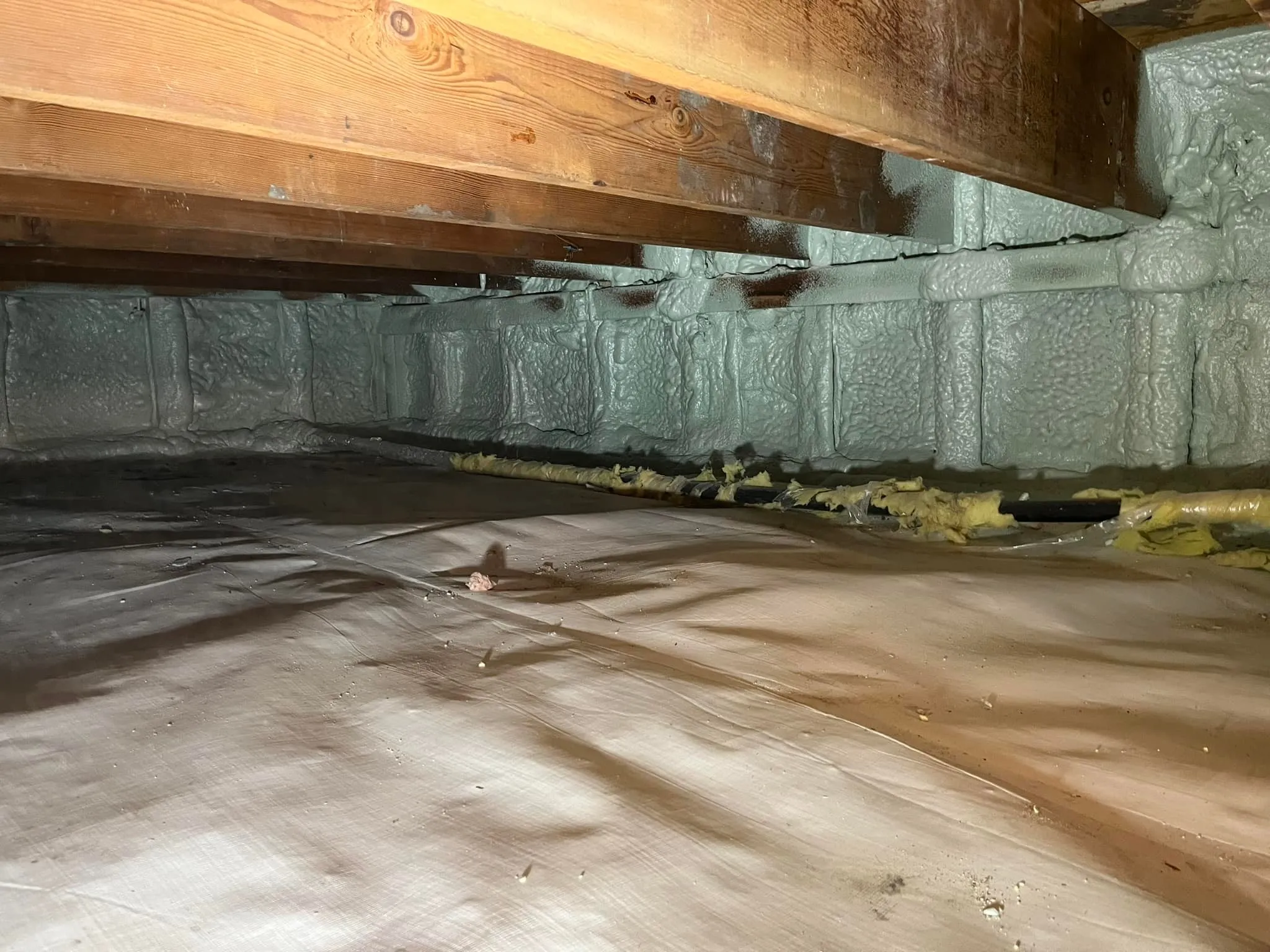
Solving Winter Woes in Arlington Heights A local homeowner near Lake Arlington was struggling with severe ice dams that were damaging their gutters and roof shingles. Upon inspection, we found significant air leakage in the attic floor. We performed a full attic restoration: removing the old, matted fiberglass insulation, air-sealing all penetrations, and installing R-60 blown-in cellulose insulation.
The result? The ice dams were eliminated the following winter, and the homeowner reported a 25% drop in heating costs.
When you choose South Chicago Insulation, you are investing in long-term value and comfort. We go beyond simple installation; we engineer solutions that solve specific problems like ice damming, drafty rooms, and high utility bills. Our use of cutting-edge materials and adherence to strict safety protocols ensure your project is done right the first time. We are committed to helping the Arlington Heights community build more energy-resilient and comfortable properties.
Palatine, Buffalo Grove, Des Plaines, Deerfield, Northbrook, Barrington, Glenview, Lake Zurich, Park Ridge, Vernon Hills
Cook County, Lake County, Northwest Suburbs, Chicago Metropolitan Area
Don't let another season pass with uncomfortable drafts and high bills. Contact South Chicago Insulation to schedule your consultation.
Phone: (779) 803-8025 Email: [email protected]
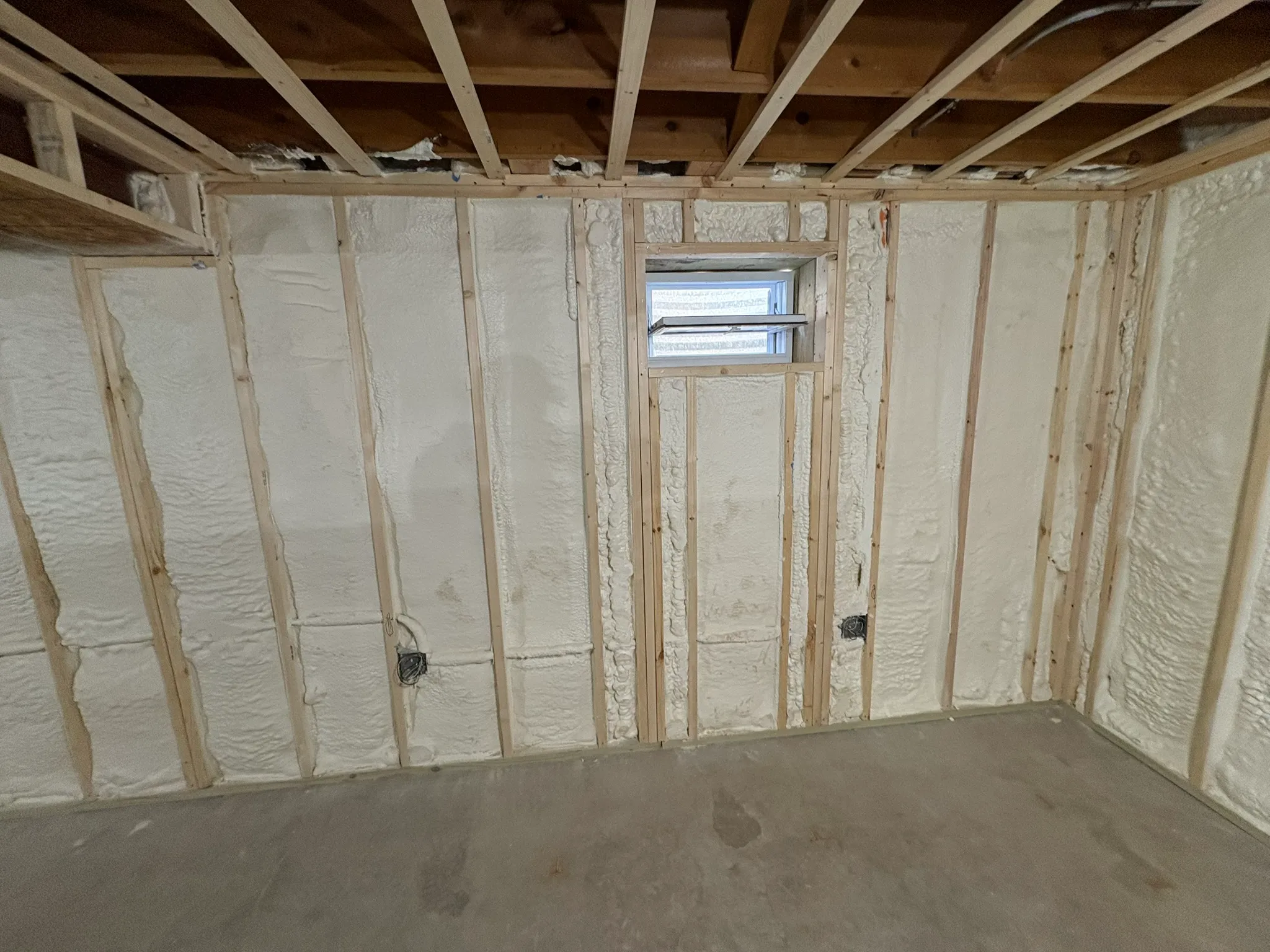
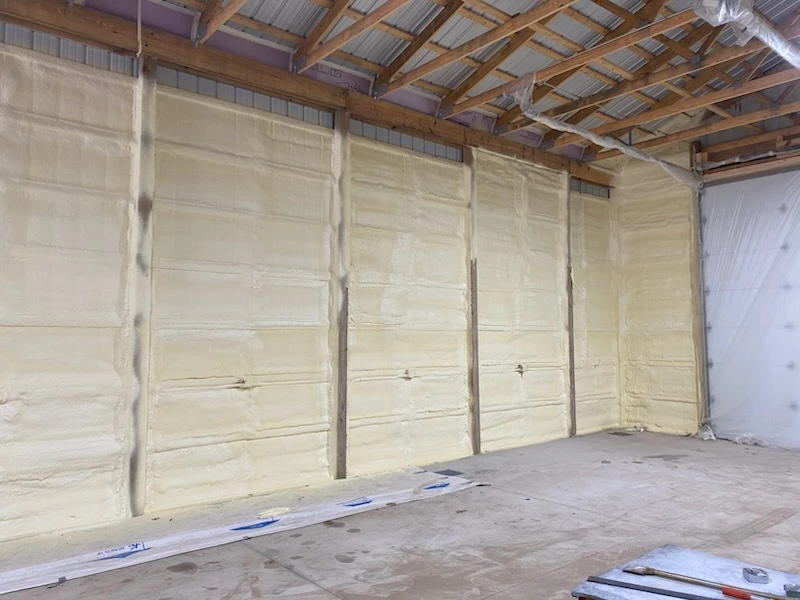
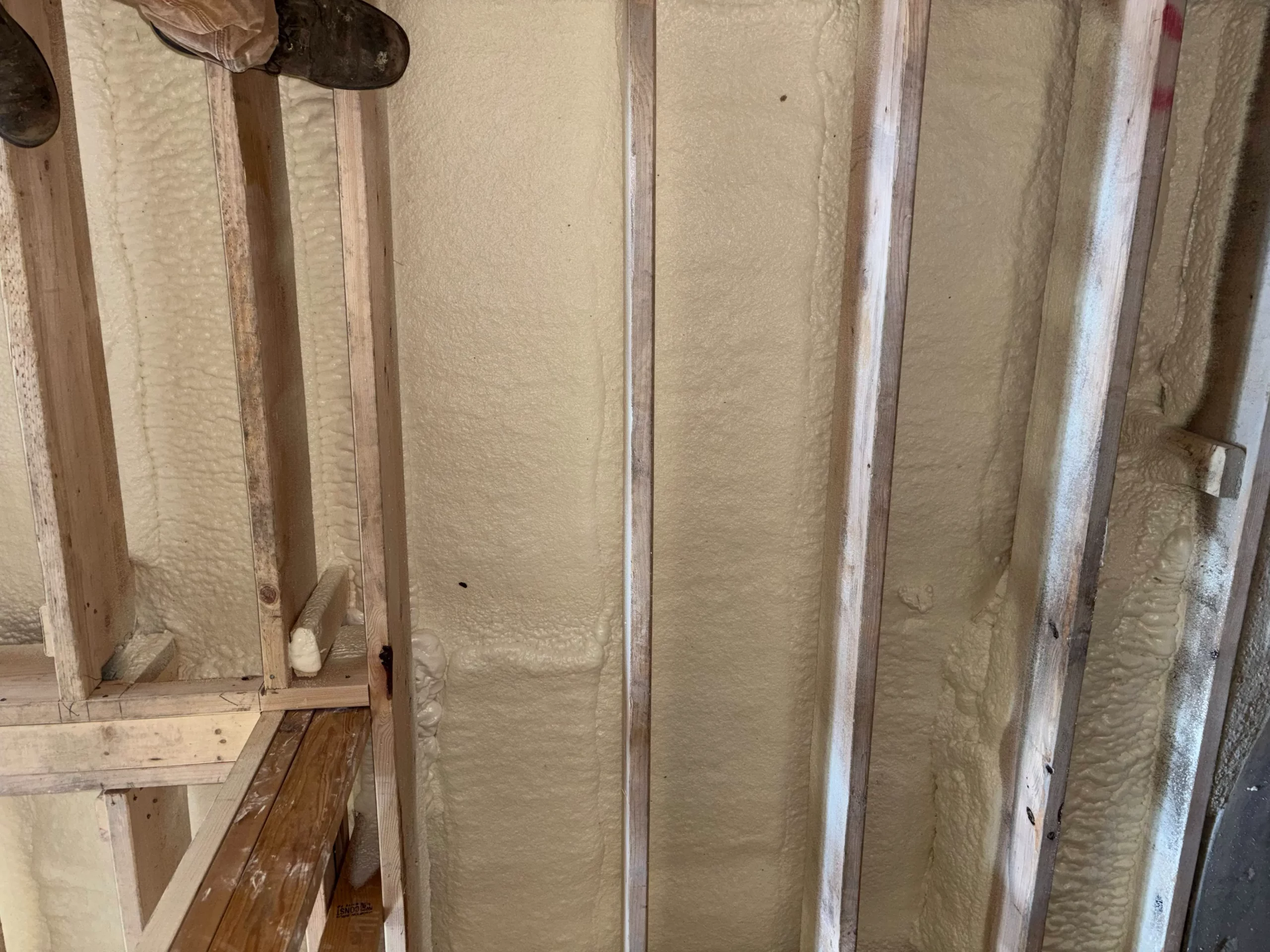
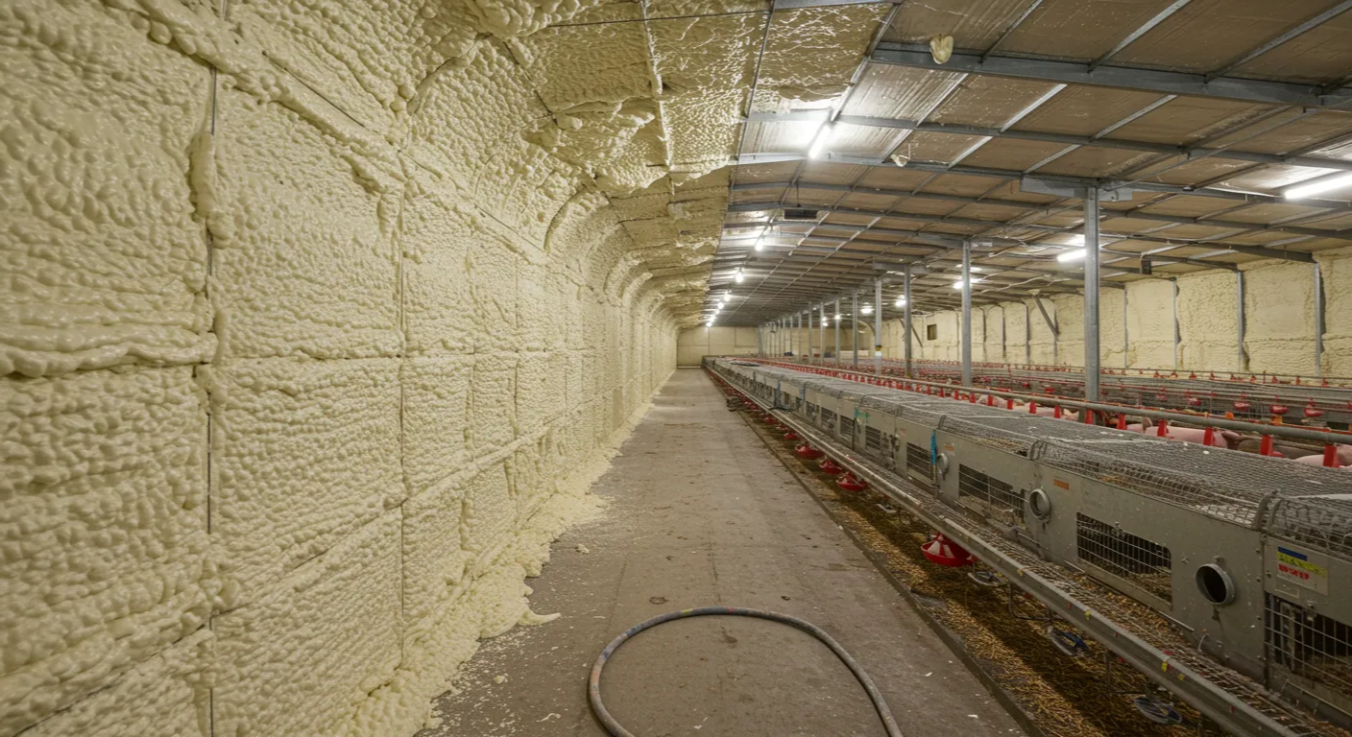
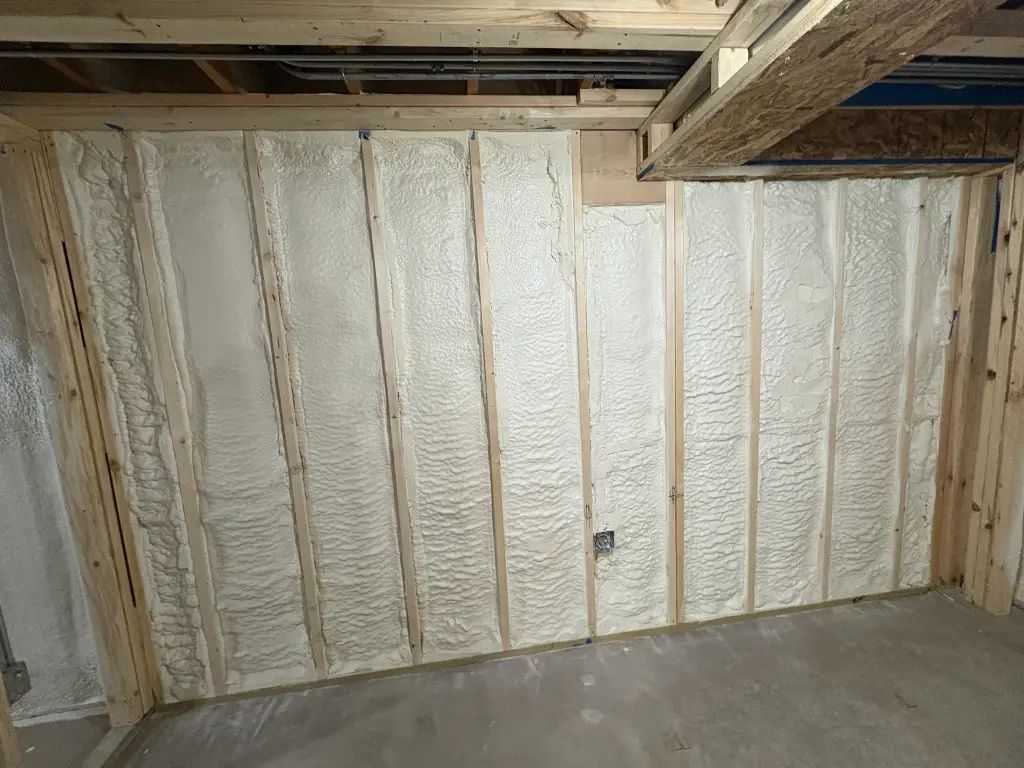
Open-cell foam is lighter, less expensive, and offers some breathability, making it ideal for soundproofing and interior walls. Closed-cell foam is much denser, waterproof, adds structural rigidity, and provides a higher R-value per inch, making it superior for exterior walls and basements.
While every home is different, the EPA estimates that homeowners can save an average of 15% on heating and cooling costs by air-sealing their homes and adding insulation in attics, floors, and crawl spaces. In older Arlington Heights homes, savings can be significantly higher.
Yes. We use low-VOC products and follow strict re-entry protocols. Once the foam has cured (usually within 24 to 48 hours), it is inert and non-toxic. In fact, by sealing out allergens and pollutants, it often improves indoor air quality.
Absolutely. If your existing insulation is damaged by water, mold, or pests, it is crucial to remove it before installing new material. We use commercial vacuums to safely extract the old material without contaminating your living space.
Insulation is like a wool sweater—it keeps you warm, but the wind can blow right through it. Air sealing is like a windbreaker. To get maximum efficiency, you need to stop the air movement (air sealing) so the insulation can effectively resist heat transfer.
Yes, we use a technique called "drill and fill." We drill small holes into the wall cavities (either from the interior or exterior), blow in dense-pack cellulose or inject foam, and then patch the holes. This improves comfort with minimal disruption.
For our climate zone (Zone 5), the Department of Energy recommends insulating attics to a level between R-49 and R-60. This ensures a thick enough barrier to prevent heat loss during our freezing winters.
No, if applied correctly. In fact, spray foam applied to the underside of a roof deck (creating an unvented attic) prevents moist air from entering the attic and condensing on the roof sheathing, which is a common cause of rot in traditional vented attics.
Spray foam insulation is a durable, long-term solution. Unlike fiberglass, which can settle and sag over time, spray foam adheres to the structure and maintains its shape and performance for the life of the building.
Yes. Insulation, particularly open-cell spray foam and mineral wool, significantly reduces sound transmission. By sealing the gaps in your home's envelope, you lessen the pathway for airborne noise to enter, creating a quieter interior environment.