Why Spray Foam Helps Keep Indoor Air Fresher Year-Round
Spray foam insulation creates a continuous airtight seal that blocks outdoor pollutants, allergens, and moisture from entering your home while…


Spray foam insulation creates a continuous airtight seal that blocks outdoor pollutants, allergens, and moisture from entering your home while allowing controlled ventilation systems to filter and circulate indoor air effectively. This superior air sealing capability, combined with its moisture-resistant properties, makes spray foam uniquely positioned to maintain cleaner indoor air throughout all seasons compared to traditional insulation materials.
This guide explains the science behind how spray foam insulation impacts indoor air quality, from preventing pollutant infiltration to supporting proper ventilation systems. South Chicago Insulation brings practical field experience from hundreds of installations across Chicago’s variable climate conditions, offering insights that go beyond basic product specifications.
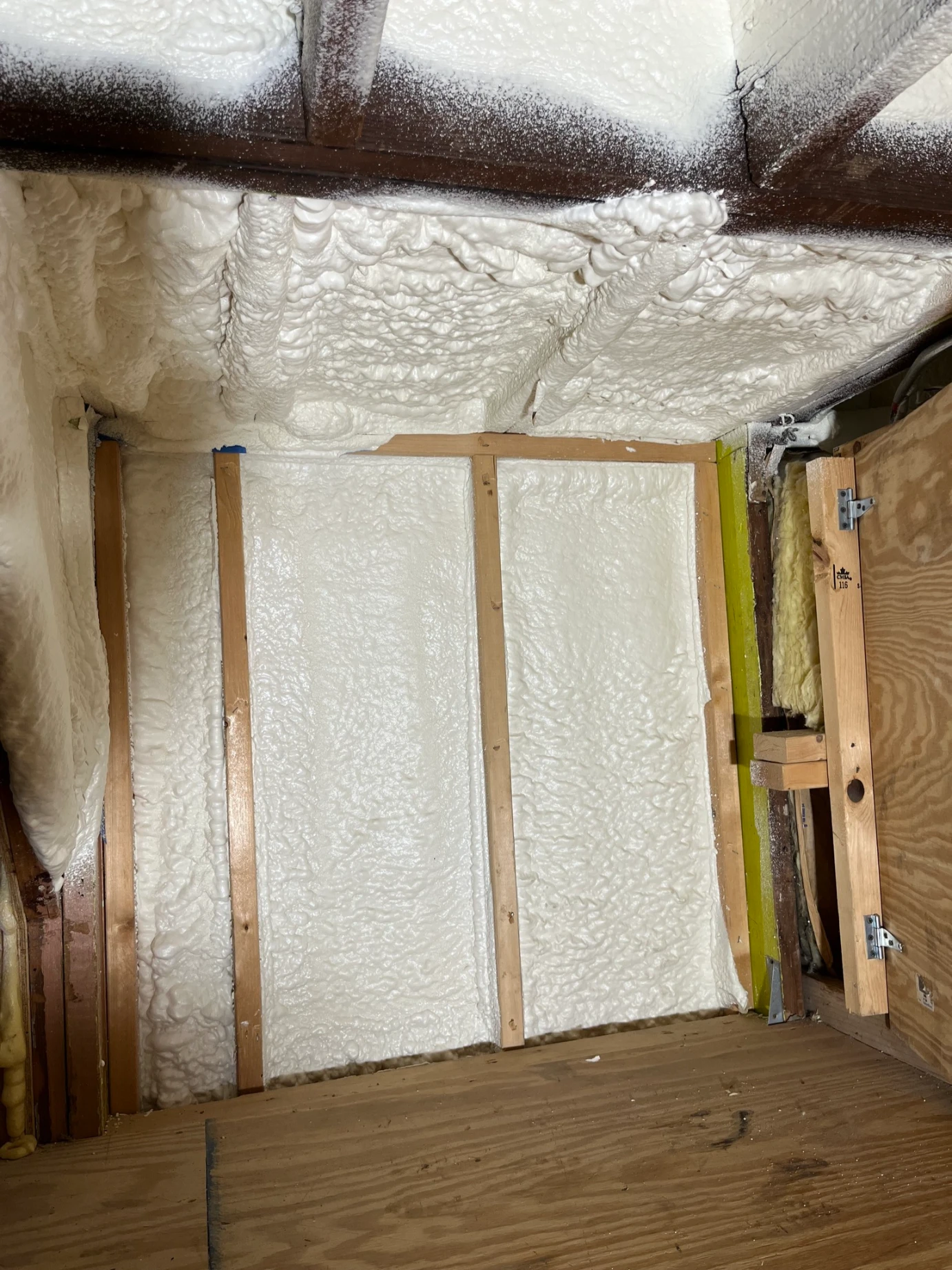
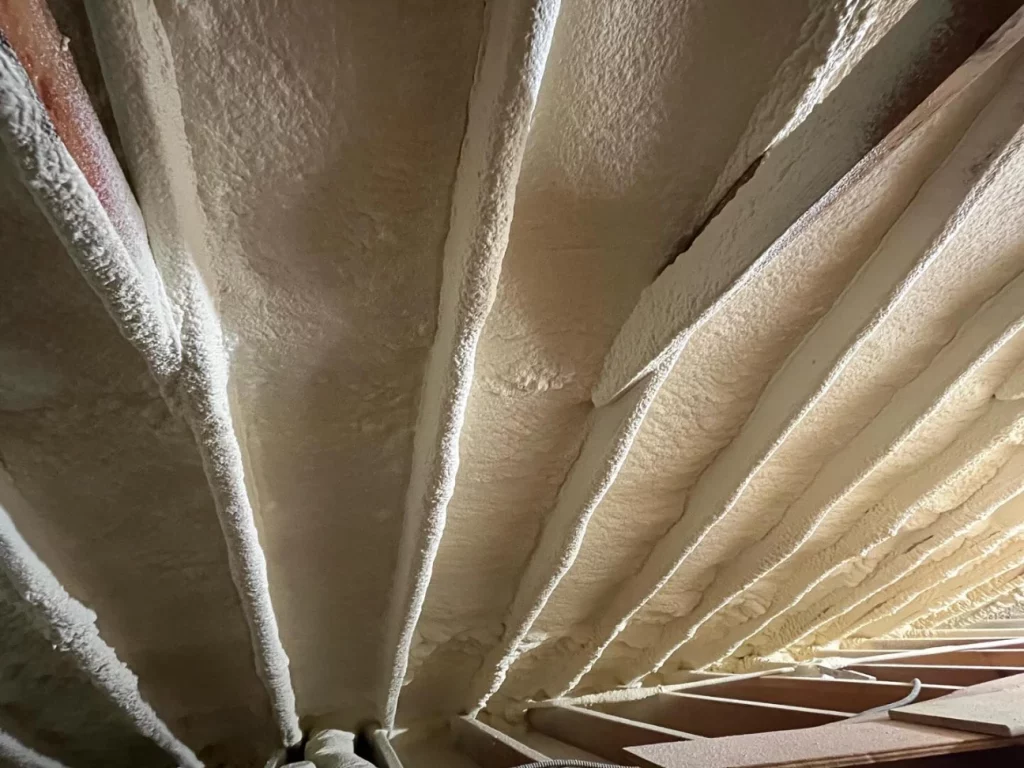
Spray foam insulation expands on application to fill gaps, cracks, and voids that traditional insulation materials miss. Unlike fiberglass or cellulose that can leave air gaps around studs, pipes, and electrical outlets, spray foam adheres to surfaces and creates a monolithic air barrier. This comprehensive sealing prevents uncontrolled air exchange between your living space and the outdoors.
The expansion ratio varies between open-cell and closed-cell formulations, but both types achieve significantly higher air sealing performance. Closed-cell spray foam can expand up to 30-40 times its liquid volume, while open-cell expands about 100 times, allowing it to reach into every crevice. According toBuilding Science Corporation, properly installed spray foam can reduce air leakage by up to 90% compared to conventional insulation methods.
Your home constantly faces infiltration from outdoor air carrying dust, pollen, vehicle emissions, industrial pollutants, and other contaminants. Traditional insulation allows these particles to enter through gaps and seams. Spray foam’s air barrier properties stop this uncontrolled infiltration at the source.
In Chicago’s urban environment, this protection becomes particularly valuable. The area experiences higher-than-average levels of particulate matter from industrial activities and traffic. By sealing these entry points, spray foam helps maintain indoor air that’s substantially cleaner than outdoor air, even during high pollution days or seasonal allergy periods.
While preventing uncontrolled air infiltration, spray foam insulation supports healthier indoor air through controlled ventilation systems. Modern airtight homes require mechanical ventilation to remove indoor pollutants from cooking, cleaning materials, furniture off-gassing, and human metabolism. Spray foam provides the air tightness that makes these ventilation systems effective.
Without the air leaks that traditional insulation allows, ventilation systems can precisely control fresh air intake, filtration, and exhaust. This means your home brings in exactly the amount of fresh air needed, filters it properly, and exhausts stale air systematically rather than relying on unpredictable drafts and air leaks.
Chicago’s climate presents unique challenges with cold, windy winters and hot, humid summers. Spray foam insulation addresses both extremes effectively. In winter, it prevents cold drafts that carry outdoor pollutants while maintaining consistent indoor temperatures that reduce moisture condensation.
During humid summers, spray foam stops warm, moist outdoor air from infiltrating and creating conditions for mold growth. Both open-cell and closed-cell formulations resist moisture penetration, but closed-cell provides additional vapor barrier properties, particularly valuable in Chicago’s humid summer conditions.
A report from the U.S. Environmental Protection Agency shows that proper air sealing combined with controlled ventilation can reduce indoor pollutant concentrations by 30-50% compared to leaky homes without mechanical ventilation.
| Feature | Spray Foam Insulation | Fiberglass Insulation | Cellulose Insulation |
|---|---|---|---|
| Air Leakage Reduction | 85-95% | 10-30% | 20-40% |
| Moisture Resistance | Excellent | Poor to Fair | Fair |
| Mold Resistance | Excellent | Poor | Fair |
| Pest Deterrent | Yes | No | Limited |
| Lifespan | 80+ years | 15-20 years | 20-30 years |
| Installation Gaps | None | Common | Common |
Before choosing spray foam insulation, several factors warrant careful evaluation. First, assess your home’s current ventilation situation. An airtight home without proper mechanical ventilation can trap indoor pollutants, so you’ll need either an existing HVAC system with good fresh air exchange or plans to install dedicated ventilation equipment.
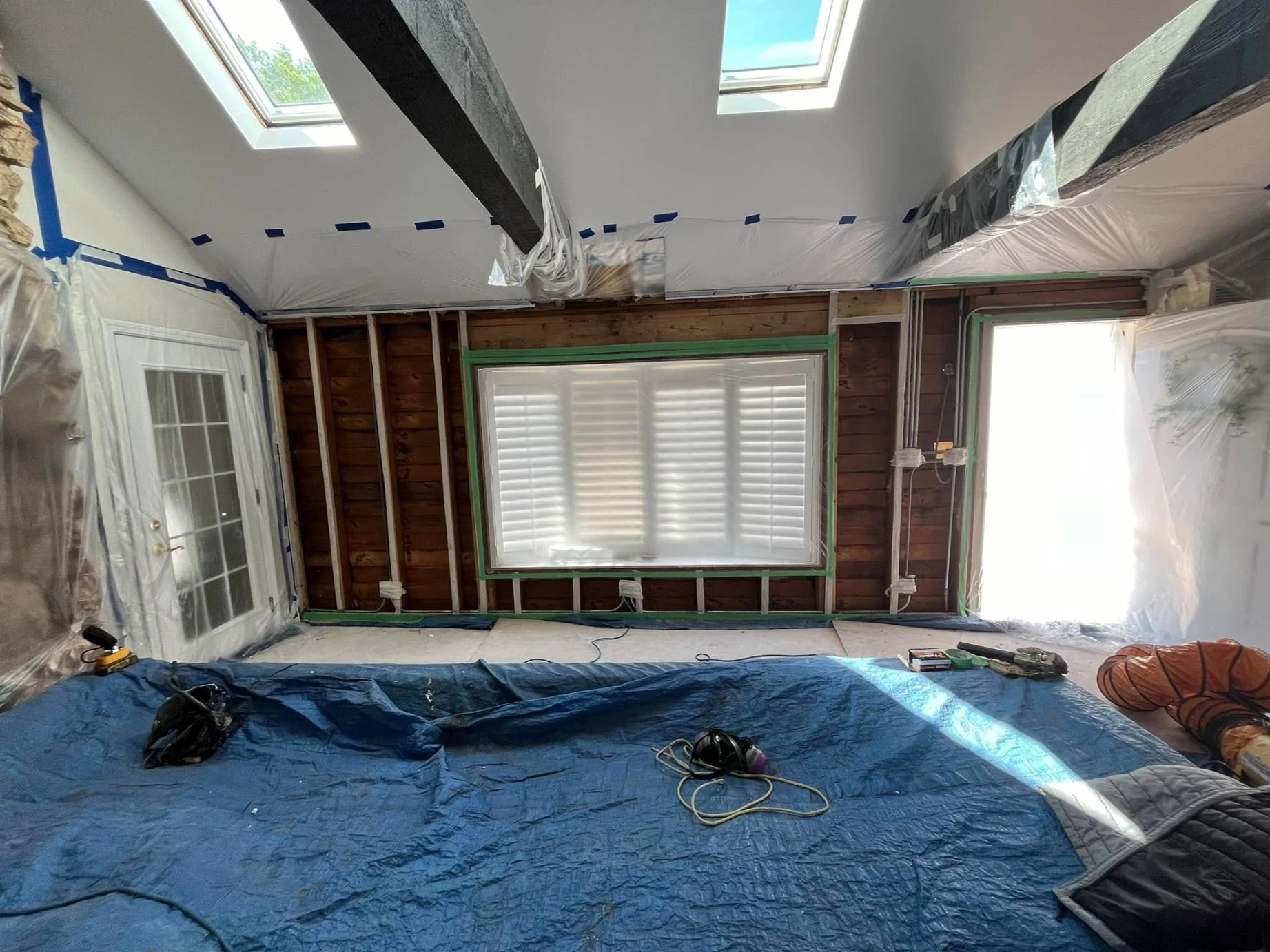
Second, consider the installation conditions. Spray foam requires professional application with specific temperature and humidity parameters. The space must be completely prepared and protected during installation, as the application process can generate fumes that require proper ventilation and temporary relocation.
Here are practical insights from real installations: Always test for air leaks after installation using a blower door test to verify the air sealing performance. Also, consider combining closed-cell spray foam in moisture-prone areas like basements and rim joists with open-cell in interior walls to optimize cost and performance.
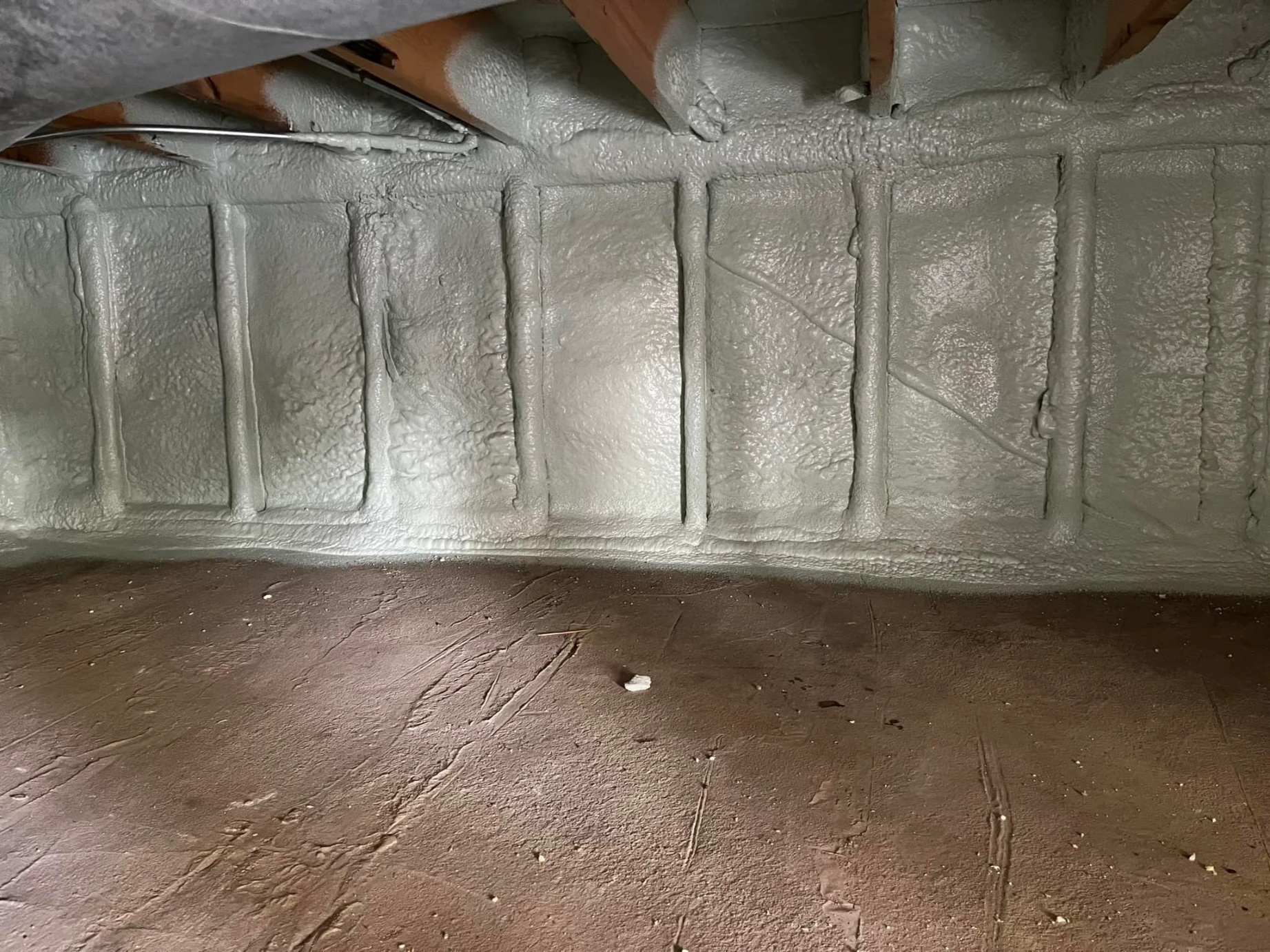
For Chicago homeowners specifically, prioritize rim joist and foundation wall sealing first, as these areas experience the most temperature differential and potential for moisture issues. Addressing these high-impact areas provides the most immediate improvement in both comfort and air quality.
Spray foam insulation offers superior protection against outdoor pollutants while supporting controlled indoor air quality through proper ventilation. Its air sealing capabilities far exceed traditional insulation materials, making it particularly valuable in urban environments like Chicago, where outdoor air quality concerns exist.
The decision to use spray foam should balance your specific air quality concerns, ventilation capabilities, and budget considerations. For homes with allergy sufferers, those in areas with high outdoor pollution, or properties with existing moisture issues, spray foam often provides the most comprehensive solution for maintaining fresh indoor air year-round.
Understanding your specific insulation and air quality needs requires professional evaluation. South Chicago Insulation provides comprehensive home assessments to determine whether spray foam insulation aligns with your indoor air quality goals and budget parameters. Contact the specialists for detailed recommendations based on your home’s unique characteristics and Chicago’s regional climate demands. Email [email protected] or call (779) 803-8025 to schedule a consultation and take the first step toward fresher indoor air.
Energy-efficient homes with spray foam insulation typically command higher resale prices. According to data from the National Association of Home Builders, energy-efficient features can increase home values by 3-5%, with air sealing and insulation providing some of the highest returns on investment.
When properly installed and fully cured, spray foam insulation is safe for people with respiratory conditions. In fact, blocking outdoor allergens and pollutants, it can improve indoor air quality for sensitive individuals. Professional installation ensures proper curing and ventilation during the application process.
Yes, spray foam can be installed in existing homes through various methods. For walls, installers can drill small holes between studs and inject expanding foam. Attics, crawl spaces, and basements are ideal retrofit locations that don’t require wall access. Complete gut renovations offer the best opportunity for comprehensive application.
Spray foam insulation requires virtually no maintenance once properly installed. Unlike other materials that may need replacement or replenishment over time, spray foam maintains its performance for decades. Regular home maintenance, like roof replacement, won’t damage properly installed spray foam.
Spray foam’s dense structure and adhesion properties make it an effective deterrent against many common household pests. Rodents and insects cannot easily tunnel through or nest in properly cured spray foam, reducing pest infiltration points compared to traditional insulation materials.
Most homeowners notice improvements in air quality within days of installation, particularly in reduced dust accumulation and fewer drafts. However, the full benefits become most apparent during seasonal changes when outdoor pollen counts increase or during extreme weather conditions.