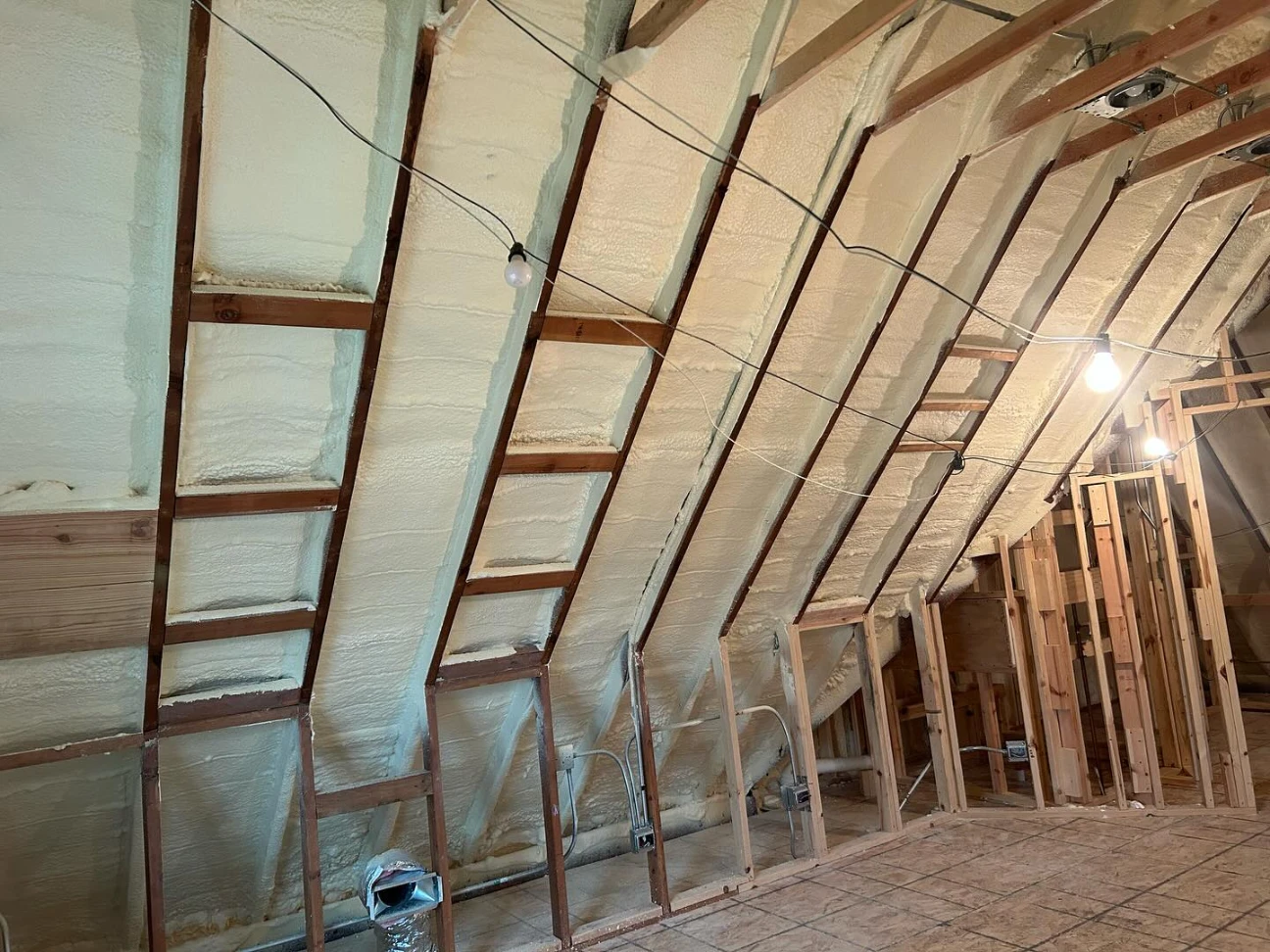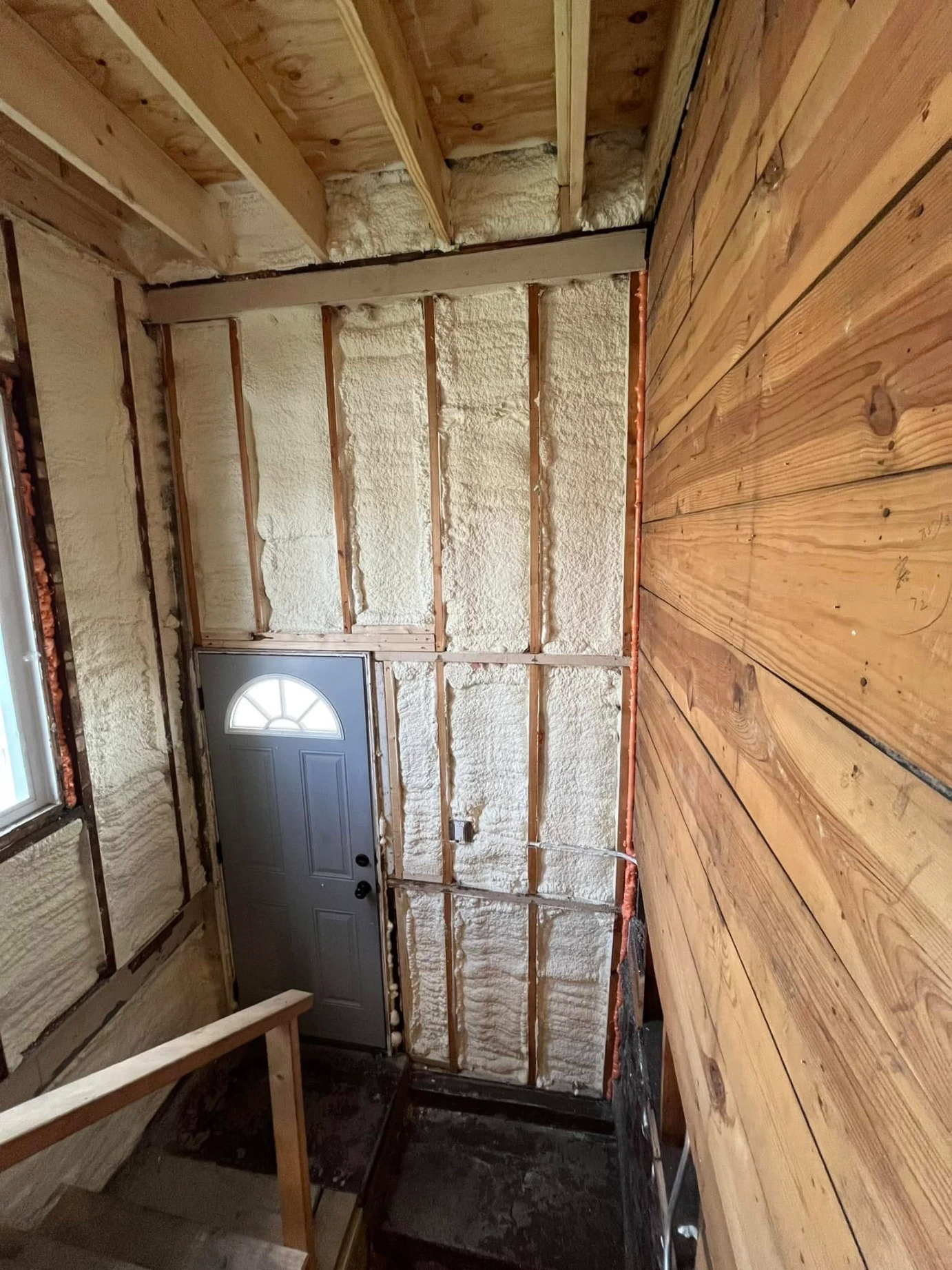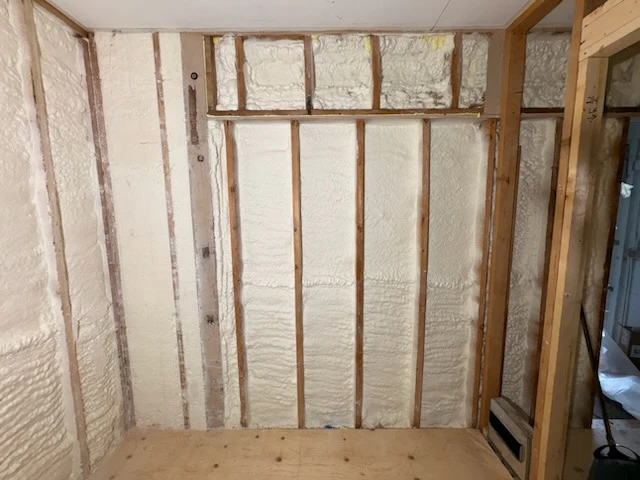
Why Pole Barns Need Spray Foam Insulation Protection
Direct Answer Pole barns need spray foam insulation protection because traditional insulation methods fail to address the unique structural challenges…


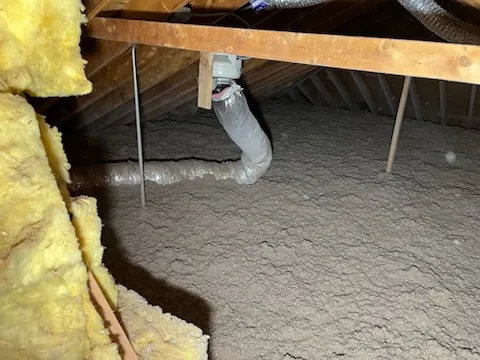
Upgrading home insulation in 2026 is a direct way to lower monthly utility bills by an average of 15% while stabilizing indoor temperatures. This improvement addresses the common issue of air leakage, which often accounts for a large portion of energy waste in older structures. By selecting modern materials with higher thermal resistance, property owners create a more efficient building envelope that performs reliably in both extreme heat and deep freezes.
Properly installed insulation acts as a barrier to heat flow, keeping heat inside during winter and outside during summer. This article provides a detailed look at the technical and financial advantages of modernizing these materials based on years of field experience in building science. South Chicago Insulation delivers this information to help homeowners understand the mechanics of thermal performance and the long-term benefits of a well-sealed attic and wall system.
The most immediate benefit of an insulation update is the drop in energy consumption. Many homes built more than twenty years ago rely on materials that have settled or degraded over time. When insulation loses its loft or thickness, its ability to resist heat flow diminishes. According to data from the Environmental Protection Agency, homeowners can save significantly on heating and cooling costs by simply air sealing and adding insulation in attics and crawl spaces.
Energy prices continue to fluctuate, but a well-insulated home requires less mechanical intervention from HVAC systems. When a furnace or air conditioner does not have to run constantly to maintain a set temperature, the equipment’s wear decreases. This leads to fewer repairs and a longer lifespan for expensive heating and cooling units.
Bonus Tip: Before adding new material, check for any signs of bypasses around chimneys or plumbing stacks. Sealing these gaps with fire-rated foam or caulk prevents the “stack effect,” where warm air escapes through the top of the house.
Old insulation, particularly in damp environments, can harbor dust, allergens, and even mold. Upgrading to modern materials like mineral wool or certain spray foams helps create a cleaner indoor environment. These materials are often treated to be pest-resistant and do not provide a food source for mold.
Air sealing, which is typically part of an insulation upgrade, prevents outdoor pollutants from entering the living space. Pollen, exhaust fumes, and humidity stay outside where they belong. A report by the Lung Association indicates that controlling indoor moisture and preventing the entry of outdoor triggers are fundamental steps in maintaining respiratory health.
Insulation does more than just trap heat; it manages how moisture moves through a building. In 2026, the focus on building longevity is higher than ever. Improperly insulated attics can lead to ice dams in the winter. Ice dams occur when heat escapes into the attic, melts snow on the roof, and the water refreezes at the eaves. This process can tear off gutters and cause water to back up under shingles, leading to wood rot.
Using materials with high moisture resistance prevents condensation from forming inside wall cavities. When warm, moist indoor air meets a cold exterior surface, droplets form. Without proper insulation and vapor barriers, this moisture remains trapped between the wooden studs and sheathing.
Modern insulation materials provide excellent sound-dampening properties. If a home is located near a busy road, an airport, or a loud neighborhood, upgrading the insulation in exterior walls can noticeably quiet the interior. Materials like cellulose and mineral wool are denser than traditional fiberglass batts, making them more effective at absorbing sound waves.
This benefit extends to the home’s interior as well. Installing insulation in floor joists or interior walls between bedrooms and bathrooms increases privacy. As more people work from home, creating a quiet environment is a functional necessity rather than a luxury.
Investing in insulation is one of the few home improvements that pays for itself through energy savings and increased property value. Buyers in 2026 are increasingly looking for “green” features and low operating costs. A home with documented high-performance insulation is more attractive on the market than one with a high utility history.
There are also financial incentives available to offset the initial cost. The Department of Energy details various tax credits and rebates for energy-efficient home improvements. These programs often cover a portion of the material and labor costs, making 2026 an ideal time to complete the work.
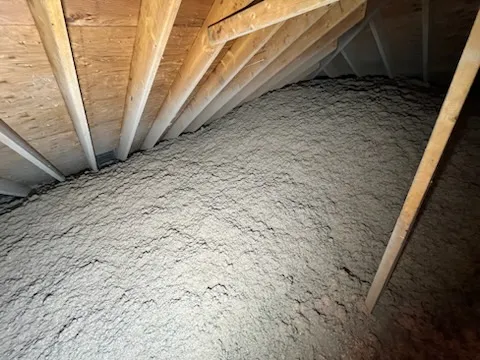
The table below compares the performance of different materials commonly used in 2026 upgrades.
| Material Type | R-Value per Inch | Best Use Case | Moisture Resistance |
|---|---|---|---|
| Fiberglass Batts | 2.9 – 3.8 | Standard wall cavities | Low |
| Blown-in Cellulose | 3.2 – 3.8 | Attic floors and retrofits | Moderate |
| Mineral Wool | 3.0 – 3.3 | Soundproofing and fire safety | High |
| Closed-Cell Spray Foam | 6.0 – 7.0 | Unvented attics and basements | Very High |
Before starting an upgrade, it is necessary to evaluate the home’s current condition. Not every house needs the same solution.
Bonus Tip: When checking attic levels, use a ruler to measure depth at several points. Insulation often shifts due to wind or past foot traffic, leaving thin spots that allow heat to escape.
One simple test is to look across your attic floor. If the insulation is level with or below the floor joists, you likely need more. In most climates, you should have at least 15 to 20 inches of material to meet modern standards.
Insulation itself stops heat transfer, but it does not always stop air movement. This is why air sealing is required. Using spray foam or caulk to seal holes for wires and pipes before adding insulation is what truly eliminates drafts.
Mineral wool is highly heat-resistant and does not burn. It is often used as a fire barrier in multi-family housing and is an excellent choice for homeowners who prioritize safety.
Small projects like adding batts to an open crawl space are manageable for many. However, blowing in cellulose or applying spray foam requires specialized equipment and safety gear. Professionals also ensure that ventilation remains functional, which is a common mistake in DIY projects.
Upgrading insulation provides a rare combination of lower costs, better comfort, and improved health. By addressing thermal weaknesses in 2026, property owners protect their investment from rising energy costs and moisture-related structural damage. South Chicago Insulation suggests starting with an attic inspection to identify the most significant areas of heat loss. Evaluating the R-value and material condition allows for a logical plan that yields the highest return.
For specific questions about R-values or material choices, contact South Chicago Insulation. The team provides expert guidance on thermal performance and energy efficiency. You can reach the office at (779) 803-8025 or send an email to [email protected] to discuss your project needs. Taking a proactive approach to home efficiency ensures long-term comfort and savings for years to come.