
South Chicago Insulation, LLC logo

Premium Spray Foam Insulation Solutions in Wheeling, IL

South Chicago Insulation, LLC provides spray foam insulation in Wheeling, IL, for homeowners and commercial property owners looking to address heat loss, air leaks, and uncomfortable rooms. Spray foam can expand into suitable cavities and form an insulating, air-resistant layer when installed as part of a properly designed building assembly. Projects may involve attic surfaces, wall cavities, rim joists, or commercial spaces. Material choice depends on moisture conditions, required R-value, ventilation, and applicable fire protection. Established in 1984, the company offers other insulation and building-envelope services. Call (779) 803-8025 to discuss spray foam insulation for a property in Wheeling, IL.

Get a Quote

How Wheeling's Seasonal Weather Affects Building Insulation

The nearby O'Hare station's NOAA 1991–2020 climate normals give an average January temperature of 25.2°F and a July average of 75.4°F. That seasonal swing means insulated walls, roofs, and exposed floor assemblies must manage heat movement in both directions. Leaks around rim joists and other openings can add drafts during heating season, while underinsulated attics can contribute to summer discomfort.

The Village of Wheeling describes a mix of residential neighborhoods, commercial buildings, and industrial facilities. That variety calls for more than one insulation approach: a house with unfinished attic framing may need a different solution from a metal-roofed workshop or a conditioned commercial space. Spray foam can limit unwanted airflow in suitable assemblies, but the moisture strategy, ventilation, fire protection, and roof design should be reviewed before choosing where to apply it.

Insulation and Spray Foam Services for Wheeling Properties

South Chicago Insulation, LLC offers insulation, air sealing, roof protection, and related building services for residential and commercial applications. The appropriate service depends on the property's construction, condition, and intended use.
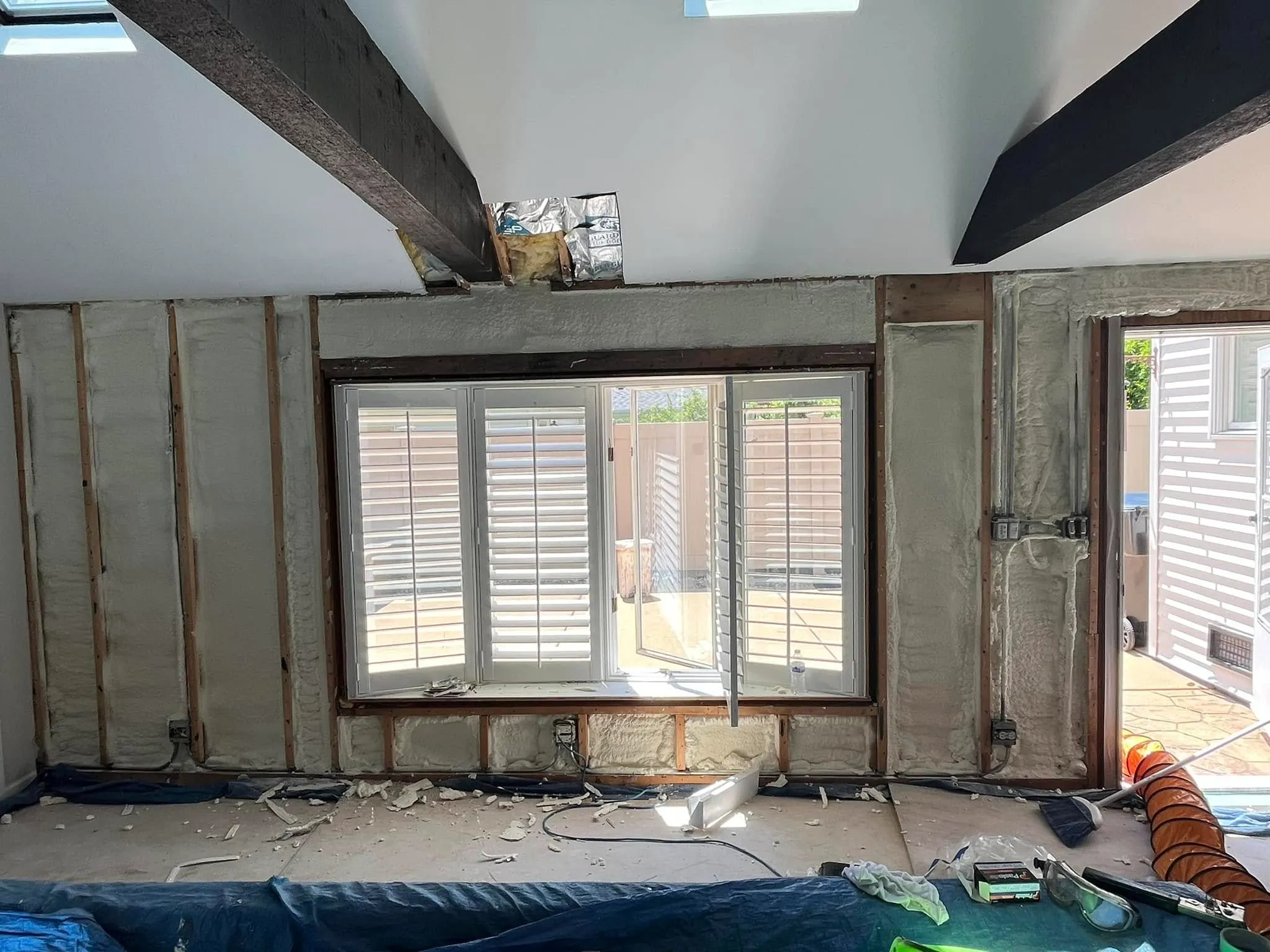
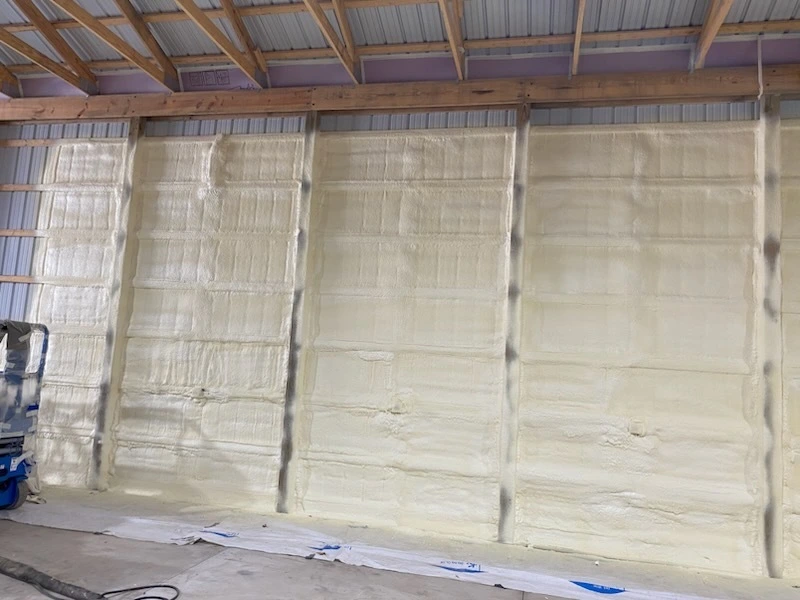
Residential Insulation

Residential Insulation

Insulation for houses helps control heat flow through attics, walls, and floors. Material choices depend on existing construction, access, and the areas needing practical improvement.
Commercial Insulation

Commercial Insulation

Insulation for offices, shops, and industrial properties helps manage indoor temperatures. Building use, fire requirements, operating schedules, and surface conditions shape the recommended installation approach.
Retrofit Insulation

Retrofit Insulation

Existing buildings can gain additional insulation without complete reconstruction. A retrofit plan considers concealed cavities, current insulation, wiring, and the safest available access to surfaces.
Spray Foam Roofing

Spray Foam Roofing

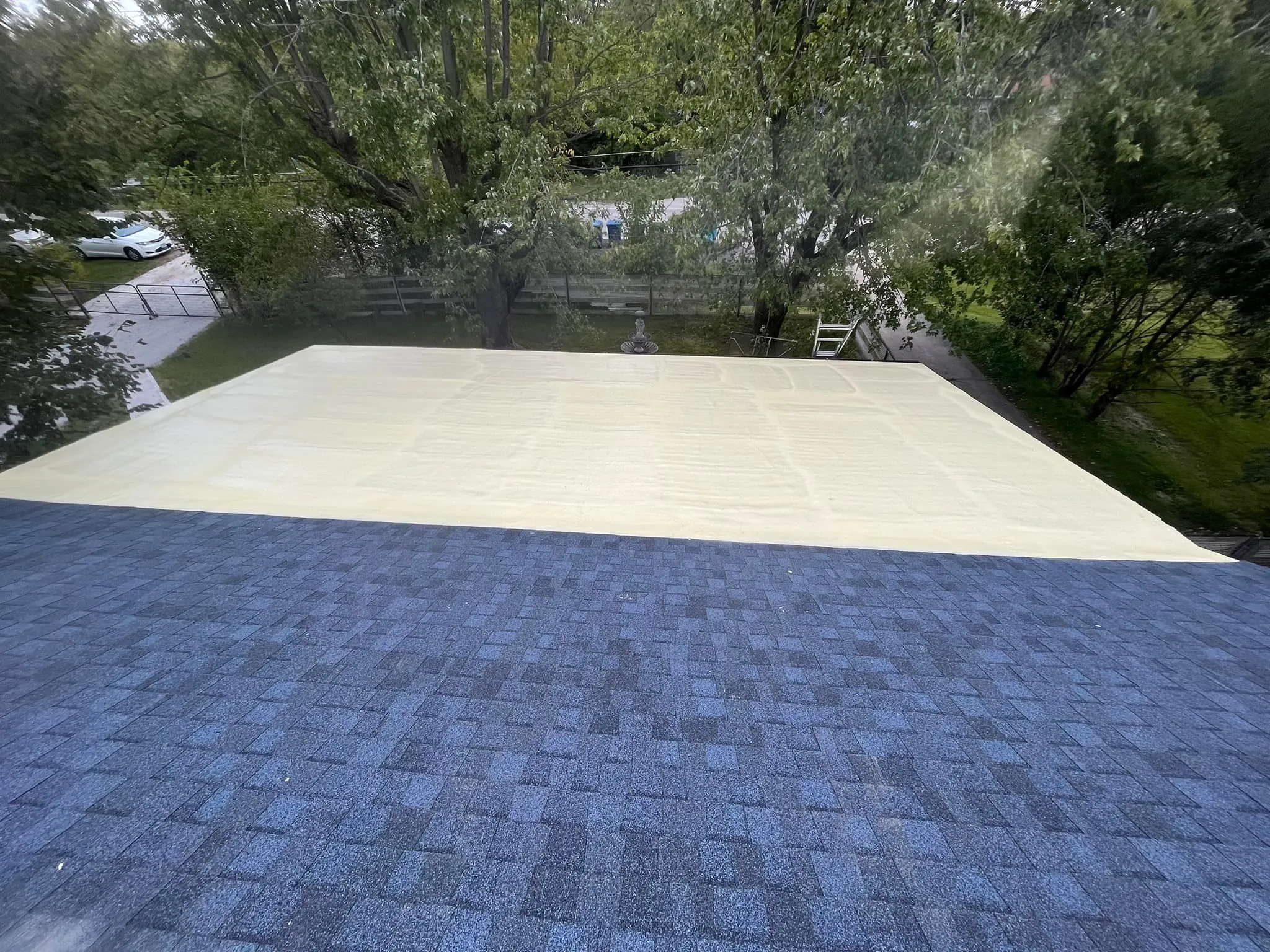
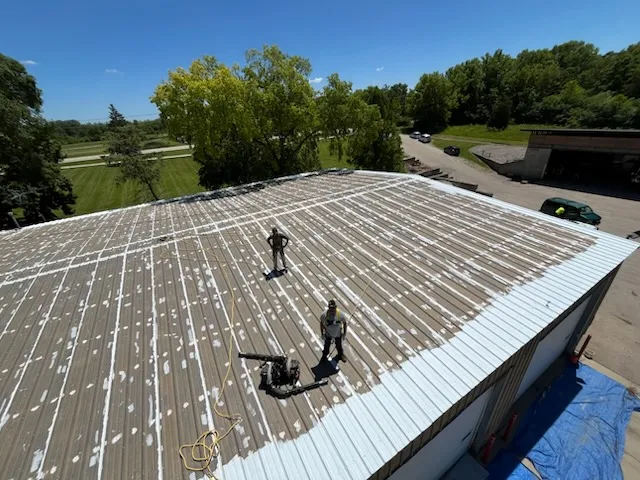
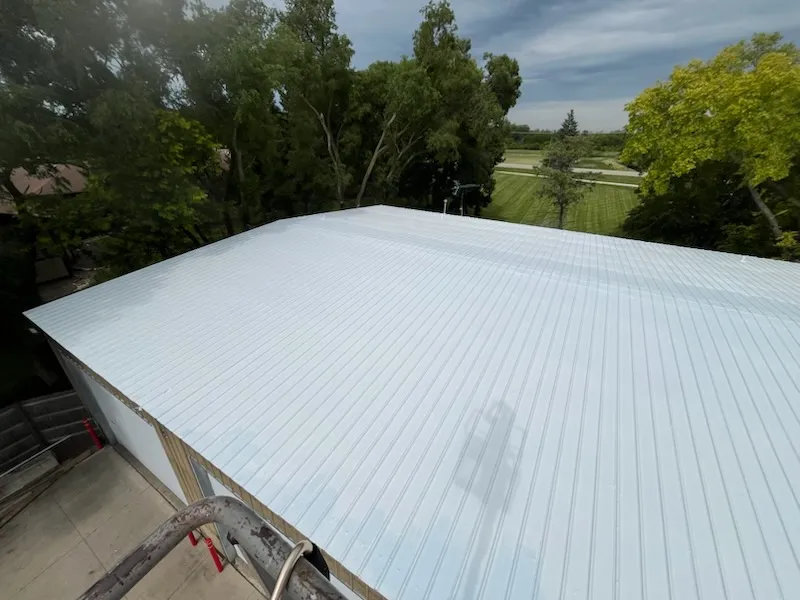
Spray polyurethane foam can create a continuous insulation layer on suitable roof assemblies. Drainage, substrate condition, protective coatings, and ongoing maintenance remain important design considerations.
Roof Coatings

Roof Coatings

Protective roof coatings help shield compatible roof surfaces from sunlight and weather exposure. Product selection depends on the roof membrane, drainage, preparation, and existing damage.
Attic Insulation

Attic Insulation

Attic insulation reduces heat movement between living spaces and the roof area. Air leakage, ventilation design, and insulation coverage should be assessed before material selection.
Crawlspace Encapsulation

Crawlspace Encapsulation

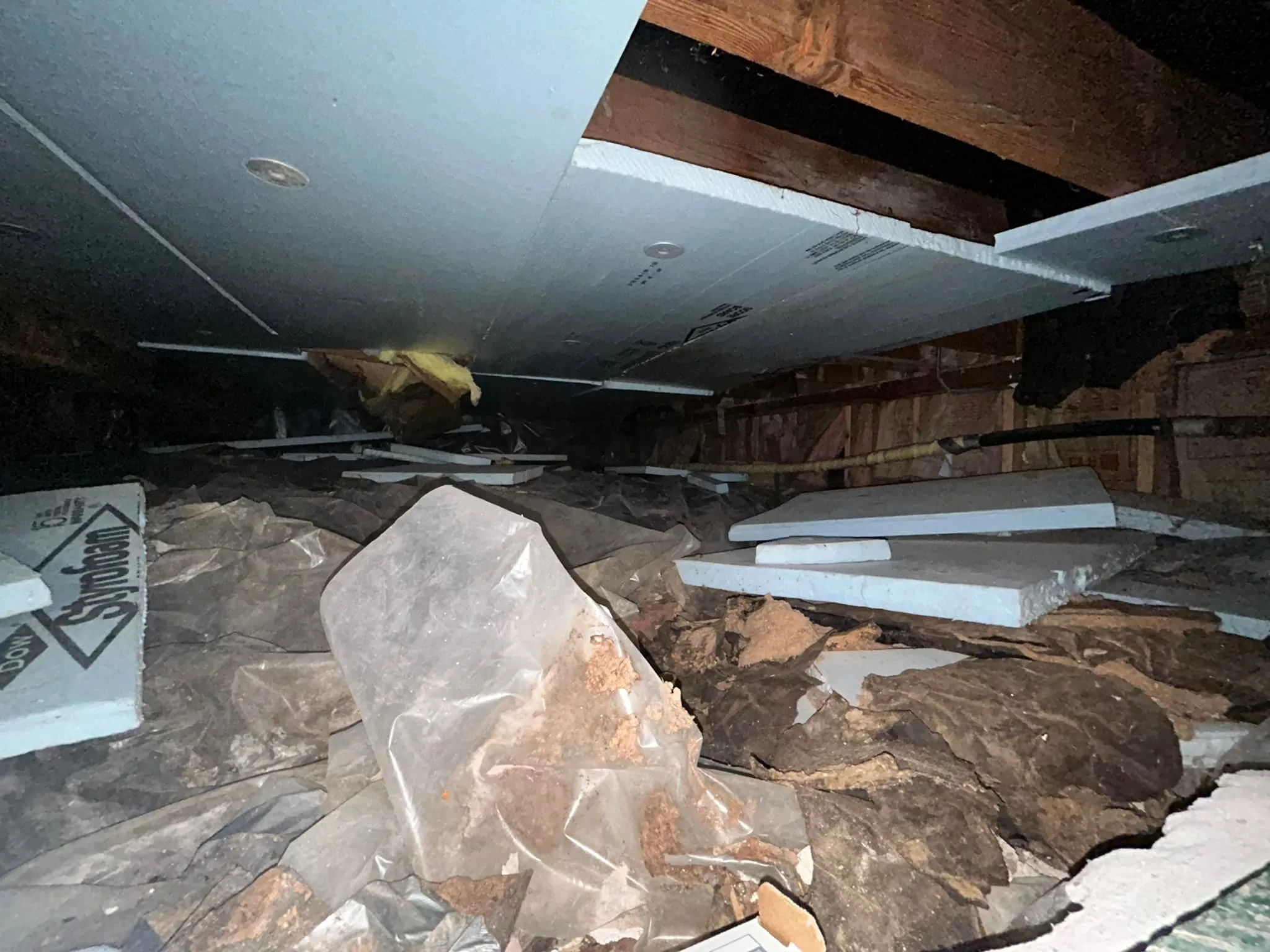
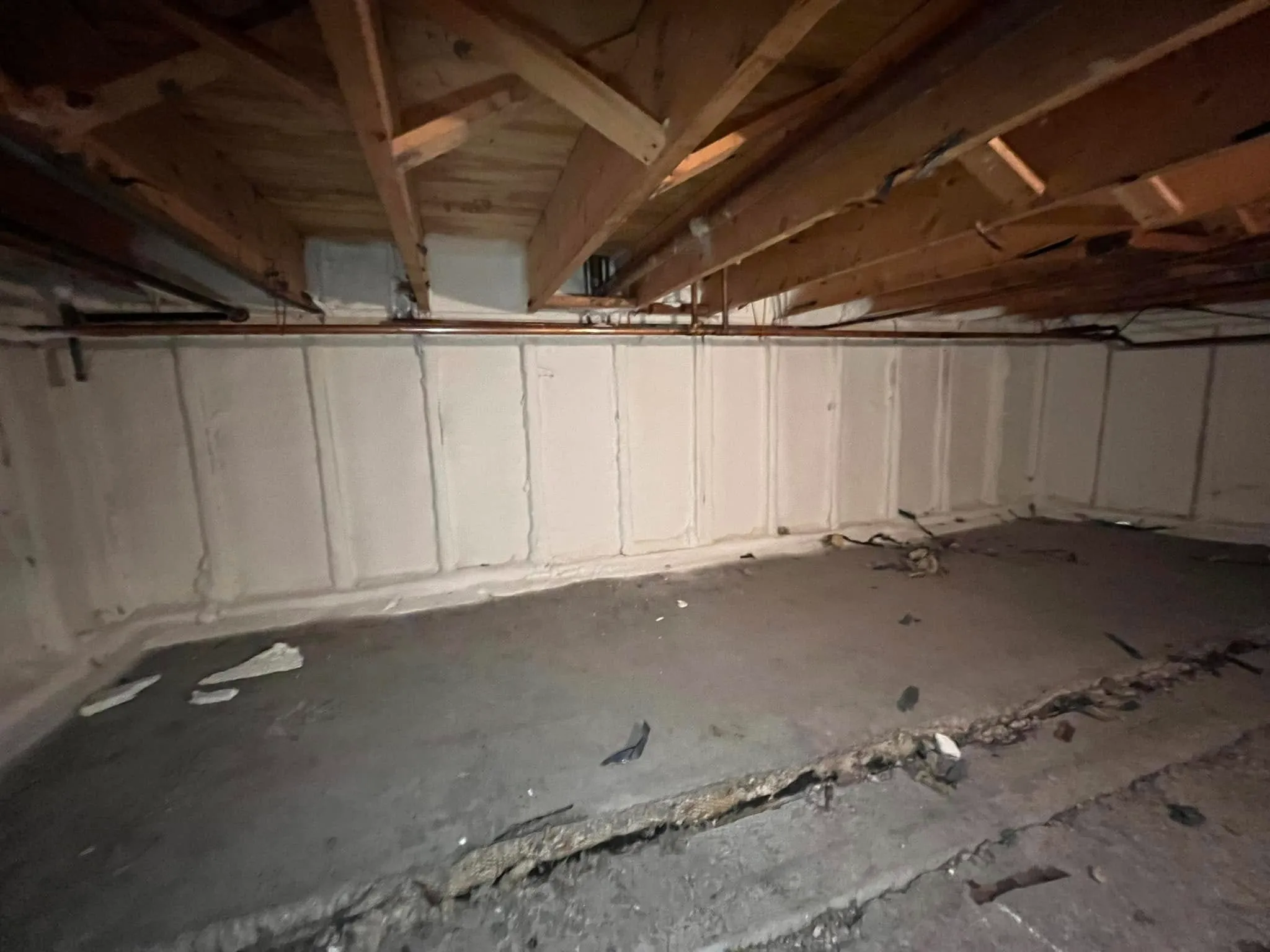
Crawlspace encapsulation addresses ground moisture and unwanted air movement through a planned barrier system. Drainage, foundation conditions, and ventilation needs should be reviewed before work.
Home Performance Evaluation

Home Performance Evaluation

A home performance evaluation looks for insulation gaps, air leakage, and comfort complaints. Findings can help prioritize improvements rather than selecting materials by guesswork alone.
Sound Attenuation Insulation

Sound Attenuation Insulation

Sound attenuation insulation helps reduce noise transmission through selected walls and ceilings. Results depend on the entire assembly, including gaps, framing, doors, and installed materials.
Pole Barn Insulation

Pole Barn Insulation

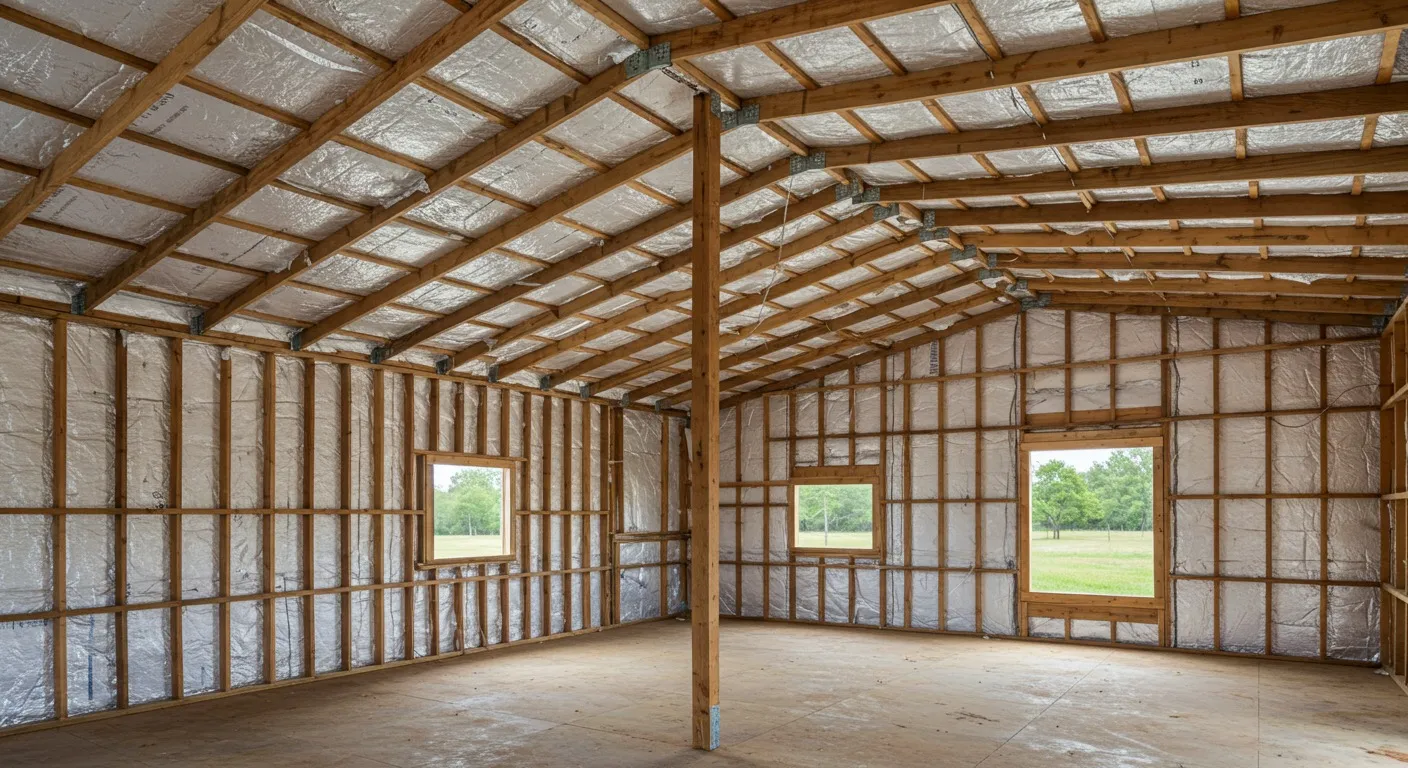
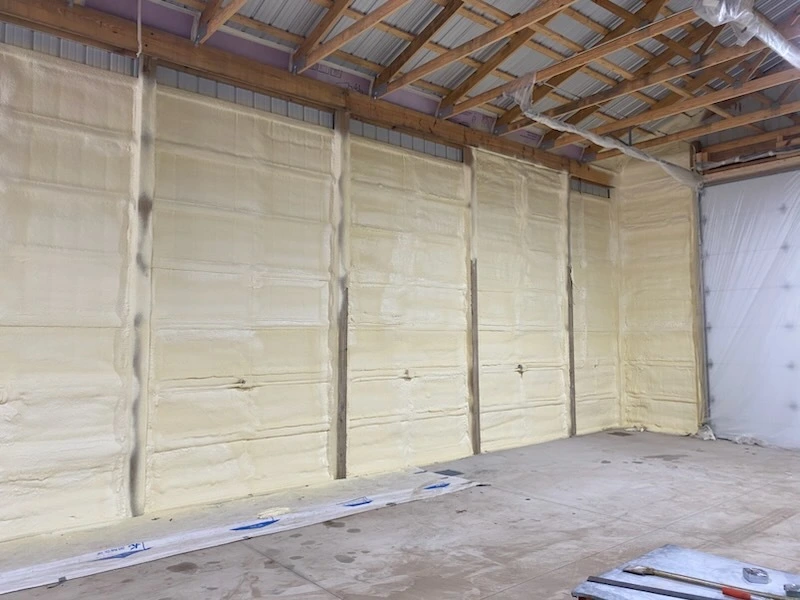
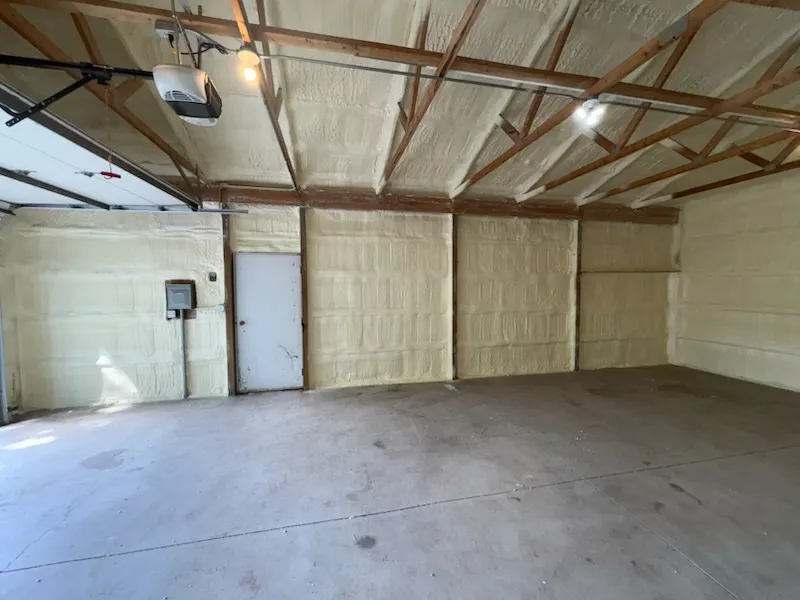
Pole barn insulation can improve temperature control in workshops, storage areas, and agricultural structures. Interior use, ventilation, condensation risks, and framing influence suitable material choices.
Intumescent Coatings

Intumescent Coatings

Intumescent coatings are specified for certain fire protection applications, including compatible assemblies and substrates. Appropriate product ratings, thickness, and code requirements must guide the installation.
Blown-In Insulation

Blown-In Insulation

Blown-in insulation fills accessible attic spaces and selected enclosed cavities. Material depth, air sealing, ventilation clearances, and existing conditions affect installation planning and final coverage.
Residential Spray Foam Insulation

Residential Spray Foam Insulation

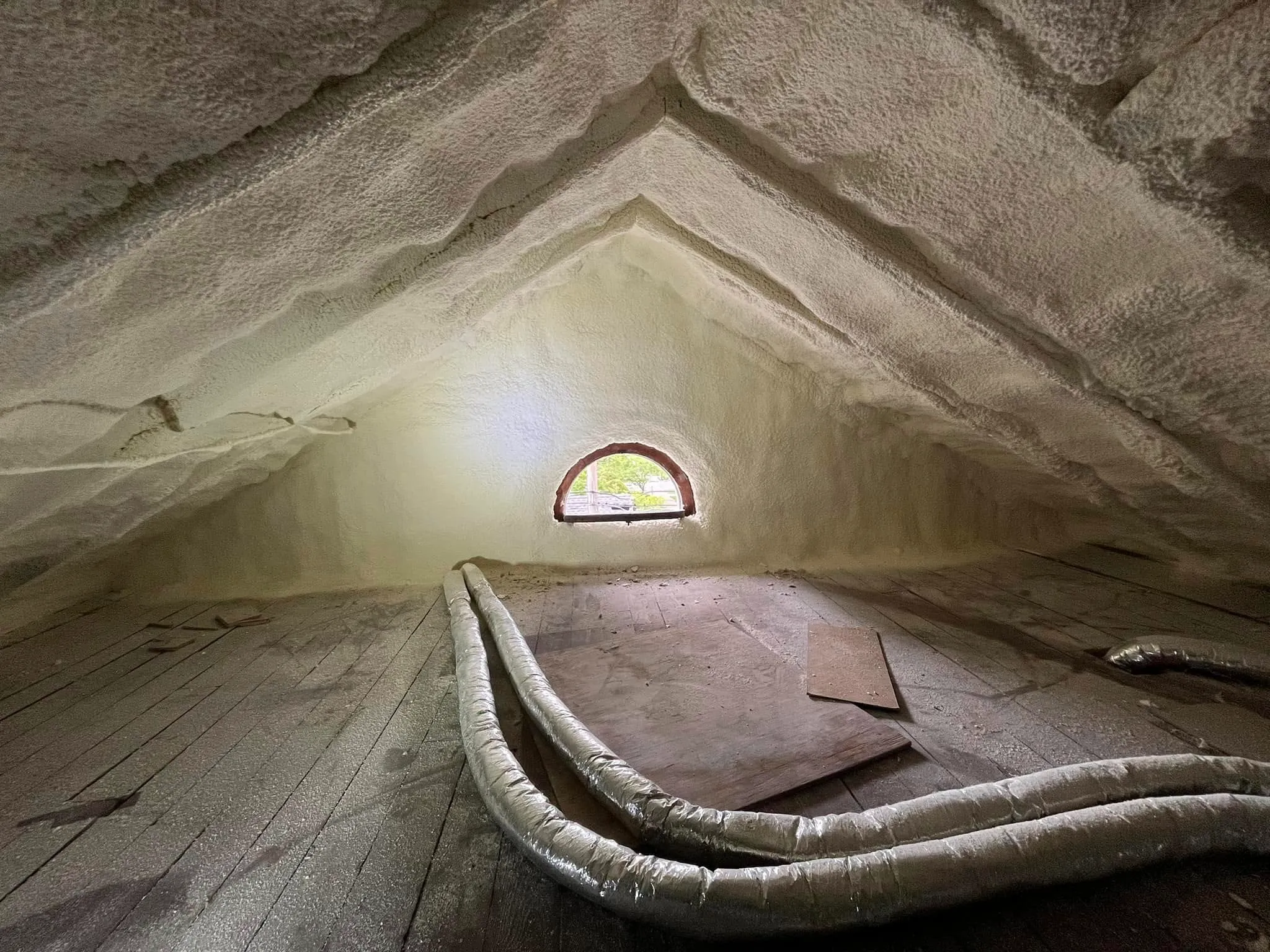
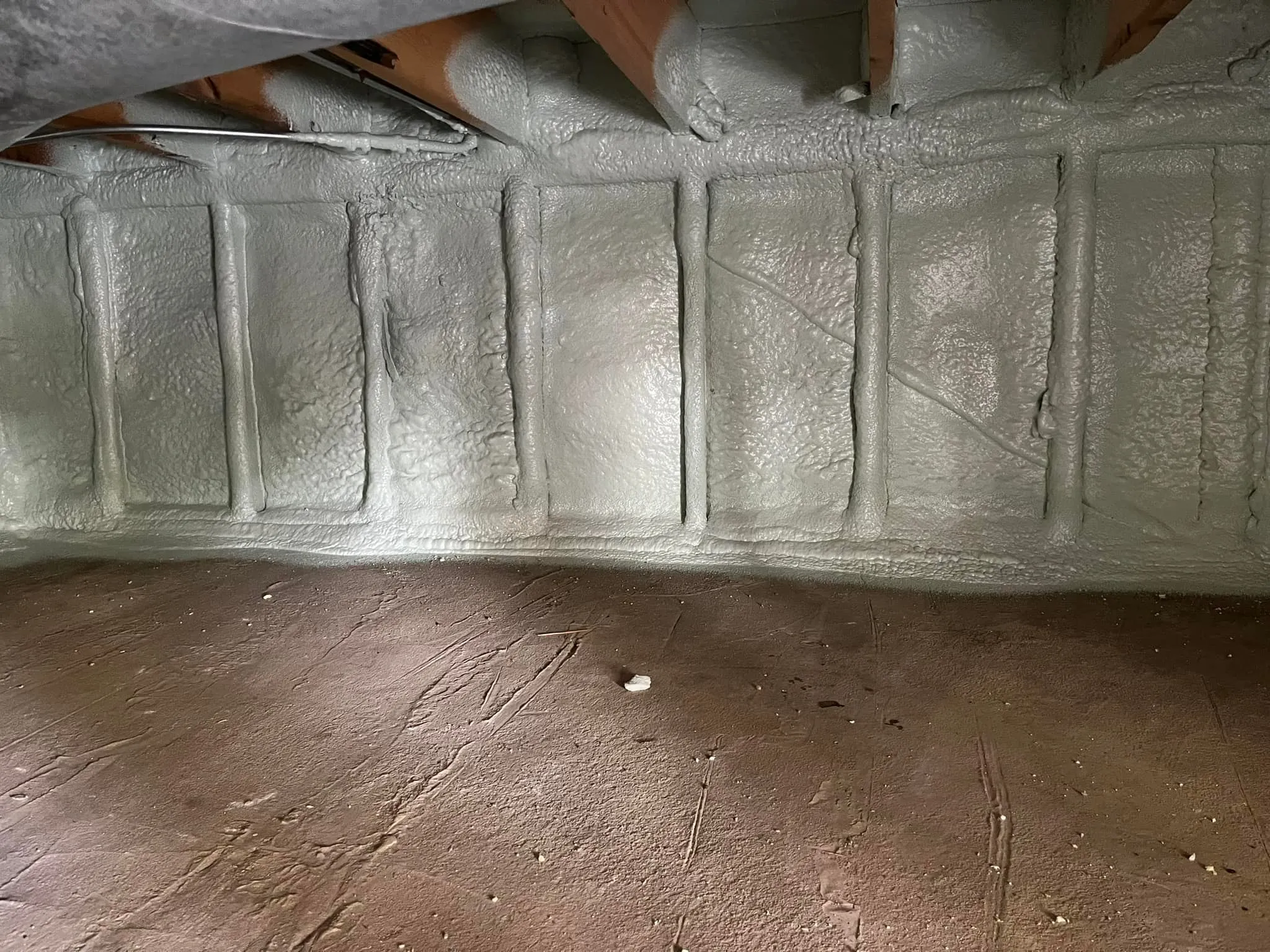
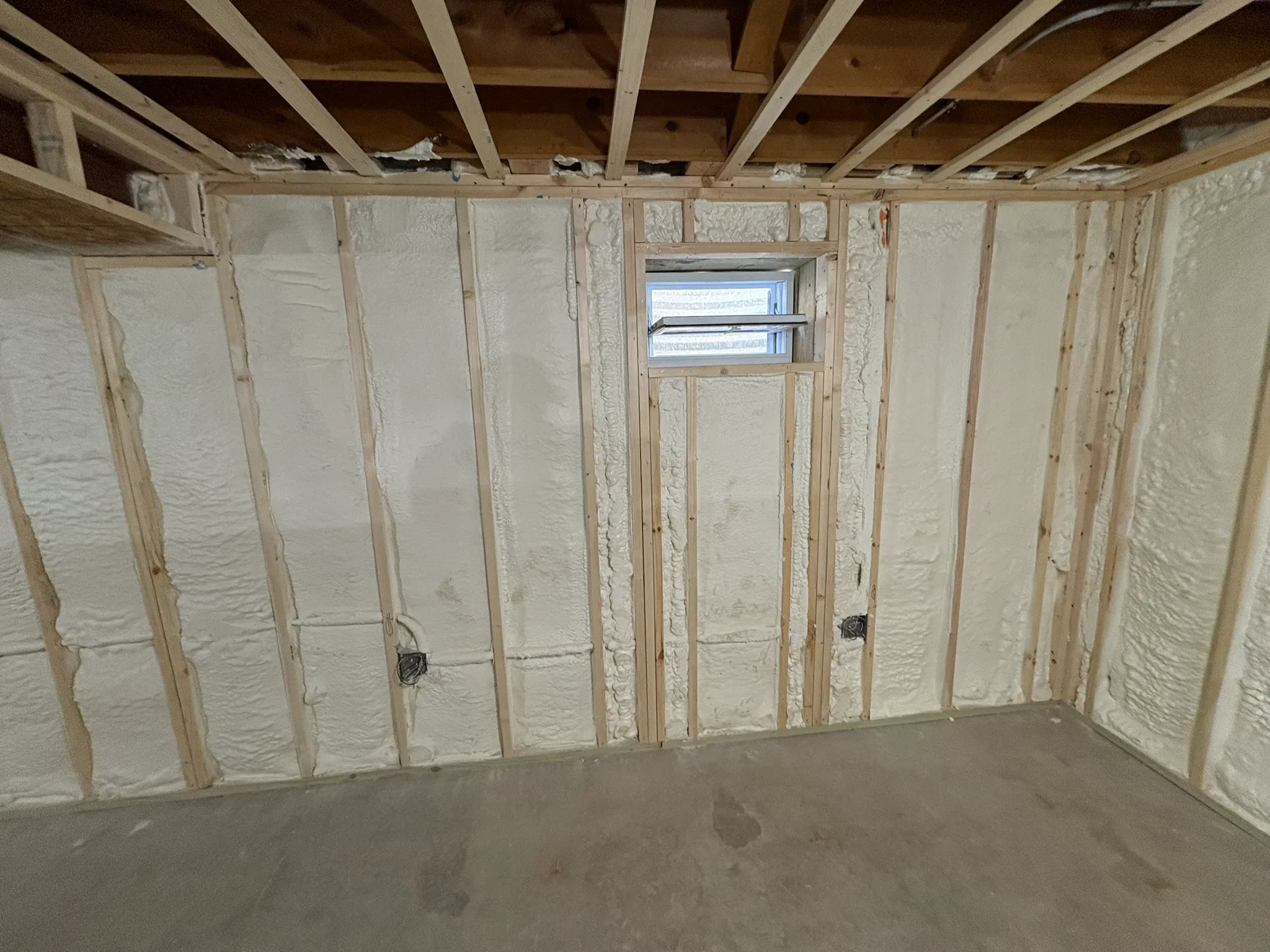
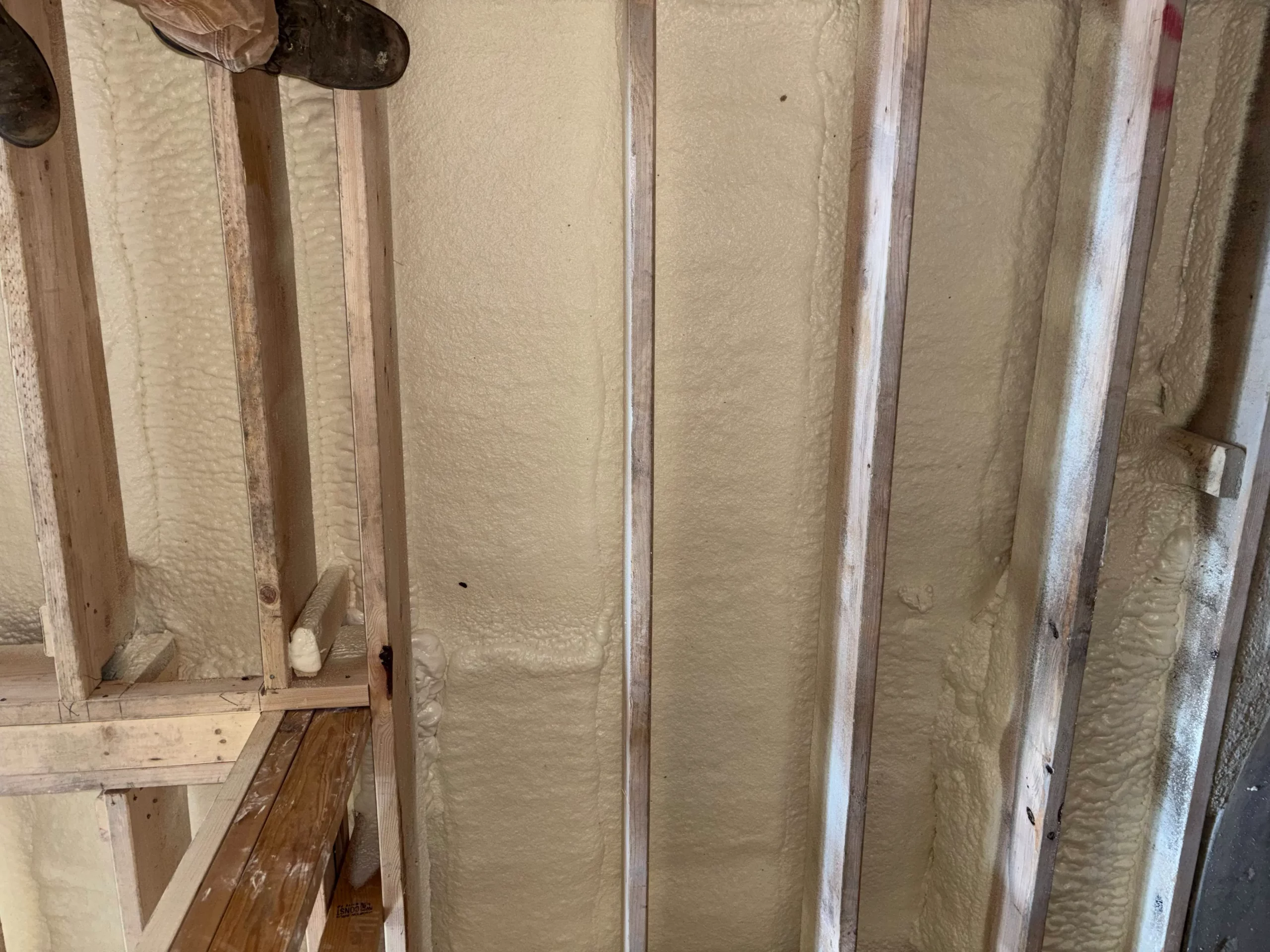
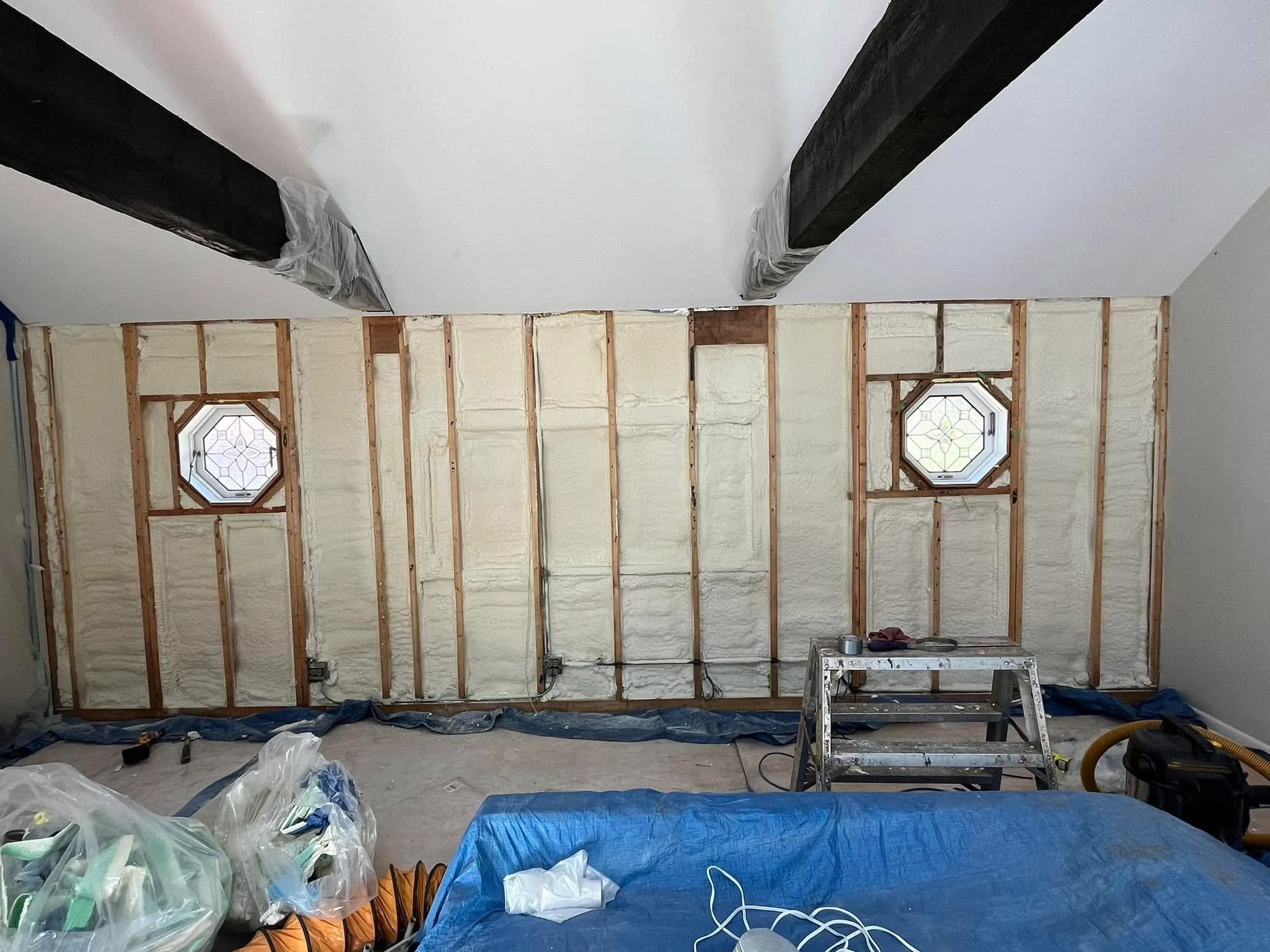
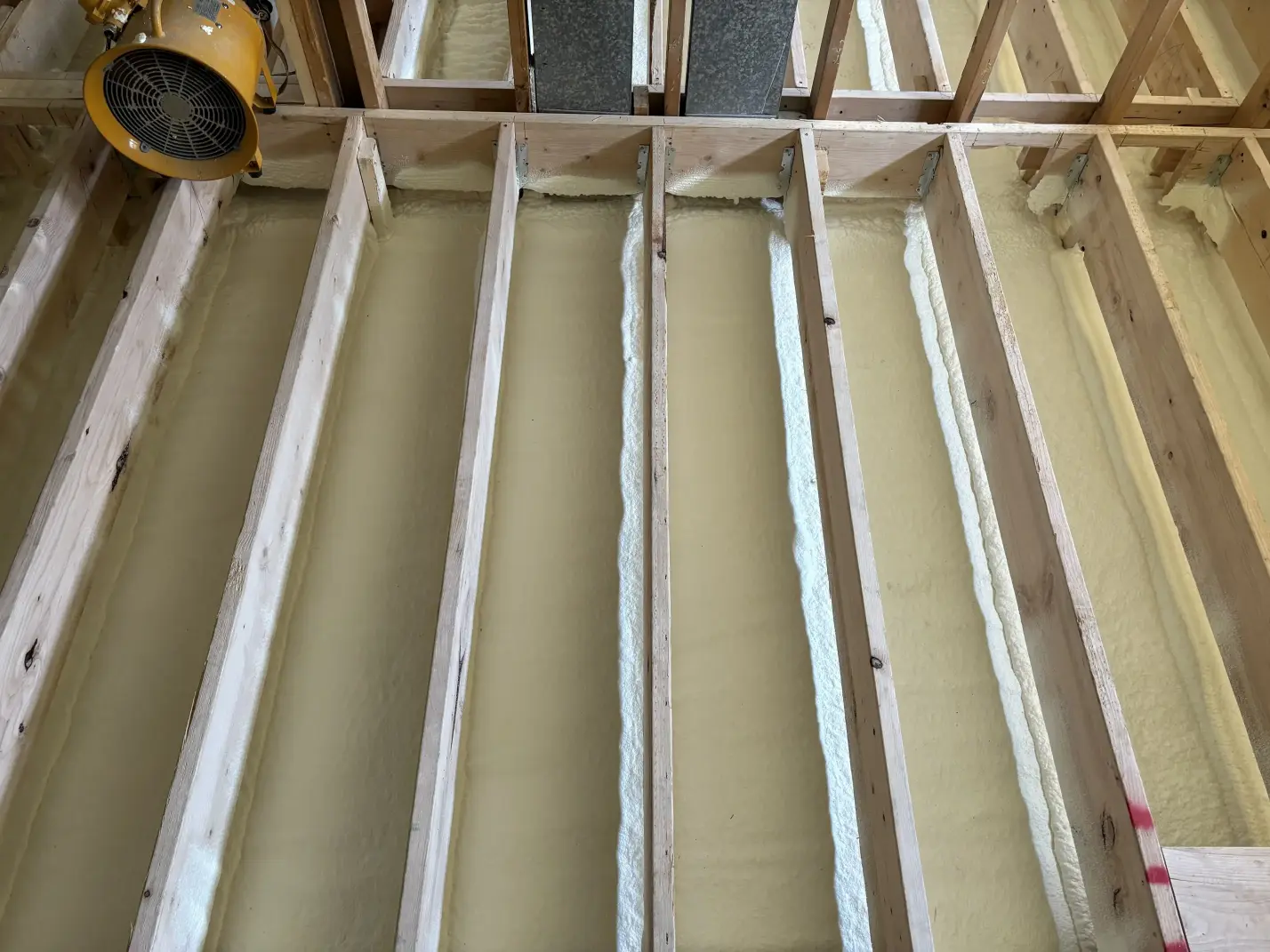
Residential spray foam insulation expands into cavities to provide thermal resistance and air sealing. Attics, walls, and rim joists require assembly-specific moisture and safety planning.
Commercial Spray Foam Insulation

Commercial Spray Foam Insulation

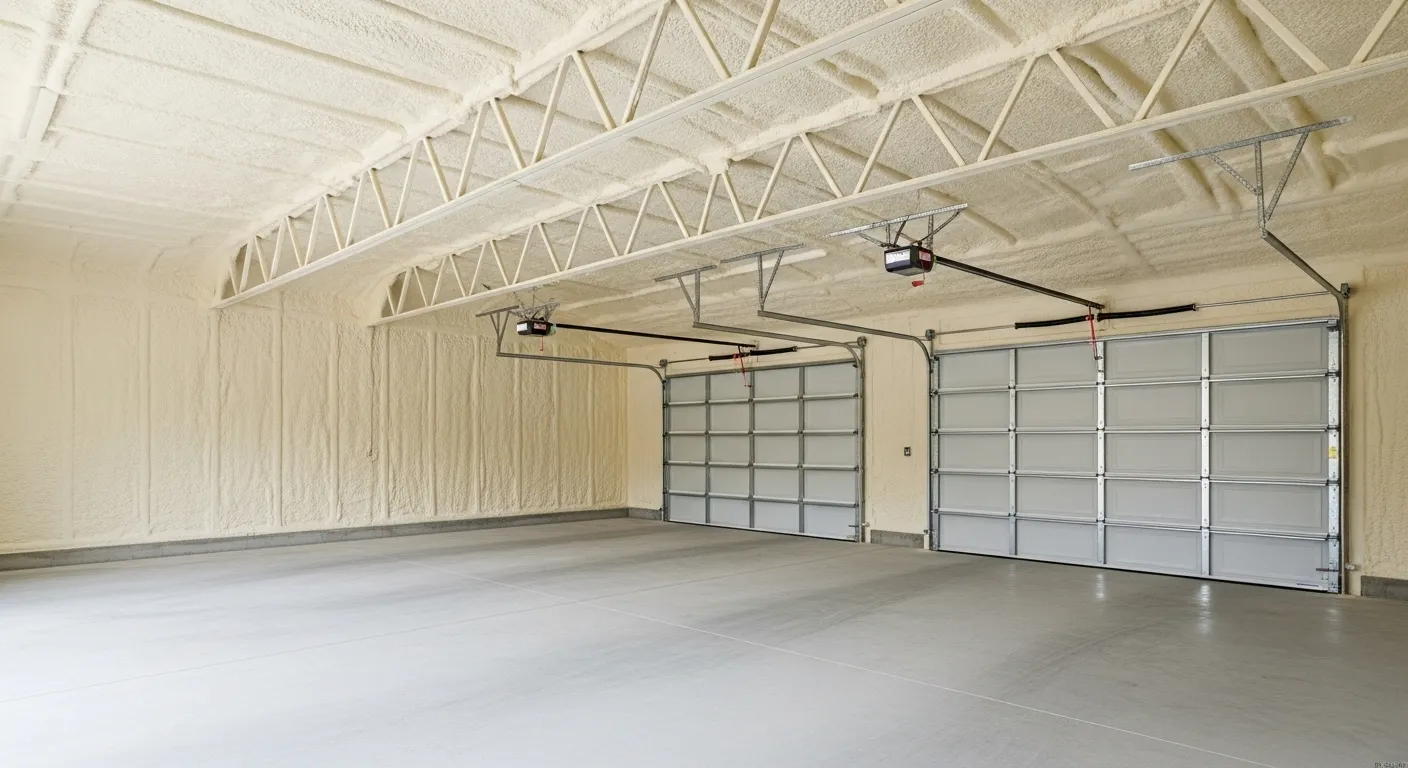
Commercial spray foam insulation can address air leakage and heat transfer in building assemblies. Scheduling, substrate preparation, occupant protection, and fire requirements shape project planning.
Roofing Insulation

Roofing Insulation

Roofing insulation limits heat transfer across roof assemblies. Selecting a material requires reviewing drainage, roof deck conditions, insulation thickness, vapor control, and the roofing system.
Closed Cell Spray Foam

Closed Cell Spray Foam

Closed cell spray foam offers high thermal resistance per inch and low vapor permeability. It suits selected applications where cavity depth or moisture control matters.
Loose Fill Insulation

Loose Fill Insulation

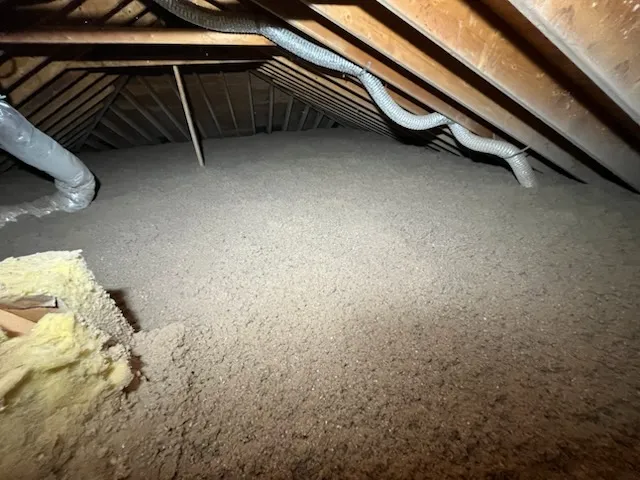
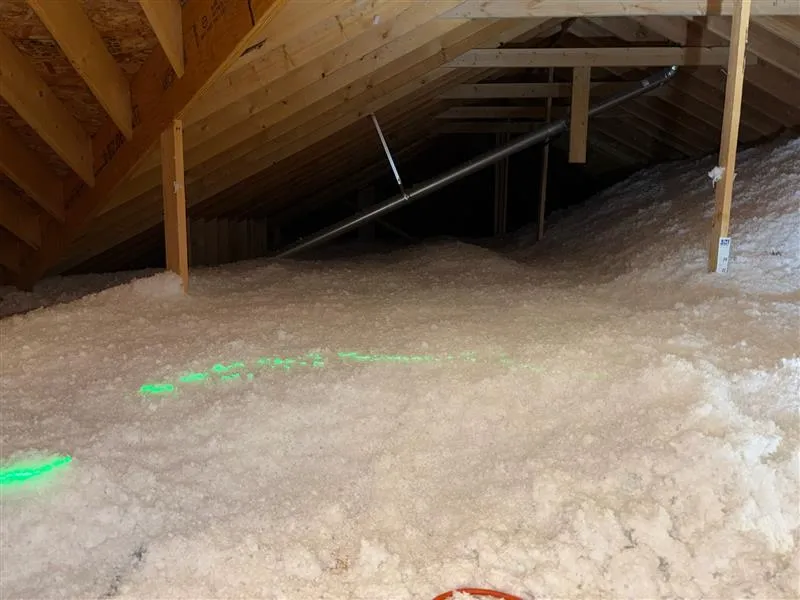
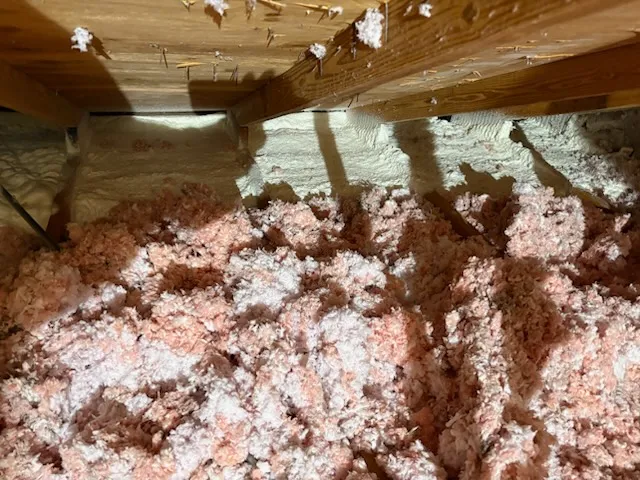
Loose fill insulation covers irregular attic surfaces and hard-to-reach spaces. Performance depends on installed depth, proper distribution, clear ventilation paths, and protection around heat sources.
Interior Insulation

Interior Insulation

Interior insulation helps manage heat flow and, with suitable assemblies, room-to-room sound transfer. Wall construction, moisture movement, finishing needs, and access guide the material choice.
Foundation Insulation

Foundation Insulation

Foundation insulation reduces heat transfer at basement or foundation walls. Moisture condition, exterior drainage, code requirements, and appropriate protective finishes should be evaluated before installation.
Exterior Insulation

Exterior Insulation

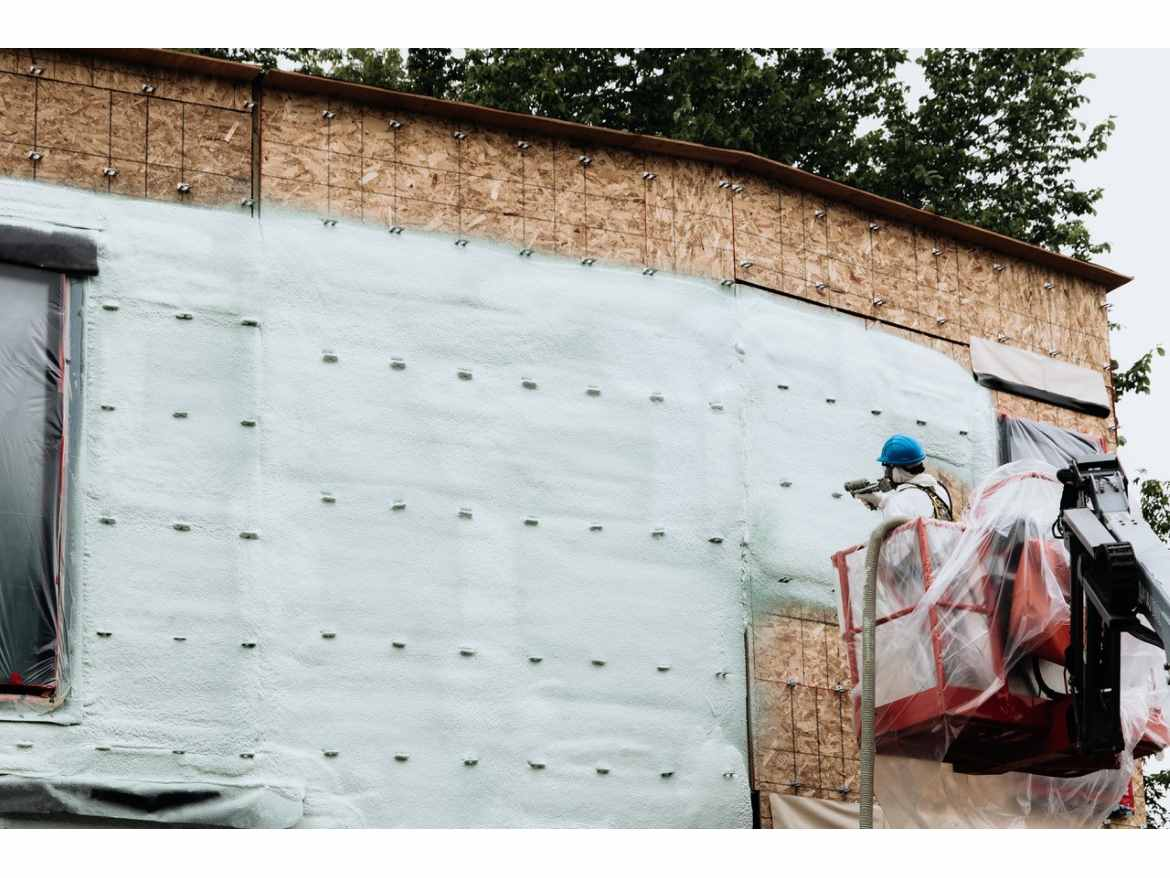
Exterior insulation creates thermal coverage outside suitable wall assemblies. Existing siding, drainage planes, flashing, attachment details, and finishes must work together to limit moisture problems.
Open Cell Spray Foam Insulation

Open Cell Spray Foam Insulation

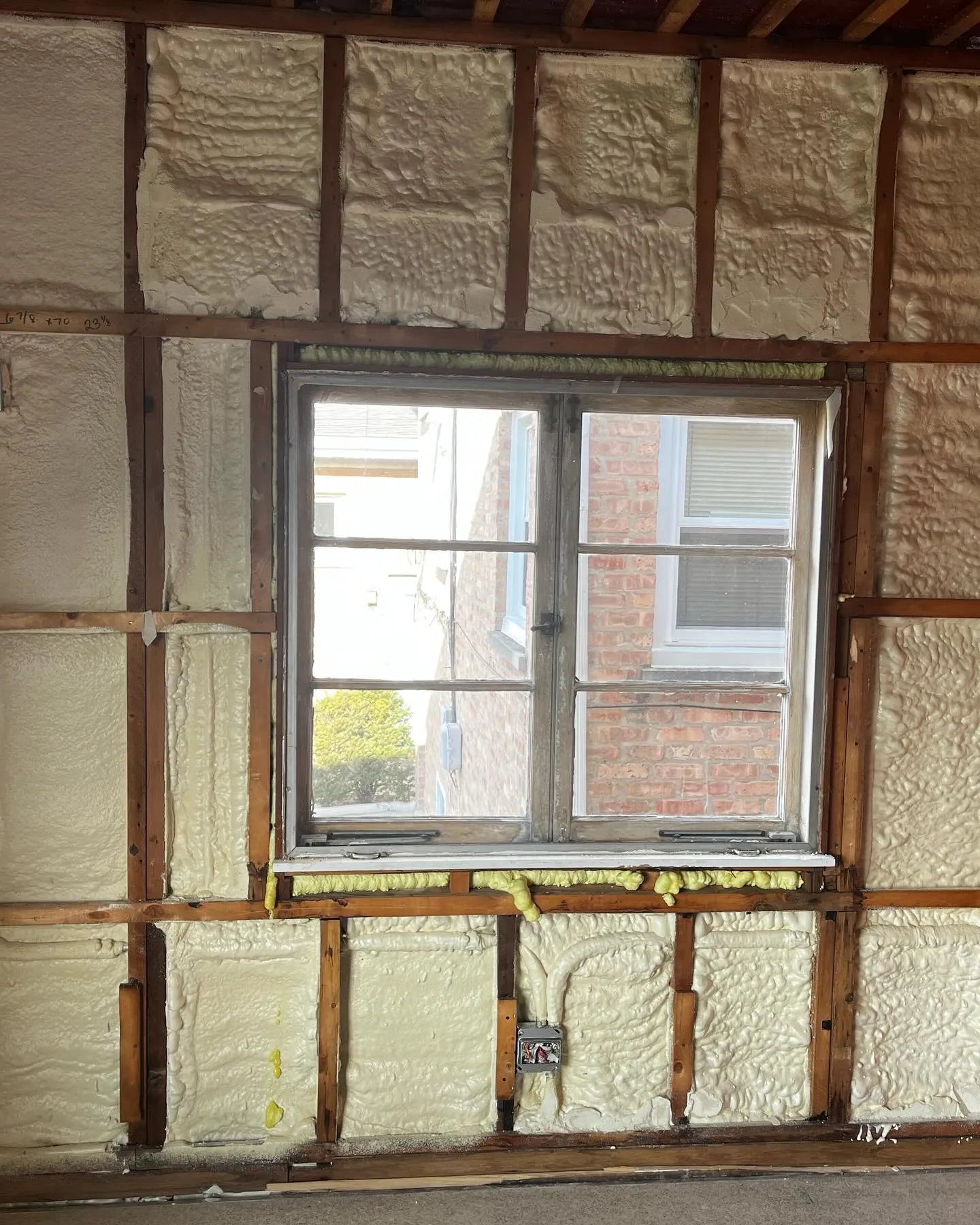
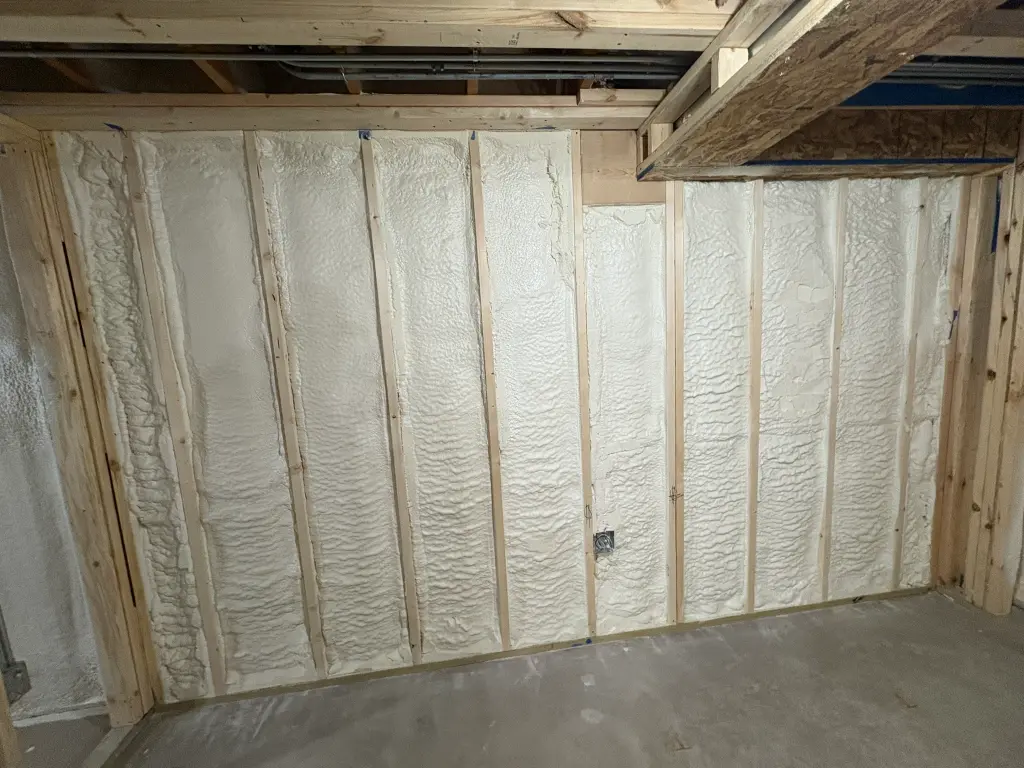
Open cell spray foam insulation expands to fill framing cavities and can help limit air leakage. Vapor control and specific assembly design need careful consideration.
Agricultural Spray Foam

Agricultural Spray Foam

Agricultural spray foam can insulate suitable barns and agricultural buildings. Building use, animal occupancy, ventilation, substrate conditions, and fire protection requirements influence the installation plan.
Blown-in Cellulose Insulation

Blown-in Cellulose Insulation

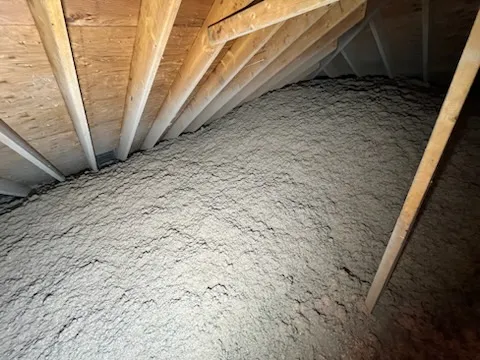
Blown-in cellulose insulation uses treated fiber to fill attics and selected wall cavities. Installed density, settled depth, air leaks, and moisture conditions affect final results.
Wall Insulation

Wall Insulation

Wall insulation helps limit heat movement through exterior walls and partition assemblies. Material selection depends on framing depth, cavity access, existing finishes, and moisture management.
Metal Building Insulation

Metal Building Insulation

Metal building insulation helps manage heat transfer and condensation risks in workshops and industrial spaces. Roof geometry, metal framing, ventilation, and interior activity affect design.
Mineral Wool Insulation

Mineral Wool Insulation

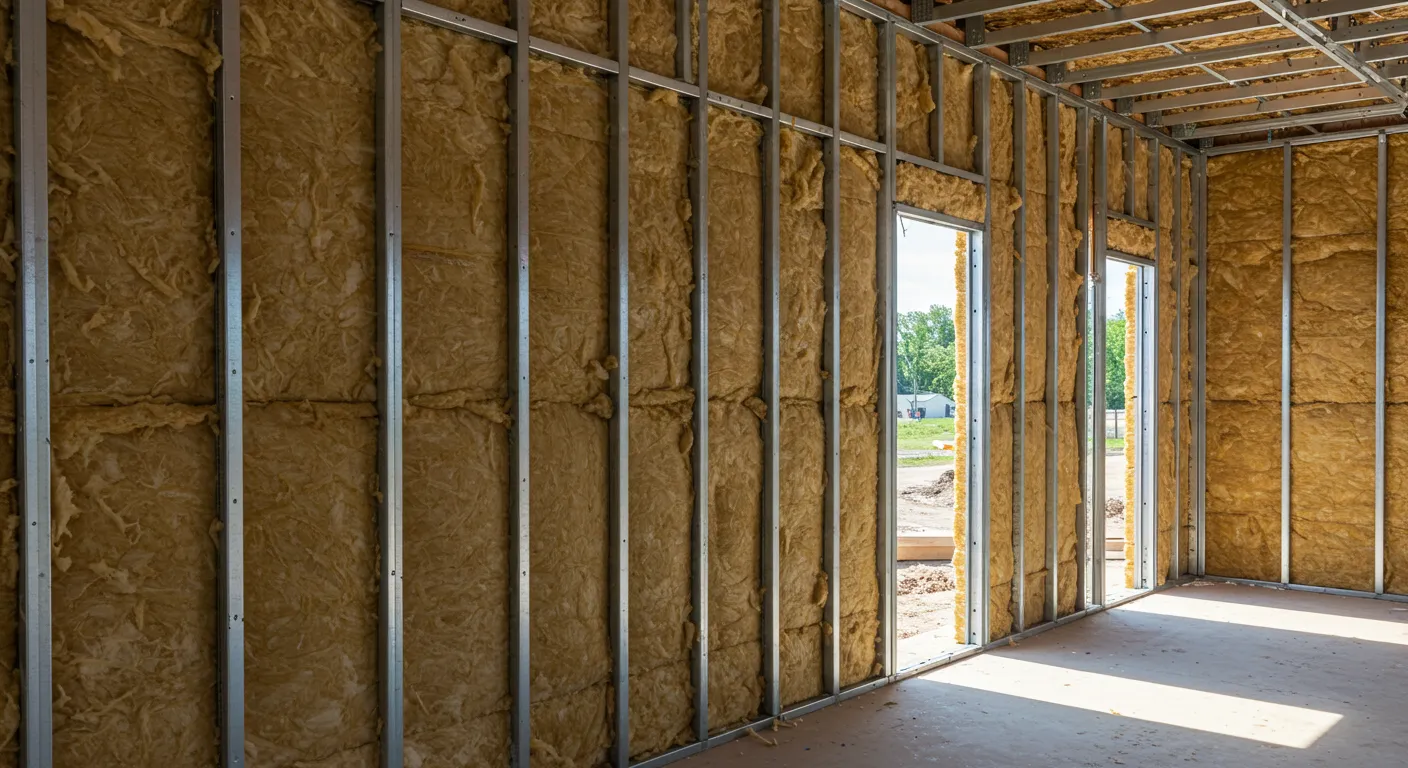
Mineral wool insulation provides thermal resistance and sound absorption in suitable assemblies. Installation requires attention to full cavity coverage, fastening, fire design, and moisture conditions.
Insulation Removal

Insulation Removal

Insulation removal clears damaged, contaminated, or unsuitable material before replacement. Safety precautions and disposal methods depend on the material, surrounding conditions, and any suspected hazards.
Air Sealing

Air Sealing

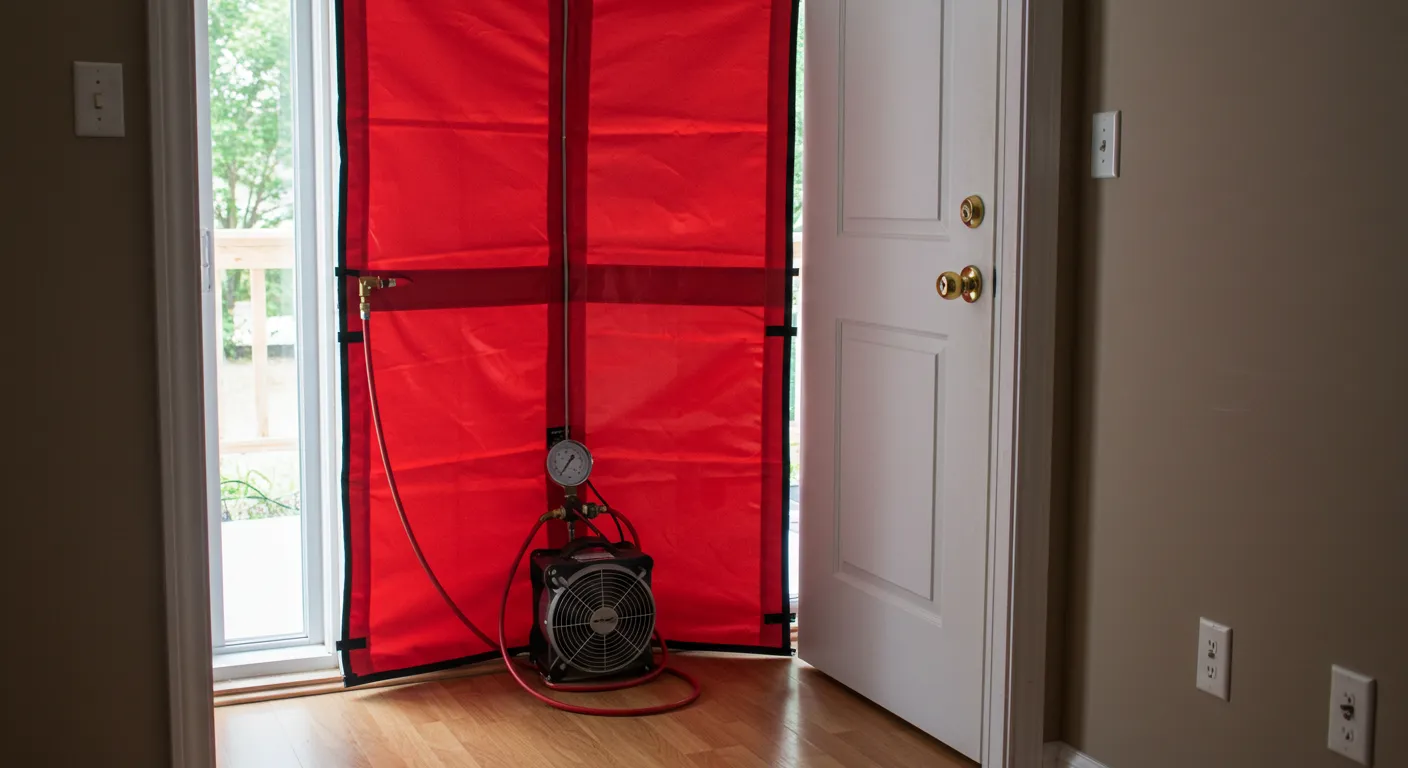
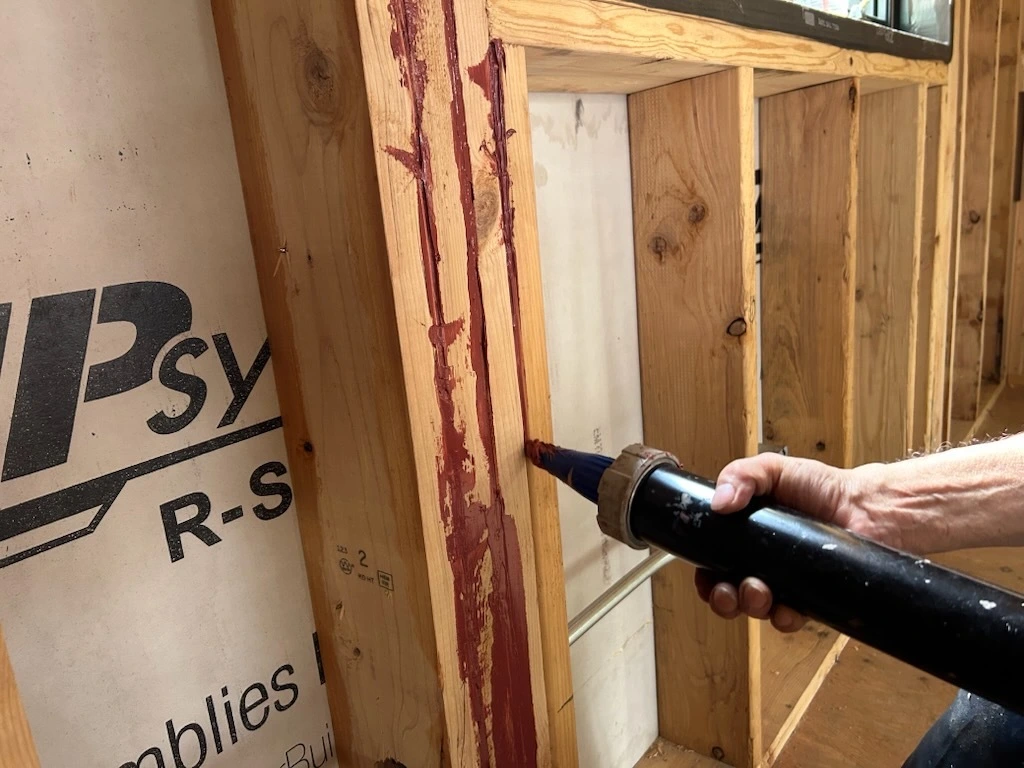
Air sealing reduces unwanted airflow around penetrations, joints, and accessible gaps. Work should carefully consider mechanical ventilation, combustion appliances, and existing moisture conditions before sealing.
Commercial Roof Coatings

Commercial Roof Coatings

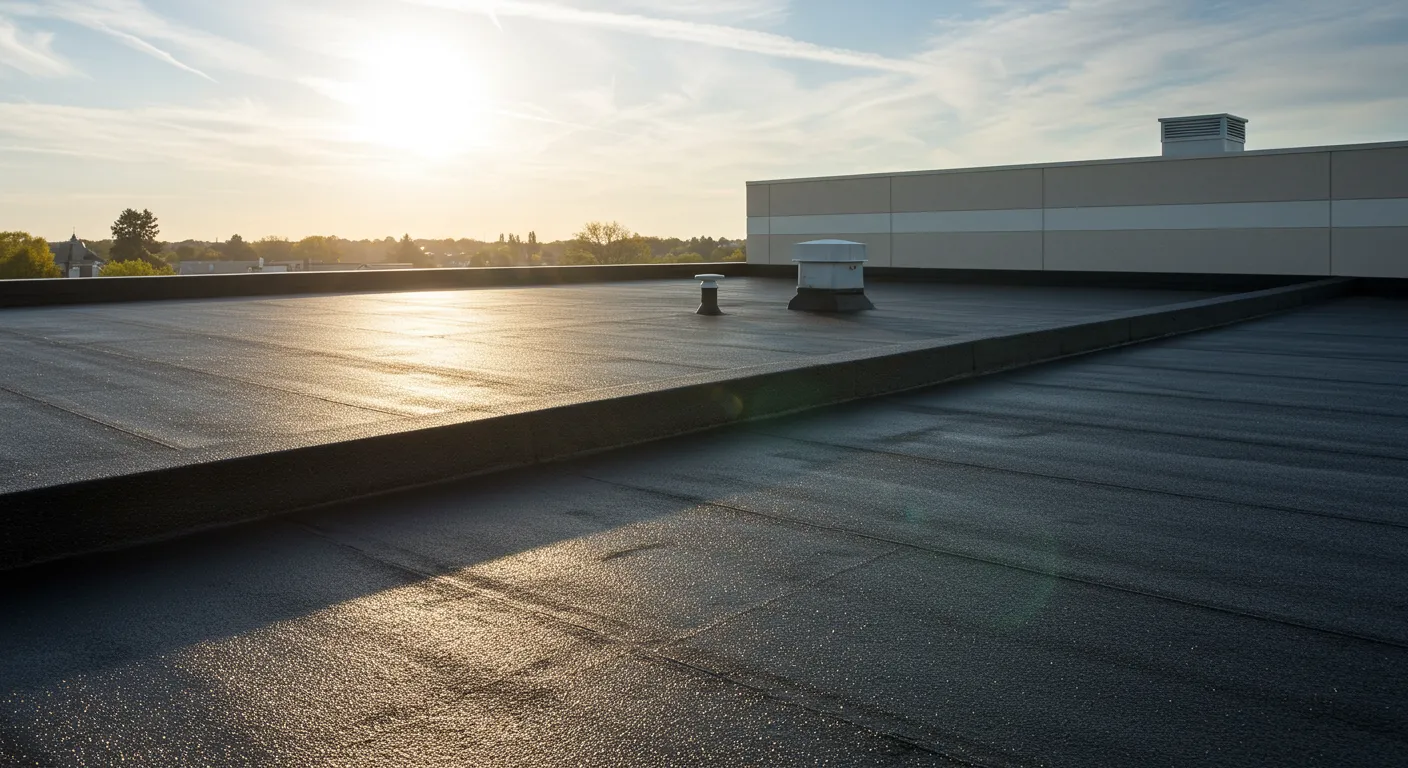
Commercial roof coatings protect compatible roof surfaces from weathering and ultraviolet exposure. A roof assessment should address existing leaks, drainage, surface preparation, and coating compatibility.
Floor Insulation

Floor Insulation

Floor insulation helps reduce heat loss through floors above unconditioned spaces. Access, framing, air sealing, moisture control, and protective coverings determine a suitable installation approach.

Need Spray Foam Insulation in Wheeling, IL?

A spray foam project should begin with the building's condition and the area that needs attention. South Chicago Insulation, LLC can discuss residential and commercial insulation needs, material options, and the proposed scope of work.

Call (779) 803-8025 to discuss a project and request a quote.

What to Expect When Discussing Your Insulation Project

01

Initial Conversation

Explain the property type, comfort concerns, and area requiring insulation. Confirm service availability and the next steps for an assessment.

02

Property Information

Share whether the work involves an existing building, renovation, or new construction, along with available details about current insulation.

03

Access Requirements

Identify occupied areas, restricted spaces, or business operating hours that may affect inspection and installation scheduling.

04

Material Discussion

Ask which insulation options suit the intended surfaces, including differences between open-cell and closed-cell spray foam.

05

Estimate Details

Request a written description of the proposed work, materials, covered areas, preparation requirements, and charges.

06

Occupancy Planning

Discuss access restrictions, ventilation, and safe re-entry requirements before scheduling spray foam application.

How Spray Foam Insulation Is Applied to Building Surfaces

Examine the Building Assembly

The intended application area is checked for existing insulation, moisture, surface condition, wiring, and nearby mechanical systems. Water intrusion or damaged materials should be addressed before new foam is installed.

Select the Foam System and Required Coverage

Open-cell and closed-cell products have different thermal and vapor-control properties. The intended R-value, substrate, insulation thickness, and required fire protection guide product selection.

Prepare and Protect the Work Area

Surfaces must be suitable for application, and nearby areas require protection from overspray. Work zones should be isolated from occupants and other trades as appropriate.

Apply Spray Foam to the Specified Thickness

Spray foam is applied according to the manufacturer's requirements for substrate conditions, equipment settings, and application thickness. Coverage around framing, joints, and other approved surfaces must match the assembly design.

Check Coverage and Follow Curing Requirements

After application, excess foam may need trimming, and the work area must be cleaned. Coverage, ventilation paths, and required protective finishes should be checked.

Experienced Insulation Work From South Chicago Insulation, LLC

South Chicago Insulation, LLC has a company history dating to 1984 and provides insulation solutions for residential and commercial building needs. Its service range includes spray foam, blown-in materials, roofing insulation, air sealing, and other building-envelope applications. The right solution should account for the structure, current conditions, and intended results.

Proven Industry Experience

The company's established history supports a practical focus on selecting insulation systems for different construction conditions and property requirements.

Established Since 1984

South Chicago Insulation, LLC has operated since 1984, providing an established background in insulation and related building services.

Quality and Attention to Detail

Insulation performance depends on suitable materials, correct coverage, surface preparation, and coordination with ventilation and moisture-control requirements.

Project Planning for Wheeling Properties

Residential renovations and commercial installations can involve different access, fire protection, and code requirements. Those differences should be addressed before work starts.

Discuss Spray Foam Insulation for Your Wheeling Property

Spray foam can help address air leakage and heat transfer when it is suitable for the building's design. Contact South Chicago Insulation, LLC to discuss the area needing insulation and the options available for the project.

Call (779) 803-8025 or email [email protected] to request information about spray foam insulation in Wheeling, IL.


Frequently Asked Questions About Spray Foam Insulation in Wheeling, IL

How Much Does Spray Foam Insulation Cost in Wheeling?

Cost depends on square footage, foam type, required thickness, access, and preparation. A written estimate should identify covered areas and any additional work before installation.

How Long Does Spray Foam Insulation Last?

Properly installed spray foam can remain effective for decades. Its lifespan depends on installation quality, environmental exposure, material compatibility, and protection against damage or moisture problems.

Are Spray Foam Insulation Rebates Available in Wheeling, IL?

Eligible homeowners may qualify for utility insulation incentives. Availability depends on current programs, approved contractors, installation requirements, and eligibility rules. Confirm qualifications before scheduling work.

Does Spray Foam Insulation Need a Fire Barrier?

Many building applications require an approved thermal or ignition barrier over spray foam. Requirements depend on foam specifications, installation location, and applicable building codes.

Can Spray Foam Be Combined With Other Insulation Materials?

Yes. Some assemblies combine spray foam with fiberglass, cellulose, or mineral wool. Material compatibility, moisture control, and required thermal performance determine whether combinations are appropriate.

© 2025 All Rights Reserved. South Chicago Insulation
Secret Link
Skip to content