Why Pole Barns Need Spray Foam Insulation Protection
Direct Answer Pole barns need spray foam insulation protection because traditional insulation methods fail to address the unique structural challenges…


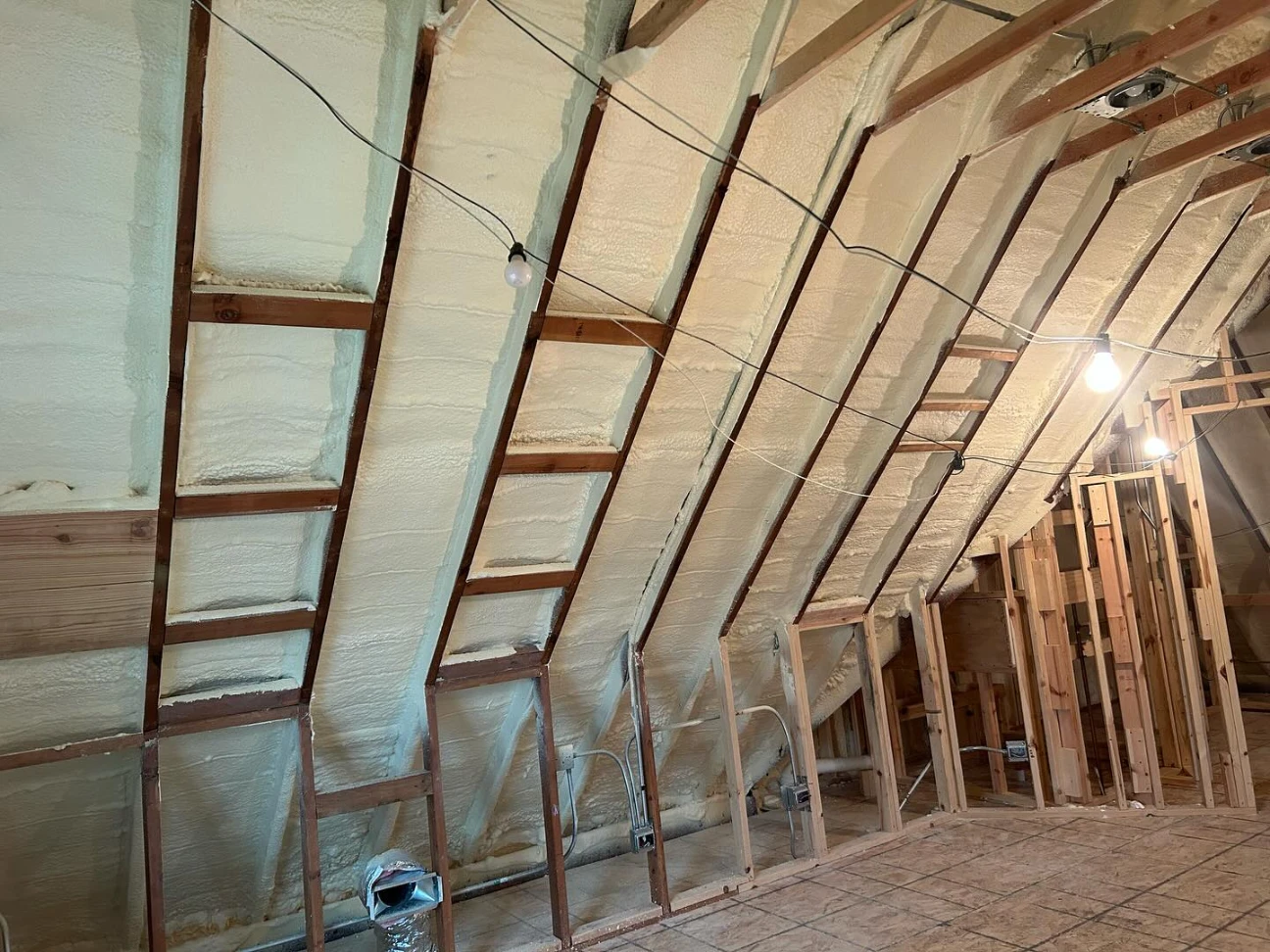
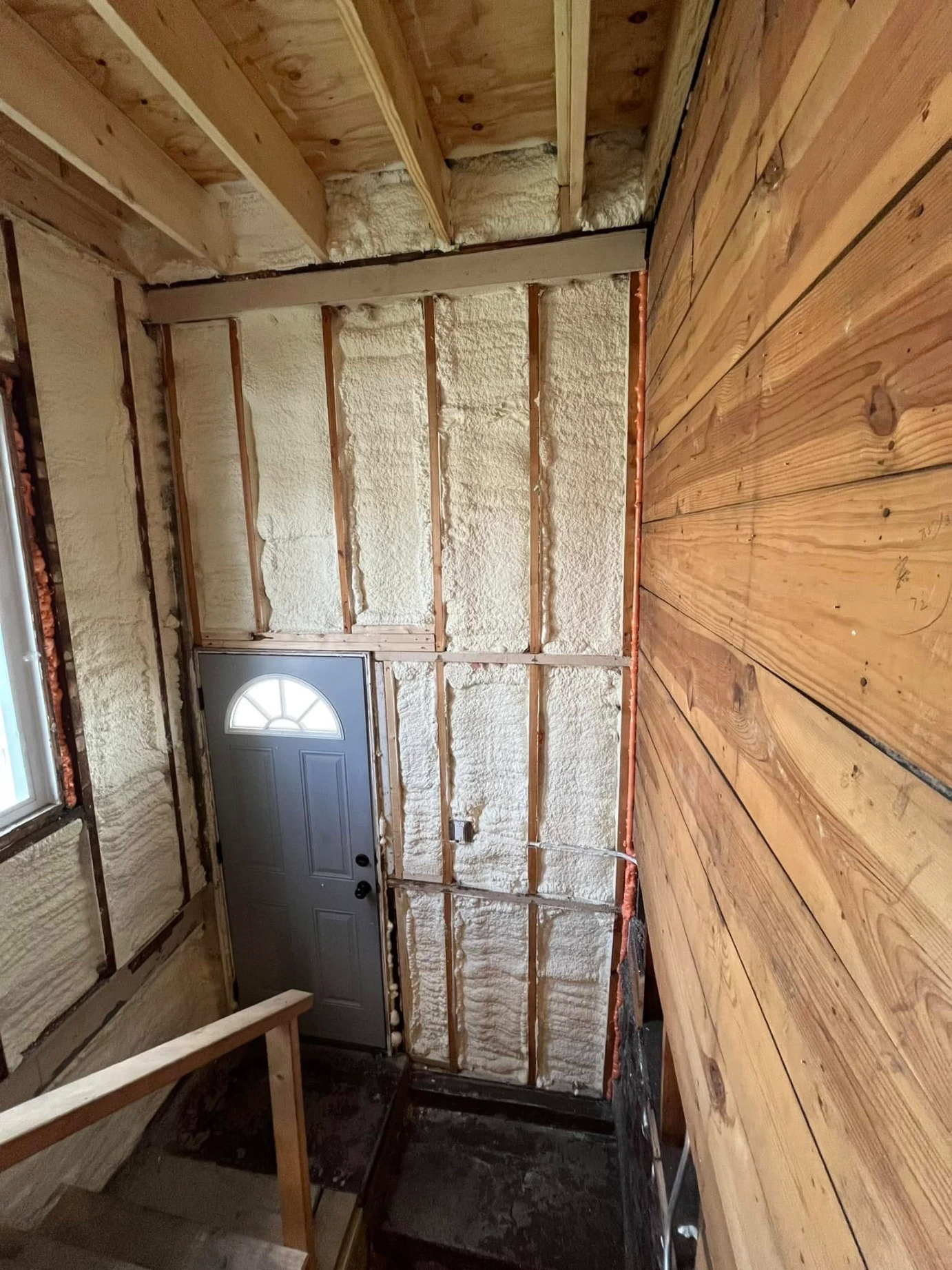
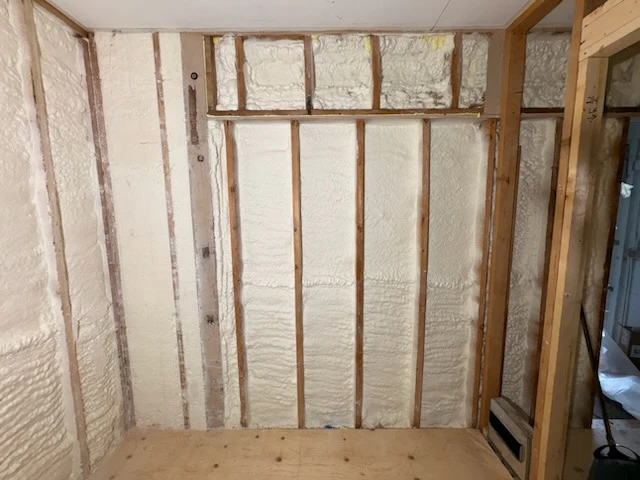
Pole barns need spray foam insulation protection because traditional insulation methods fail to address the unique structural challenges of metal-framed buildings, where air leakage, moisture infiltration, and temperature fluctuations create conditions that reduce energy efficiency, damage stored items, and increase operating costs. Spray foam creates an airtight seal that adheres directly to metal surfaces, providing both thermal resistance and moisture barriers in a single application. Our team at South Chicago Insulation recommends spray foam as the optimal solution for pole barns because it eliminates the gaps and compression issues that plague traditional fiberglass, delivering long-lasting performance that protects your investment for decades.
Pole barns represent a distinct category of building construction that presents unique insulation challenges compared to traditional wood-frame homes. These structures rely on wooden post frames or metal trusses to create large, open interior spaces without the need for load-bearing interior walls. The result is a versatile agricultural, commercial, and recreational space, but the same features that make pole barns efficient to build create significant insulation difficulties.
According to the U.S. Department of Energy, metal buildings experience greater heat transfer than wood-frame structures due to the thermal conductivity of metal components. When the sun heats a metal roof, that heat conducts directly through to the interior space, creating temperatures that can exceed 150 degrees Fahrenheit on summer days. Conversely, in winter, metal surfaces rapidly conduct interior heat to the outside, requiring constant heating to maintain comfortable temperatures.
The large door openings common in pole barns, whether for vehicle access, livestock, or equipment storage, create substantial air exchange whenever they open. Traditional insulation materials like fiberglass batts cannot effectively seal around these openings, resulting in significant energy loss even when the doors remain closed. The gaps and voids around doors, windows, and roof-to-wall intersections become primary pathways for air leakage that undermines insulation performance.
The U.S. Environmental Protection Agency notes that air leakage accounts for 25-40% of energy loss in typical buildings, but in pole barns with their large door openings and exposed structural elements, this percentage can be even higher. This makes air sealing every bit as important as thermal resistance when selecting an insulation system.
Fiberglass batts and blown-in insulation, while suitable for many residential applications, struggle to perform effectively in pole barn environments. Understanding why these traditional methods fail helps you appreciate the advantages of spray foam solutions.
Compression and Settling
Fiberglass insulation relies on maintaining its thickness to achieve the rated R-value. In pole barns, gravity causes blown-in insulation to settle over time, reducing thickness and thermal performance. Studies from Building Science Corporation show that settled insulation can lose 20-30% of its rated R-value within just a few years of installation.
Air Movement Through Insulation
Unlike spray foam, which creates an airtight seal, traditional insulation allows air to flow through and around the material. This air movement carries moisture-laden air into wall cavities and ceiling spaces, where it condenses on cool metal surfaces. The result is hidden moisture damage, rust formation on metal components, and mold growth that compromises air quality and structural integrity.
Poor Adhesion to Metal Surfaces
Fiberglass batts are designed to fit between wood studs, not to adhere to metal surfaces. Gaps between insulation and metal framing create thermal bridges where heat transfers directly through the framing, bypassing the insulation entirely. These thermal bridges can account for 10-25% of total heat transfer in metal buildings, significantly reducing overall insulation performance.
Moisture Problems
When humid interior air contacts cool metal surfaces through gaps in insulation, condensation forms. In pole barns storing equipment, vehicles, or livestock, this moisture creates rust, corrosion, and deterioration that shortens the lifespan of both the building and its contents. Traditional insulation provides no moisture barrier, and in some cases, saturated insulation becomes a breeding ground for mold and bacteria.
Spray foam insulation addresses each failure point of traditional insulation, making it the ideal solution for pole barn applications. Our professionals have installed spray foam in hundreds of pole barns throughout the region, consistently delivering results that exceed customer expectations.
Superior Air Sealing
Spray foam expands on application, filling every gap, crack, and void in the building envelope. This includes spaces around door frames, roof penetrations, and the countless small openings that occur where different building materials meet. According to Spray Foam Magazine, properly applied spray foam can reduce air leakage by up to 85% compared to traditional insulation methods.
Direct Adhesion to Metal
Spray foam bonds directly to metal surfaces, eliminating the gaps and thermal bridges that plague other insulation types. Our technicians apply spray foam directly to the underside of metal roofing, wall sheathing, and structural steel, creating a continuous thermal barrier that leaves no pathway for heat transfer.
Moisture Resistance
Closed-cell spray foam provides an inherent vapor barrier that prevents moisture from penetrating the insulation layer. This protection extends to the metal structure itself, reducing condensation and preventing the rust and corrosion that otherwise shorten building lifespans. For pole barns housing expensive equipment or livestock, this moisture protection alone justifies the investment.
Longevity and Durability
Unlike fiberglass, which degrades over time, spray foam maintains its R-value and structural integrity for 20-30 years or longer. It does not settle, compress, or degrade when properly installed, providing consistent performance throughout its lifespan. This longevity means fewer replacements and less maintenance compared to traditional insulation options.
| Insulation Type | R-Value per Inch | Air Sealing | Moisture Resistance | Installation Method | Typical Lifespan |
|---|---|---|---|---|---|
| Spray Foam (Closed-Cell) | 6.0-7.0 | Excellent | Excellent | Professional required | 20-30+ years |
| Spray Foam (Open-Cell) | 3.5-4.0 | Very Good | Moderate | Professional required | 20-30+ years |
| Fiberglass Batts | 2.9-4.3 | Poor | Poor | DIY possible | 20-30 years |
| Blown-In Cellulose | 3.0-3.5 | Poor | Moderate | Professional required | 20-30 years |
| Rigid Foam Board | 4.0-5.0 | Moderate | Excellent | DIY possible | 20-50 years |
| Reflective Foil | Varies | Poor | Moderate | DIY possible | 10-20 years |
This comparison demonstrates why spray foam has become the preferred choice for pole barn insulation. The combination of air sealing, moisture resistance, and long-term performance makes it the clear winner for applications where these factors matter most.
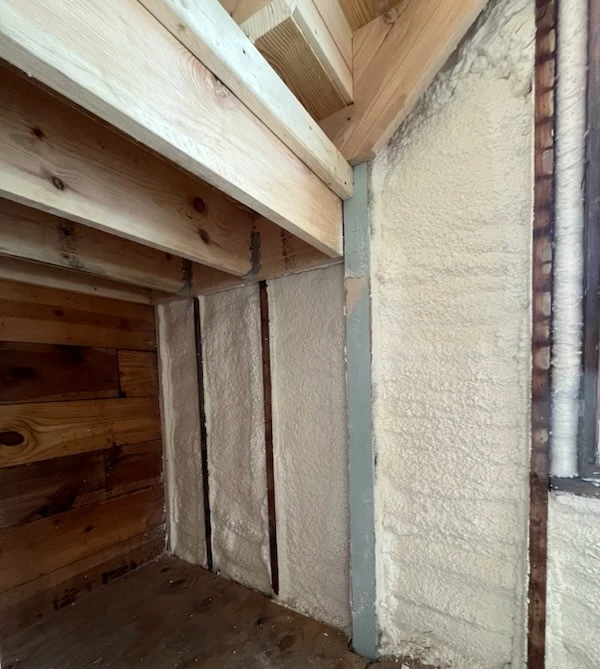
Our team regularly installs spray foam insulation in pole barns serving various purposes, each with specific requirements that spray foam addresses effectively.
Equipment and Vehicle Storage
Pole barns storing cars, trucks, tractors, and heavy equipment benefit from spray foam’s temperature stability and moisture protection. Consistent temperatures prevent condensation that damages vehicles, while the clean, non-particulate surface does not attract pests or accumulate debris.
Livestock Housing
For barns housing horses, cattle, or other livestock, spray foam provides temperature control that reduces stress on animals and improves comfort. The seamless, non-porous surface also makes cleaning easier and reduces harboring of bacteria and odors, as noted by Farm Show Magazine in their coverage of modern agricultural building practices.
Workshop and Commercial Space
Pole barns converted to workshops, retail space, or office areas require comfortable year-round temperatures. Spray foam creates the sealed, insulated environment that makes climate control efficient and cost-effective.
Agricultural Storage
Grain storage, hay storage, and other agricultural applications benefit from spray foam’s moisture resistance, which protects stored products from humidity damage while maintaining stable temperatures that preserve quality.
While some insulation projects lend themselves to DIY approaches, spray foam installation in pole barns definitely requires professional expertise. Our certified technicians understand the specific requirements for proper application in metal buildings.
Professional installation ensures correct foam thickness for optimal R-value, proper adhesion to various surface types, and appropriate ventilation planning to prevent moisture accumulation. Our team also brings equipment that applies foam evenly and completely, avoiding the gaps and voids that compromise performance.
The Department of Energy recommends professional installation for spray foam to ensure proper application and safety. Their guidelines emphasize that incorrect installation can not only reduce insulation performance but potentially create moisture problems where none existed previously.
Whether you are building a new pole barn or considering upgrades to an existing structure, these steps help you make informed decisions about insulation.
The ENERGY STAR program provides energy calculation tools that help estimate potential savings from insulation improvements. Their data indicates that proper air sealing and insulation typically deliver the fastest payback of any energy efficiency improvement.
Ready to protect your pole barn with superior insulation?
Our team at South Chicago Insulation specializes in spray foam solutions for agricultural, commercial, and industrial pole barn applications. We understand the unique challenges these buildings present and have the expertise to deliver insulation systems that maximize performance and minimize operating costs.
Call now: (779) 803-8025 Email: [email protected]
Contact us today for a free evaluation of your pole barn insulation needs. Our experienced professionals will assess your building, explain your options, and provide a detailed proposal with transparent pricing. Don’t let another year pass with inadequate insulation driving up your costs and compromising your stored equipment and property.
Q: How much does spray foam insulation cost for a typical pole barn?
A: Costs vary based on size and specification, but most pole barn spray foam projects range from $1.50 to $3.50 per square foot for closed-cell foam. Our team provides free estimates tailored to your specific project.
Q: Can spray foam be applied to an existing pole barn with old insulation?
A: Yes, in most cases, spray foam can be applied over existing insulation after addressing any moisture or damage issues. Our professionals will assess your specific situation and recommend the best approach.
Q: Is spray foam safe for pole barns storing food or livestock?
A: Yes, once cured, spray foam is inert and safe for food storage and livestock housing. We use products specifically formulated for agricultural applications when needed.
Q: How long does pole barn spray foam installation take?
A: Most residential and small commercial pole barn projects are completed within 1-3 days, depending on size and complexity. Our team provides detailed timelines with every proposal.
Q: Will spray foam attract pests or rodents?
A: Unlike fiberglass or cellulose, spray foam does not provide food value for pests and creates a hard, seamless surface that rodents cannot easily penetrate or nest within.