How Proper Insulation Protects Your Palatine Homes From Seasonal Swings
admin_southchica
November 27th, 2025
Proper insulation is the single most effective way to manage the intense thermal demands placed on homes in Palatine, Illinois, throughout the year. The region experiences extreme swings, from deep winter freezes to humid summer heatwaves. Addressing the home’s thermal enclosure with high-performance insulation creates a necessary buffer, maintaining stable interior temperatures, stopping air leakage, and protecting the structure from temperature-related stresses.
Effective defense against seasonal change relies on two critical components: maximizing the material’s ability to resist heat flow (R-value) and creating a complete air seal. When these two elements work together, property owners see immediate improvements in comfort and significant reductions in monthly heating and cooling costs. This comprehensive guidance details how specific insulation strategies address the practical challenges of a harsh Midwestern climate, helping homeowners achieve true energy efficiency.
Understanding Local Climate Stressors
Palatine sits within Climate Zone 5, which dictates building codes focused heavily on energy loss prevention, particularly during winter. The primary challenge is not just the temperature extremes but the speed at which these changes occur. Rapid shifts in temperature cause building materials like wood framing, sheathing, and drywall to expand and contract dramatically. This movement creates and enlarges gaps and cracks, compromising the home’s airtightness over time. These air leaks become superhighways for energy loss. The Energy Information Administration (EIA) points out that residential heating demands account for a significant portion of energy consumption nationally, making proper insulation investment particularly critical in cold climates like Northern Illinois.
Managing the cooling cycle is equally important. During the humid Palatine summers, inadequate insulation allows heat to radiate down from the attic into the living spaces. Moreover, warm, moisture-laden exterior air attempting to enter the cooler house can lead to condensation problems inside wall cavities and attics, risking mold growth and material deterioration. A high-quality insulation system defends against both the cold and the heat equally well by slowing the transfer of thermal energy.
The Dual Role of R-Value and Air Sealing
Many property owners focus exclusively on R-value, believing that more material equals better performance. R-value measures resistance to conductive heat flow. While high R-value materials are essential, they do little good if massive air leaks exist. In the Midwest, heat loss by convection (air movement) often outweighs heat loss by conduction (through the solid material).
Air sealing is the process of stopping uncontrolled airflow into and out of the home. Holes, gaps, and cracks around pipes, vents, electrical conduits, and framing connections must be sealed using materials like caulk, foam sealant, or specialized tape. Once air movement is controlled, insulation materials can effectively do their job of resisting conductive heat transfer.
Bonus Tip: The Chimney Effect
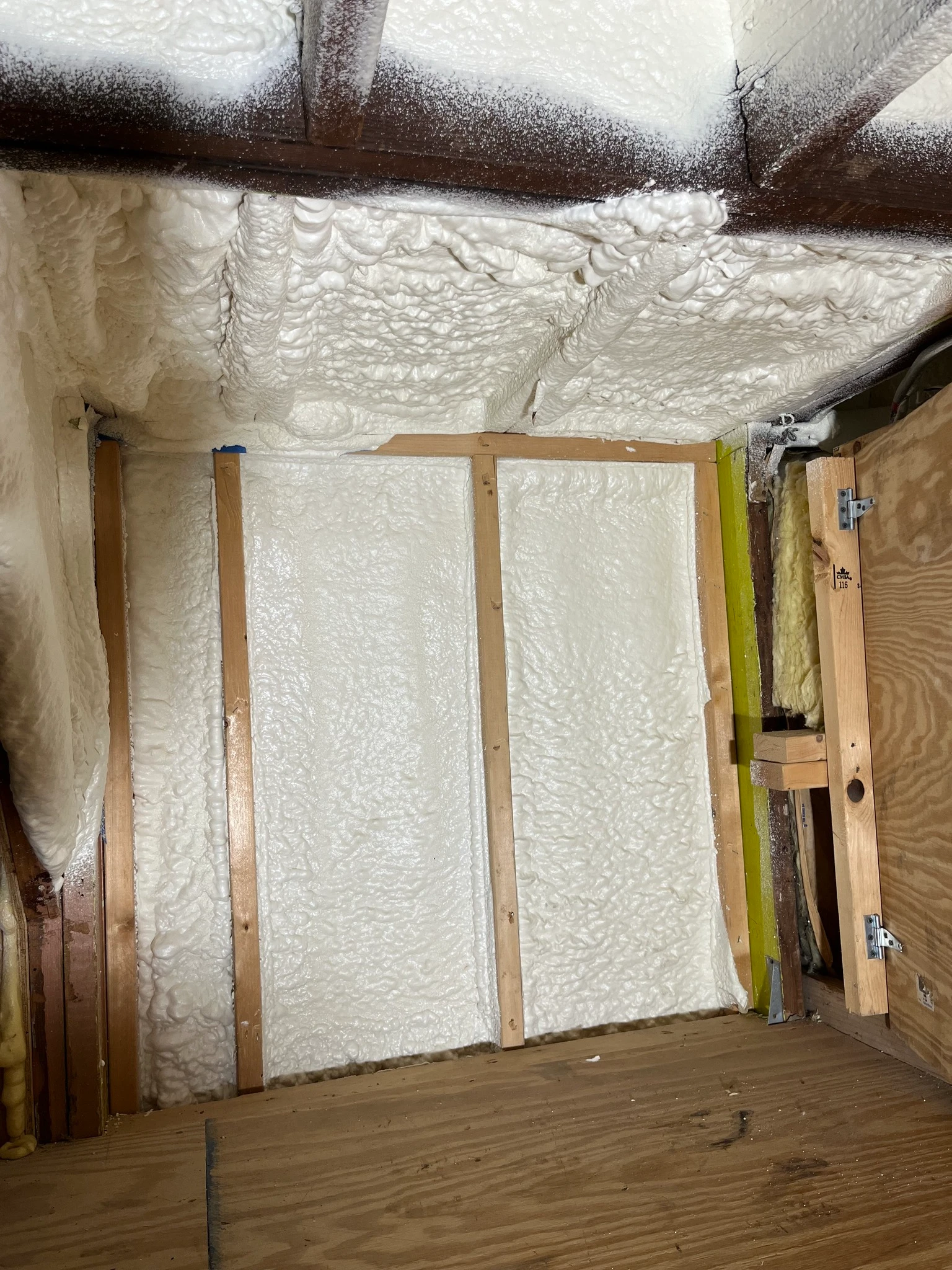
In older Palatine homes, the stack effect, or chimney effect, is a major problem. Warm air rises and escapes through the attic, drawing cold air in through the basement or crawl space. Sealing the attic floor and the rim joists (where the foundation meets the wood framing) breaks this cycle, offering immediate energy savings and reducing cold drafts near the floorboards.
Choosing the Right Barrier for Specific Areas
Different areas of a home require different insulation approaches based on moisture exposure, required thickness, and structural layout. For instance, an open, vented attic requires a different solution than an enclosed, densely packed wall cavity.
Comparing High-Performance Materials for Palatine Climate
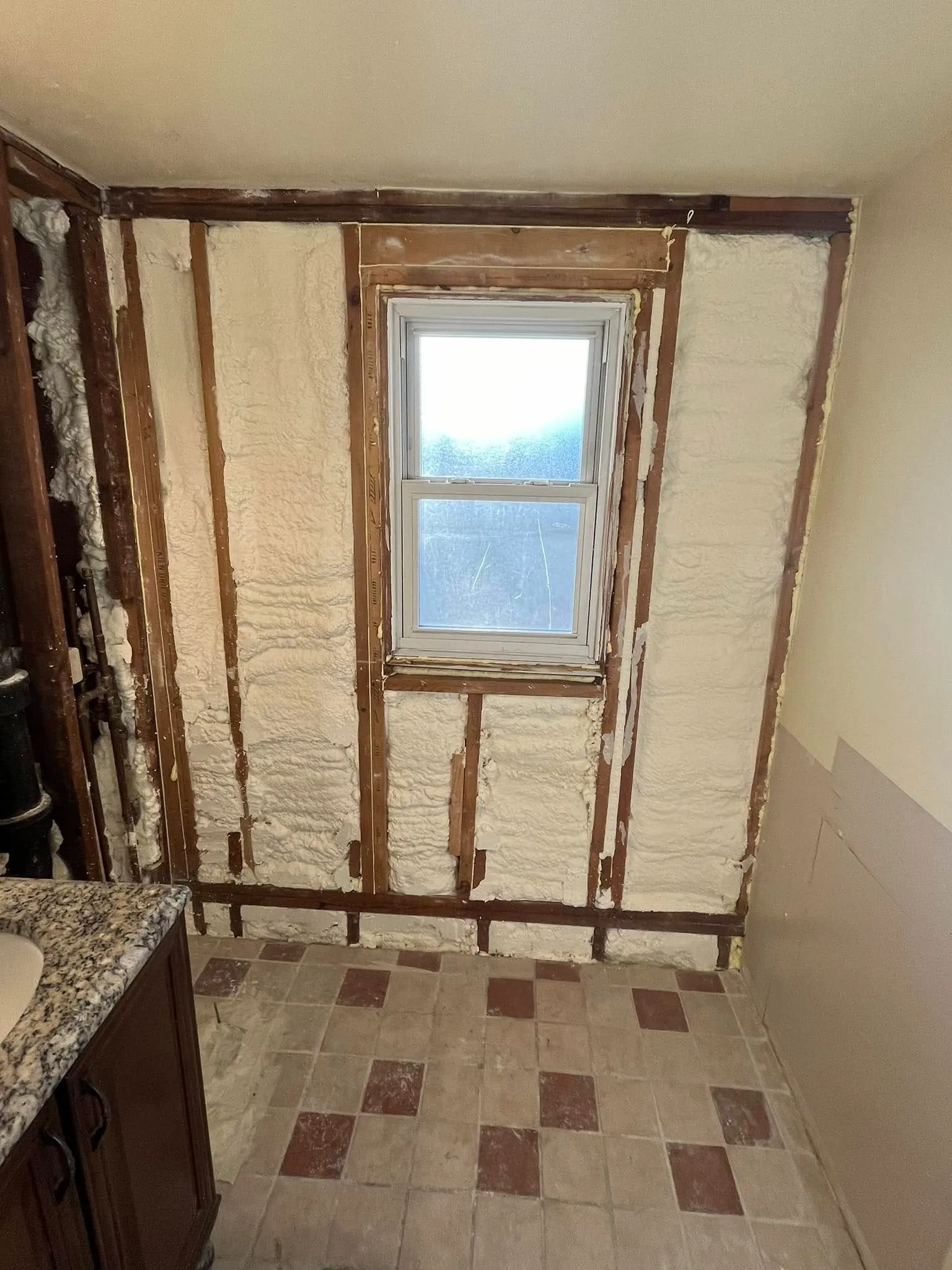
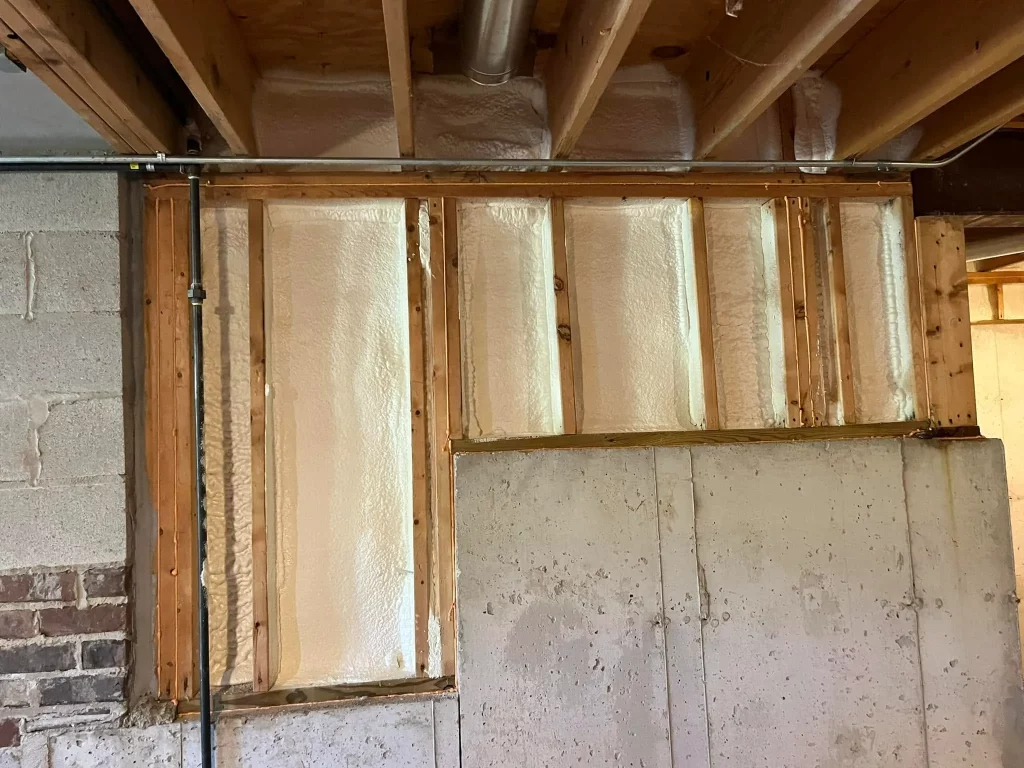
South Chicago Insulation finds that the following materials are the most effective at balancing cost, performance, and application flexibility for local conditions:
Material
Typical R-Value per Inch
Primary Benefit
Best Application
Closed-Cell Spray Foam
R-6.5 to R-7.0
Superior air and vapor barrier
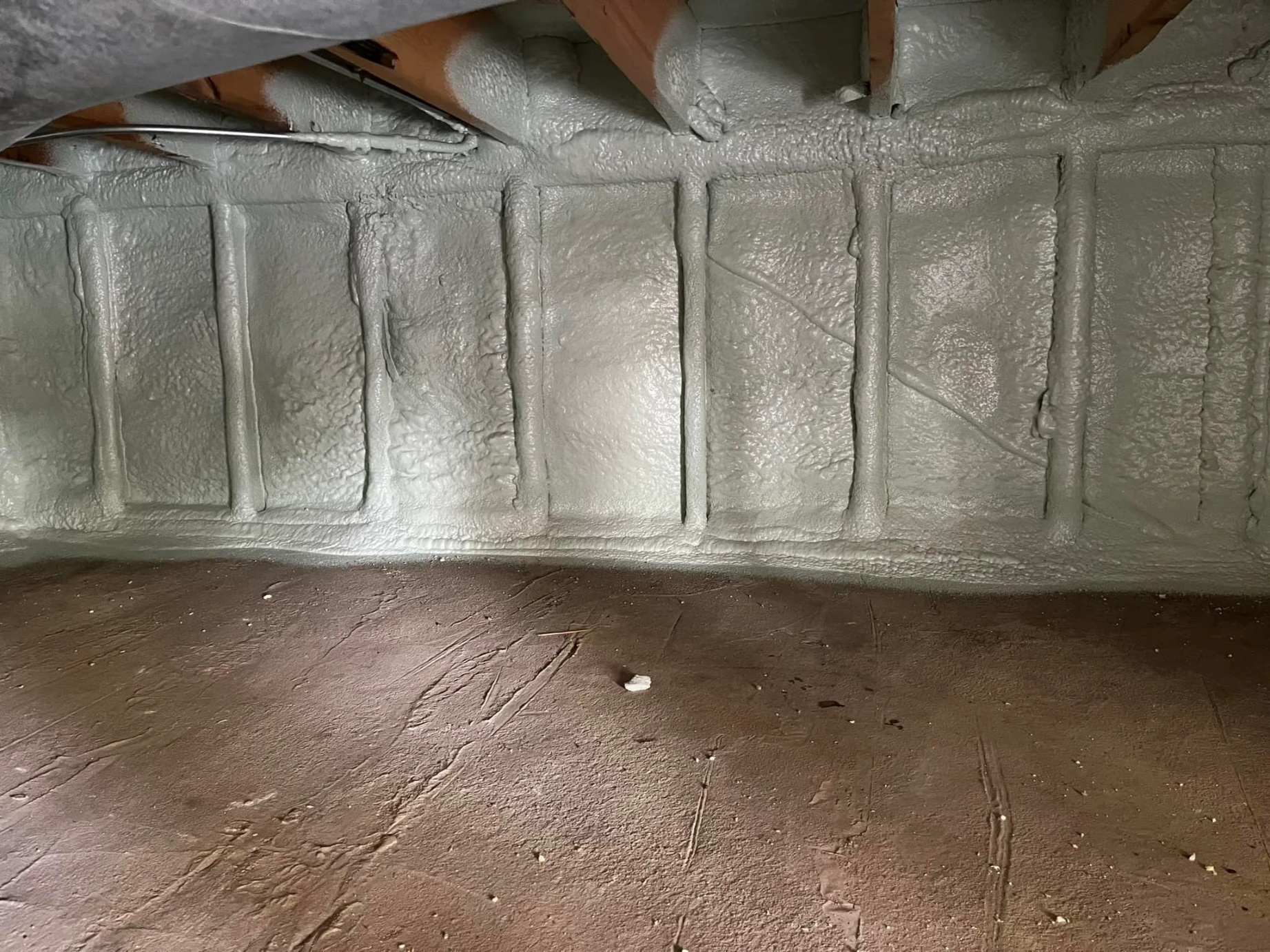
Rim joists, crawlspaces, and basement walls
Open-Cell Spray Foam
R-3.5 to R-3.7
Excellent air barrier, sound-dampening
Interior walls, limited attic applications
Blown-In Fiberglass
R-2.5 to R-3.0
Cost-effective coverage for large areas
Attics (installed over existing material)
Cellulose (Dense Pack)
R-3.2 to R-3.7
Fire retardant, excellent wall cavity fill
Existing walls (drilled and dense-packed)
Protecting Against Moisture Damage and Ice Dams
While R-value and air sealing focus on thermal performance, insulation systems also provide vital structural defense against moisture damage and ice dams. A common problem caused by poor attic insulation is ice damming. Ice dams form when warm air leaks into the attic, heats the underside of the roof deck, and melts the snow. This water then runs down to the cold eaves (which extend past the warm house envelope) and refreezes, creating a dam that pushes water back up under the shingles.
Properly insulating and sealing the attic floor ensures that the entire attic space remains cold, matching the outside temperature. This prevents the heat transfer necessary to melt the snow, eliminating the root cause of ice dam formation. For existing homes, dense-pack materials are often used to ensure cavities are completely filled, preventing pockets of cold air that lead to condensation.
Bonus Tip: Humidity Management
Excessive indoor humidity (above 50%) is magnified in cold weather. When warm, humid air contacts poorly insulated surfaces, condensation results. Effective insulation, especially products with integral vapor retarders like closed-cell foam, helps keep the surface temperature of walls and ceilings warmer, reducing the dew point and protecting against hidden moisture issues.
Factors to Review Before Committing to a Project
Before undertaking any major insulation work, several preparation steps must be completed to ensure the long-term success and effectiveness of the investment. Skipping these steps often leads to failure or inadequate performance.
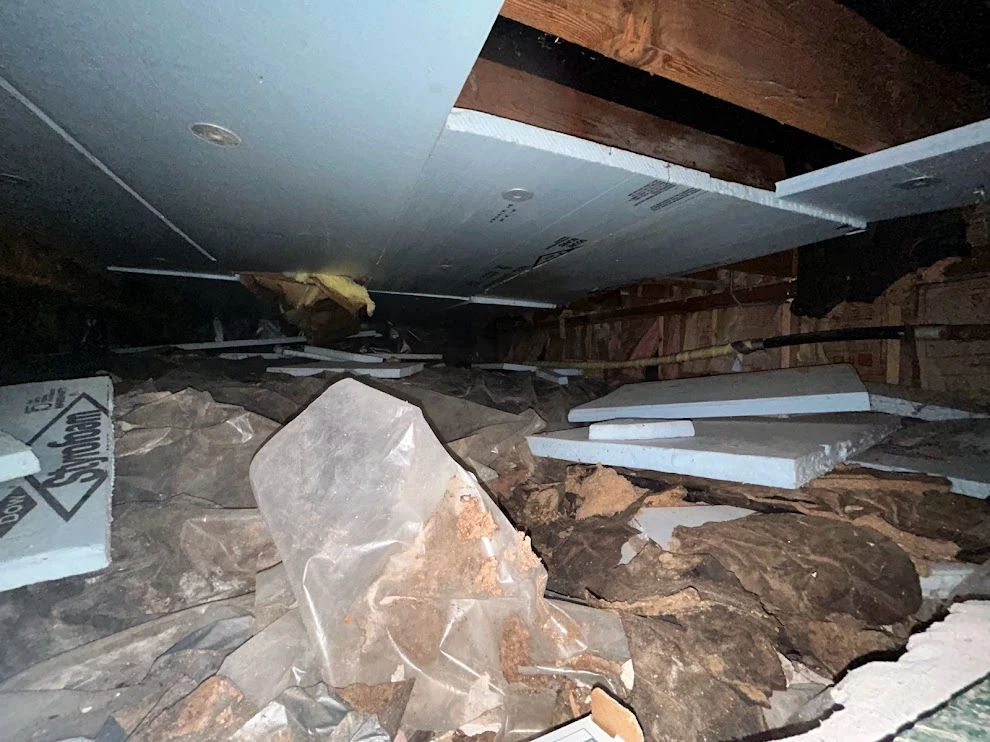
First, assess the current insulation levels. Determine the R-value of existing material and check for deterioration or damage from moisture or pests. Second, conduct an inspection to identify the largest air leakage points; often, simple sealing around electrical conduits, plumbing stacks, and chimney chases yields the greatest immediate improvement. The Environmental Protection Agency (EPA) estimates that air sealing alone, combined with proper insulation, can save homeowners a substantial amount on heating and cooling costs.
Third, review local code requirements. Palatine homes must meet certain minimum R-value standards for new installations or additions. While code minimums offer a baseline, often installing R-values higher than the minimum provides the best long-term return on investment, particularly for Zone 5 attics, which typically require R-49 to R-60. Finally, ensure the scope of work includes proper attic ventilation, as insulation and ventilation must work in harmony to prevent moisture buildup and heat damage to the roofing materials during summer.
Finalizing Your Home’s Thermal Envelope
Managing the extremes of Palatine weather requires treating your home as a complete thermal envelope, not just a collection of separate building materials. The successful implementation of proper insulation in Palatine reduces thermal stress on the structure, minimizes energy demand, and stabilizes interior air quality and comfort. Evaluate specific needs for each area of the property, prioritizing air sealing first, then applying the appropriate R-value material to achieve optimal year-round performance.
Connect with Thermal Experts
Understanding the complexities of air sealing, vapor barriers, and material selection for a Climate Zone 5 home requires specialized experience. Property owners in Palatine and the surrounding Northern Illinois area seeking professional guidance on maximizing their home’s energy efficiency should reach out to experienced thermal experts. Guidance on specific residential structures and local requirements is available by contacting South Chicago Insulation. Discuss project needs and material options by emailing [email protected] or calling (779) 803-8025 to start the evaluation process.
Frequently Asked Questions
Why is the attic always the priority area?
Heat rises, meaning the attic is where the greatest heat loss occurs during winter, and where the most heat gain occurs during summer. Approximately 25% of all thermal energy loss happens through an uninsulated roof deck or ceiling, making the attic the single most impactful location for improvement.
Does adding insulation increase home value?
Yes. Insulation is categorized as a major system upgrade, similar to replacing a furnace or windows. Homes that are energy efficient sell faster and often command a higher price because buyers recognize the immediate and long-term savings on utility bills. It is a demonstrable return on investment, backed by data collected by the Department of Energy on home energy performance.
What are the most overlooked areas for insulation?
The rim joists in the basement or crawl space are frequently overlooked, yet they are a major source of air leakage and thermal bridging (heat escaping directly through wood framing). Insulating and air-sealing these joists helps eliminate cold drafts near the floor and reduces condensation problems. For a detailed explanation of why the rim joists are critical, review the Bonus Tip: The Chimney Effect mentioned earlier in this guide..
How long does high-quality insulation material last?
Materials like dense-pack cellulose, blown-in fiberglass, and spray foam typically maintain their effectiveness for the lifetime of the structure, often 50 to 100 years, provided they remain dry and undisturbed. Unlike batt insulation, which can settle or sag, high-density materials retain their R-value over decades.
Sources
Energy Information Administration (EIA) – Data and reports detailing residential energy consumption patterns, focusing on heating and cooling demands in various U.S. regions.
Environmental Protection Agency (EPA) – Information on the economic and environmental benefits of air sealing and insulation, including estimated homeowner savings.
Department of Energy – Resources on recommended R-values for different climate zones and the impact of energy efficiency upgrades on home valuation.
Open-cell spray foam insulation in Burr Ridge, IL, presents significant problems primarily related to moisture management, structural suitability, and long-term…
Poor insulation in cold rooms directly causes significant operational problems, including temperature instability, excessive energy consumption, equipment strain, and product…