How upgrading insulation helps maintain a consistent temperature
admin_southchica
January 20th, 2026
Upgrading insulation directly improves temperature consistency in buildings by reducing heat transfer between the interior and exterior environments. Better insulation slows down heat flow in winter (keeping warm air inside) and heat gain in summer (keeping hot air outside), creating more stable indoor temperatures with fewer fluctuations throughout the day and across seasons. This fundamental barrier function means your heating and cooling systems work less frequently and for shorter periods, leading to more consistent comfort levels without the constant temperature swings typical of poorly insulated buildings.
The following information is based on extensive hands-on experience with insulation projects across various building types and climate conditions, combined with current building science research. Understanding insulation creates thermal stability helps homeowners make informed decisions about energy efficiency investments.
The Science Behind Temperature Consistency
Temperature consistency hinges on three physical principles: conduction, convection, and radiation. Insulation primarily works by minimizing conduction, the direct transfer of heat through materials. When you upgrade insulation, you’re essentially adding more tiny air pockets within the material’s structure, and air is an excellent thermal insulator. These pockets slow down heat movement so effectively that temperature changes occur gradually rather than rapidly.
The thermal resistance of insulation materials is measured in R-values. Higher R-values mean better resistance to heat flow. What matters most isn’t just the R-value itself, but consistent coverage without gaps. Even small gaps in insulation can create thermal bridges where heat bypasses your insulation entirely, creating hot and cold spots that undermine overall temperature stability.
According to research from the U.S. Department of Energy, proper insulation can reduce heating and cooling needs by 20% or more in many homes. This reduction directly correlates with improved temperature consistency because your HVAC system cycles less frequently when heat gain and loss rates are minimized.
Types of Insulation Materials
Different insulation materials offer varying levels of thermal resistance and installation challenges. The choice depends on your specific situation, climate zone, and building construction.
Table: Common Insulation Materials Compared
Material
R-Value per inch
Best Applications
Installation Difficulty
Fiberglass batts
3.2-3.8
Walls, attics, crawl spaces
Easy DIY friendly
Spray foam (closed-cell)
6.0-6.5
Hard-to-reach areas, air sealing
Professional recommended
Cellulose (loose-fill)
3.2-3.8
Attics, existing wall cavities
Professional equipment needed
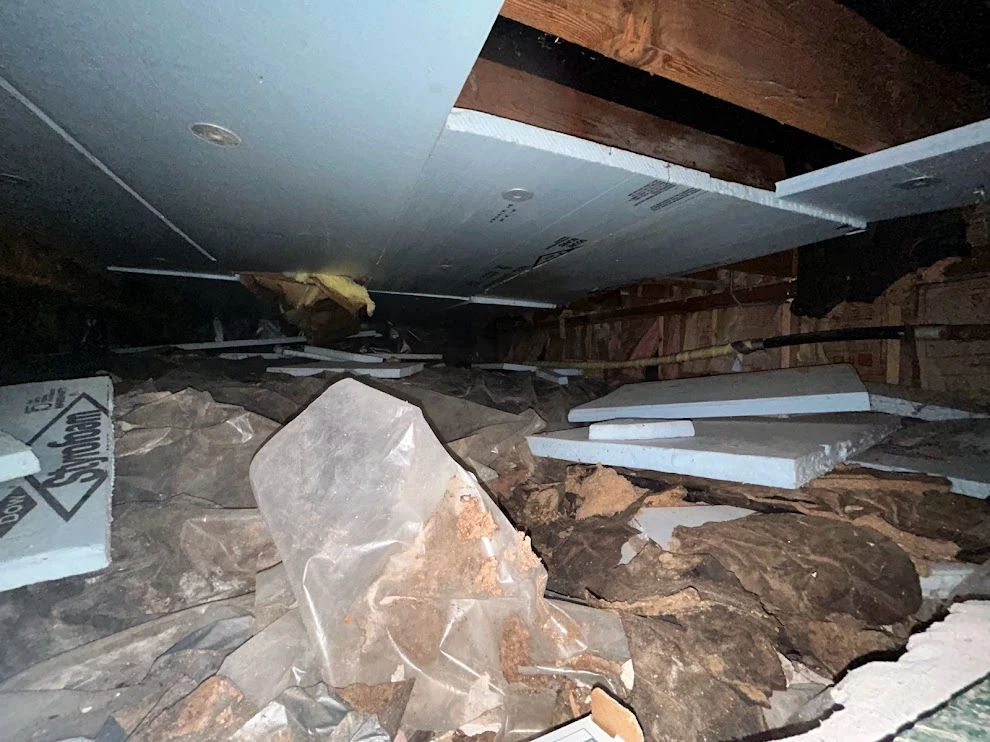
Rigid foam boards
4.0-6.5
Foundation walls, exterior sheathing
Moderate difficulty
Mineral wool
3.3-4.2
High-temperature areas, sound-dampening
Similar to fiberglass
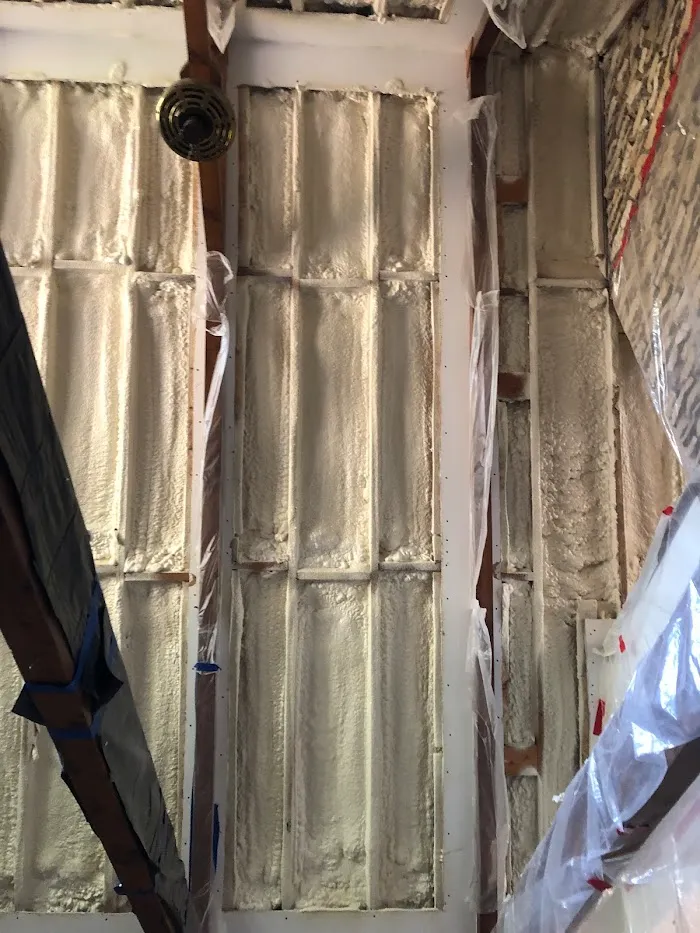
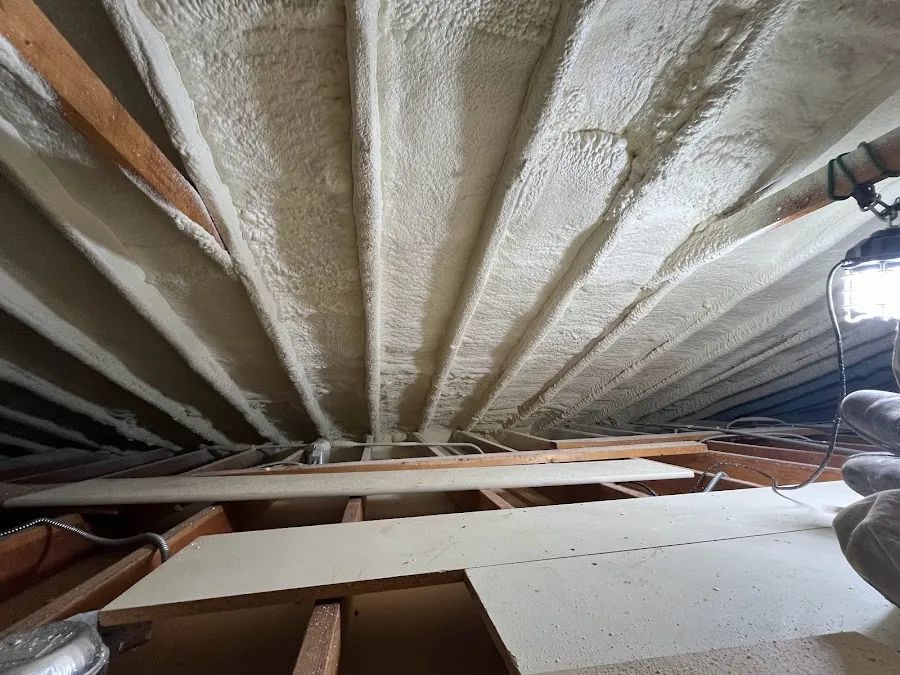
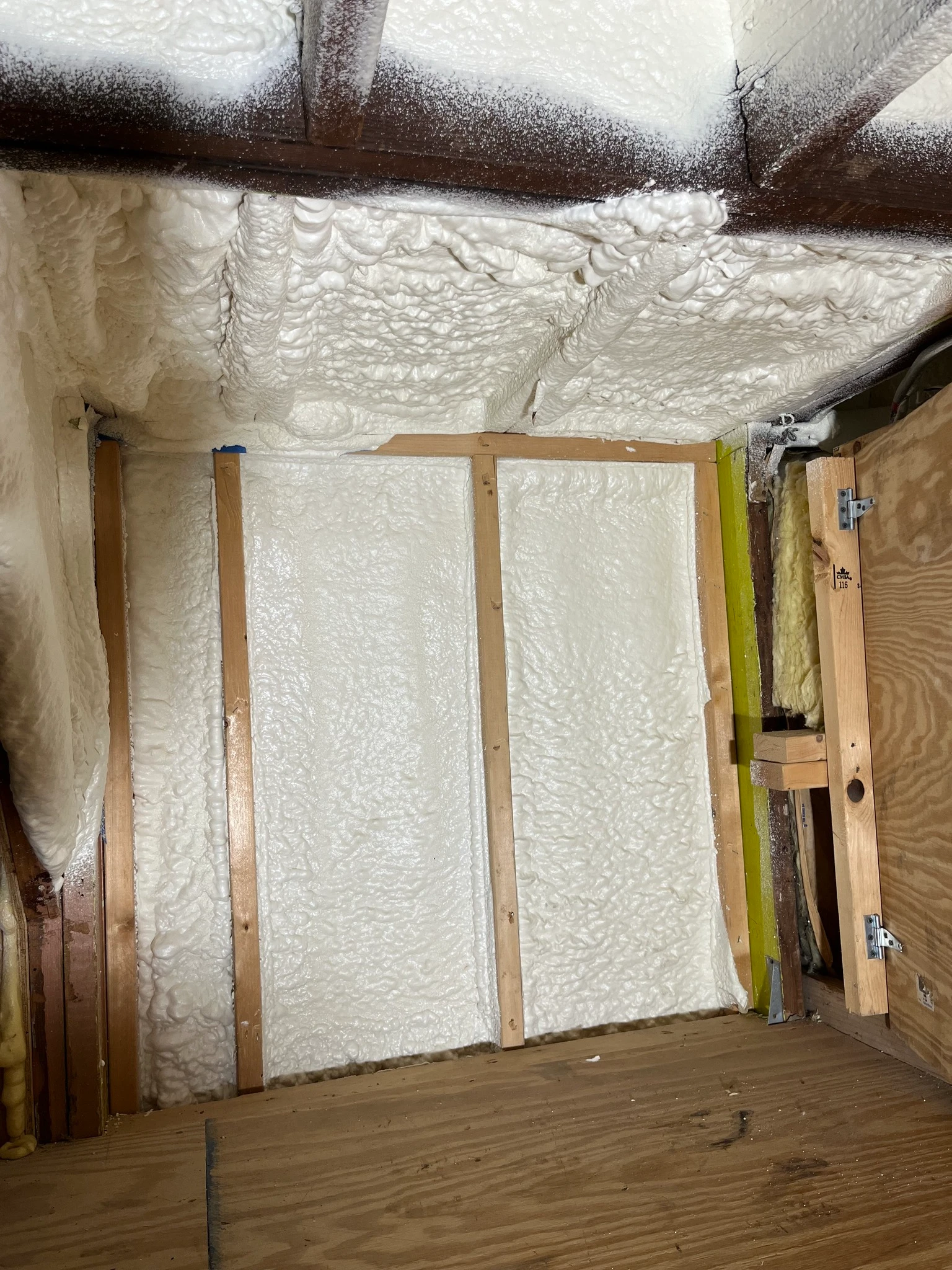
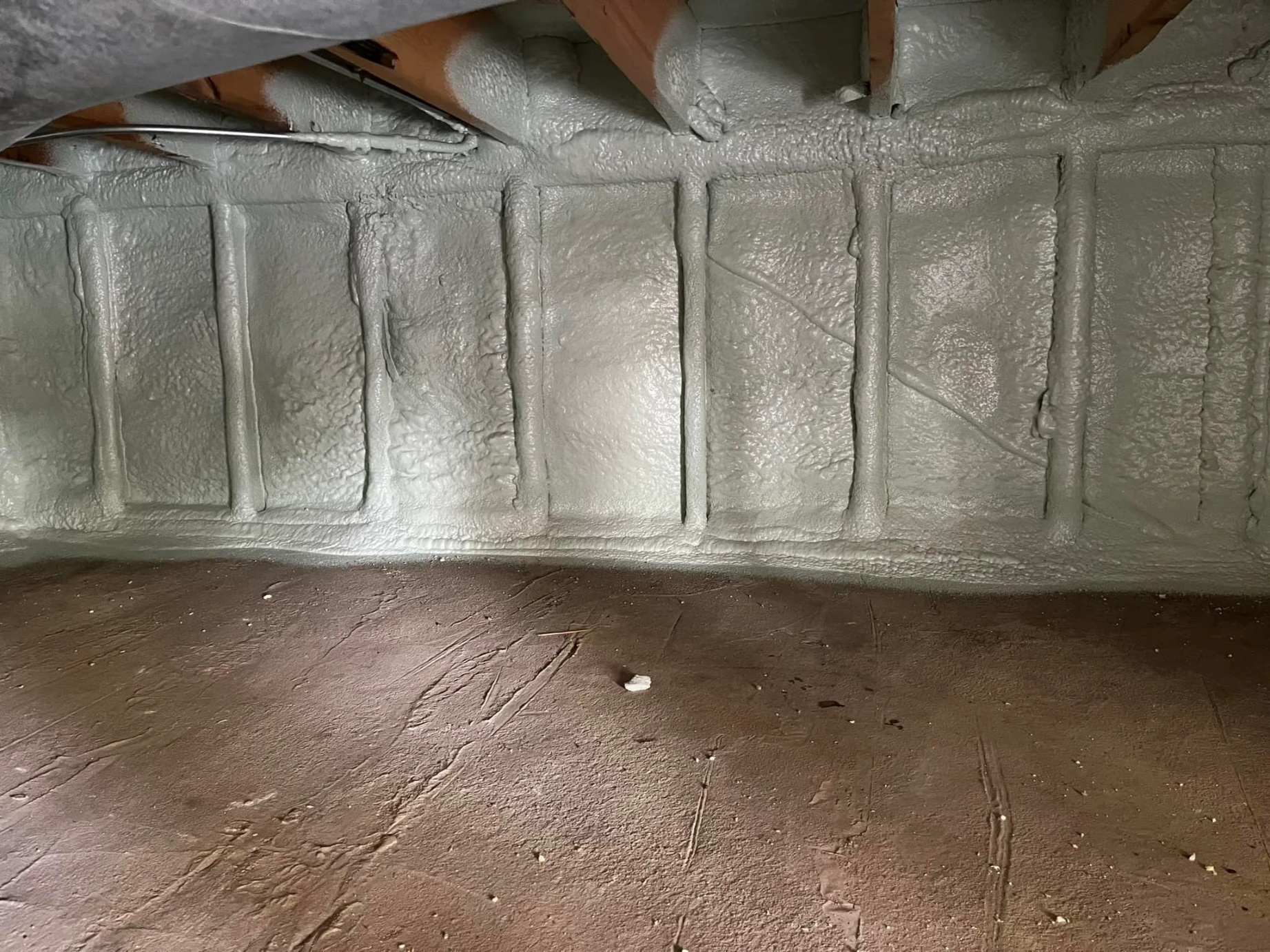
Each material has distinct advantages for temperature stability. Spray foam, for instance, not only insulates but also air-seals, eliminating gaps where air exchange can cause temperature fluctuations. Fiberglass remains popular because it’s cost-effective and performs consistently when properly installed without compression.
Regional Considerations for Temperature Stability
Chicago’s climate presents unique challenges for maintaining consistent indoor temperatures. With temperature swings ranging from below zero in winter to over 90°F in summer, insulation needs to perform year-round. The recommended R-values for the Chicago area exceed minimum code requirements for optimal temperature stability.
Walls should have R-13 to R-21; attics, R-49 to R-60; and crawl spaces, R-25 to R-30. These higher values create the thermal mass needed to buffer against extreme outdoor conditions. In Chicago’s older housing stock, many homes have insulation levels far below these recommendations, contributing to the notorious temperature swings between floors and between rooms.
The type of insulation matters too, given the humidity patterns. Closed-cell spray foam provides valuable moisture resistance during Chicago’s humid summers, while properly installed vapor barriers with other materials prevent condensation that can compromise insulation performance and temperature consistency.
Things to Consider Before Making a Decision
Before upgrading insulation, several factors should influence your approach:
Current insulation condition: An energy audit or thermal imaging can reveal existing insulation levels and problem areas. Sometimes, adding insulation to poorly insulated spaces provides more benefit than upgrading already adequate areas.
Air sealing priorities: Insulation works best when combined with proper air sealing. Drafts and air leaks undermine temperature consistency regardless of insulation levels.
Budget constraints: The cost-effectiveness varies by project type. Attic upgrades typically offer the best return on investment for temperature consistency per dollar spent.
Future plans: If renovating, consider wall insulation upgrades during the process rather than as a standalone project to reduce overall costs.
Bonus Tip: Many homeowners focus only on R-values when selecting insulation, but installation quality matters just as much for maintaining consistent temperatures. Even high-R-value insulation performs poorly if compressed, missing coverage areas, or installed with gaps.
Bonus Tip: Don’t overlook rim joists and band joists in basements. These areas are common thermal bridges that significantly impact temperature consistency throughout the home, especially during extreme weather.
Key Takeaways
Temperature consistency fundamentally depends on proper insulation installation with adequate R-values for your climate. Chicago homeowners particularly benefit from exceeding minimum code requirements, given the extreme seasonal variations. The most effective approach combines insulation upgrades with comprehensive air sealing to eliminate thermal bridges and drafts that undermine stability.
Evaluate your home’s current insulation levels, prioritize upgrades based on cost-effectiveness and impact, and consider professional installation for the best temperature consistency results. Even modest improvements can noticeably reduce temperature fluctuations while enhancing overall comfort.
Get Professional Guidance
For specific insulation questions or to schedule an assessment of your home’s insulation needs, South Chicago Insulation provides detailed evaluations and recommendations tailored to Chicago’s climate conditions. Contact the team at [email protected] or call (779) 803-8025 to discuss how insulation upgrades can improve your home’s temperature consistency. The initial consultation helps identify the most cost-effective approaches for your specific situation.
FAQS
How quickly will I notice improvements in temperature after upgrading insulation?
Most homeowners notice improved temperature consistency within days of installation. The most significant changes occur in rooms that previously had temperature extremes or frequent fluctuations.
Can upgrading insulation fix temperature differences between floors?
Yes, particularly when addressing basement rim joists, attic insulation, and wall cavities. These areas often cause stack effects that create temperature variations between levels.
Will upgrading insulation make my home too airtight?
Properly installed insulation shouldn’t create air quality issues when combined with appropriate ventilation. Mechanical ventilation may be needed for extensive air-sealing projects.
How long does insulation last before needing replacement?
Most insulation materials last 50+ years without significant performance degradation. However, damage from moisture, pests, or improper installation can reduce effectiveness over time.
Is spray foam worth the extra cost for temperature consistency?
For eliminating thermal bridges and air leaks simultaneously, spray foam often provides superior temperature consistency. The cost premium depends on your specific situation and priorities.
Sources
U.S. Department of Energy – Comprehensive guide to insulation types, R-values, and energy savings potential from the official government energy resource
Oak Ridge National Laboratory – Research data on insulation performance and thermal modeling from the Department of Energy’s scientific research facility
International Code Council – Current insulation requirements and climate zone specifications from the organization that develops building codes
Open-cell spray foam insulation in Burr Ridge, IL, presents significant problems primarily related to moisture management, structural suitability, and long-term…
Poor insulation in cold rooms directly causes significant operational problems, including temperature instability, excessive energy consumption, equipment strain, and product…