South Chicago Insulation, LLC offers 30 services for residential, commercial, and agricultural properties. Our Insulation Services in Mount Greenwood, IL include options for reducing heat transfer, managing air leakage, and addressing different building insulation requirements.
Residential Insulation
Residential insulation helps reduce heat transfer through walls, ceilings, and floors. Suitable materials depend on home construction, existing insulation conditions, and specific thermal performance requirements.
Commercial Insulation
Commercial insulation supports temperature management in offices, warehouses, and other business properties. Material selection depends on construction methods, building use, and required thermal performance levels.
Retrofit Insulation
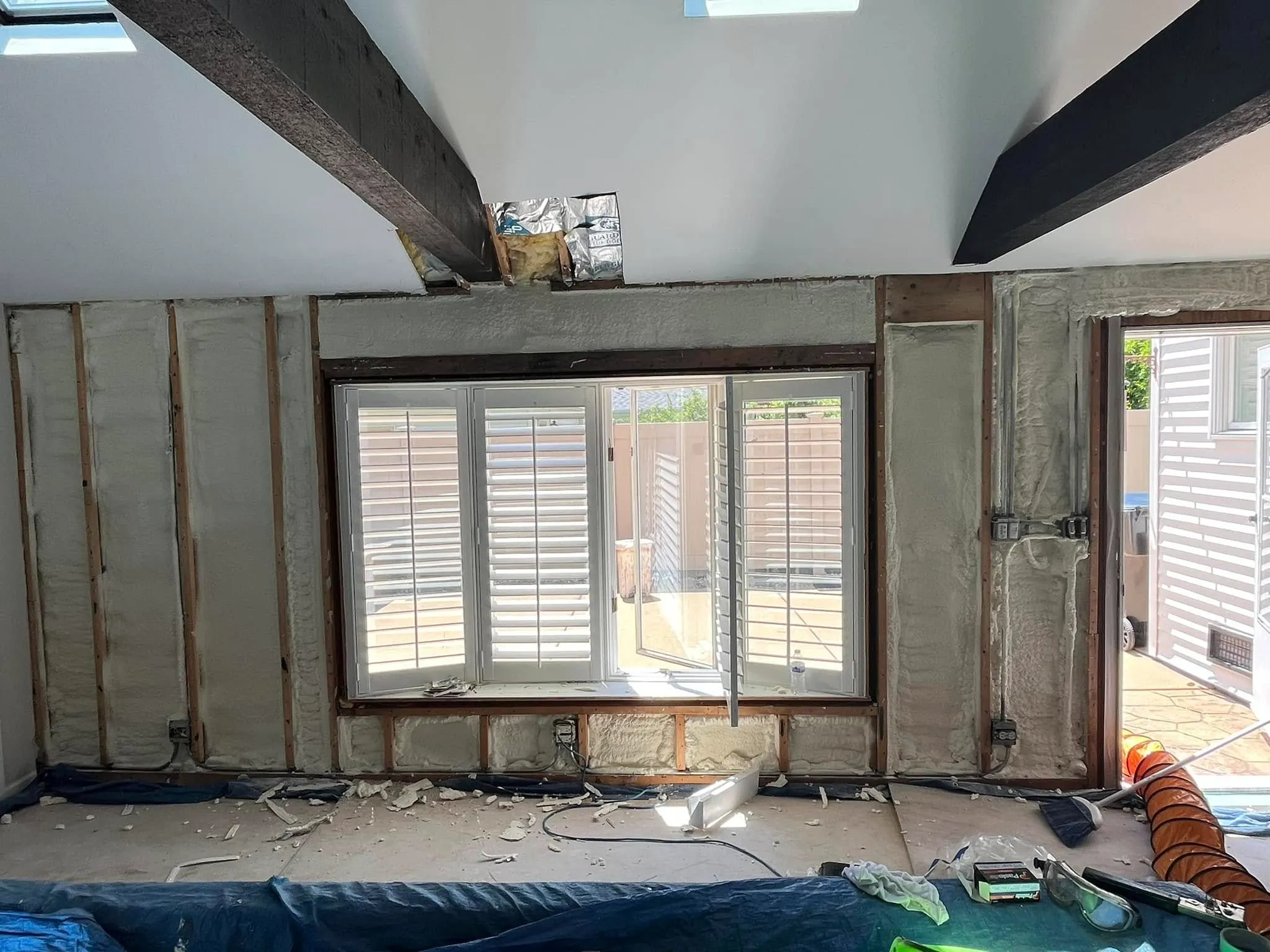
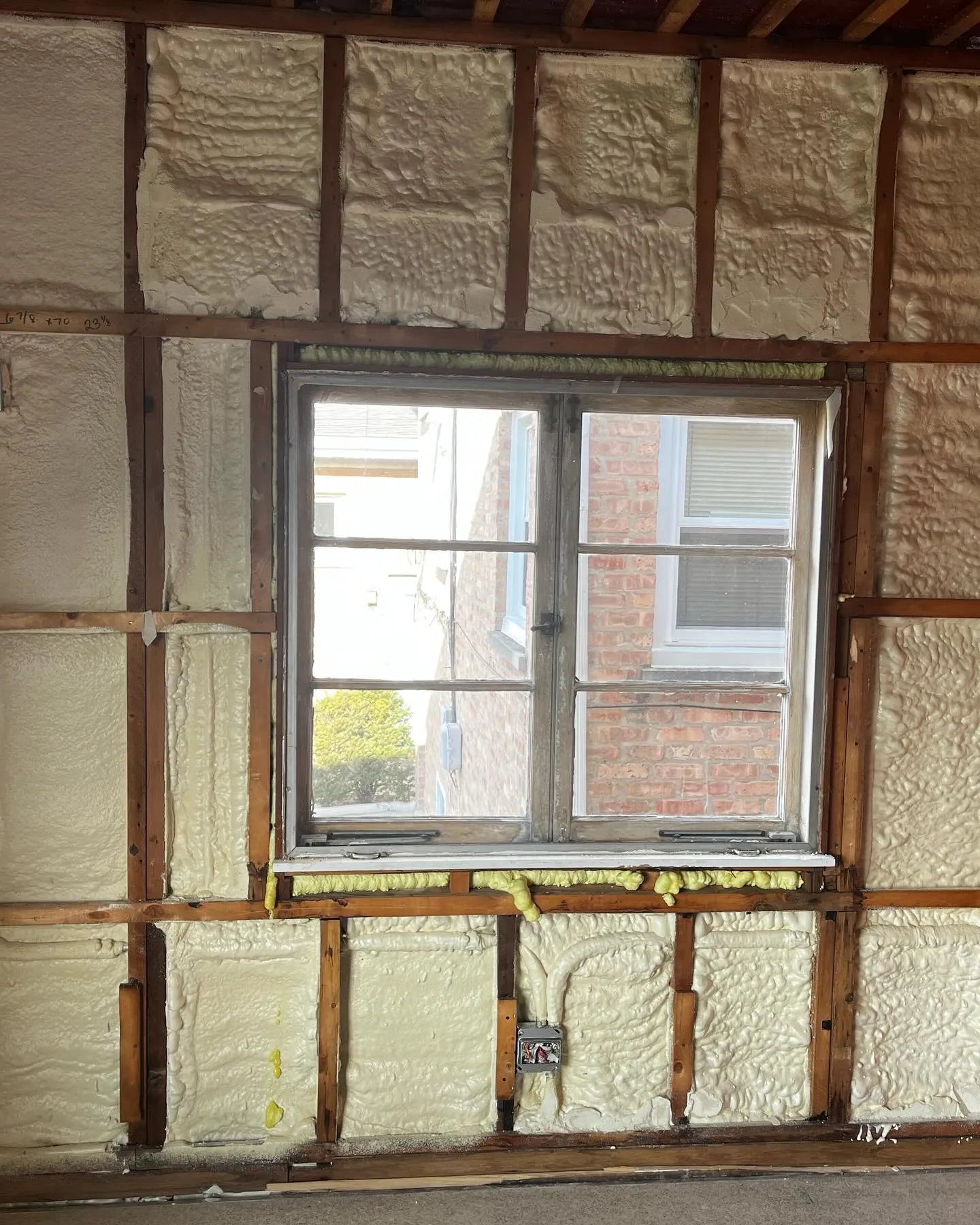
Retrofit insulation improves thermal coverage in existing buildings without major reconstruction. Suitable methods depend on cavity access, existing materials, wall construction, and the property's overall condition.
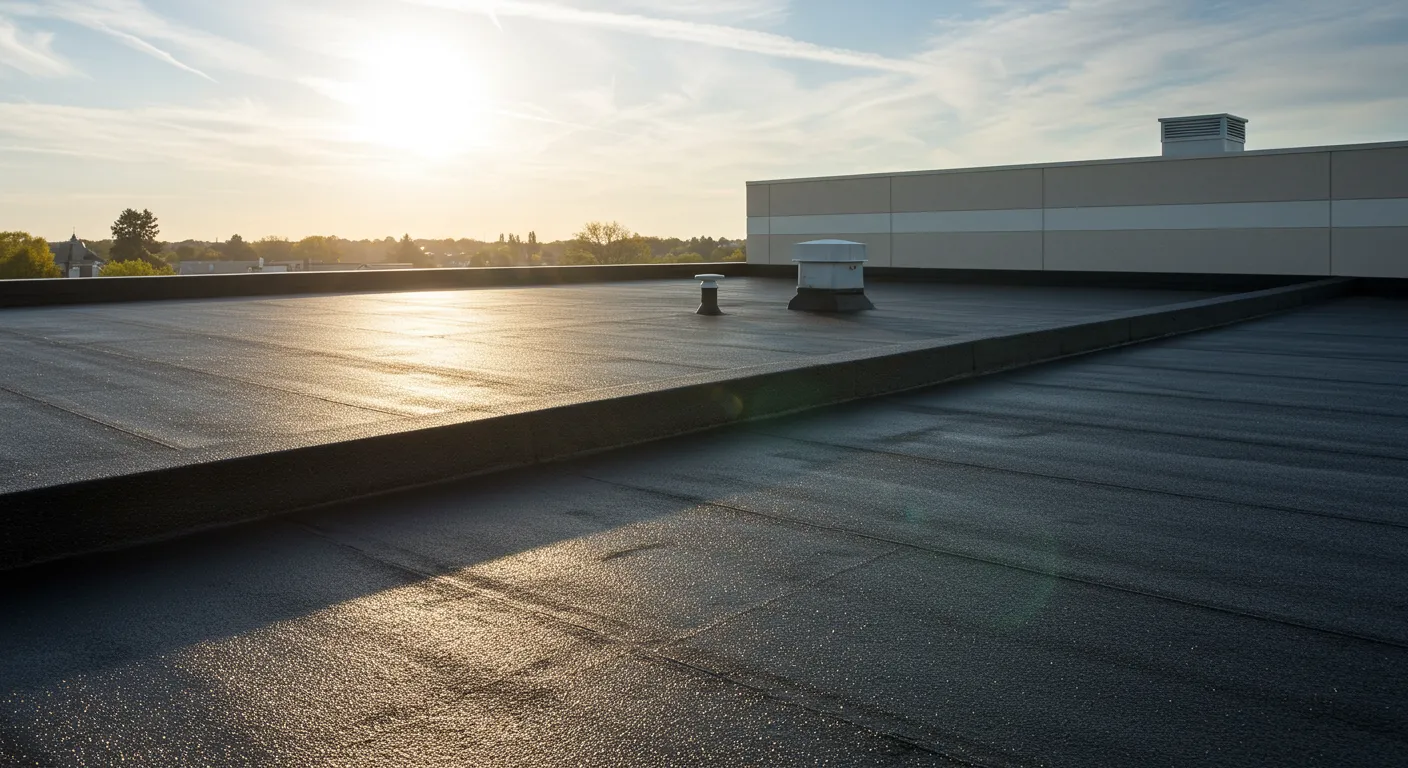
Spray Foam Roofing
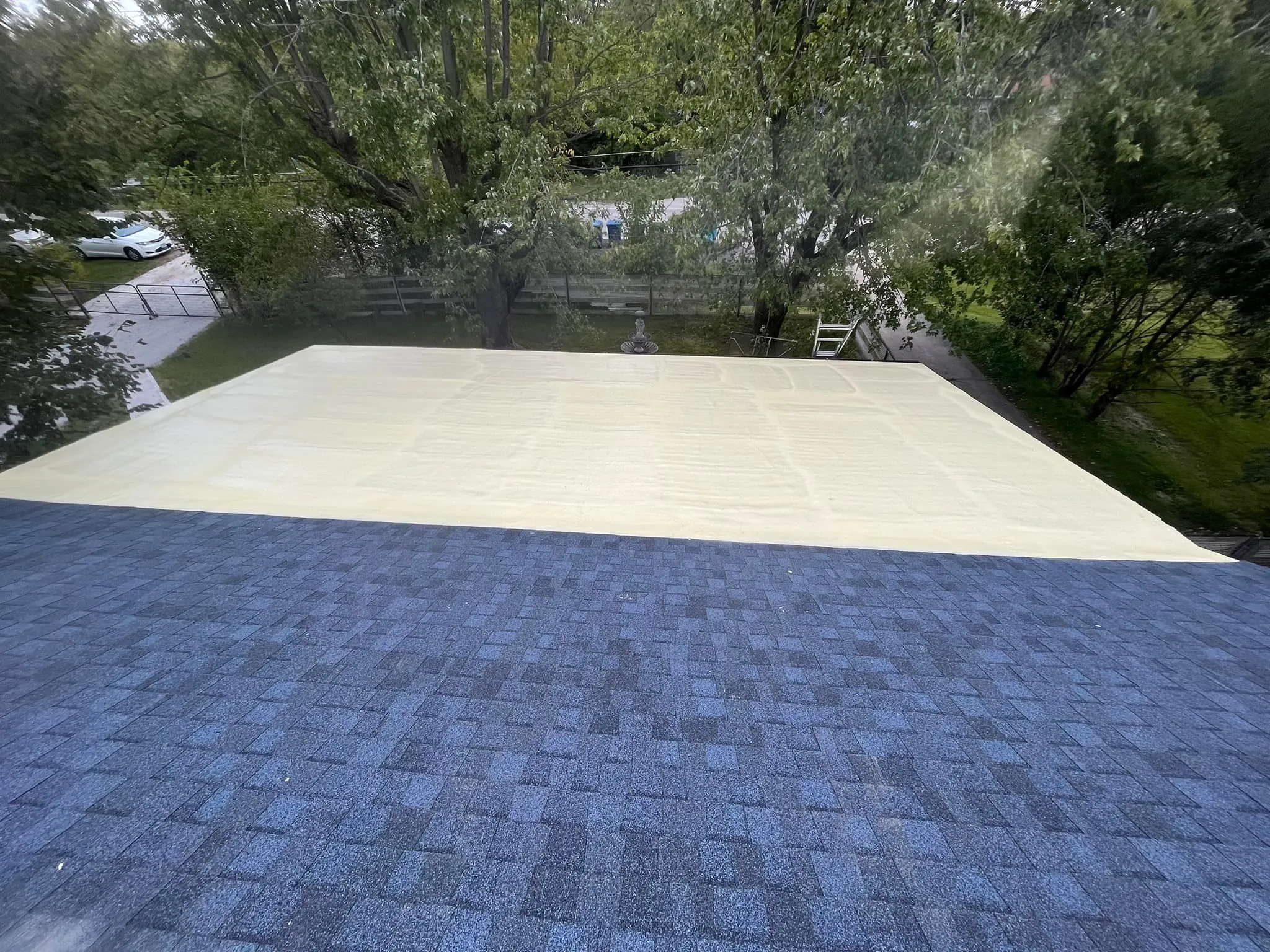
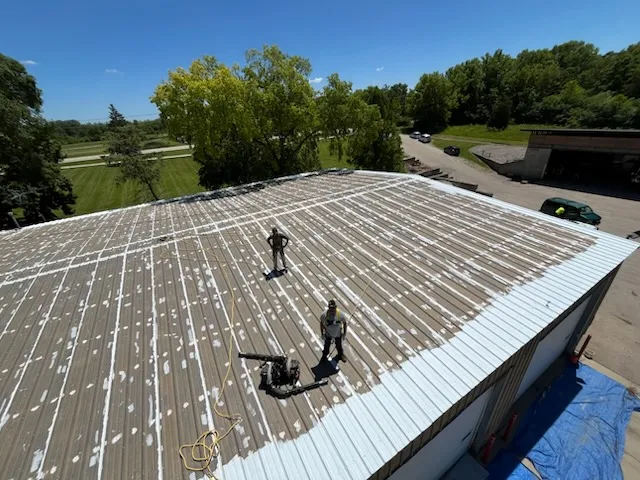
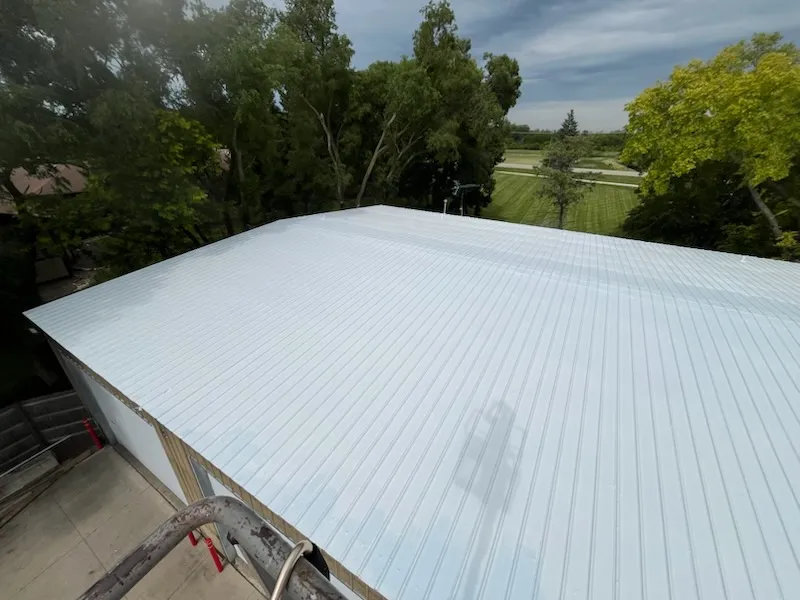
Spray foam roofing provides insulation within compatible roofing systems. Proper installation requires suitable surfaces, drainage, protective coatings, and compliance with applicable roofing system specifications and requirements.
Roof Coatings
Roof coatings provide protective surface layers for compatible roofing systems. Product selection depends on roof materials, existing conditions, weather exposure, and the required protective performance of coatings.
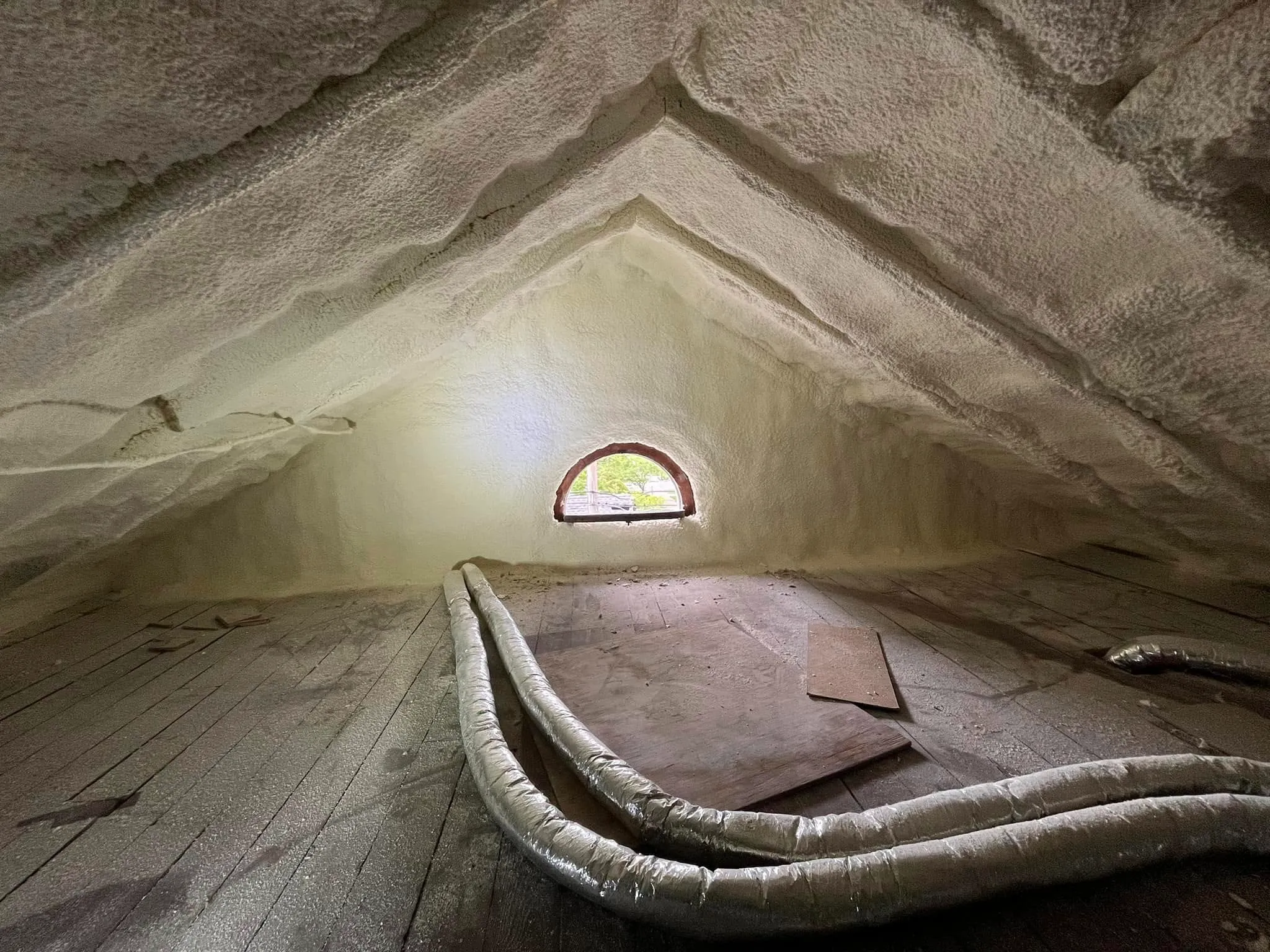
Attic Insulation
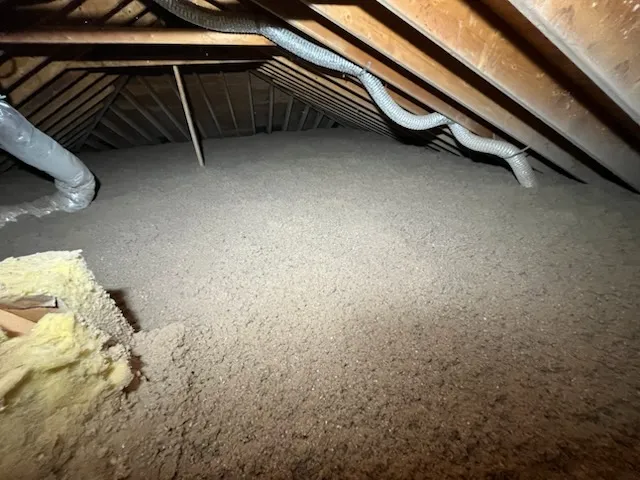
Attic insulation helps reduce winter heat loss and summer heat gain through ceiling assemblies. Suitable installation depends on existing insulation, ventilation, and the building's roof construction.
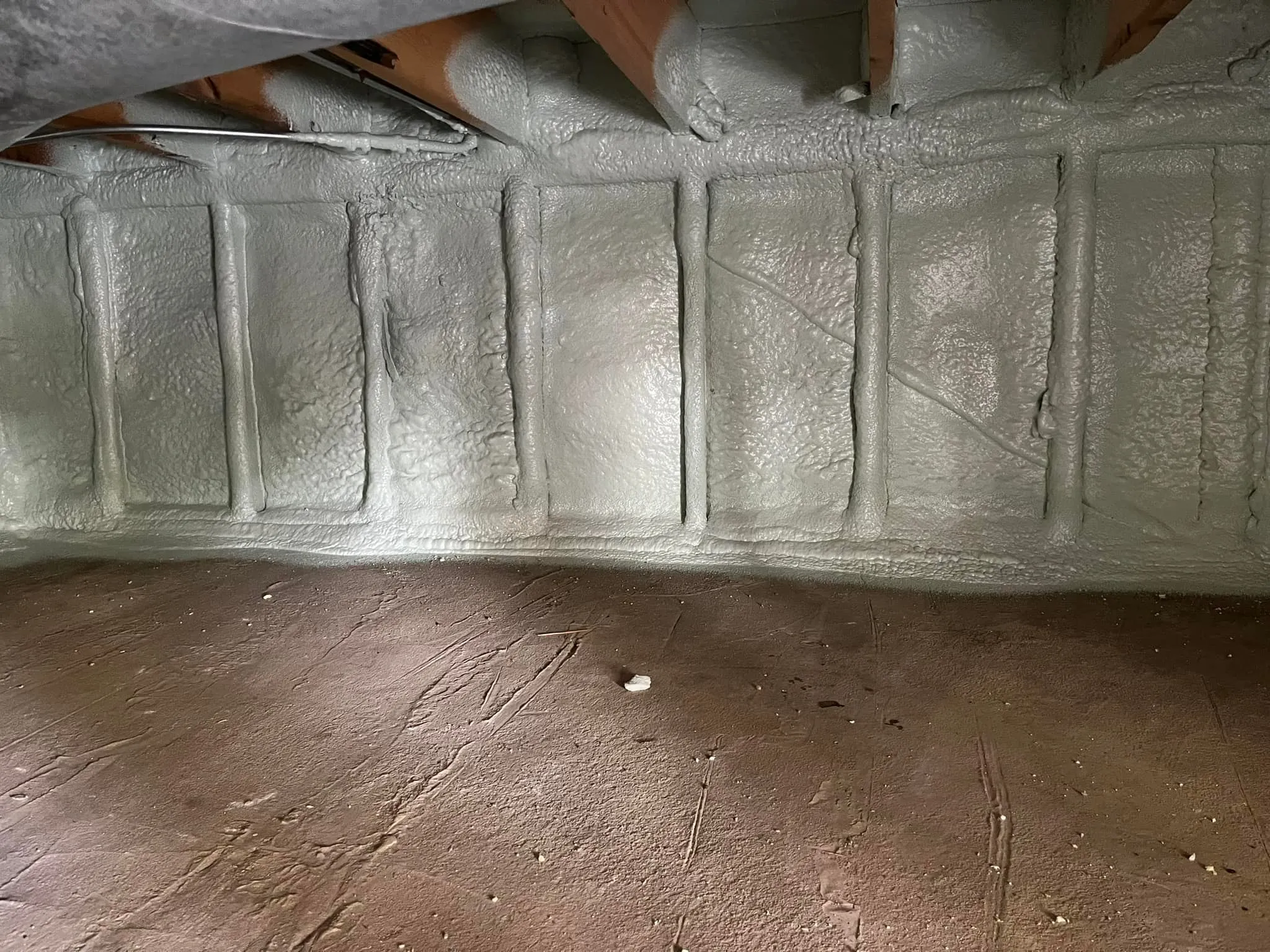
Crawlspace Encapsulation
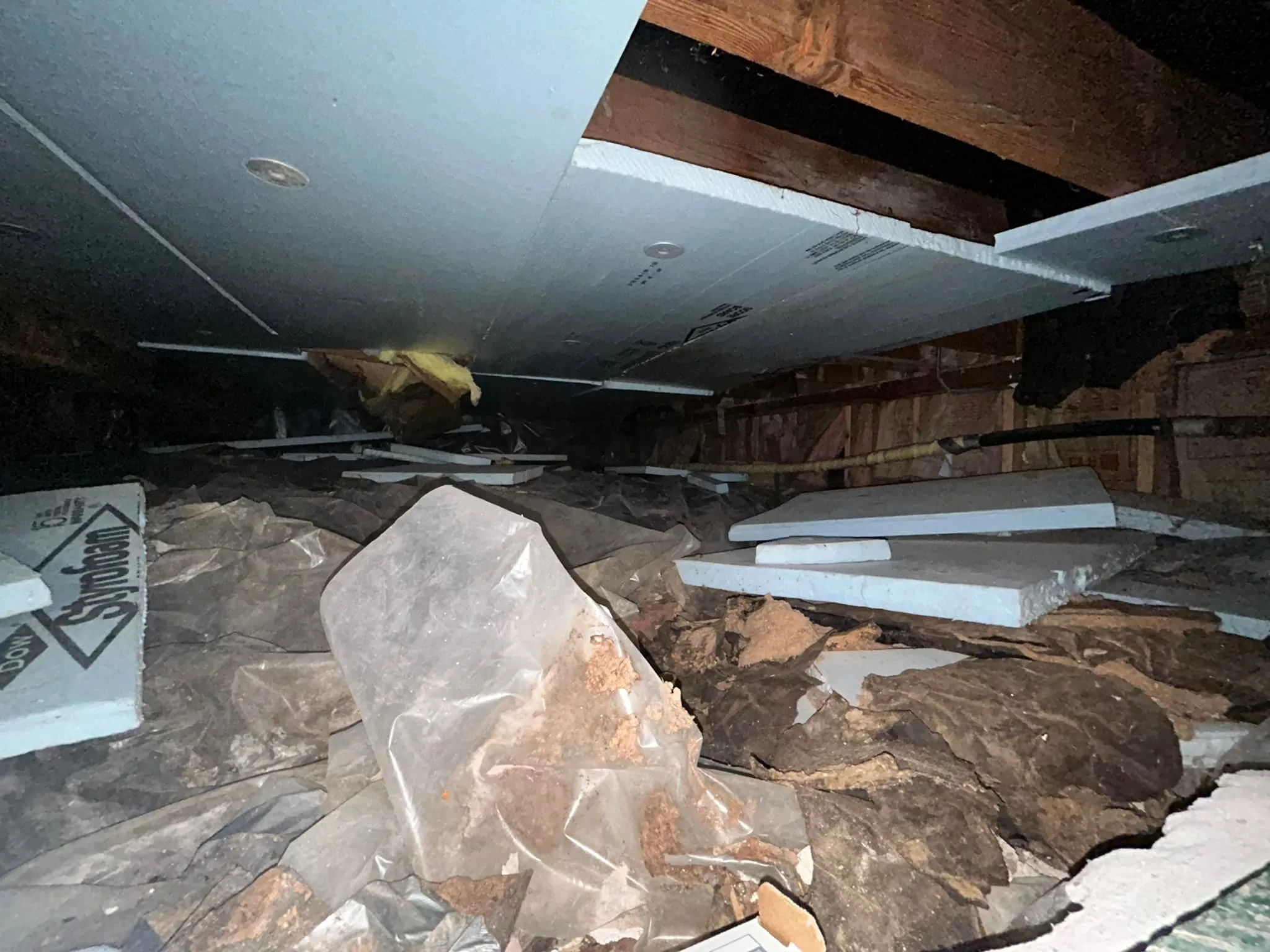
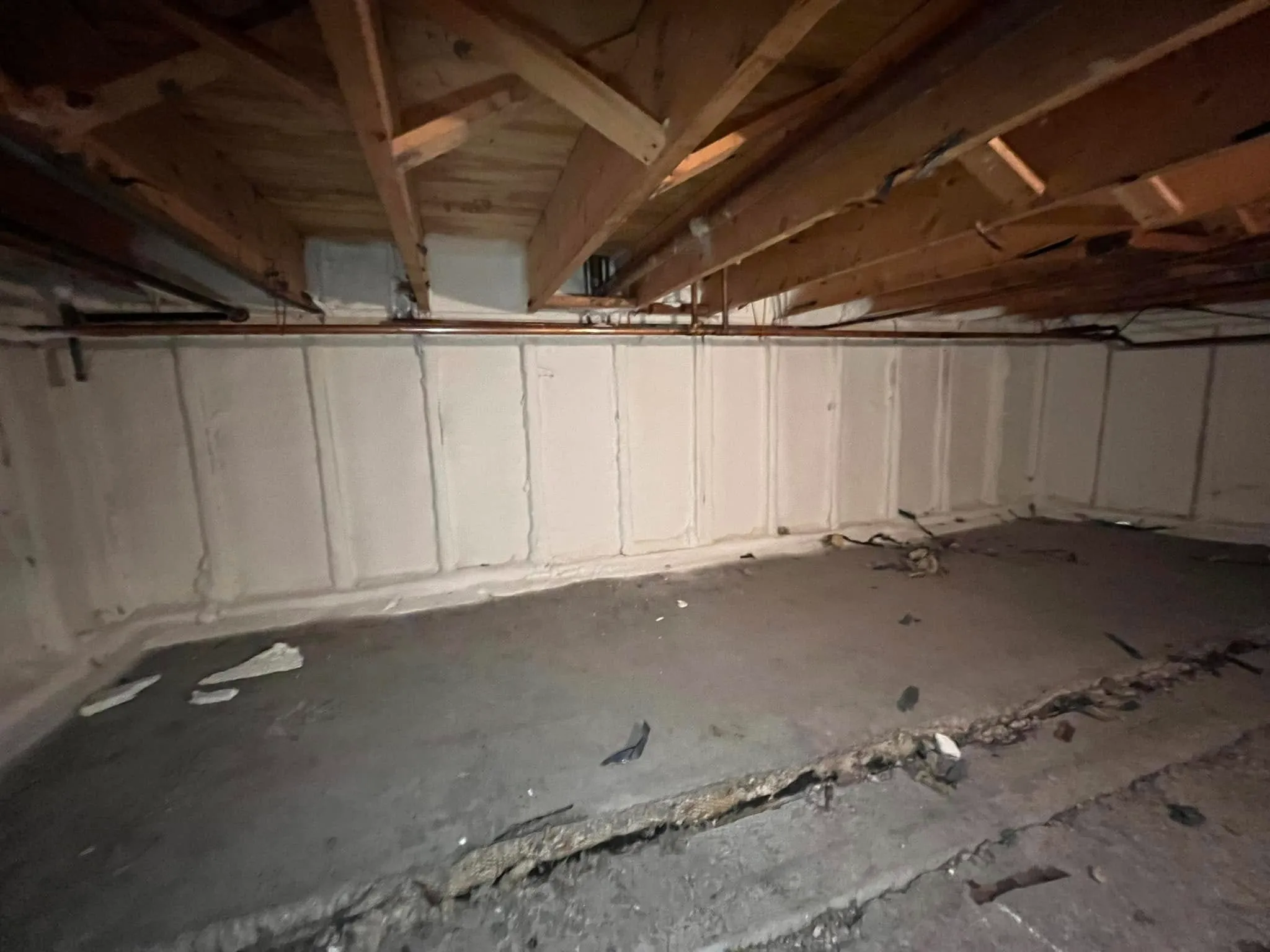
Crawlspace encapsulation uses moisture barriers and sealing methods to manage ground moisture. Proper installation considers foundation conditions, drainage, ventilation requirements, and the building's existing humidity levels.
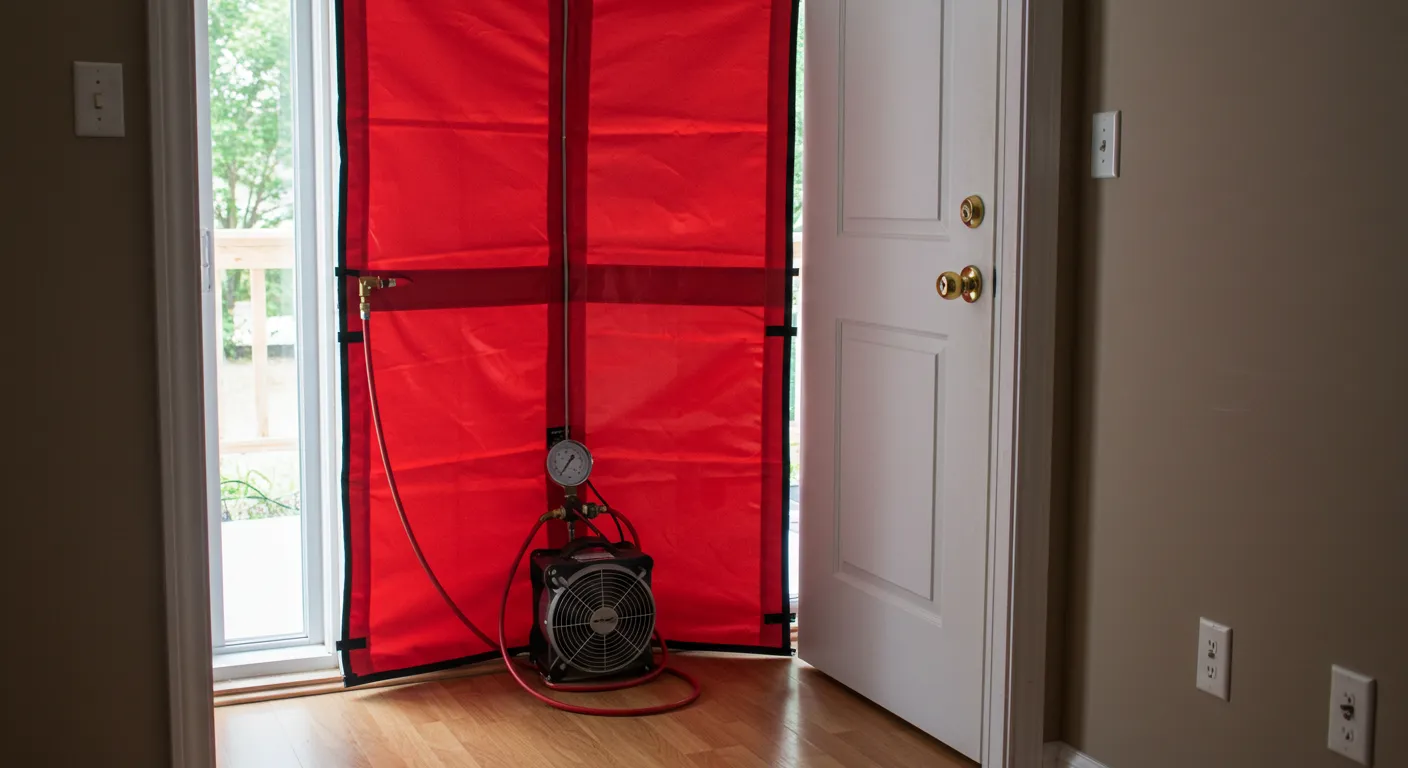
Home Performance Evaluation
Home performance evaluation helps identify insulation gaps, air leakage, and potential energy efficiency problems. Findings support decisions about suitable insulation upgrades and other building improvements.
Sound Attenuation Insulation
Sound attenuation insulation helps reduce airborne noise transmission through suitable walls and ceilings. Performance depends on insulation material, cavity construction, and the complete building assembly design.
Pole Barn Insulation
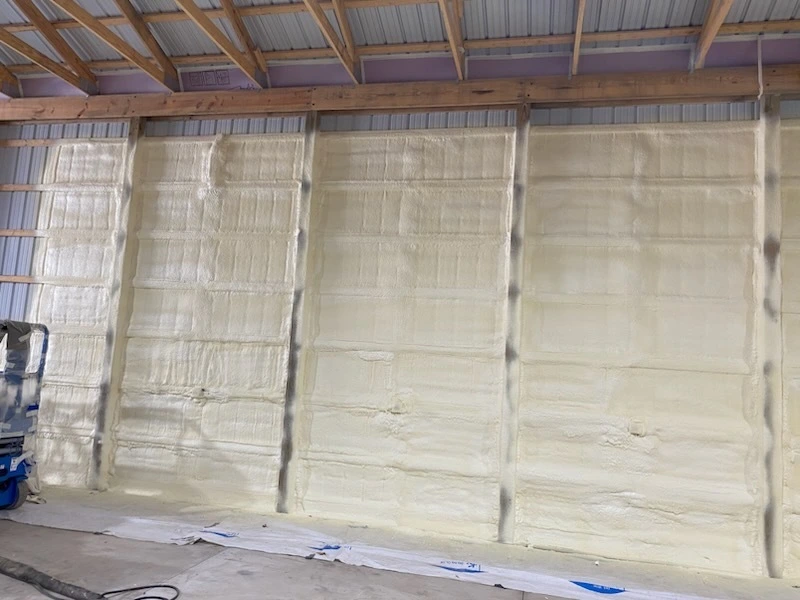
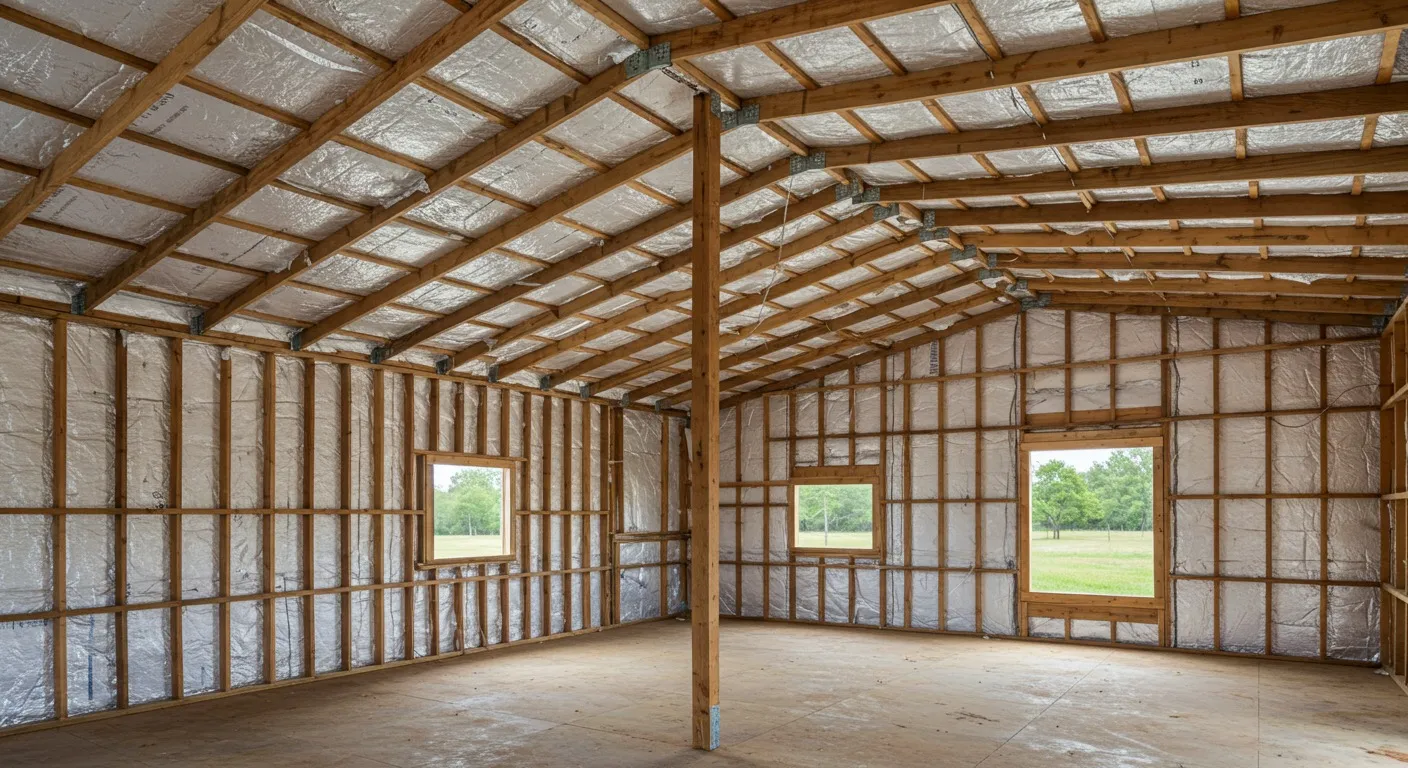
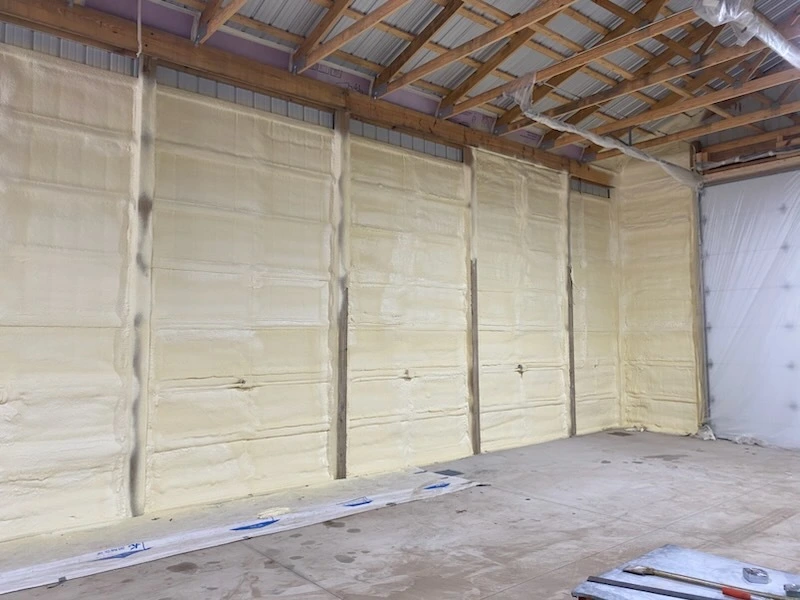
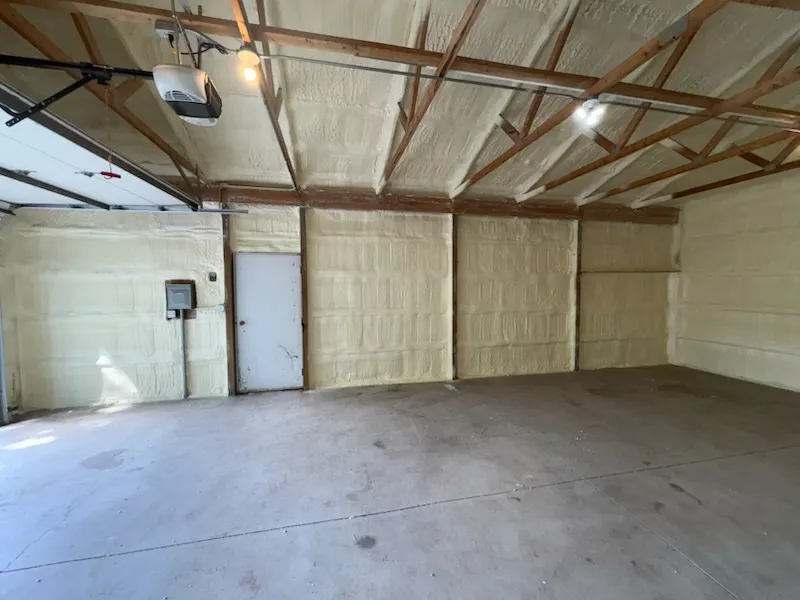
Pole barn insulation helps manage heat transfer in agricultural, workshop, and storage buildings. Material selection depends on structural design, ventilation, condensation risks, and intended interior conditions.
Intumescent Coatings
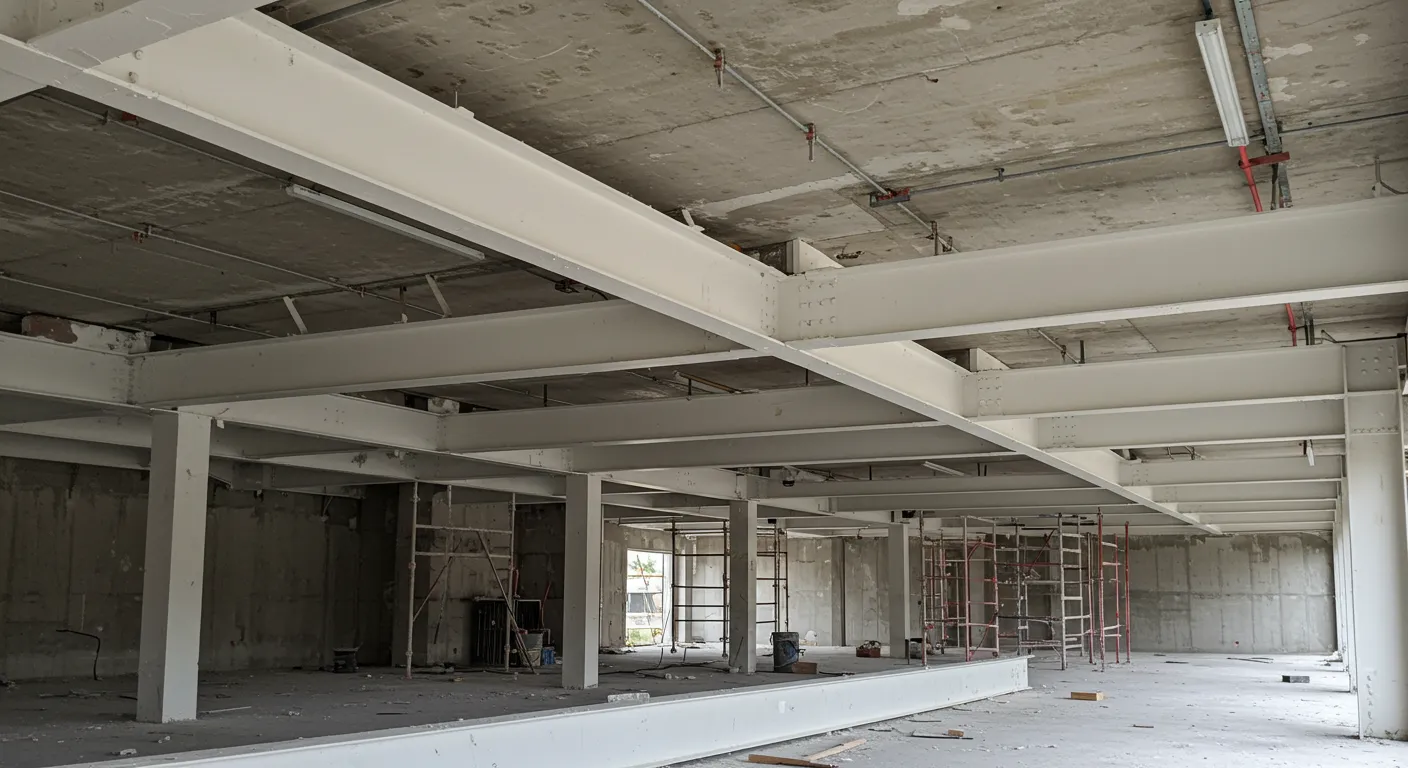
Intumescent coatings expand under high temperatures to provide specified fire protection. Approved applications must follow product requirements, tested assemblies, and applicable building code provisions for safety.
Blown-In Insulation
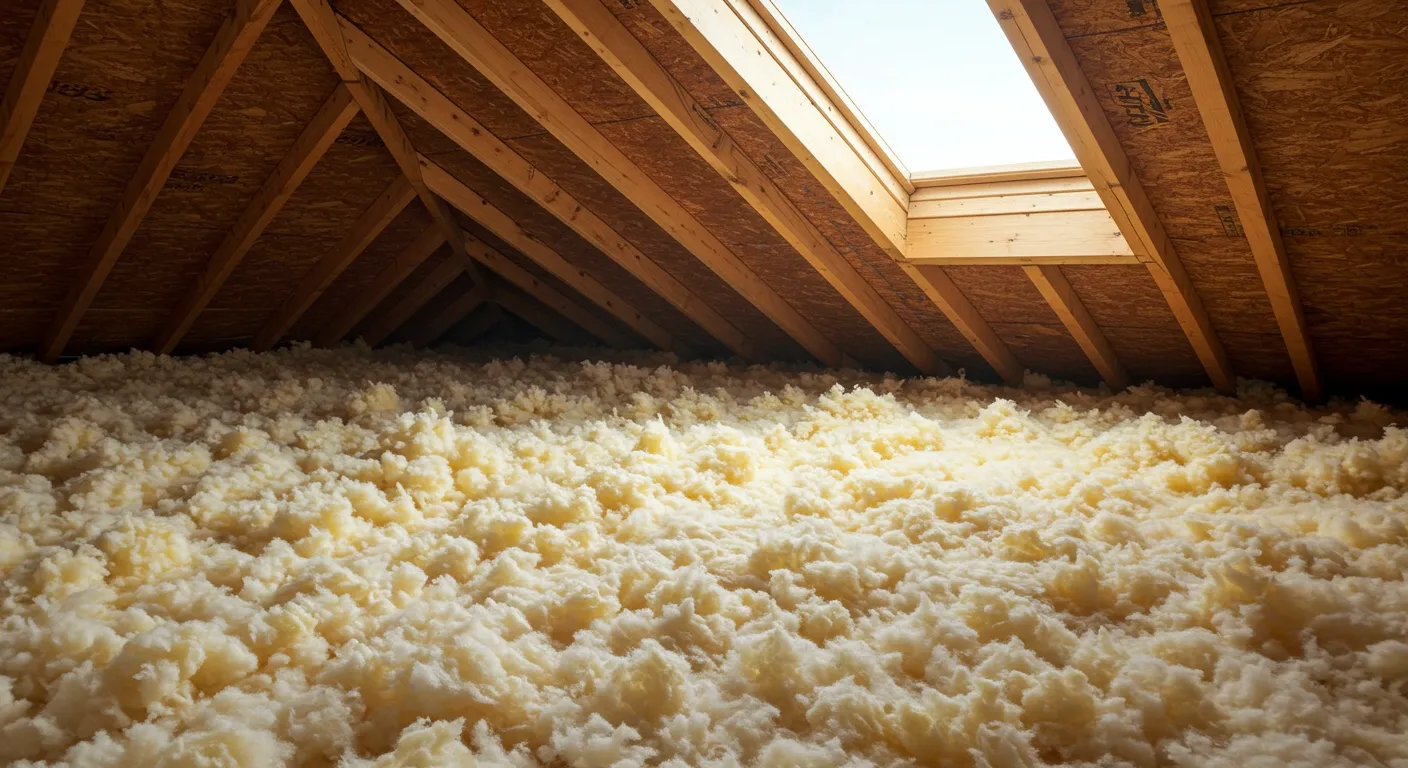
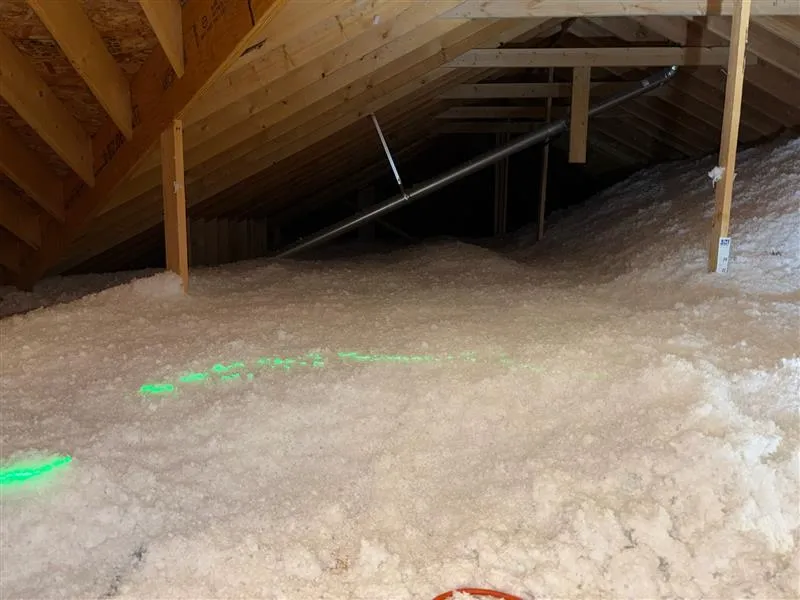
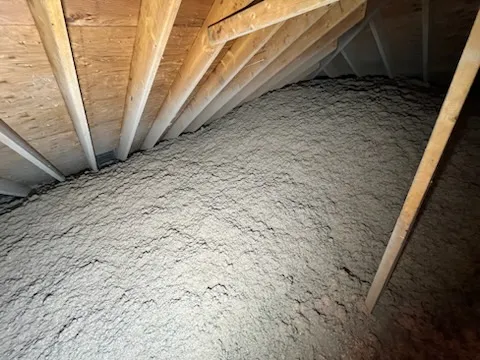
Blown-in insulation fills accessible ceiling spaces and suitable enclosed cavities. It helps improve thermal coverage around framing and obstructions where loose-fill insulation materials are appropriate for installation.
Residential Spray Foam Insulation
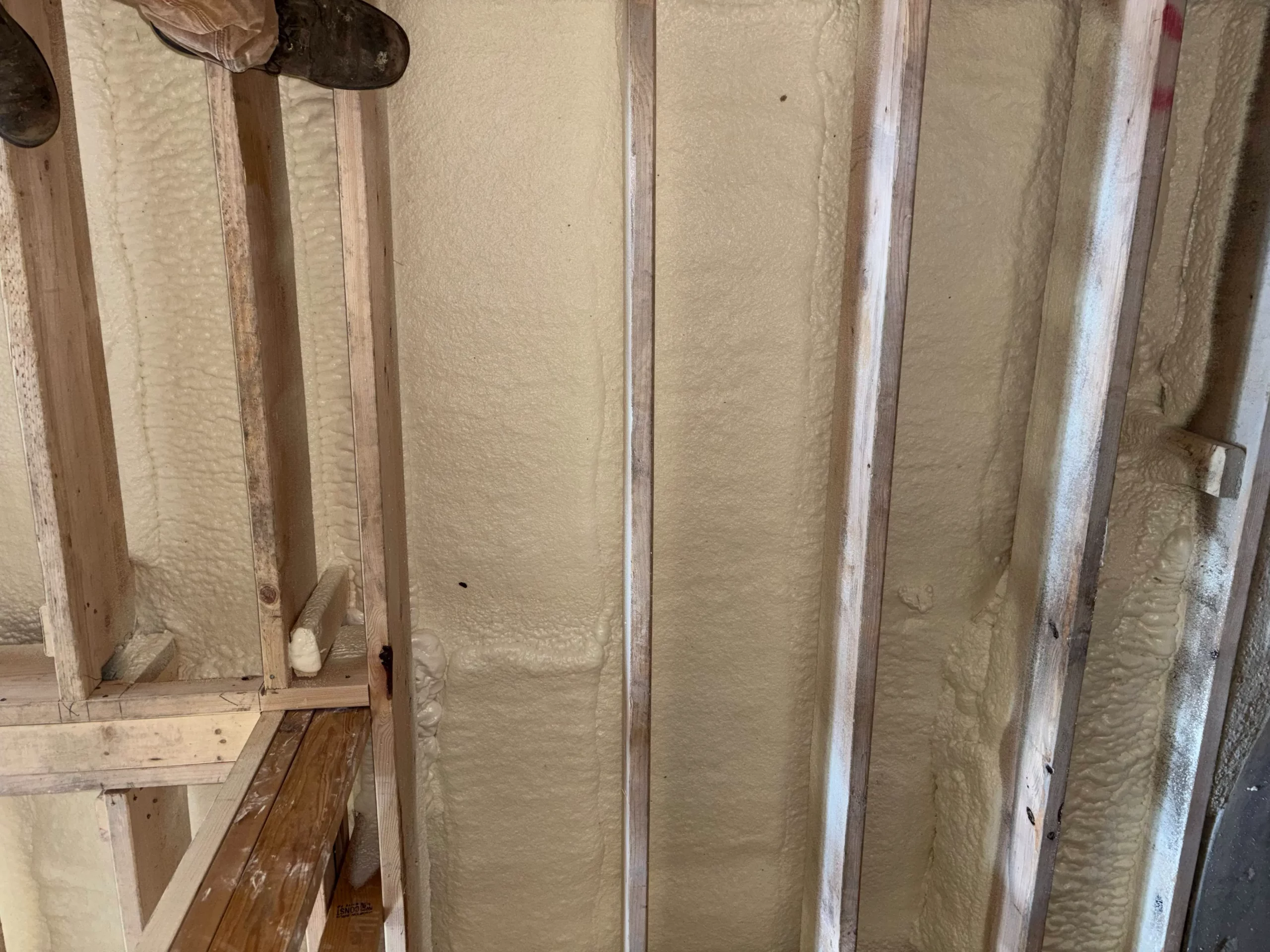
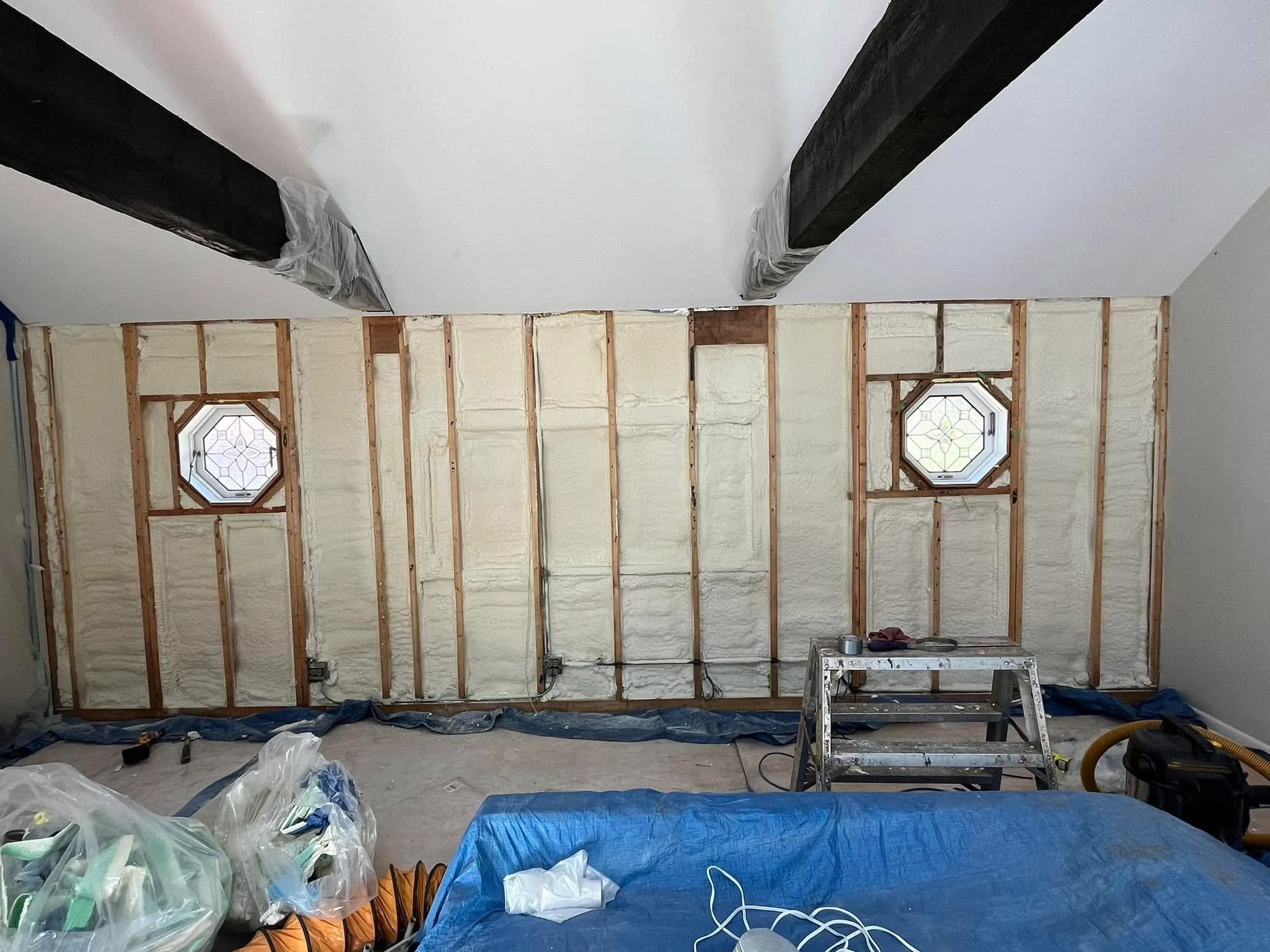
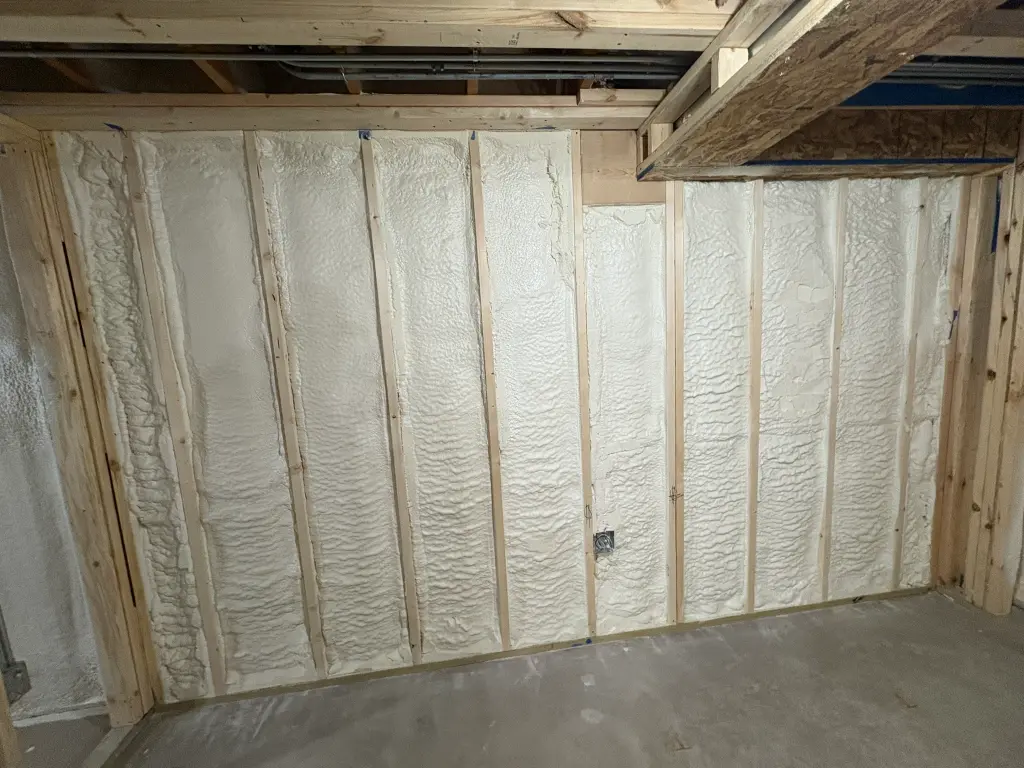
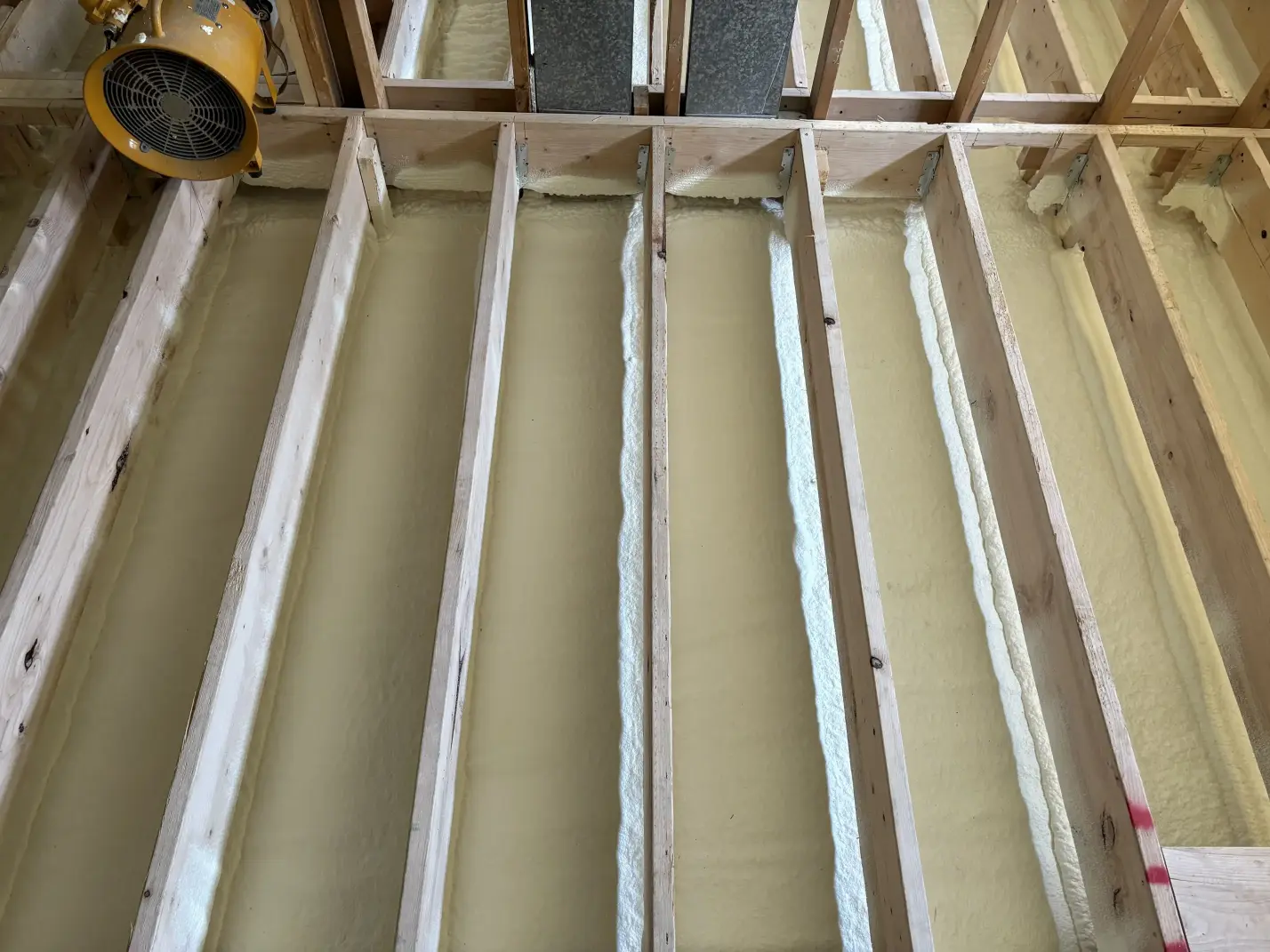
Residential spray foam insulation expands into suitable building cavities to reduce air leakage and heat transfer. Applications depend on home construction, insulation requirements, and moisture-control considerations.
Commercial Spray Foam Insulation
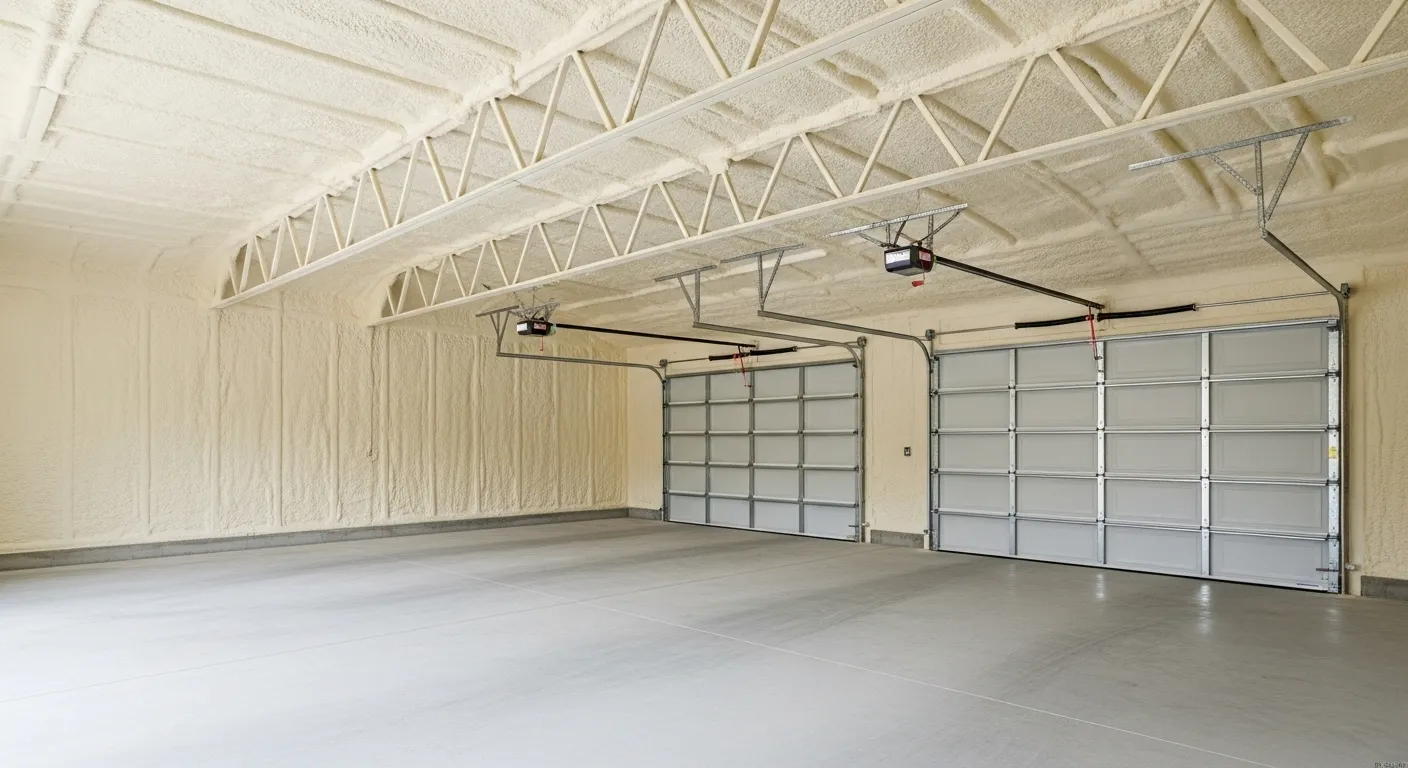
Commercial spray foam insulation provides thermal resistance and air sealing in suitable business buildings. Material selection depends on building use, construction specifications, and appropriate installation conditions.
Roofing Insulation
Roofing insulation reduces heat transfer through compatible roof assemblies. Suitable materials depend on roof design, ventilation requirements, existing conditions, and the building's intended thermal performance levels.
Closed Cell Spray Foam
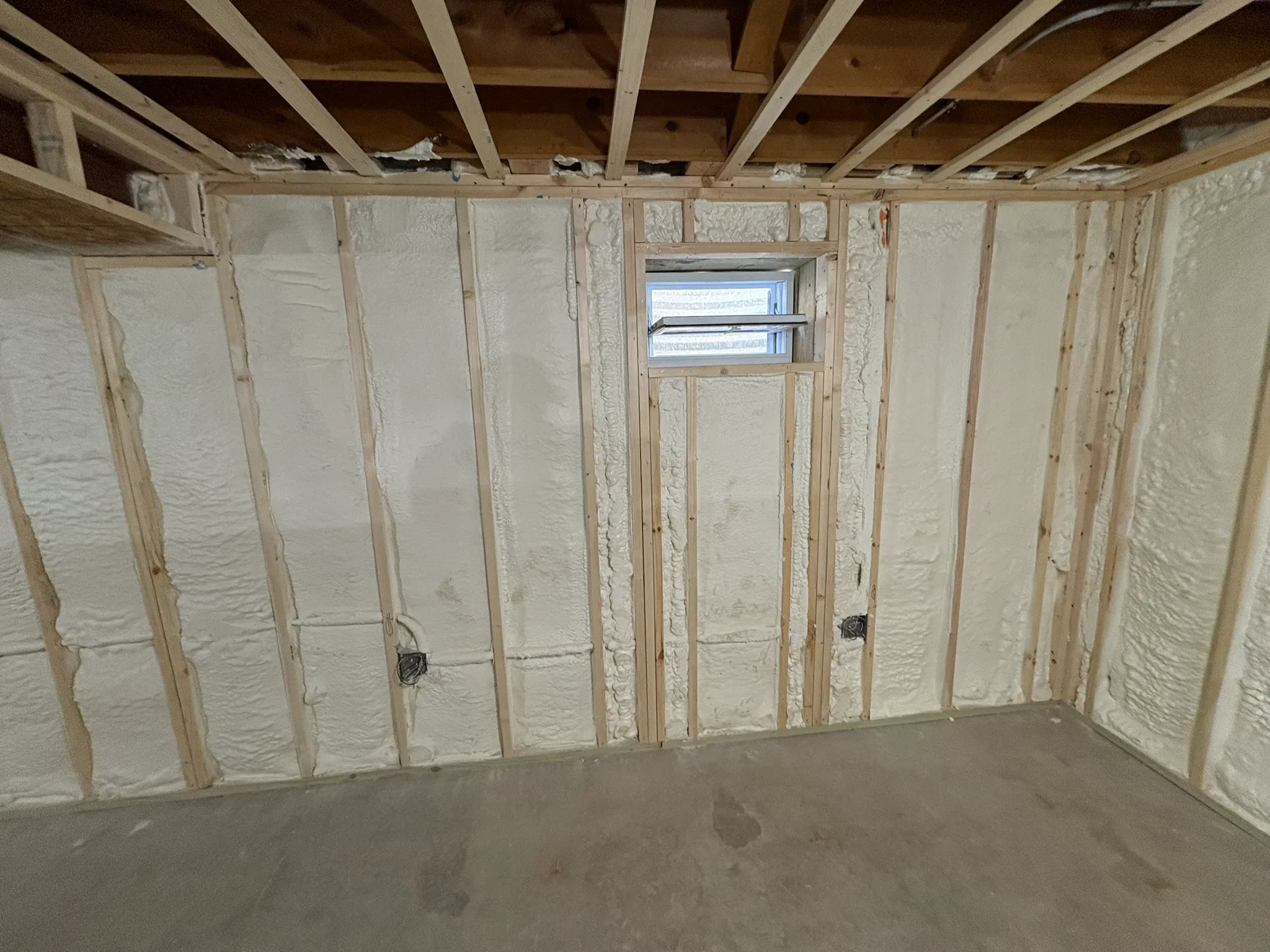
Closed cell spray foam offers high thermal resistance per inch and limits moisture movement. It suits compatible assemblies requiring air sealing within restricted installation spaces.
Loose Fill Insulation
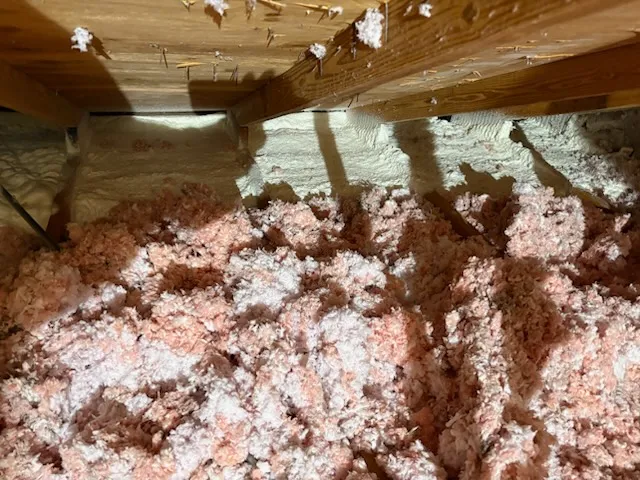
Loose fill insulation provides thermal coverage across accessible ceiling spaces and suitable enclosed cavities. It helps reduce heat transfer where properly installed loose-fill materials are appropriate.
Interior Insulation
Interior insulation provides thermal resistance and, with suitable materials, sound control within building partitions. Applications depend on wall construction, available space, and the intended insulation performance.
Foundation Insulation
Foundation insulation reduces heat transfer through basement and foundation walls. Appropriate materials depend on below-grade moisture conditions, drainage, wall construction, and applicable insulation protection requirements.
Exterior Insulation
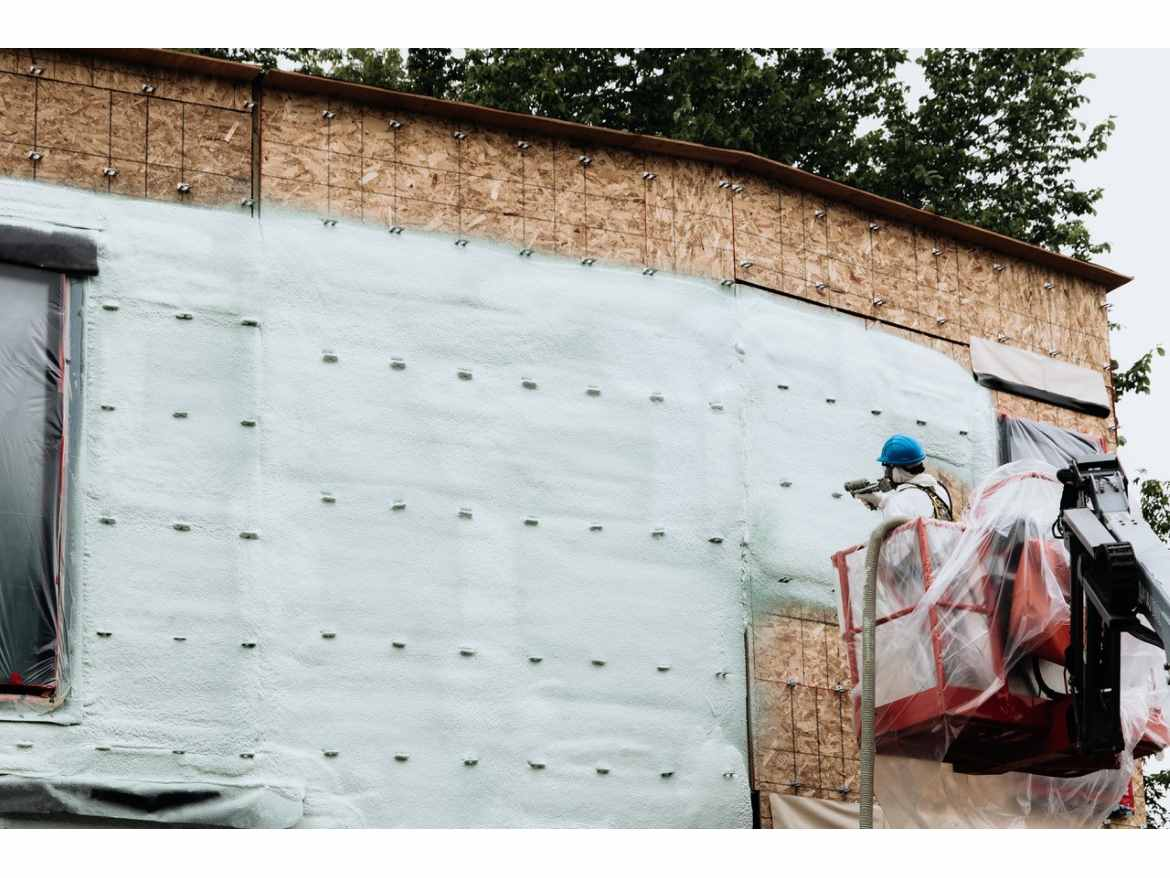
Exterior insulation helps limit heat transfer through compatible wall assemblies. Proper installation requires suitable weather-resistant materials, detailing around openings, and protective coverings designed for exterior conditions.
Open Cell Spray Foam Insulation
Open cell spray foam insulation expands into accessible cavities to reduce air leakage. It provides thermal resistance within suitable walls and compatible roof assemblies where appropriate.
Agricultural Spray Foam
Agricultural spray foam provides insulation and air sealing for suitable farm buildings. Material selection depends on building ventilation, moisture exposure, structural design, and specific operational requirements.
Blown-in Cellulose Insulation
Blown-in cellulose insulation fills suitable ceiling spaces and enclosed wall cavities. It can improve thermal coverage in existing homes where access to finished building cavities is limited.
Wall Insulation
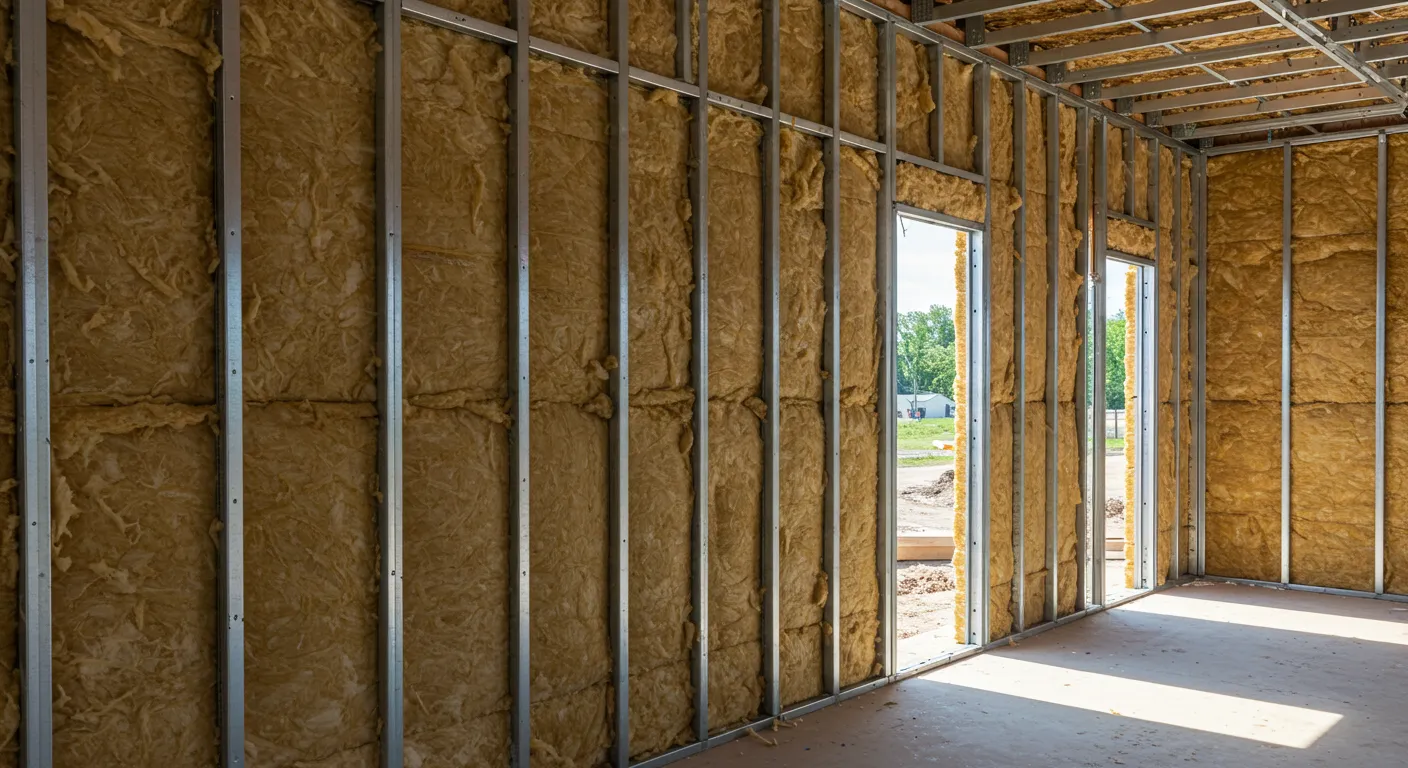
Wall insulation reduces heat transfer through exterior and interior partitions. Suitable materials depend on cavity dimensions, existing insulation, wall construction, and required thermal performance for the building.
Metal Building Insulation
Metal building insulation limits heat transfer through compatible wall and roof assemblies. Suitable systems consider condensation risks, building use, interior temperature requirements, and construction details.
Mineral Wool Insulation
Mineral wool insulation provides thermal resistance, sound absorption, and fire resistance. It suits selected wall, floor, and ceiling assemblies requiring these specific insulation material characteristics.
Insulation Removal
Insulation removal clears damaged, deteriorated, or contaminated materials before replacement. Underlying leaks, pest problems, and other concerns should be addressed before new insulation is installed.
Air Sealing
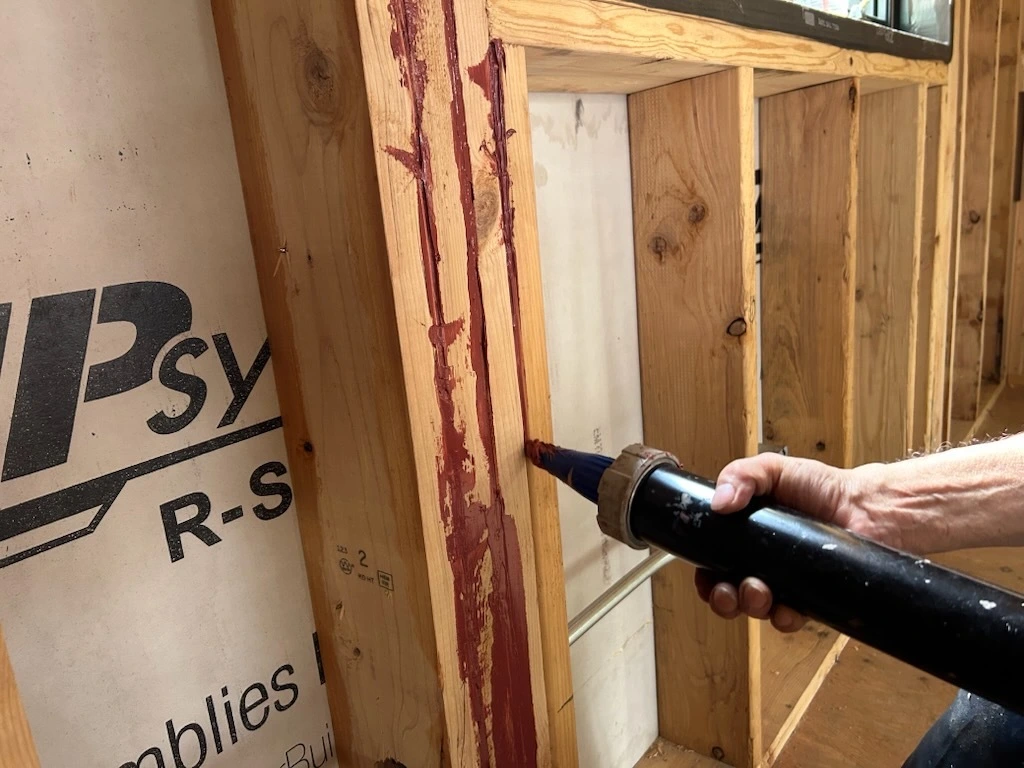
Air sealing closes gaps around pipes, electrical penetrations, framing joints, and other openings. It helps reduce drafts and uncontrolled airflow through suitable building assemblies and spaces.
Commercial Roof Coatings
Commercial roof coatings provide protective layers on compatible roofing systems. Appropriate products depend on existing roof materials, surface preparation, drainage conditions, and specified coating performance requirements.
Floor Insulation
Floor insulation reduces heat transfer through floors above unconditioned spaces. Suitable materials help address temperature differences where basements, crawlspaces, or other building areas remain cooler during winter.