

Are you struggling with fluctuating indoor temperatures or rising energy bills in Mount Arlington Heights? At South Chicago Insulation, we specialize in transforming drafty properties into energy-efficient fortresses through advanced thermal barrier solutions. Our campaign targets homeowners and commercial property managers in Mount Arlington Heights who demand superior climate control against Illinois’ freezing winters and humid summers. Whether you need high-performance spray foam for a new build or a retrofit upgrade for an existing structure, our certified team delivers precision air sealing that enhances comfort and lowers utility loads immediately.
Creating a truly efficient property goes beyond simply rolling out material in an attic; it requires a holistic approach to building performance and airflow management. In the variable climate of Mount Arlington Heights, proper insulation acts as a critical shield that protects your structure from moisture intrusion, mold growth, and unnecessary strain on your HVAC system. We utilize building science principles to identify thermal bridges—areas where heat escapes—and seal them effectively. By establishing a continuous air barrier, we not only stabilize your indoor environment but also significantly improve indoor air quality by blocking allergens and pollutants from entering your living or working space.
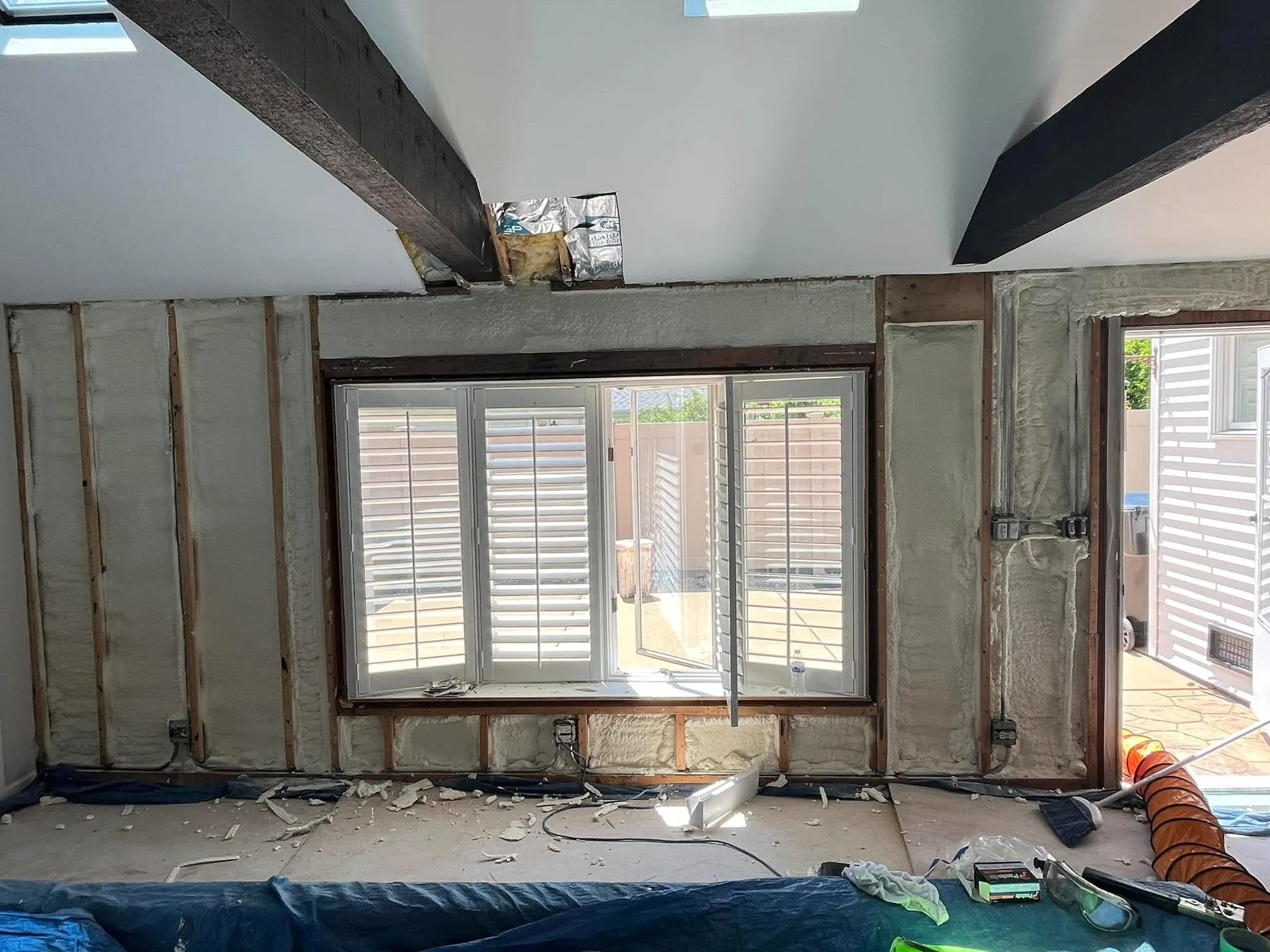
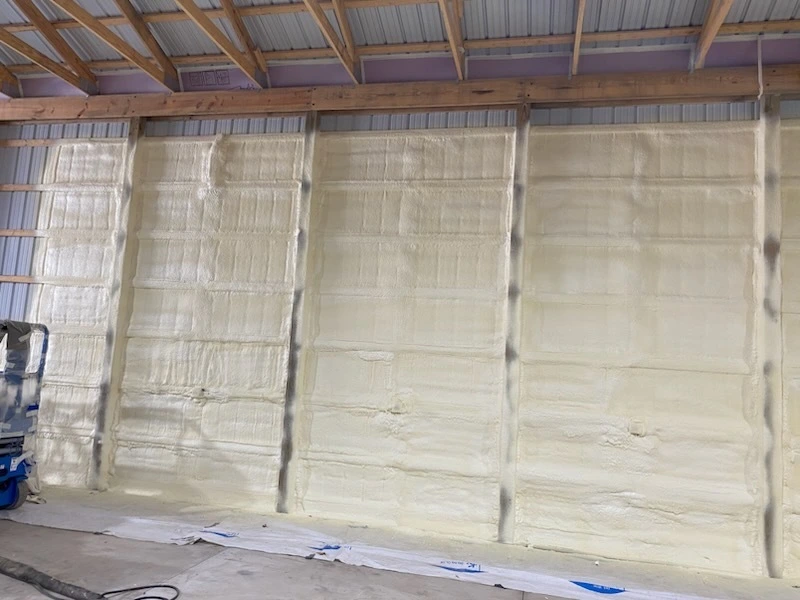
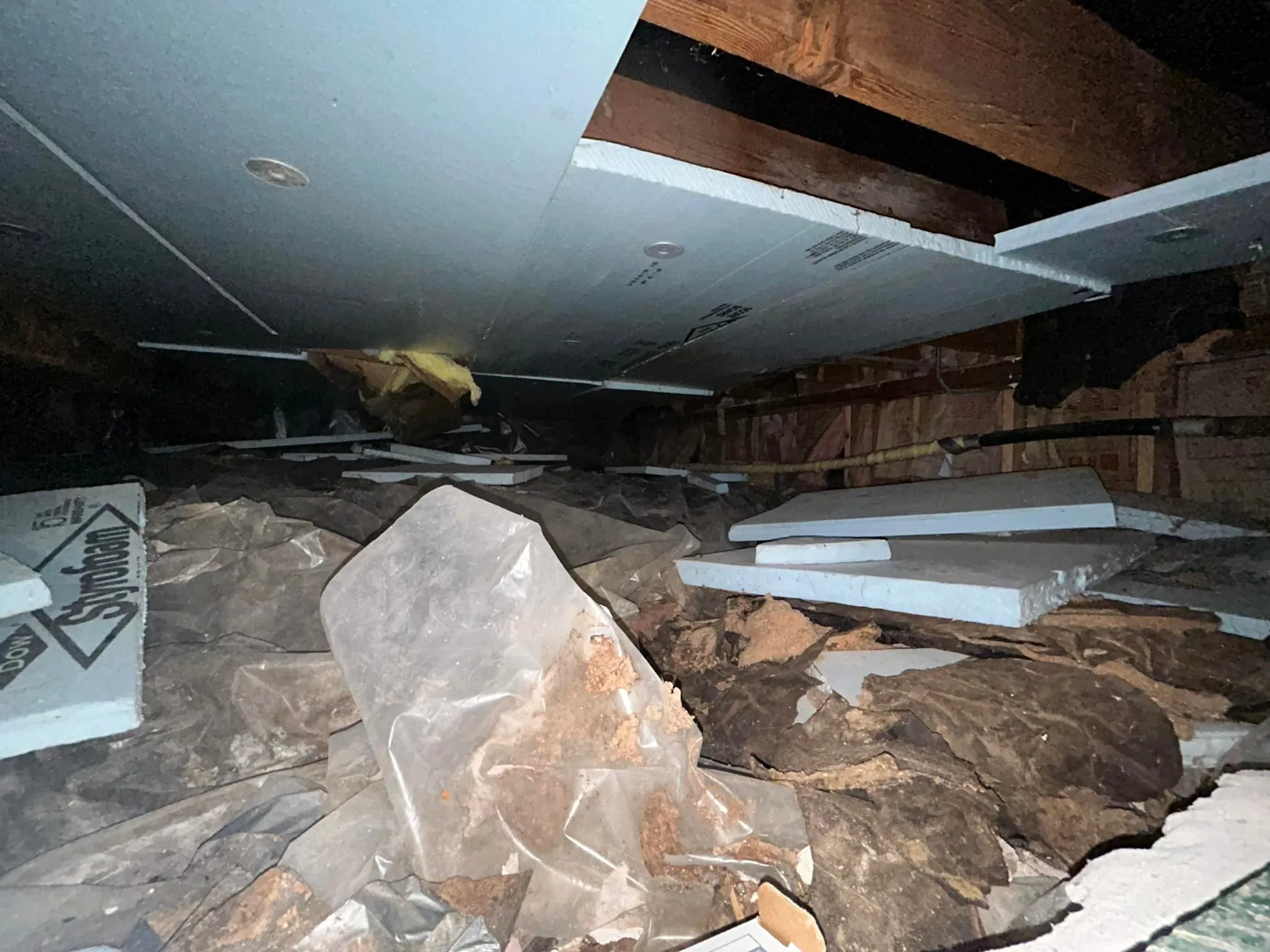
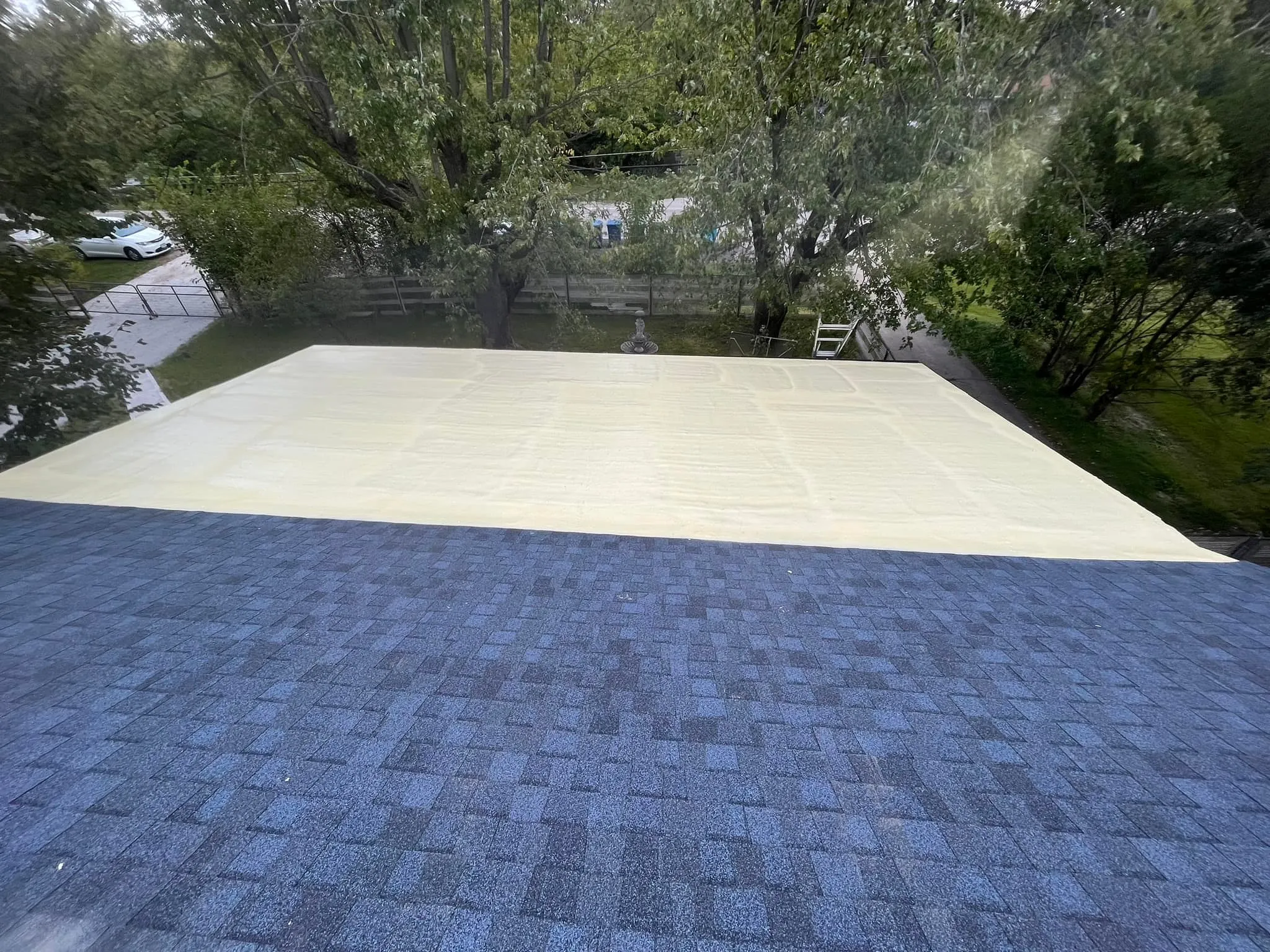
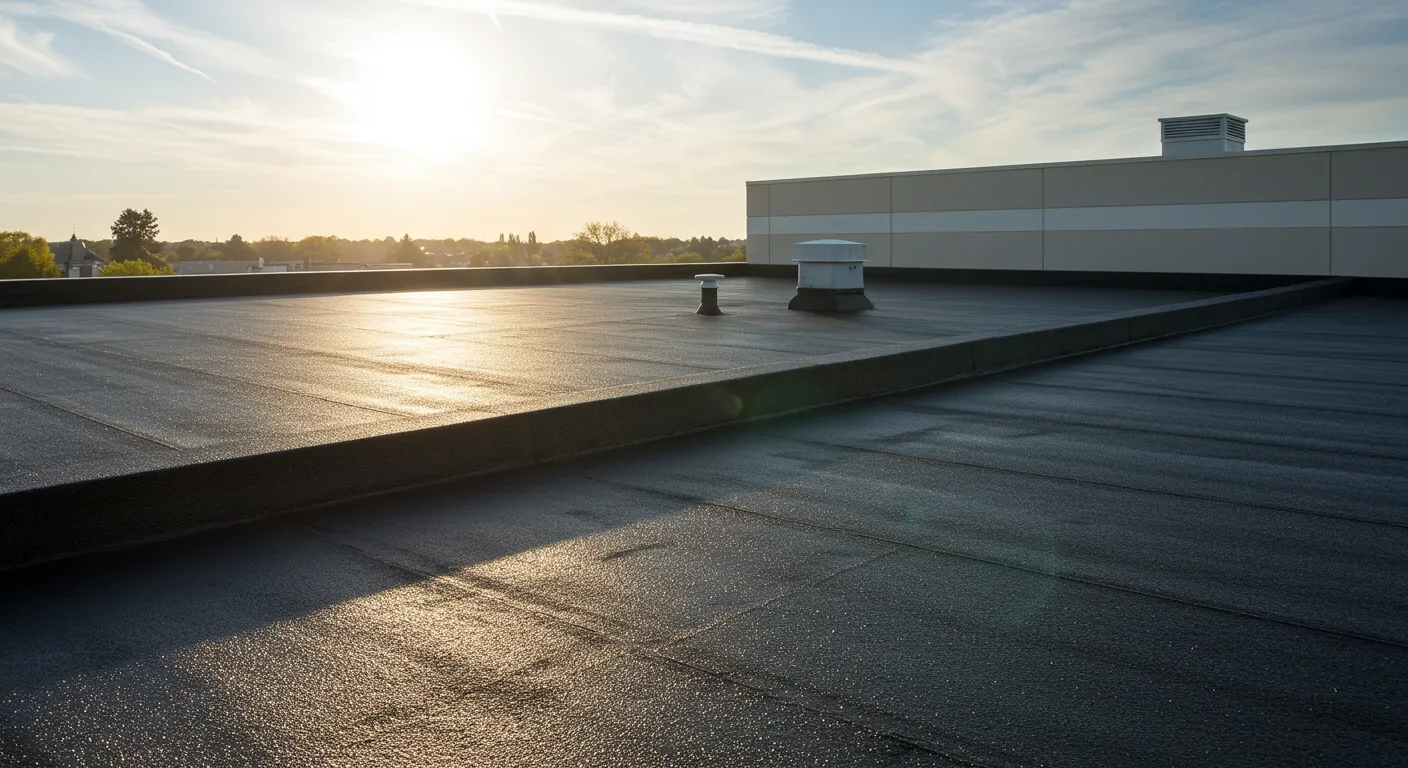
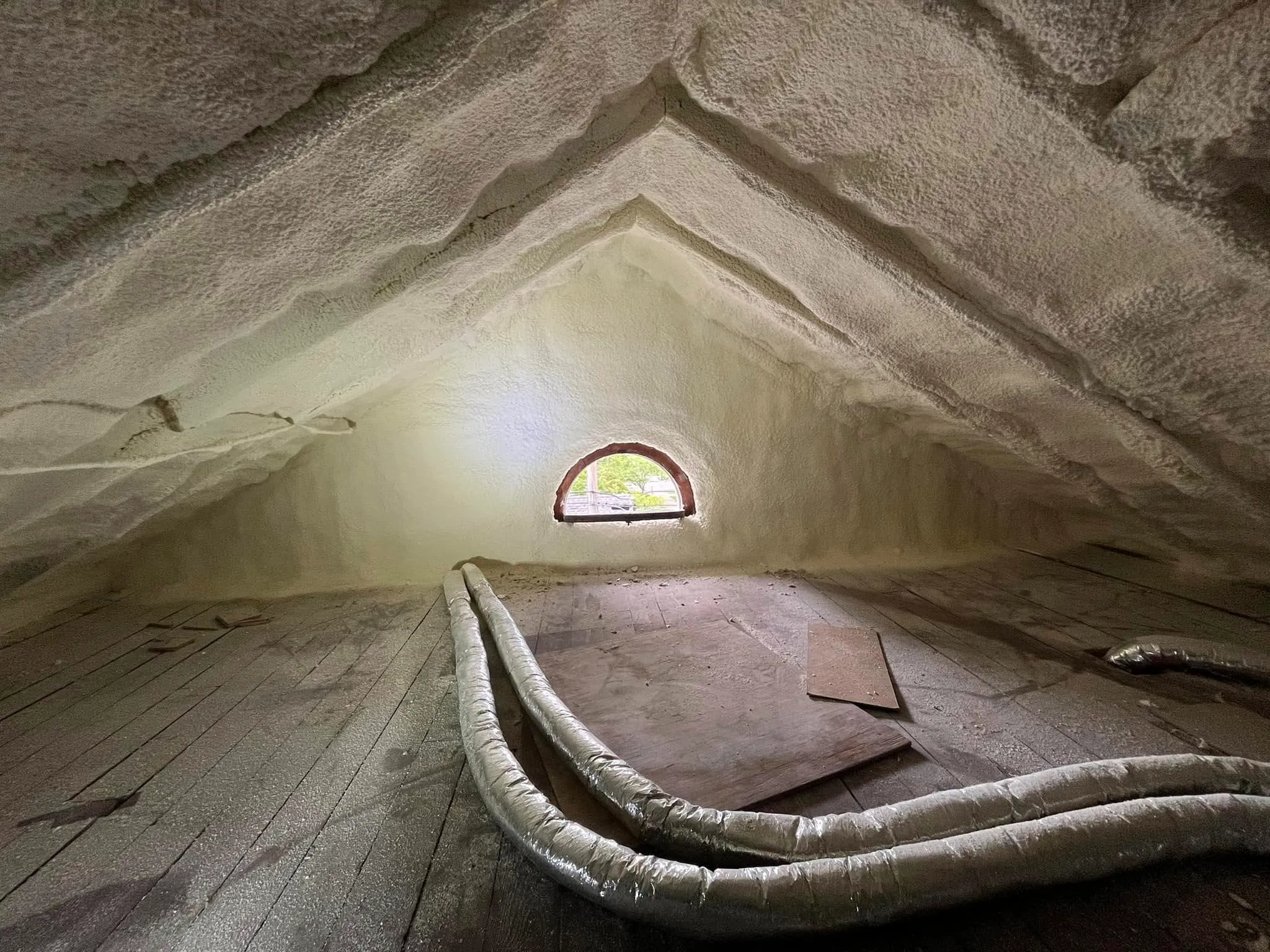
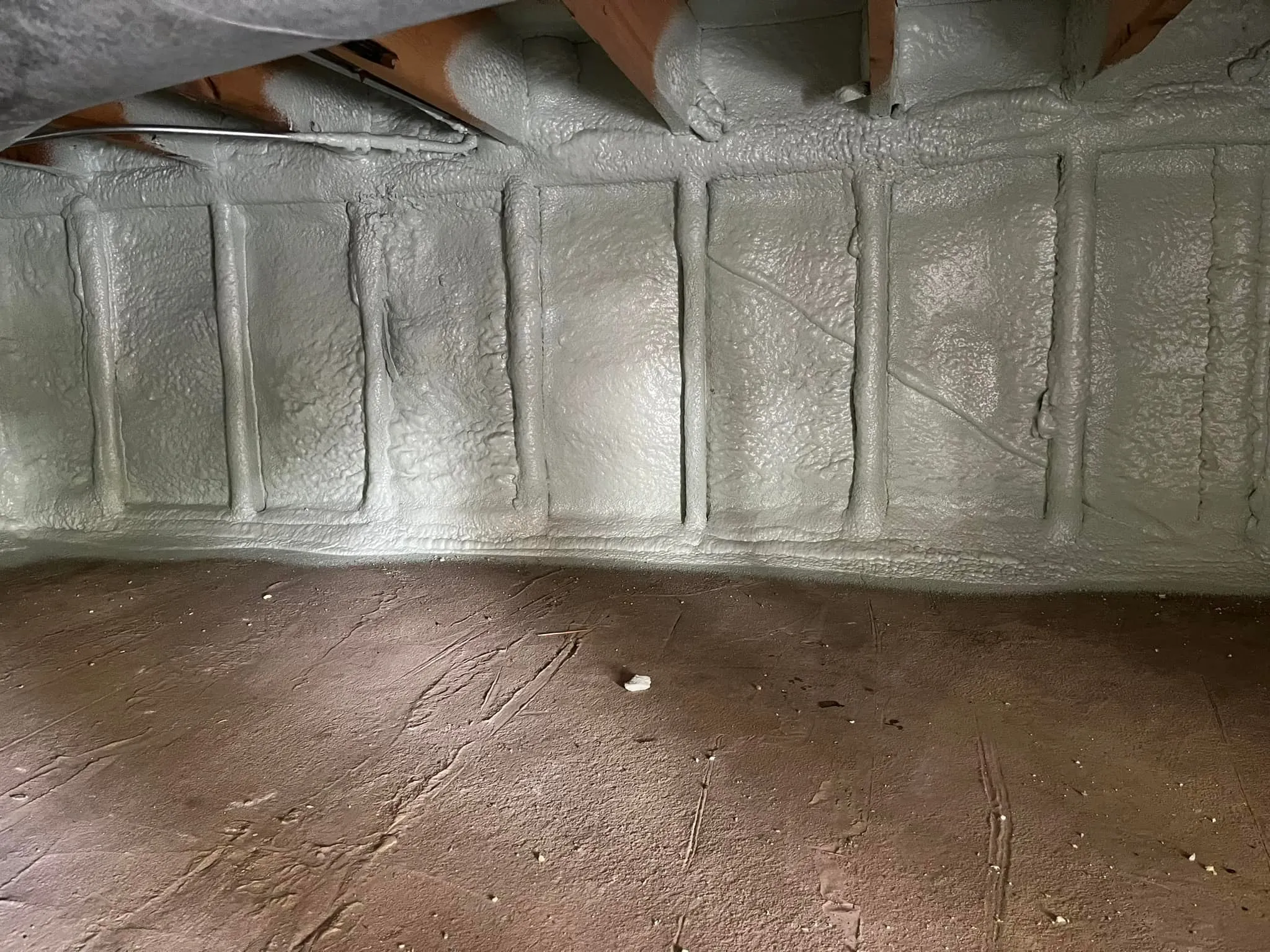
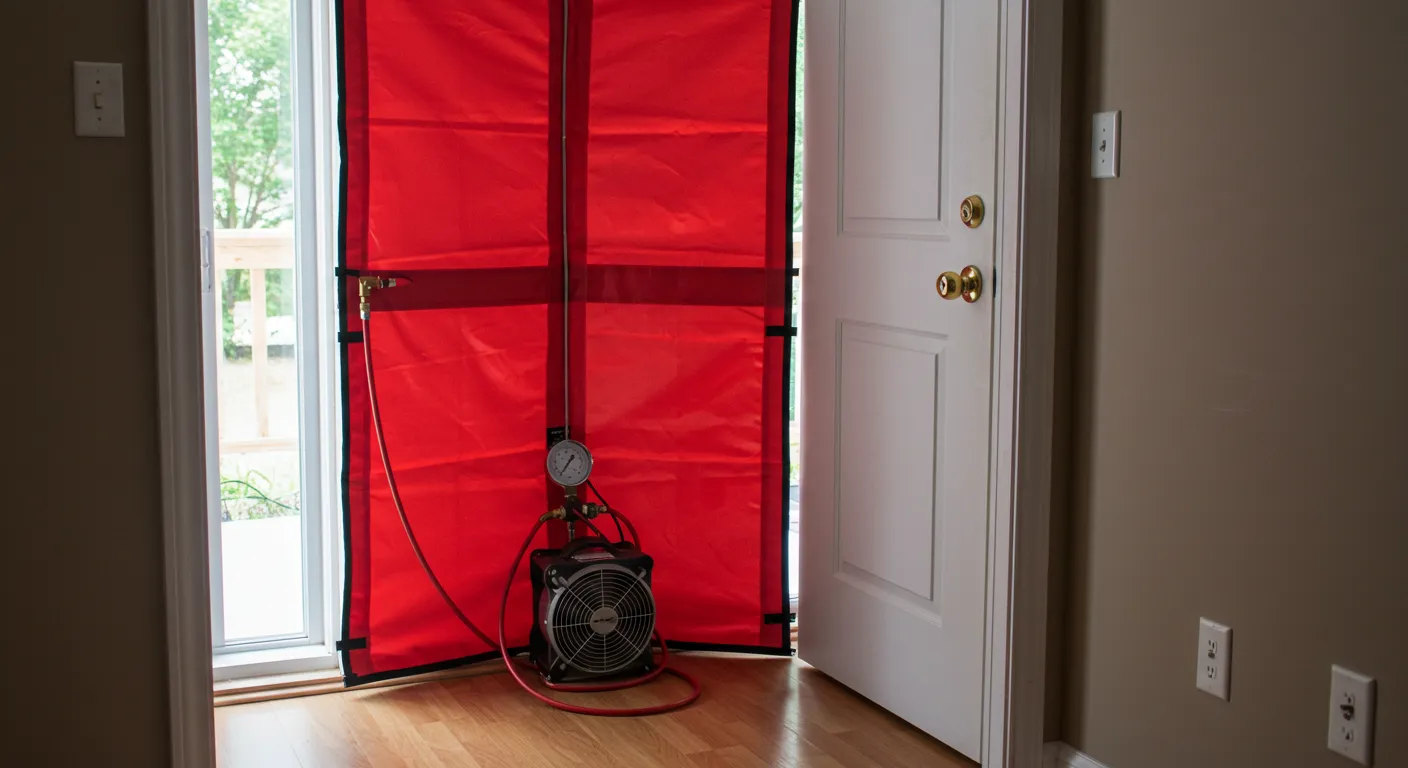
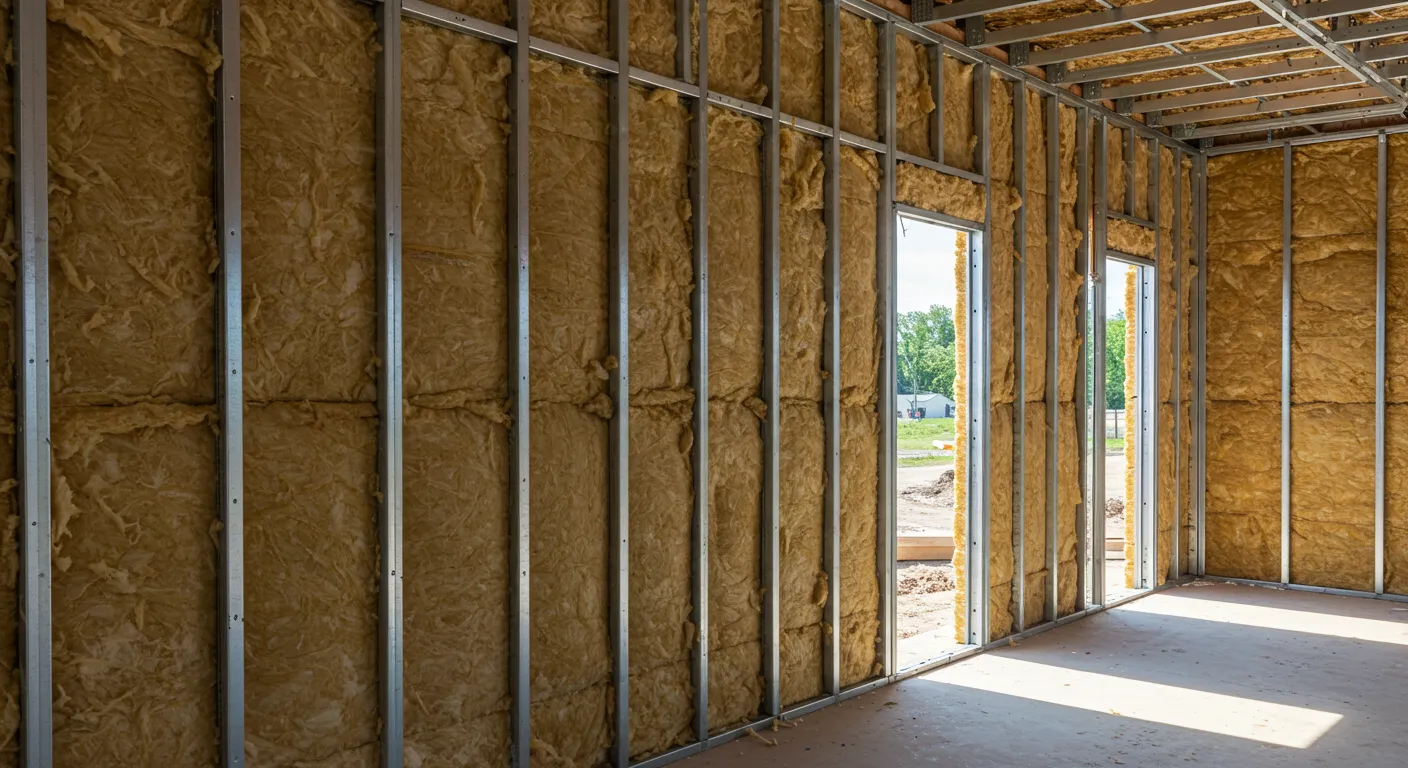
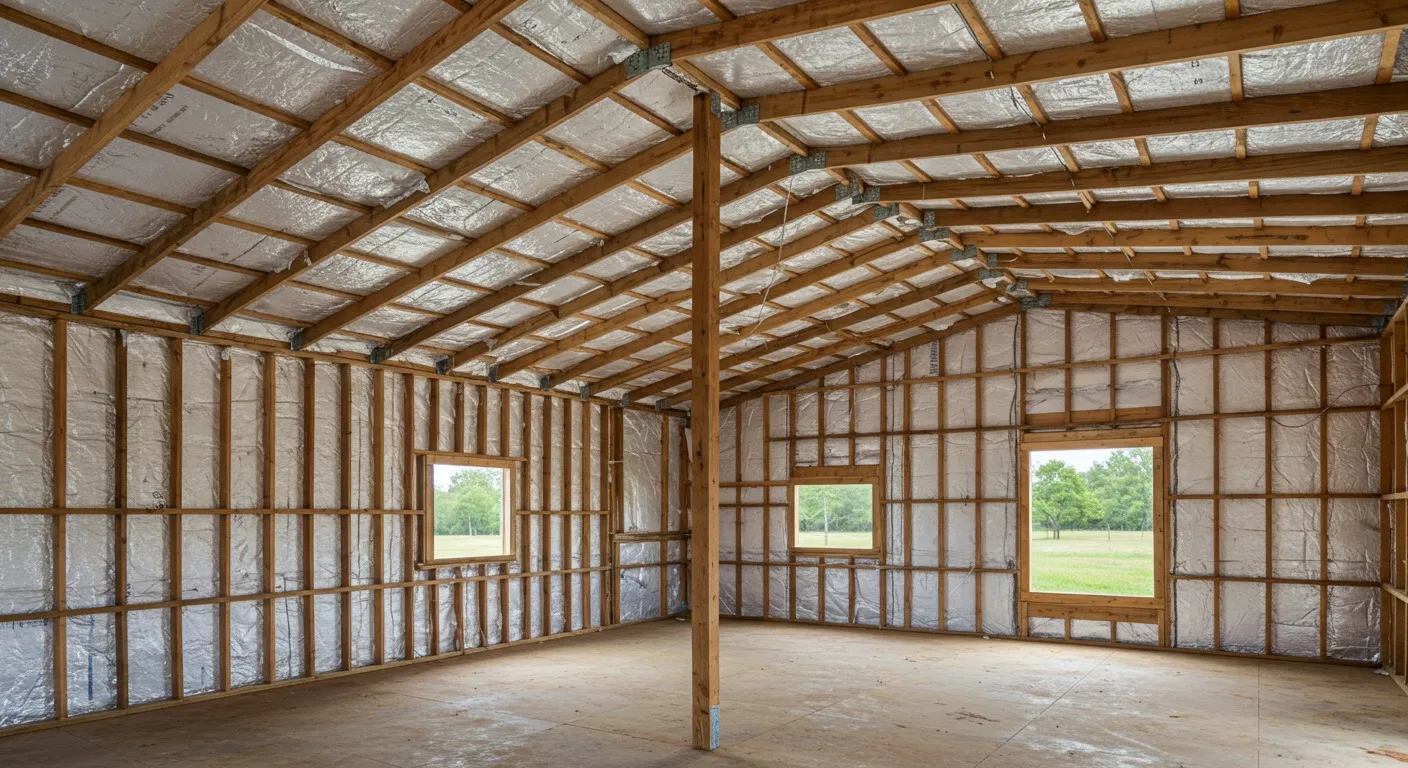
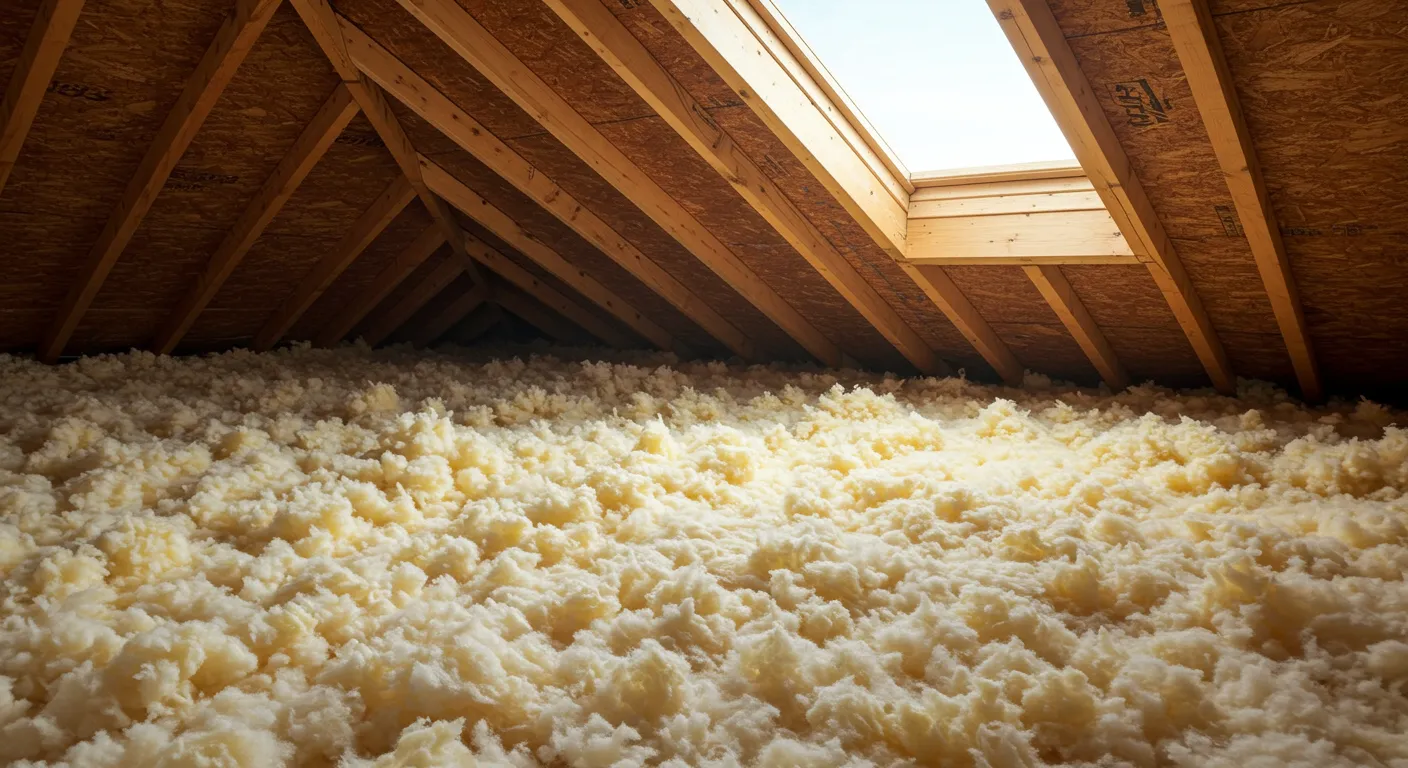
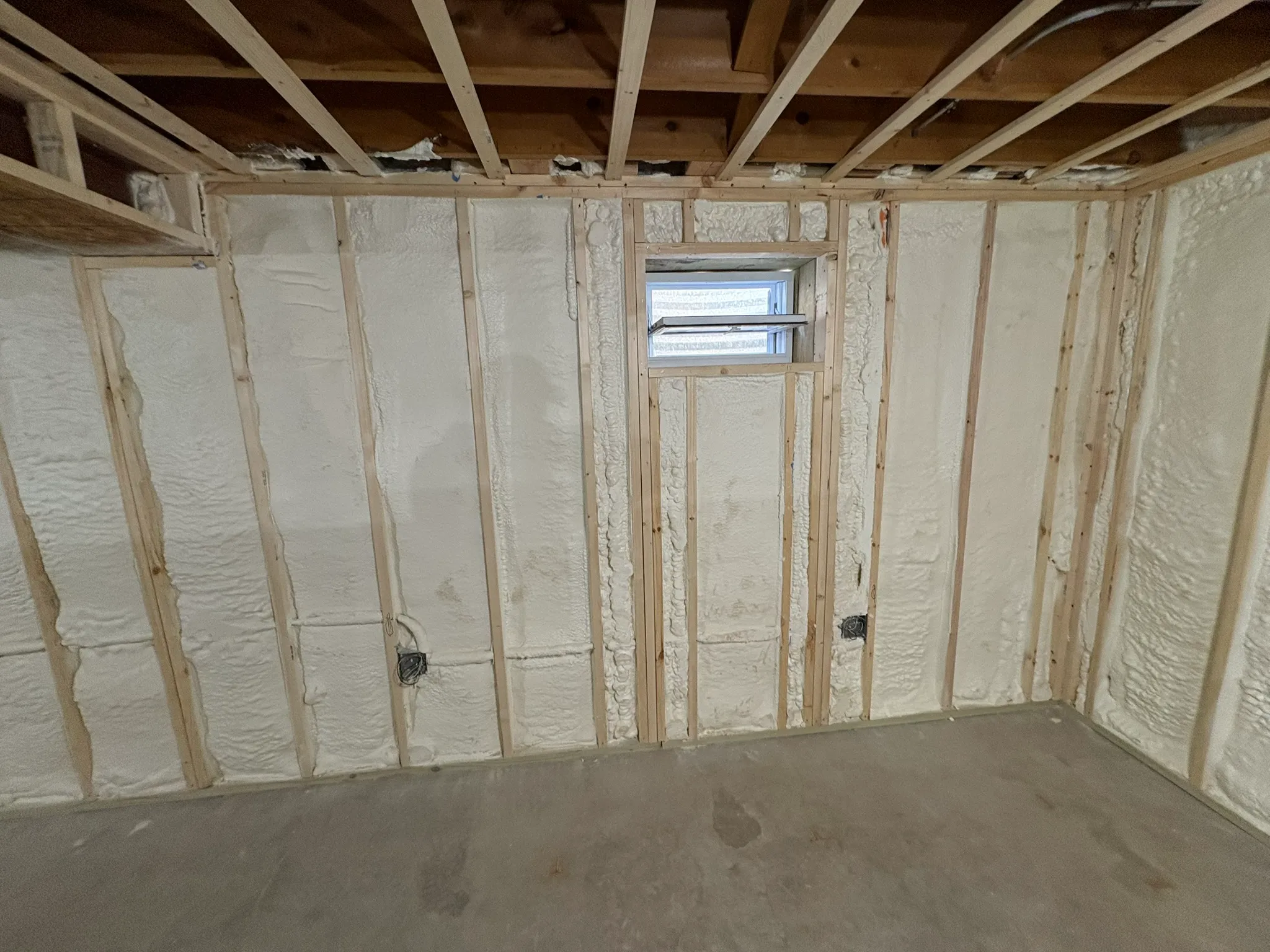
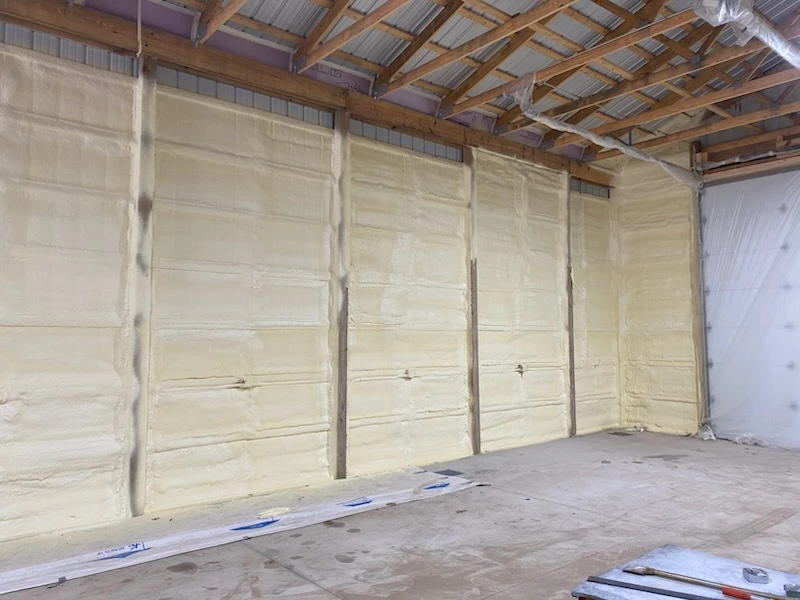
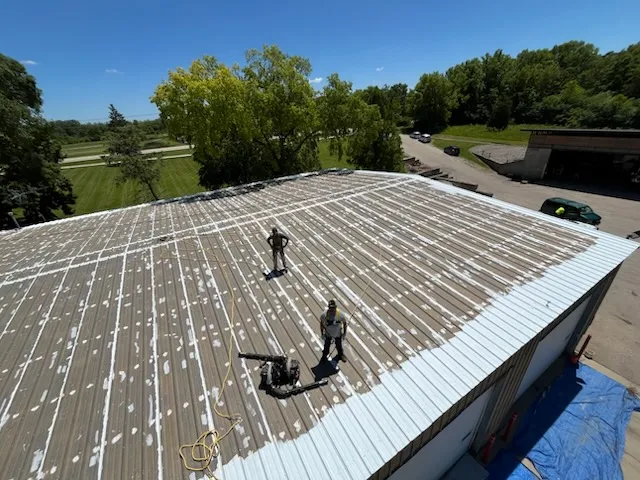
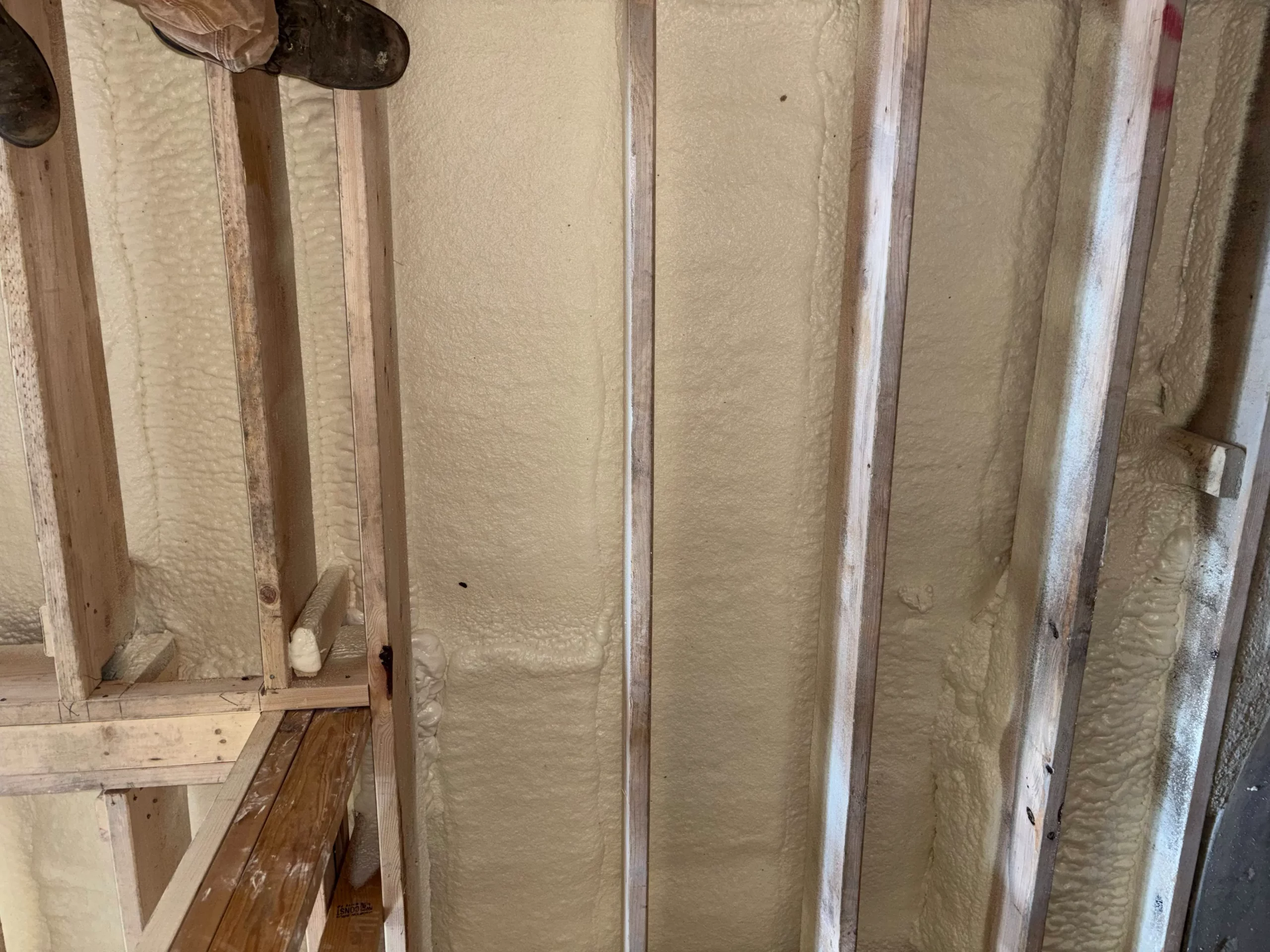
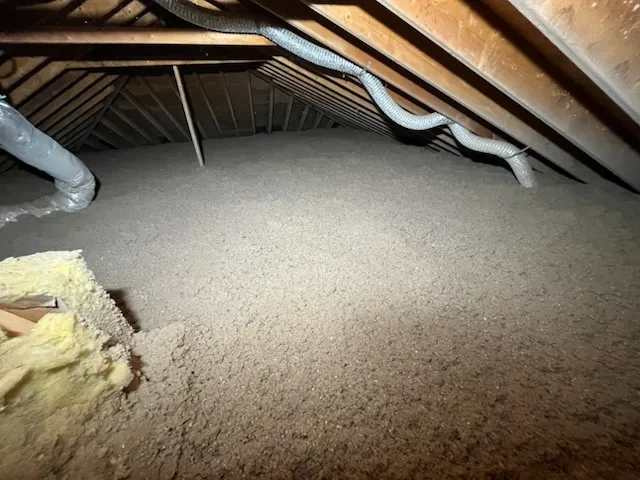
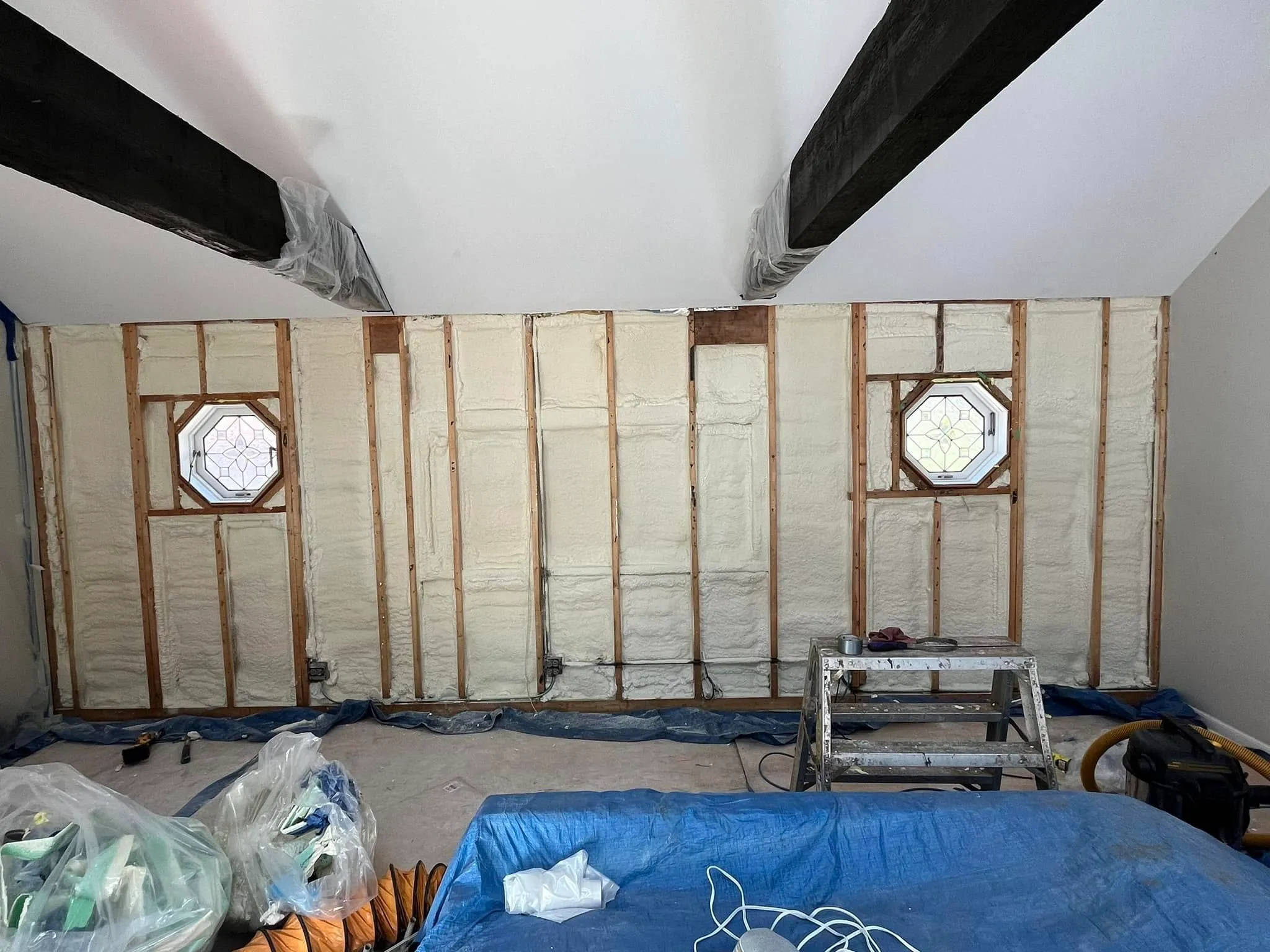
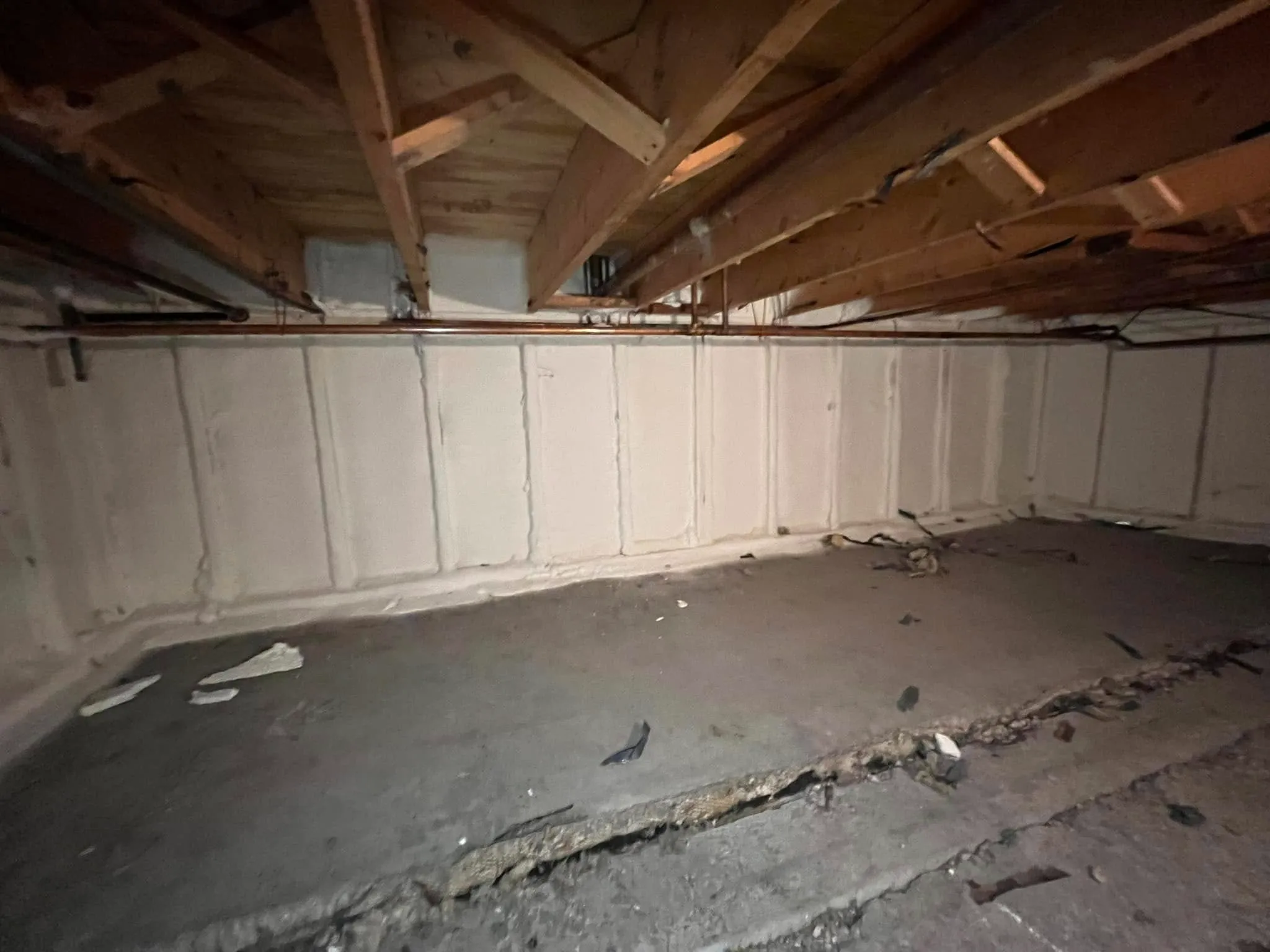
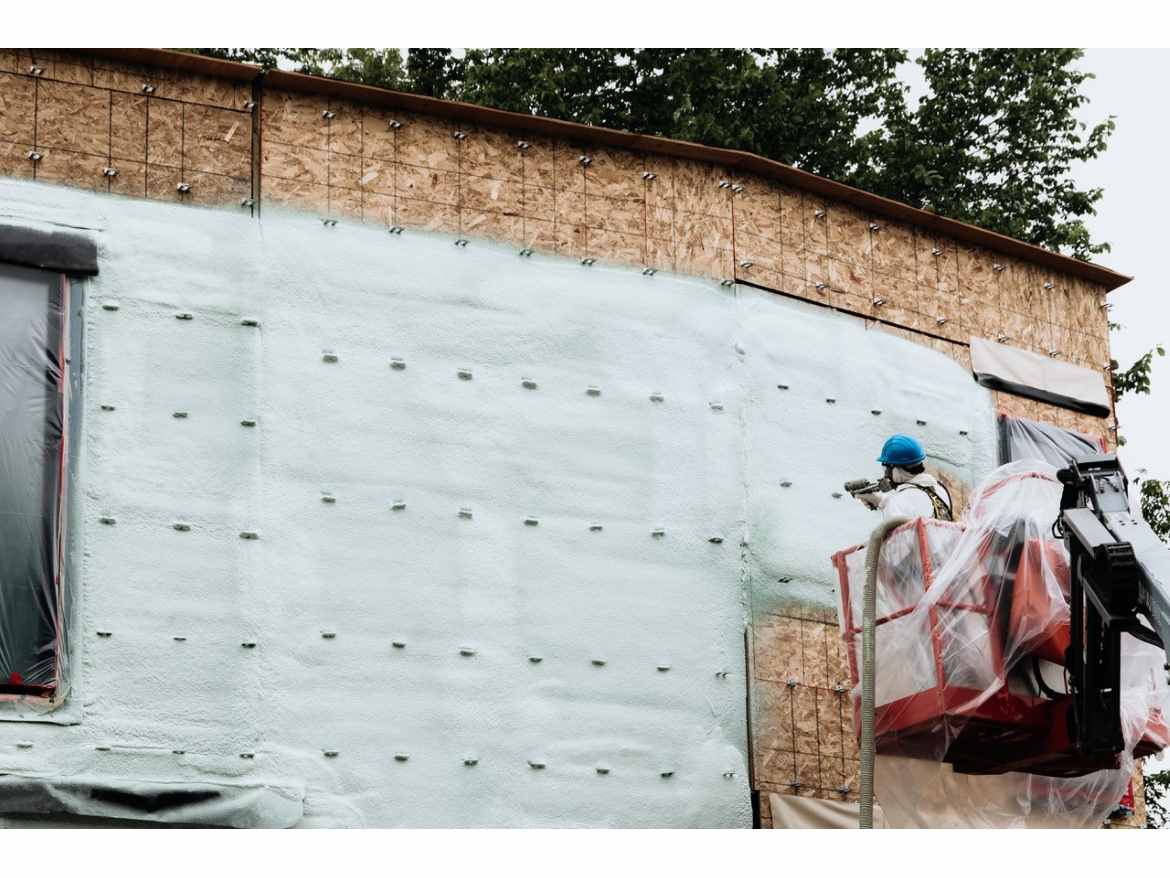
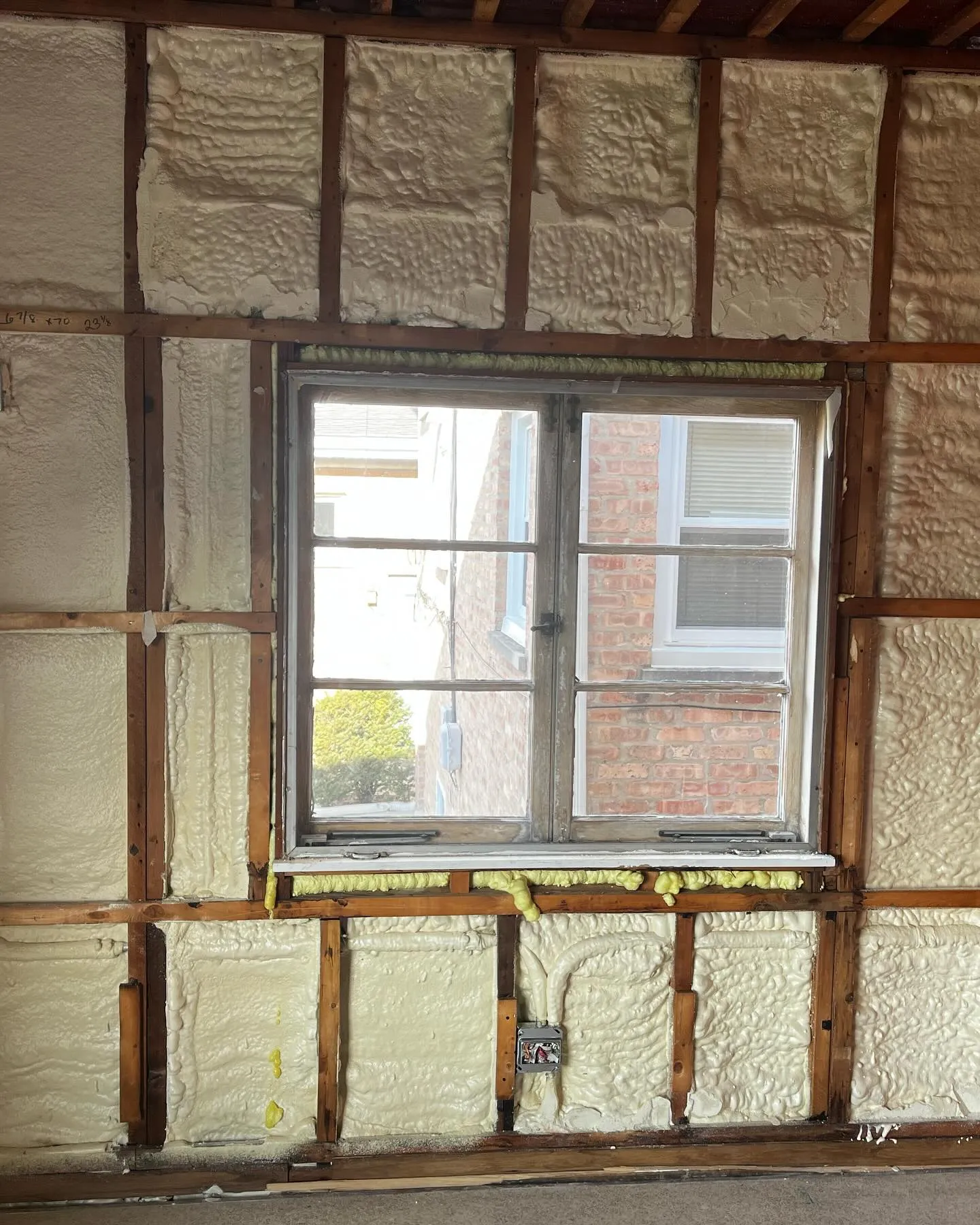
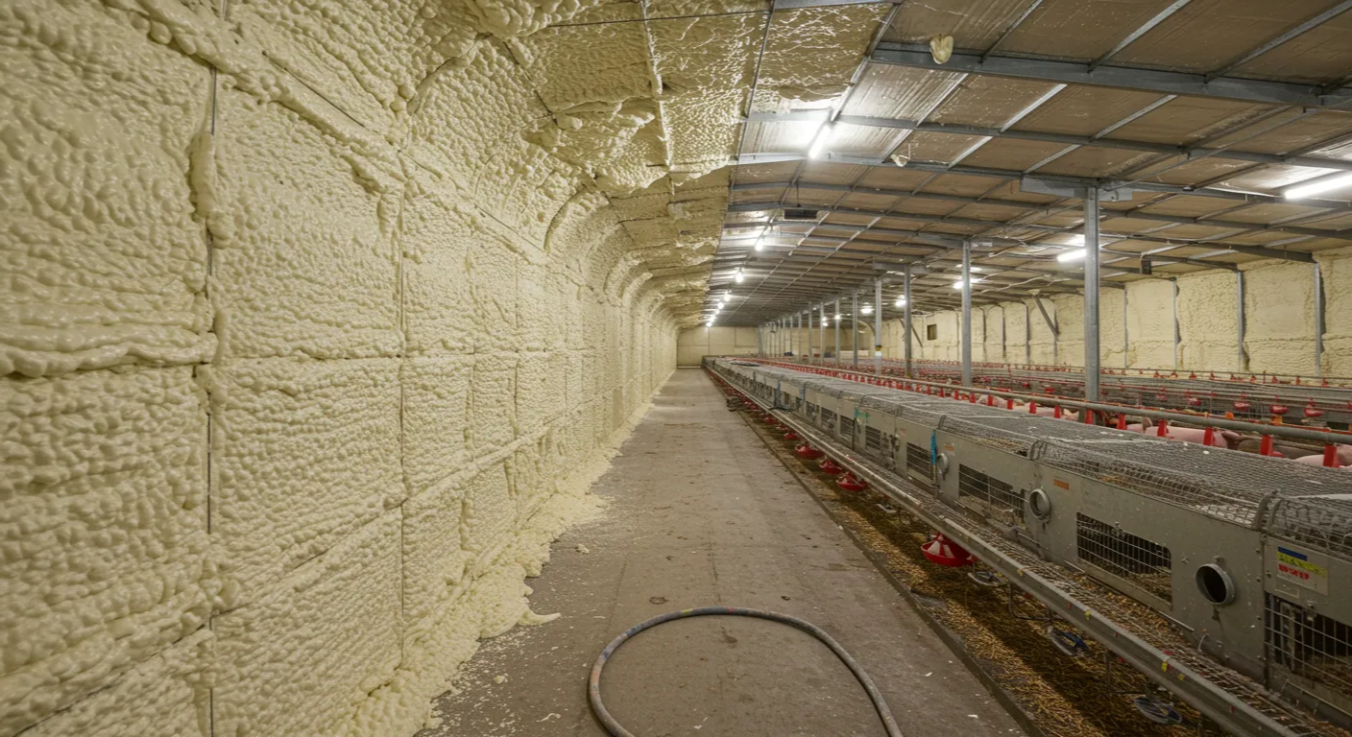
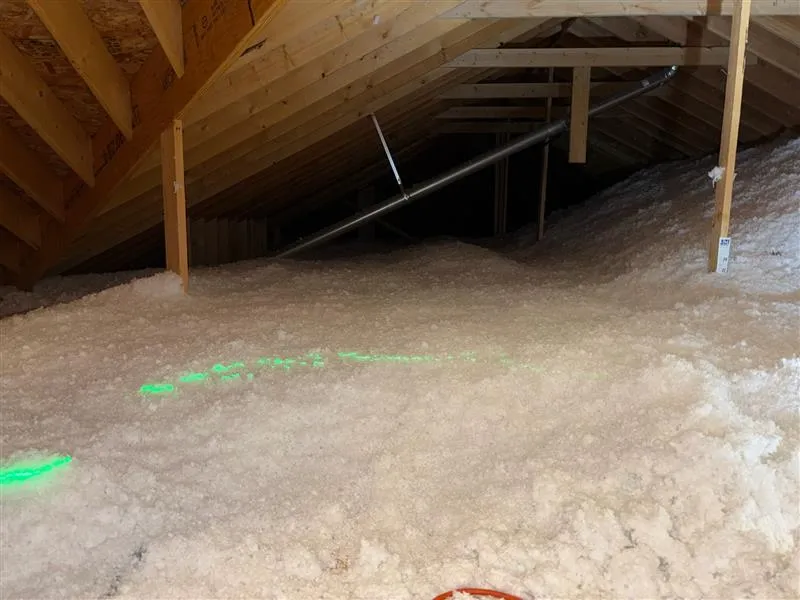
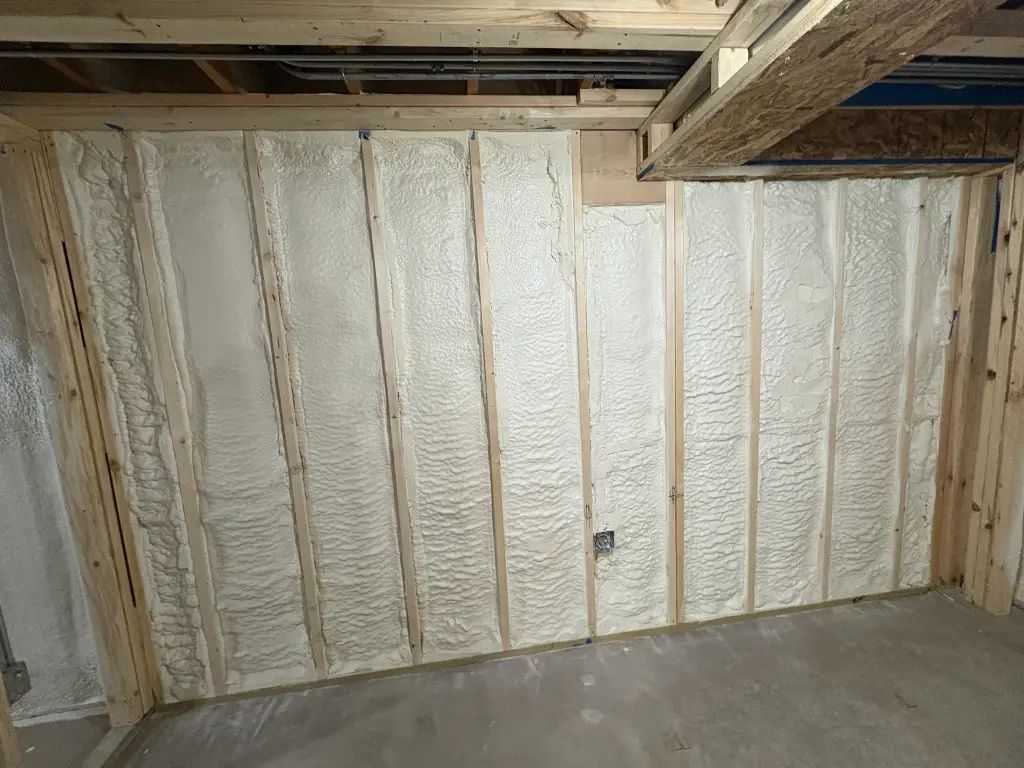
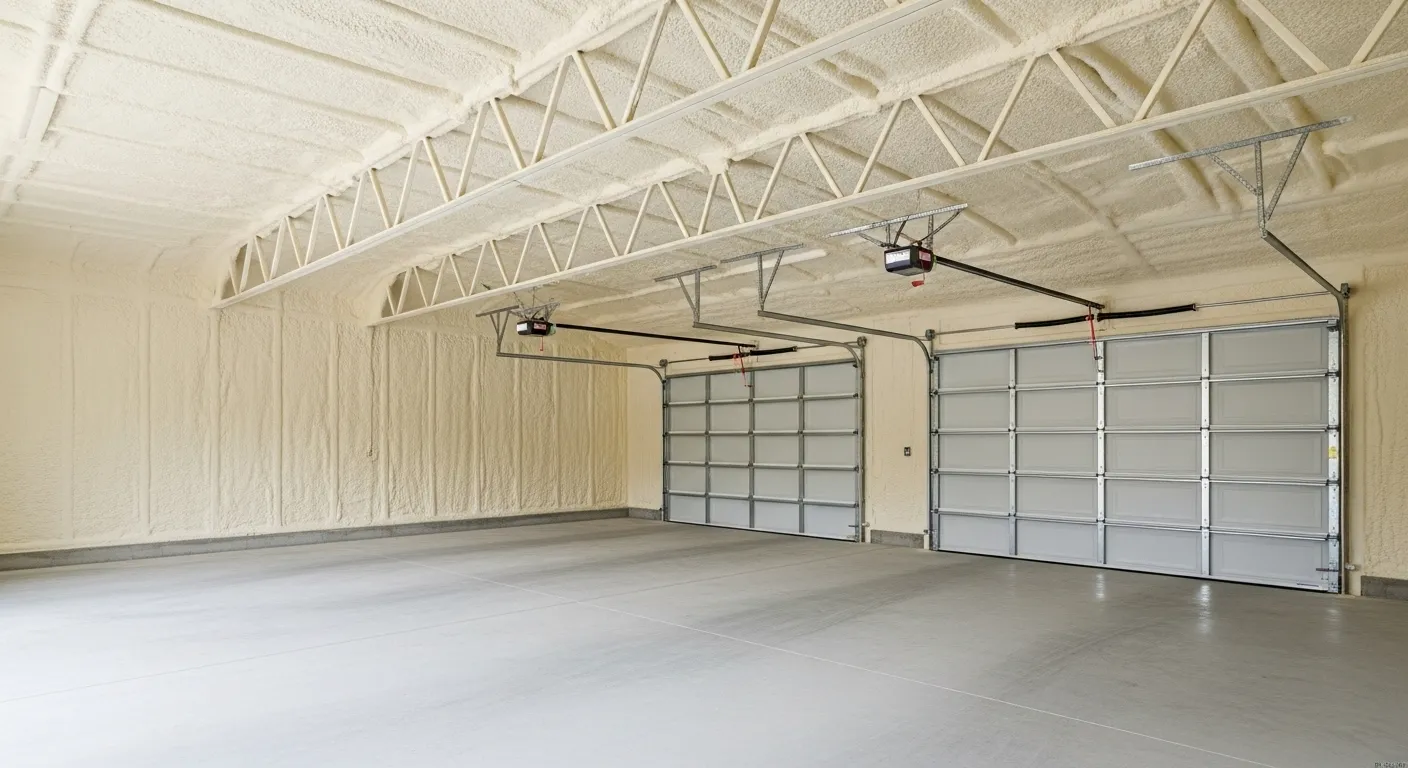
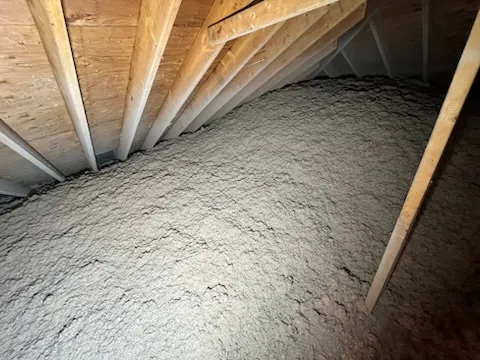
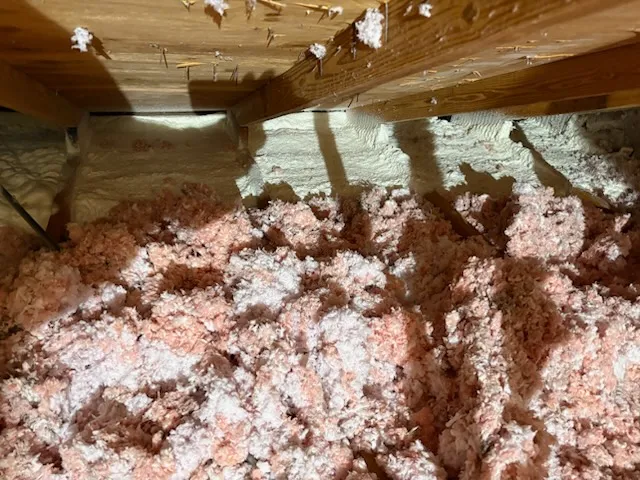
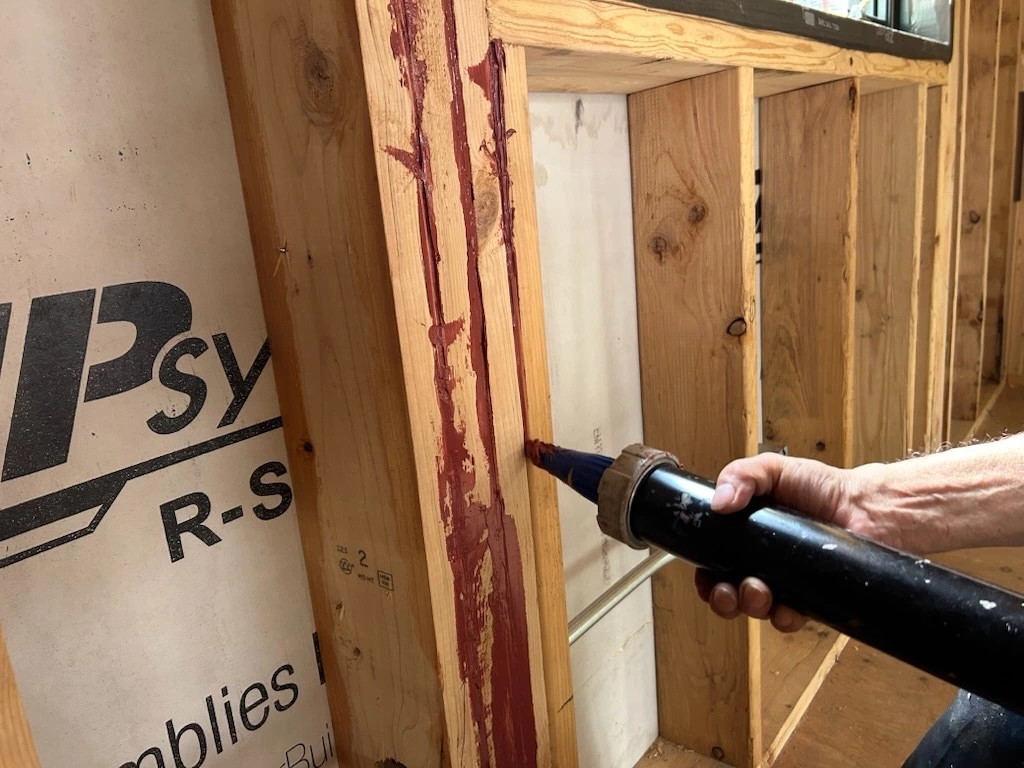
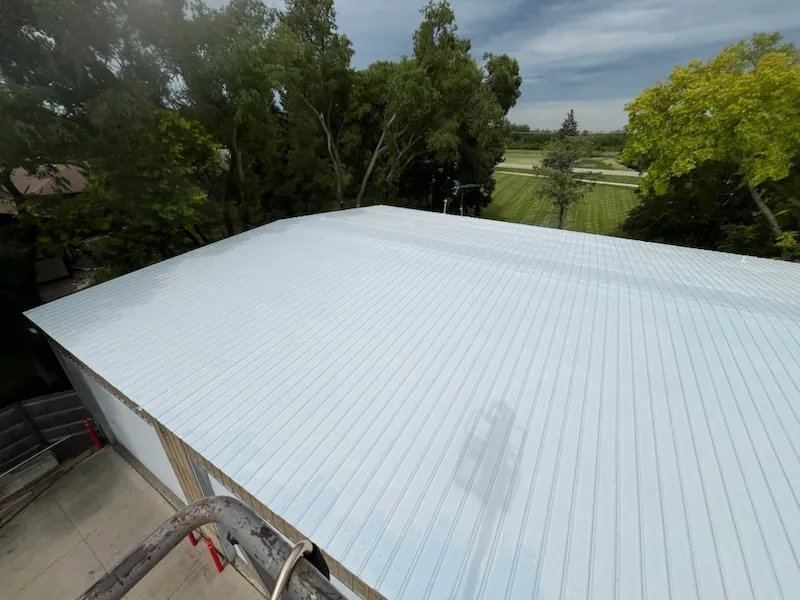
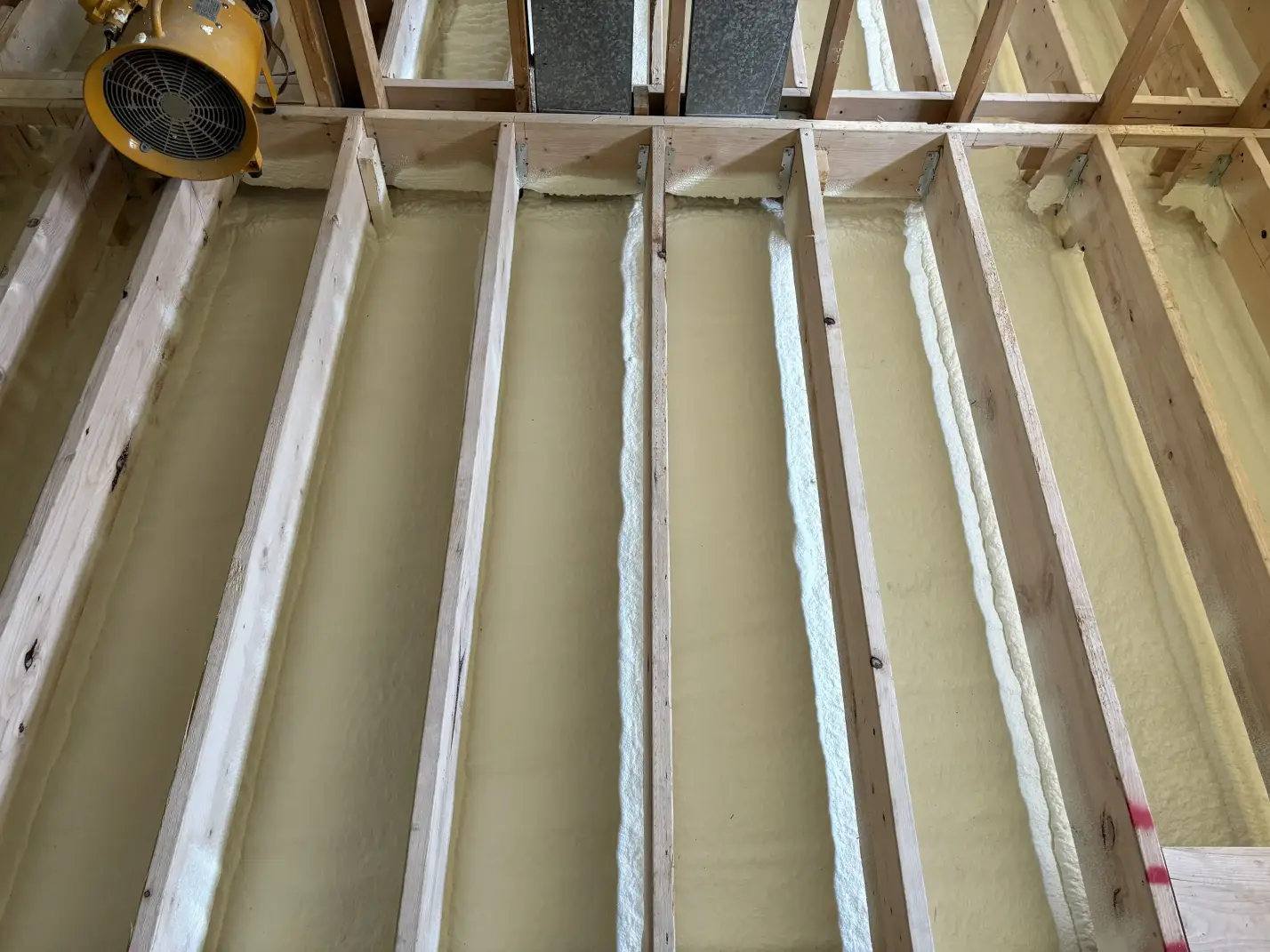




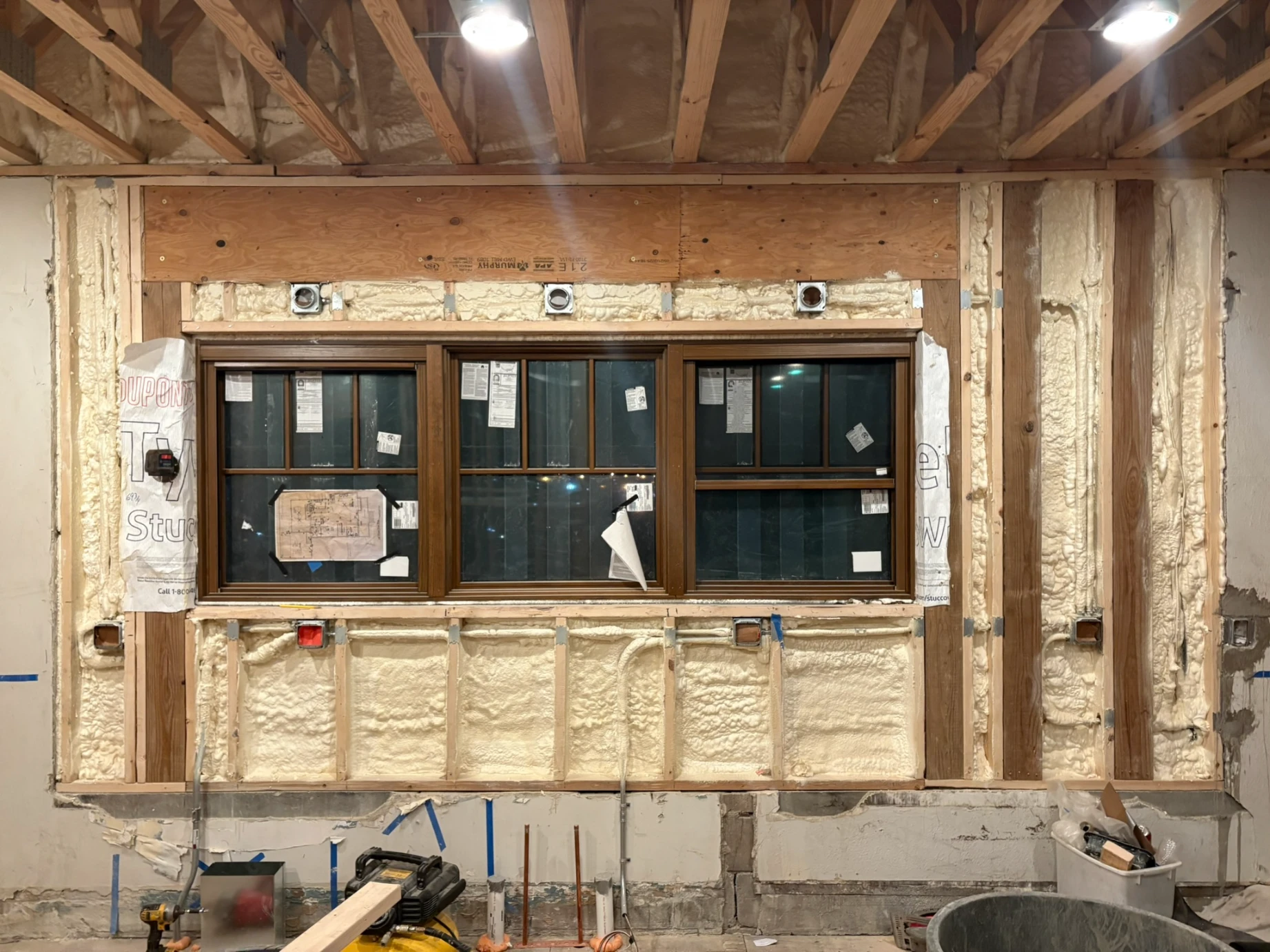

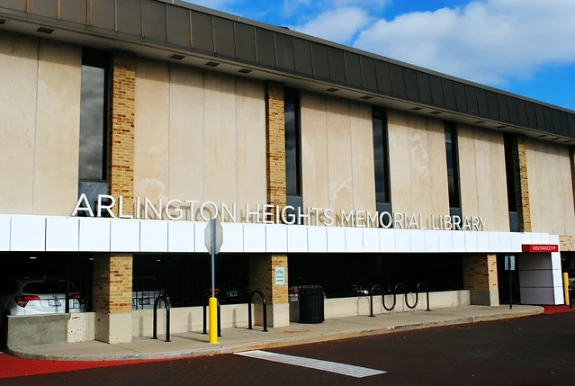



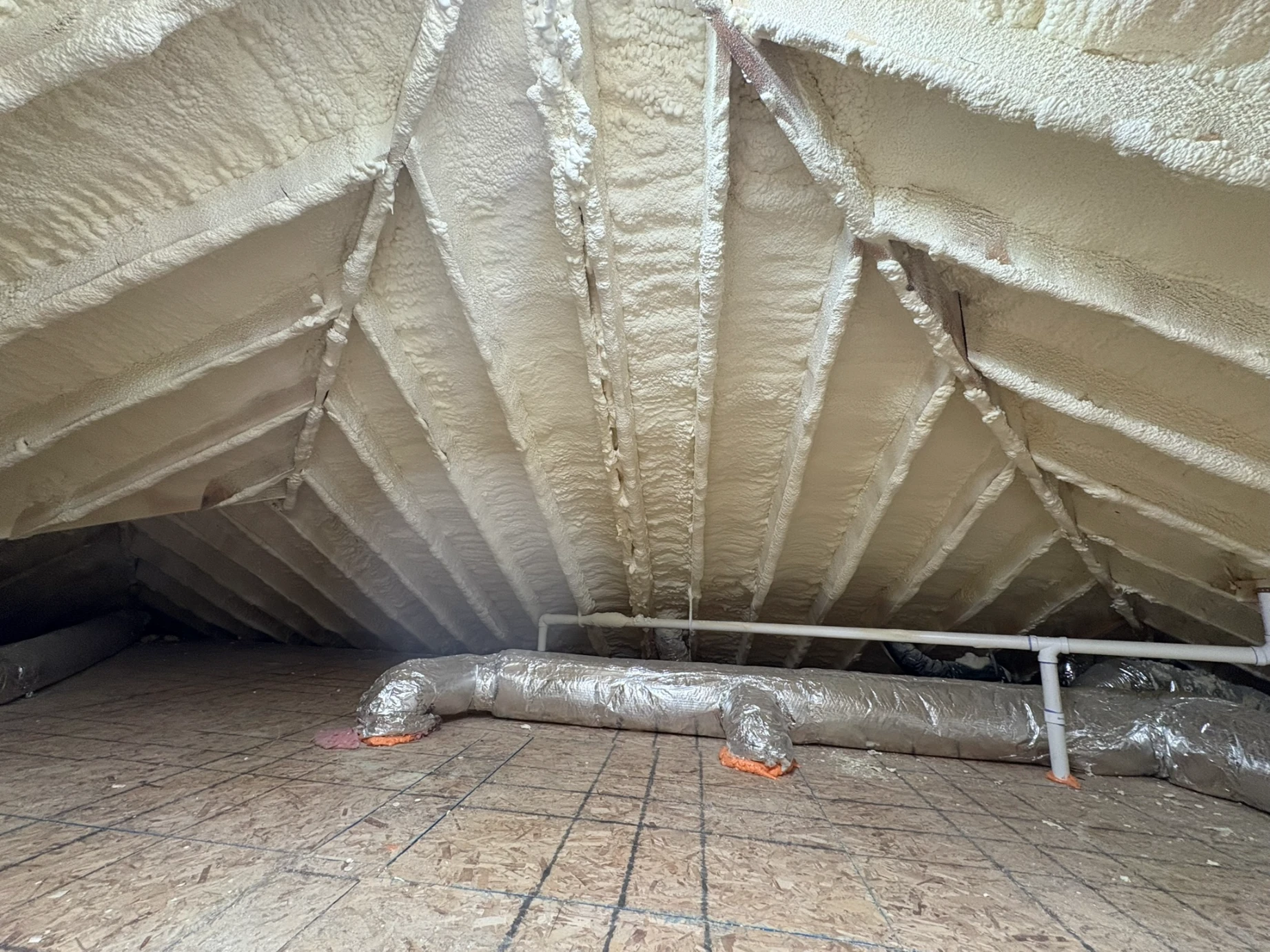
A 1950s bungalow in Mount Arlington Heights was suffering from severe ice damming and uneven heating during winter. Our team performed a blower door test and identified major air leaks in the attic and rim joists. By removing the old, settled fiberglass and installing Closed Cell Spray Foam, we created a monolithic air barrier. The result was a 30% reduction in heating costs and the complete elimination of ice dams the following winter.
Choosing the right contractor is the difference between a drafty house and a permanently comfortable home. At South Chicago Insulation, we move beyond generic solutions to provide engineered thermal protection that directly addresses your building’s unique leakage points. Our team uses top-tier materials that adhere to strict safety and environmental standards, ensuring your family’s health is never compromised. We are committed to punctuality, transparency, and leaving your property cleaner than we found it. Don't let your hard-earned money escape through the roof—partner with us to secure your home’s energy future today.
Elk Grove Village, Rolling Meadows, Palatine, Mount Prospect, Schaumburg, Hoffman Estates, Des Plaines, Prospect Heights, Barrington, Wheeling
Stop paying to heat the neighborhood and start keeping that energy inside where it belongs. Contact South Chicago Insulation today to schedule your comprehensive home performance evaluation.
Phone: (779) 803-8025
Email:[email protected]
Open-cell foam is lighter, less expensive, and excellent for sound dampening, but it allows some moisture permeability. Closed-cell foam is much denser, acts as a complete moisture vapor barrier, provides structural reinforcement to walls, and offers a higher R-value per inch, making it ideal for exterior walls and rooflines.
Insulation acts like a blanket to slow down heat transfer, while air sealing acts like a windbreaker to stop airflow. Without air sealing, conditioned air can simply bypass the insulation through small gaps and cracks. Doing both ensures your thermal envelope performs at its maximum potential.
Yes, absolutely. We use "retrofit" or injection foam techniques for existing walls that do not require tearing down drywall. For attics, crawlspaces, and basements, we can easily apply spray foam to open cavities to dramatically improve the home's energy performance without major renovation work.
Yes, significantly. Materials like cellulose, mineral wool, and open-cell spray foam have excellent sound-attenuation properties. They reduce the transmission of airborne noise (like traffic or voices) and impact noise, creating a quieter and more peaceful indoor environment.
Common signs include fluctuating temperatures between different rooms, high energy bills, drafts near walls or windows, and visible signs of pest infestation or moisture damage in the attic. A professional energy audit or performance evaluation can scientifically determine the state of your current insulation.