
South Chicago Insulation, LLC logo

Powerful Blown-in Cellulose Insulation Services in Chicago, IL

Older buildings with insufficient insulation can lose heat through walls, ceilings, and other poorly sealed areas. If you need blown-in cellulose insulation in Chicago, IL, South Chicago Insulation, LLC provides insulation solutions for residential and commercial properties.

Established in 1984, we bring decades of experience to residential and commercial insulation projects. Our team focuses on improving insulation coverage, reducing unwanted heat transfer, and addressing air leakage in buildings. We consider existing building conditions and insulation requirements to help property owners make informed decisions about their projects.

Call (779) 803-8025 to discuss your insulation project in Chicago, IL.

Get a Quote

Chicago's Historic Housing and Seasonal Insulation Challenges

Chicago experiences cold winters and warm summers that create different insulation demands throughout the year. According to the National Weather Service's 1991–2020 climate normals, the city's January average temperature is 25.2°F, with approximately 38.4 inches of annual snowfall. Insufficient insulation allows heat to escape through exterior walls and ceilings during winter. Blown-in cellulose helps reduce heat transfer, while proper air sealing limits drafts and uncontrolled airflow.

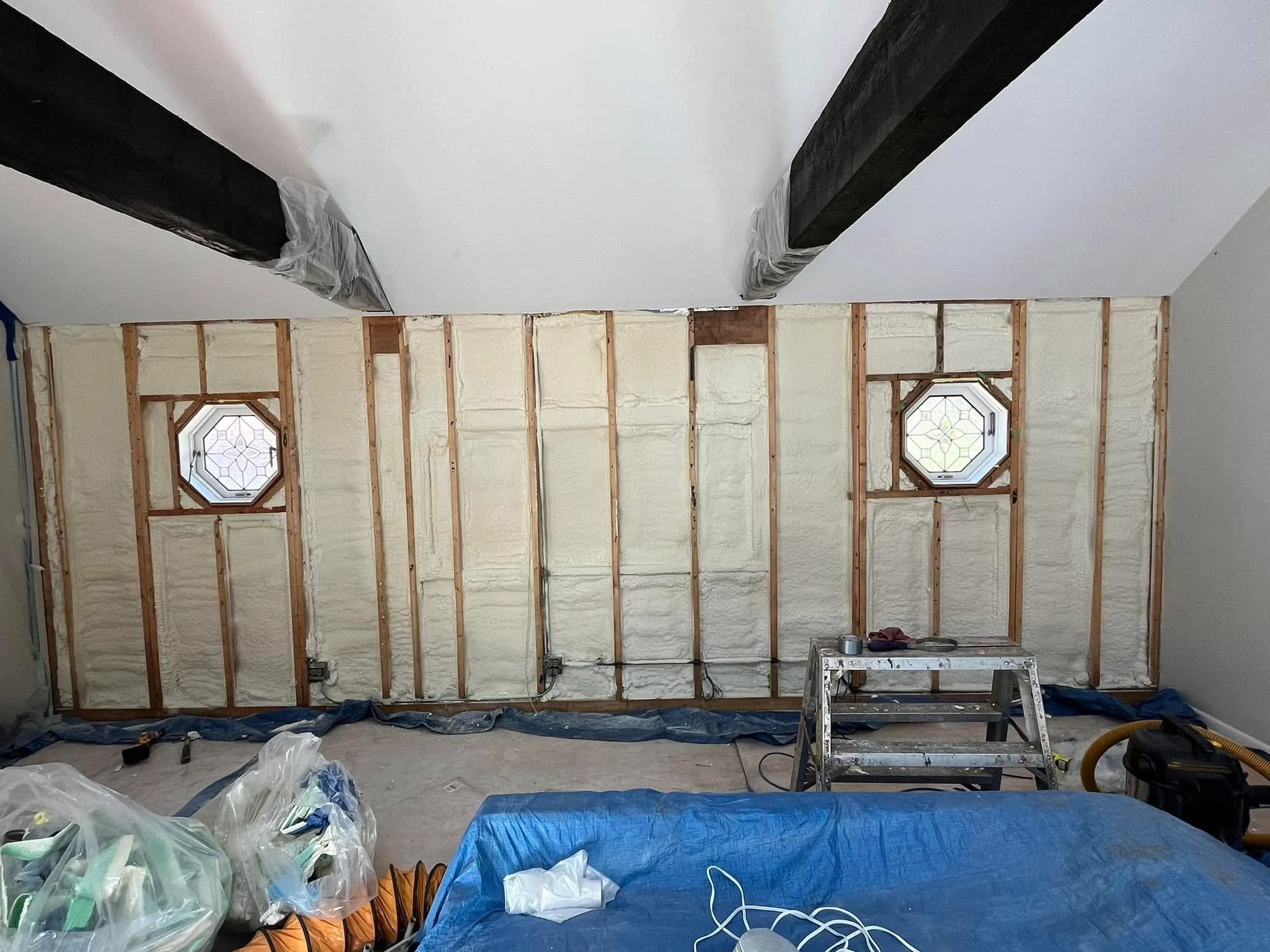
Chicago's older housing stock also affects insulation decisions. According to the Chicago Bungalow Association, more than 80,000 bungalows remain in the city, many built between 1910 and the mid-1930s. These homes may have enclosed wall cavities, outdated insulation, or limited access behind finished surfaces. Dense-pack cellulose can improve insulation coverage in suitable existing cavities without extensive interior demolition.

Insulation and Spray Foam Services in Chicago, IL

South Chicago Insulation, LLC provides insulation services in Chicago, IL, along with other insulation options for residential and commercial buildings. Material selection depends on thermal performance, air leakage, sound control, and the condition of existing building assemblies.
Residential Insulation

Residential Insulation

For homeowners considering residential cellulose insulation in Chicago, IL, suitable wall and ceiling cavities can be filled to improve thermal coverage. Material selection depends on home construction and existing insulation conditions.
Commercial Insulation

Commercial Insulation

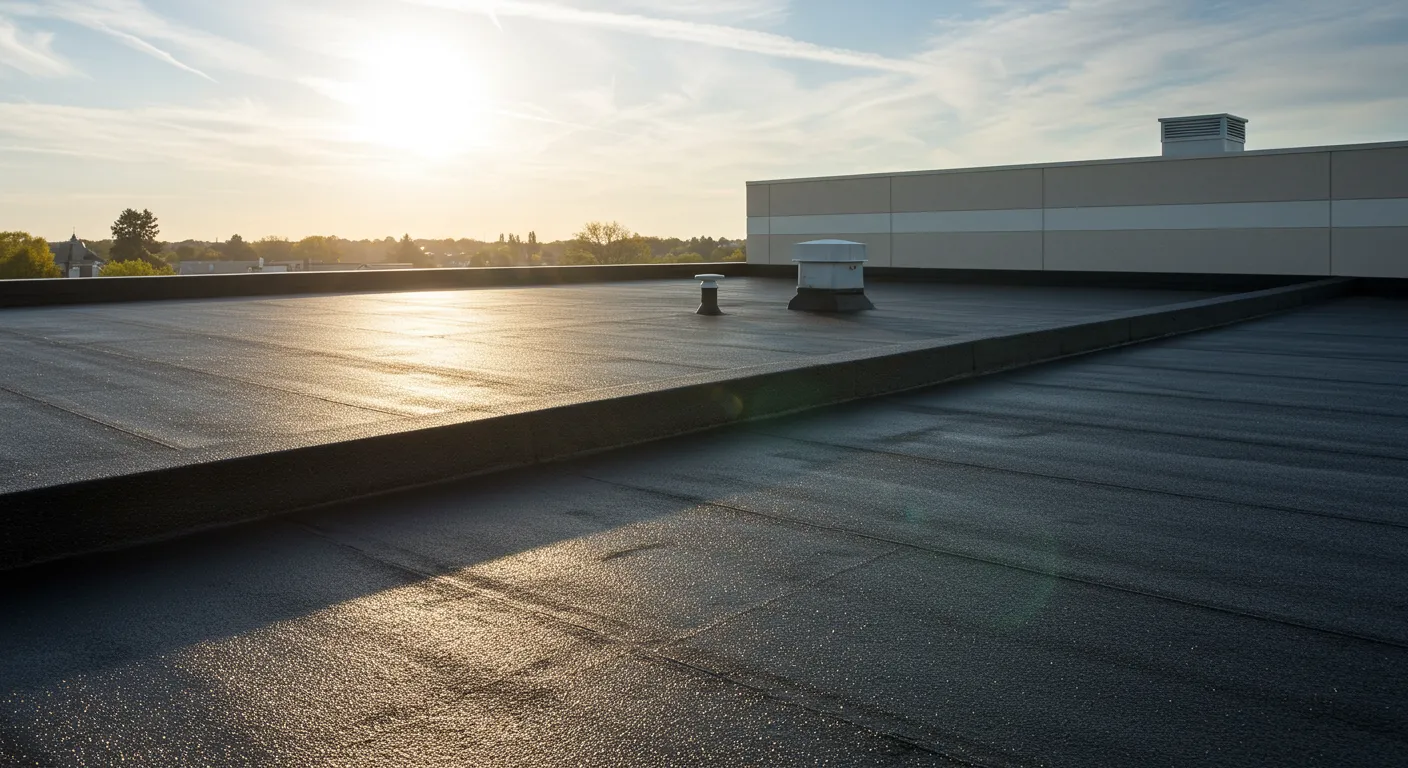
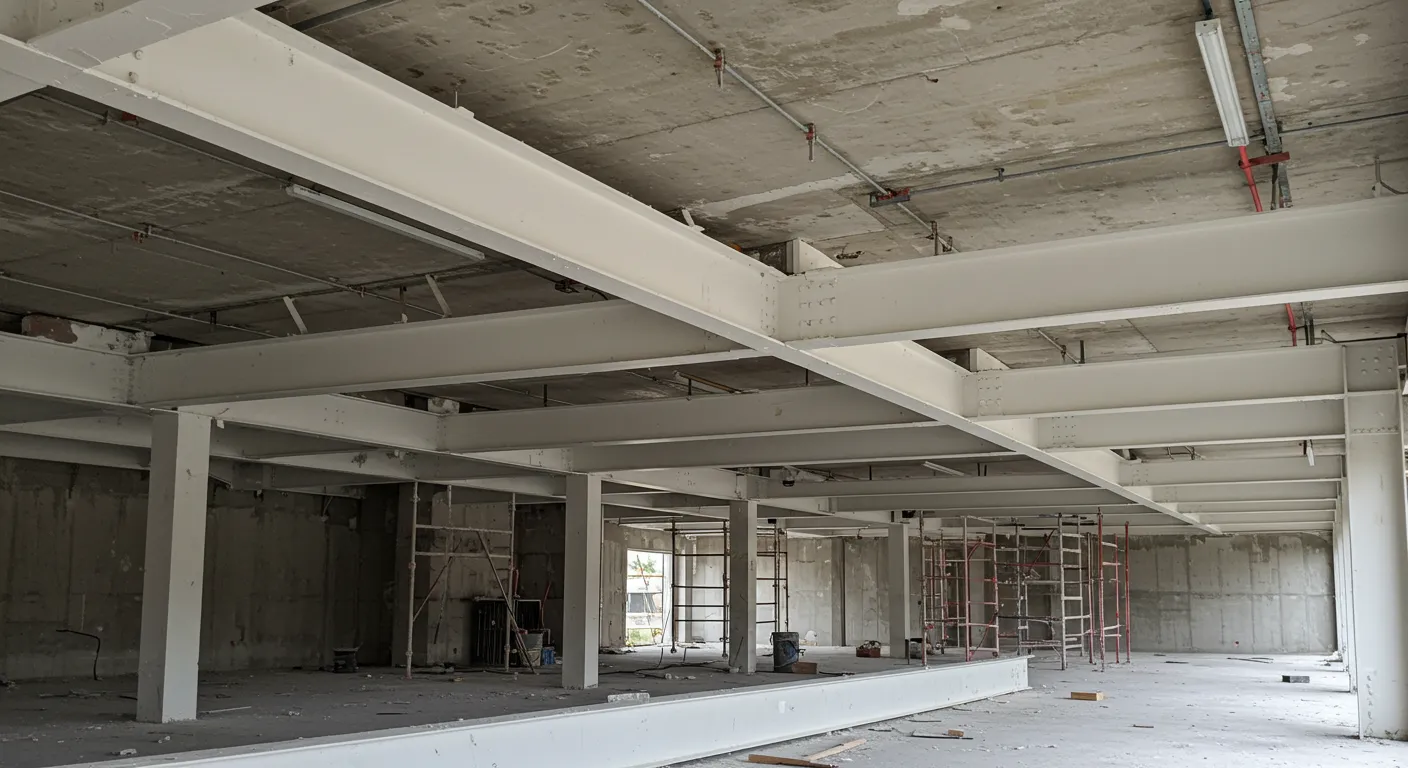
Commercial insulation supports indoor temperature control in offices, warehouses, and other business properties. Material selection depends on building construction, operating conditions, and required thermal performance levels.
Retrofit Insulation

Retrofit Insulation

Retrofit insulation improves thermal coverage in existing buildings without complete reconstruction. Suitable installation methods depend on cavity access, existing materials, wall construction, and overall building conditions.
Spray Foam Roofing

Spray Foam Roofing

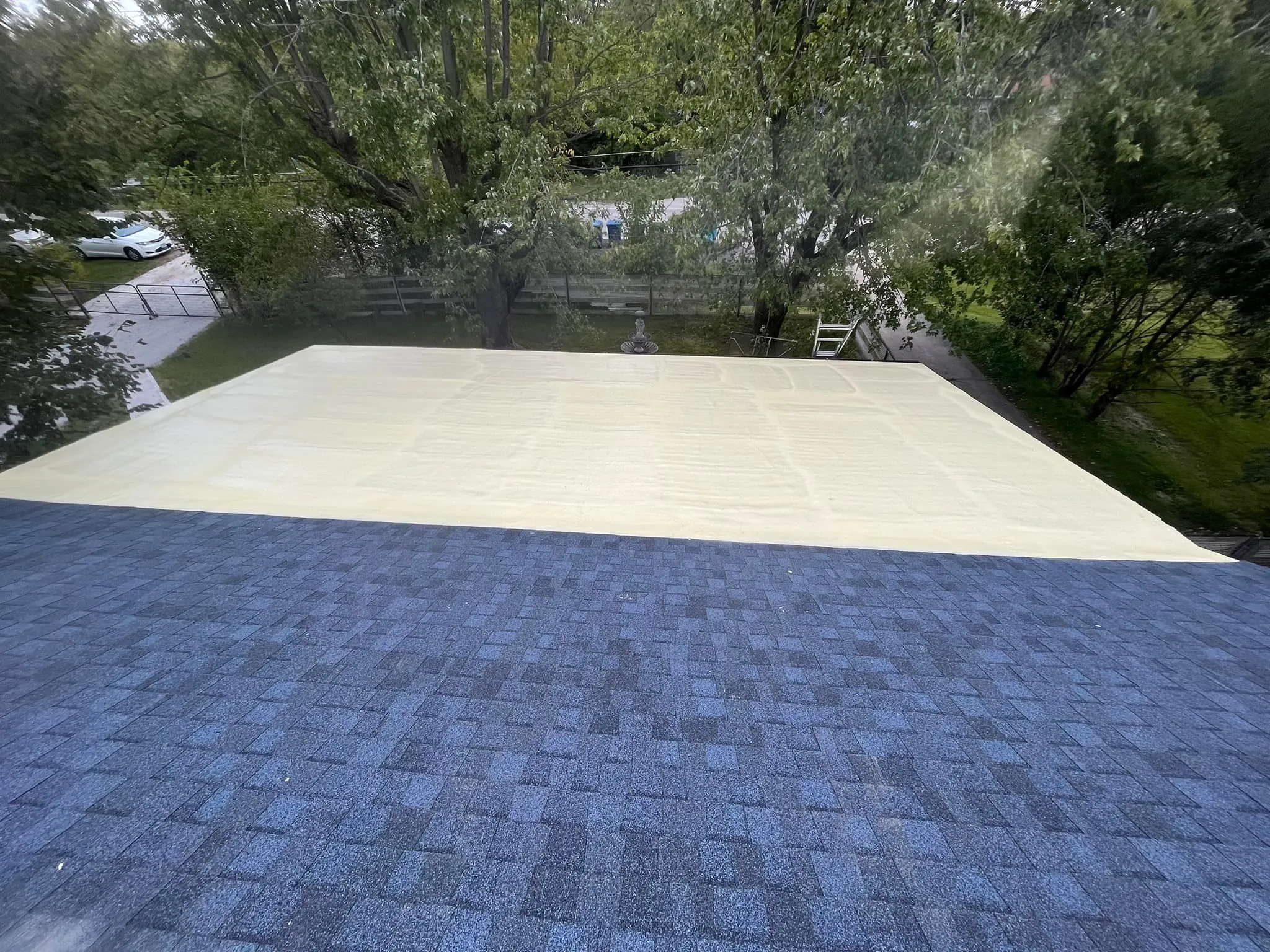
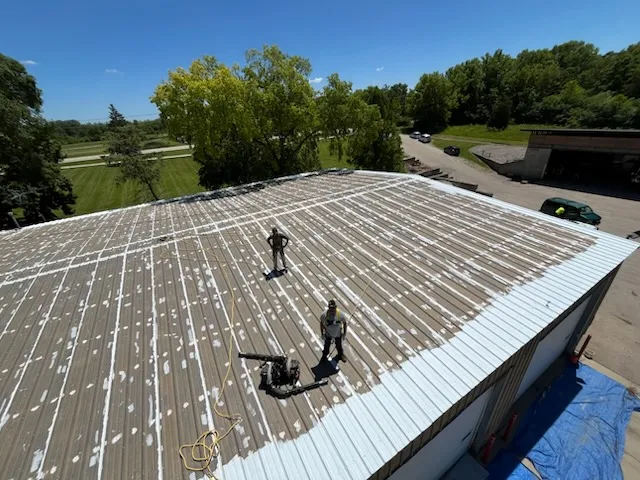
Spray foam roofing provides thermal resistance within compatible roofing systems. Proper installation requires suitable roof preparation, drainage, protective coatings, and adherence to applicable product specifications and requirements.
Roof Coatings

Roof Coatings

Roof coatings create protective layers on compatible roofing surfaces. Product selection depends on roof materials, existing surface conditions, weather exposure, and the intended protective performance of coatings.
Attic Insulation

Attic Insulation

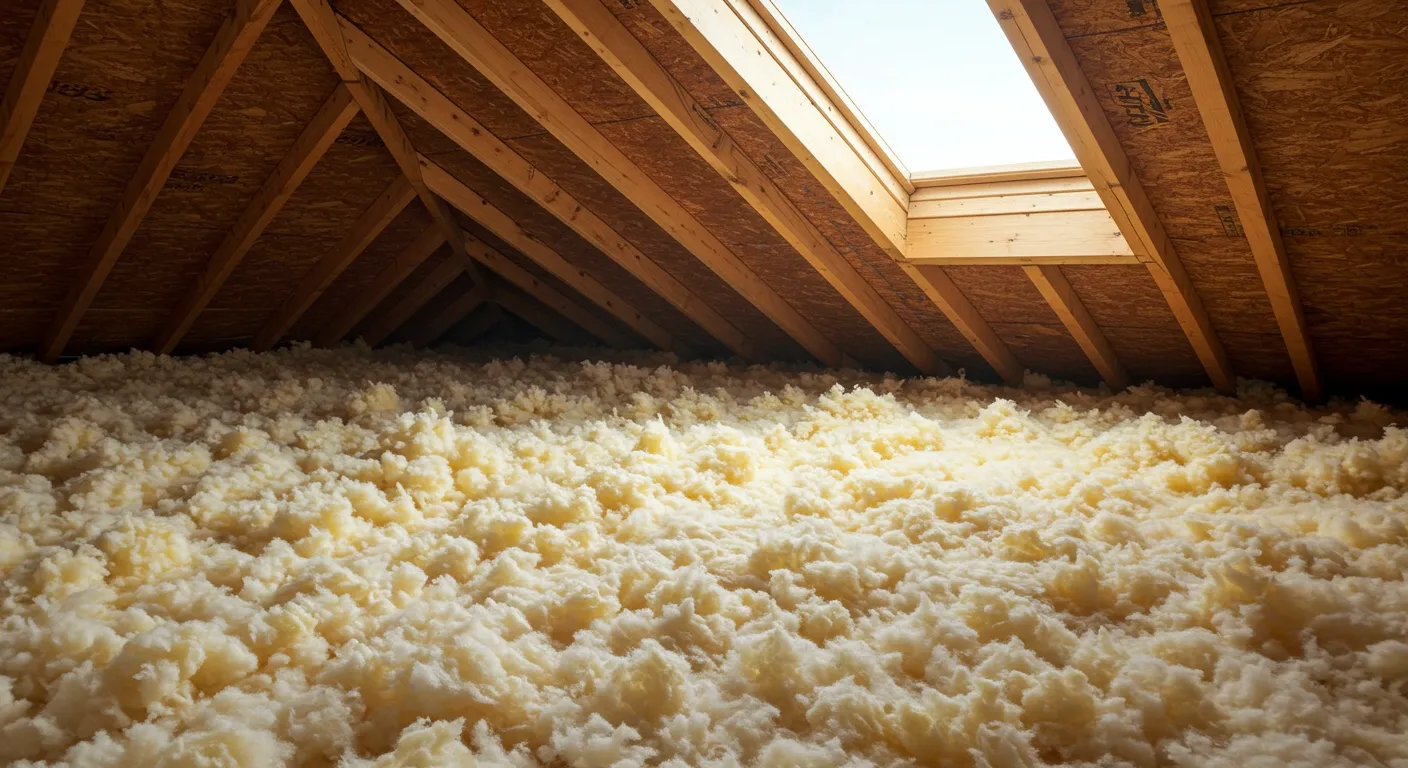
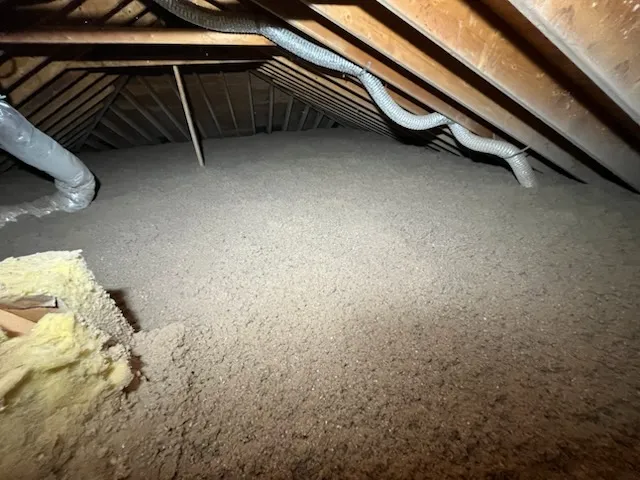
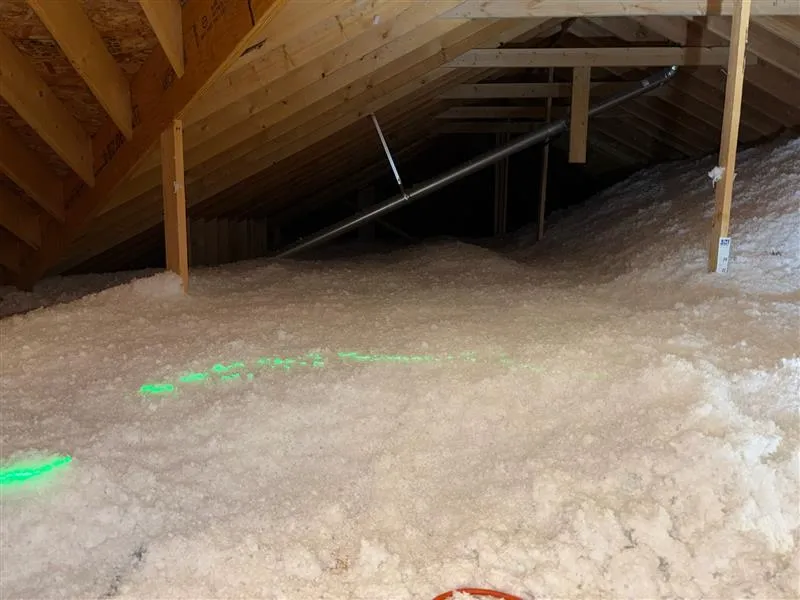
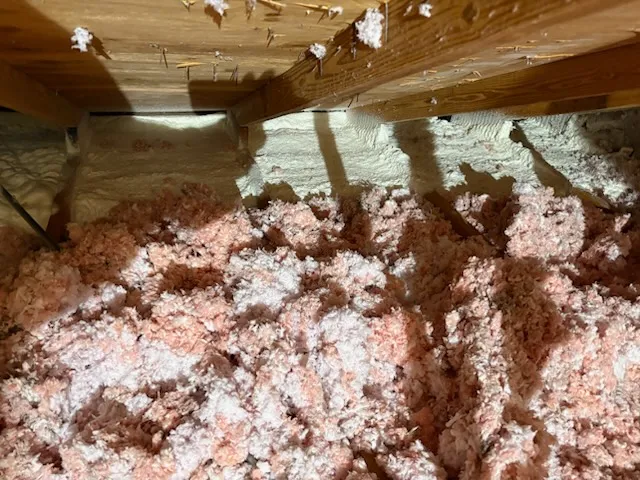
Attic cellulose insulation in Chicago, IL can help limit winter heat loss and summer heat gain through ceilings. Installation depends on existing insulation, ventilation requirements, and roof construction.
Crawlspace Encapsulation

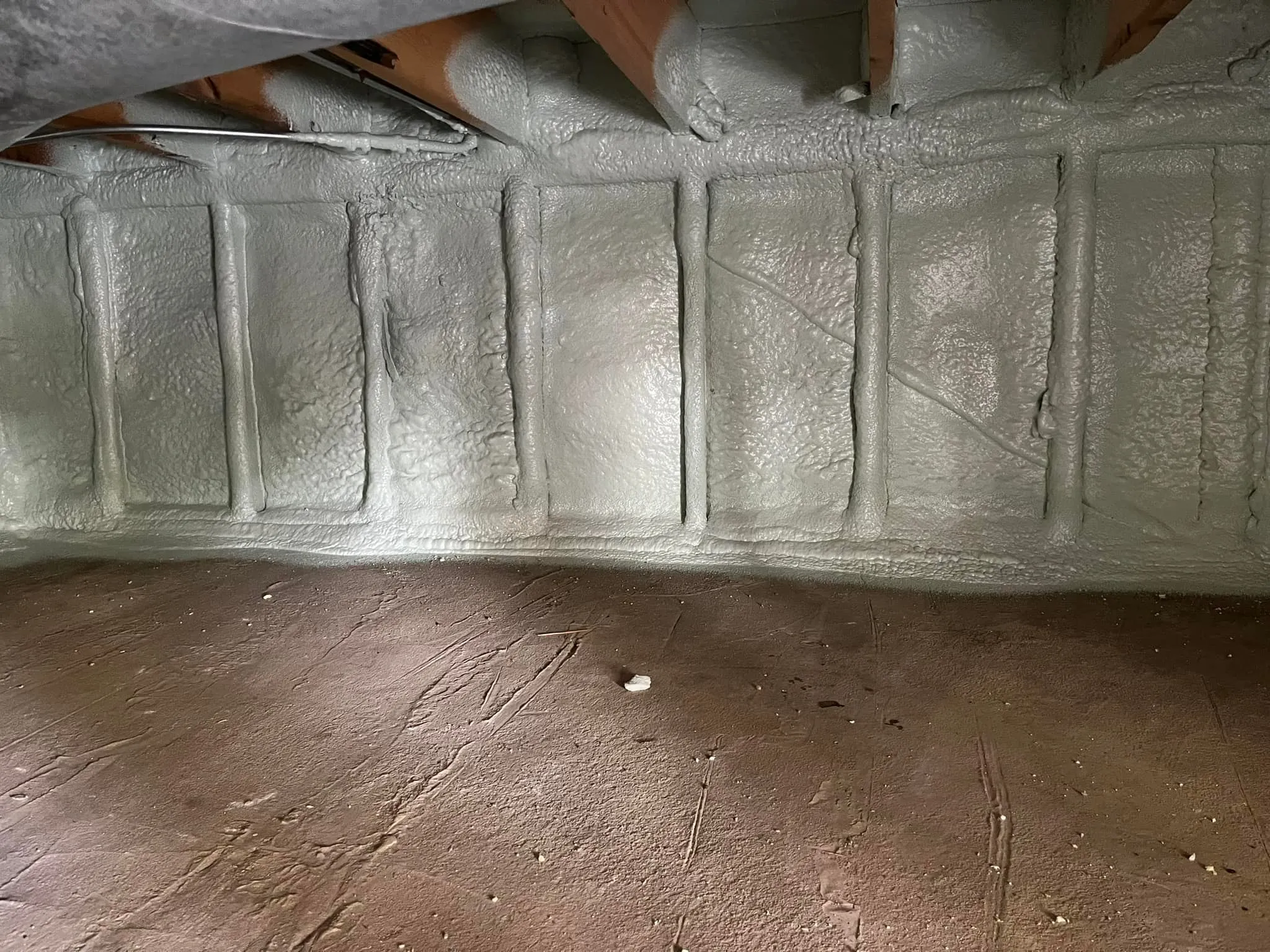
Crawlspace Encapsulation

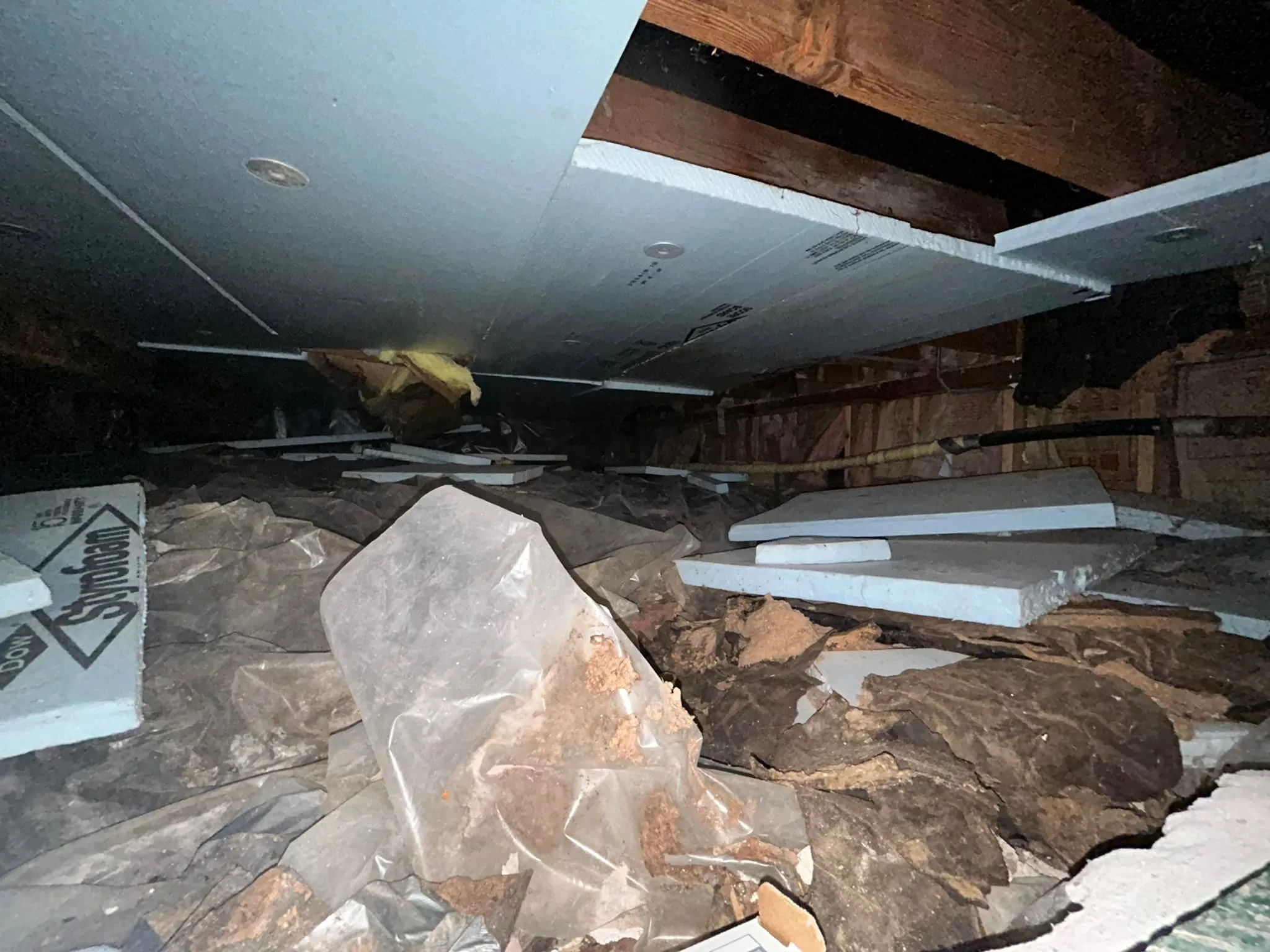
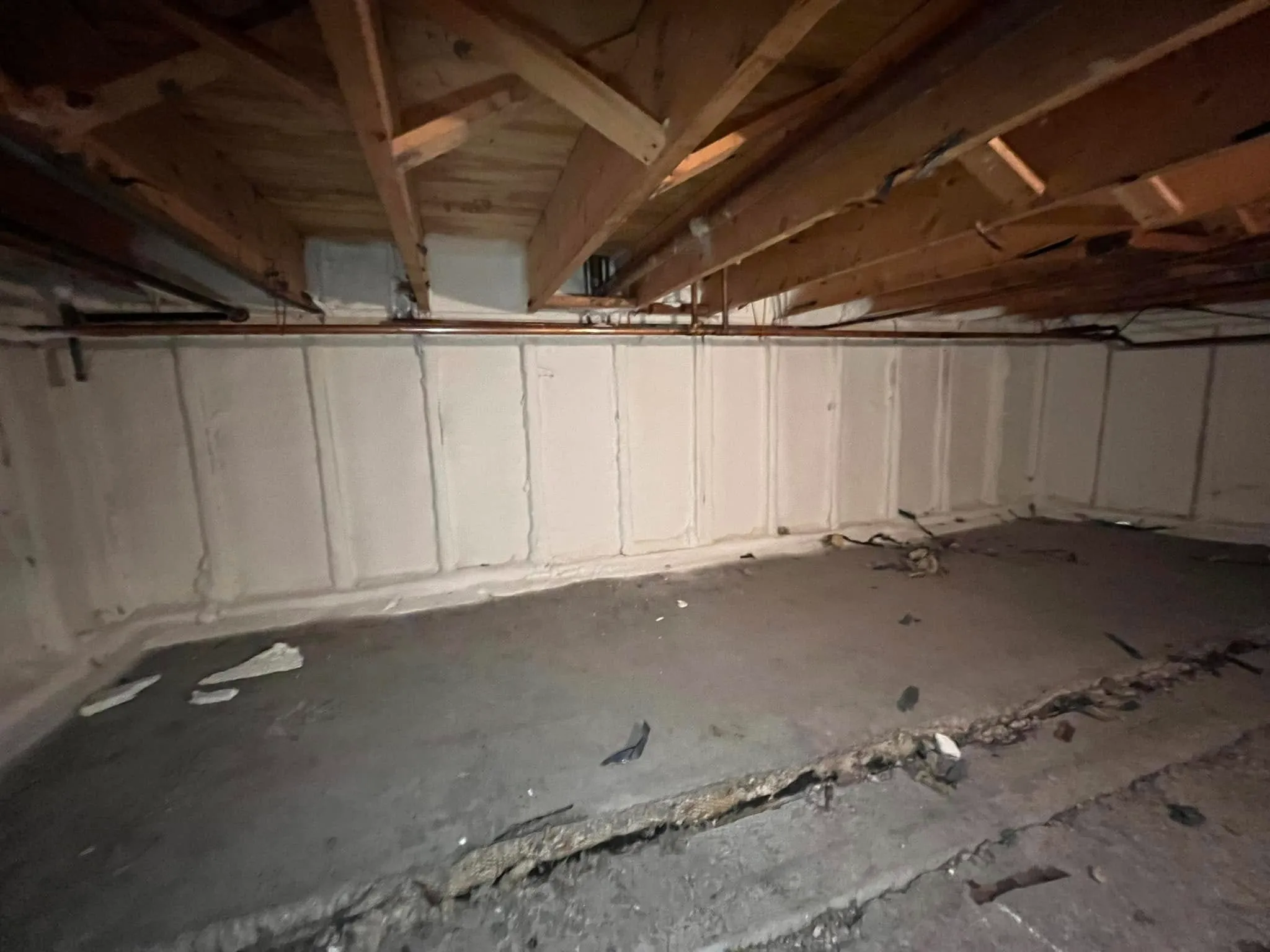
Crawlspace encapsulation uses moisture barriers and sealing methods to manage ground moisture. Proper installation considers drainage, foundation conditions, and the building's existing ventilation and humidity requirements.
Home Performance Evaluation

Home Performance Evaluation

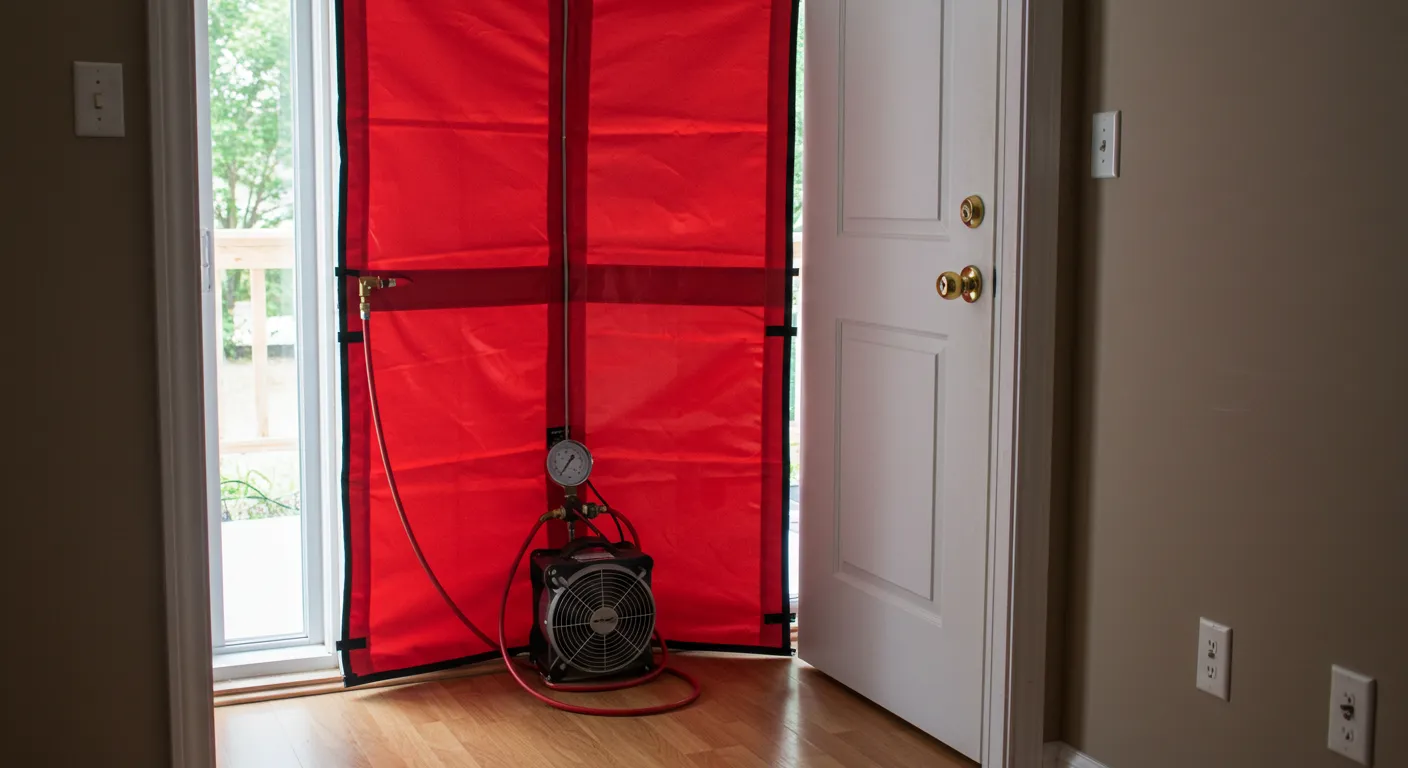
Home performance evaluation identifies insulation gaps, air leakage, and possible energy efficiency concerns. Findings help property owners understand which building improvements may provide practical benefits.
Sound Attenuation Insulation

Sound Attenuation Insulation

Sound attenuation insulation helps reduce airborne sound transmission through suitable walls, ceilings, and partitions. Performance depends on insulation materials, construction details, and the complete building assembly.
Pole Barn Insulation

Pole Barn Insulation

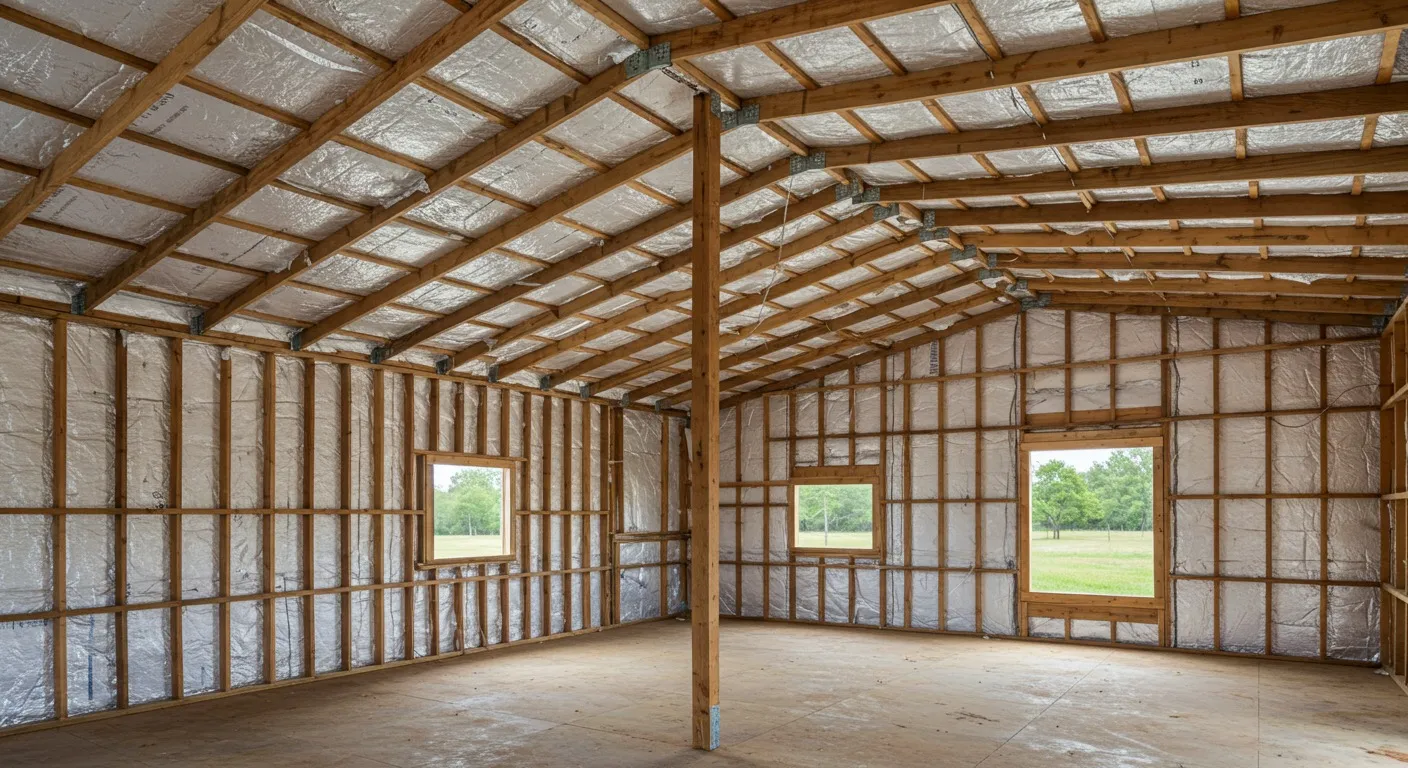
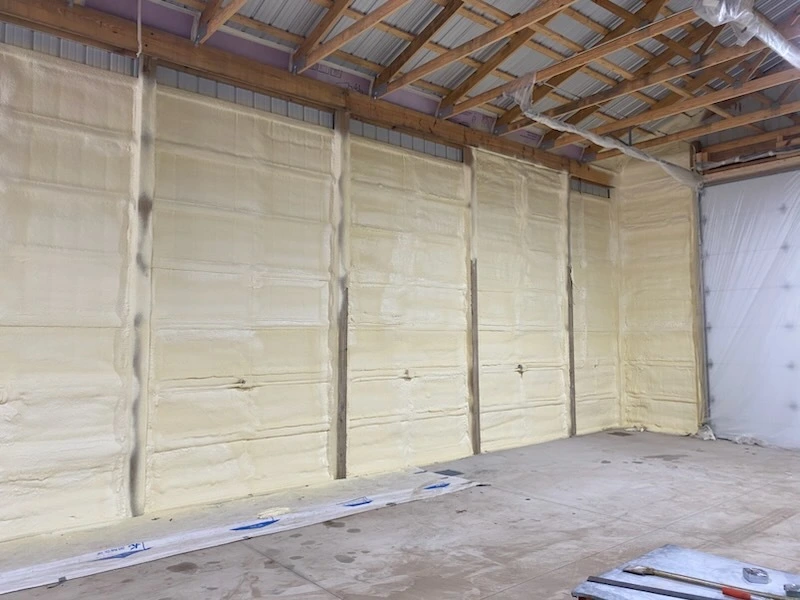
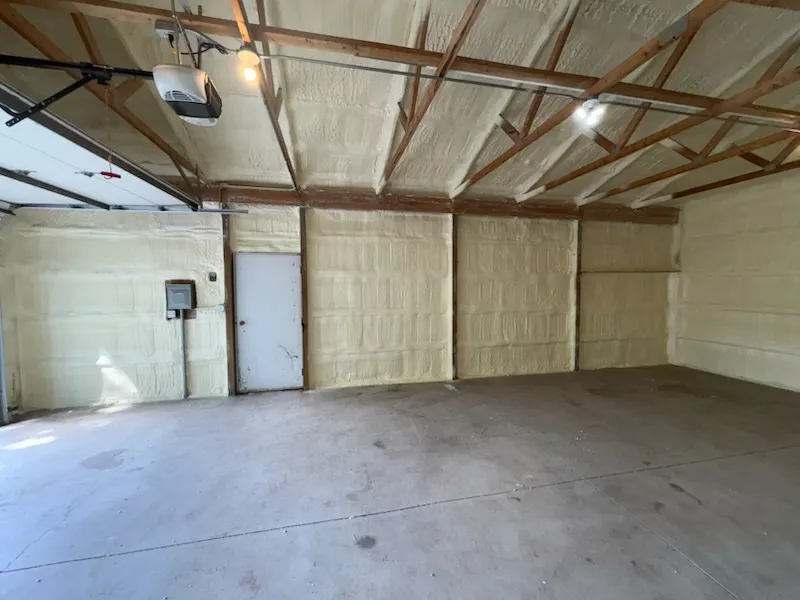
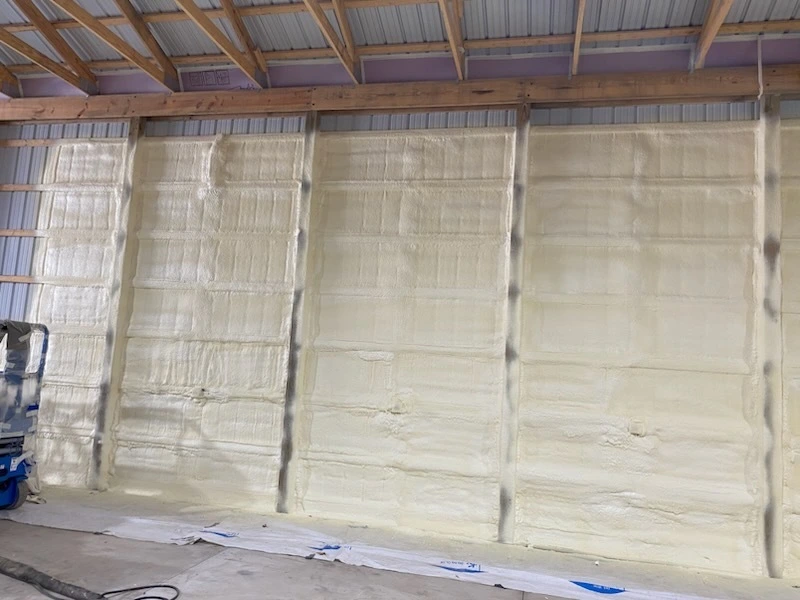
Pole barn insulation helps manage heat transfer in agricultural, storage, and workshop buildings. Suitable materials depend on structural design, condensation risks, ventilation, and intended interior conditions.
Intumescent Coatings

Intumescent Coatings

Intumescent coatings expand when exposed to heat, providing specified fire protection in approved applications. Select products based on tested assemblies, installation requirements, and applicable building codes.
Blown-In Insulation

Blown-In Insulation

Blown-in insulation fills accessible ceiling spaces and suitable enclosed cavities. When properly installed, it provides thermal coverage around framing and obstructions where loose-fill insulation is appropriate.
Residential Spray Foam Insulation

Residential Spray Foam Insulation

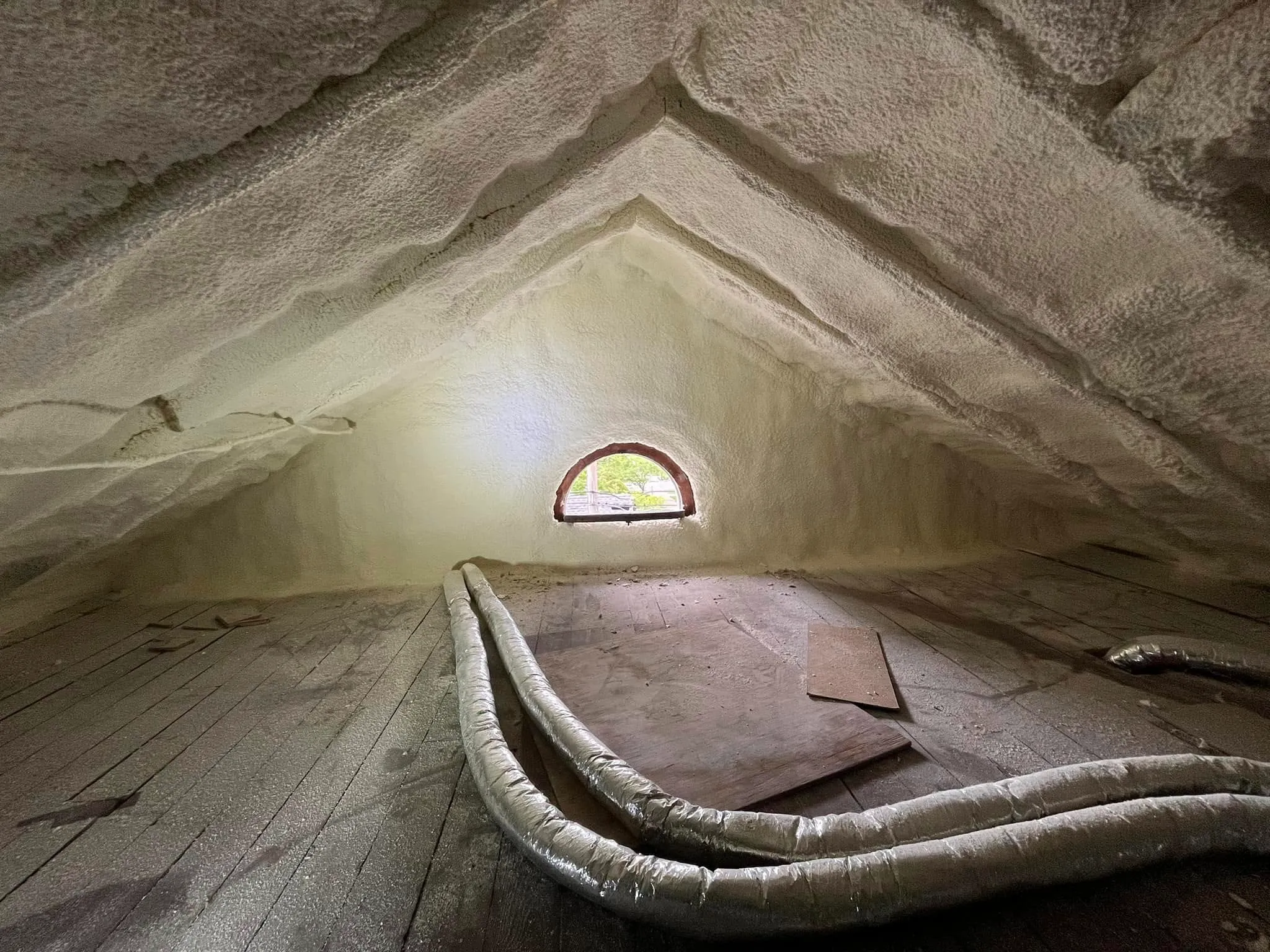
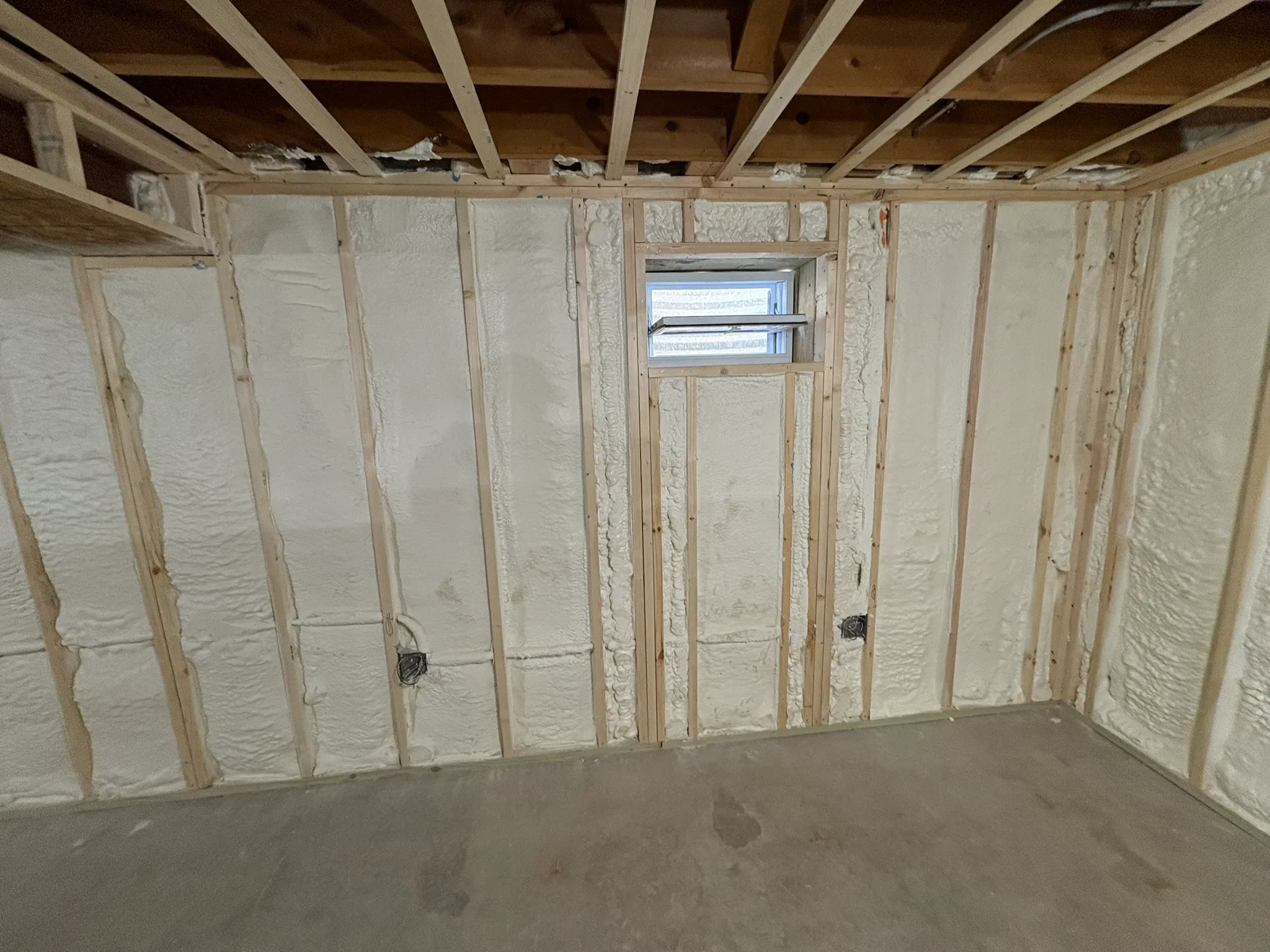
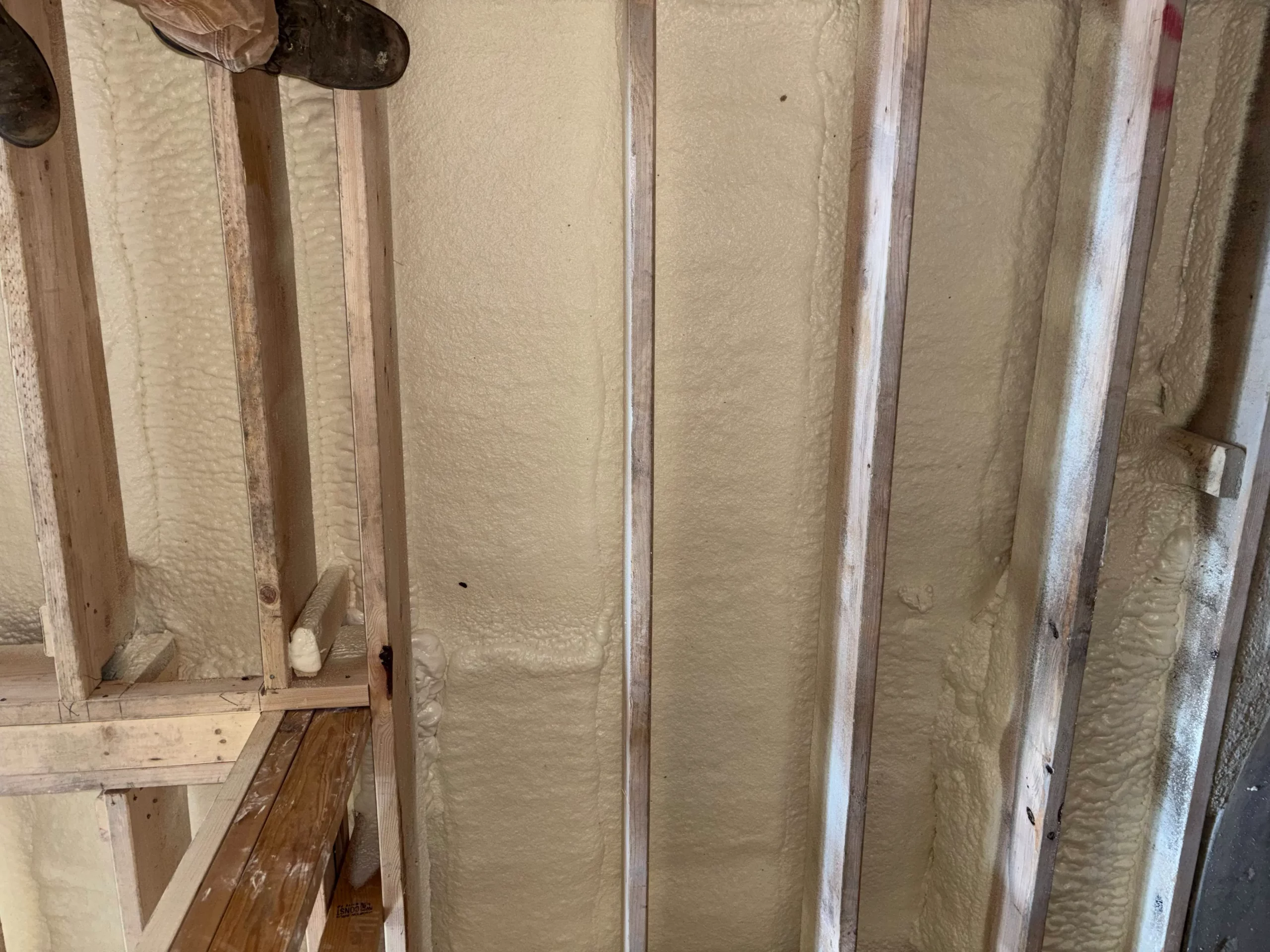
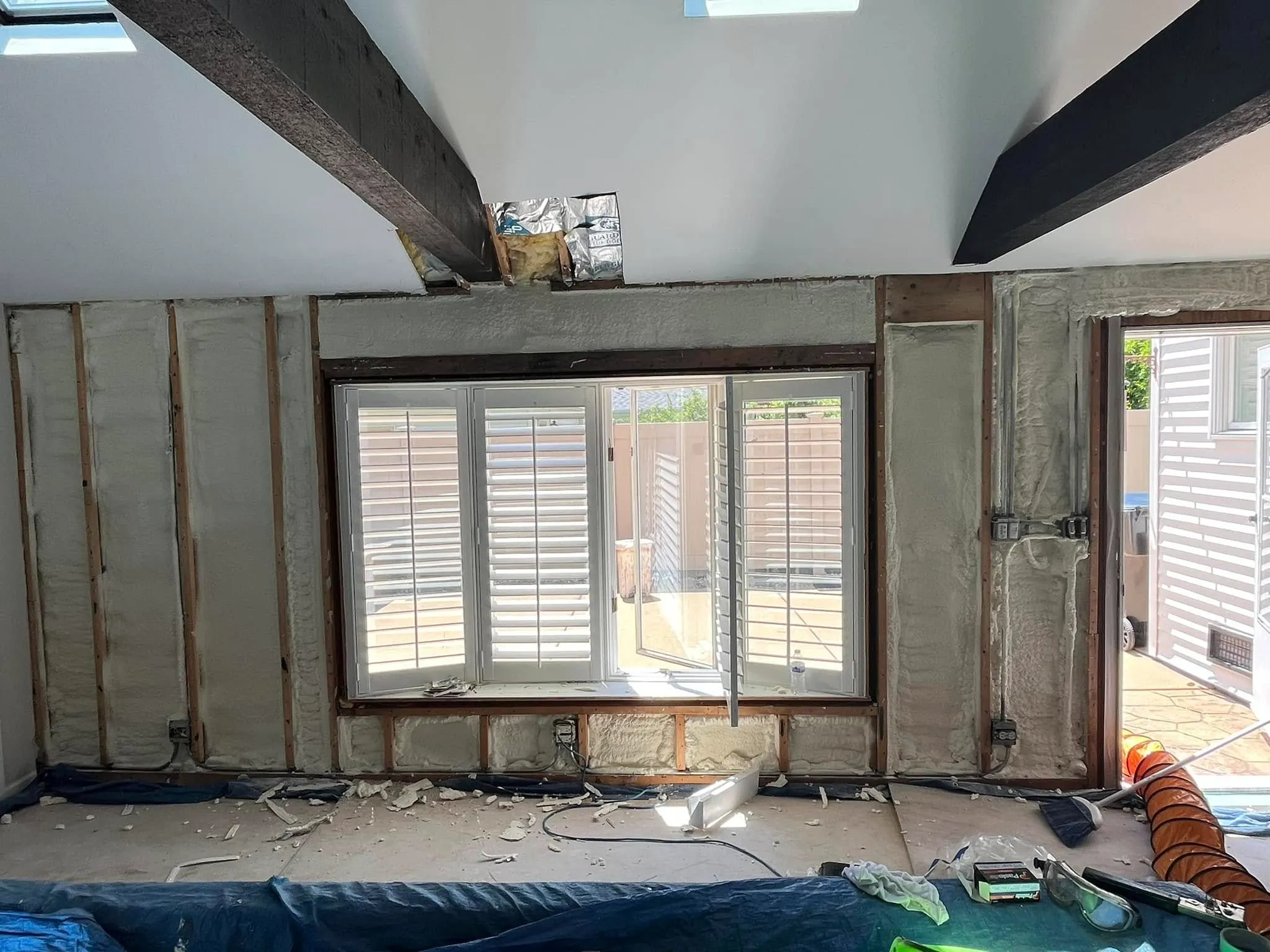
Residential spray foam insulation expands into suitable building cavities to reduce air leakage and heat transfer. Applications depend on home construction, insulation requirements, and moisture-control considerations.
Commercial Spray Foam Insulation

Commercial Spray Foam Insulation

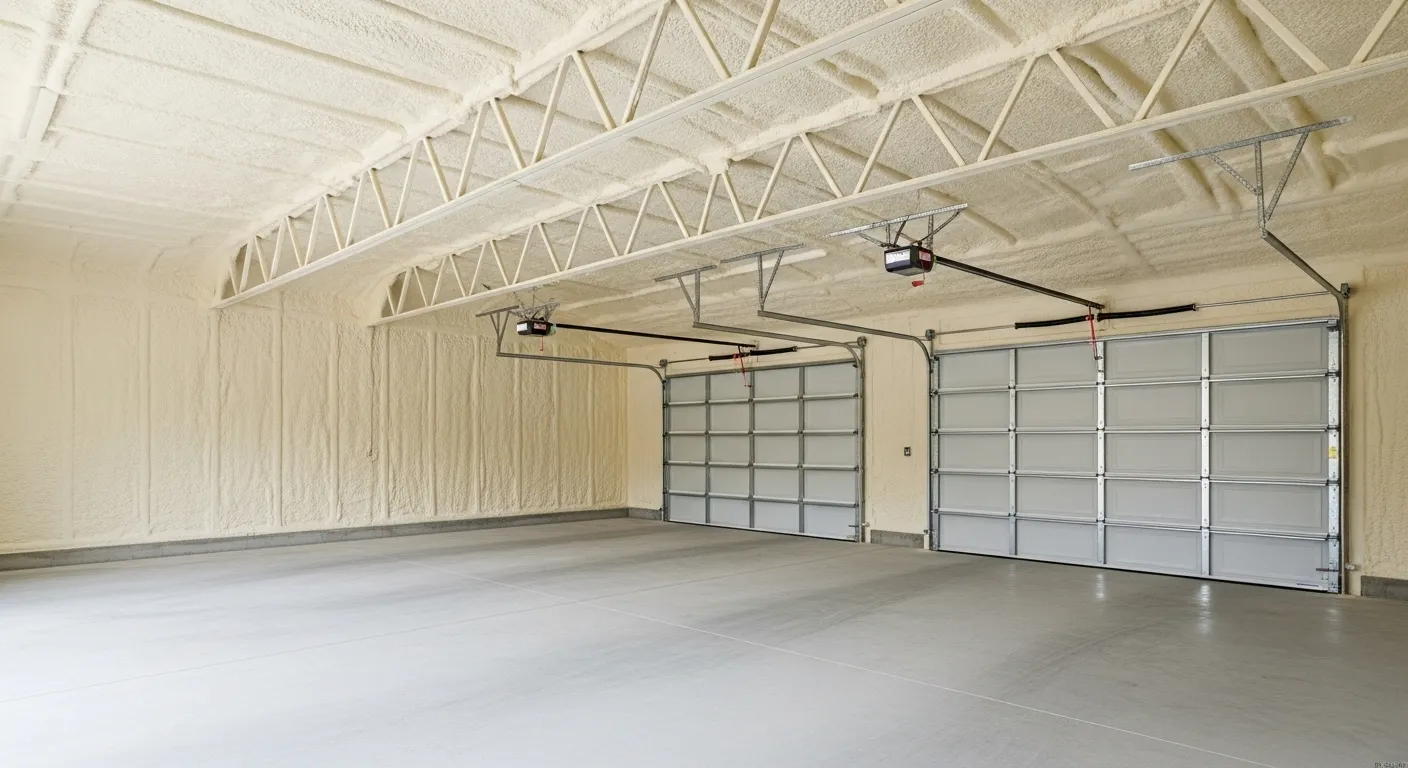
Commercial spray foam insulation provides thermal resistance and air sealing within suitable business buildings. Material selection depends on building use, construction specifications, and appropriate installation conditions.
Roofing Insulation

Roofing Insulation

Roofing insulation helps reduce heat transfer through suitable roof assemblies. Material selection depends on roof design, ventilation, moisture-control requirements, and the building's intended thermal performance levels.
Closed Cell Spray Foam

Closed Cell Spray Foam

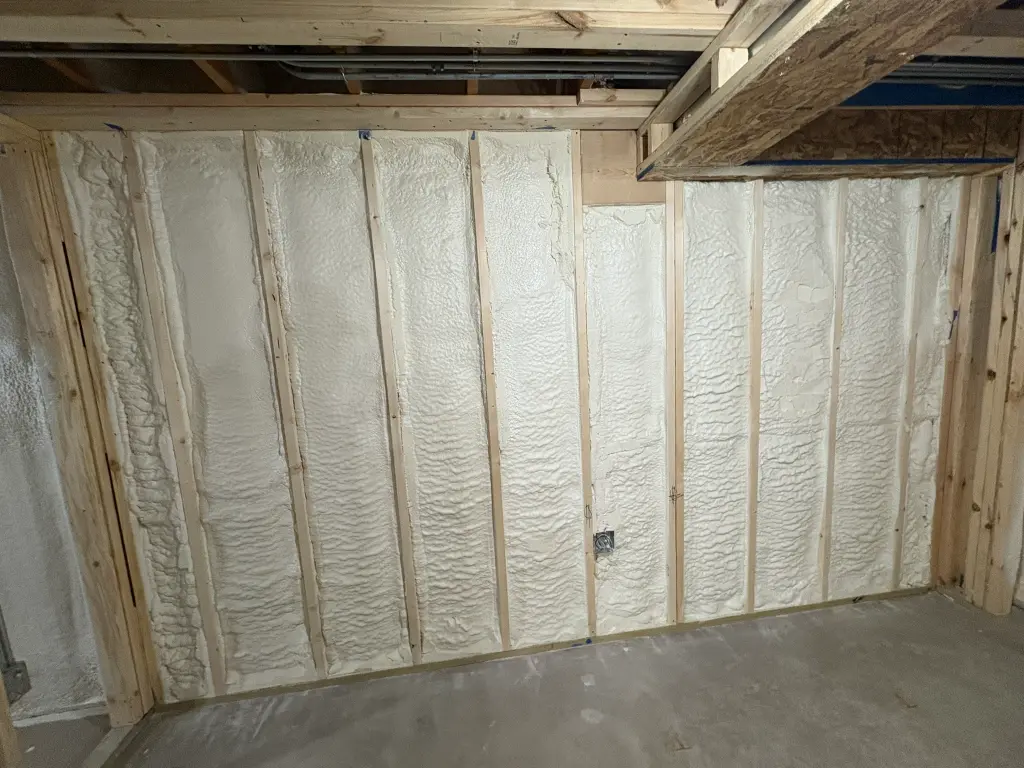
Closed cell spray foam provides high thermal resistance per inch and limits moisture movement. It suits compatible assemblies requiring air sealing and insulation within restricted spaces.
Loose Fill Insulation

Loose Fill Insulation

Loose fill insulation covers accessible ceiling spaces and other suitable areas. It helps improve thermal coverage around building components where properly installed insulation materials are required.
Interior Insulation

Interior Insulation

Interior insulation provides thermal resistance and, with suitable materials, sound control within building partitions. Applications depend on wall construction, space availability, and specific insulation performance requirements.
Foundation Insulation

Foundation Insulation

Foundation insulation reduces heat transfer through basement and foundation walls. Appropriate materials depend on below-grade moisture conditions, drainage, wall construction, and applicable insulation protection requirements for buildings.
Exterior Insulation

Exterior Insulation

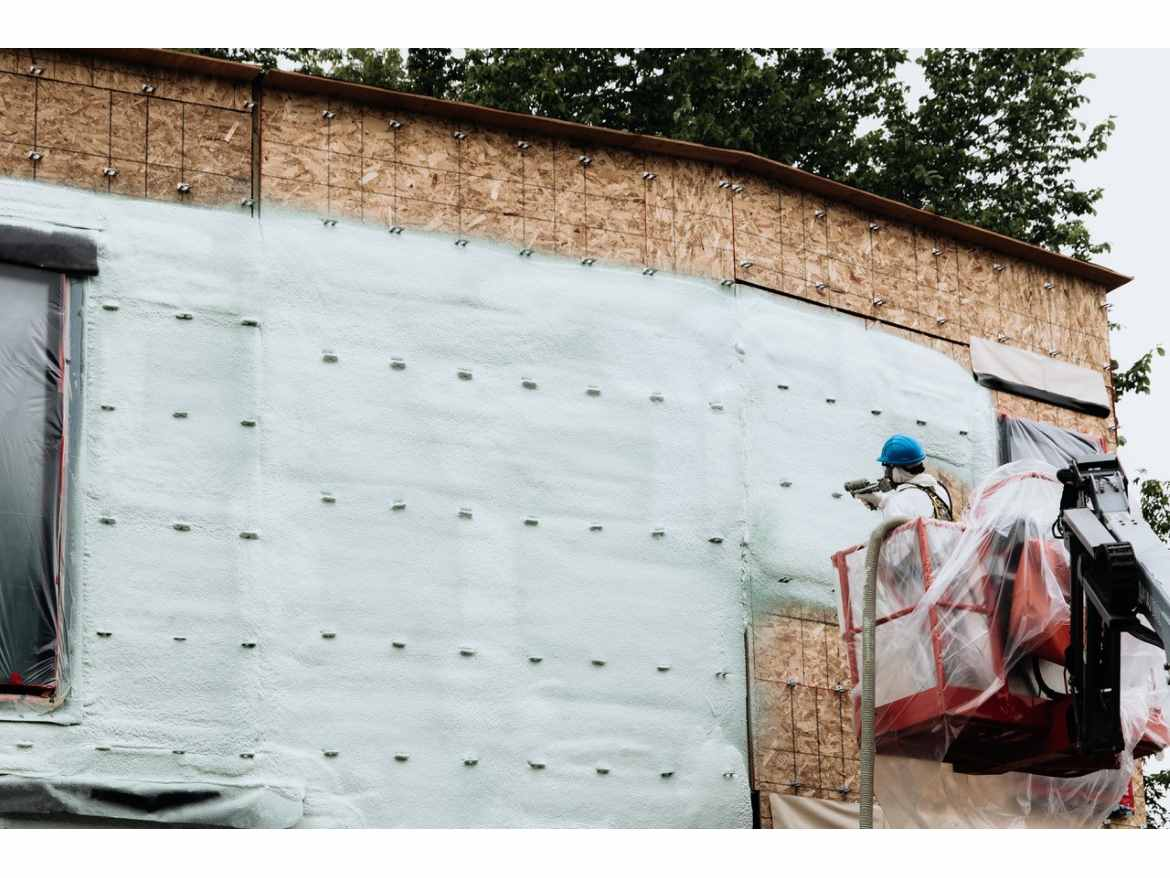
Exterior insulation reduces heat transfer through compatible wall assemblies. Proper installation requires suitable weather-resistant materials, careful detailing around openings, and protective coverings designed for exterior conditions.
Open Cell Spray Foam Insulation

Open Cell Spray Foam Insulation

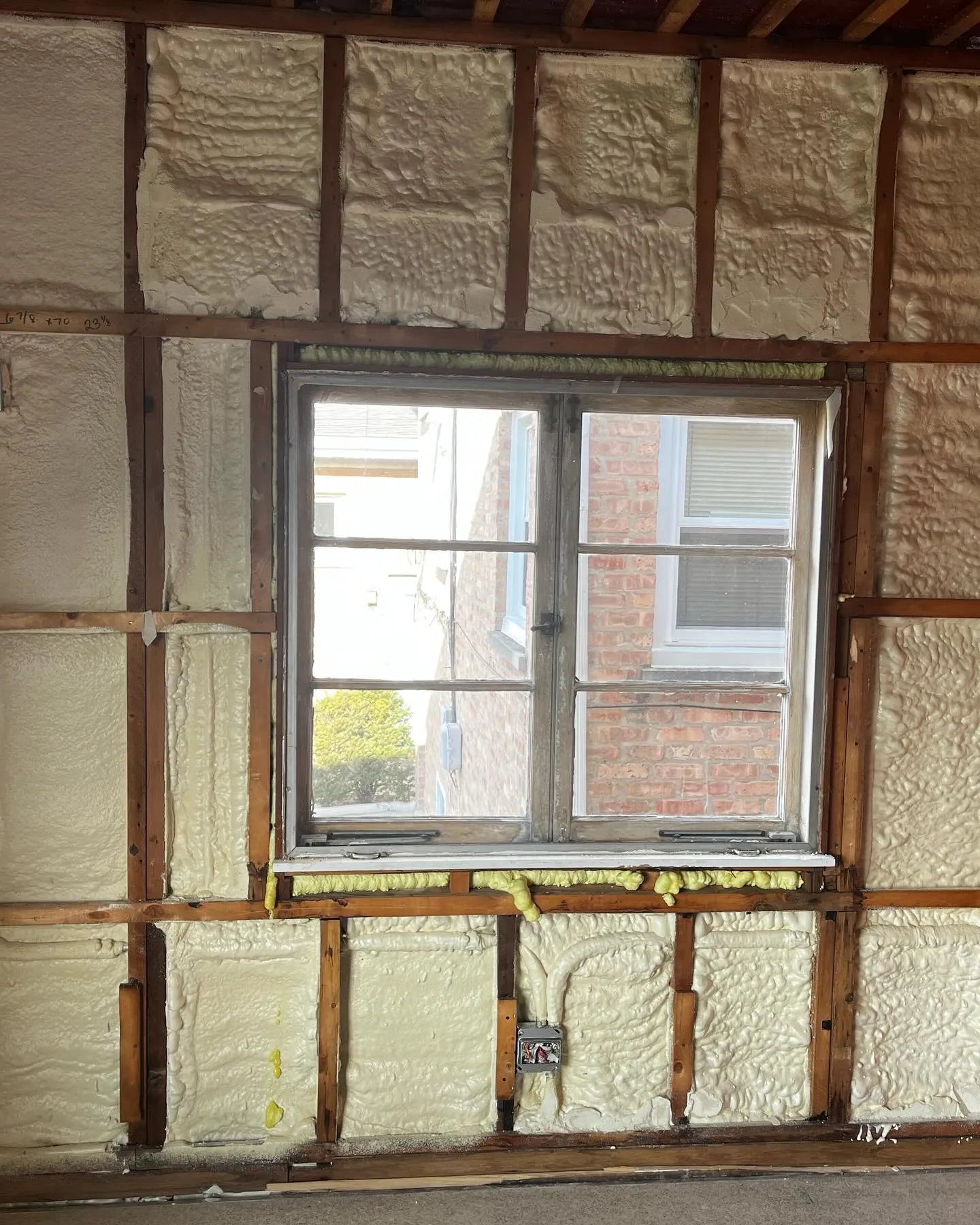
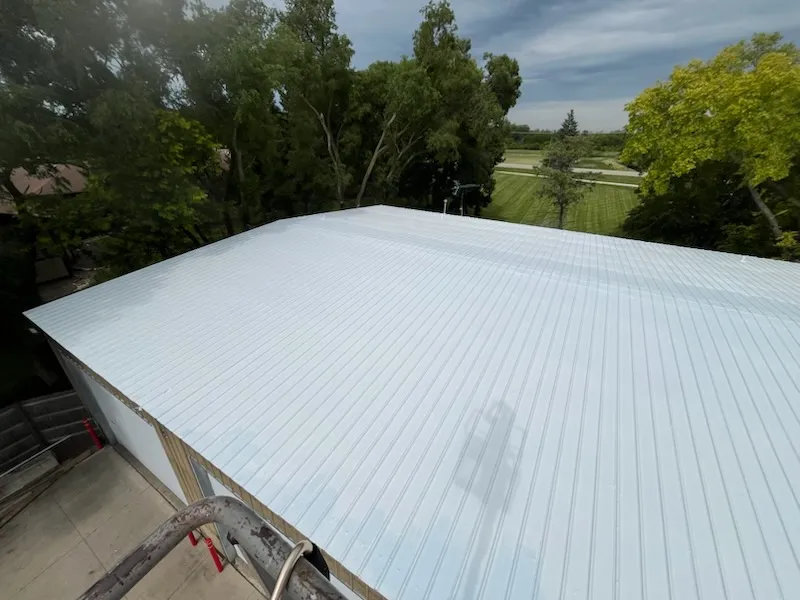
Open cell spray foam insulation expands into accessible cavities to reduce air leakage. It provides thermal resistance in suitable walls and compatible roof assemblies when appropriate.
Agricultural Spray Foam

Agricultural Spray Foam

Agricultural spray foam provides insulation and air sealing for suitable farm buildings. Material selection depends on building ventilation, moisture exposure, structural design, and specific operational requirements.
Blown-in Cellulose Insulation

Blown-in Cellulose Insulation

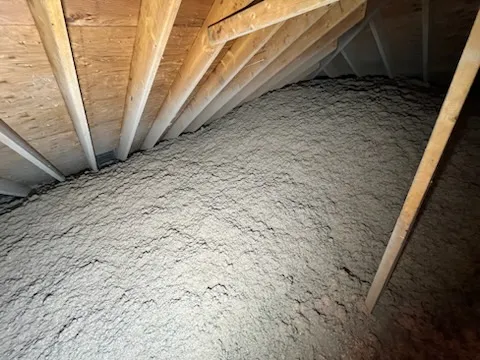
Blown-in cellulose insulation fills suitable ceiling spaces and enclosed wall cavities. It helps improve thermal coverage in existing Chicago buildings requiring additional insulation without extensive demolition.
Wall Insulation

Wall Insulation

Wall insulation reduces heat transfer through exterior and interior partitions. Suitable materials depend on cavity dimensions, existing insulation, wall construction, and required thermal performance for buildings.
Metal Building Insulation

Metal Building Insulation

Metal building insulation helps limit heat transfer through compatible walls and roof assemblies. Suitable installation methods also consider condensation risks, building use, and interior temperature requirements.
Mineral Wool Insulation

Mineral Wool Insulation

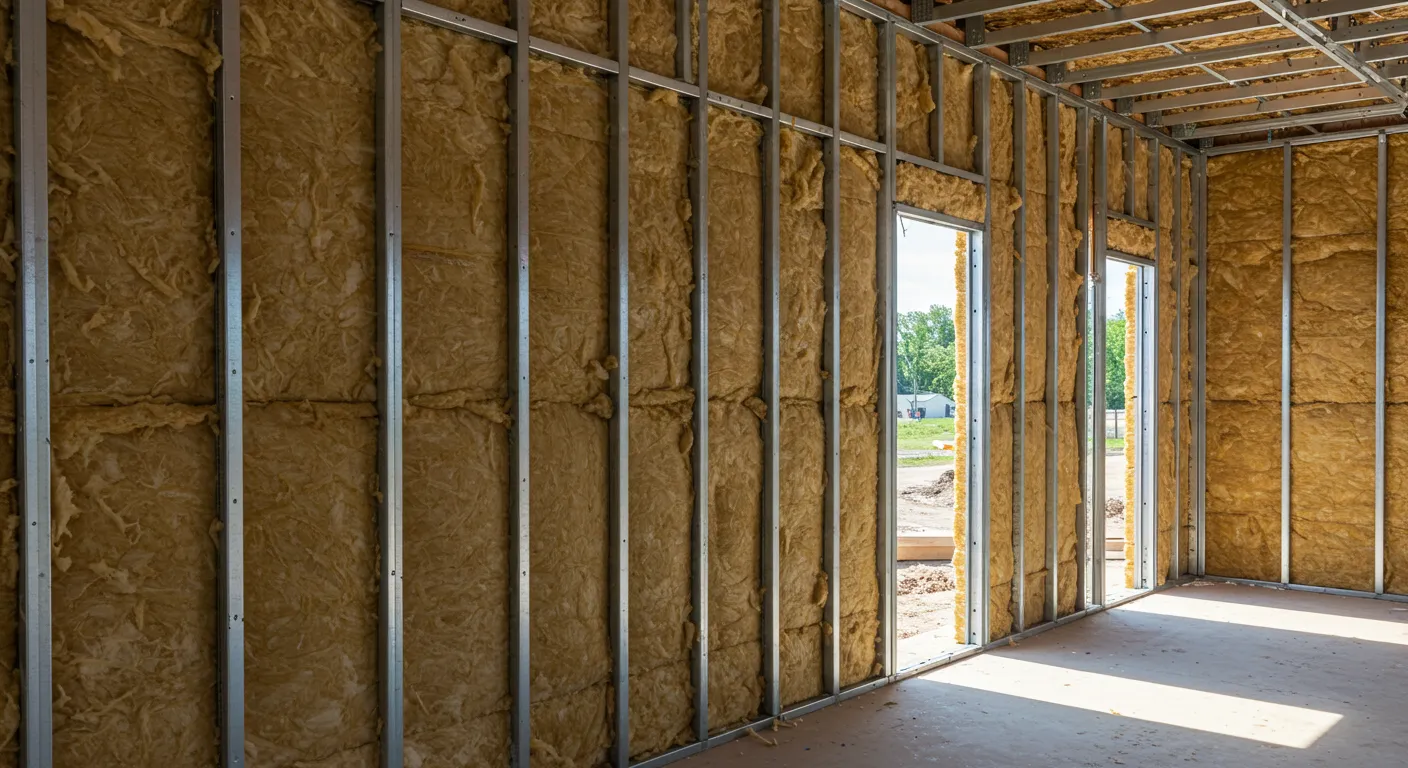
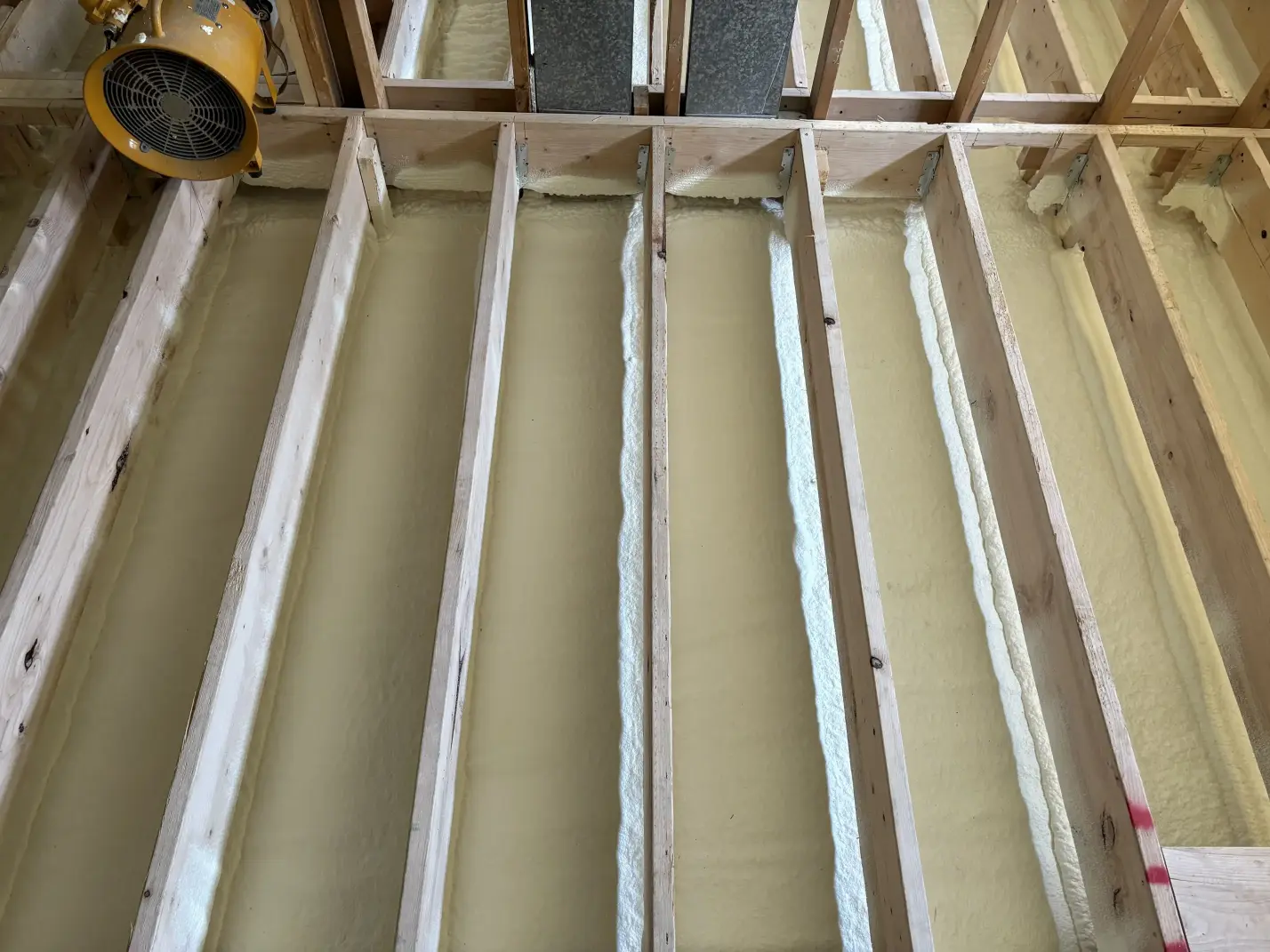
Mineral wool insulation provides thermal resistance, sound absorption, and fire resistance. It suits selected wall, floor, and ceiling assemblies where these specific material characteristics are required.
Insulation Removal

Insulation Removal

Insulation removal clears deteriorated, damaged, or contaminated materials before replacement. Existing leaks, pest problems, and other underlying concerns should be addressed before installing new insulation materials.
Air Sealing

Air Sealing

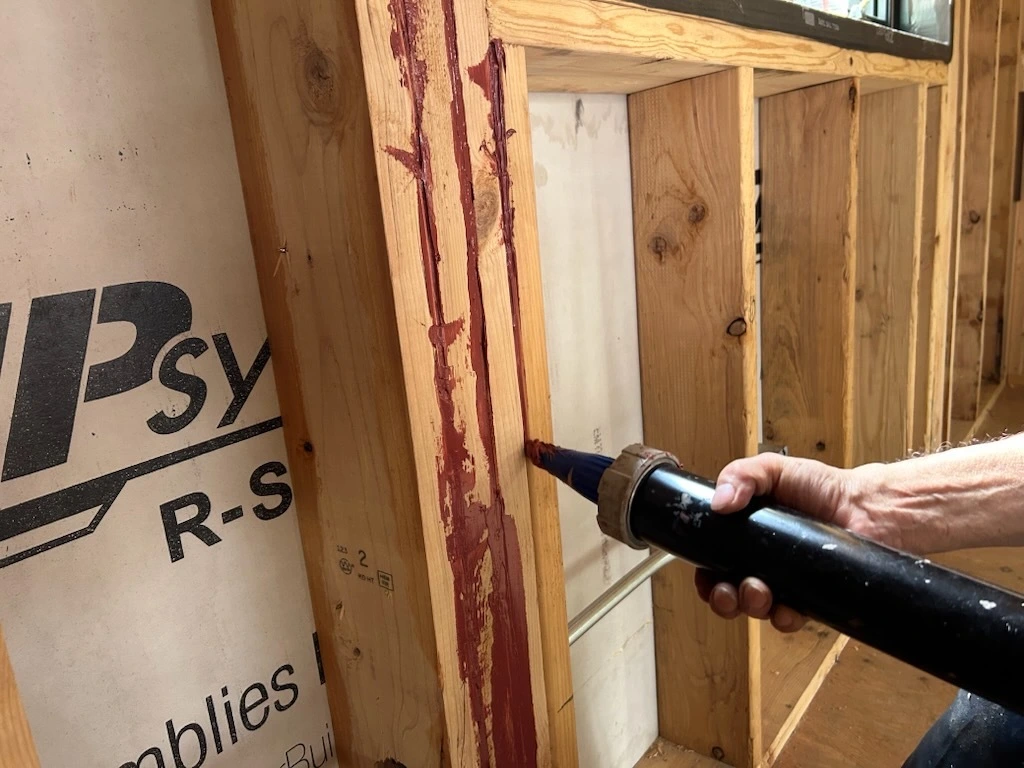
Air sealing closes gaps around framing joints, pipes, electrical penetrations, and other openings. It helps reduce drafts and uncontrolled airflow through suitable building assemblies and spaces.
Commercial Roof Coatings

Commercial Roof Coatings

Commercial roof coatings protect compatible roofing surfaces from weather exposure. Product selection depends on existing roof materials, surface preparation, drainage conditions, and specified coating performance requirements.
Floor Insulation

Floor Insulation

Floor insulation reduces heat transfer through floors above unconditioned spaces. Suitable materials help address temperature differences where basements, crawlspaces, or other areas remain cooler during winter.

Need Blown-In Cellulose Insulation in Chicago, IL?

If your property has insufficient attic insulation, enclosed wall cavities, or noticeable temperature differences between rooms, South Chicago Insulation, LLC offers materials for suitable insulation improvements. Contact us to discuss your building and request an estimate.

What Chicago Property Owners Can Expect After Contacting Us

01

Initial Insulation Discussion

Explain your insulation concerns, property type, and whether the project involves an existing home, commercial building, renovation, or new construction.

02

Property Information

Share details about existing insulation, accessible wall cavities, attic conditions, and any visible moisture problems that may affect the proposed work.

03

Available Insulation Options

Ask about cellulose, spray foam, mineral wool, and other suitable materials based on your building's construction and insulation needs.

04

Project Requirements

Discuss the approximate installation area, access restrictions, and whether existing insulation removal or additional preparation may be necessary.

05

Pricing Considerations

Request an estimate based on insulation materials, installation dimensions, existing conditions, and the work required for your property.

06

Scheduling Information

Ask about service availability, estimated project duration, and any preparations needed before insulation installation can begin.

How Blown-In Cellulose Insulation Is Installed in Chicago Buildings

Blown-in cellulose installation requires suitable equipment, careful cavity preparation, and appropriate material density. The installation method differs between open attic floors and enclosed wall cavities.

Assess Existing Insulation and Building Cavities

Accessible attic areas or wall cavities are examined for insulation coverage, obstructions, moisture damage, and available installation space. Existing building conditions help determine whether cellulose insulation is appropriate.

Prepare the Area and Address Air Leakage

Accessible gaps around ceiling penetrations, framing joints, and other openings are sealed using suitable materials. Existing moisture problems must be corrected, and attic ventilation openings protected before insulation installation.

Determine the Required Insulation Coverage

The appropriate installation depth or dense-pack density is established based on the building assembly, insulation requirements, and cellulose product specifications.

Install Cellulose Using Blowing Equipment

Loose-fill cellulose is distributed across suitable attic floors to the required depth. For enclosed wall cavities, cellulose is installed using dense-pack methods where the construction permits.

Verify Coverage and Complete Finishing

Installed insulation is checked for appropriate depth, density, and coverage. Access openings are closed where necessary, and ventilation pathways and required clearances are maintained.

Why Chicago Property Owners Consider South Chicago Insulation, LLC

South Chicago Insulation, LLC was established in 1984, bringing decades of business history to insulation services. Property owners looking for a blown-in cellulose insulation contractor in Chicago, IL can review our available insulation materials and services when planning improvements for residential or commercial buildings.

42 Years Since Establishment

Established in 1984, South Chicago Insulation, LLC has a business history spanning more than four decades in the insulation industry.

Residential and Commercial Insulation Services

Our available services include insulation for homes, business properties, building renovations, and suitable new construction projects.

Multiple Insulation Materials

Cellulose, spray foam, mineral wool, and other insulation options provide different thermal characteristics. Material selection depends on the building assembly and intended insulation requirements.

Insulation Options for Existing Chicago Buildings

Our services include retrofit insulation, wall insulation, and air sealing for existing buildings. Property owners considering energy-efficient insulation in Chicago, IL should assess insulation gaps and uncontrolled airflow together.

Request Cellulose Insulation Services in Chicago, IL

If your Chicago property has insufficient insulation, drafts, or uneven indoor temperatures, contact South Chicago Insulation, LLC to discuss your building conditions and request an estimate for appropriate insulation improvements.

Frequently Asked Questions About Blown-In Cellulose Insulation in Chicago, IL

How Much Does Blown-In Cellulose Insulation Cost in Chicago?

Pricing depends on installation area, insulation depth, required material density, accessibility, and preparation work. A property-specific estimate provides accurate costs based on existing building conditions and requirements.

Can Cellulose Insulation Be Installed Behind Plaster Walls?

Yes, suitable enclosed cavities behind plaster may accommodate dense-pack cellulose. Installation requires appropriate access, assessment of existing materials, and careful treatment of potential cavity obstructions.

Does Blown-In Cellulose Insulation Settle Over Time?

Loose-fill cellulose can settle after installation, so proper installed depth accounts for expected settling. Dense-pack wall applications require specified installation density to maintain consistent cavity coverage.

Can Cellulose Insulation Help Reduce Noise Between Rooms?

Cellulose insulation can reduce some airborne sound transmission within building partitions. Results depend on cavity coverage, wall construction, and other materials forming the complete assembly between rooms.

Is Blown-In Cellulose Insulation Safe Around Recessed Lighting?

Insulation must follow fixture clearance and protection requirements. Non-insulation-contact-rated lights need appropriate separation, while approved fixtures may permit insulation contact according to their listed specifications and instructions.

© 2025 All Rights Reserved. South Chicago Insulation
Secret Link
Skip to content