Why Pole Barns Need Spray Foam Insulation Protection
Direct Answer Pole barns need spray foam insulation protection because traditional insulation methods fail to address the unique structural challenges…


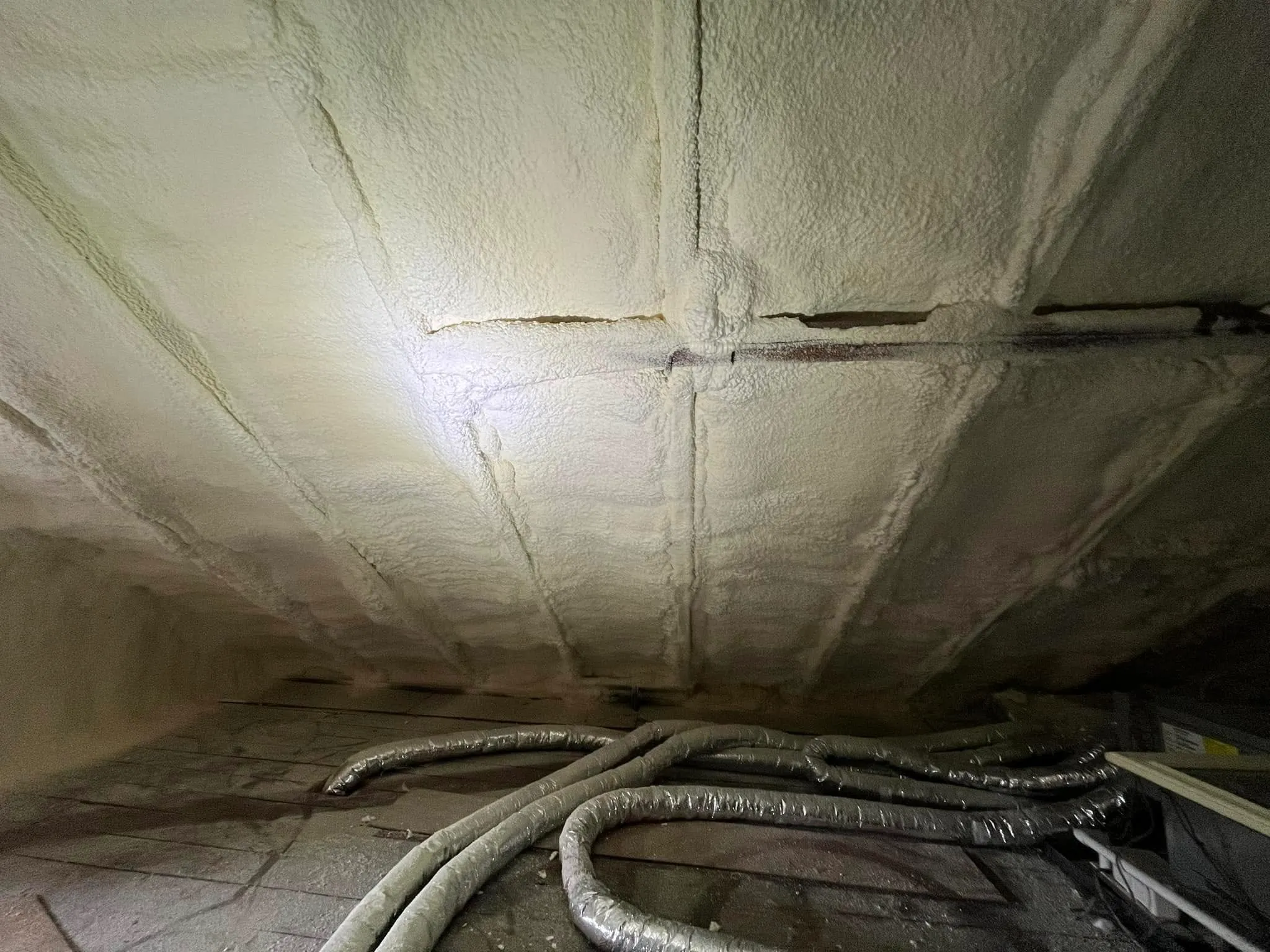
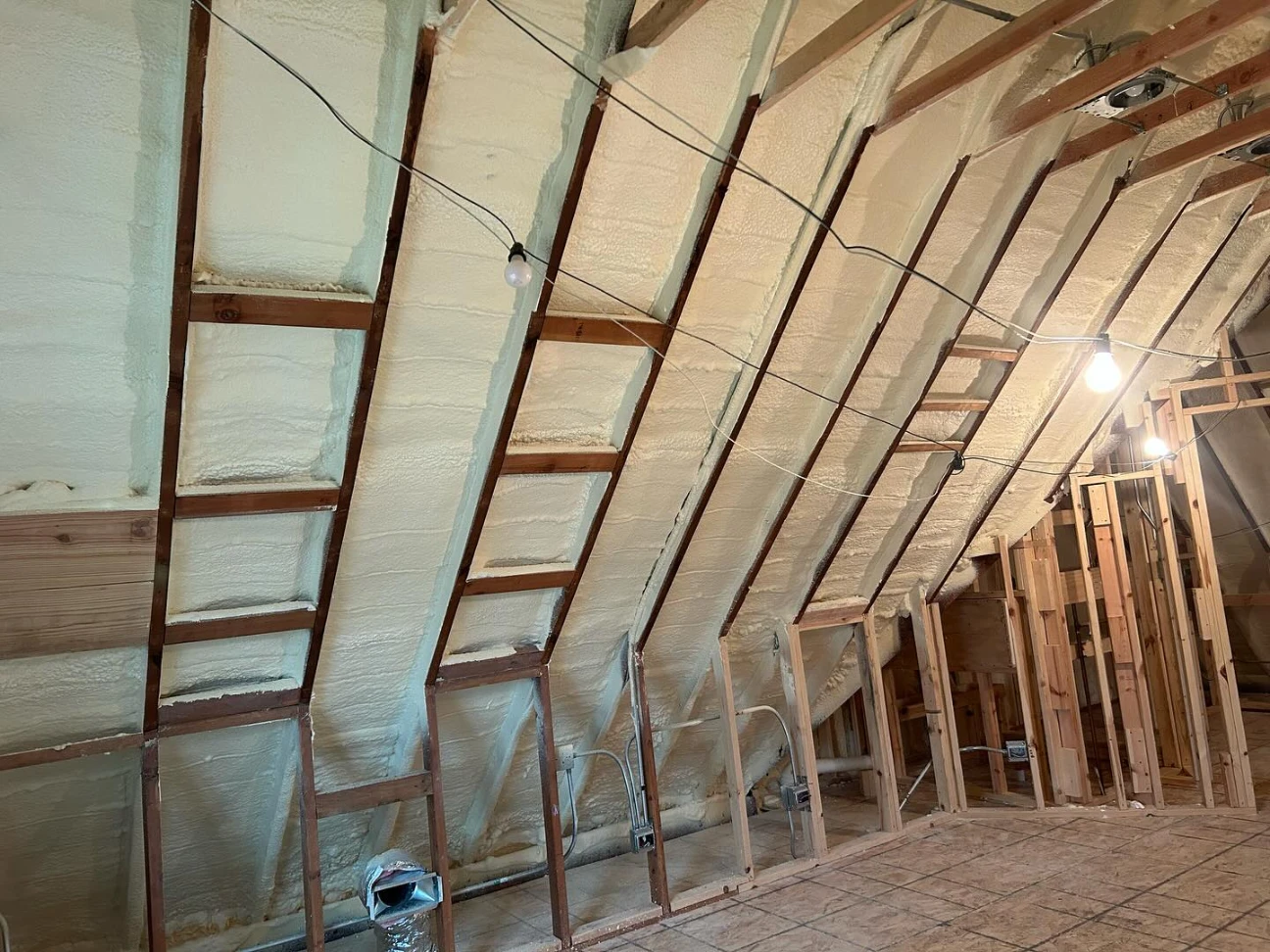
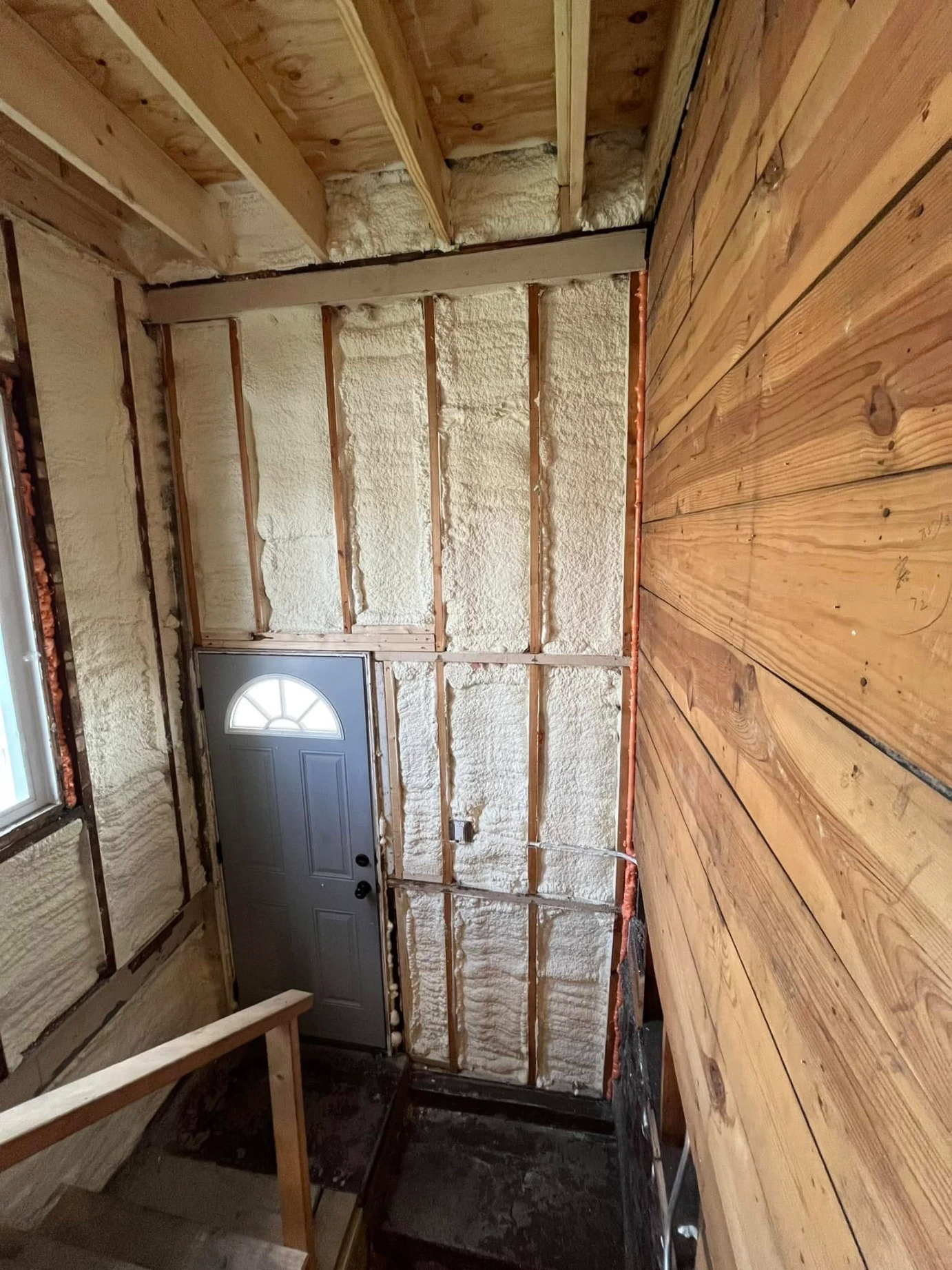
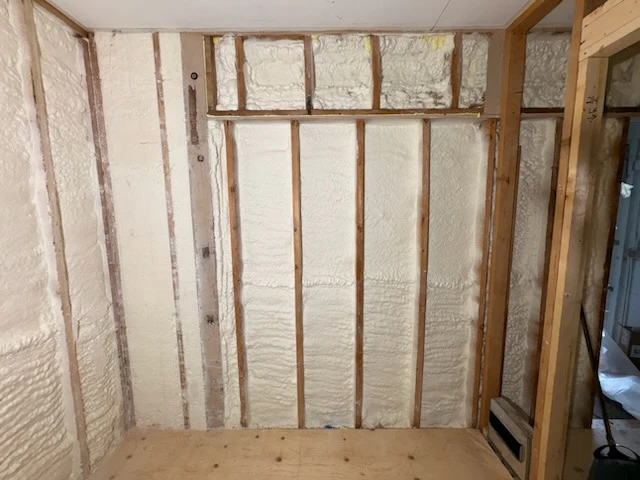
Homeowners notice immediate improvements in indoor comfort and climate control within hours of a spray foam installation. The most striking change is the total disappearance of drafts and hot or cold spots in specific rooms. Because spray foam expands to fill every crack and crevice, it creates an airtight barrier that traditional fiberglass batts or cellulose cannot achieve. This seal prevents conditioned air from escaping and stops unconditioned outside air from entering the living space.
This article provides a detailed look at the functional changes that occur in a residential property once the material cures. The information presented is based on years of field observations and technical data on building envelopes and thermal performance. Understanding these immediate results helps property owners set realistic expectations for their home improvement projects.
The most prominent change is how quickly the home reaches and maintains a set temperature. In a house with standard insulation, the HVAC system often runs constantly to counter the airflow through wall cavities and attic floors. Spray foam stops this air movement. According to the U.S. Department of Energy, reducing air leakage is a primary way to manage a home’s thermal environment.
Occupants typically find that they no longer need to adjust the thermostat throughout the day. The temperature in the upstairs bedrooms matches that in the living room. This uniformity is a direct result of the foam’s high R-value and air-sealing properties.
While long-term savings accrue over years, the reduction in HVAC run time is visible on smart thermostats almost immediately. Because the building envelope is now tight, the furnace or air conditioner does not have to work as hard to compensate for lost air. ENERGY STAR data indicates that sealing air leaks and adding insulation can save homeowners an average of 15% on heating and cooling costs.
Lower energy consumption occurs because the home acts more like a thermos and less like a sieve. The mechanical systems cycle on less frequently and stay off for longer periods. This reduced workload also means less wear on the expensive components of the heating and cooling system.
Homeowners often remark on how quiet the house becomes after the installation is complete. Spray foam, particularly the open-cell variety, has excellent sound-absorbing properties. It reduces the transmission of high-frequency noise from sources like traffic, sirens, and lawnmowers.
The material fills the gaps around windows, doors, and rim joists where sound usually enters. This creates a peaceful indoor environment that feels more private and secluded from the outside world.
Bonus Tip: If sound reduction is the primary goal for an interior wall, such as a home theater or laundry room, open-cell foam is generally more effective than closed-cell foam because its softer structure absorbs sound waves more efficiently.
The following table highlights the physical and performance differences between spray foam and traditional options.
| Feature | Spray Foam (Closed-Cell) | Fiberglass Batts | Cellulose (Blown-In) |
|---|---|---|---|
| R-Value per Inch | 6.5 to 7.0 | 3.1 to 3.4 | 3.2 to 3.8 |
| Air Sealing Ability | High (Built-in) | Low (Requires extra tape/caulk) | Moderate (Dense pack only) |
| Moisture Resistance | Waterproof | Holds moisture | Absorbs moisture |
| Lifespan | 80+ years | 15 to 25 years | 20 to 30 years |
| Pest Resistance | High | Low | Moderate |
Standard insulation materials can allow dust, pollen, and other outdoor pollutants to filter into the home through small gaps in the structure. Spray foam acts as a physical filter, blocking these particles. Creating a sealed barrier prevents the “stack effect” where air from a dusty crawlspace or attic is pulled up into the living areas.
Homeowners with allergies or respiratory sensitivities often notice a decrease in indoor irritants. Since the foam does not provide a food source for mold or mildew, it also helps maintain a healthier indoor air supply by keeping moisture levels in check in wall cavities.
Drafty floors are a common complaint in homes with crawlspaces or cantilevered floors. Traditional insulation often sags over time, leaving a gap between the floorboards and the insulation. This gap allows cold air to circulate directly beneath residents’ feet.
Spray foam adheres directly to the subfloor and joists. It does not sag or settle. This permanent bond ensures that the floor remains warm to the touch, even during the coldest winter months in the Midwest. South Chicago Insulation has observed that sealing these specific areas yields some of the highest resident satisfaction levels.
Humidity control is a significant benefit that becomes apparent during the first humid summer or rainy spring after installation. Closed-cell spray foam serves as a vapor retarder. It prevents warm, moist air from hitting cold surfaces where it would otherwise condense into liquid water.
By keeping the interior of the walls dry, the material protects the wooden framing from rot and decay. This moisture management also prevents the “musty” smell often associated with basements and attics.
Bonus Tip: Always ensure the attic is properly ventilated or designed as a “conditioned attic” before installing foam. Incorrectly sealing an attic without a plan for air exchange can lead to unexpected humidity issues.
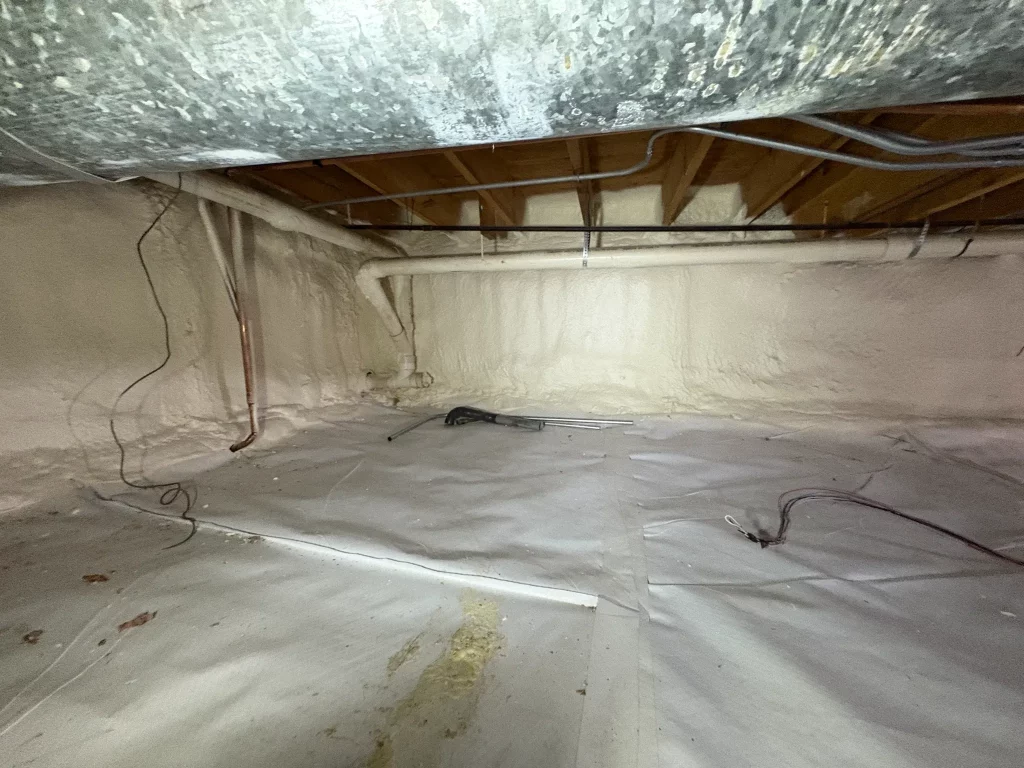
Closed-cell spray foam is a dense material that hardens into a plastic-like state. When applied to the walls or the underside of a roof deck, it bonds the building components together. This adds a layer of structural integrity to the home.
The Insurance Institute for Business & Home Safety has noted that closed-cell foam can increase roof uplift resistance during high wind events. While most people install it for the warmth, the added strength to the building frame is a significant secondary advantage.
Before moving forward with a project, it is helpful to evaluate a few practical factors:
No. Unlike fiberglass, which can settle, or cellulose, which can pack down and lose its R-value, spray foam is dimensionally stable. Once it expands and hardens, it maintains its shape and insulating properties for the life of the structure.
Yes, this is often done through a process called “injection foaming.” Small holes are drilled into the wall cavities, and a slow-rise foam is injected. This allows for a complete seal without removing all the drywall.
Professional teams use plastic sheeting to cover floors, furniture, and windows in the work area. The “overspray” is contained within the insulated zone, leaving the rest of the home clean.
Closed-cell foam is water-resistant and will not absorb water. If a leak occurs, the water will typically run across the surface of the foam, making it easier to identify the source without destroying the insulation.
Homeowners should assess their property’s performance shortly after the project is completed. Check the corners of rooms that were previously cold and listen for the difference in exterior noise levels. The immediate shift in comfort is usually the best indicator of a successful installation. Evaluating these changes against previous utility bills will confirm the efficiency gains over the coming months.
South Chicago Insulation recommends that property owners walk through their homes after the job to feel the difference in wall surface temperatures. This hands-on check provides immediate peace of mind regarding the investment.
South Chicago Insulation provides expert insulation services for residential properties looking to improve their thermal performance. For those interested in learning more about how these materials work in specific Chicago climates, please reach out via email at [email protected] or call (779) 803-8025. Consulting with a local professional ensures the right material is selected for the home’s unique architectural needs.